








Have you ever walked into a salon unsure if you need a trim haircut or a full cut? I’ve been there too. It’s confusing when you just want healthy hair but don’t know what to ask for.
This guide breaks down exactly what a trim haircut is and how it differs from a regular cut. I’ll help you figure out which service you actually need based on your hair goals.
You’ll learn when to book each type, how often to go, and why prices might surprise you. By the end, you’ll walk into your next appointment with confidence.
Let me share what I’ve learned from years of salon visits and conversations with stylists.
What Is a Trim Haircut?

A trim haircut targets only the very ends of your hair. You’re keeping the same length and style you already have.
Your stylist snips away damaged tips while your hair looks almost the same. Most trims take off about a quarter inch to half an inch.
You shouldn’t notice a major difference in length. The main reason for a trim is health.
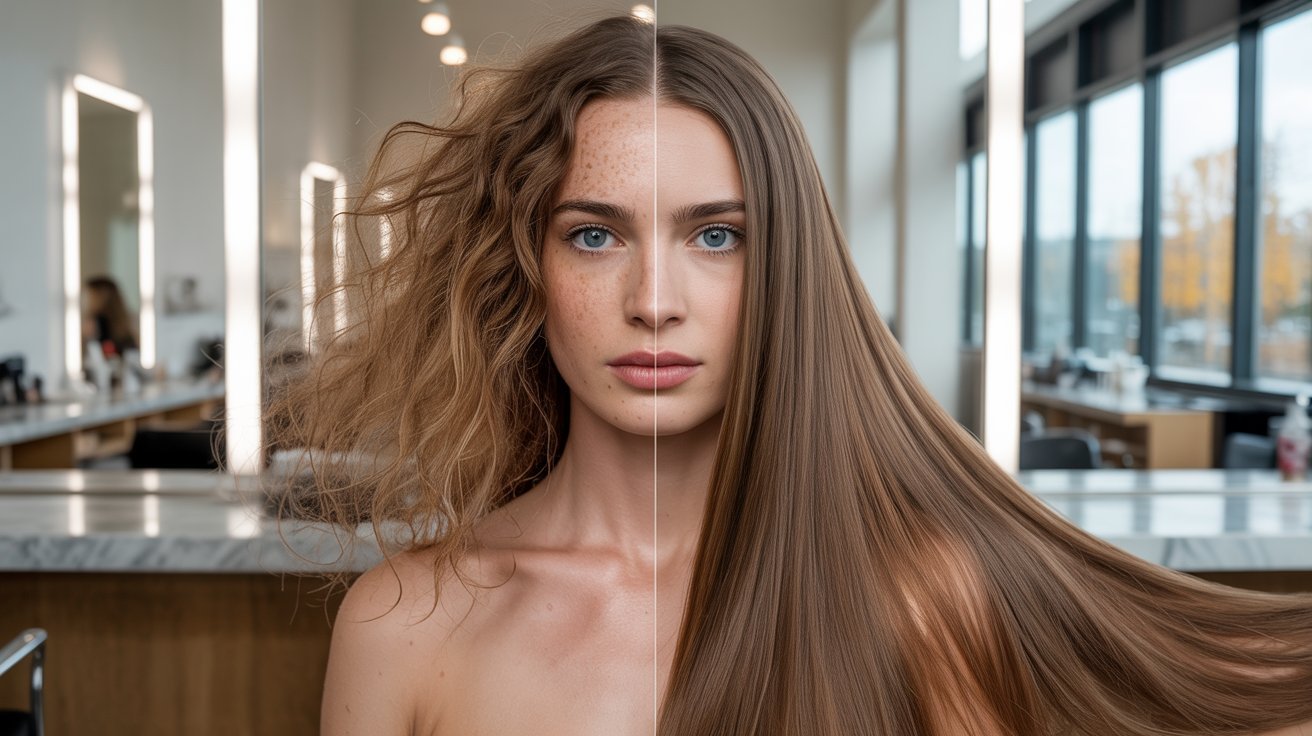
Split ends don’t fix themselves. A trim stops that damage before it spreads. Your hair stays smooth and strong.
What Is a Regular Haircut?

A regular haircut means you’re making a real change. Maybe you want shorter hair overall. Maybe you need layers added or a different shape.
This is when you show your stylist a photo and say “I want this.” You’re updating your look. Regular cuts usually remove at least one to several inches.
Even smaller changes often mean one to two inches coming off. The purpose here is visual change. Regular haircuts create new shapes.
They add movement through layers. They frame your face differently. This is about style, not just health.
Trim vs Regular Haircut: What’s the Real Difference?
The key differences lie in how much hair is removed, style changes, techniques used, and time invested.
|
Aspect |
Trim |
Regular Haircut |
|
Amount of Hair Removed |
Minimal length (fractions of an inch). Most people can’t even tell you got it cut. |
Noticeable amounts (1-6+ inches). Anyone looking at you will see the change. |
|
Style Changes |
Your style stays identical. Same length, same shape, same look. Just healthier ends. |
Alters your appearance. The shape shifts. Your hair moves differently. People notice. |
|
Tools Used |
Usually just clean scissor cuts across the ends. Straightforward and quick. |
Scissors, thinning shears for texture, razors for soft edges, clippers for certain styles. |
|
Time Required |
It takes less time, often 15 to 30 minutes. The process is simpler. |
I need more time (45 minutes to over an hour). Your stylist is planning, sectioning, measuring. |
|
Skill Level |
Requires skill but simpler process. |
Complex cuts require more experience and creativity. |
Benefits of Getting a Trim
Regular trims keep your hair healthy by removing damage before it spreads up the hair shaft.
- Split ends can’t repair themselves. A trim cuts those damaged ends right off, making your hair instantly smoother and shinier.
- Splits don’t stay at the bottom. They continue splitting upward. If you skip trims, that damage climbs higher and you’ll need to cut off way more length later.
- Healthy ends mean your whole head looks better. No frizzy, ratty ends sticking out.
- Your hair feels softer and tangles less. It’s easier to style when the ends are healthy.
- Even if you’re growing your hair out, trims help you maintain a polished look while adding length.
When You Should Choose a Trim
Pick a trim when you want to maintain your current style while keeping your hair healthy. Love your current length and shape? Then the trim is perfect.
Tell your stylist you don’t want any length taken off. Just the damaged bits at the very ends. If you’re growing your hair out, regular trims actually help.
By cutting damaged ends, you prevent breakage. Hair that breaks off at the ends never reaches your growth goals.
A trim also works if your ends look a little rough but the damage isn’t severe. A quick trim takes care of that without losing real length.
When You Should Choose a Regular Haircut
Go for a regular haircut when you need significant changes or have extensive damage to address. Tired of your look? Ready for something different?
That’s regular haircut territory. Bring photos and give your stylist creative freedom.
If you’re removing more than an inch, you’re in regular haircut range. When damage is bad, a tiny trim won’t cut it.
If splits have traveled up several inches, you need a real cut. Waited six months or more? You probably need more than a trim.
A proper cut gets you back on track. Then you can maintain it with regular trims.
How Often Should You Trim vs Cut?
Timing depends on your hair type, style, and how fast damage develops on your ends.
Most people should trim every two to three months. If it’s damaged or you use heat tools daily, go closer to six weeks.
Short styles need cuts every four to six weeks. Medium to long hair can go eight to 12 weeks.
Skip too many trims and damage compounds. What could have been fixed with a quarter-inch trim now needs two inches removed.
Why Trims Often Cost the Same as Haircuts
Salons charge similar prices because both services require professional skill, time, and finishing work. Cutting hair well takes training.
Your stylist’s expertise costs the same whether they cut a little or a lot. After cutting, your stylist dries and styles your hair.
This takes the same time for trims and full cuts. The washing, drying, and finishing are where much of the service time goes.
A trim still requires sectioning and checking for evenness. Your stylist can’t hide mistakes behind a big change.
Can Trims Be Cheaper?
Some salons offer reduced prices for simple trims, but conditions usually apply to qualify for these rates. A few salons have special pricing for quick trims.
They might charge half price or offer these free to regular clients. Your hair must arrive clean and dry with only a quarter inch or less removed.
Many salons charge one price for all hair cutting services. If price matters, ask about trim pricing when you book.
Conclusion
Now you know the real difference between a trim haircut and a regular cut. I used to think asking for a trim meant I’d save money or time.
I learned that’s not always true, but understanding what each service does helped me communicate better with my stylist. When you need healthy ends, ask for a trim.
When you want a fresh look, go for a full cut. Not sure which you need? That’s totally fine. Your stylist can look at your hair and recommend the best option.
Book that appointment and treat your hair right. Drop a comment below and tell me, are you team trim or team transformation?
Frequently Asked Questions
Can I trim my own hair at home?
You can trim your own hair, but it’s risky if you’ve never done it before. Most people end up cutting unevenly or taking off too much. If you must try, use proper hair scissors and only cut tiny amounts while your hair is dry.
How do I know if I need a trim or a full haircut?
Look at your ends in good lighting. If they’re just slightly dry or split, a trim works. If you see damage several inches up, frizz throughout, or want a style change, you need a regular haircut.
Will getting regular trims make my hair grow faster?
Trims don’t make hair grow faster from your scalp. But they prevent breakage at the ends, so your hair reaches longer lengths without snapping off. This makes it seem like it’s growing faster because you’re keeping more length.
Why does my stylist cut more than I asked for?
Sometimes stylists need to cut above visible damage to give you healthy ends. If you asked for a quarter inch but have splits traveling up two inches, cutting less won’t help. Good communication before cutting prevents this issue.
Do men need trims as often as women?
Anyone with longer hair needs regular trims regardless of gender. Short styles actually need more frequent cuts to maintain their shape. The need for trims depends on hair length and health, not gender.