
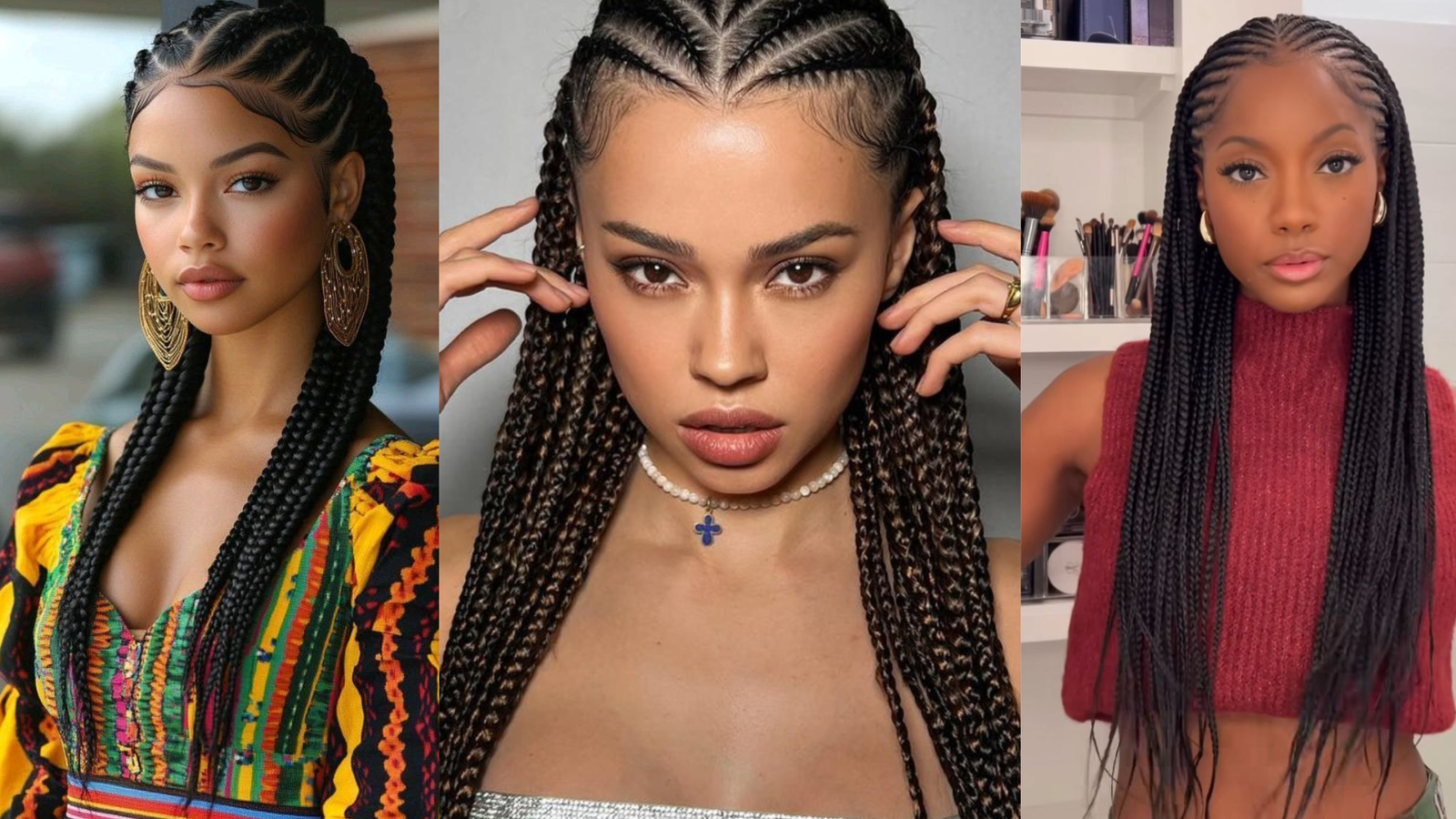



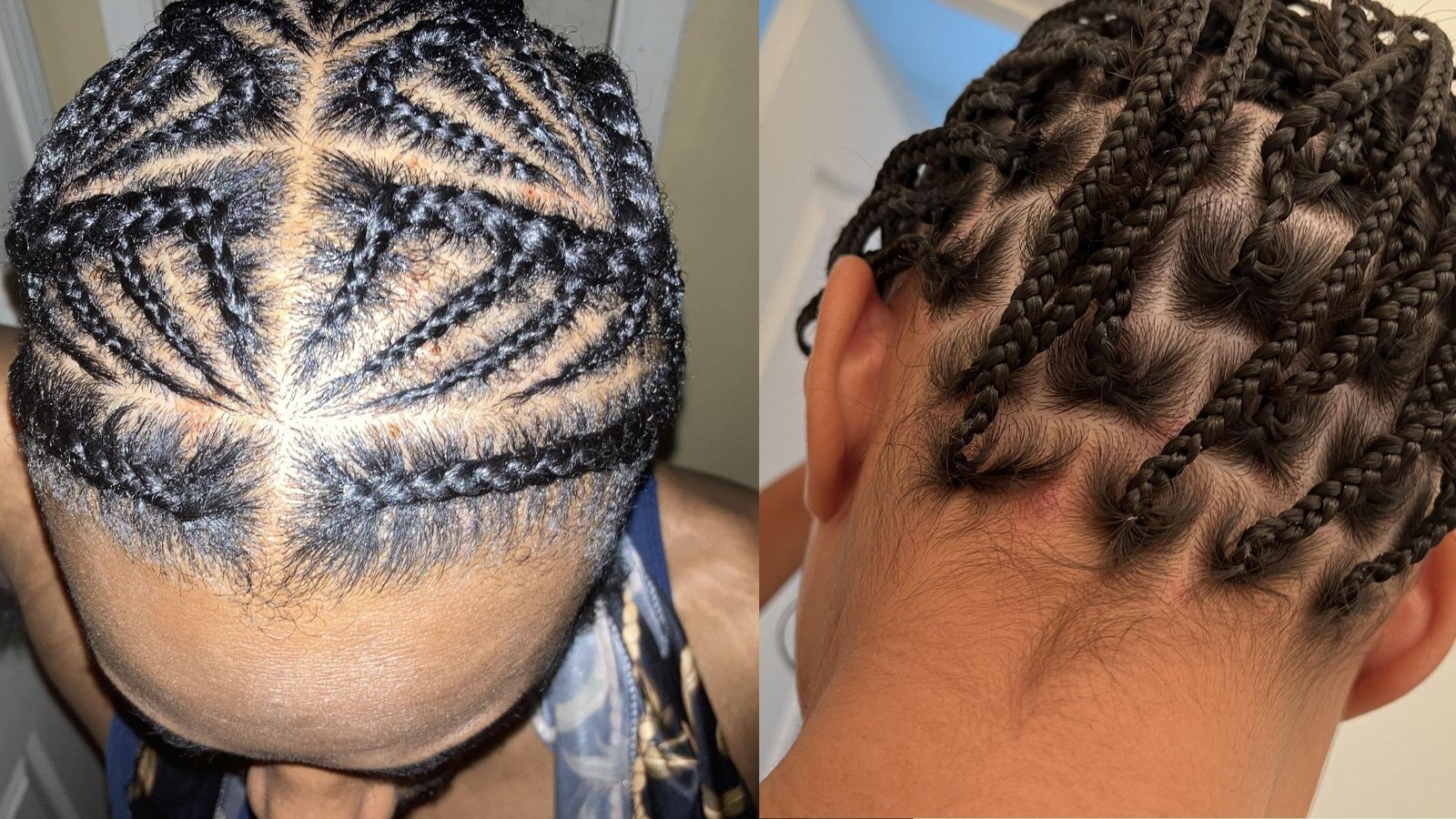

Tribal braids are more than a style choice. They reflect African culture, history, and identity shaped over centuries. The look begins with cornrows at the crown that flow into longer braids, forming patterns that feel strong and practical for daily wear.
Many people see tribal braids online or on public figures and wonder what makes them different from regular braids. The difference comes from meaning and technique. This style connects to heritage and respects customs shared across generations. Wearing them is about respect, not just appearance.
This guide explains tribal braids simply and clearly. You will learn about their roots in African communities, common styles like Fulani and Ghana braids, and how to care for them properly. It also explains why these braids continue to hold cultural importance today.
The History and Origins of Tribal Braids
Tribal braids aren’t a new Instagram trend. They’ve been part of African culture for thousands of years and carry deep meaning about the people who wore them.
In ancient African societies, braids were symbols of status and nobility, decorated with beads and cowrie shells. Your braiding pattern told people your social status, marital status, age, and tribal affiliation without saying a word.
Braiding was a communal activity where women bonded and passed down traditions. The complexity of patterns and colors of beads represented everything from wealth to family lineage.
Understanding What Tribal Braids Are
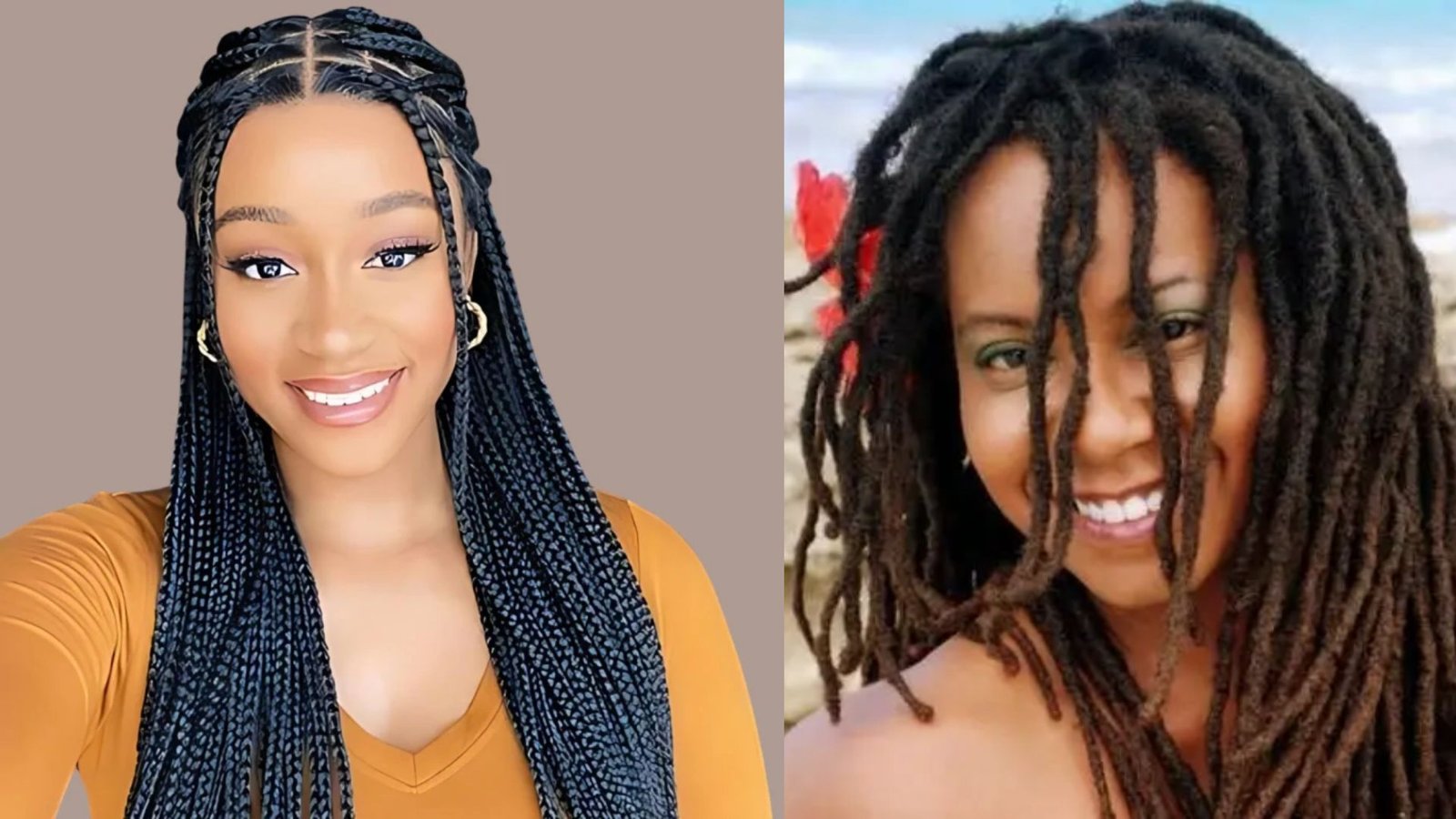
Tribal braids combine multiple braiding techniques into one style, starting with cornrows at the top that flow into longer individual braids. This creates a look that feels both structured and free-moving.
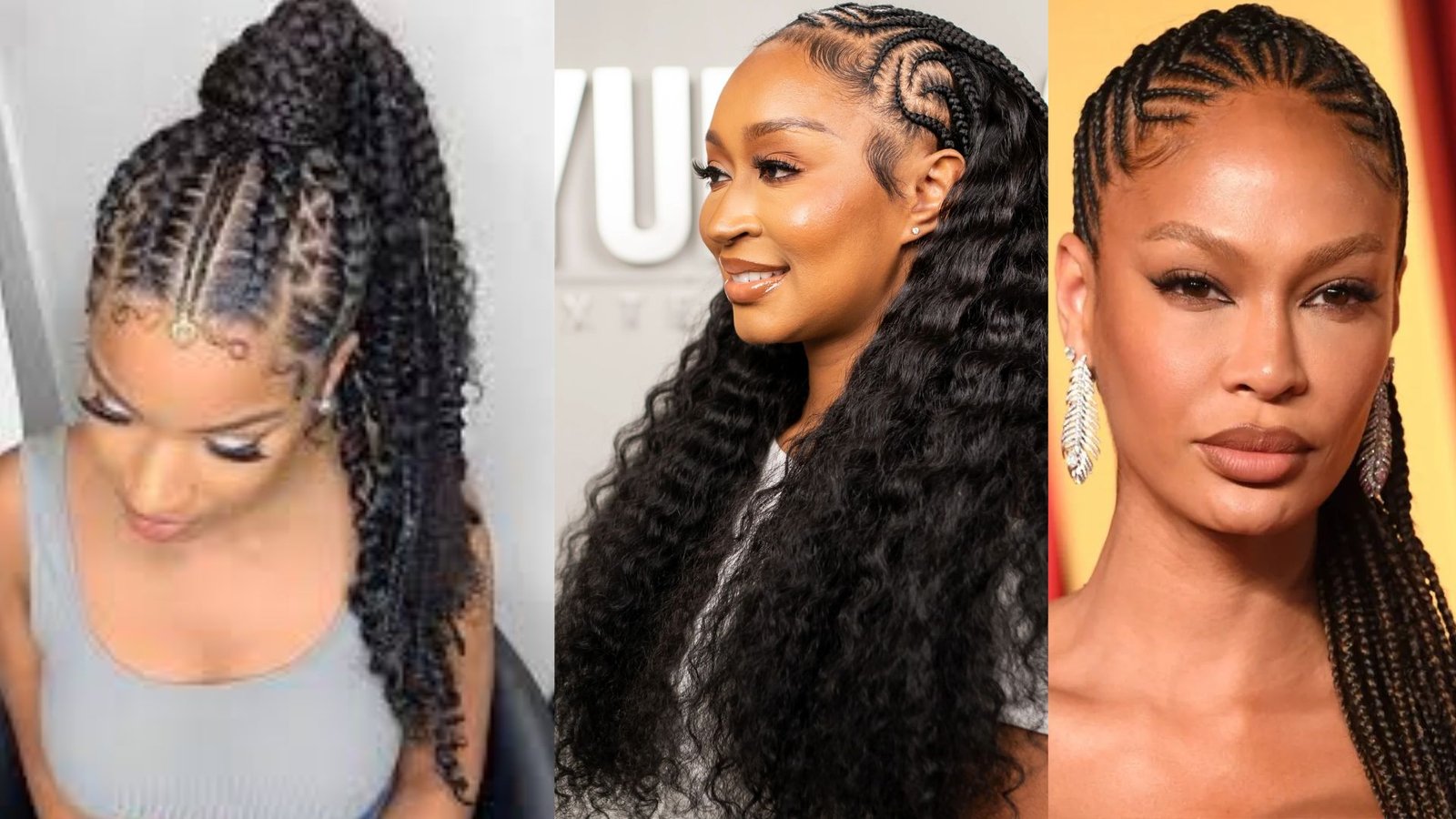
They are defined by detailed cornrow patterns paired with loose hanging braids, often finished with beads or shells. These elements reflect African heritage and give the style deep cultural meaning beyond appearance.
Unlike box braids or simple cornrows, tribal braids blend techniques and cultural expression together. Each pattern carries historical significance, making the style a wearable form of tradition and identity.
Popular Types of Tribal Braids
Different African tribes created distinct braiding styles, each with its own cultural meaning and visual identity. These influences shape the most popular tribal braid styles seen today.
Fulani Braids
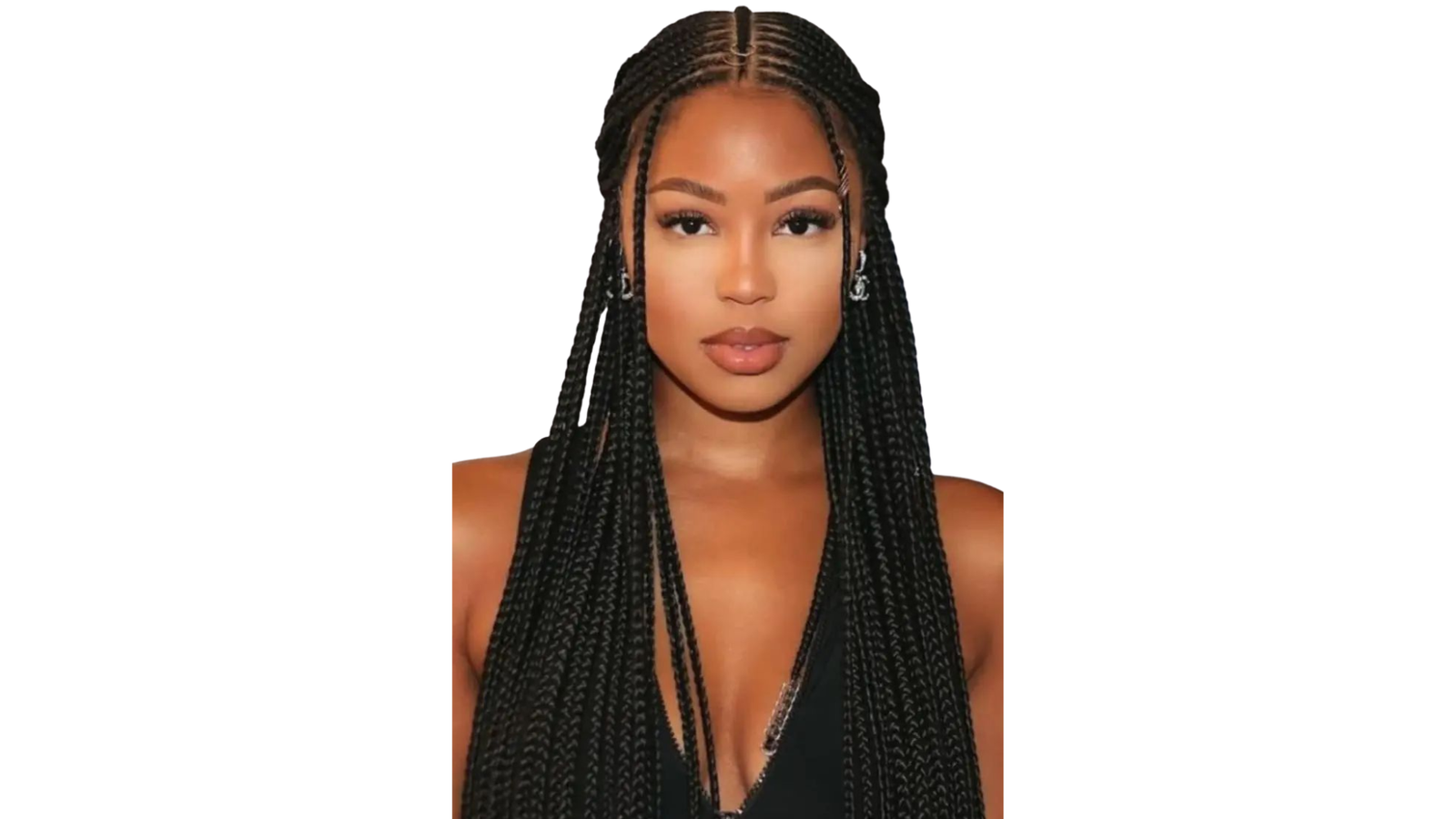
Fulani braids feature a signature center braid running from the front to the back of your head. Smaller side braids frame your face on both sides. The style gets decorated with beads and cowrie shells for an authentic look.
This braiding technique is rooted in the Fulani culture of West Africa. It’s been worn for centuries by Fulani women as a traditional hairstyle. The beads and shells aren’t just decoration. They hold cultural significance and tell stories within the community.
Ghana Braids
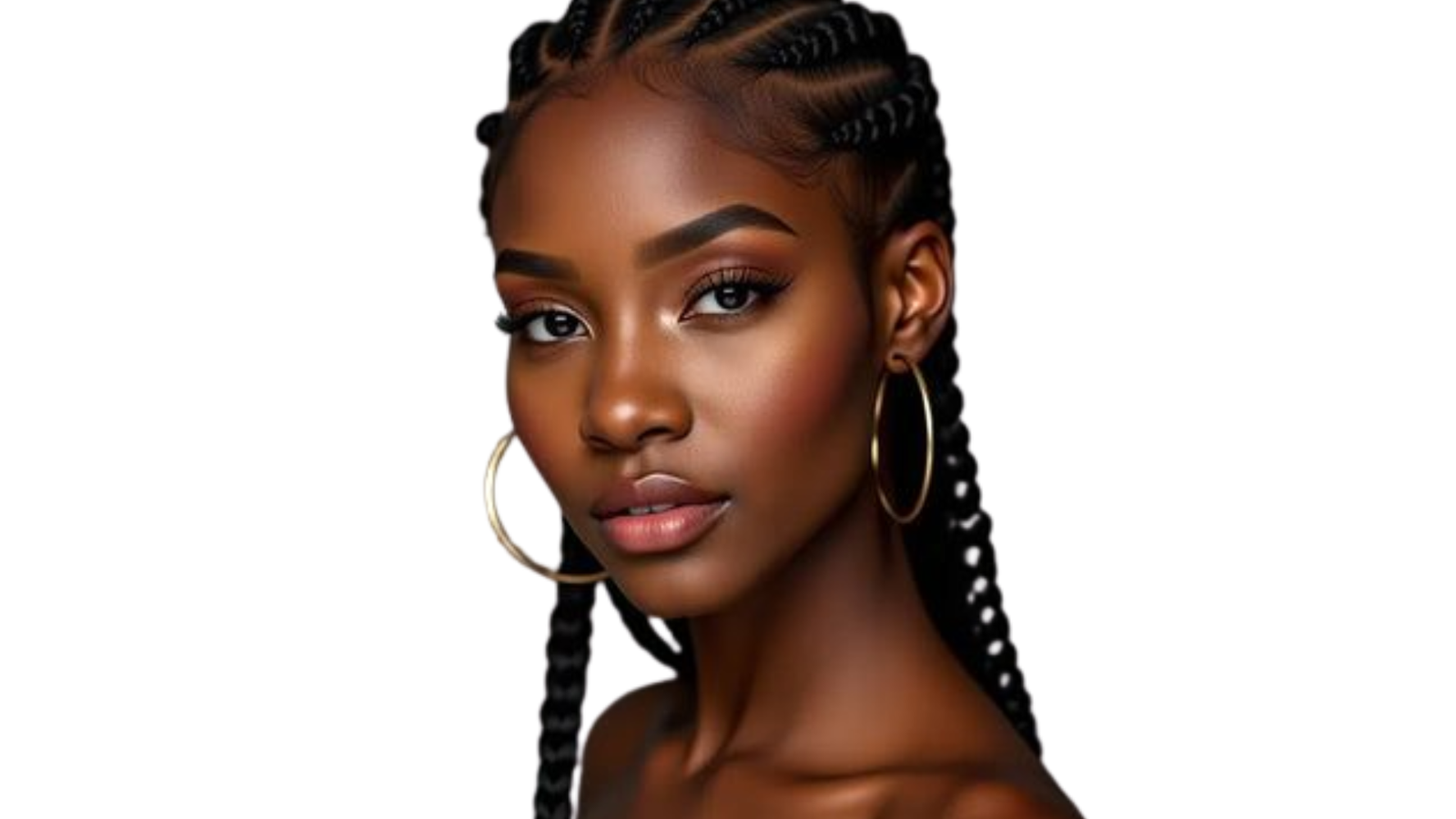
Thick cornrows are braided close to your scalp in straight or curved patterns. The braids are chunky and bold compared to traditional thin cornrows. You can create geometric designs, curves, or simple straight-back rows depending on your style preference.
This style offers strong protective benefits for your natural hair. The thickness means less tension on your scalp and edges. Your hair stays tucked away safely, protected from heat damage, weather, and daily manipulation that causes breakage.
Yoruba Braids
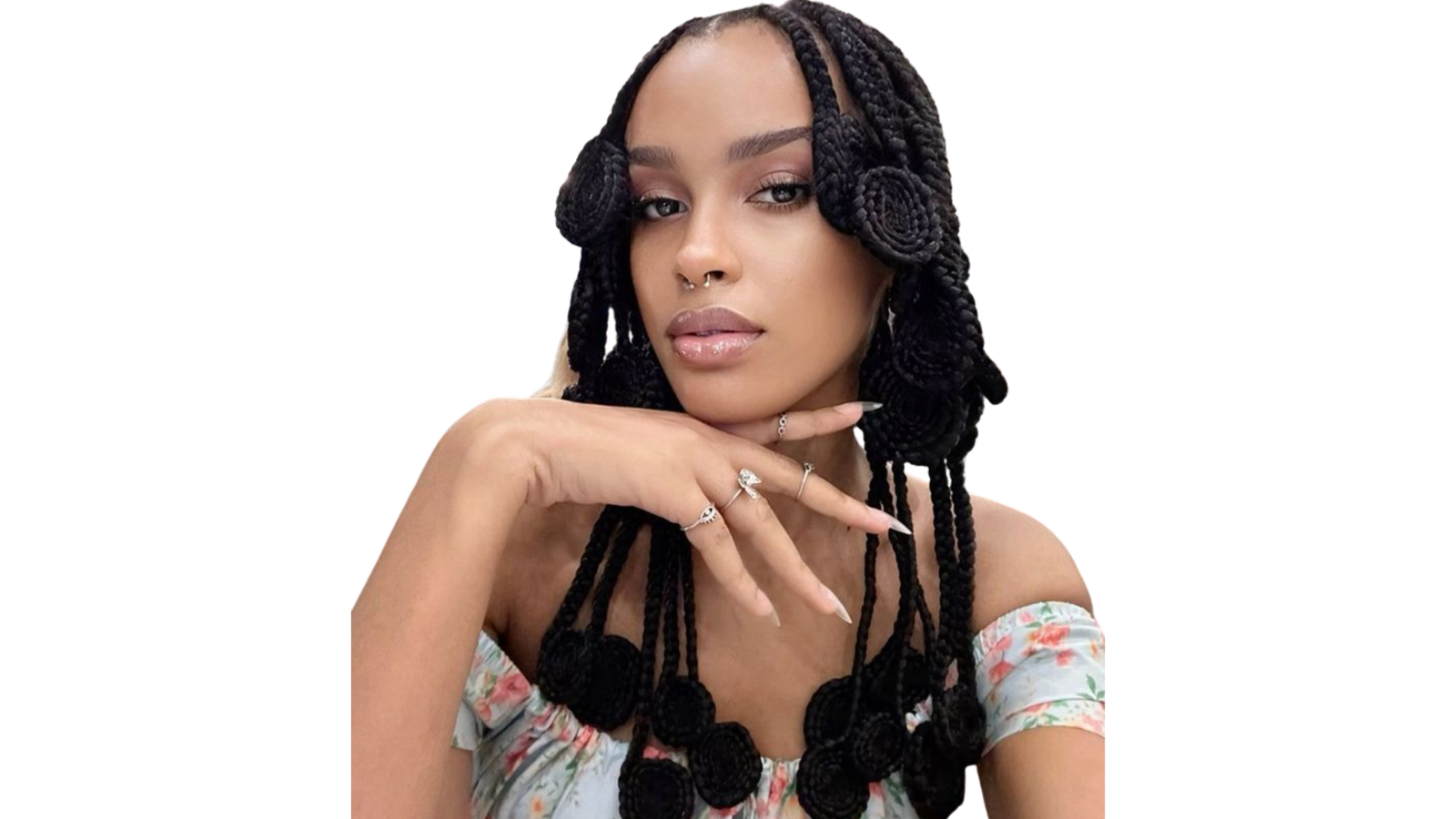
Tribal braids use large sections of hair braided into creative patterns. You can style them into twists, knots, or updos for maximum versatility. The size and patterns make them stand out immediately compared to smaller, more subtle braid styles.
These braids are ideal for bold statement styles that grab attention. The larger sections allow for more dramatic designs and geometric patterns. You get a striking look that’s both protective and expressive, perfect for making an impression with your hair.
Maasai Braids
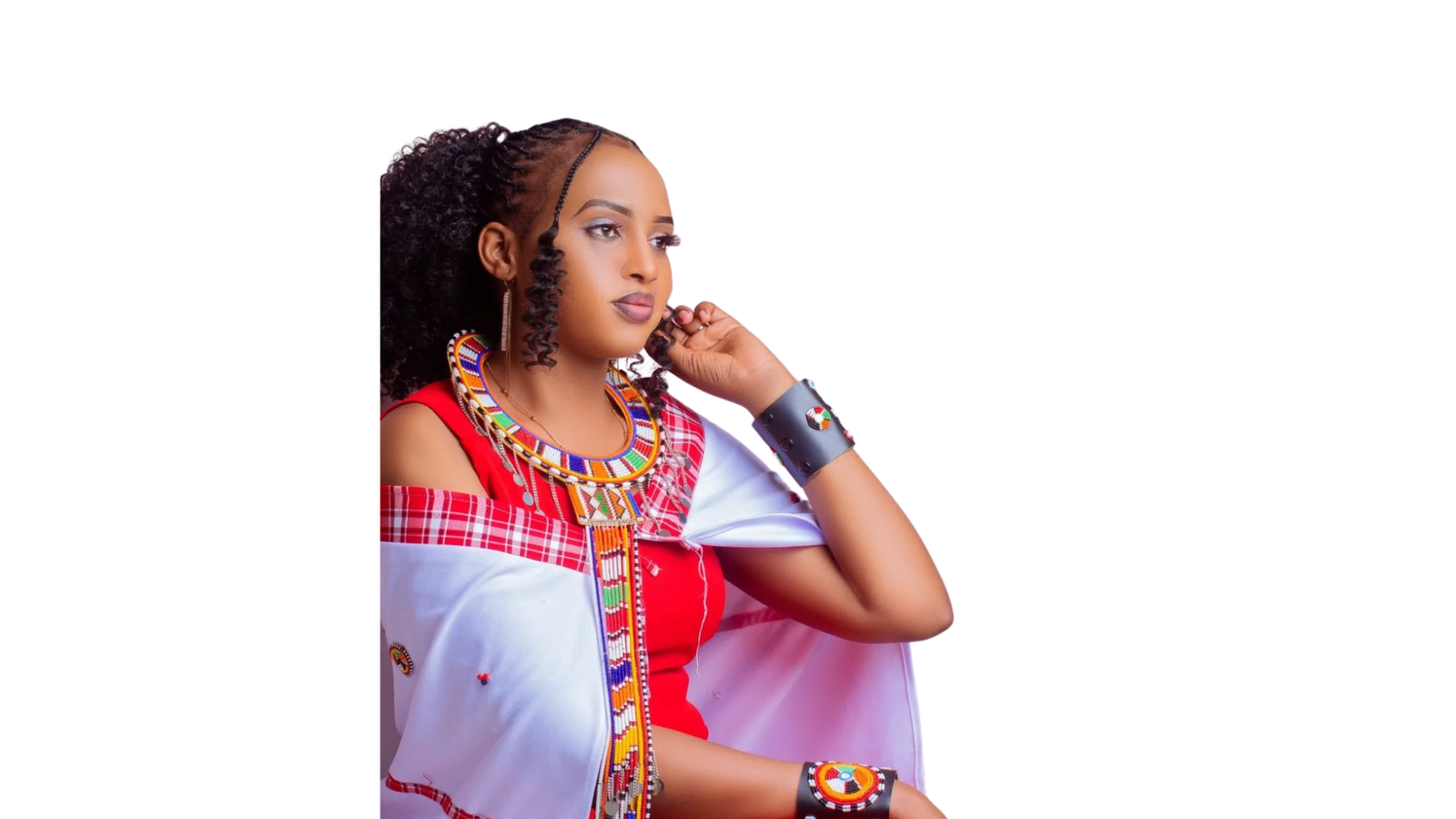
Maasai braids are long braids traditionally dyed red using natural ochre. The braids get finished with colorful beads woven throughout their length. The red color and beadwork create a distinctive, vibrant appearance that’s instantly recognizable.
These braids reflect strength, beauty, and social identity in Maasai culture. The style has been worn by Maasai warriors and community members for generations. The beads and colors communicate status, age, and important life events within the community.
Boho Braids
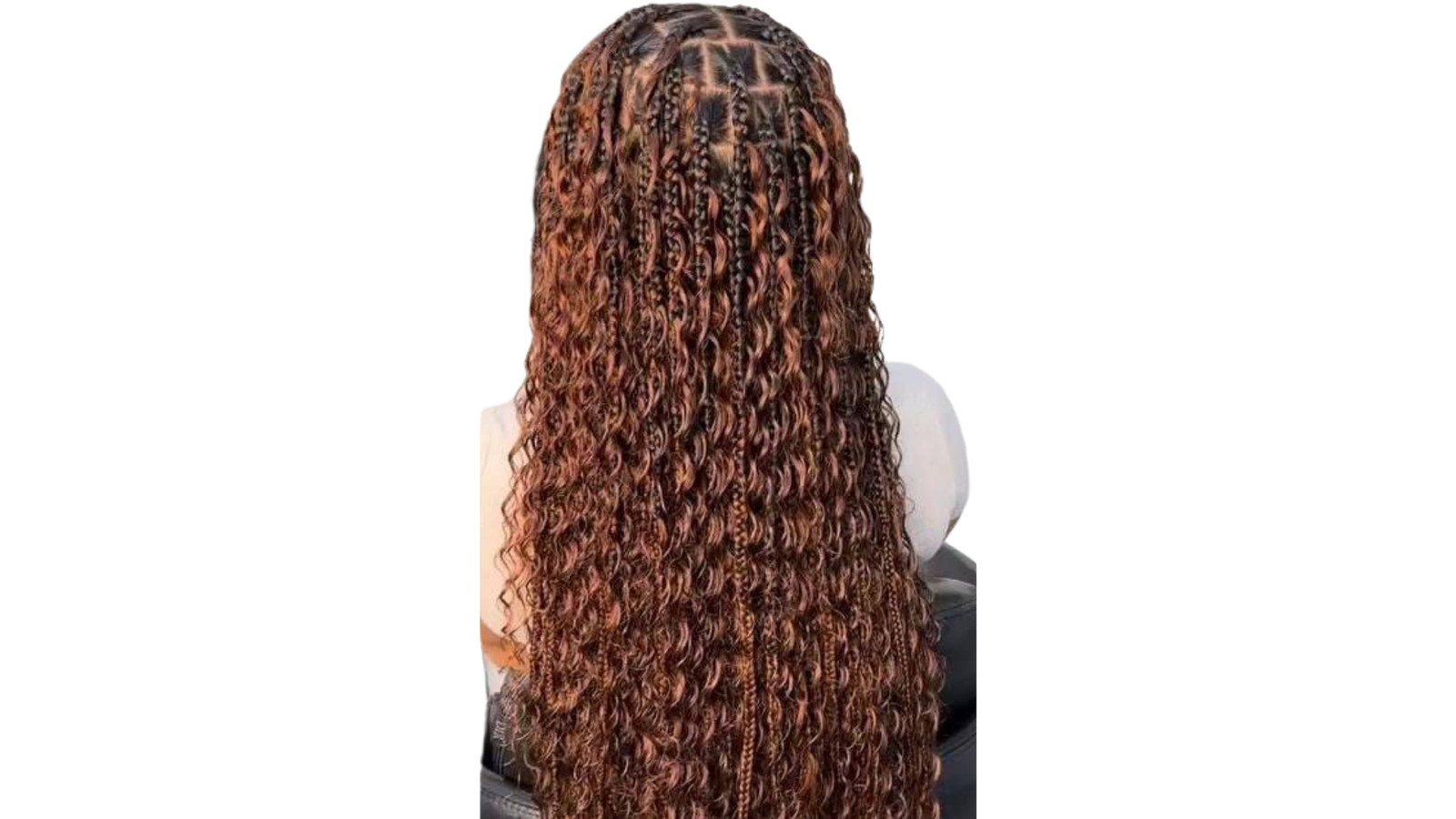
Boho tribal braids strike a balance between structured tribal braids and free-spirited boho style. Medium-sized braids hang loosely with intentionally unraveled tips or are decorated with strands of loose curls. The look is relaxed and effortless rather than perfectly neat and uniform.
Wispy baby hairs and face-framing tendrils escape freely around your hairline. “Carefree texture” is the signature of this style. It’s meant to look natural and undone. The intentional messiness creates a bohemian vibe while still maintaining the protective benefits of braiding.
Styling Your Tribal Braids
Once you have tribal braids, the styling options are many. These braids work for any occasion, from casual hangouts to formal events. Here’s how to make them work for you.
Incorporating Beads and Accessories
Beads come in different shapes, sizes, and colors, allowing you to match outfits or highlight traditional African designs. Shells and ornaments add cultural depth to tribal braids.
Wooden beads, metallic accents, cowrie shells, colorful plastics, and gold or silver cuffs offer many ways to personalize your style.
Adding Modern Elements
Modern tribal braids often incorporate colorful extensions for pops of unexpected color. Metallic threads add shine and catch the light visual appeal. This fusion of old and new creates a dynamic, contemporary look.
You get greater creativity while still honoring traditional roots. The key is balancing modern elements with respect for the cultural significance of the style.
Styling for Different Occasions
For casual days, wear your tribal braids loose or in a simple ponytail. Formal events call for styled updos with formal accessories added. Side swoop styles create an asymmetrical look that’s refined.
The versatility makes tribal braids suitable for literally any event. I’ve worn mine to the gym, to weddings, and everything in between. They always work.
Benefits of Choosing Tribal Braids
Tribal braids offer practical benefits beyond just looking good. They’re a smart choice for your hair health and lifestyle. Here’s why so many people choose this style.
- Tribal braids need minimal upkeep, with light moisturizing and gentle washing to stay fresh and neat.
- With proper care, they can last four to eight weeks without frequent restyling.
- Their long wear makes them cost-effective by reducing salon visits and styling products.
- Tribal braids celebrate African heritage and serve as a strong expression of cultural identity.
- As a protective style, they reduce breakage and help natural hair grow undisturbed.
How to Maintain Tribal Braids
Proper maintenance keeps your tribal braids looking fresh for their entire lifespan. Skip these steps, and your braids will look old within two weeks. Here’s what you need to do.
- Keep your scalp moisturized with a lightweight oil every two to three days, focusing on the parts between braids to prevent dryness and itching.
- Hydrate the braids themselves with a leave-in conditioner, concentrating on the length to prevent dryness and breakage of your natural hair underneath.
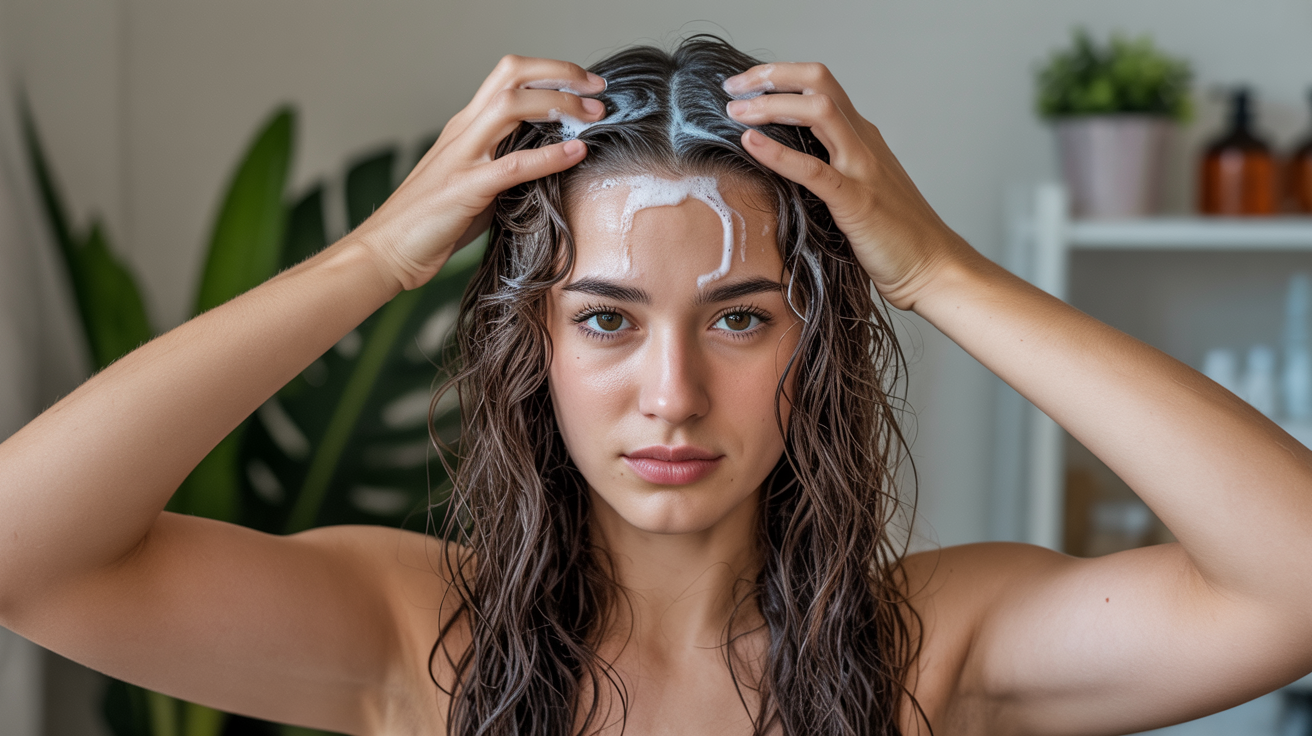
- Wash tribal braids every one to two weeks using sulfate-free shampoo, focusing on the scalp and drying thoroughly to avoid odor or buildup.
- Protect your braids at night by using a silk or satin scarf, bonnet, or pillowcase to reduce friction and frizz.
- Avoid tight styles that put tension on your scalp and edges, and opt for loose updos or wearing your braids down most of the time.
Tribal Braids in Contemporary Fashion
Tribal braids have moved from traditional African communities to global fashion stages. They’re everywhere now, celebrated for their beauty and cultural significance. Here’s how they’ve evolved.
Global Fashion Phenomenon
Tribal braids have transcended their cultural origins to become a worldwide trend. You see them on fashion runways, red carpets, and all over social media. The style is celebrated for its versatility and visual impact.
What started as traditional African hairstyles is now recognized globally as both culturally significant and fashionable. That mainstream acceptance has elevated their visibility.
Celebrity Influence
Beyoncé has sported various tribal braid styles throughout her career. Zendaya, Alicia Keys, and Rihanna have all showcased different tribal braid patterns. Their influence has inspired millions to try these styles.
When celebrities wear tribal braids, they bring attention to the cultural heritage behind them. This mainstream acceptance helps preserve and celebrate African braiding traditions.
Cultural Identity and Empowerment
For African Americans, wearing tribal braids is a way to reclaim heritage and connect with ancestral roots. It’s a statement of self-love and acceptance. These braids reject Western beauty standards that say African hair textures need to be straightened or hidden.
I’ve heard so many people talk about how empowered they feel in tribal braids. It’s about embracing natural beauty and honoring the traditions passed down through generations.
Preserving Tradition in Modern Times
The art of braiding is cherished and passed down in many communities. People are ensuring cultural heritage remains alive through continued practice and innovation. This preservation is vital in our globalized world.
Traditional techniques are being maintained while also allowing for creative evolution. The balance between honoring tradition and enabling personal expression keeps tribal braids relevant.
Conclusion
Now you understand what tribal braids are and why they matter. They are more than a hairstyle and connect to African heritage that spans centuries. Styles such as Fulani braids with beads, Ghana braids, and Yoruba designs each carry meaning shaped by history and tradition.
Many people choose tribal braids because they fit different needs. They work well as a long-lasting protective style and also allow people to honor their cultural roots. With regular scalp moisture and nighttime care, these braids can stay neat for several weeks.
If you are considering tribal braids, begin with a style that feels right to you. Find a braider who understands the technique and respects its background. Wearing tribal braids blends hair care with cultural expression. Which style are you most interested in trying?
Frequently Asked Questions
What are tribal braids, and how are they different from box braids?
Tribal braids combine cornrows at the top of your head that flow into longer individual braids. They’re different from regular box braids because they incorporate intricate cornrow patterns, cultural accessories like beads and cowrie shells, and blend multiple braiding techniques in one style.
How long do tribal braids last?
Tribal braids typically last 4 to 8 weeks with proper care. The duration depends on your hair texture, braid size, and maintenance routine. Coarser hair holds braids longer, around 8 to 12 weeks, while silkier textures last 6 to 8 weeks. Never keep them past 10 weeks.
What is the difference between Fulani braids and tribal braids?
Fulani braids are a specific type of tribal braid originating from the Fulani people of West Africa. They feature a central braid down the middle with smaller side braids decorated with beads and cowrie shells. Tribal braids are the umbrella term for all culturally significant African braiding styles.
Can you get tribal braids with short hair?
Yes, but you need at least 3 to 6 inches of natural hair length. This minimum allows stylists to create the cornrow foundation and properly attach extensions. Pixie cuts are typically too short for tribal braids because there isn’t enough hair to hide the attachment points.
How do you maintain tribal braids?
Keep your scalp moisturized with lightweight oil, spray with water every few days, and wash every 1 to 2 weeks with diluted shampoo. Protect braids at night with a silk or satin bonnet. Avoid tight styling that adds tension to your edges and hairline.