




Not sure if your hair is wavy or curly? You’re not alone. Many people struggle to tell the difference, which leads to using the wrong products and routines.
I’ve been there myself, buying curly hair creams when my waves actually needed something lighter.
In this guide, I’ll break down wavy vs curly hair in simple terms so you can finally understand your hair type.
We’ll cover the main differences in texture, shape, and care needs, plus how to spot which type you really have.
Once you know your hair pattern, styling becomes so much easier.
What Is Wavy Hair?
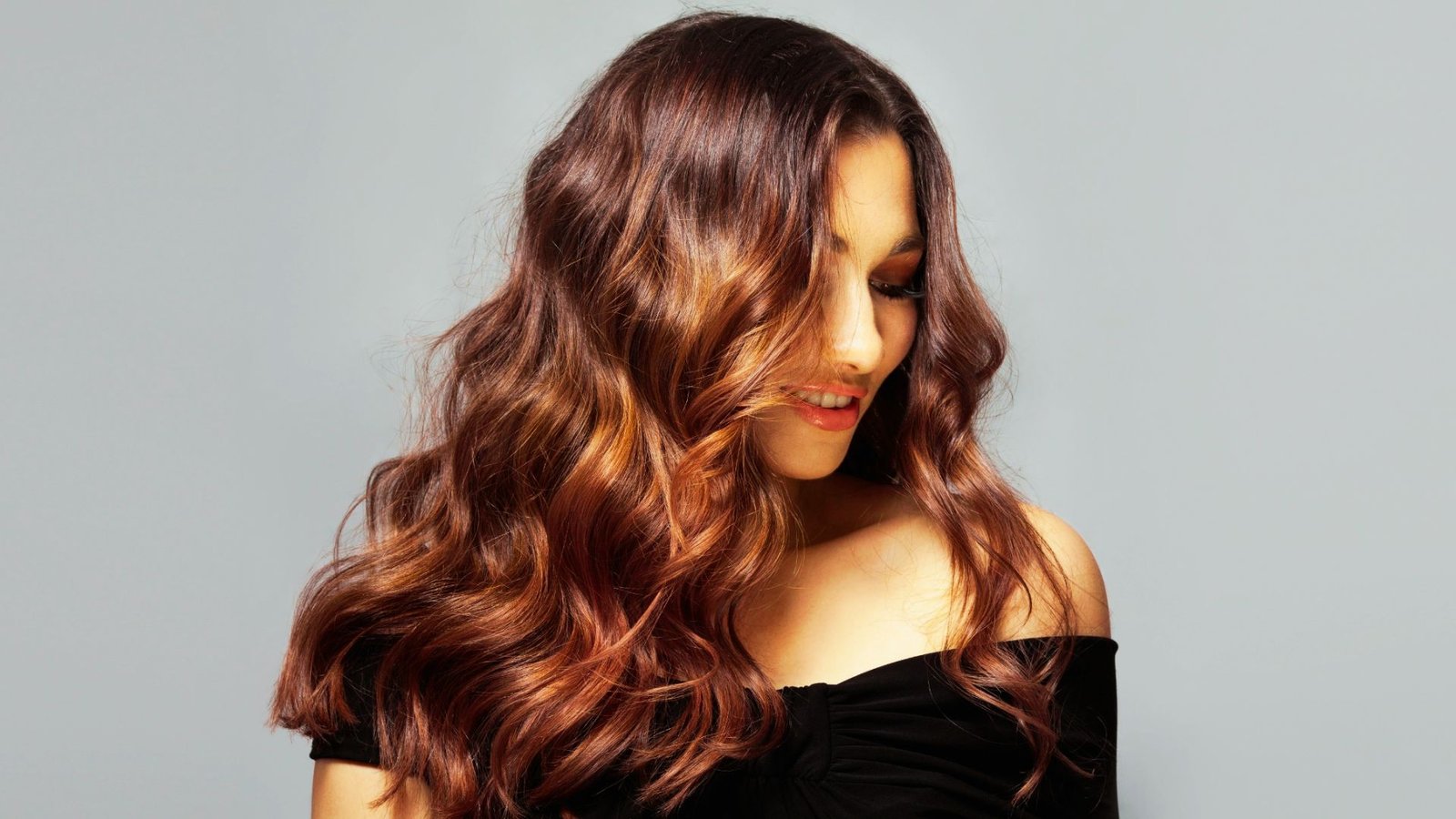
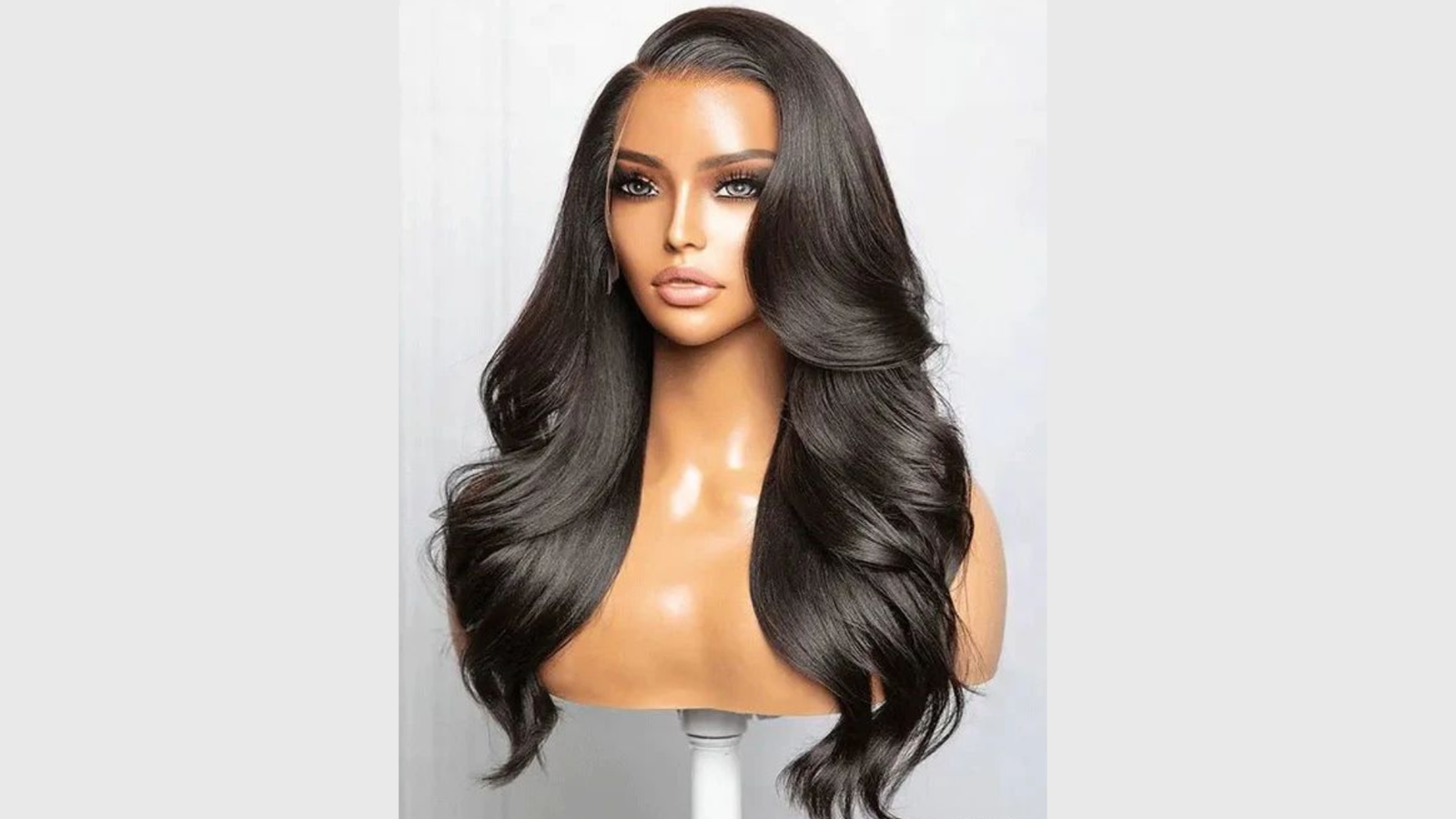
Wavy hair sits right in the middle between straight and curly, with a gentle bend that creates soft movement. Wavy hair forms loose S shaped patterns that flow down the hair shaft.
These waves aren’t as tight as curls and don’t spiral around themselves. The waves usually start a few inches from your scalp, creating a flatter top with more volume at the ends.
The waves fall flat easily and frizz is common when humidity hits. Wavy hair has a soft S shape that falls between straight and curly, with lightweight volume that can easily lose definition.
What Is Curly Hair?
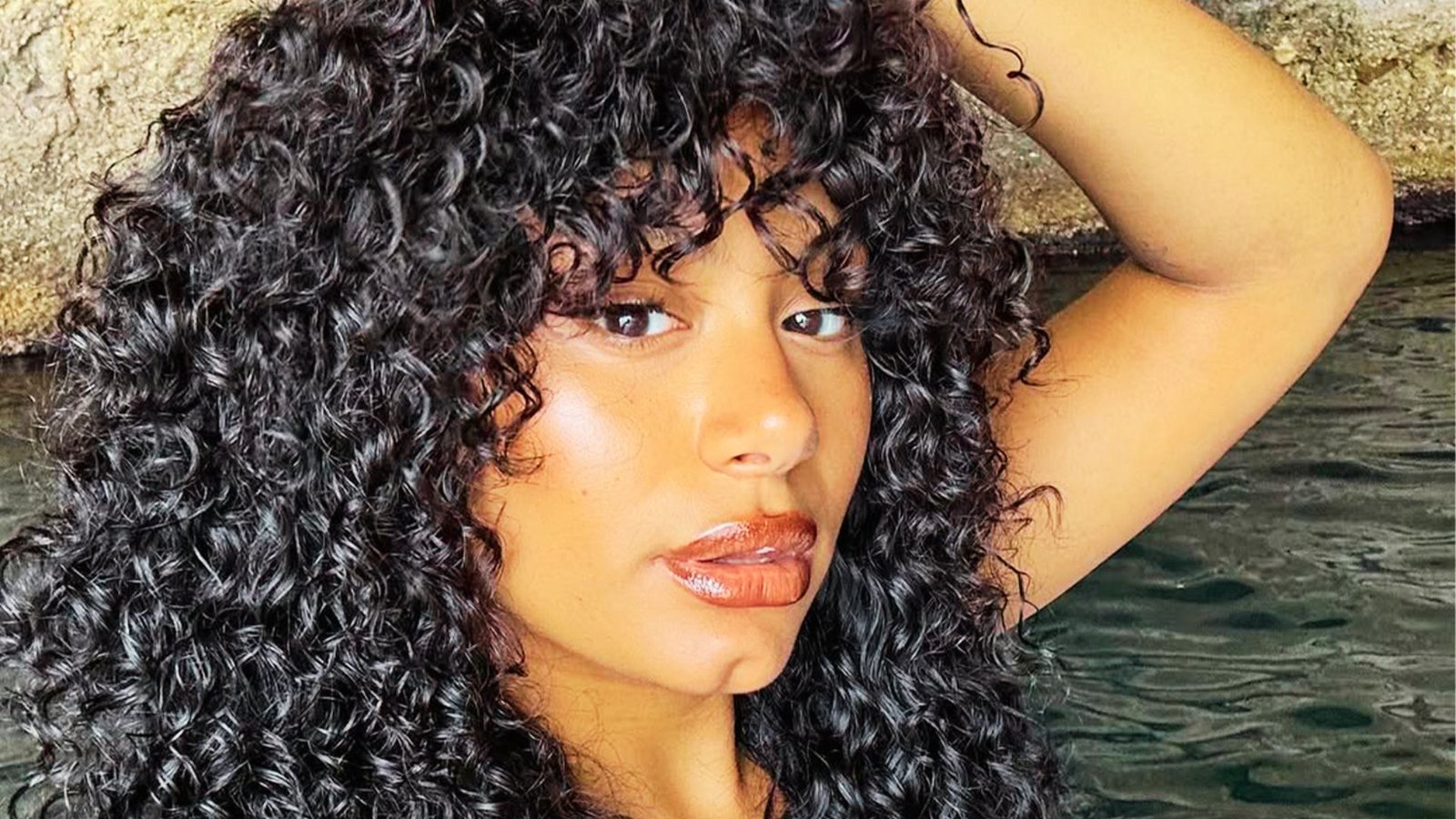
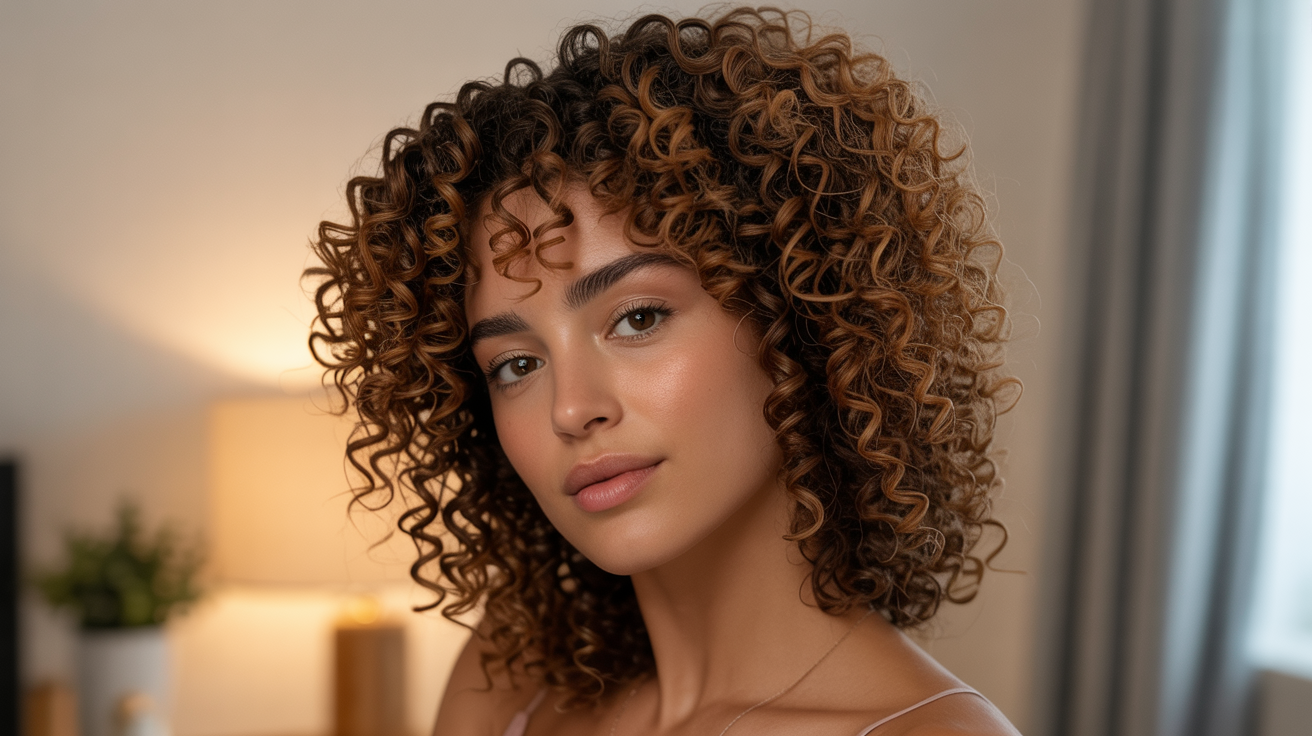
Curly hair creates defined spirals or coils that hold their shape naturally from root to tip. Curly hair forms complete spirals that loop around themselves, starting right at the scalp.
The curls range from loose ringlets to tight coils, forming full circles or springs. The texture feels drier because natural oils can’t travel down the hair shaft easily.
Regular deep conditioning keeps the spirals looking their best. Curly hair forms springy spirals that start at the roots and naturally feel drier, requiring more moisture to maintain definition.
Wavy vs Curly Hair: Key Differences
The gap between wavy and curly hair shows up in shape, moisture needs, and how much the hair shrinks.
|
Feature |
Wavy Hair |
Curly Hair |
|
Curl Shape |
Loose S-shaped patterns that gently bend back and forth without looping |
Complete spirals that circle around like springs with defined structure |
|
Moisture Retention |
Holds onto moisture better as natural oils move down easily |
Dries out faster because spiral shape blocks oil from spreading |
|
Product Needs |
Lighter products like mousses; heavy creams weigh down waves |
Richer products like thick creams and oils to lock in moisture |
|
Shrinkage |
Minimal shrinkage; wet length is close to dry length |
Significant shrinkage; can look half its actual length when dry |
|
Volume |
More visible length; hangs down further |
Creates more volume as spirals stack on top of each other |
|
Texture |
Lighter feel with gentle movement |
Springy, structured feel with natural bounce |
Is Wavy Hair Considered Curly?
Wavy hair sits on the curl spectrum but isn’t technically curly because it lacks full spiral formation. Hair types fall on a spectrum from straight to coily.
Wavy hair lands in the middle zone. Curly hair must form complete spirals or coils, while wavy hair only bends in an S shape without looping around itself.
Some people have both wavy and curly sections. You might have waves on top and curls underneath, or different patterns in different areas.
Your hair gets frizzy when humidity rises, and the ends flip inward or outward on their own. You can see waves when your hair is wet, and it never dries completely straight even after brushing.
Wavy hair falls between straight and curly on the hair spectrum, showing S-shaped bends without forming complete spirals.
How to Care for Wavy vs Curly Hair
Different hair types need different routines to look and feel their best. Wavy hair does well with lighter conditioners on your mid lengths and ends.
Use mousses and light gels, scrunching them into damp hair to bring out the S-shape pattern. Curly hair needs deep conditioning treatments from roots to ends.
Use creams and stronger gels to lock in moisture and define the spirals. Both hair types benefit from sulfate free shampoos and leave in conditioners.
Wavy hair needs lightweight hydration and mousses, while curly hair requires deep conditioning and richer creams to maintain healthy texture.
Common Problems and Simple Solutions
Both wavy and curly hair face similar issues, but the fixes differ based on your texture.
- Keep your hair’s moisture balanced. Wavy hair needs light hydration, while curly hair needs more intensive moisture.
- Use a microfiber towel or cotton t-shirt to dry your hair, and apply products while hair is still wet to seal in moisture.
- Sleep on a silk or satin pillowcase to prevent friction and moisture loss that leads to frizz.
- Cut back on heat styling tools, and if you must use heat, apply a protectant first and keep temperature below 350°F.
- Detangle gently with a wide-tooth comb when hair is wet with conditioner, and get regular trims every 8-12 weeks.
Conclusion
Understanding wavy vs curly hair changed how I care for my own waves. Once I stopped treating my hair like tight curls, everything got easier.
Your hair type isn’t better or worse, it just needs the right approach. Start paying attention to your curl pattern and adjust your routine to match.
Try lighter products if you have waves, or go richer if you’ve got spirals. What’s been your biggest hair care struggle? Drop a comment below and let’s chat about it.
Frequently Asked Questions
Can wavy hair become curly over time?
Your hair pattern can shift slightly due to hormones, health changes, or damage. But wavy hair won’t suddenly become truly curly without chemical treatment. You might notice more or less wave definition depending on how you care for it.
Do I need different products for wavy and curly hair?
Yes, the product weight matters a lot. Wavy hair does better with lightweight mousses and sprays, while curly hair needs heavier creams and butters. Using the wrong products can either weigh down waves or leave curls dry and undefined.
How do I know if I’m brushing my wavy hair correctly?
Only brush wavy hair when it’s wet and has conditioner in it. Use a wide-tooth comb or detangling brush and work from the ends up. Never brush dry wavy hair as this breaks up the wave pattern and creates frizz.
Why does my curly hair look shorter than it actually is?
This is called shrinkage, and it happens because curls coil up on themselves. Tighter curls shrink more than loose ones. Your hair might be much longer than it appears when you stretch out the spirals.
Can you have both wavy and curly hair at the same time?
Absolutely. Many people have multiple curl patterns on their head. You might have loose waves on top and tighter curls underneath. This is normal and means you’ll need to adjust your styling for different sections.