






Choosing between an undercut vs fade can feel confusing when both styles look great.
I’ve been there too, standing in front of the mirror trying to decide. You want a haircut that fits your face, works with your hair type, and matches your daily routine.
This guide will help you make that choice with confidence. I’ll break down what makes each cut different, who they work best for, and how to maintain them.
By the end, you’ll know exactly which style suits you.
Understanding Men’s Haircut Basics

Both the undercut and fade have been trending for years, but they create very different looks.
The main difference comes down to how your barber handles the transition between the long and short sections. One creates a sharp line while the other blends smoothly.
Your choice depends on the vibe you want and how much time you can spend on styling.
I’ll help you understand both options so you can walk into the barbershop knowing exactly what to ask for.
Undercut vs Fade: Quick Difference
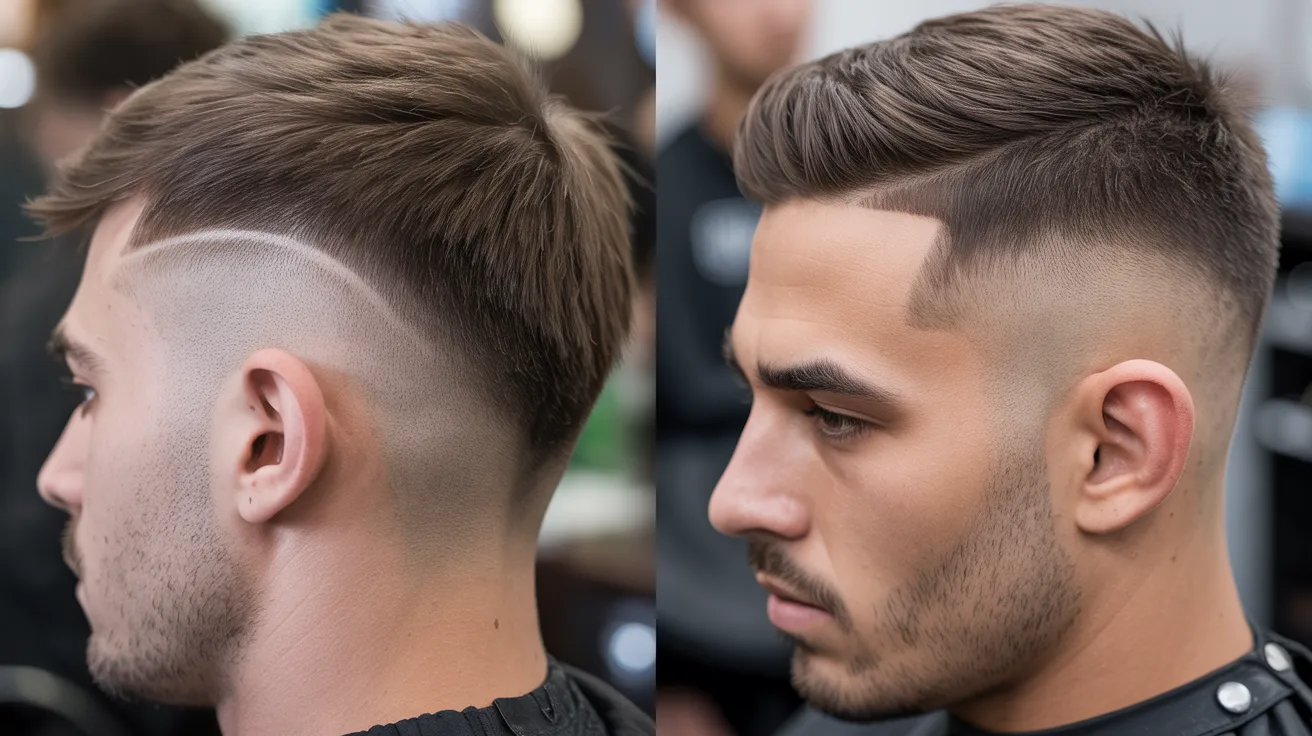
Two popular cuts with distinct approaches to hair length and styling preferences.
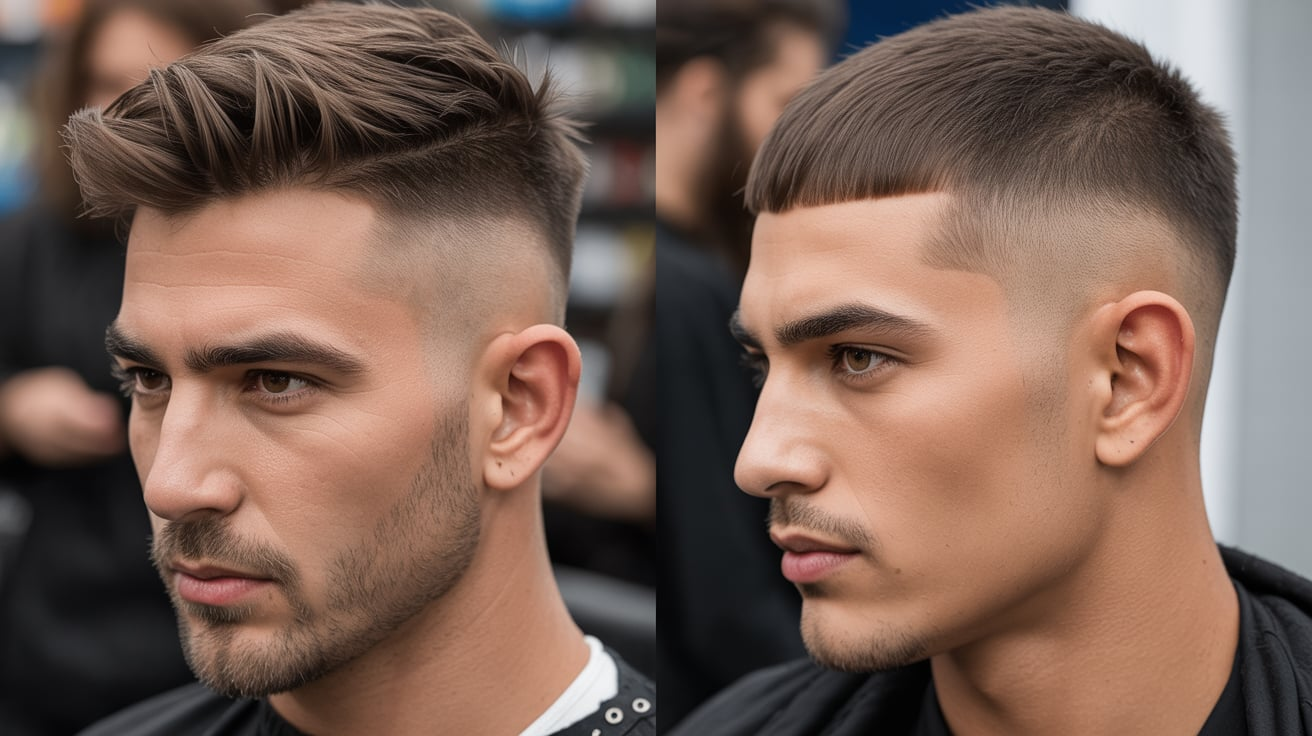
An undercut keeps your top hair long while the sides and back get cut very short or shaved completely. There’s no blending, just a clear line where long meets short. This creates a bold, high-contrast look.
A fade gradually shortens your hair from top to bottom. Your barber blends the lengths smoothly, creating a seamless transition. The result looks clean and polished.
Undercuts appeal to guys who want a statement look and don’t mind daily styling. Fades work for anyone seeking a low-maintenance, versatile option that fits most settings.
What Is an Undercut?
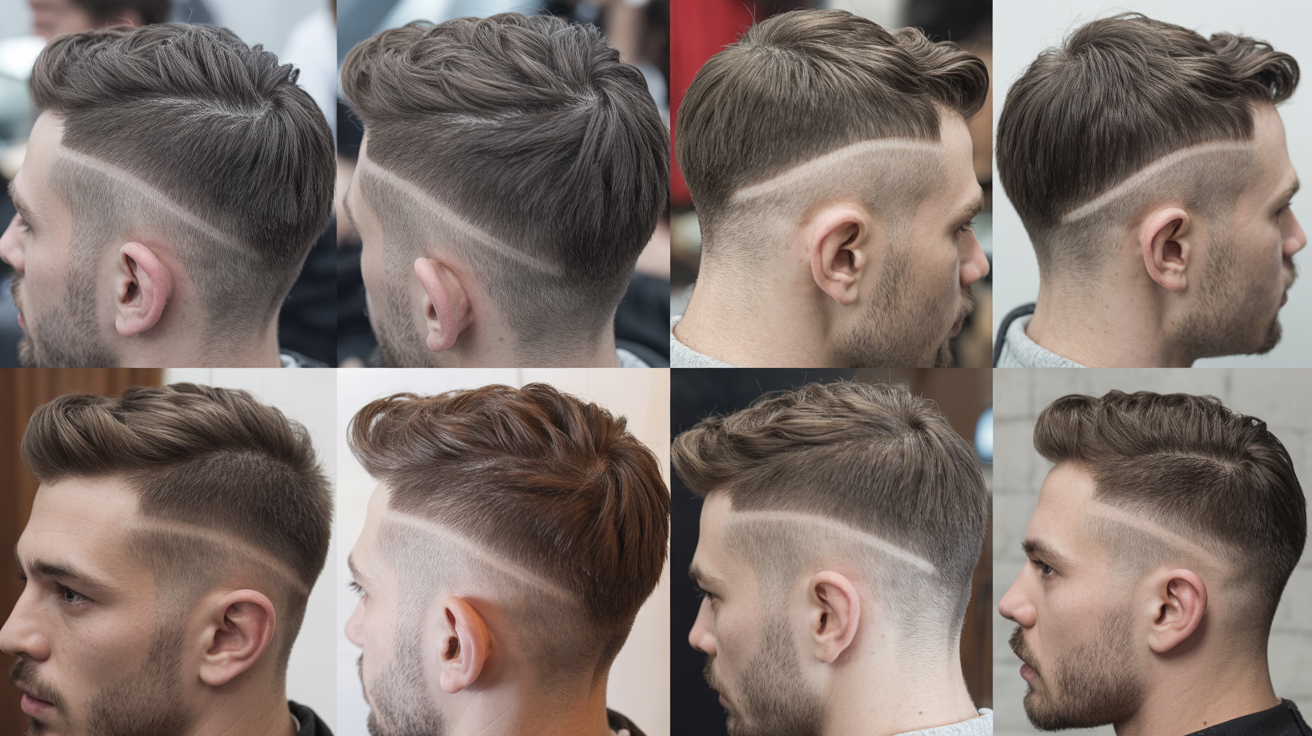
A bold haircut featuring long top hair with sharply contrasted short sides and back.
An undercut makes a statement. You keep length on top while your barber clips or shaves the sides and back extremely short. The top section stays long enough to style in multiple ways.
The sides and back get cut very short, often with clippers on a low guard or even shaved down to the skin. There’s no blending the long hair on top meets the short sides in a clear, visible line.
Popular versions include the classic undercut with uniform length, the disconnected undercut with maximum contrast, the textured undercut with varying top lengths, and the side-parted undercut with a vintage feel.
This cut makes a strong impression and gives you tons of styling options. Thick or wavy hair types really shine with undercuts. However, you’ll need regular trims every two to three weeks.
Growing out an undercut takes patience, and the high contrast doesn’t flatter every face shape.
What Is a Fade?
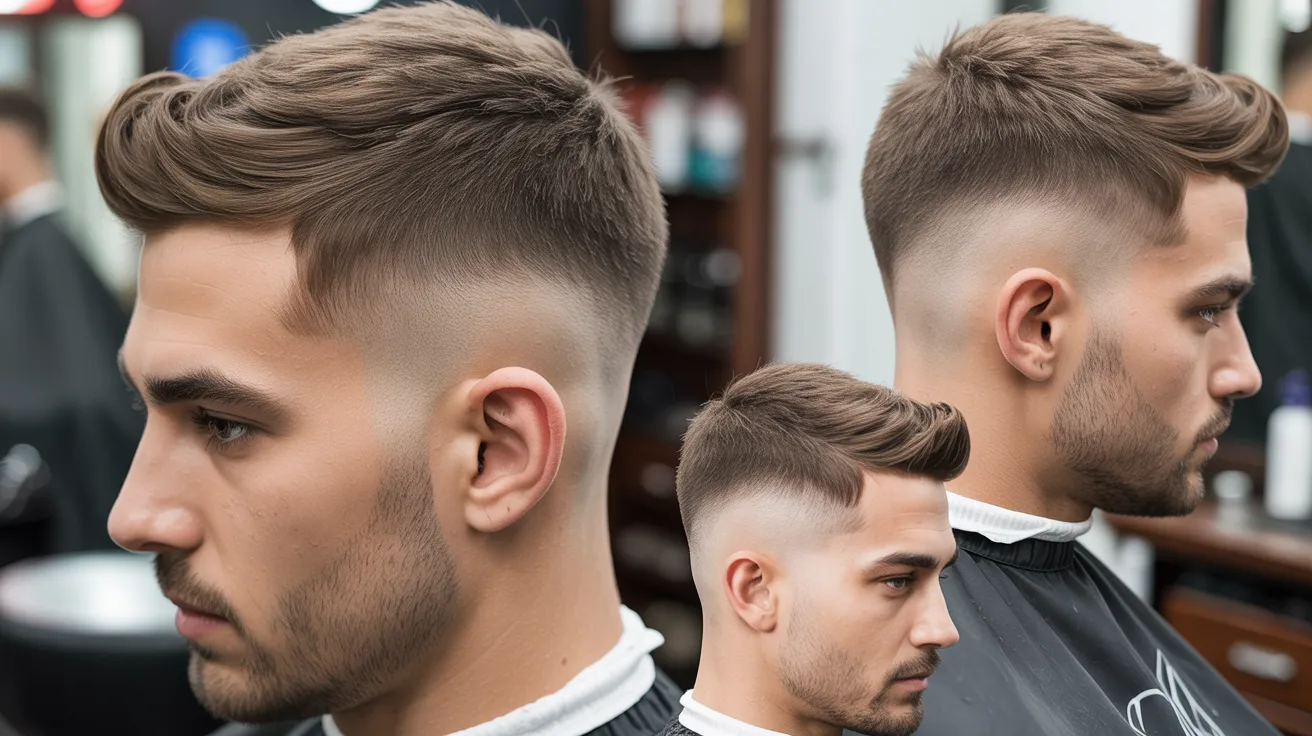
A haircut with gradually blended lengths that transition smoothly from top to bottom.
Fades look sharp, work with any hair type, and fit almost any situation. Your barber uses multiple clipper guards to create a smooth gradient from longer hair on top to shorter hair at the bottom.
The blending is seamless with no harsh lines.
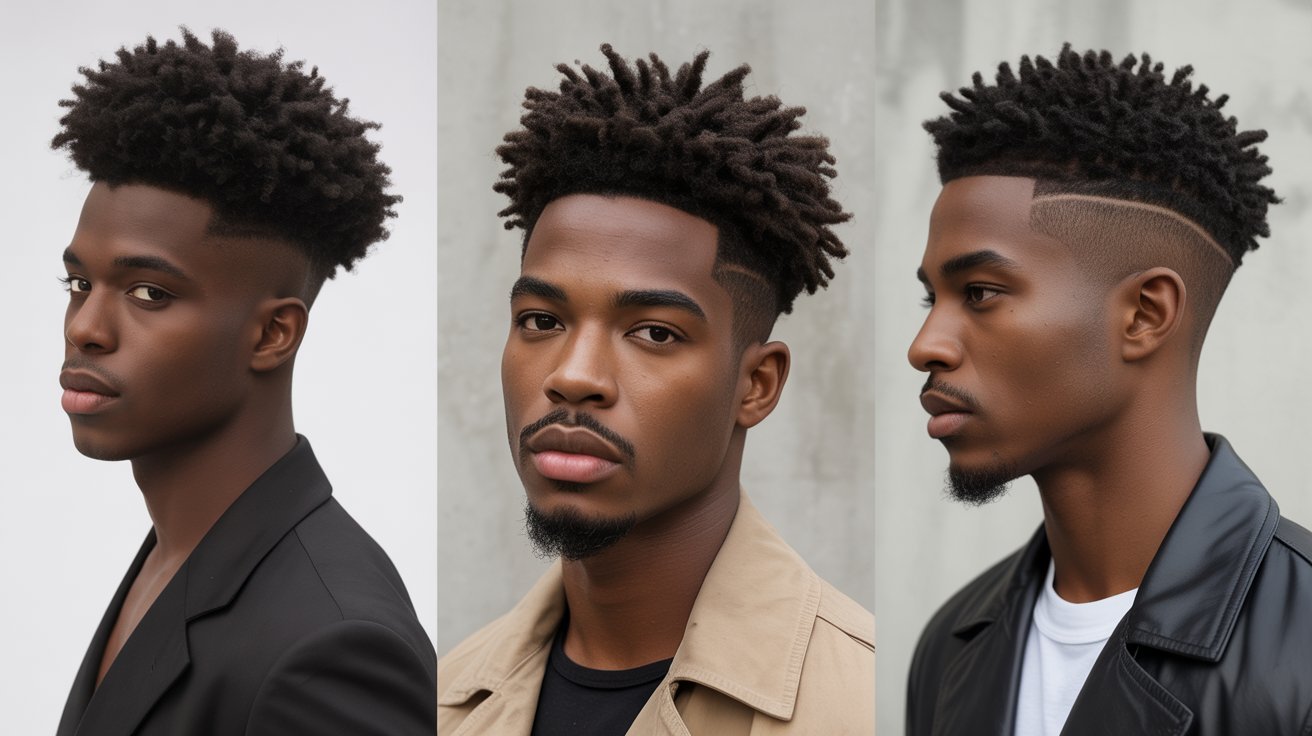
Types include the low fade (starts above ears), mid fade (begins at temple height), high fade (starts high on the head), and skin fade (fades down to bare skin).
Every hair type can rock a fade. They look appropriate almost anywhere and grow out easier than undercuts.
However, you’ll need touch-ups every one to two weeks to keep that crisp look. If you want drama and impact, a fade might feel too subtle.
Face Shape: Which Style Suits You Better?
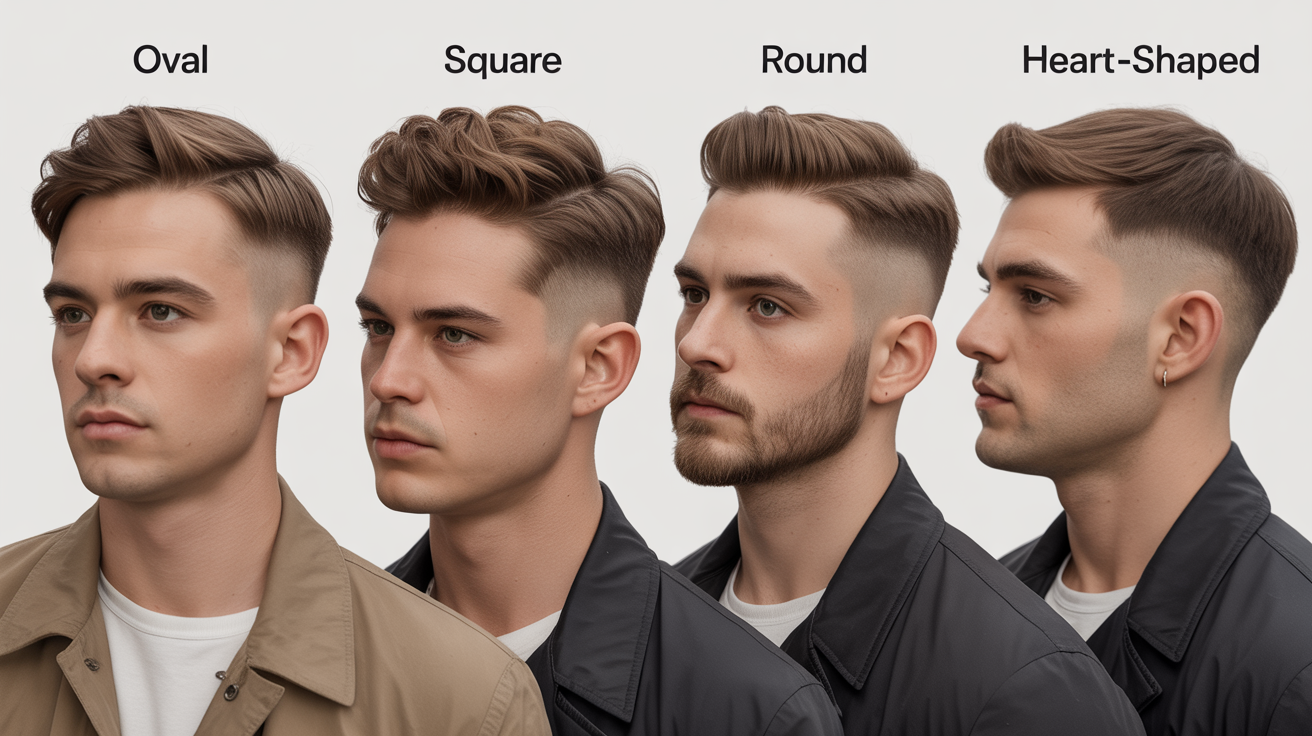
Matching your haircut to your face shape creates balance and brings out your best features.
Oval faces work with almost anything. Square faces pair perfectly with undercuts the volume on top balances angular features.
Round faces need height on top with undercuts to lengthen the face visually. For fades, oval faces remain versatile. Round faces benefit from the gradient being more forgiving than harsh undercut lines.
Square faces match well with clean fade lines. Heart-shaped faces find balance as the graduated lengths add width at the bottom.
Hair Type & Length Considerations
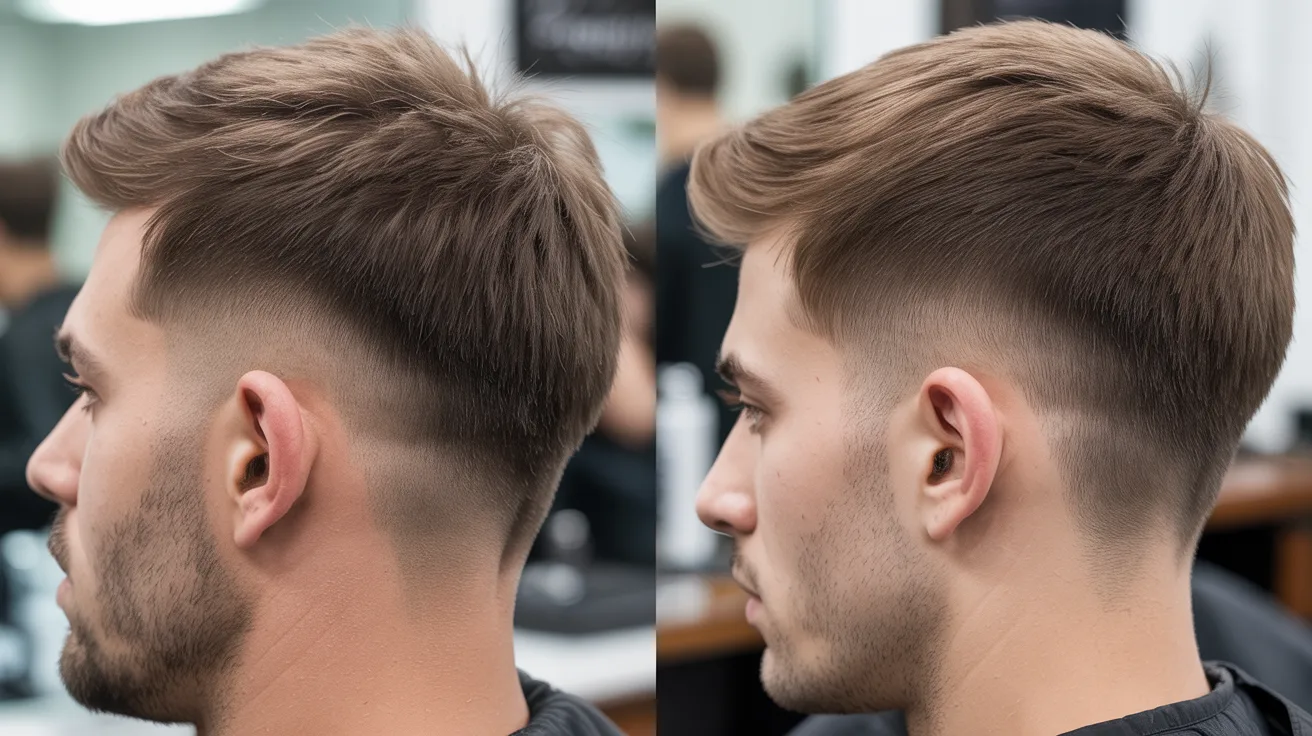
Your natural hair texture and length determine how well each cut will work for you.
Thick hair works with either option. Undercuts show off volume while keeping sides manageable. Fades handle thick hair easily with extra smooth blending.
Thin or fine hair usually pairs better with fades; the graduated lengths create the illusion of more volume. Undercuts can make thin hair look stringy.
For undercuts, you need at least three to four inches on top. Fades work with almost any length on top, from buzz cuts to longer flowing hair.
Style & Maintenance: What to Expect
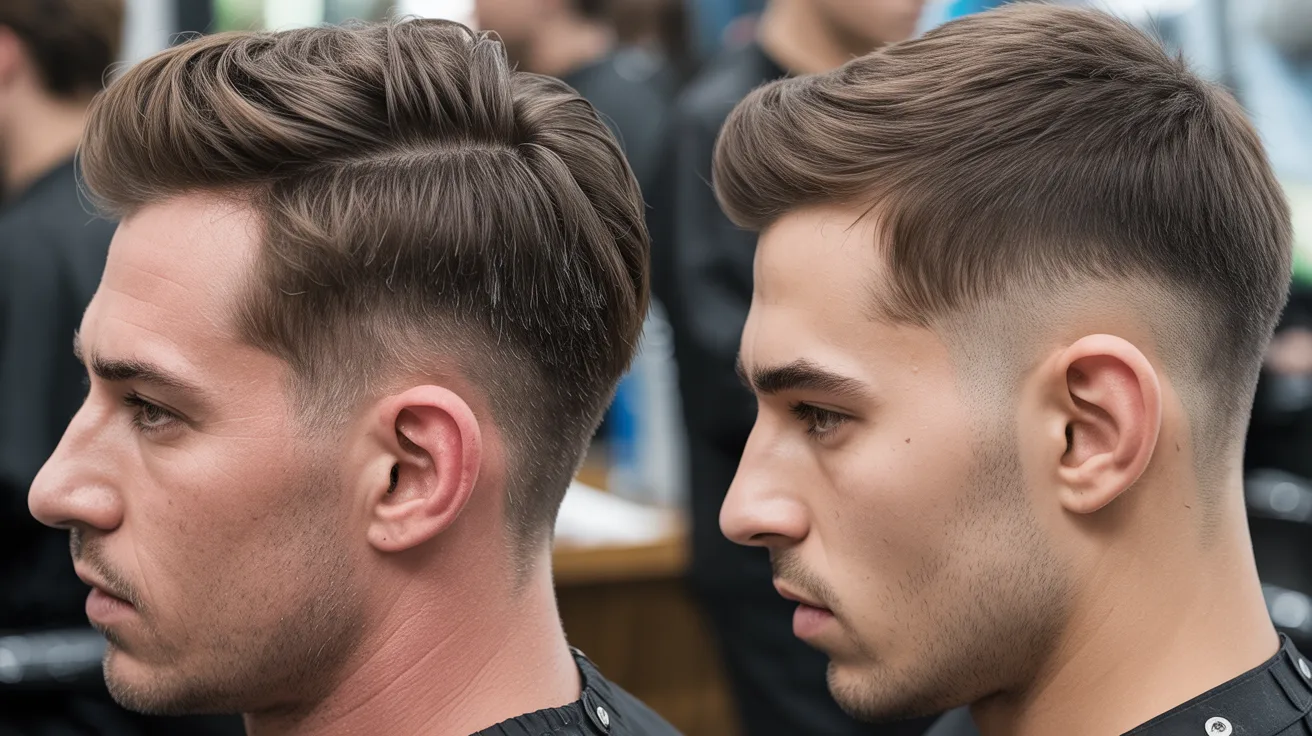
Daily styling and upkeep requirements differ significantly between these two cuts.
Undercuts need products like pomade, wax, or clay. Expect five to ten minutes styling each morning for blow-drying and shaping.
Fades are more forgiving, shorter tops often just need towel-drying. You’re looking at two to five minutes max.
Undercuts need barber visits every two to three weeks. Fades demand even more frequent attention every one to two weeks for that crisp look.
As undercuts grow, the contrast softens naturally. When fades grow out, the gradient becomes less defined but still looks intentional.
If you’re lazy about barber visits, age fades more gracefully.
Lifestyle & Professional Image
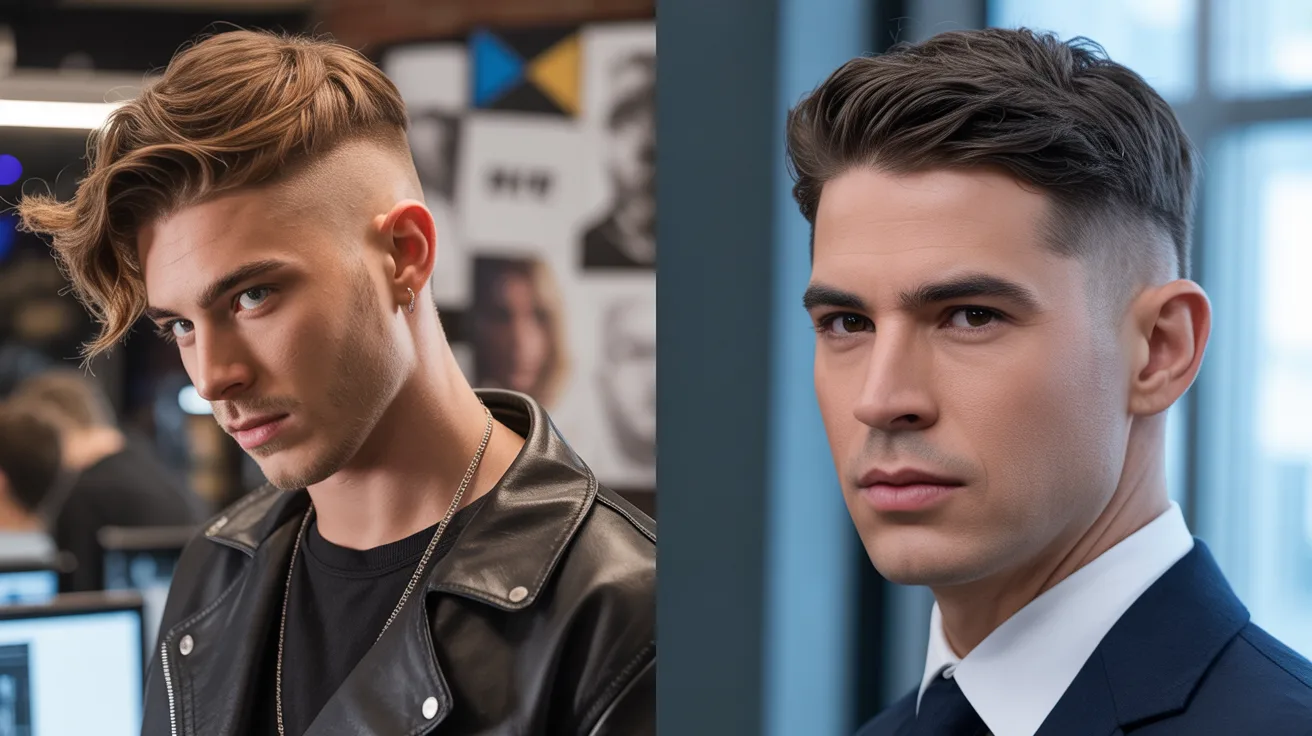
Your work environment and daily activities should influence which cut you choose.
Undercuts work best in creative industries like design, music, fashion, or media. They fit trend-forward environments like startups and tech companies.
They also work great if you’re young or still in school.
Fades shine in corporate and finance professions where clean, conservative looks are valued. They’re perfect for active or busy lifestyles with less morning styling time.
Fades also work well in customer-facing roles.
Which Cut Should You Choose?
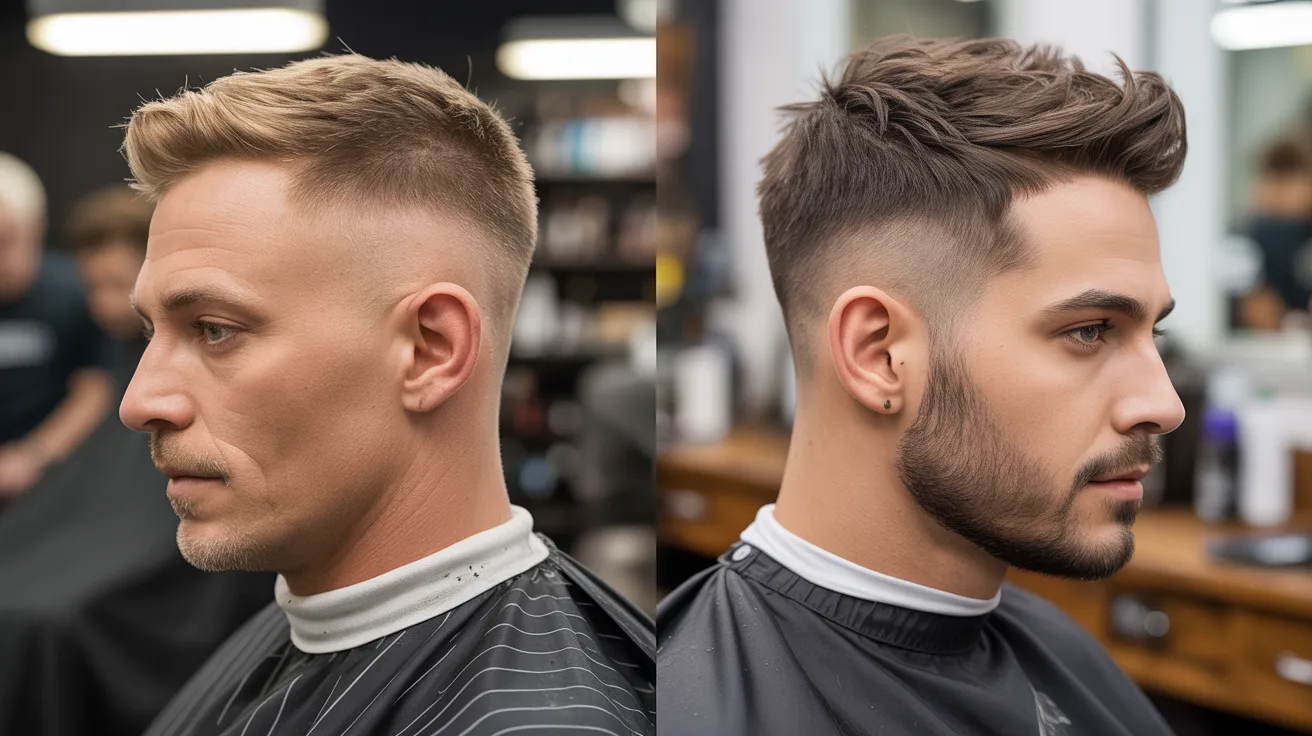
A practical framework for making your decision based on what matters most to you. Start with your hair type. Fine or thin hair leans toward fades. Thick hair can handle either.
Consider your face shape: round faces usually look better with fades while square and oval faces work well with both.
Think about your lifestyle. Ten minutes every morning for styling? Go for the undercut. Need something faster? Choose a fade. Look at your work environment. Conservative workplace? Fade wins. Creative setting? Either works.
Factor in maintenance commitment. Can you visit the barber every two weeks? Both options are fine. Prefer longer gaps? Fades grow out more gracefully.
Finally, consider your personality. Bold and expressive? Undercut might be your style. Clean and versatile? Fade is probably your match.
Final Tips for Getting the Perfect Cut
Communicate clearly with your barber and use the right products to make your chosen style work.
How to Talk to Your Barber
- Bring photos showing your barber exactly what you want
- Be specific about length using actual measurements or clipper guard numbers
- Describe your styling habits honestly
- Ask questions about what works best for your hair type
Product Recommendations
- For undercuts, you need stronger hold products
- Medium to high hold pomades work well for slicked-back styles
- Matte clays give texture with a natural finish
- For fades with short tops, light pomades or texture sprays add just enough hold
- Don’t cheap out on products quality matters and lasts longer
Conclusion
The undercut vs fade debate really comes down to your daily life. I’ve switched between both over the years.
Right now, I’m rocking a mid-fade because my mornings are rushed and I need something quick. But I loved my undercut phase when I had more time to style.
Pick what fits your current routine, not just what looks cool in photos. Hair grows back, so don’t stress too much. Try one for a few months, then switch if it’s not working.
Drop a comment below and tell me which cut you’re going with!
Frequently Asked Questions
Can I combine an undercut and fade?
Yes. Many barbers create undercut fades that keep the high contrast on top but add a gradual fade on the sides. This gives you the bold look with a smoother finish.
How long does an undercut take to grow out completely?
It typically takes six to twelve months. Expect an awkward middle phase around month three or four.
Which cut is better for receding hairlines?
Fades usually work better. They draw attention to the overall shape rather than the hairline itself. Low to mid fades work best.
Do undercuts or fades cost more?
Prices are usually similar, ranging from twenty to fifty dollars. Some barbers charge slightly more for skin fades.
Can women get undercuts or fades?
Absolutely. Both styles work great on women. The techniques are the same regardless of gender.