


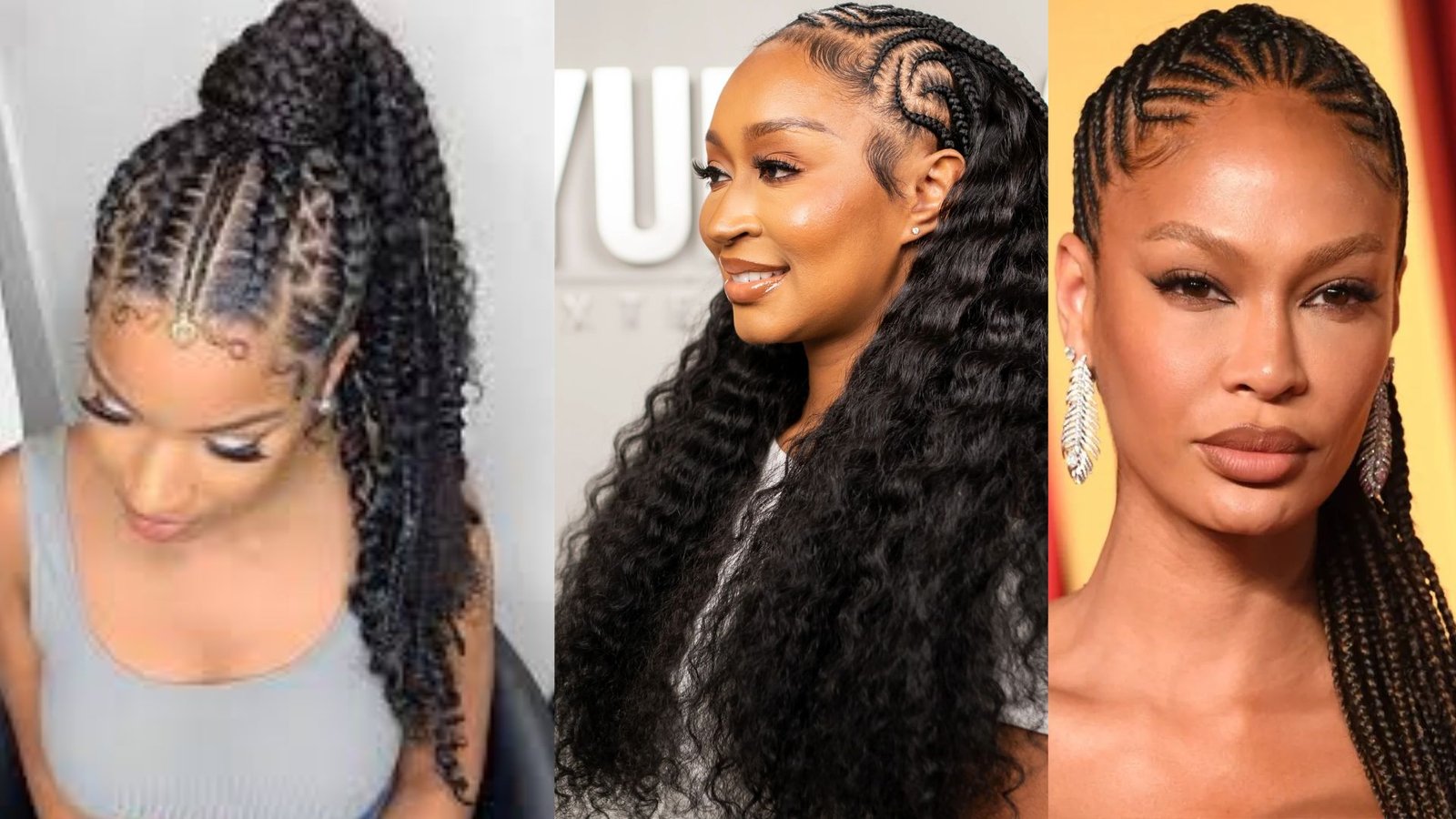
I remember standing in the salon, completely overwhelmed by extension options. Clip-ins? Tape-ins? Sew-ins? I had no idea what would work for my hair.
If you’re in that same spot, I’ve been there. Hair extensions can give you the length and volume you want, but picking the wrong method can damage your hair or waste your money.
I’ve tried multiple extension types over the years. This guide breaks down each method so you can make a confident choice based on your hair type, budget, and how much time you want to spend on maintenance.
Human Hair vs. Synthetic Hair Extensions
Before you pick an extension method, you need to decide between human hair and synthetic hair. They look similar at first glance, but they behave very differently.
Human Hair Extensions
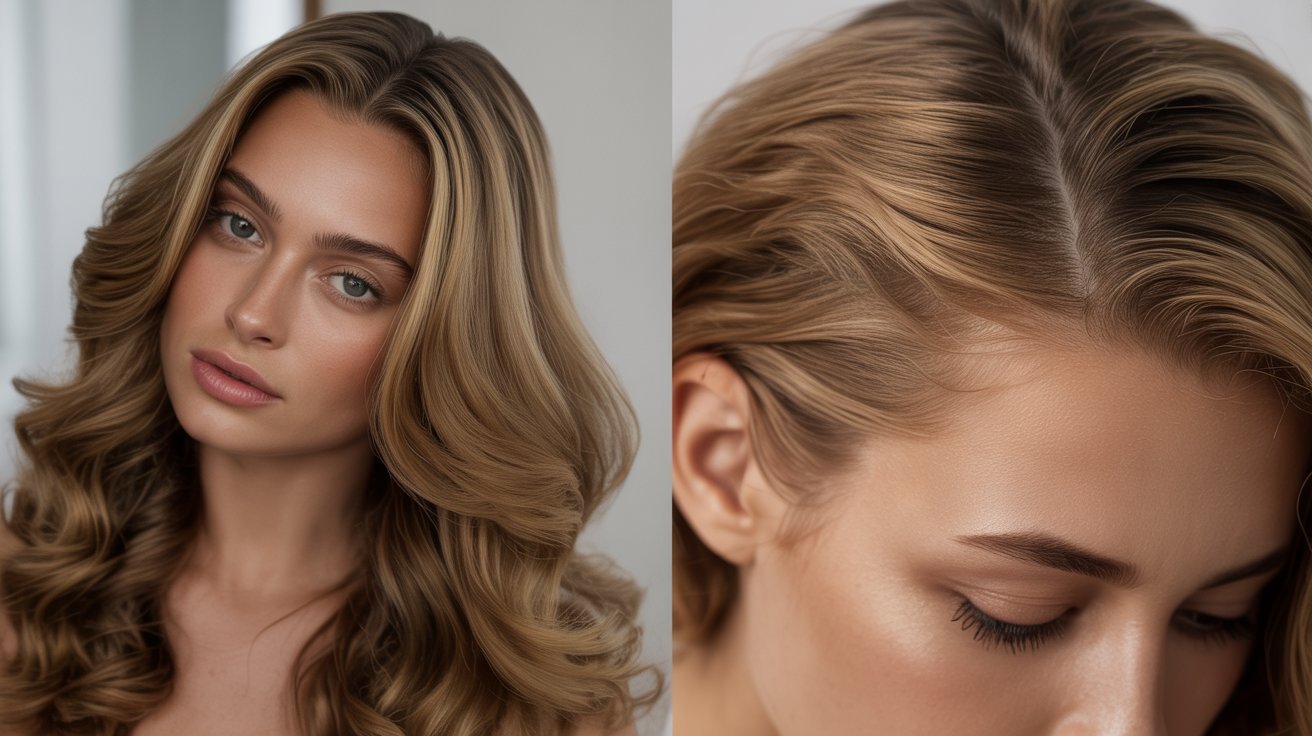
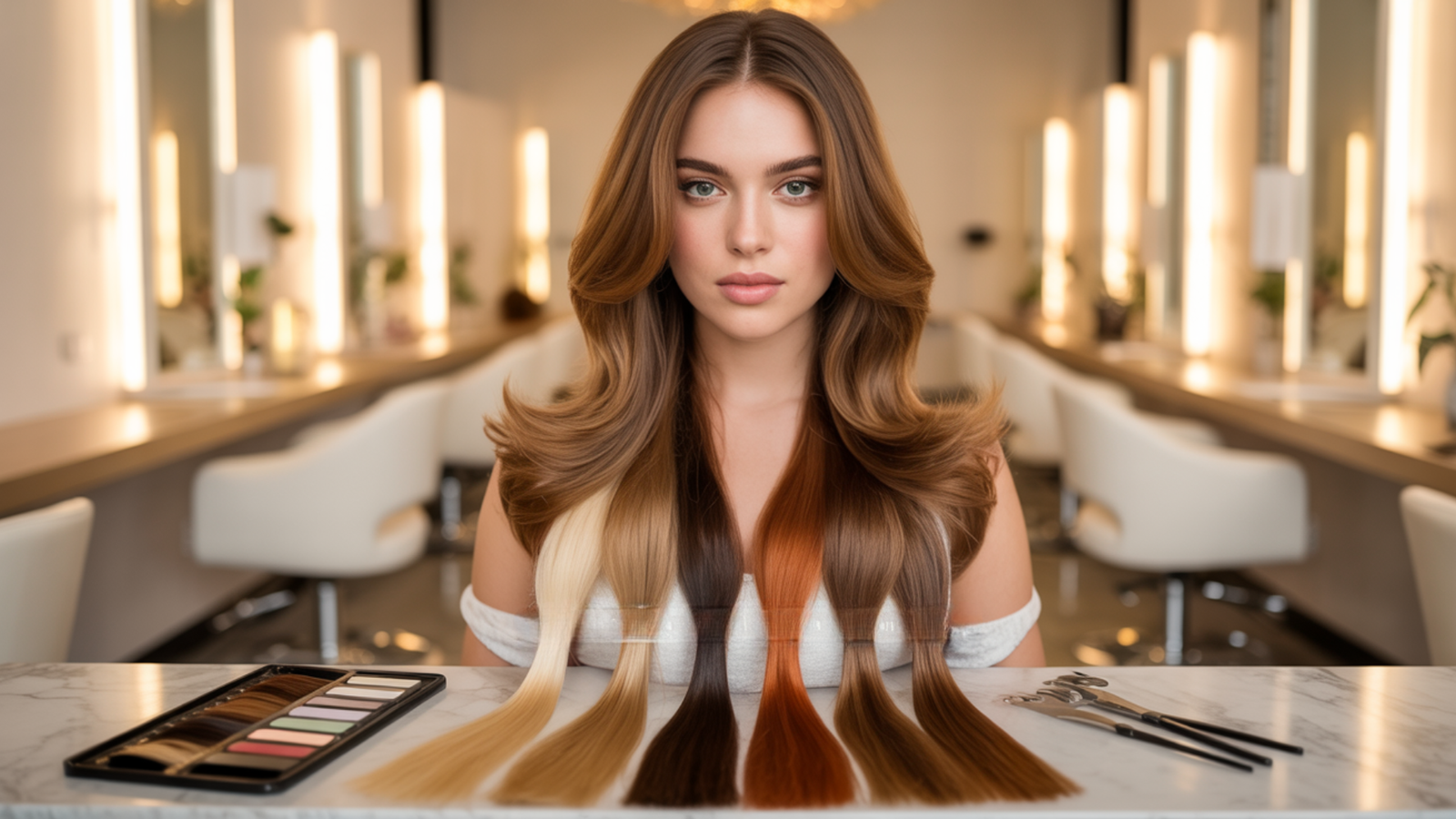
These are made from real human hair. The best quality is called Remy hair, which keeps all the cuticles pointing in the same direction to prevent tangling.
You can treat human hair extensions just like your own hair. Curl them, straighten them, blow-dry them, even dye them. They blend naturally because they are real hair.
With good care, human hair extensions last up to a year. You’ll need sulfate-free shampoo, regular conditioning, and gentle brushing.
- Pros: Look natural, can be heat-styled, can be colored, last longer, blend seamlessly
- Cons: More expensive, require regular maintenance, need proper care products
Synthetic Hair Extensions
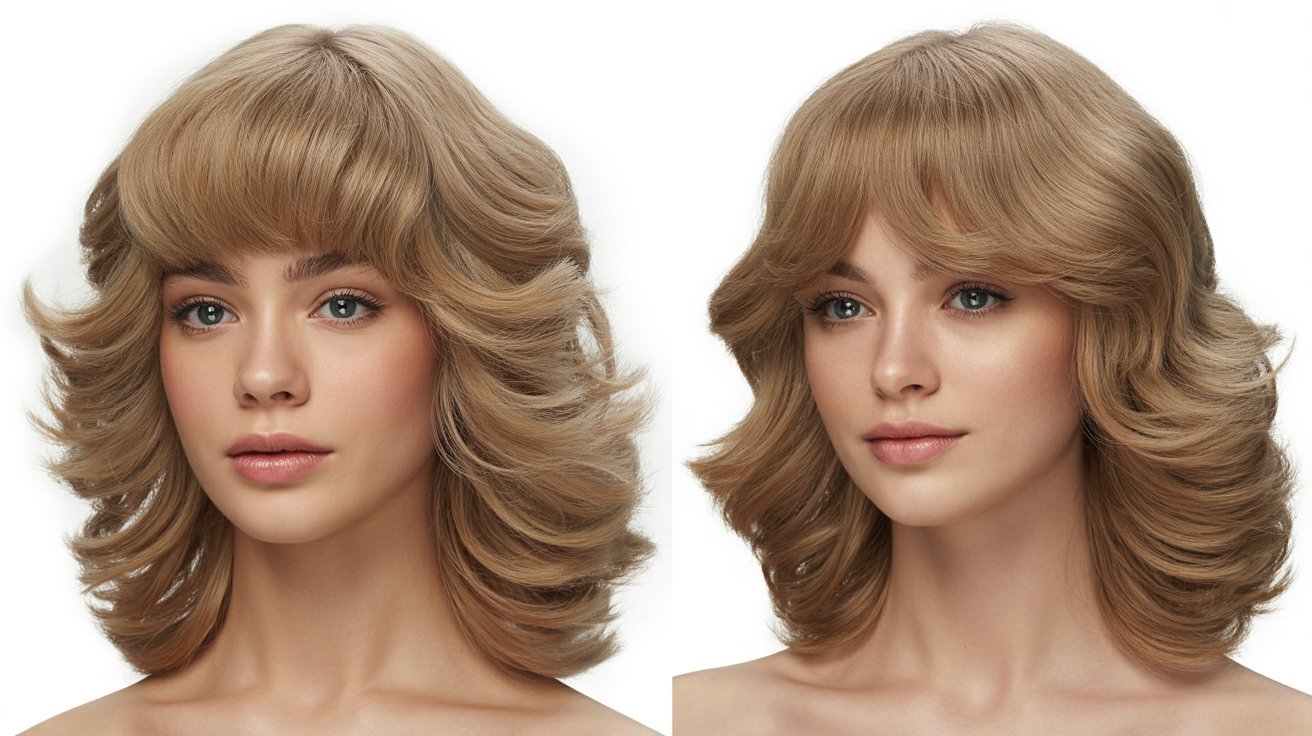
Synthetic extensions are made from man-made fibers. They’ve improved over the years, but they still have limitations.
You can’t use heat tools on most synthetic hair. The fibers will melt. You also can’t dye them. Whatever color you buy is permanent.
Most synthetic extensions last a few months before they get frizzy and lose their shine.
- Pros: Much cheaper, come pre-styled, low maintenance, good for temporary looks
- Cons: Can’t be heat-styled, can’t be colored, don’t last as long, may look less natural
Which Should You Choose?
If you want extensions for daily wear, human hair is worth the investment. If you need something temporary for a special event, synthetic hair works fine.
Think about your budget and how long you plan to wear them. That will help you decide.
Temporary Hair Extension Methods
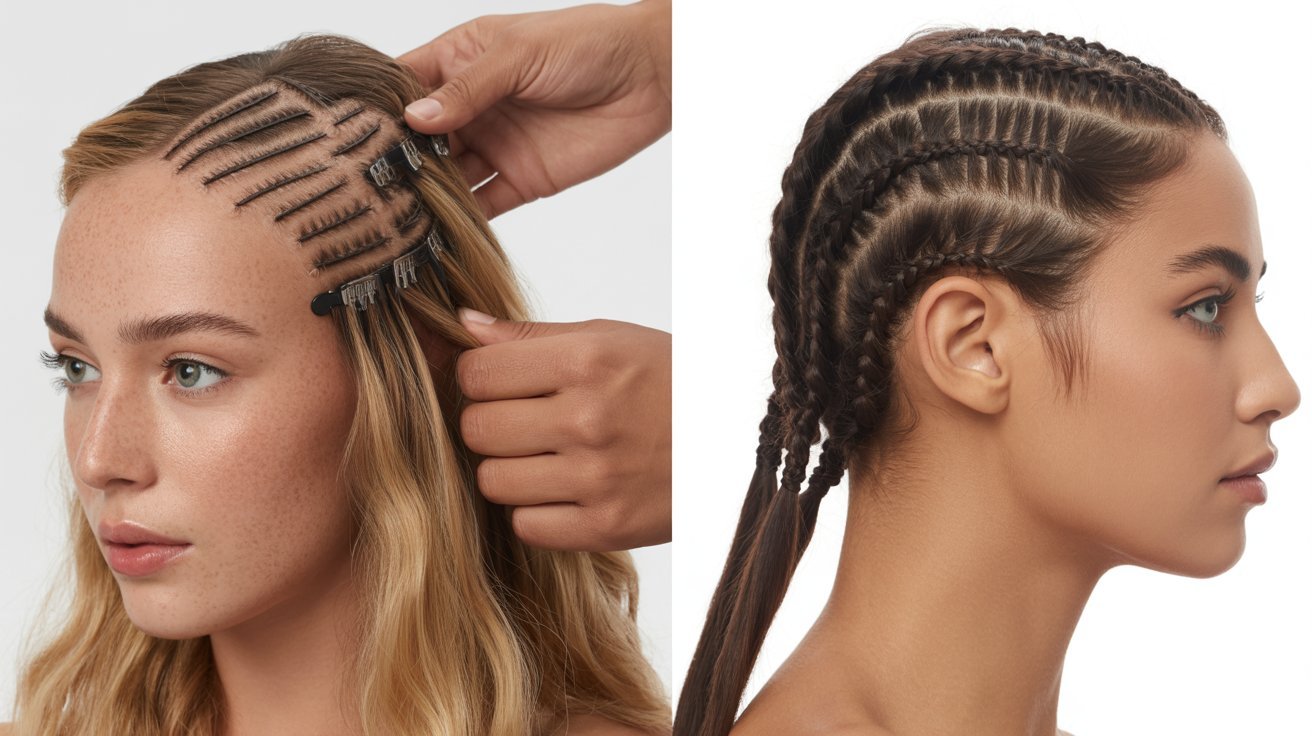
If you’re not ready to commit to permanent extensions, temporary methods let you add length and volume whenever you want. Put them in yourself and take them out at the end of the day.
Clip-In Extensions
Clip-ins are the easiest extensions to use. They come in wefts with small clips sewn on. You open the clips, position them near your roots, and snap them shut.
You can put them in and take them out whenever you want. No salon needed. Most people wear them for special occasions, then remove them before bed.
They last 3 to 6 months with regular use, longer if worn occasionally.
Best For: Beginners, special events, parties or photoshoots, anyone who doesn’t want daily commitment
- Pros: Easy to apply yourself, no damage, affordable, removable anytime, reusable
- Cons: Need daily application, clips can show, feel heavy after hours, not for swimming or workouts
Wefts
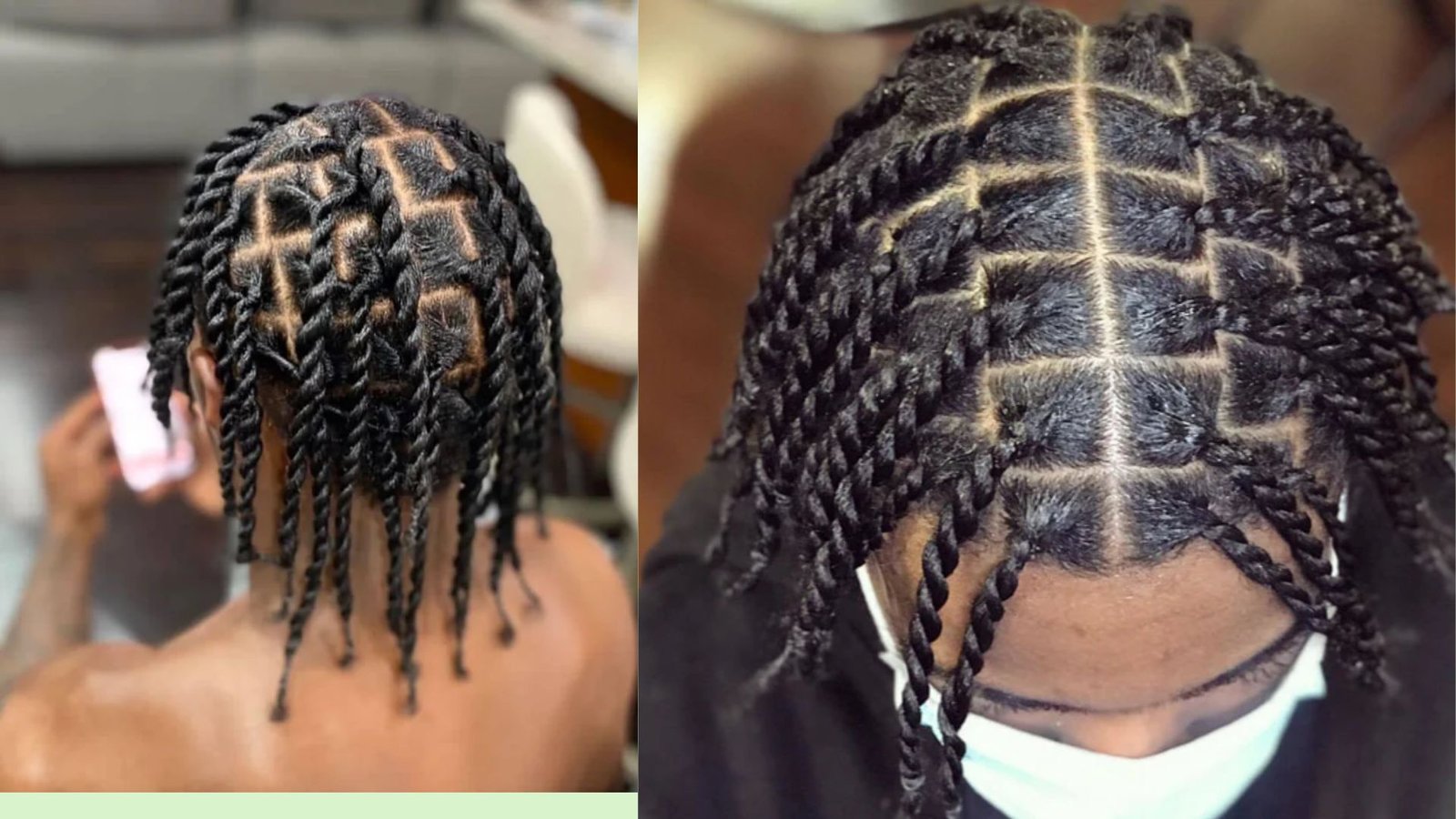
Wefts are long strips of hair sewn together at the top. A stylist braids your natural hair into cornrows, then sews the wefts onto those braids. They stay in for weeks.
Temporary wefts can be removed and reused if you care for them properly.
Best For: Testing longer hair before committing to permanent methods, people with thick hair
- Pros: Reusable, more secure than clip-ins, good for active wear, affordable
- Cons: Need salon visit or sewing skills, braiding feels tight initially, may show through thin hair
Which Temporary Method Should You Choose?
Want complete flexibility? Go with clip-ins. Want something that stays in for weeks without daily fuss? Try sewn-in wefts.
Semi-Permanent Hair Extension Methods
Semi-permanent extensions stay in your hair for weeks or months. You can shower, sleep, and style them like your natural hair. They require salon installation and regular maintenance appointments.
1. Tape-In Extensions
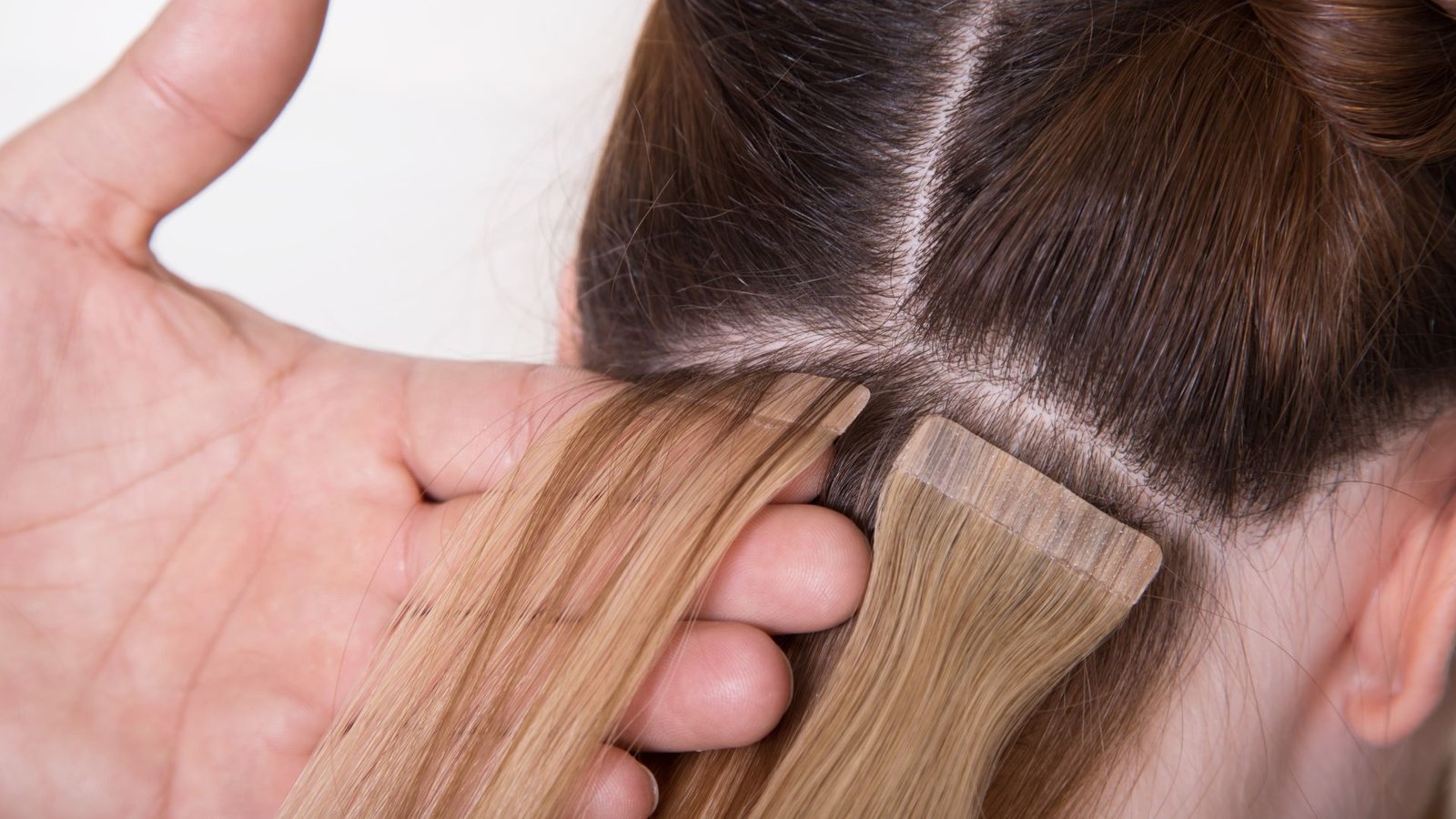
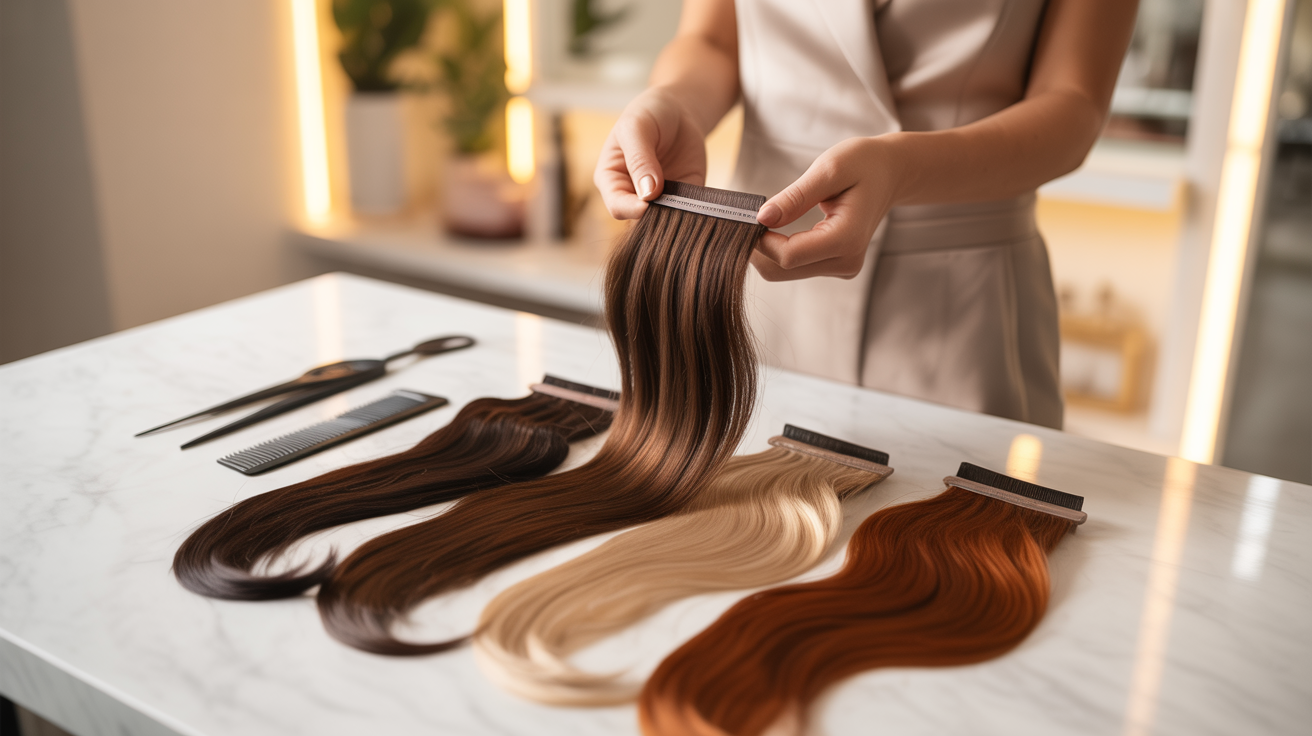
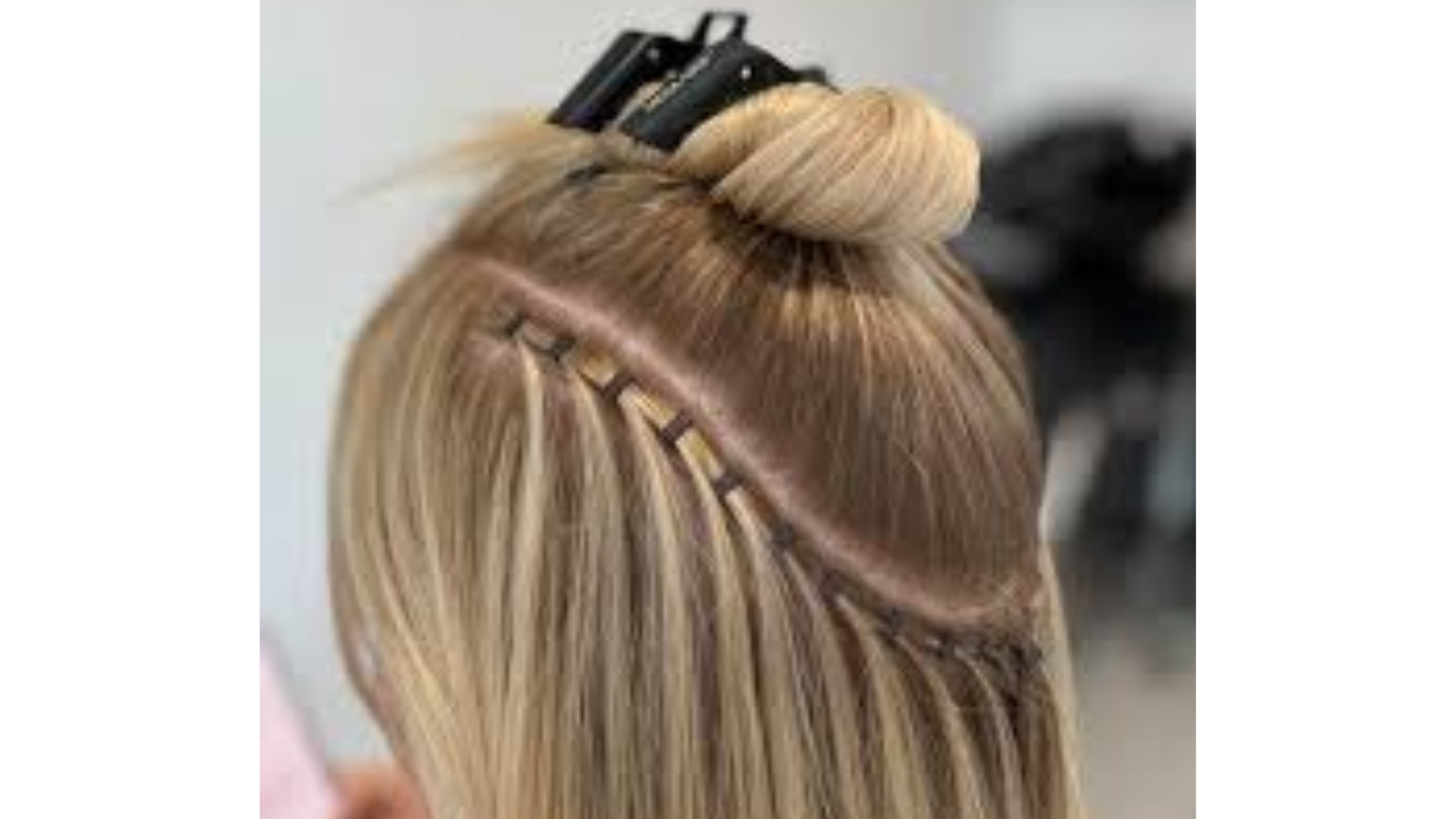
Tape-ins use thin adhesive strips to attach wefts to your natural hair. A stylist sandwiches your hair between two tape wefts. They last 2 to 3 months but need touch-ups every 6 to 8 weeks as your hair grows.
Best For: Medium hair density, regular salon visitors
Pros: Quick installation, lay flat, reusable, comfortable, less damaging
Cons: Frequent maintenance, adhesive weakens with oil, needs professional removal
2. K-Tips / Fusion / Capsule Extensions
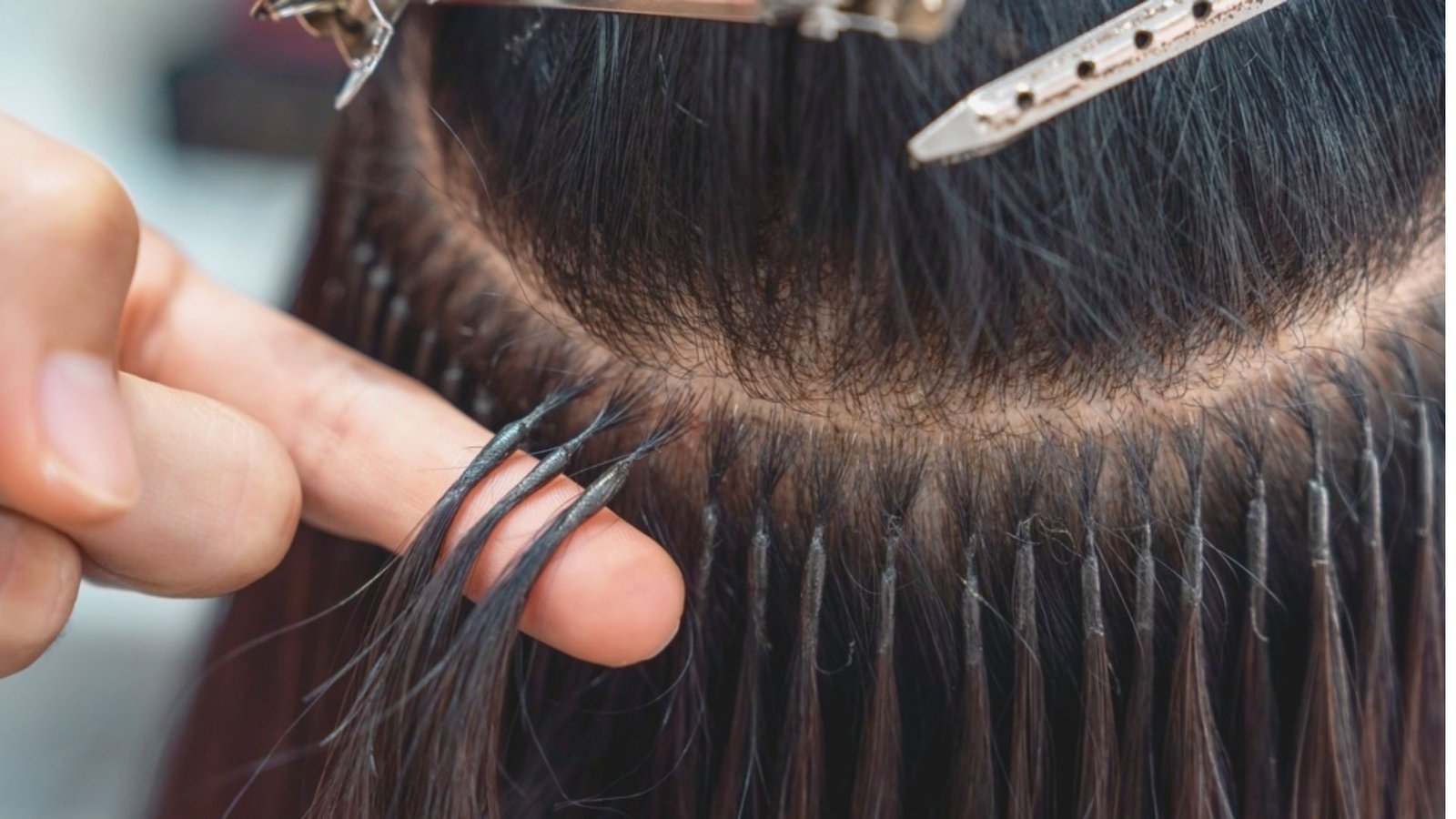
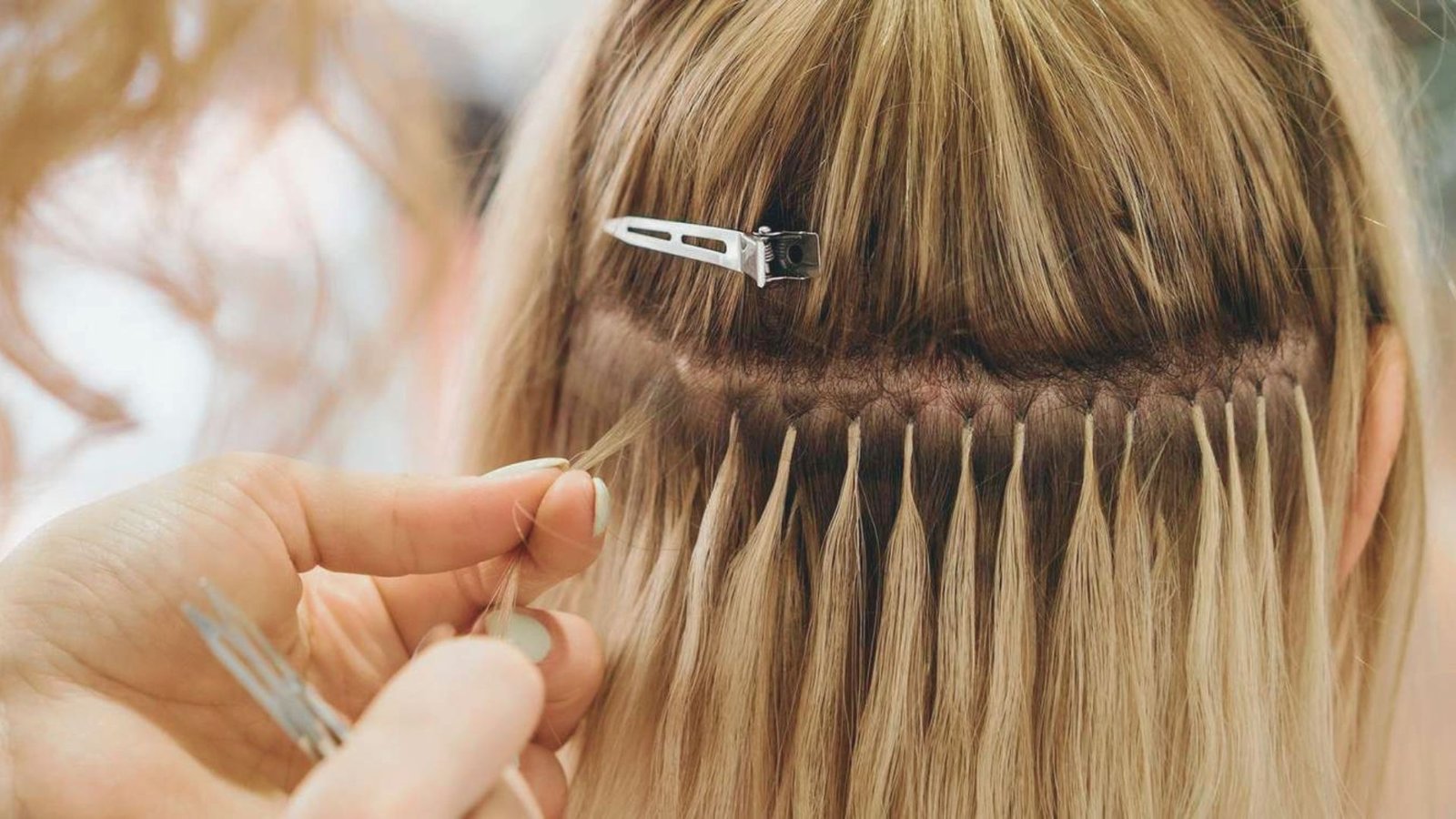
These have small keratin bonds at the top. A stylist melts the keratin around small hair sections with a heat tool. The bond hardens for secure attachment. They last 3 to 6 months.
Best For: Long-lasting natural look, thin hair
Pros: Very secure, blend naturally, last up to 6 months, realistic appearance
Cons: Time-consuming installation, expensive, heat can damage hair, professional removal needed
3. Nano Extensions

Nano extensions work like K-tips but use 90% smaller keratin capsules. The tiny size makes them nearly invisible on fine hair. Heat bonds the capsules to small hair sections. They last 3 to 6 months.
Best For: Fine or delicate hair, invisible attachments
Pros: Nearly invisible, lightweight, won’t weigh down fine hair, very natural
Cons: Very expensive, long installation, require specialist, difficult to remove
4. Sew-In Extensions / Weave
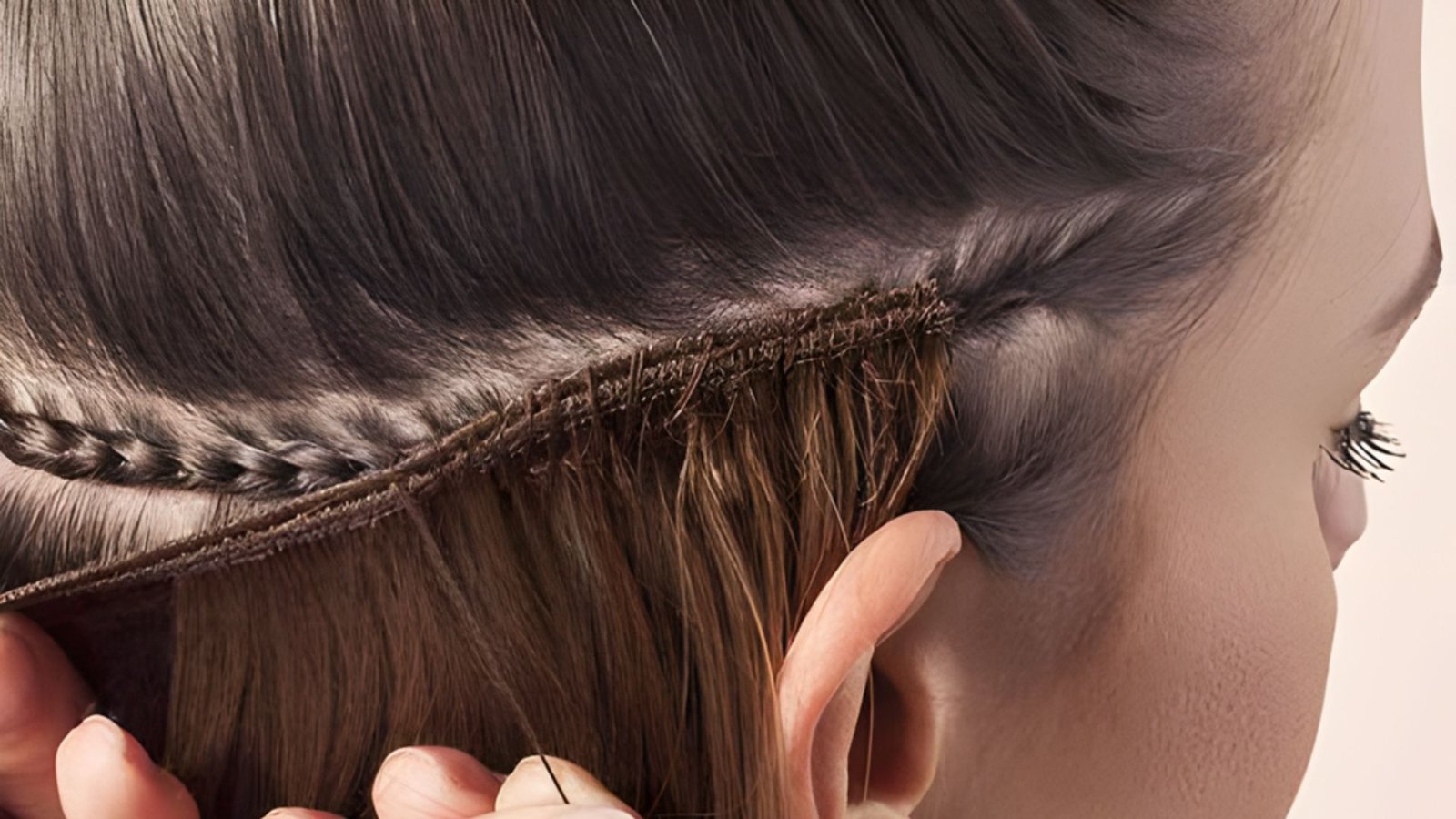
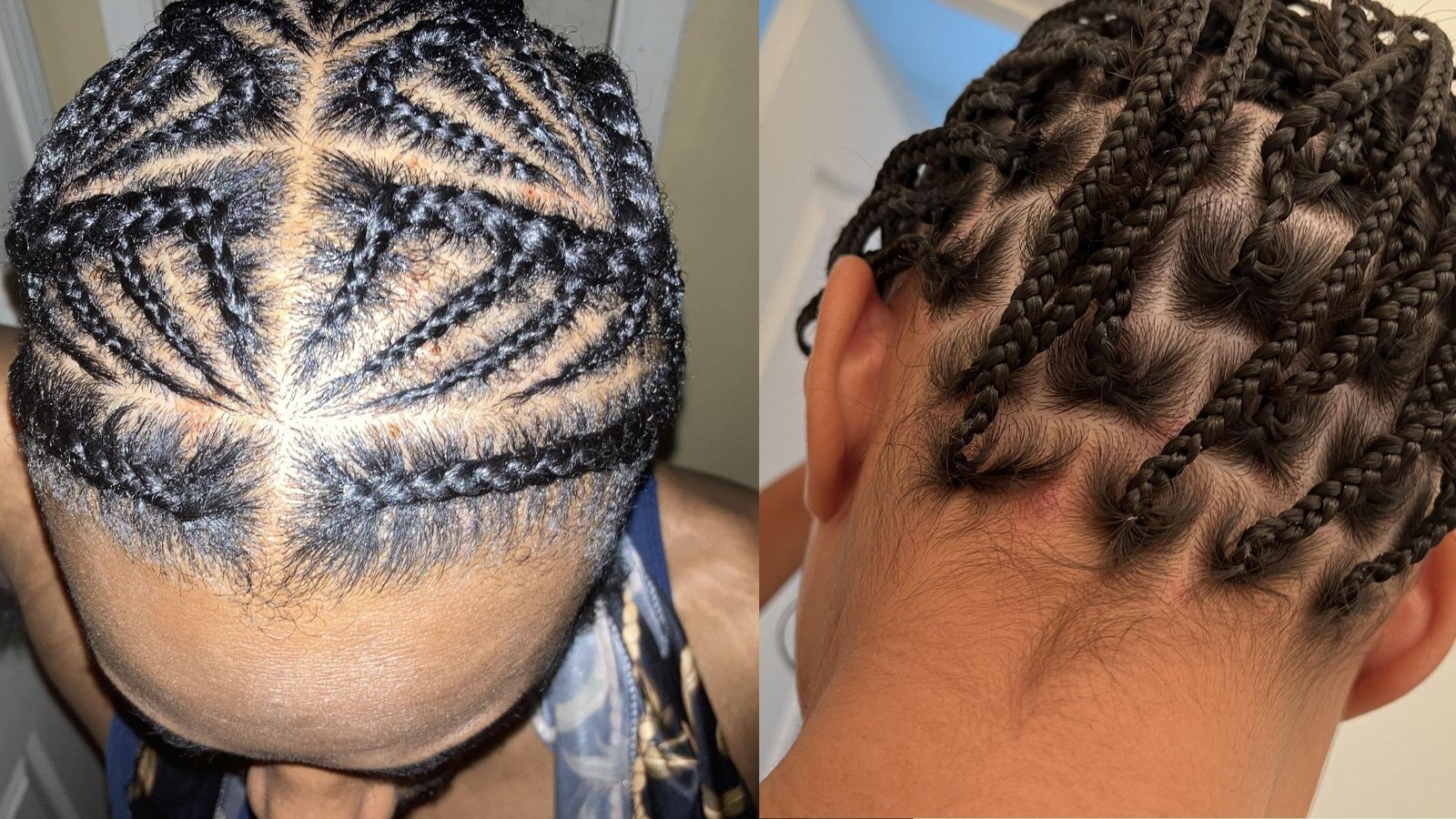
A stylist braids your hair into cornrows, then sews wefts onto these braids with needle and thread. The wefts cover the braids completely. They last 2 to 4 months. Keep your scalp clean to prevent buildup.
Best For: Thicker hair, protective styling
Pros: Very secure, last months, good for active lifestyles, protective, affordable
Cons: Tight braiding causes tension, not for thin hair, heavy, needs professional installation
5. Microlink / Microbead Extensions
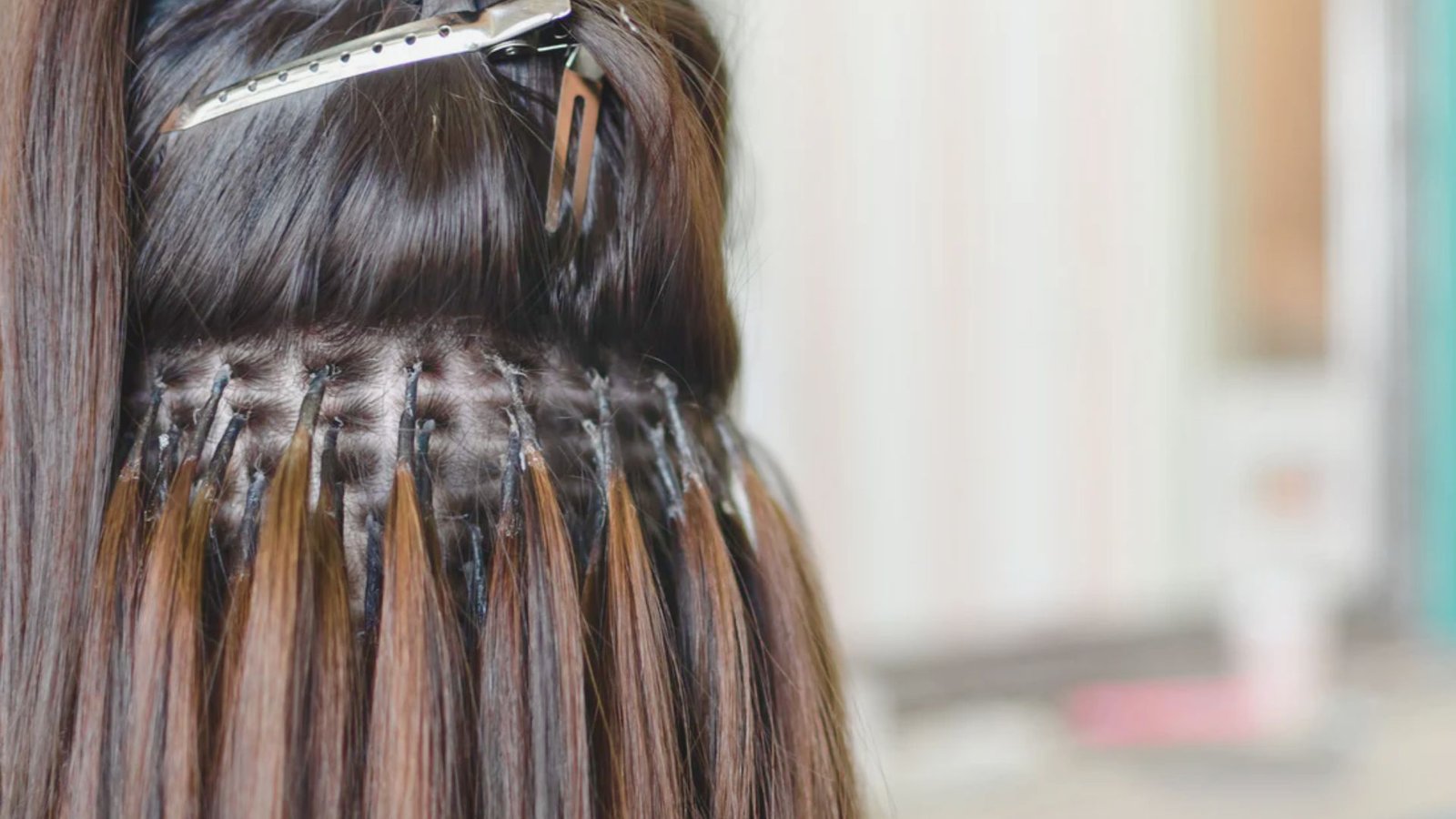
Microlinks use tiny silicone-lined beads to attach extensions. A stylist threads your hair and the extension through a bead, then clamps it flat. No glue or heat. They last up to 4 months but need repositioning as hair grows.
Best For: Avoiding glue or heat
Pros: No heat or chemicals, adjustable, reusable, can be repositioned
Cons: Beads visible or felt, time-consuming, can break hair if tight, may slip
Choosing a Semi-Permanent Method
Think about your hair type first. Fine hair needs nano or microlinks. Thick hair handles sew-ins or tape-ins. Consider maintenance schedules and budget. Sew-ins and tape-ins cost less than nano or fusion extensions.
How to Choose the Right Hair Extension Method
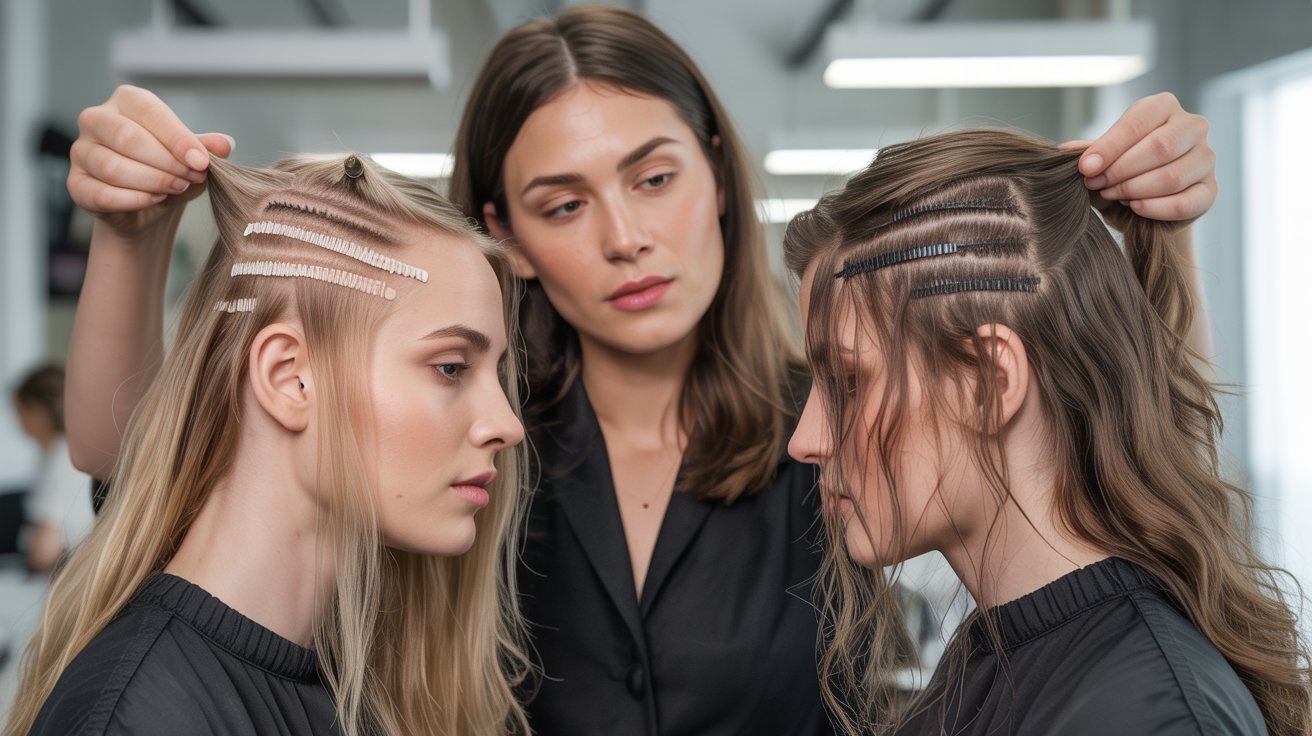
Choosing the right extension method depends on your hair type, lifestyle, and how much maintenance you can handle. Fine hair needs lighter methods like nano or tape-ins. Thick hair can support heavier options like sew-ins.
Think about your daily routine. Do you have time for salon appointments every few weeks? Or do you need something you can remove yourself?
Always consult a professional stylist before getting extensions. They’ll check if your hair is healthy enough. Damaged hair, recent chemical treatments, or scalp allergies can make some methods unsafe for you.
Caring for Hair Extensions
- Washing & Drying: Use gentle sulfate-free shampoos and conditioners. Don’t rub or scrub the bonds where extensions attach to your hair. Pat them dry instead. Let extensions air-dry when possible, or use low heat settings on your blow dryer.
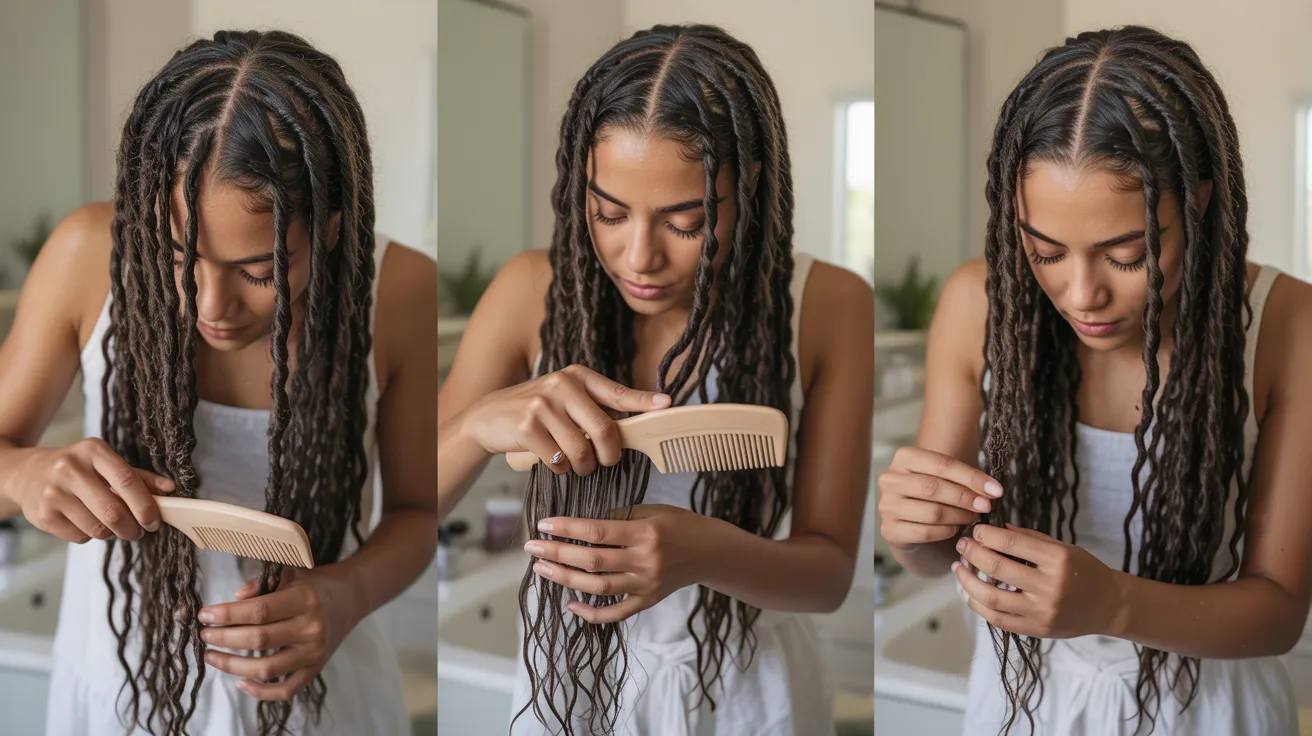
- Brushing: Always start brushing from the ends and work your way up to the roots. Use soft-bristle brushes or special extension brushes. Never brush from top to bottom as this pulls on the bonds and can cause shedding or damage.
- Styling: Keep heat tools away from the bonds or tape. High heat can melt adhesive or weaken keratin bonds. Use lightweight styling products that won’t build up on the attachments. Heavy oils and serums can loosen tape-ins.
- Maintenance & Storage: Remove temporary extensions like clip-ins before bed to prevent tangling and breakage. Store them in a silk bag or on a hanger. For semi-permanent extensions, tie your hair in a loose braid before sleeping to reduce matting.
Conclusion
After trying different extension methods over the years, I’ve learned there’s no perfect option for everyone. Clip-ins work for occasional wear.
Tape-ins look natural but need salon visits. Sew-ins last longer but feel heavy initially.
The right choice depends on your hair type, budget, and maintenance time. Talk to a professional stylist before deciding. They’ll recommend what actually works for you.
Extensions are an investment. Take care of them with proper products and gentle handling. Your natural hair stays healthy, and your extensions last longer.
Trust me, skipping aftercare will cost you more money replacing damaged extensions.
Frequently Asked Questions
How long do hair extensions typically last?
Clip-ins last 3 to 6 months. Semi-permanent options like tape-ins last 2 to 3 months. Fusion and sew-ins last 3 to 6 months with proper care.
Can I color or heat style my hair extensions?
Human hair extensions can be colored, curled, and straightened like natural hair. Synthetic extensions cannot handle heat or dye and will melt.
Will hair extensions damage my natural hair?
Extensions won’t damage your hair if installed correctly and maintained properly. Problems happen when they’re too tight or left in too long. Always use an experienced stylist.
How much do hair extensions cost?
Clip-ins cost $100 to $200. Tape-ins range from $200 to $800. Sew-ins cost $300 to $600. Fusion and nano extensions run $1,000 to $3,000 or more.
Can I swim or workout with hair extensions?
Semi-permanent extensions handle swimming and workouts. Rinse chlorine out quickly and tie hair up during exercise. Remove clip-ins before swimming or intense workouts.