




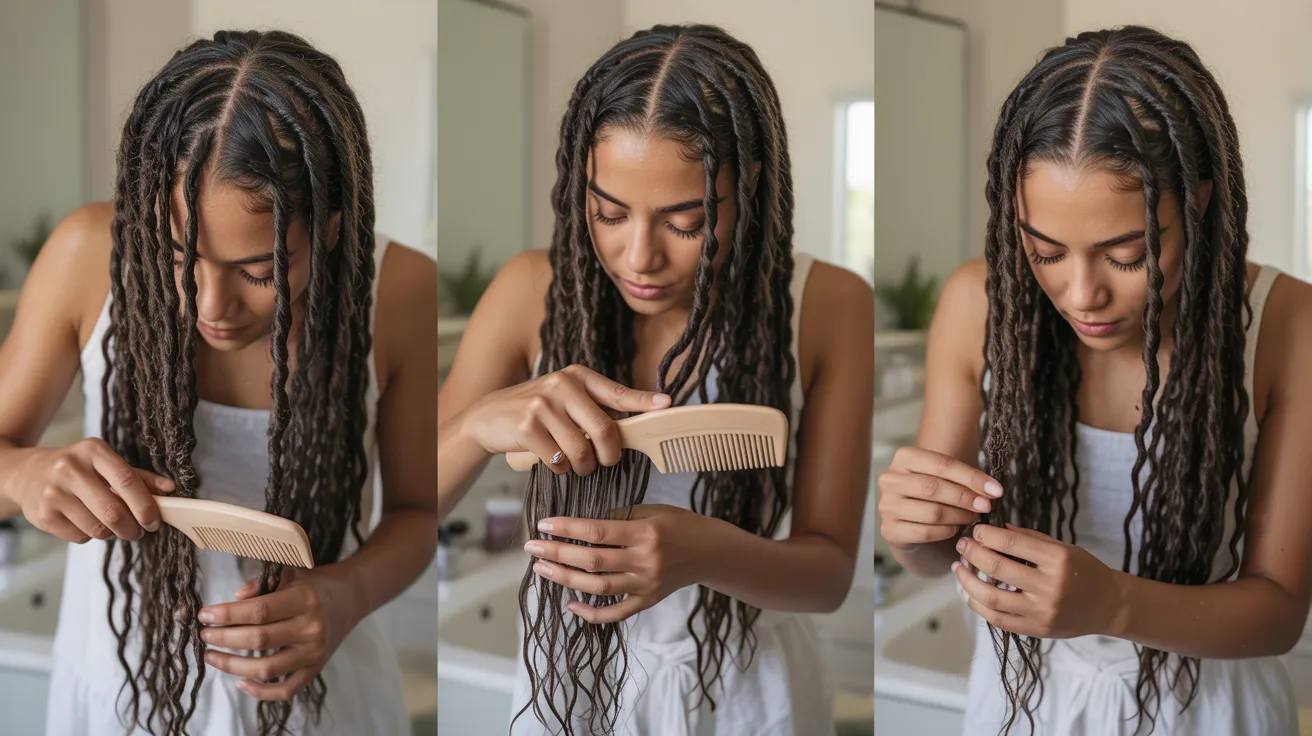




Starting locs with two-strand twists is one of the best methods. But do it wrong and your twists won’t lock up properly. You’ll waste months waiting for nothing.
This blog shows you the correct way to start your loc process with two-strand twists. You’ll learn the right section sizes, which products help locs form faster, and how to twist for maximum hold. I’ll walk you through each step so your starter locs actually turn into mature, healthy locs.
I started my own locs this way years ago. Since then, I’ve helped over a hundred clients begin their loc process using this method. It works when you do it right. The techniques here are what I use in my chair every week, not random tips from someone who’s never installed locs. You’ll get the exact process that leads to strong locs.
Why Choose Two-Strand Twists for Starter Locs?

Two-strand twists make starting locs easier than most other methods. You don’t need special skills.
You don’t need expensive salon visits. I can tell you that thousands of people start their loc process this way because it works.
- Beginner-friendly: You can install them yourself at home without professional help. Your hair looks styled and neat from day one, not messy or rough like some other starter methods.
- Works universally: This method works on hair textures from 3A to 4C, and creates fuller, thicker locs because you’re working with larger sections of hair instead of tiny coils.
- Best for commitment: You need at least 3 inches of hair length to start. The twist size you choose determines your final loc thickness. You must be ready for regular maintenance every 4 to 6 weeks and patient enough to wait through the locking stages.
Things to Know Before Starting Starter Locs
You need to understand what you’re getting into. Two-strand twist starter locs have a timeline. They have advantages and drawbacks. Let me give you the real picture before you commit.
Here’s what you should expect:
- Twist patterns visible: Your twists will stay visible for 6 months to 2 years before fully locking. You’ll see groove marks along your locs as they mature. This gradual change is normal and part of the process.
- Early styling advantage: Your hair looks like a finished style from day one, and you can easily manipulate and style your twists during the first few months. This is the biggest benefit of choosing two-strand twists over other methods.
- Slower locking process: Two-strand twists take longer to fully lock than methods like coils or interlocking. Your twists may loosen after washing, especially in the first 3 to 6 months, which means more maintenance work for you.
How to Start Starter Locs Two Strand Twist (Step-by-Step)
Starting your locs is simpler than you think. I’m going to walk you through every single step. Follow this process, and you’ll have clean, professional-looking starter locs. No salon needed.
Step 1: Prepare Your Hair

Your hair needs to be completely clean before you start. This is not optional. Product buildup will prevent your locs from forming properly.
Use a clarifying shampoo to remove all oils, gels, and residue from your hair and scalp. Wash twice if you use heavy products regularly.
Apply a deep conditioner and leave it on for 20 to 30 minutes. Rinse completely with cool water. Let your hair air dry fully or use a blow dryer on low heat. Never start twisting on damp hair, or your locs won’t hold their shape.
Step 2: Sectioning the Hair

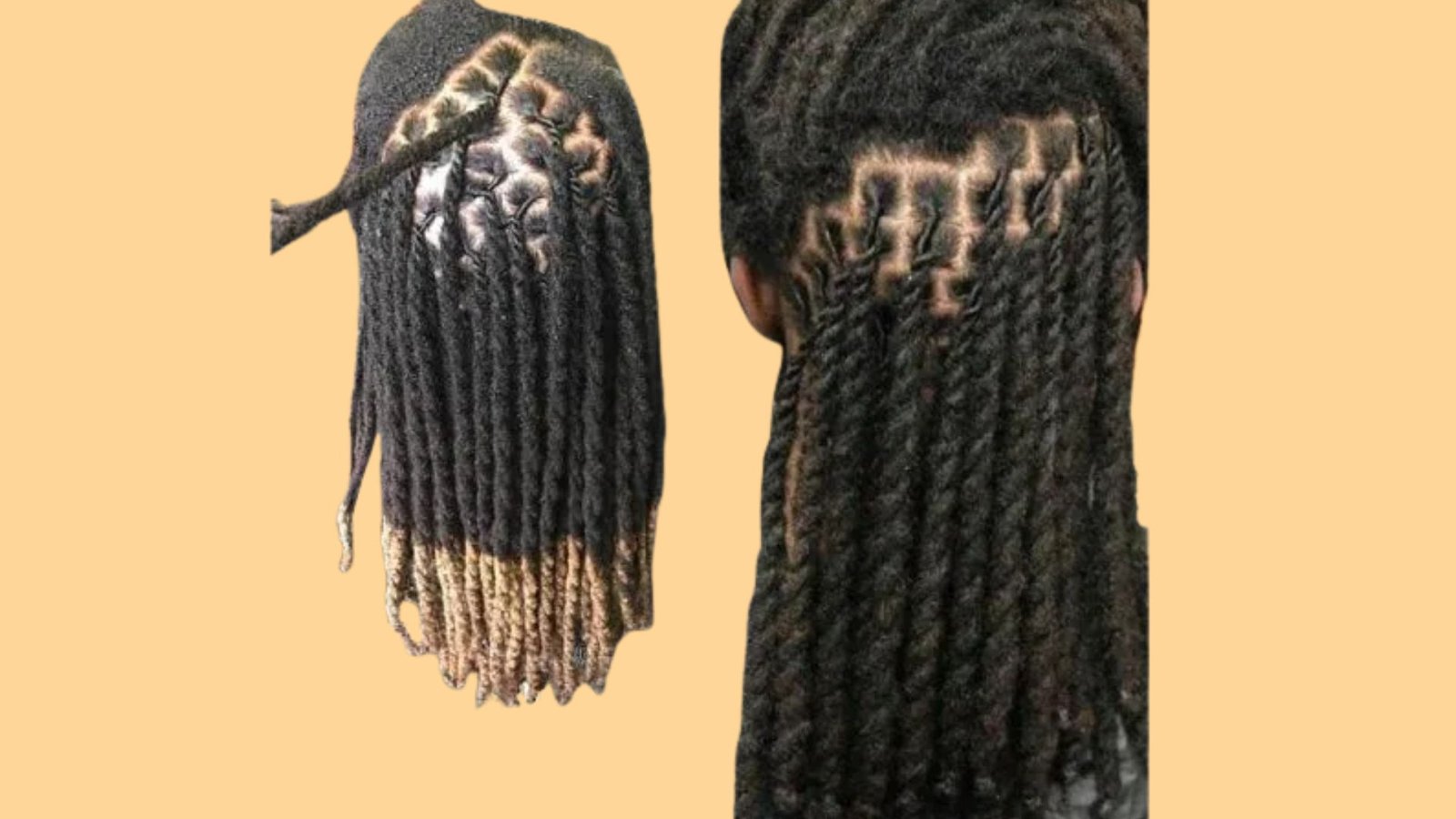
Sectioning determines everything. The size and shape of your sections become the size and shape of your locs.
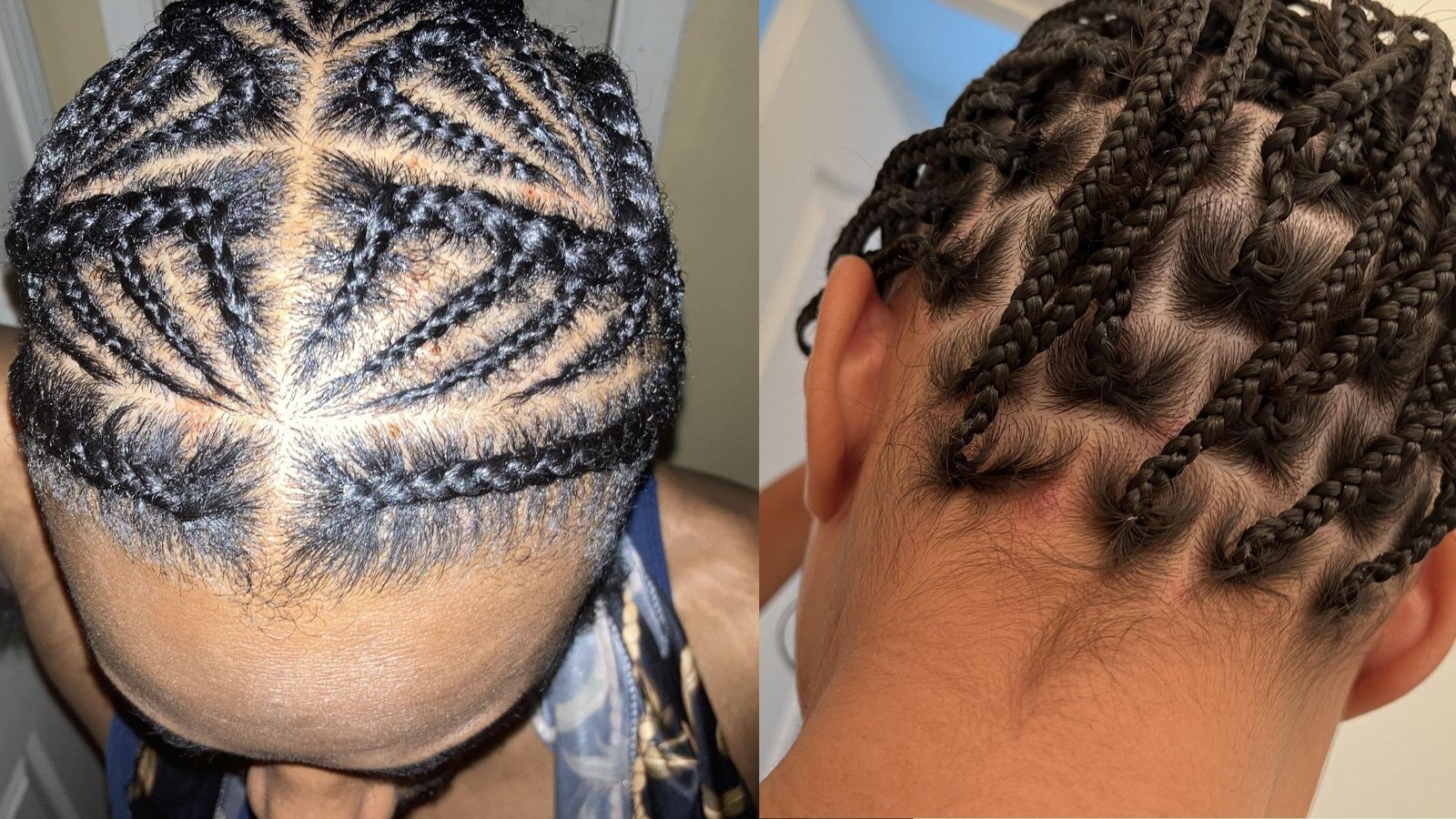
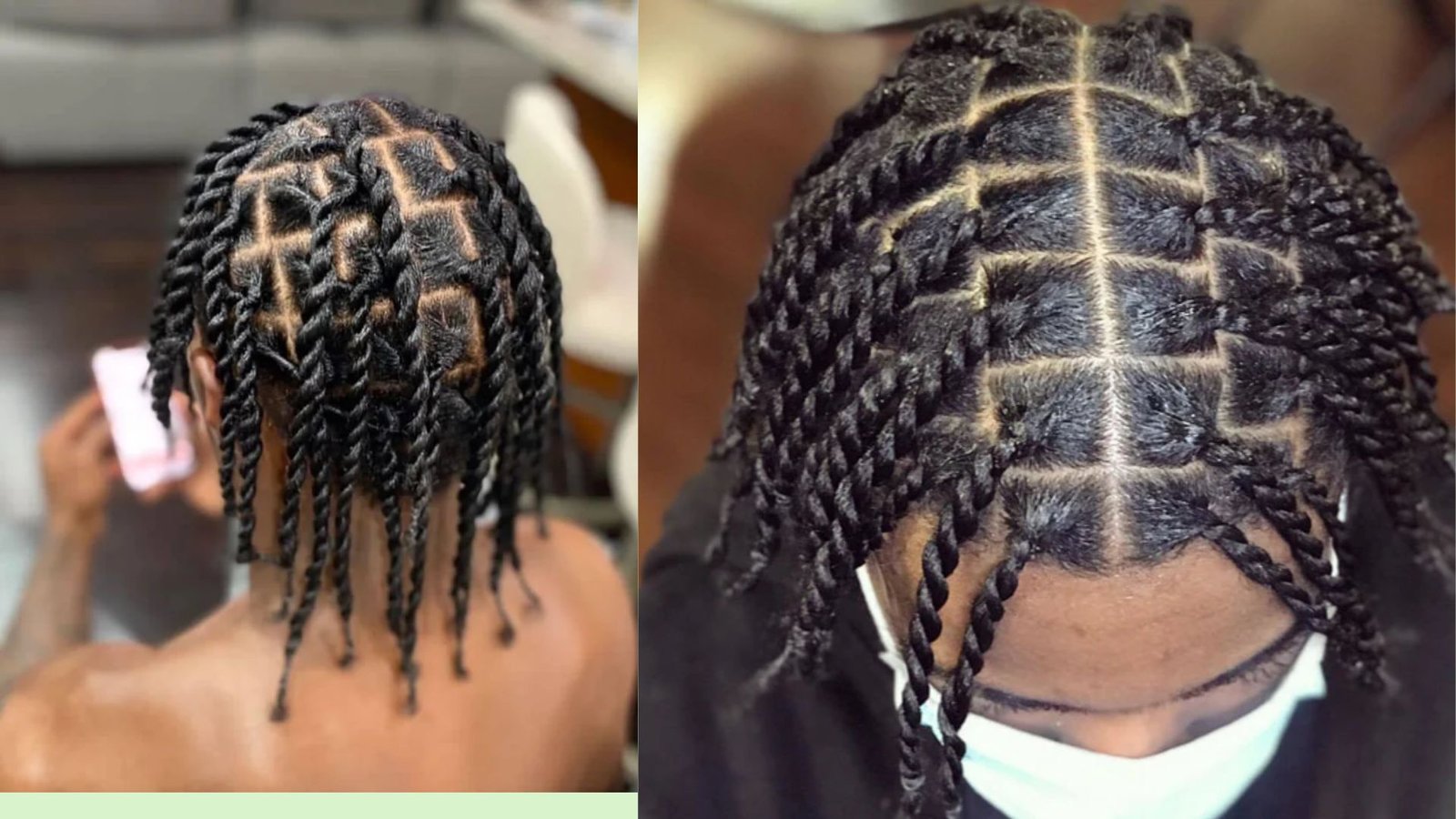
Decide on section size based on how thick you want your final locs. Half-inch sections create medium locs. One-inch sections create chunky locs. Square parts create a grid pattern. Diamond parts look more natural.
Grab a rat-tail comb for clean parts. Use hair clips to hold sections you’re not working on. Small rubber bands help if your hair is short or slippery. Take your time and measure as you go to keep things even.
Step 3: Applying Products
Less is more with products. You want just enough to help your twists hold without creating buildup.
Apply a small amount of water-based leave-in conditioner to each section before twisting. Use a few drops of lightweight oil like jojoba or sweet almond on your palms.
If you have fine or straight hair that doesn’t hold twists well, spray a light locking gel on each section. Skip this if you have coarse or kinky hair. Your hair should feel soft but not sticky or greasy. Too much product will slow down locking.
Step 4: Creating the Two-Strand Twists

This is where your locs actually take shape. Divide each sectioned piece of hair into two equal strands.
Hold them between your thumb and index finger near the roots. Twist with medium tension from roots to ends. Not too tight or you’ll stress your scalp.
Rotate both strands over each other in a clockwise direction as you move down the hair. Keep the same direction for every single twist on your head. Your tension should feel firm but comfortable. Consistency matters more than speed.
Step 5: Securing the Ends
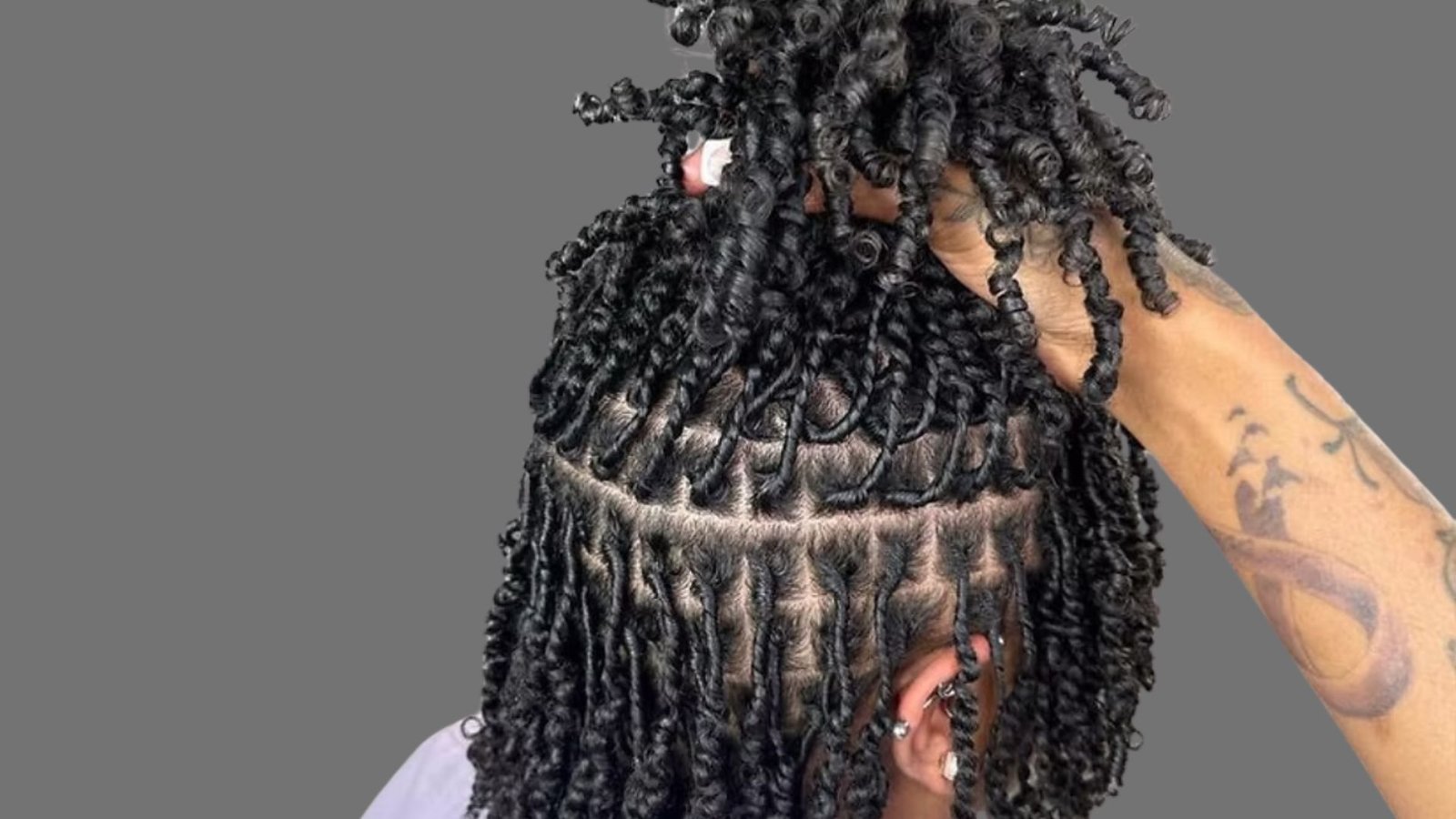
Your ends need to stay twisted, or all your work falls apart. When you reach the end of each twist, wrap the last inch around your finger in a small coil. This prevents the twist from loosening from the bottom up. Apply a tiny bit of gel or loc butter to hold your ends together.
Your ends will loosen after washing, especially in the first 3 months. Palm roll them gently while they’re damp to reshape them. Don’t completely redo your twists unless they’re falling apart. You’re done now. Your starter locs are in, and the waiting begins.
Twisting Technique Breakdown (Beginner-Friendly)
Getting your twisting technique right makes everything easier. Poor technique leads to uneven locs and scalp damage. Good technique creates great, healthy locs that last. Let me show you the basics that actually matter.
Here’s what proper twisting looks like:
- Finger positioning matters: Hold the hair section between your thumb and index finger near the roots. Apply gentle, even tension as you twist. Never pull too tight, or you’ll stress your scalp and damage your hair follicles.
- Twist clockwise always: Pick one direction and stick with it for every single loc. Most people twist clockwise because it feels natural. Consistent direction prevents confusion when you retwist your roots months later.
- Retwist alignment crucial: When you maintain your locs, twist in the same direction you started with. Your new growth should follow the original twist pattern. This keeps your locs uniform and prevents them from looking messy or lumpy over time.
Maintaining Starter Locs Two Strand Twist
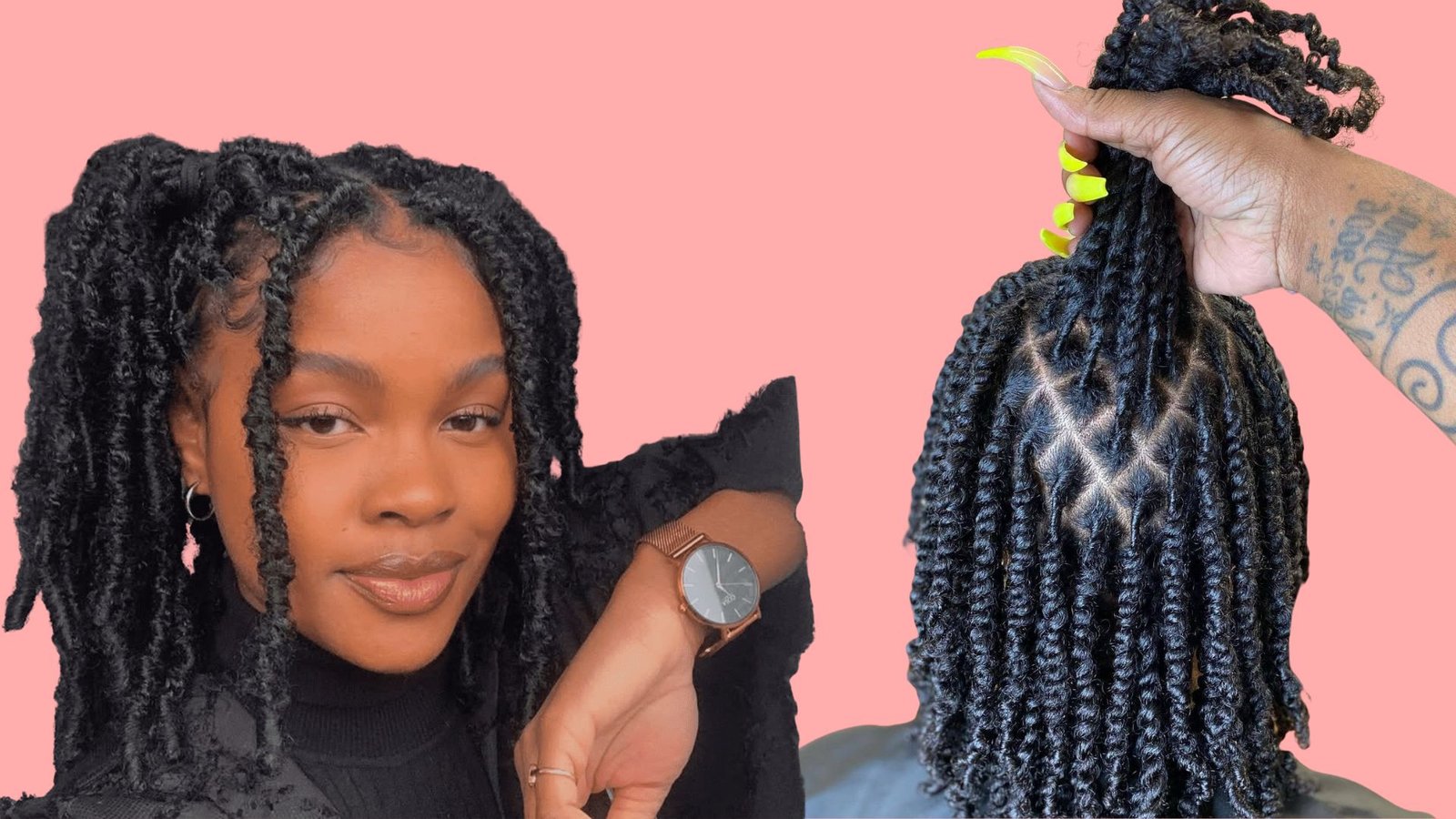
Your locs need consistent care to lock properly. Skip maintenance, and your twists will loosen. Overdo i,t and you’ll damage your hair. I’m going to show you the balance that actually works.
- Washing carefully: Wait 2 to 4 weeks after installation before your first wash. Use residue-free shampoo and wear a mesh cap to protect your twists. Squeeze water through gently instead of rubbing your locs.
- Moisture and oil: Apply water-based moisturizers to your locs 2 to 3 times per week. Oil your scalp with lightweight oils like jojoba or sweet almond. Avoid heavy products that leave buildup and prevent locking.
- Retwist schedule: Retwist your new growth every 4 to 6 weeks to maintain your parts and loc pattern. You can palm roll for maintenance or retwist just the roots. DIY saves money, but professional retwists ensure consistency and even tension across your whole head.
Common Problems and How to Fix Them
Problems will pop up during your loc process. Every single person faces them. The difference between success and failure is knowing how to handle these issues when they appear.
- Loosening twists happen: Your twists come undone because you’re washing too soon or not securing the ends properly. Prevent this by waiting longer between washes, using a mesh cap, and applying light gel to your ends.
- Frizz is normal: Some frizz means your hair is budding and starting to lock, which is good. Manage frizz gently with light palm rolling and moisturizer, but don’t obsess over every flyaway.
- Patience beats panic: Slow locking concerns most beginners, but your hair texture determines locking speed. Never use wax, heavy gel, or crochet hooks to force faster locking, and don’t retwist more than once every 4 weeks.
Conclusion
Starting starter locs two-strand twist style is easier than you might think. With the right technique, clean hair, and a bit of patience, you’ve got everything you need to create attractive, healthy locs from the ground up.
The goal of this method is that it’s gentle on your hair while giving your locs a strong foundation. Just remember to keep your twists consistent in size, maintain your scalp, and retwist every 4 to 6 weeks as your locs mature.
You’re now equipped to confidently begin your loc process! Have you tried this method before, or are you just getting started? Share your experience in the comments below—your tips might help someone else. And if this guide made things clearer, pass it along to a friend who’s considering locs.
Frequently Asked Questions
How long do two-strand twists take to become locs?
Two-strand twists typically take 6-12 months to fully mature into locked hair. The exact timeline depends on your hair texture, length, and maintenance routine. Coarser hair types lock faster than finer textures. You’ll notice budding and matting within the first few months as your twists begin their locking process.
What hair length is needed for a strand twist starter locs?
You need at least 2-3 inches of hair length to successfully create two-strand twist starter locs. Shorter hair may loosen easily and won’t hold the twist pattern. Longer hair (4+ inches) provides better grip and allows for more defined twists that transition smoothly into mature locs.
How often should you retwist starter locs?
Retwist your starter locs every 4-6 weeks during the first year. Avoid over-manipulating by retwisting too frequently, as this can cause thinning and breakage. As your locs mature, you can extend the time between retwists to 6-8 weeks. Focus on maintaining your roots while letting the rest loc naturally.
Can you wash two-strand twist starter locs?
Yes, you can wash starter locs after the first 2-4 weeks of installation. Use a residue-free shampoo and focus on cleansing your scalp gently. Avoid excessive manipulation and rewrap twists with a silk scarf while drying. Washing every 1-2 weeks helps keep your scalp healthy without loosening new twists.
What products are best for two-strand twist starter locs?
Use lightweight, water-based products like loc gels, aloe vera gel, or natural oils (jojoba, coconut). Avoid heavy creams, waxes, and petroleum-based products that cause buildup. A holding gel during installation helps twists stay intact. Keep products minimal—less is more for healthy loc development and prevention of residue.