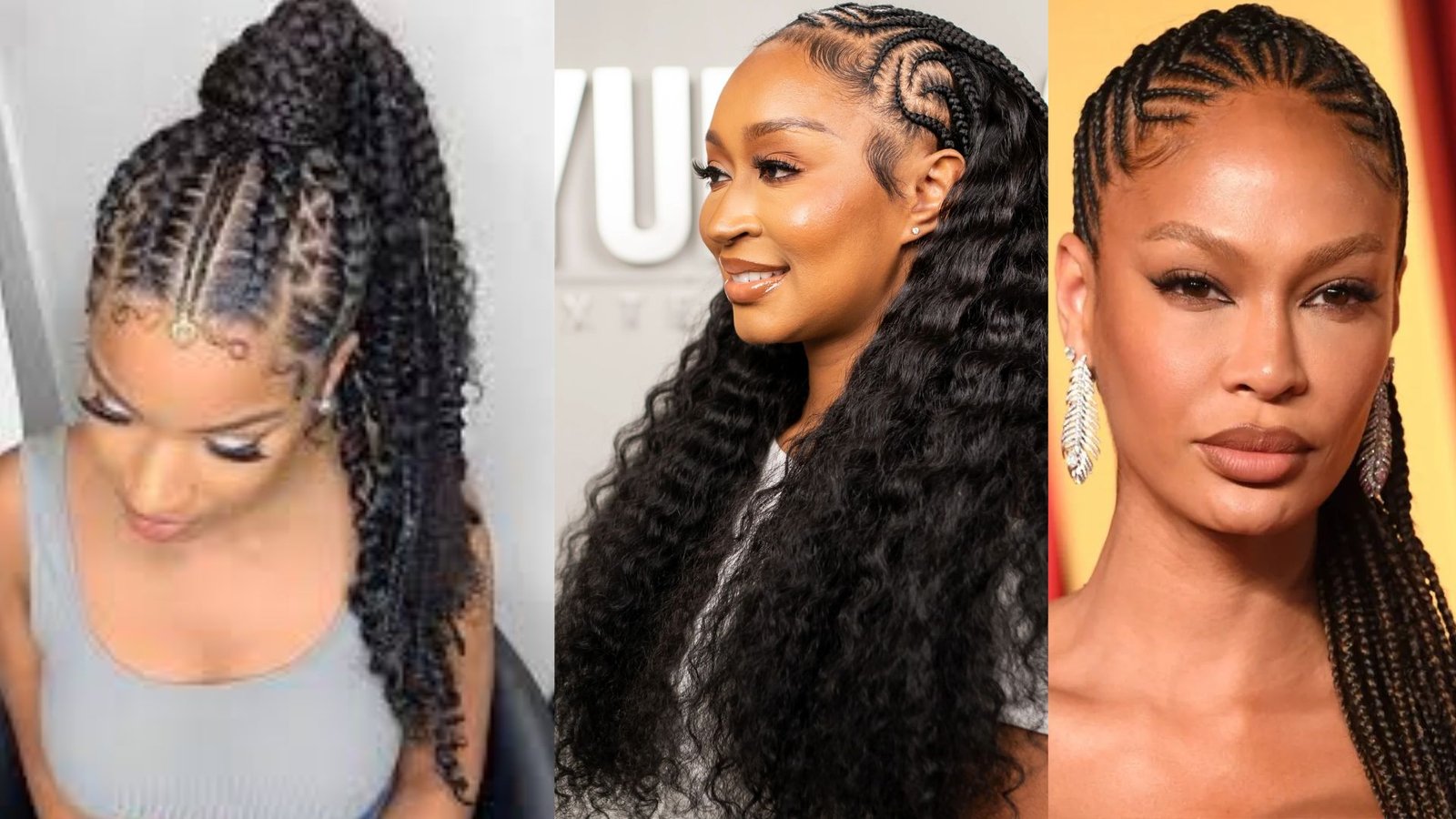




You’re ready to start your locs, but which style should you choose? Two-strand twists? Comb coils? Freeform? The options feel overwhelming when you just want to look good and protect your new growth.
This blog breaks down the best starter loc styles that actually work. You’ll see clear examples of each method, learn which styles suit different hair types, and find out how to rock your new locs with confidence from day one. No guesswork involved.
I’ve been a loctician for years and have started locs on hundreds of clients. Each person’s hair is different, but certain styles consistently deliver better results.
Trust me, choosing the right starter style sets the foundation for your entire loc process. Let me show you which styles will have you feeling fresh and confident while your locs mature naturally.
What Are Starter Locs Styles & What to Expect?
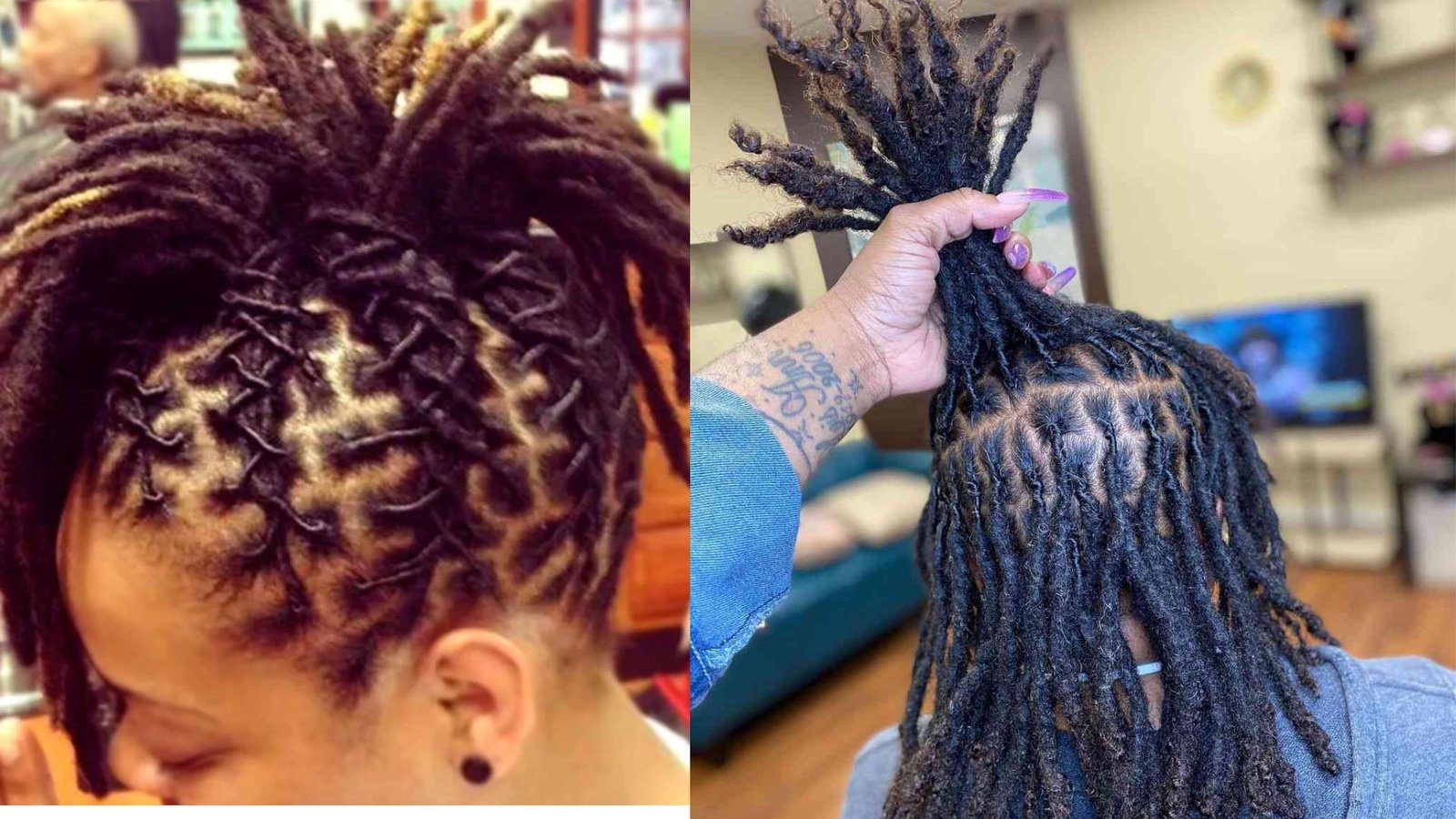
Starter locs are baby locs. Brand new. They’re in the beginning phase where your hair is learning to lock. This phase typically lasts 3-6 months, although it varies depending on the hair type and method used. Your locs aren’t locked yet. They’re just starting the process.
Expect frizz. Lots of it. Your locs may loosen after washing. They’ll change texture constantly. Some days they look tight. Other days, they look like they’re falling apart.
This is normal. Your hair is figuring out how to tangle and hold itself together without your help.
Patience is everything during this stage. I can’t stress this enough. You will doubt yourself. You’ll wonder if it’s working.
You’ll want to quit when your hair looks messy. But starter locs are supposed to look rough. They’re supposed to feel unstable. Trust the process and give your hair time to lock naturally.
How to Choose the Right Starter Loc Style?
Not everyone should start free forms the same way. Your hair type matters. Your lifestyle matters. Your goals matter. Choosing the right starter method saves you months of frustration and regret.
- Texture Matters: Coarse, kinky, and curly hair (Type 3-4) can go pure freeform easily. Straighter or finer textures may need semi-freeform or twist-and-rip methods to get started without waiting forever.
- Length Requirements: Short hair (under 3 inches) needs more patience or a starter method like twists. Medium to long hair (5+ inches) gives you options, pure freeform works better with length to tangle.
- Lifestyle Fit: Consider your daily routine and maintenance tolerance when choosing. Active lifestyles with low maintenance needs work great with pure freeform, while those wanting uniform, thin locs should use controlled starter methods.
11 Starter Locs Styles to Inspire Your Process
Choosing your starter loc method is personal. There’s no single “right” way to begin. Some methods work better for certain hair types, lifestyles, and goals.
Let me show you 11 different styles so you can find what fits your process.
1. Two-Strand Twists

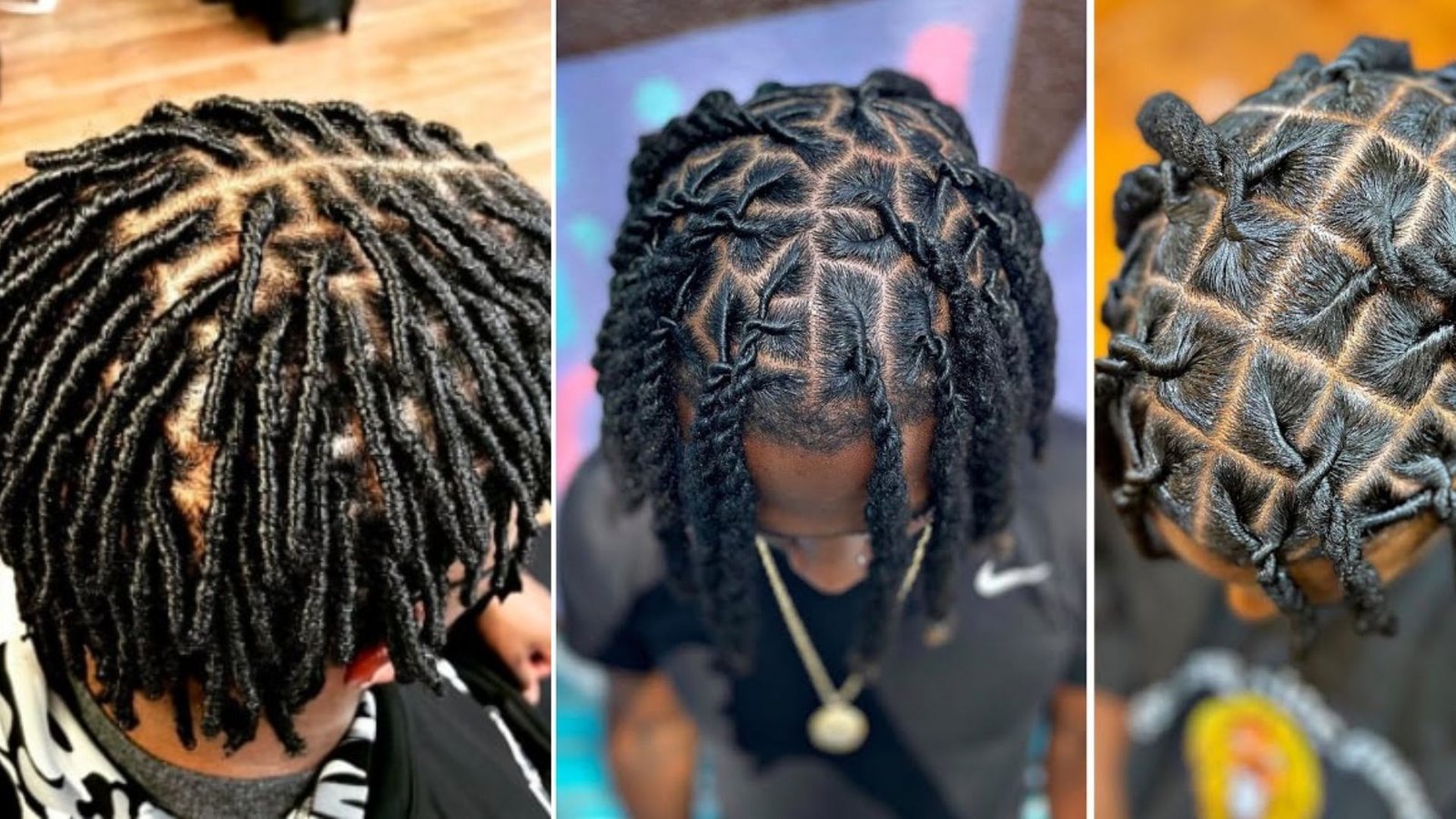
Two-strand twists are beginner-friendly. Super easy. You twist two sections of hair around each other from root to tip. That’s it. No special tools needed. No complicated techniques to learn.
Your twists create a fuller appearance that leads to thicker locs over time. They work best for hair around 4 inches or longer.
The longer your hair, the easier they hold. Once twisted, just leave them alone and let them mature into locs naturally.
2. Comb Coils
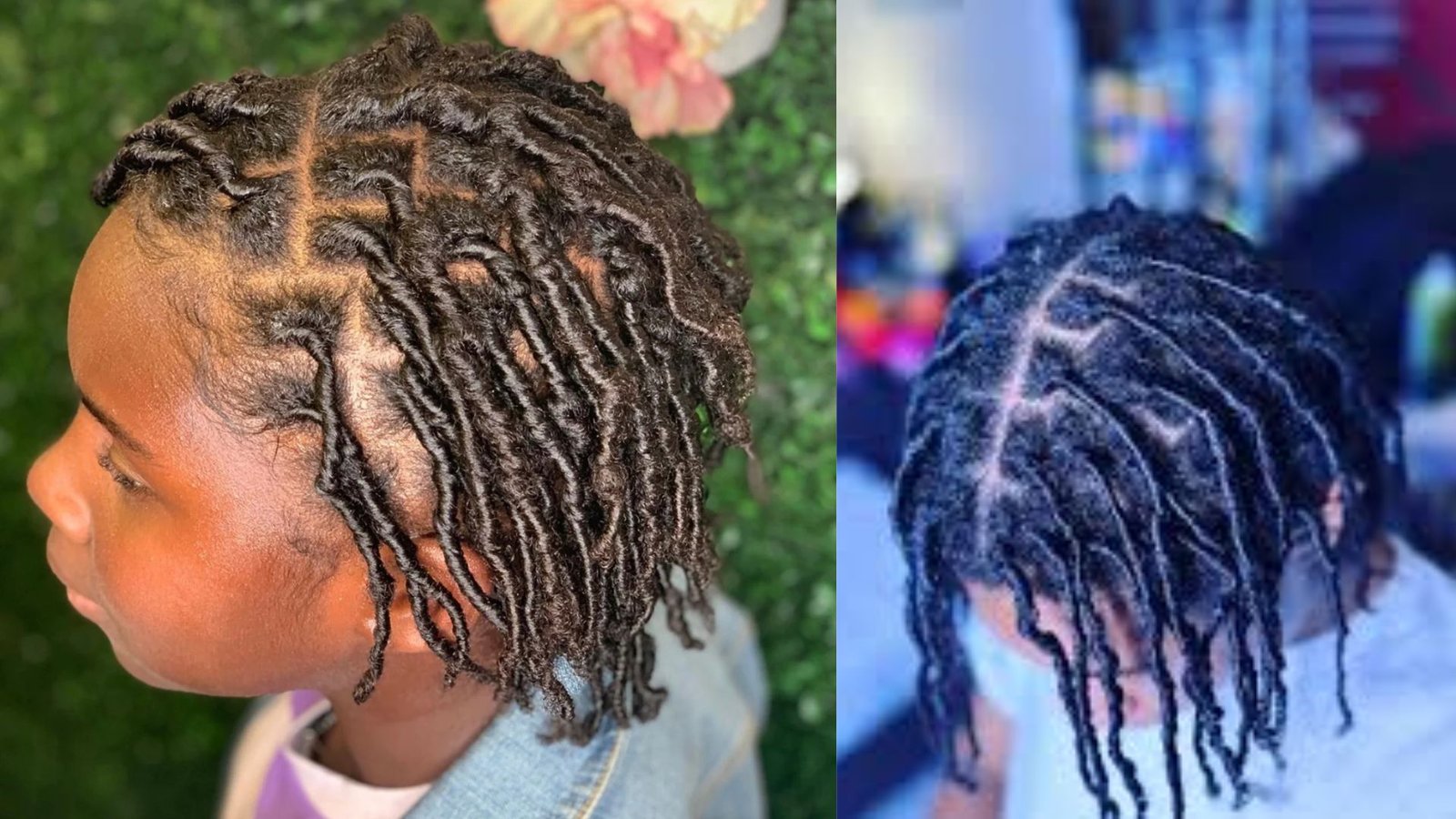
Comb coils give you clean, cylindrical locs. Ideally round. You use a rattail comb to twist small sections of hair in circular motions. The result looks neat from day one.
This method is ideal for short hair. Just 2-3 inches works. Ideal if you’re starting fresh with a big chop or low cut.
Your coils need moisture and gentle care early on. Don’t let them dry out, or they’ll loosen before they lock.
3. Palm Rolling
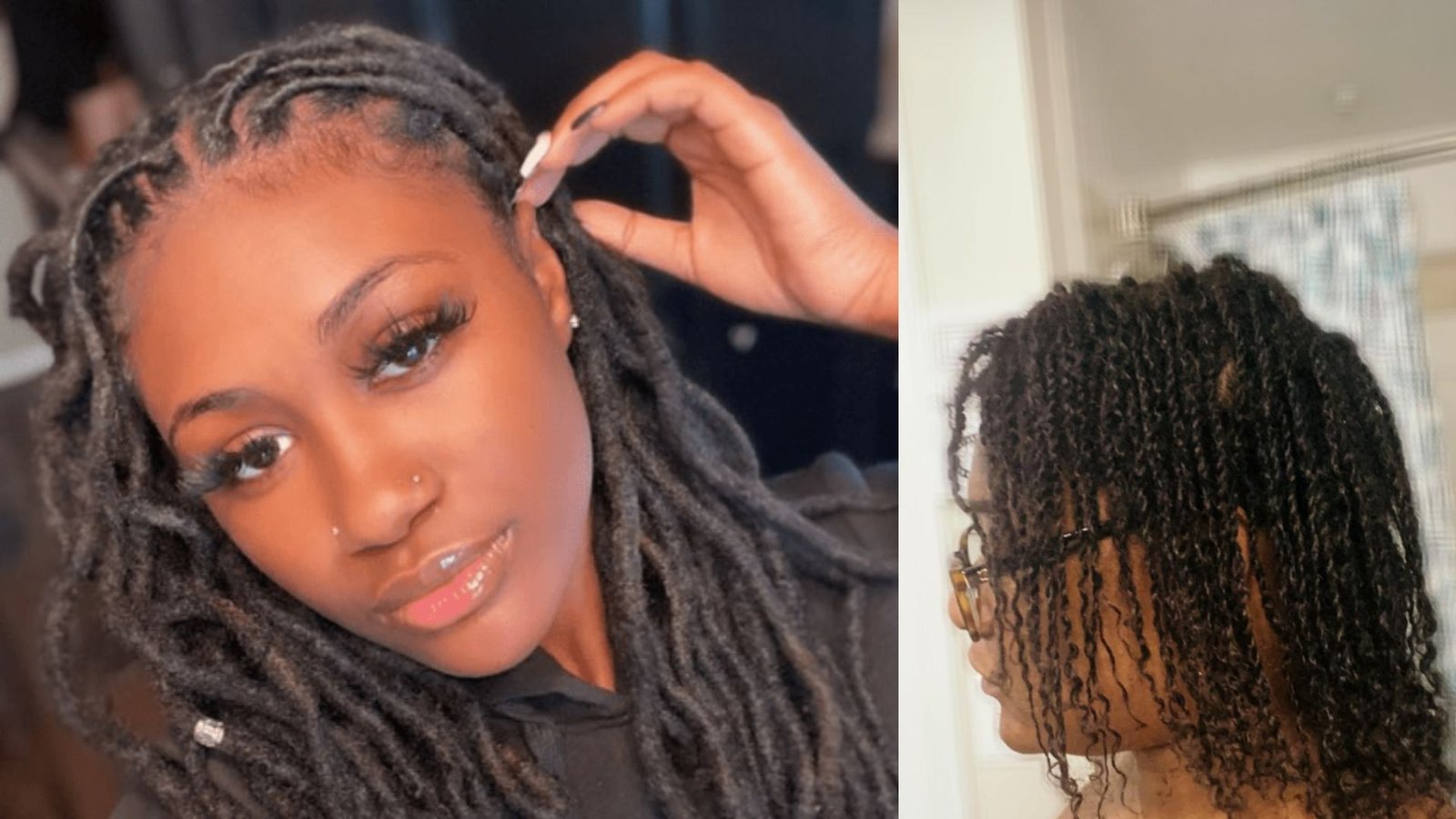
Palm rolling creates smooth, uniform starter locs. You roll each section between your palms to shape it. Simple motion. This method works for both starting new locs and maintaining existing ones.
Consistency is key here. You need to palm roll regularly in the early stages to prevent loosening. Skip a few weeks?
Your locs might loosen up. But if you stay committed, you’ll get neat results that look intentional and controlled.
4. Braids (Plaits)
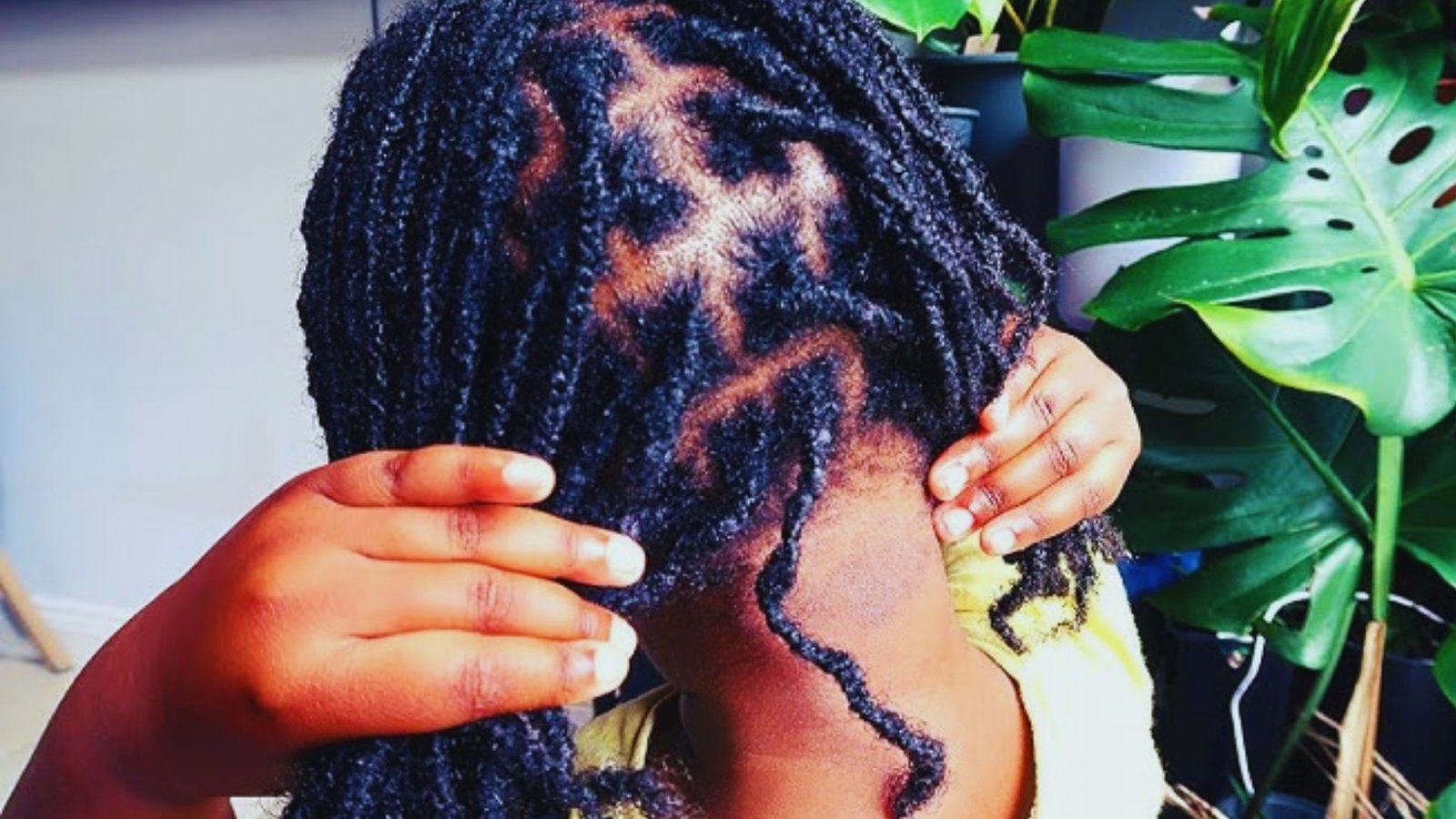
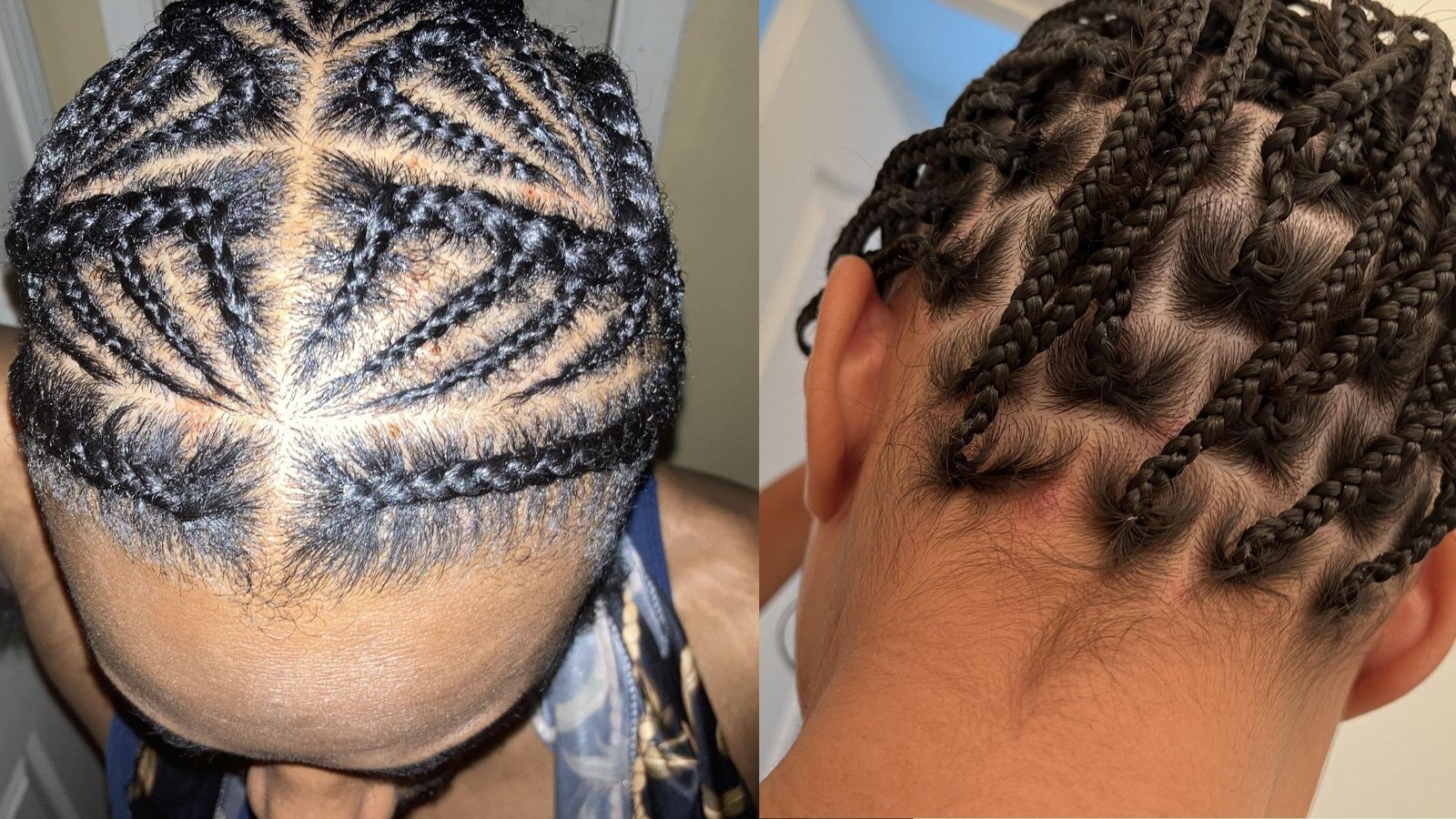
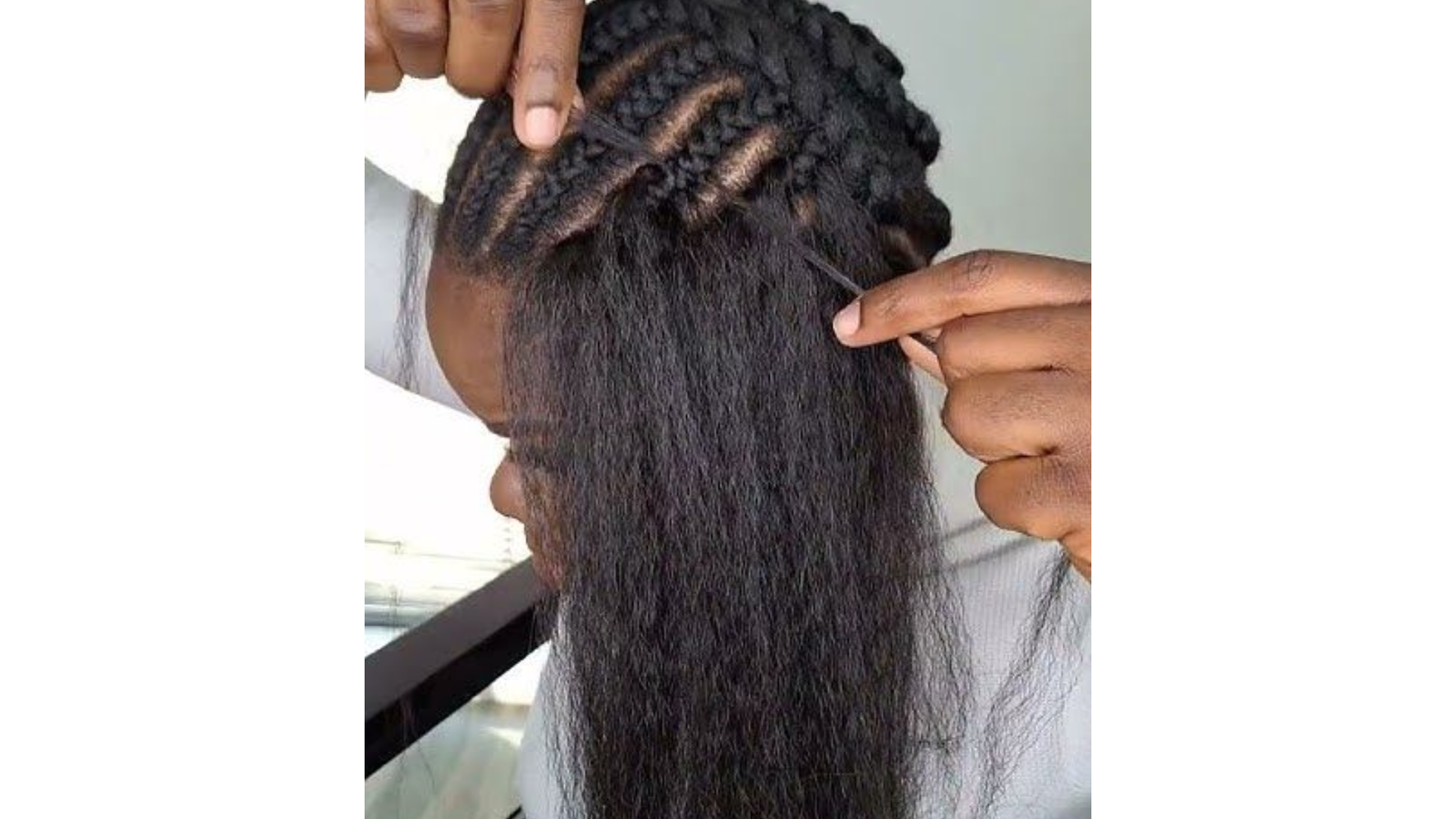
Braids work best for looser curl patterns or fine hair. Type 2 and 3 textures. You braid your hair in sections, then leave them to mature. The braid structure provides stability that prevents loosening.
The downside? Braids take longer to fully lock compared to other methods. Sometimes, 6-12 months before they truly mature.
But if your hair doesn’t naturally coil or tangle easily, braids give you the structure you need to get started.
5. Sponge Method
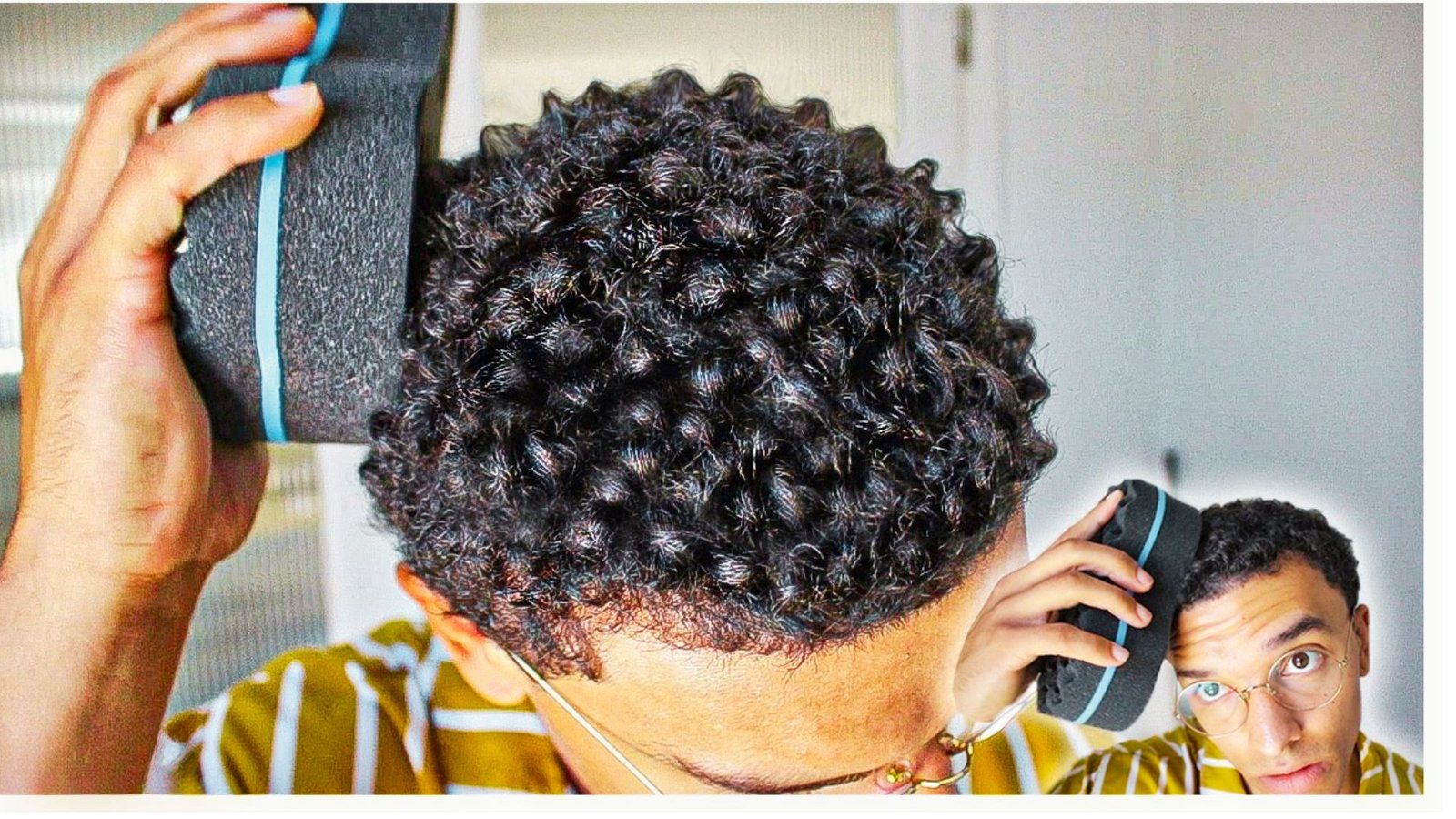
The sponge method is ideal for very short natural hair. You rub a loc sponge in circular motions across your head. That’s literally it. The sponge creates coils that form into starter locs naturally.
This creates a free-part, organic look where your hair sections itself. No planning required. It’s an easy DIY option that costs almost nothing. Just buy a sponge and start rubbing. Best for Type 4 hair that coils easily.
6. Backcombing
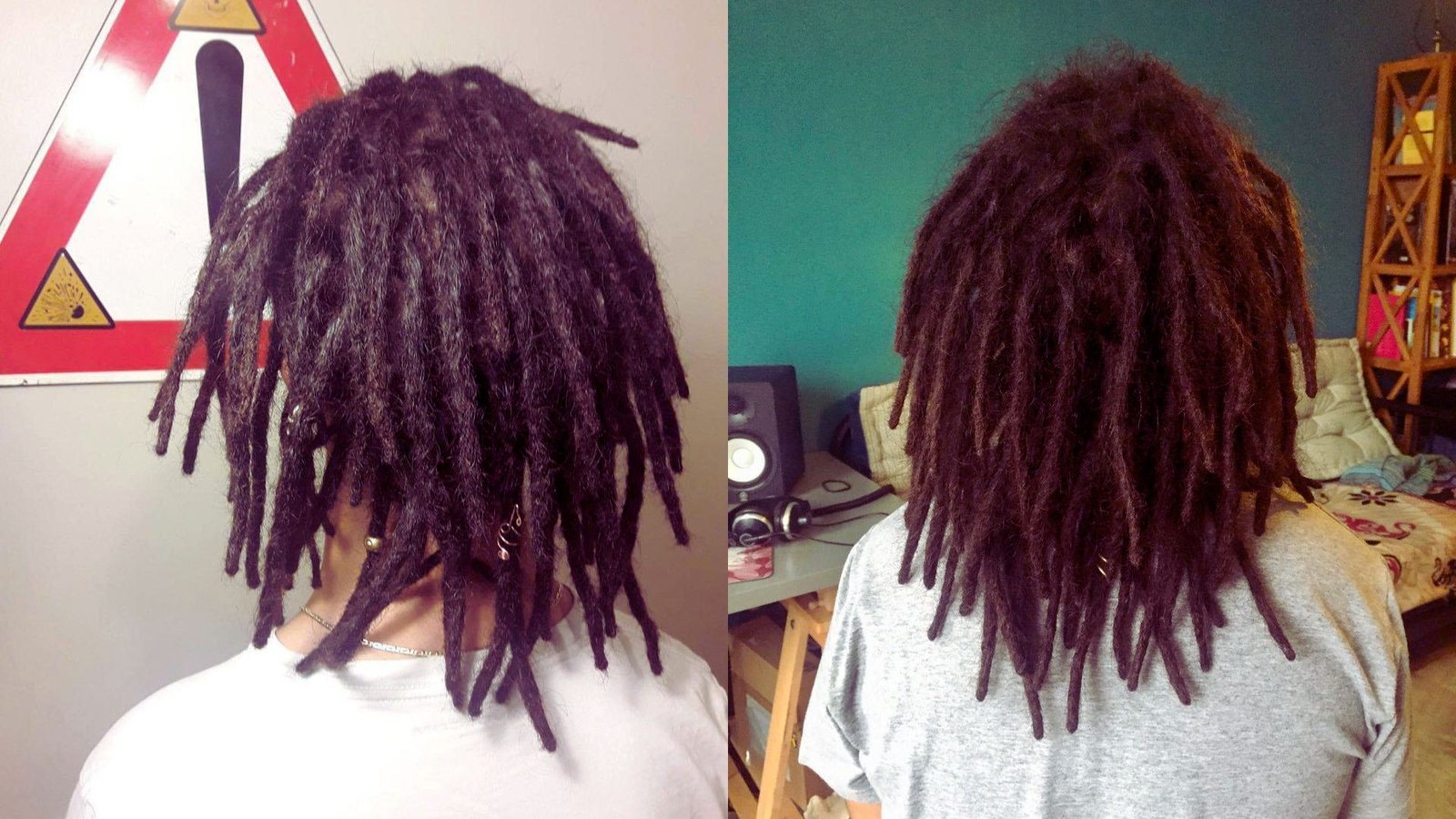
Backcombing works effectively for thinner or straighter textures. Types 1 and 2. You section your hair, then comb backwards from tip to root. This tangles the hair intentionally and creates instant texture.
The locking process is faster compared to other methods. You’ll see results in weeks instead of months.
Your starter locs are durable from the beginning because the tangles are tight. This method requires at least 5 inches of length to work properly.
7. Interlocking
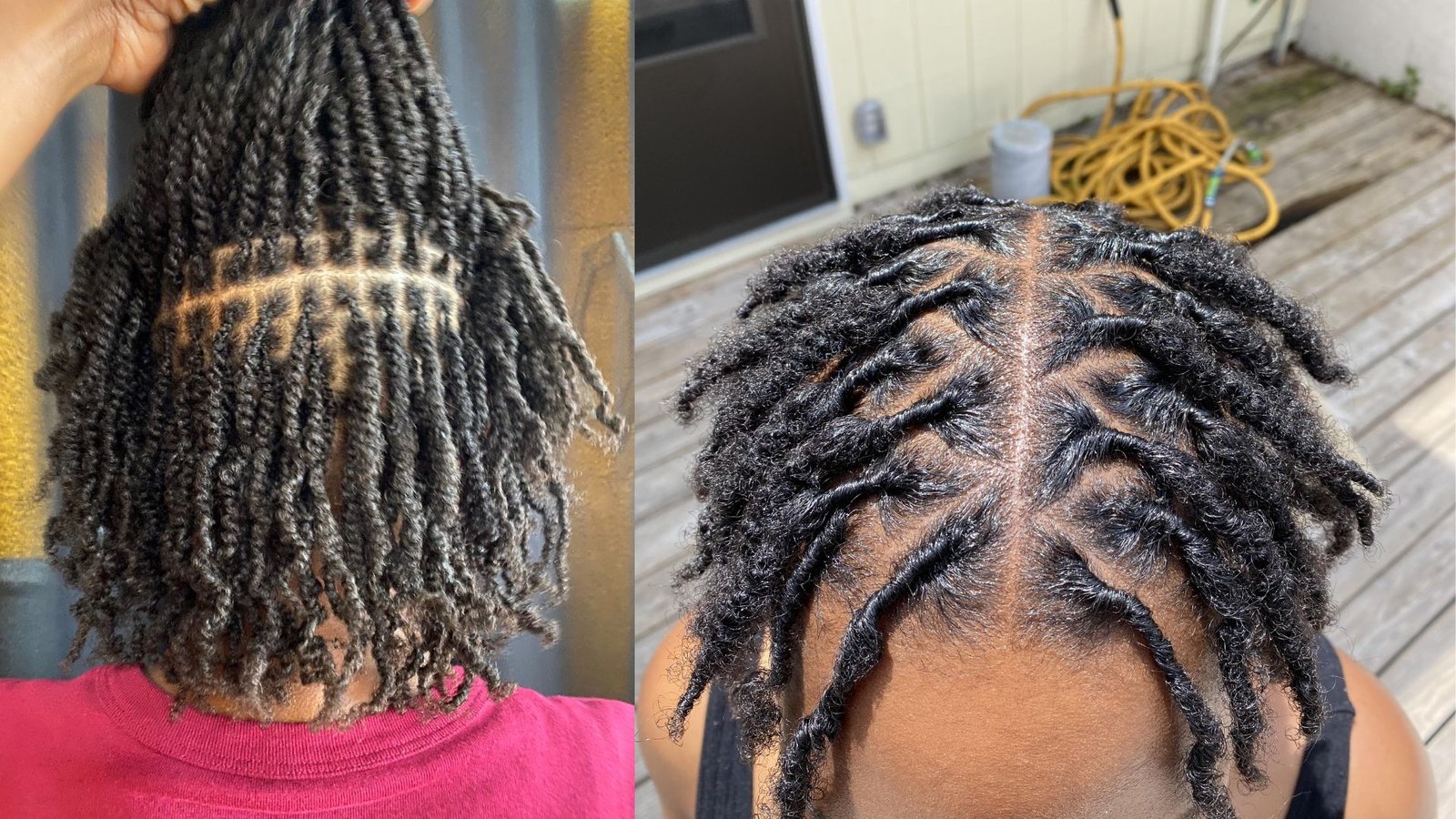
Interlocking creates secure, long-lasting starter locs. You pull the end of each loc through its own root using a tool. Locks it in place. This method is ideal for active lifestyles and swimming because they don’t loosen easily.
Interlocking works well across multiple hair textures. Fine hair. Coarse hair. Straight hair. All of them. The downside is maintenance.
You’ll need to interlock new growth every few months. But if you want security and don’t mind the upkeep, this method delivers.
8. Sisterlocks
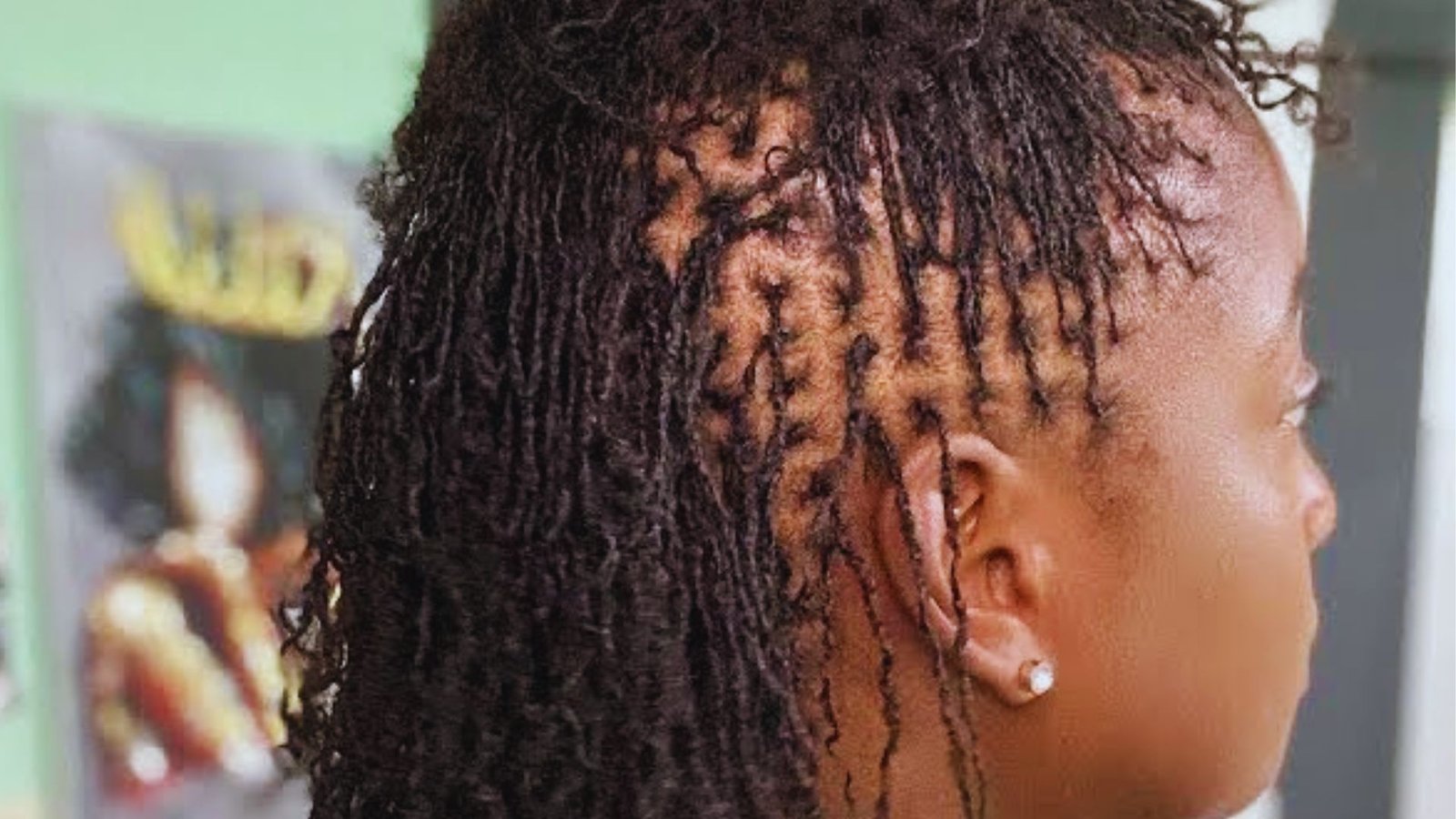
Sisterlocks are micro-sized, uniform locs. Tiny and precise. They’re installed by certified locticians using a specific technique and tool. You can’t DIY this method. It requires professional training and expertise.
The result is lightweight and highly versatile styling. You can curl them. Straighten them. Wear them up or down.
Sisterlocks give you more styling options than traditional locs. But they’re expensive and time-intensive to install and maintain.
9. Freeform Locs
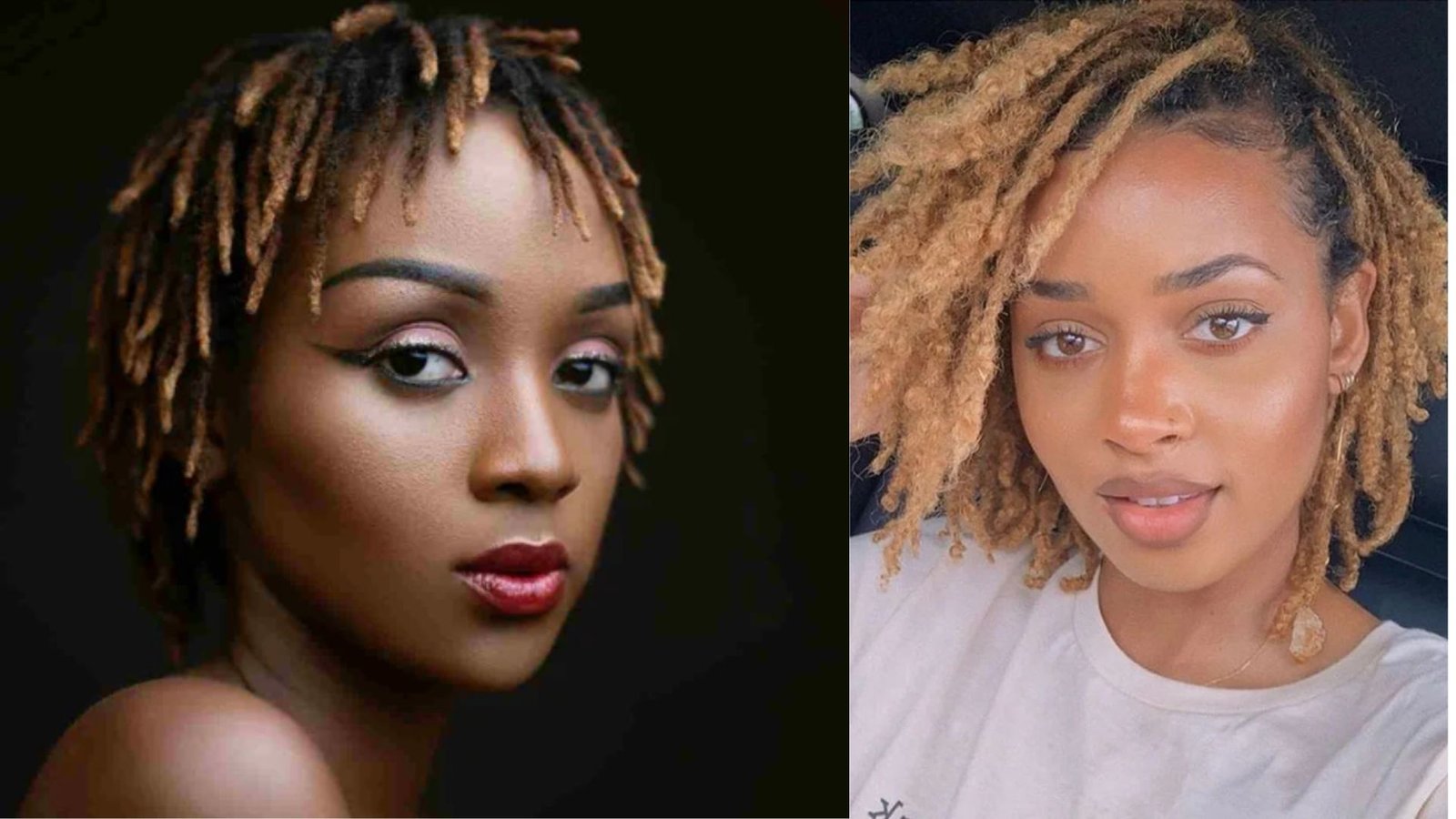
Freeform locs use minimal manipulation. Almost none. You stop combing and brushing, then let your hair section and lock on its own. This embraces natural growth patterns without forcing any specific look.
Each set of freeform locs is different. No two people have the same result. Your texture, routine, and hair movement create your locs.
This method requires serious patience but gives you the most authentic, organic look possible.
10. Instant Locs
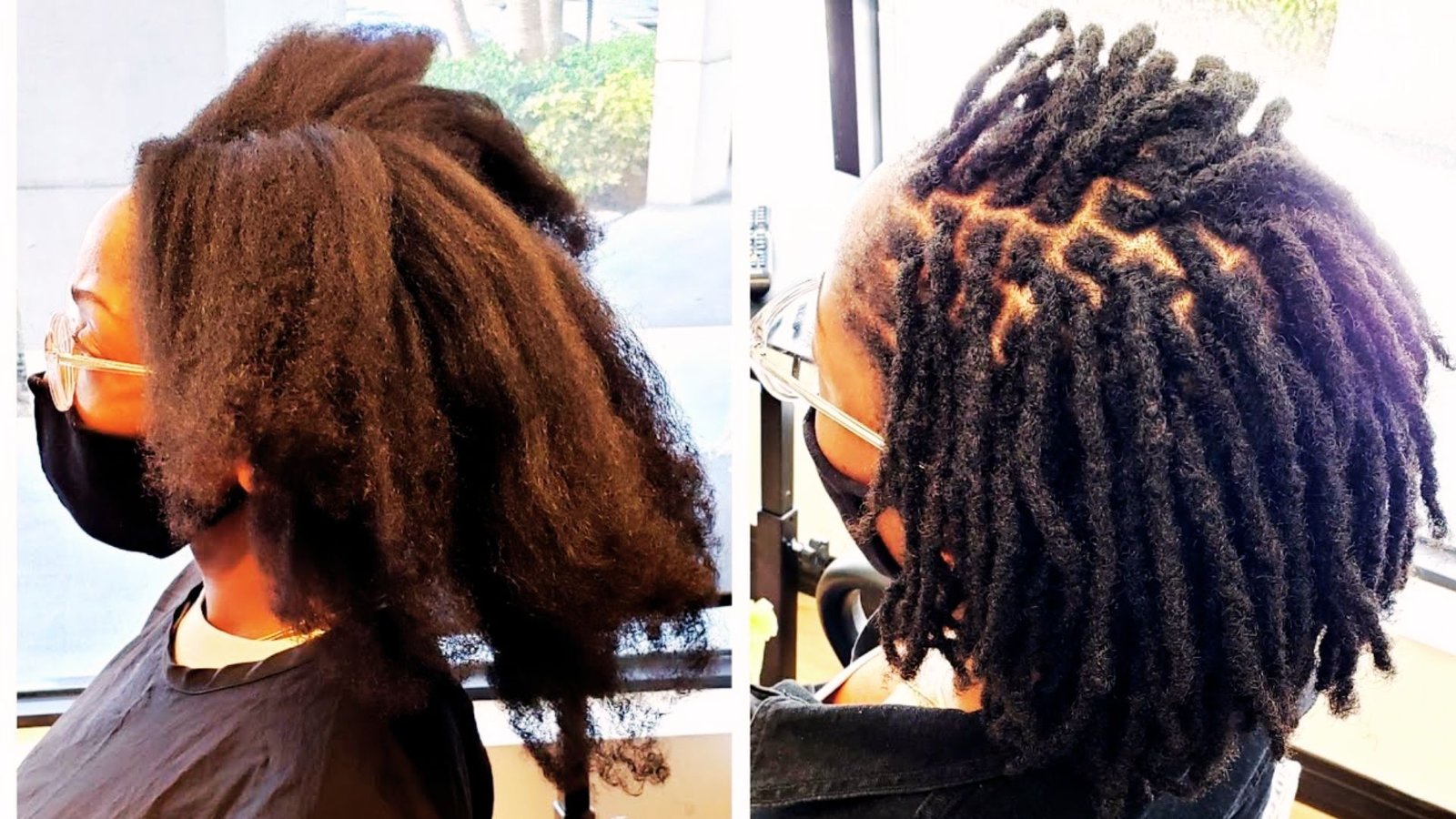
Instant locs use the crochet method for immediate loc formation. A loc technician crochets your hair into locked sections in one session. You walk out with locs that look months or years old.
This is great for people who want instant results without waiting through the starter phase. But it requires professional technique for the best outcome.
DIY attempts often fail. Instant locs can also be harder on your hair than natural methods.
11. Faux Locs (Starter Loc Alternative)

Faux locs are a temporary option with a loc’d appearance. Not real locs. You install extensions that look like locs using braiding or crochet methods. They last 4-8 weeks before removal.
This is ideal for trying the look without commitment. Want to test if you like locs before starting them? Try faux locs first. Popular styles include goddess locs and classic faux locs. They let you experiment with the look risk-free.
Common Starter Loc Mistakes to Avoid
Beginners mess up starter locs in predictable ways. The same mistakes. Over and over. These errors damage your hair or slow down your progress significantly. Avoid them, and you’ll have a smoother process.
- Over-Manipulation: Stop retwisting, palm rolling, or constantly touching your starter locs. Excessive manipulation weakens roots, causes thinning, and prevents your hair from locking naturally on its own timeline.
- Product Overload: Using too many gels, waxes, or creams early on creates buildup that blocks locking. Keep it simple, just shampoo and water in the beginning stages for the best results.
- Comparison Trap: Your locs won’t look like anyone else’s at the same timeline. Different textures, methods, and routines create different results. Comparing yourself to others kills your patience and confidence.
Conclusion
You now have a clear picture of the best starter locs styles and which one suits your hair and lifestyle. If you choose two-strand twists, comb coils, or freeform, you know exactly what to expect and how to rock your new look with confidence.
No more confusion or wondering if you picked the wrong method. You’ve got the knowledge to start your loc process looking fresh from day one. Your ideal style is out there, and now you know how to find it.
Which starter locs style are you leaning toward? Let me know in the comments, I’d love to hear what you decide.
And if a friend is thinking about getting locs, send them this guide so they can start strong, too. Check out our other blog for more tips on maintaining and styling your locs as they grow.
Frequently Asked Questions
What are the best starter locs styles for beginners?
Two-strand twists, comb coils, and interlocking are the best starter loc styles for beginners. Two-strand twists work well for longer hair, comb coils suit shorter hair, and interlocking creates the most durable foundation. Choose based on your current hair length and how much maintenance you want during the beginning phase.
Which starter locs style lasts the longest?
Interlocking lasts the longest among starter loc styles, often staying intact for 8-12 weeks. Two-strand twists typically last 4-6 weeks, while comb coils last 3-4 weeks before needing retightening. Interlocking creates a tighter foundation that holds better as your locs begin to mature and lock up.
Do starter locs styles damage natural hair?
No, proper starter locs styles don’t damage natural hair when installed correctly. The key is avoiding excessive tension at the roots and not making them too tight. Choose a skilled loctician who understands healthy installation techniques. Damage usually comes from poor technique, not the loc method itself.
Can I style my starter locs right after installation?
Yes, you can style starter locs immediately, but keep it simple. Try low ponytails, headbands, or loose buns that don’t pull on your scalp. Avoid tight styles, excessive manipulation, or heavy accessories that add weight. Let your starter locs settle for the first few weeks before experimenting with complex styles.
How do I choose between Starterloc’s styles?
Choose based on your hair length, texture, and lifestyle. Short hair works best with comb coils. Medium to long hair suits two-strand twists. Want minimal maintenance? Try interlocking. Consider how much time you’ll dedicate to upkeep and which look appeals to you most before deciding.