






I remember the first time I heard about reverse balayage. I thought, wait, isn’t balayage already a thing?
Turns out, there’s a whole other side to this popular coloring technique, and it completely changed how I think about hair color.
If you’re sitting there wondering which one is right for you, I get it. Maybe you want to go lighter, or perhaps you’re thinking about adding depth back into your hair.
Both methods offer different results, and knowing what sets them apart will help you make the best choice for your look.
What Is Balayage?

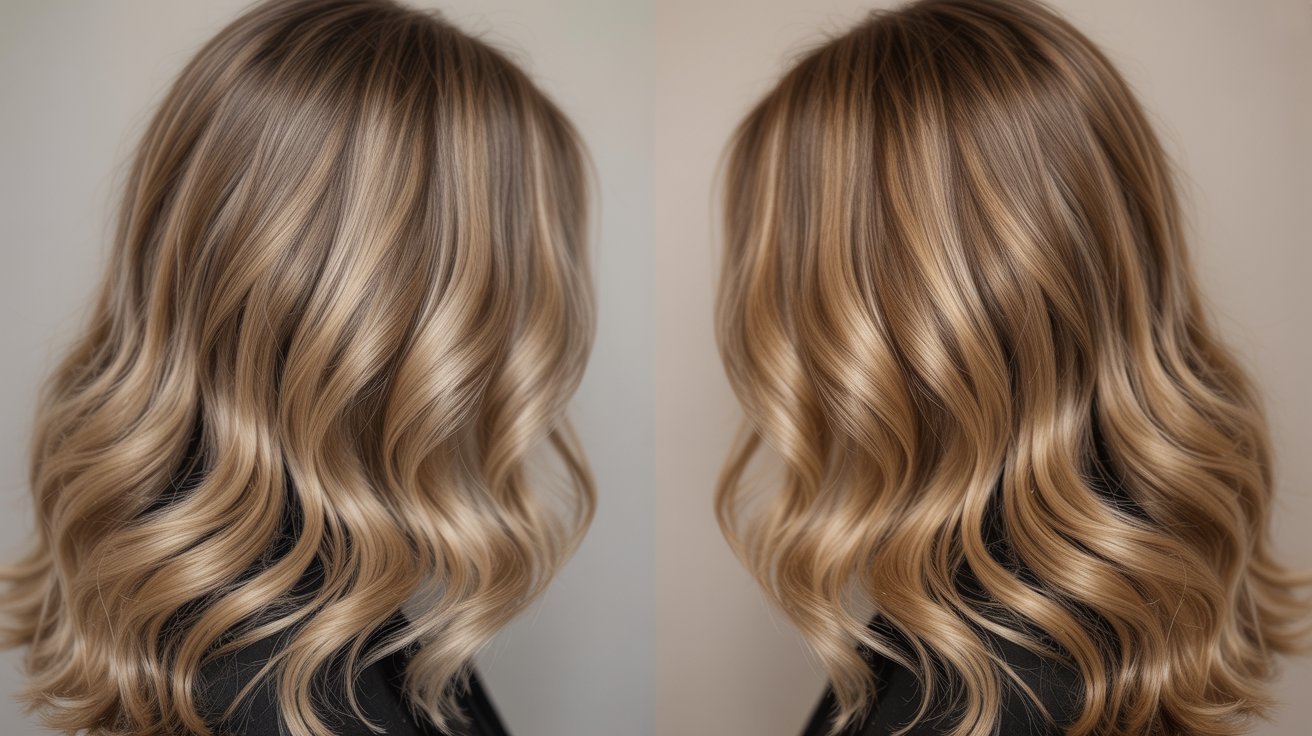
Balayage is a freehand hair coloring technique where your stylist paints lighter tones onto your hair. The result? That natural, sun-kissed look that seems like you spent weeks at the beach.
How It Works
Your colorist hand-paints highlights onto the mid-lengths and ends of your hair. There are no foils or caps involved.
The color gradually blends from darker roots to lighter ends, creating a soft, natural finish that doesn’t look harsh or striped.
Benefits
- Low-maintenance regrowth means you can go months between touch-ups
- Adds brightness and dimension to your hair, making it look fuller and more dynamic
- Customizable based on your hair type, length, and face shape
Ideal Candidates
Balayage works great for blondes and brunettes alike. If you’re thinking about going lighter but want a gradual change instead of a drastic shift, this technique is perfect for you.
What Is Reverse Balayage?
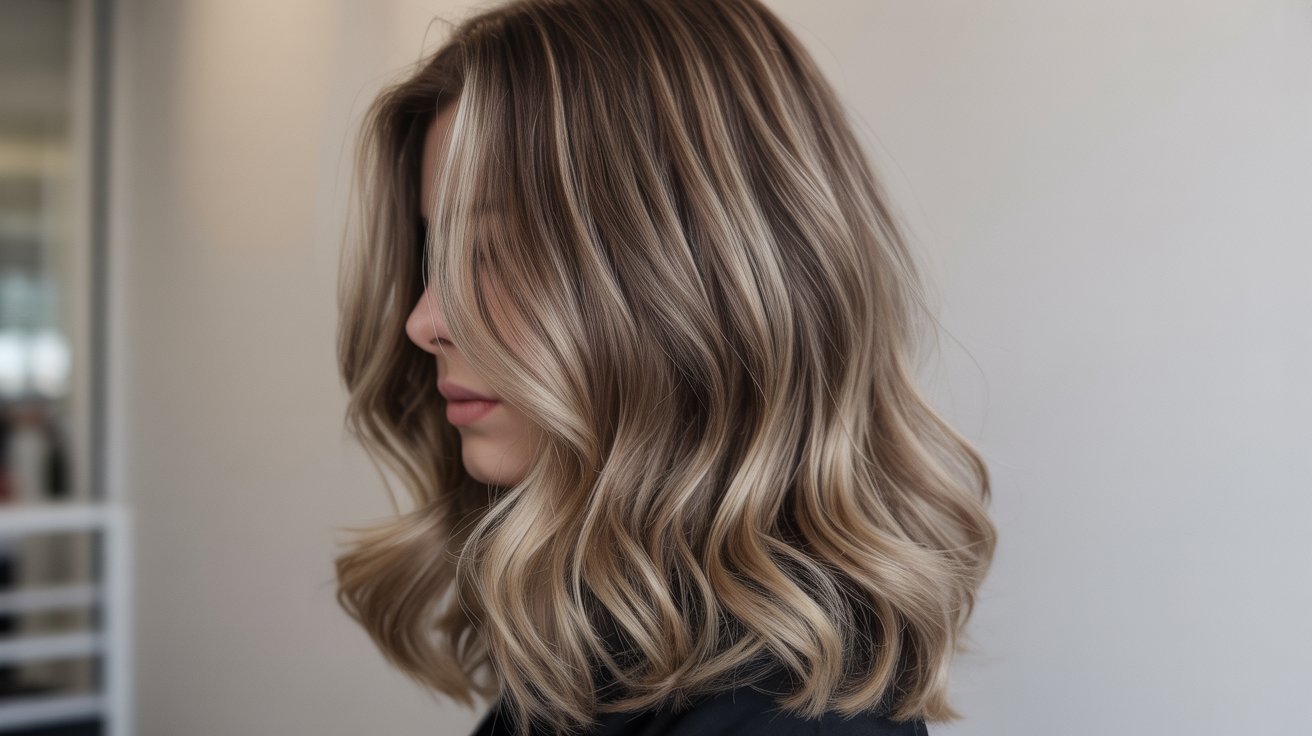
Reverse balayage flips the script. Instead of adding lighter tones, your stylist paints darker shades into lighter hair.
The color typically goes on your roots and mid-lengths, creating depth and contrast where you need it most.
How It Works
This technique adds dimension without wiping out your existing color gradient.
If your hair looks overly light or washed out, reverse balayage brings it back to life by softening those tones and creating a more natural balance.
Benefits
- Adds depth and contrast to hair that looks flat or one-dimensional
- Blends regrowth seamlessly, especially if you’re dealing with noticeable roots
- Perfect for transitioning from blonde to brunette without a harsh change
Ideal Candidates
This works really well if your hair looks too blonde or lacks dimension. Maybe you went lighter than you wanted, or your color faded more than expected.
If you’re looking for a natural, low-maintenance way to darken your hair, reverse balayage gives you that gradual shift without the commitment of all-over color.
Comparison Table Between Reverse Balayage vs Balayage
Here’s a quick side-by-side comparison that shows exactly how reverse balayage and balayage differ in every major way.
|
Feature |
Balayage |
Reverse Balayage |
|
Color Direction |
Lightens hair |
Darkens hair |
|
Technique |
Lighter tones painted on mid-lengths & ends |
Darker tones painted on roots & mid-lengths |
|
Overall Look |
Bright, sun-kissed |
Deep, dimensional |
|
Best For |
Going lighter gradually |
Adding depth to blonde hair |
|
Maintenance |
Low |
Very low |
|
Regrowth |
Soft and natural |
Seamlessly blended |
|
Ideal Transition |
Brunette to blonde |
Blonde to brunette |
Reverse Balayage vs Balayage: Key Differences
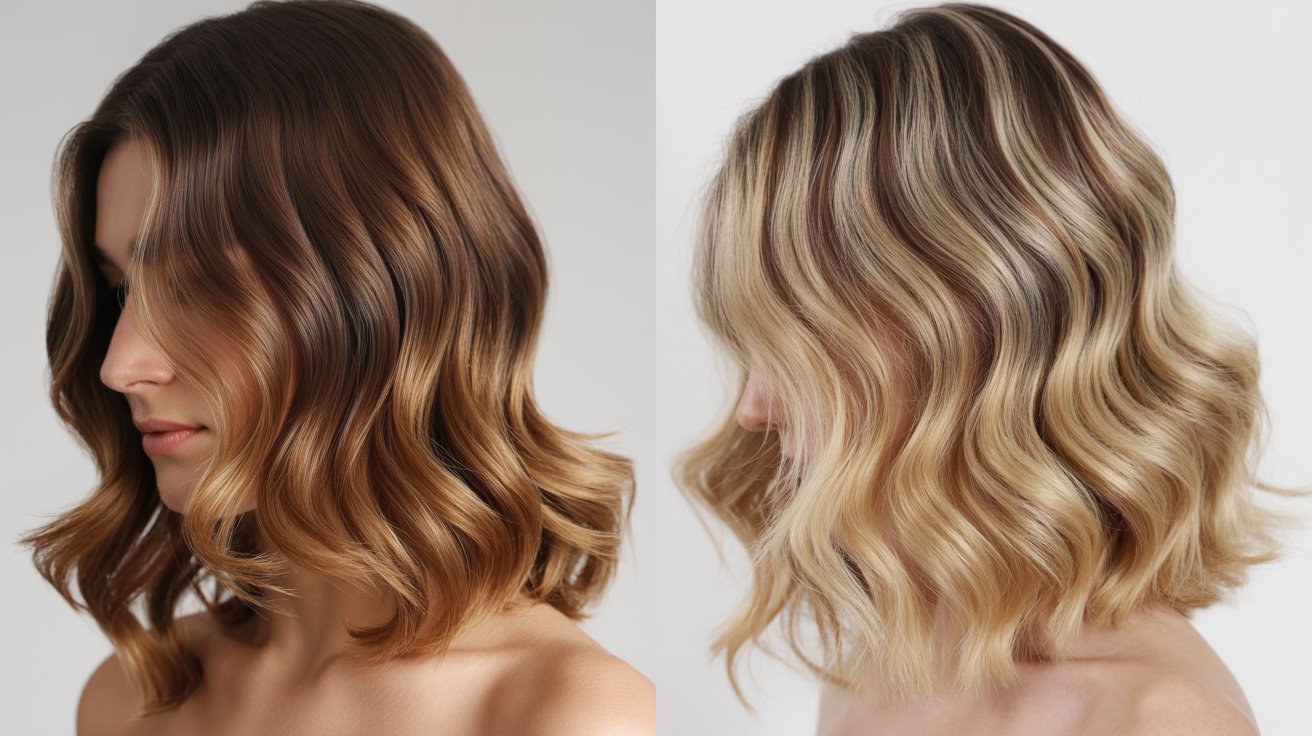
Here’s how balayage and reverse balayage compare side by side, so you can see what sets them apart from each other.
Direction of Color
Balayage applies lighter shades from your mid-lengths down to the ends. Your roots stay darker, creating that gradual lightening effect. Reverse balayage does the opposite.
It adds darker shades starting at your roots and working down to the mid-lengths. The direction of color application completely changes the final look you get.
Overall Effect
Balayage gives you a bright, sun-kissed look that feels natural and effortless. It’s like you spent time in the sun.
Reverse balayage creates a subtle, dimensional finish that adds richness to your hair. Instead of brightness, you get depth.
Both look natural, but they achieve completely different vibes depending on what you’re going for.
Maintenance and Longevity
Both techniques are low-maintenance compared to traditional highlights. You won’t need constant salon visits. Reverse balayage has an extra advantage though.
It blends regrowth really well since you’re adding darker tones near the roots. This means even fewer touch-ups. You can stretch your appointments longer without obvious color lines showing through your hair.
Who Should Choose Which Technique?
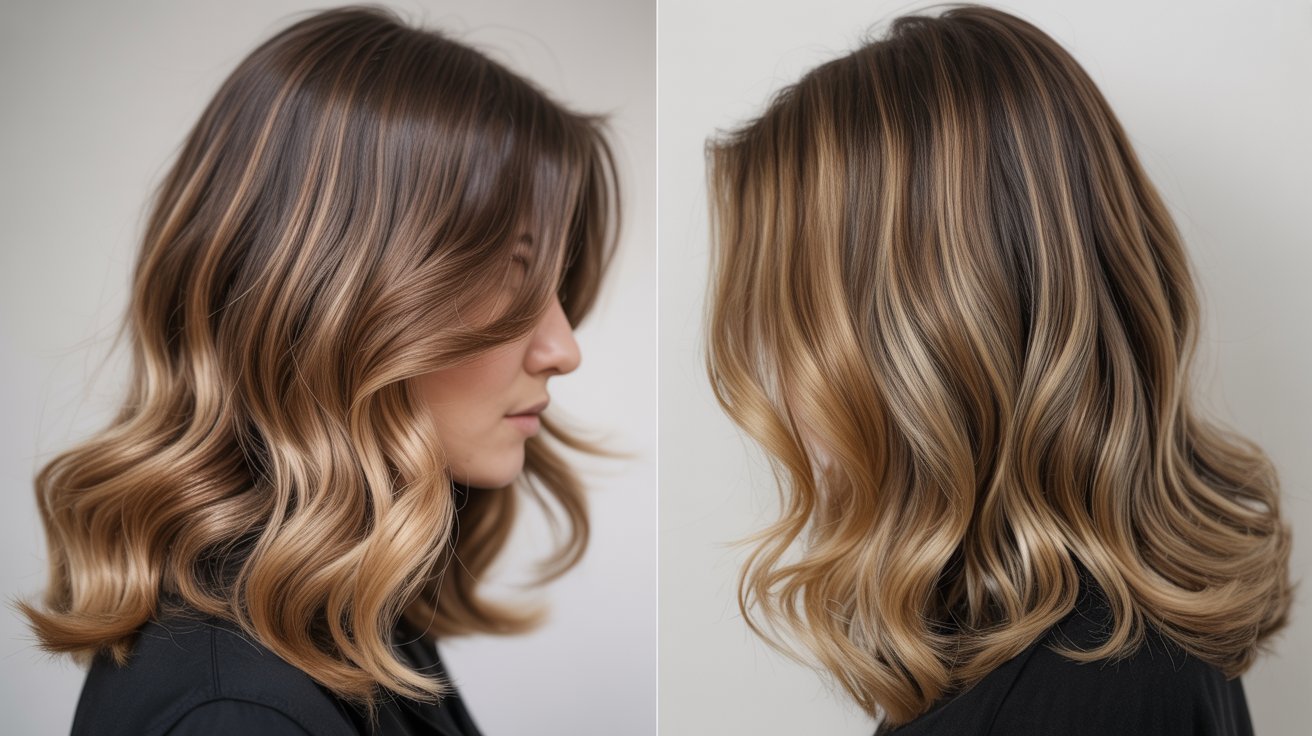
Not sure which technique fits your hair goals? Here’s a quick guide to help you decide what works best.
Best for Balayage
Go with balayage if you want brighter, sun-kissed hair that looks like you spent the summer outdoors. It’s also your best bet if you’re transitioning gradually to lighter shades.
Instead of going drastically lighter all at once, balayage eases you into a brighter look over time without shocking your system or damaging your hair.
Best for Reverse Balayage
Choose reverse balayage if you’re looking to add depth or soften overly light hair. Maybe your blonde went too bright, or your hair feels flat and one-toned.
This technique gives you a blended finish with minimal upkeep. You get richness back in your color without committing to a full darkening process or dealing with constant touch-ups.
Professional Application Tips
- Always consult an experienced stylist before trying either technique. They’ll assess your current color, hair health, and goals to recommend the best approach for you.
- Tone selection matters more than you think. Your stylist needs to choose shades that complement your natural base color to avoid brassy or muddy results.
- Proper placement makes all the difference between a natural look and an obvious color job. An experienced colorist knows exactly where to apply color for a seamless blend.
- Long hair often shows off both techniques better than short hair. The extra length gives your stylist more room to create that gradual color transition.
- Communication is key during your consultation. Bring reference photos and be honest about your maintenance commitment so your stylist can set realistic expectations.
Conclusion
Both balayage and reverse balayage offer something different for your hair. Balayage brightens and lightens, giving you that sun-kissed glow.
Reverse balayage adds depth and richness, perfect if your color went too light or needs more dimension. Neither one is better than the other. It just depends on what you want for your hair right now.
My advice? Talk to a stylist you trust. They’ll look at your current color, listen to your goals, and recommend what actually works for you.
Sometimes the best decision comes from a good conversation with someone who knows hair inside and out.
Frequently Asked Questions
Can I switch from balayage to reverse balayage?
Yes, you can absolutely switch between the two techniques. Your stylist will assess your current color and add darker tones where needed to create depth and dimension.
How long does each technique last?
Both techniques typically last 3 to 6 months before you need a touch-up. The exact timing depends on your hair growth rate and how well you maintain your color at home.
Will reverse balayage damage my hair?
Reverse balayage is generally gentler than traditional balayage since you’re adding darker color instead of lightening. However, any coloring process requires proper aftercare to keep your hair healthy.
Can I do balayage or reverse balayage at home?
I don’t recommend trying either technique at home. These are freehand methods that require professional skill to get the placement and blending right for a natural finish.
How much does each technique cost?
Prices vary widely based on your location, salon, and hair length. Expect to pay anywhere from $150 to $400 or more for either technique at a reputable salon.