





Have you ever left the barber shop with a haircut that wasn’t quite what you wanted? I’ve been there, and it’s frustrating.
The problem usually isn’t the barber’s skills. It’s the communication gap. When you don’t know the right terms, it’s hard to explain your vision.
But here’s what I’ve learned: once you understand basic barber lingo, everything changes. You’ll get the exact cut you want, every single time.
This guide will teach you the important haircut terms in plain English. No confusion, no bad cuts. Just clear communication and great results.
Basic Men’s Haircut Terms You Should Know
Master these fundamental haircut terms to communicate clearly with your barber and get the style you want every time.
Taper
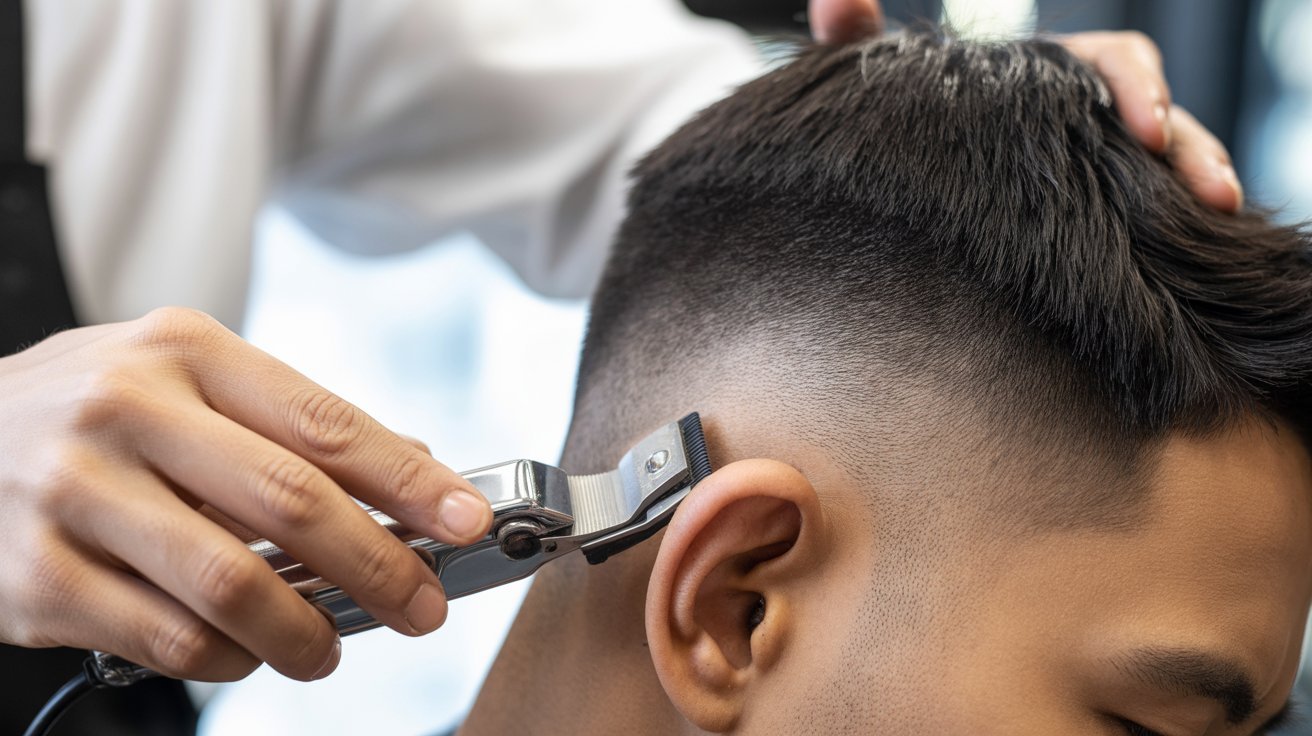
A taper means your hair gradually gets shorter as it moves down your head. It’s a smooth transition from longer to shorter.
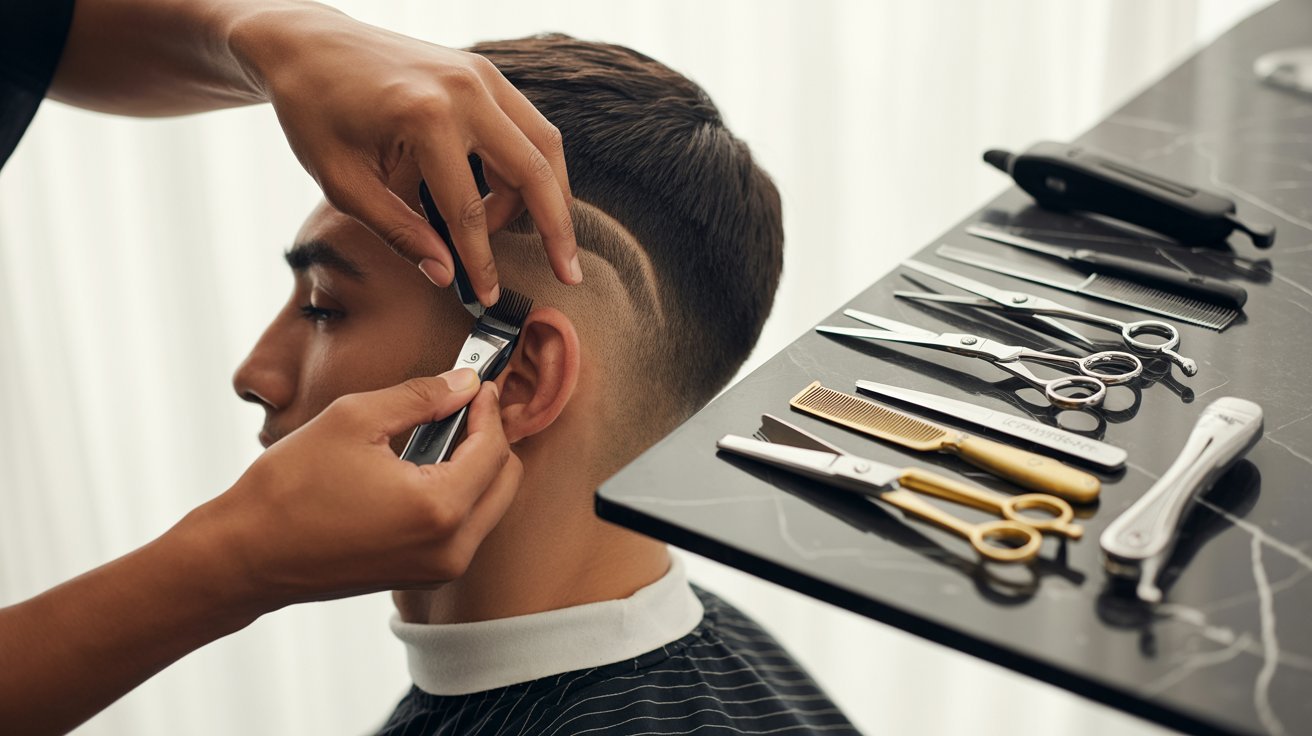
Tapers happen on the sides and around your neckline. The barber uses different clipper sizes to create this gradual change.
The difference: a taper is subtle and keeps some length. A fade goes down to skin. Tapers look conservative, fades are bolder.
Fade
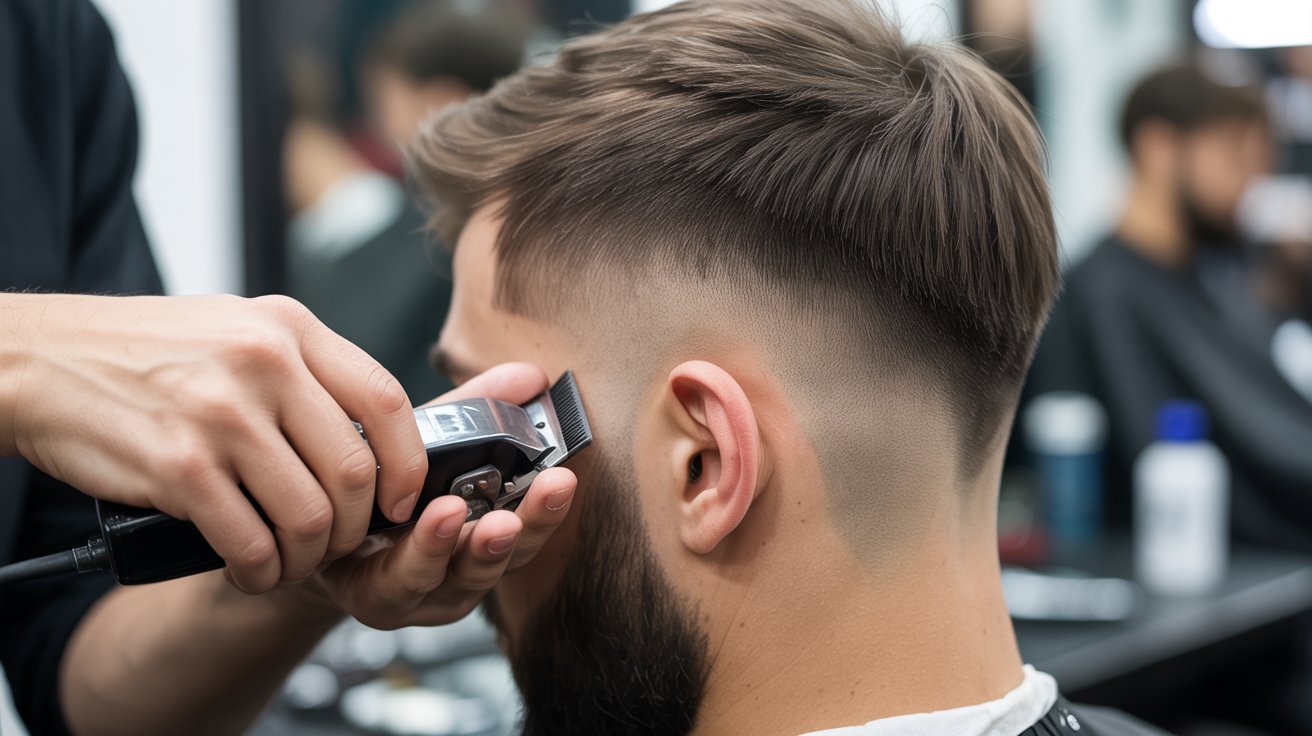
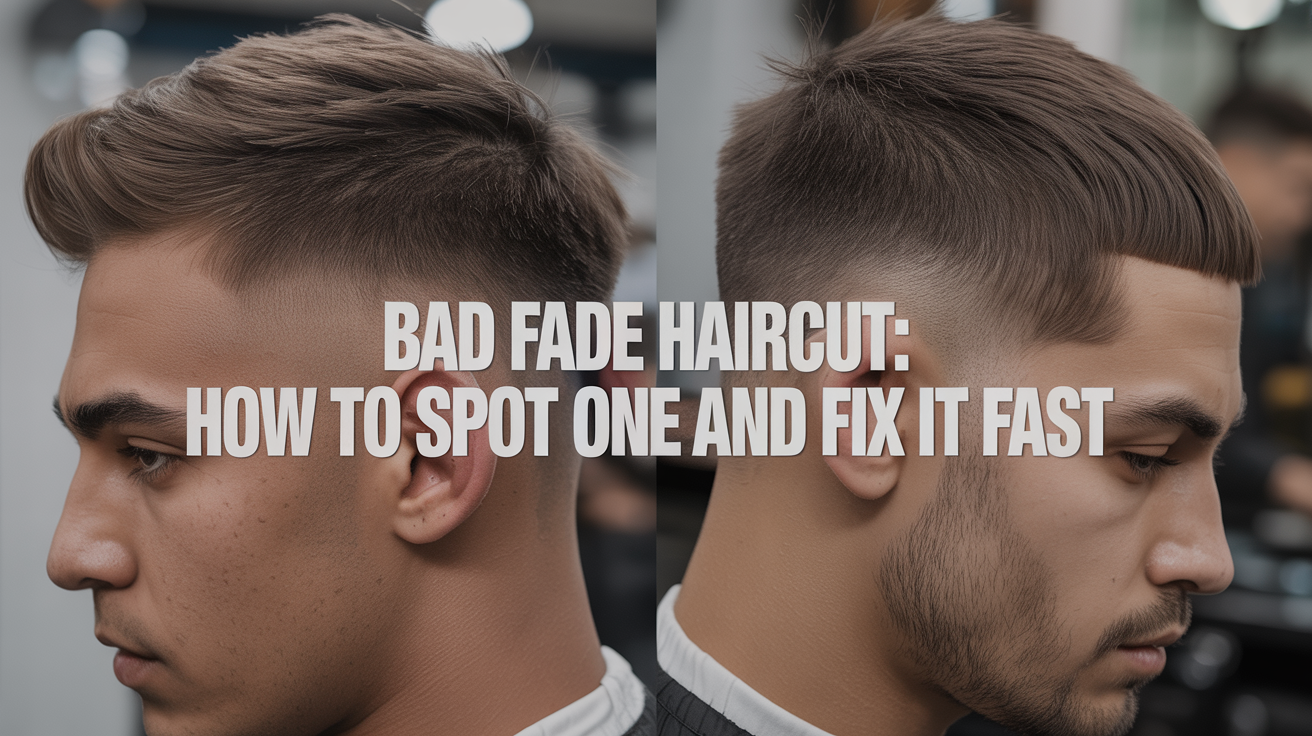
A fade takes your hair from longer on top to completely bare skin. It’s more dramatic than a taper.
Barbers blend different lengths together for a seamless look. The transition should have no harsh lines.
Fades stay popular because they look clean and modern. They work with most hairstyles and face shapes.
Neckline (Nape)
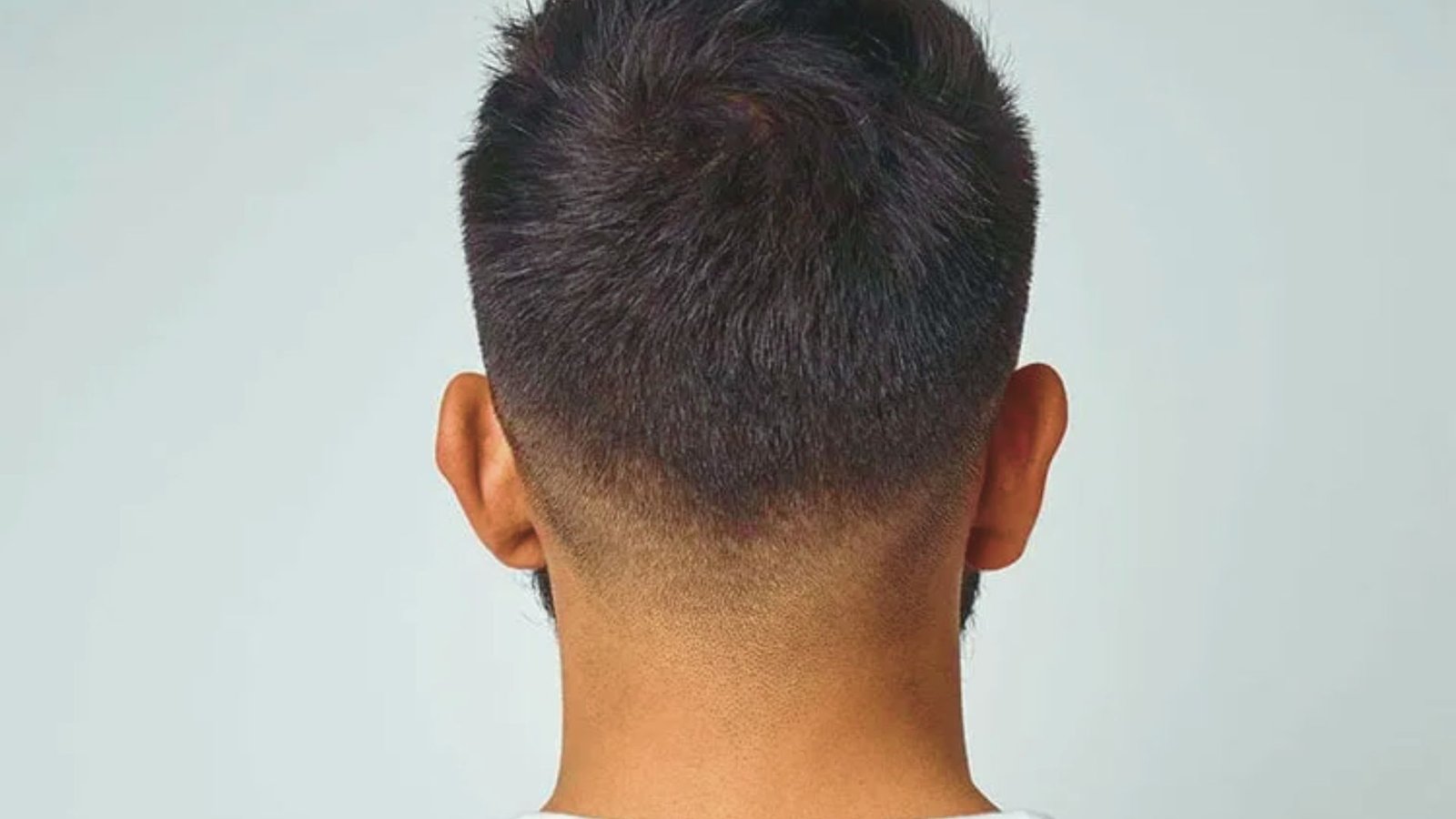
Your neckline is where your haircut ends at the back of your neck.
Three main types exist. Tapered blends naturally. Rounded follows your head’s curve. Squared creates a straight edge.
Choose based on your hair growth. Thick, low-growing hair suits tapered or rounded. Normal hairlines work with any style.
Sideburns
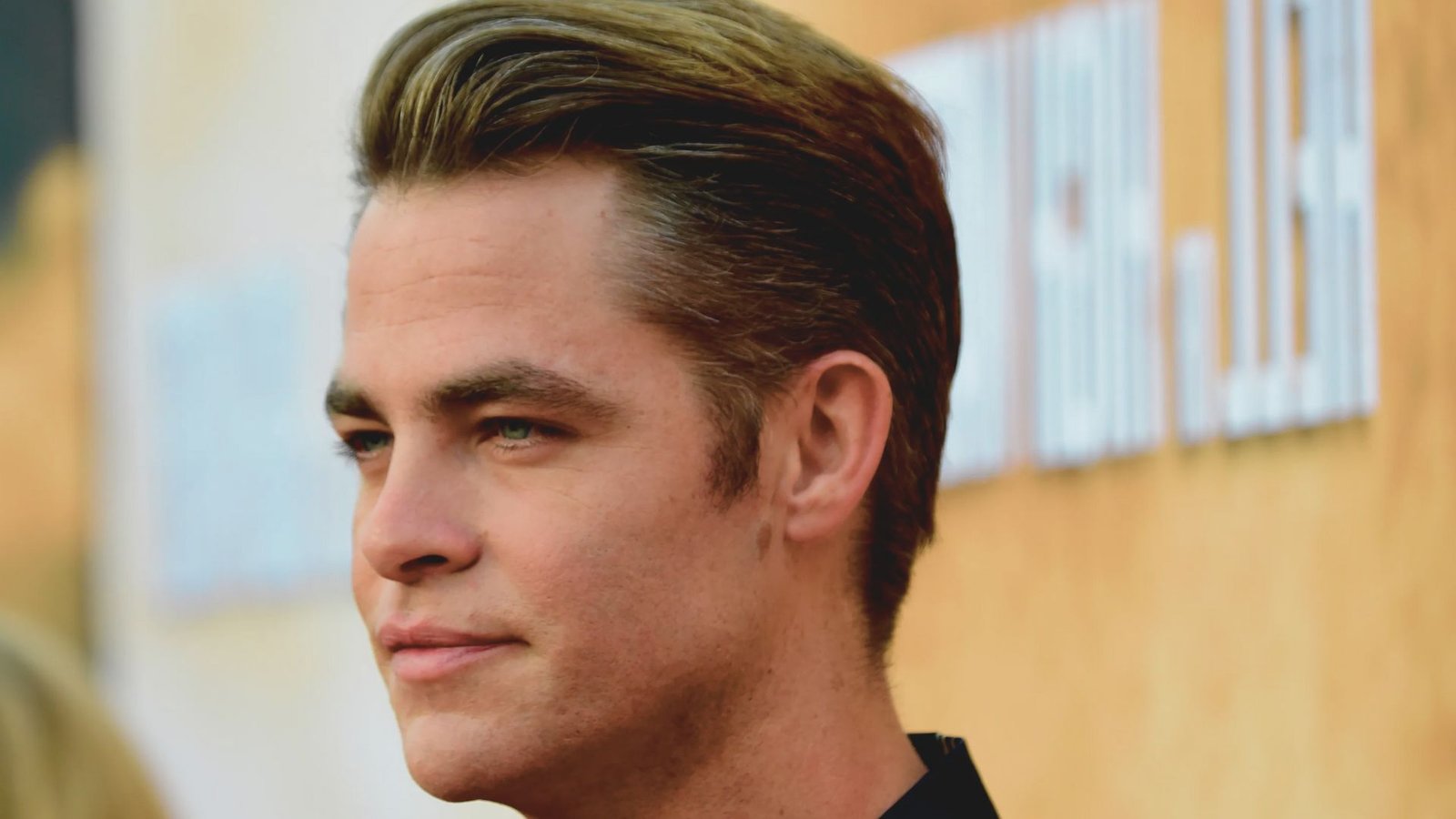
Sideburns grow in front of your ears and down your face sides.
You can wear them short, medium, or long.
Tell your barber if you want clean edges (neat), natural growth (softer), or sharp lines (modern and defined).
Layers
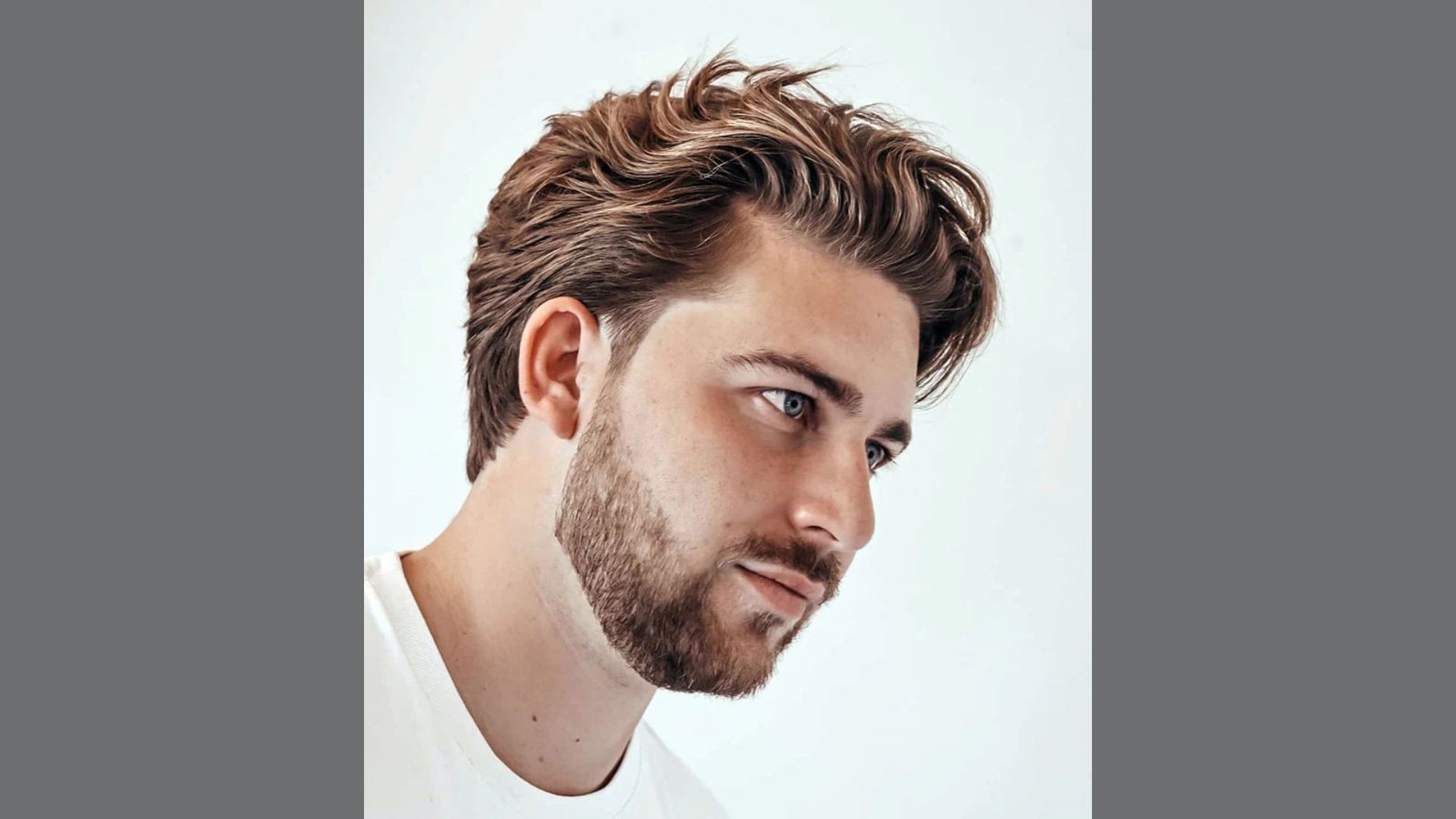
Layers are different hair lengths cut throughout your style. Some sections are shorter than others.
This adds movement and dimension instead of flat hair.
Great for thick hair that feels heavy or longer styles that need less bulk.
Texture / Texturizing
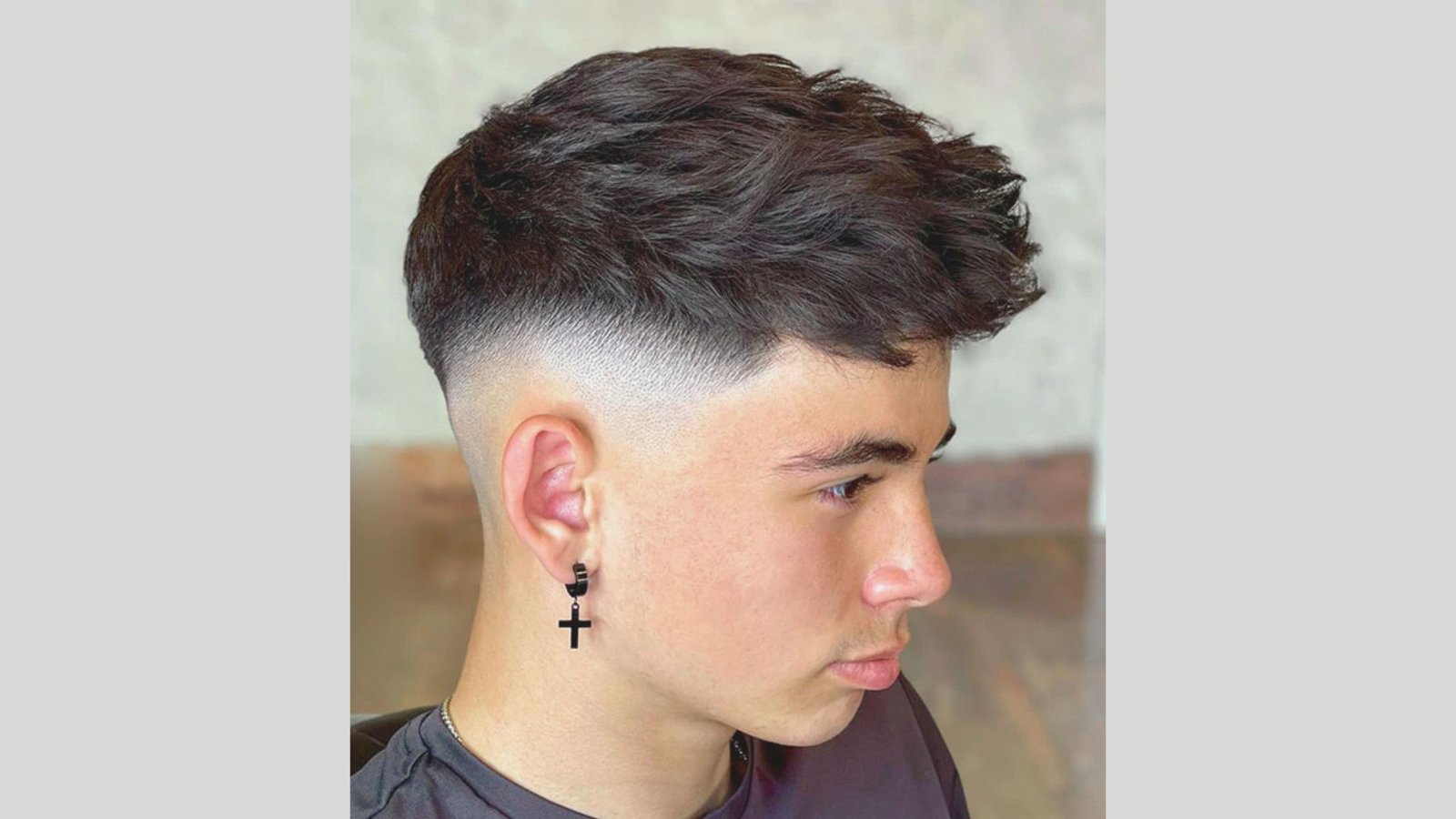
Texturizing removes weight without changing length. It makes hair easier to style.
Three techniques: point cutting (angled scissors), thinning (special scissors), and razoring (creates softness).
Ask for texture if your hair feels thick or you want a relaxed, natural look.
Top Hairstyle Terms Every Man Should Know
These are the most common men’s hairstyles you’ll hear at the barber shop. Know what they look like before you ask.
1. Crew Cut
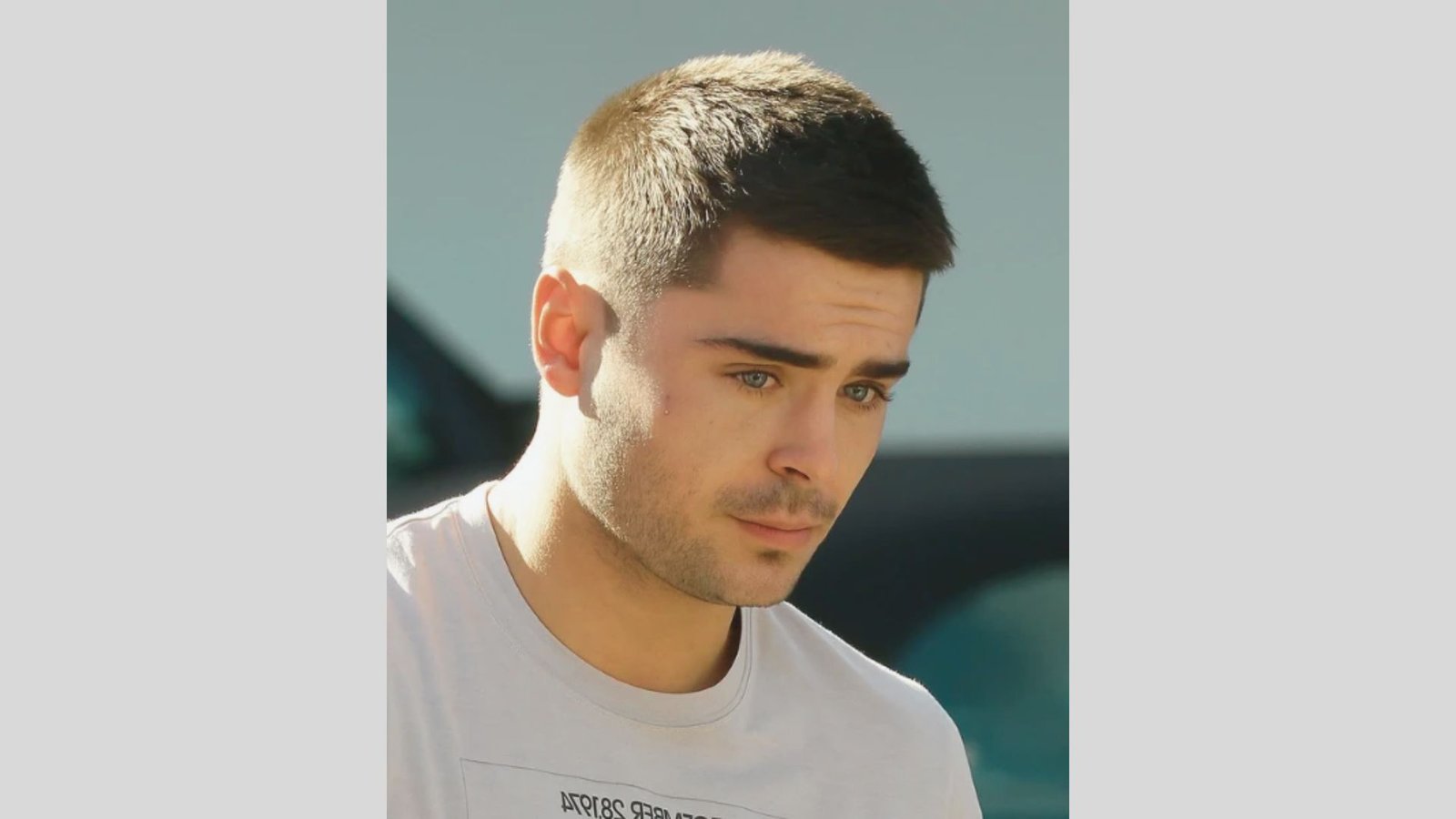
A crew cut is a classic short haircut. The top is slightly longer while the sides are tapered down. This style requires minimal upkeep and works for almost any occasion.
It’s clean, professional, and timeless. You can style it with a bit of product or wear it natural. Perfect for guys who want low maintenance without sacrificing style.
2. Buzz Cut
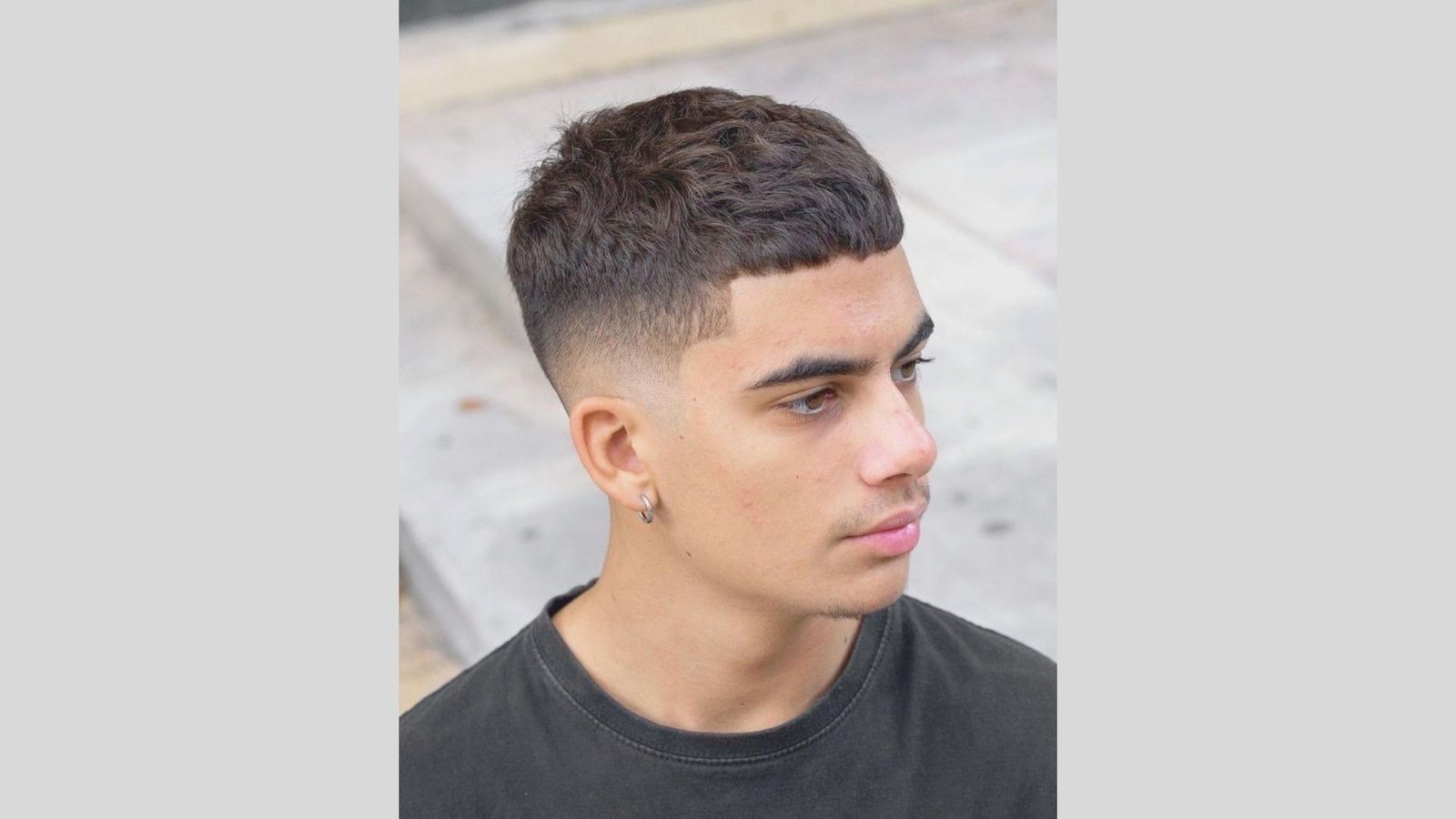
A buzz cut uses clippers at the same length all over your head. Common guard sizes range from #1 to #4. The result is ultra-short, uniform hair.
This cut is the easiest to maintain and keeps you looking sharp. It’s ideal for warm weather, active lifestyles, or anyone who wants minimal styling time each morning.
3. Quiff

A quiff features volume at the front of your head. The hair is styled upward and swept backward. This works best with medium-length hair on top and shorter sides.
The quiff gives you height and dimension. It’s versatile enough for casual or formal settings. You’ll need a styling product to hold the shape throughout the day.
4. Pompadour

A pompadour is a high-volume style where hair is pushed up and back. It creates impressive height at the front. This look is sleek and polished, often seen in formal settings.
Most pompadours pair with a fade or undercut on the sides. The contrast makes the top stand out even more. It requires styling effort but delivers maximum impact.
5. Undercut
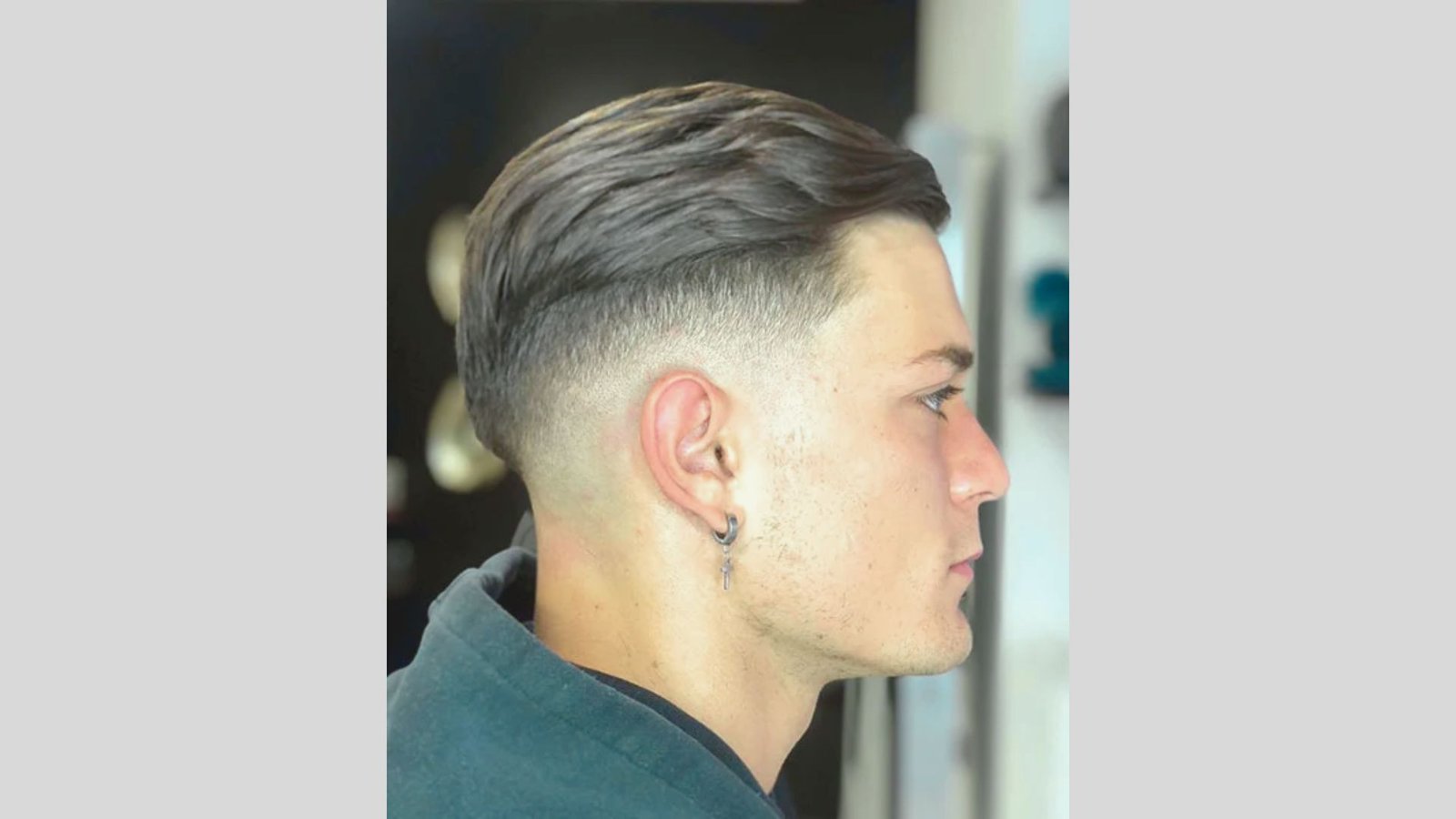
An undercut features short or shaved sides with significantly longer hair on top. The sharp contrast between lengths creates a modern, edgy appearance.
This style offers versatility since you can wear the top in many ways. Slick it back, style it messy, or sweep it to the side. The undercut has remained trendy for years.
6. Comb Over

A comb over parts your hair cleanly to one side. The hair is combed across from the part line. This classic style looks neat and polished.
You can pair it with a fade for a modern twist or add a hard part for extra definition. It works for professional settings and suits most face shapes well.
7. French Crop

The French crop has short sides with a textured, forward-facing fringe. The front is cut shorter and styled toward your forehead.
This low-maintenance style works especially well for straight or wavy hair. It’s casual yet put-together. The textured fringe adds interest without requiring much styling time. Great for guys who want something modern and easy.
8. Caesar Cut

A Caesar cut features a short, blunt horizontal fringe across your forehead. The hair maintains roughly the same length all around your head.
This timeless style originated in ancient Rome and remains popular today. It’s incredibly easy to manage and requires minimal styling. The Caesar cut suits men with thinning hair since the forward fringe provides coverage.
9. Slick Back
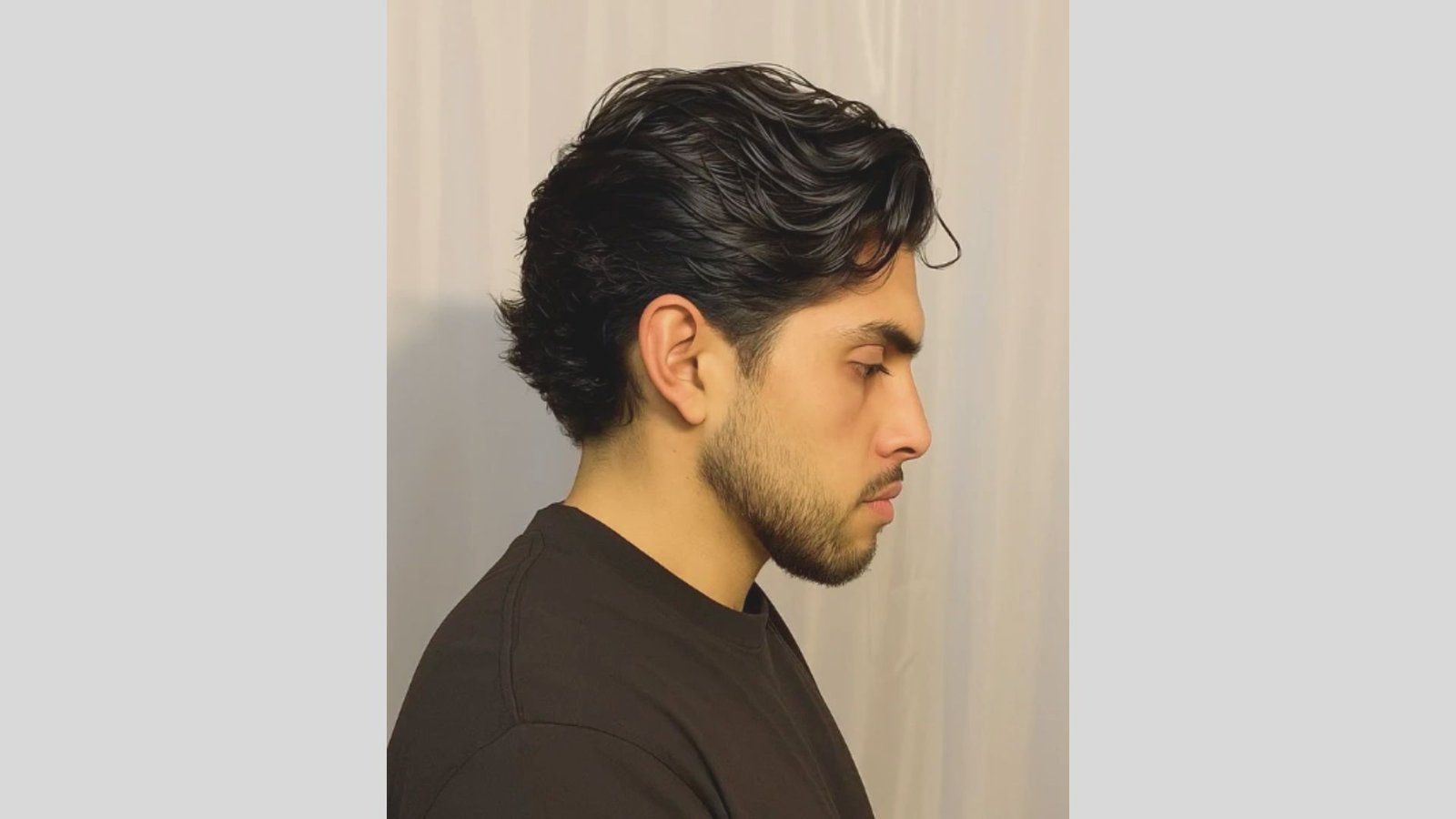
A slick back style means combing all your hair straight backward. You’ll need gel or pomade to achieve the polished, refined look.
This works best with medium-length hair that has enough length to stay in place. The result is sleek. Perfect for formal occasions or professional environments where you want to look sharp.
10. Mullet
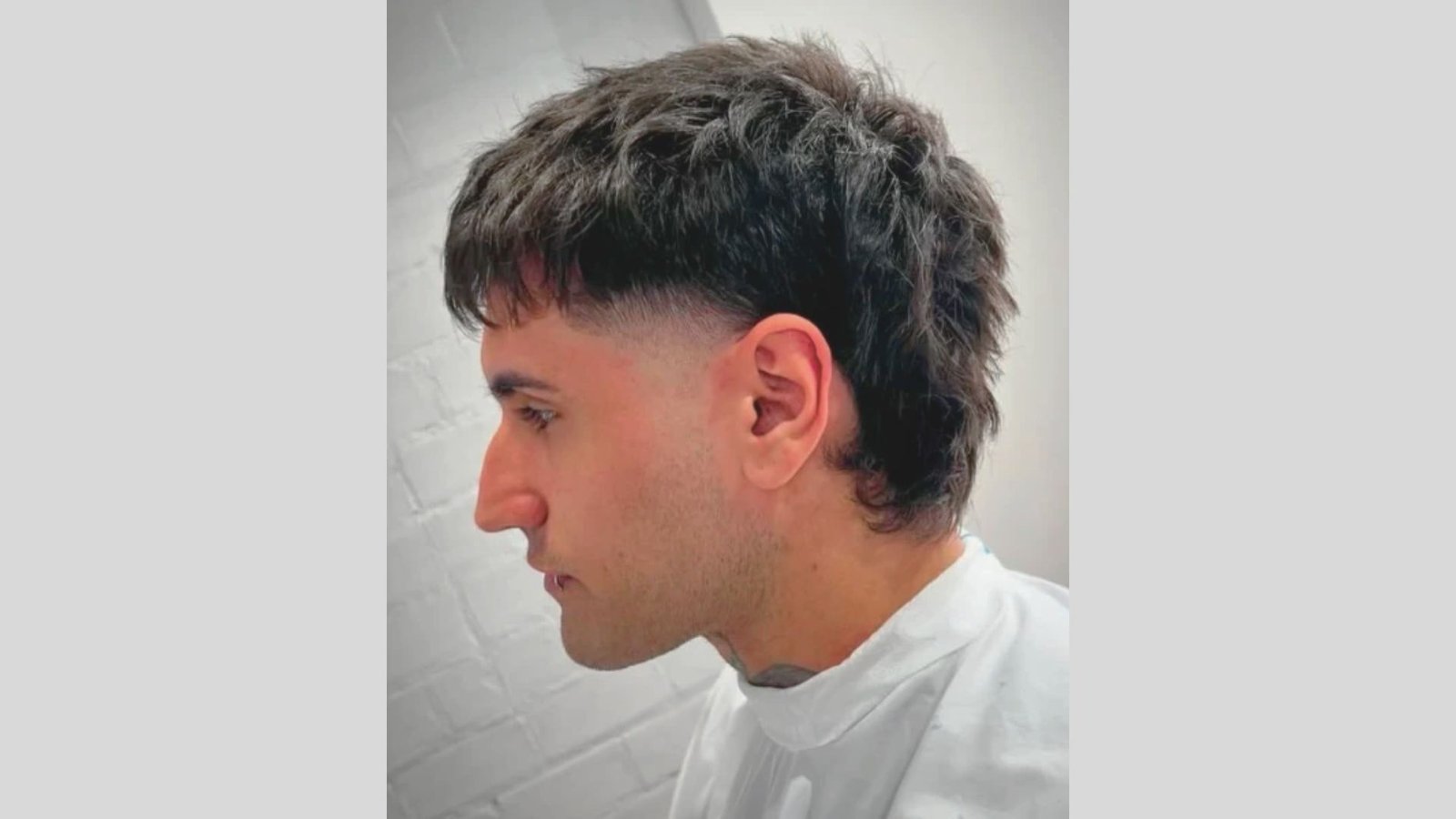
A mullet is short at the front and sides with longer hair at the back. The phrase “business in the front, party in the back” describes it well. Modern mullets are more refined than older versions.
They feature tapered sides and textured length rather than drastic differences. Contemporary mullets have made a comeback in recent years.
11. Textured Fringe
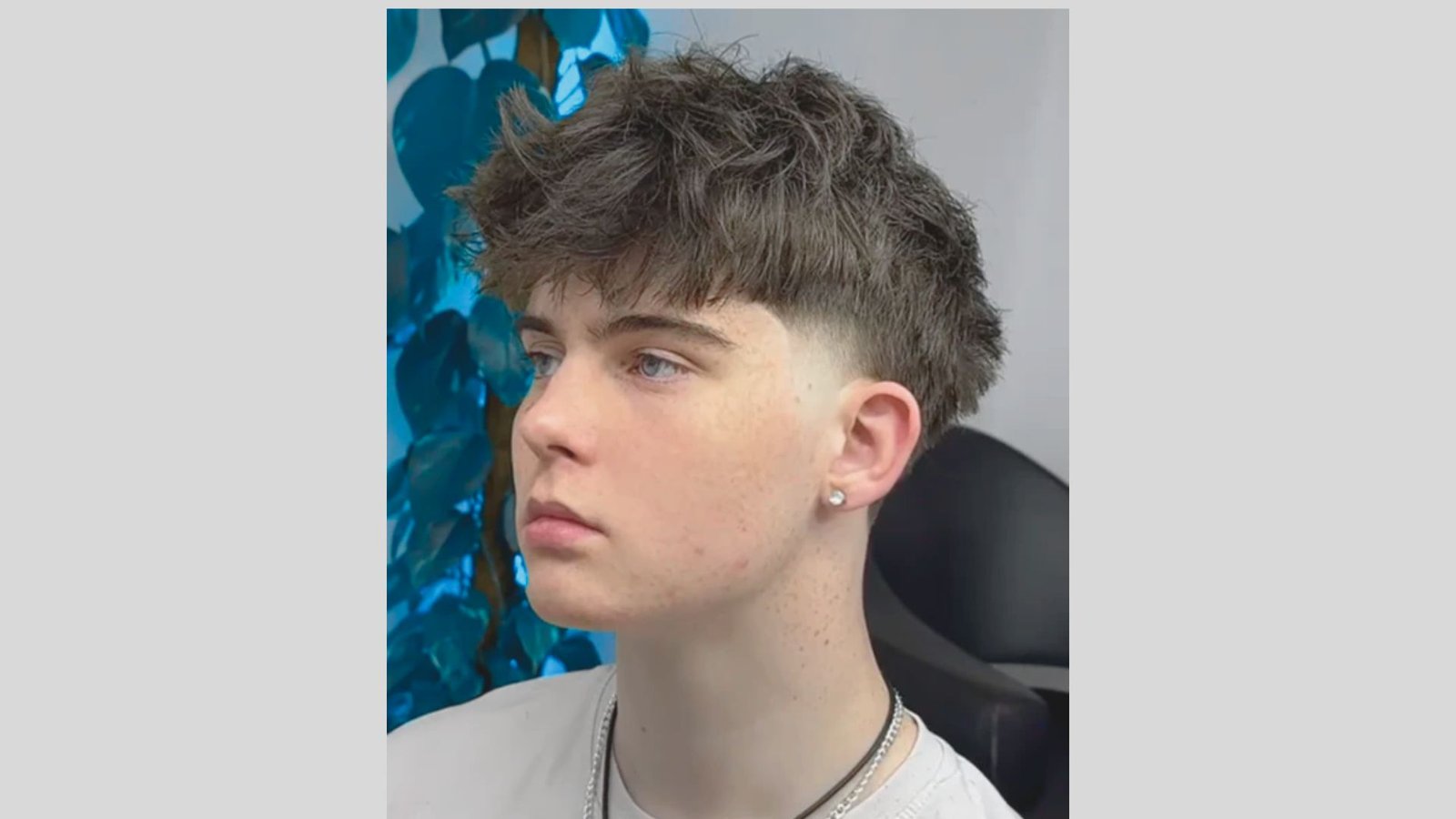
A textured fringe has a choppy, layered front section that creates natural movement. The uneven pieces give it a relaxed, casual appearance.
This style is perfect for men who want something modern without looking overly styled. It works with most hair types and requires minimal daily maintenance. Just add a bit of product and go.
How to Tell Your Barber Exactly What You Want

Getting the haircut you want starts with clear communication. Try using specific phrases like “I want a mid fade with a #2 on the sides” or “Keep the top 2 to 3 inches with texture.”
If you’re unsure about the neckline, say “Give me a natural taper on the neckline.” Bringing reference photos helps too. Your barber can see exactly what you have in mind.
Choose photos of people with a similar hair type to yours for the best results. Also, be honest about maintenance. Tell your barber how much time you’ll spend styling daily. This helps them recommend a cut that fits your lifestyle.
Conclusion
Learning these haircut terms has changed how I communicate at the barber shop, and it will do the same for you. When you speak the same language as your barber, you build trust and understanding.
No more confusion or disappointing results. Save this guide and reference it before your next appointment. Keep it handy until these terms become second nature.
Remember, getting a great haircut comes down to two things: clear communication and knowing what to ask for. Now you have both. Go get that perfect cut with confidence.
Frequently Asked Questions
What’s the difference between a taper and a fade?
A taper gradually shortens your hair but keeps some length at the bottom. A fade takes the hair down to bare skin, creating a more dramatic look.
How often should I get a haircut to maintain my style?
Most men need a haircut every 3 to 4 weeks to keep their style fresh. If you have a fade or very short cut, you might need to go every 2 weeks.
What clipper guard number should I ask for on the sides?
A #1 guard is very short, a #2 is slightly longer, and a #3 or #4 gives you more length. Start with a #2 or #3 if you’re unsure, as you can always go shorter.
Should I tip my barber, and how much?
Yes, tipping your barber is standard practice. A good rule is 15 to 20% of the haircut price, or at least $5 for excellent service.
Can I show my barber a picture of what I want?
Absolutely. Bringing reference photos is one of the best ways to communicate your vision. Just make sure the person in the photo has a similar hair type to yours.