








You forgot to rinse out your conditioner this morning. Or maybe you left it in on purpose because your hair felt dry. Now you’re worried, is this damaging your hair?
This blog answers whether leaving conditioner in your hair is safe or harmful. You’ll learn what happens when conditioner stays in too long, which types are okay to leave in, and when you absolutely need to rinse. No more confusion about conditioner rules.
I’ve been a licensed cosmetologist, and this question comes up constantly in my chair. Some conditioners are designed to stay in, while others cause buildup and damage if you don’t rinse them out. The answer depends on the type you’re using. I’ll break down exactly what you need to know so you can care for your hair properly without second-guessing yourself every shower.
Understanding Hair Conditioners

Conditioner is more than just a product you rinse out after shampooing. It’s crucial for keeping your hair healthy and protected. Most people underestimate how important conditioner really is. Conditioners moisturize and nourish your hair strands from the inside out. They protect your hair from environmental stressors like heat, pollution, and humidity.
Good conditioner improves manageability, softness, and shine. Your hair becomes easier to detangle and style. Without conditioner, your hair becomes dry and brittle. Skipping conditioner means skipping defense against damage.
Conditioner forms a protective coating around each hair cuticle. It fills in damaged areas and smooths the surface. Key ingredients include cationic surfactants for smoothness, silicones for shine, humectants for moisture, and proteins for repair. They work together to change dry hair into healthy hair.
Types of Conditioners
Not all conditioners work the same way. Each type serves a different purpose for your hair. Knowing which one to use makes all the difference.
- Rinse-out conditioners: Standard daily conditioner that you apply for 1-5 minutes on mid-lengths to ends, then rinse completely. Leaving it too long causes buildup, limp hair, and greasiness over time.
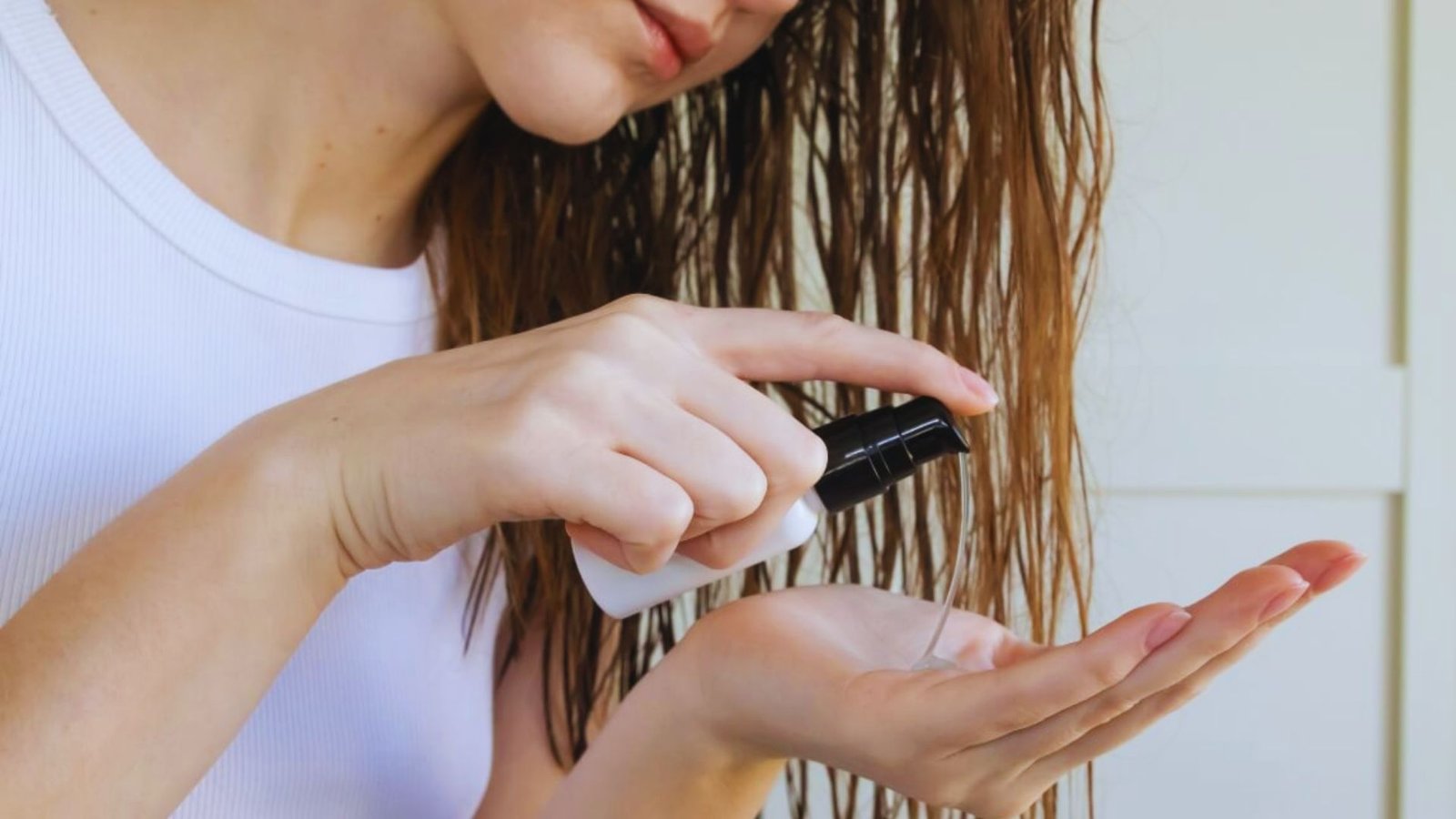
- Leave-in conditioners: Designed to stay in your hair after washing for ongoing moisture, detangling, and heat protection. Use a small amount to avoid weighing down your hair and making it look greasy.
- Deep conditioners: Intensive treatment that you leave on for 10-30 minutes, optionally with heat for better penetration. They repair damage and restore moisture, but overuse causes moisture overload and flat, lifeless hair.
- Protein conditioners: Strengthen hair with keratin, wheat, or rice proteins to rebuild damaged strands. Balance protein and moisture carefully because protein overload causes stiffness, breakage, and reduced elasticity.
- Cleansing conditioners: Clean and condition simultaneously, ideal for curly or dry hair that needs gentle washing. Rinse thoroughly, or you’ll get buildup, scalp irritation, and flat hair.
What Happens When You Leave Conditioner in Your Hair
Leaving rinse-out conditioner in your hair creates problems you might not see right away. I’ve watched people make this mistake, thinking more conditioner equals better results. That’s completely wrong.
Short-Term Effects

At first, leaving conditioner in seems harmless or even helpful. Your hair absorbs extra moisture and feels temporarily softer. You’ll notice easier detangling right after application. This tricks you into thinking it’s working.
But your hair starts feeling different within hours. It becomes heavy and weighted down. The softness turns into a sticky residue you can’t wash away with water alone. What felt like extra moisture is actually product coating every strand.
Long-Term Effects

Product buildup happens fast when you never rinse properly. The conditioner attracts dirt, oil, and pollution from the environment. Your hair becomes a magnet for grime. This creates serious problems:
- Hair looks limp, greasy, and flat constantly
- Volume disappears completely
- Shine turns into a dull, oily sheen
- The scalp develops irritation or folliculitis
- The microbiome balance gets disrupted
Your hair structure suffers permanent damage over time. Hygral fatigue weakens strands from constant swelling and shrinking.
Porosity levels change unnaturally. Your hair ages faster than it should.
Effects by Hair Type

Fine hair shows problems immediately. You’ll see heaviness and greasiness within a day. Your hair loses all volume and sticks to your scalp. Every strand becomes visible because there’s no lift.
Thick or coarse hair hides buildup longer, but it still suffers. The onset is slower, taking weeks instead of days.
Curly and coily hair may hide buildup initially behind texture, but frizz and tangles worsen dramatically. Oily hair shows a greasy appearance faster than all hair types.
Special Cases

Accidentally leaving rinse-out conditioner in overnight happens to everyone eventually. You’ll wake up with sticky, heavy hair that needs immediate clarifying.
This is different from sleeping with leave-in conditioner, which is formulated for extended wear.
Pre-shampoo treatments are intentional exceptions. You apply conditioner before washing to protect dry or damaged hair.
Overnight hair masks designed specifically for long wear are also safe. These products have different formulations from regular rinse-out conditioners. Never substitute one for the other.
Science Behind Over-Conditioning
The chemistry of conditioner explains why leaving it in causes problems. I’m breaking down the science in simple terms you can understand. This isn’t just theory, it’s proven research.
Understanding how conditioner ingredients interact with your hair reveals the real damage:
- Chemical buildup: Cationic surfactants bind strongly to hair and don’t release without rinsing. Silicones create coating layers. Fatty alcohols add weight and attract oils. Humectants trap product residue while pulling moisture.
- Environmental attraction: Residual conditioner attracts 30% more environmental pollutants than clean hair, according to the Journal of Cosmetic Science (2019). Your unwashed conditioner makes your hair collect dust, dirt, oil, and smog faster.
- Overload types: Moisture overload from too much hydrating conditioner makes hair stretchy, gummy, and weak. Protein overload from strengthening treatments makes hair stiff and brittle. Proper leave-in conditioner reduces breakage by up to 47%, but rinse-out conditioner left in causes damage instead.
The difference between intentional and accidental conditioning matters. Leave-in products are formulated differently from rinse-out conditioners.
Using the wrong type or leaving rinse-out conditioner in creates chemical imbalances your hair can’t handle.
Safe Hair Conditioning Practices

Using conditioner correctly makes all the difference between healthy hair and problems. I’m giving you the crucial practices that protect your hair. Follow these rules every time you condition.
- Apply correctly: Focus conditioner on mid-lengths and ends, avoiding roots unless you have dry or curly hair. Use a wide-tooth comb or fingers for even distribution throughout your hair.
- Rinse thoroughly: Use cool water to seal the cuticle and remove all residue from every section. Poor rinsing causes buildup, greasiness, and limp hair over time.
- Condition regularly: Every wash for normal or damaged hair (2-3 times per week for most people). Deep condition once a week if your hair is damaged or every two weeks for normal hair.
- Match hair type: Fine hair needs lightweight formulas and water-based leave-ins. Thick hair requires heavier creams and heat for deep conditioning. Curly hair needs extra moisture and leave-in products.
- Adjust for damage: Use protein treatments and bond builders if your hair is damaged or chemically treated. Regular deep conditioning repairs and prevents further breakage.
Identifying Over-Conditioning
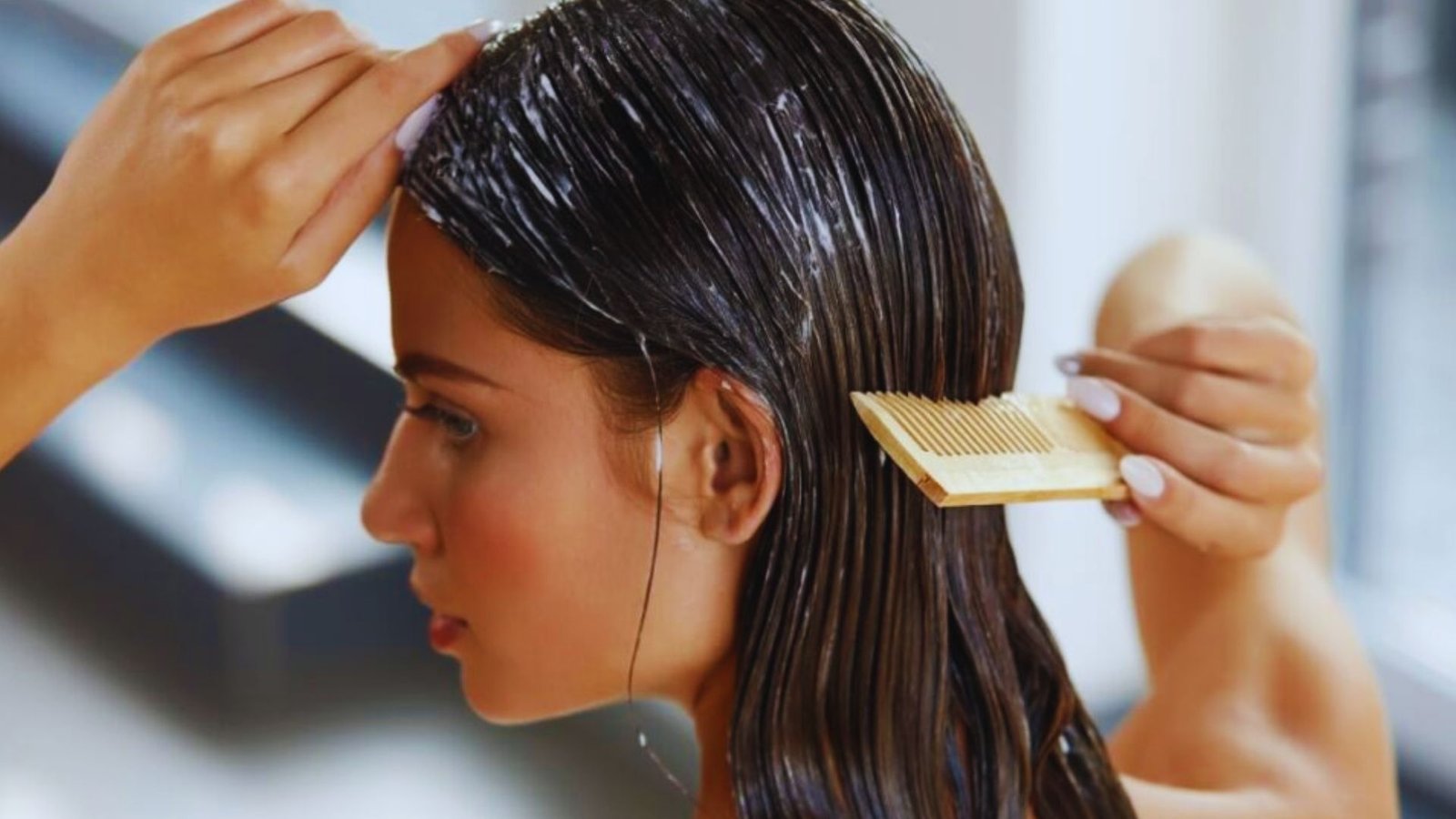
Your hair will show clear warning signs when you’re using too much conditioner. I want you to recognize these symptoms early. Catching over-conditioning prevents serious damage.
- Physical symptoms: Hair feels mushy or gummy when wet, looks limp and flat shortly after washing, or appears greasy even though you just cleaned it. Your scalp may feel itchy or irritated.
- Strand test: Pull a wet strand to check stretch and elasticity, and test multiple strands from different areas for accuracy. This simple test reveals your hair’s true condition.
- Test results: Over-moisturized hair stretches too much and doesn’t return to its original length. Over-proteinized hair snaps easily without stretching. Healthy hair stretches slightly, then bounces back to normal.
Special Uses of Leaving Conditioner In
Some conditioning techniques require leaving product in your hair intentionally. I’m showing you three methods that actually work. These are exceptions to the rinse-out rule.
- Pre-shampoo treatment: Apply conditioner before shampooing as a “pre-poo” for dry or curly hair. This protects your strands from harsh cleansing and reduces moisture loss during washing.
- Overnight masks: Use conditioners specifically labeled for extended wear and leave them in while you sleep. Regular rinse-out conditioners aren’t designed for this and will cause buildup.
- Curl definition: Try techniques like “squish to condish,” where you use a partial rinse to leave some conditioner in your curls. This improves definition and reduces frizz for curly hair types.
Conclusion
You finally have a clear answer to is it’s bad to leave conditioner in your hair. It depends on the type you’re using. Leave-in conditioners are designed to stay, while regular rinse-out conditioners can cause buildup and weigh your hair down if you don’t wash them out properly.
No more second-guessing yourself in the shower. You know which products are safe to leave in and which ones need to be rinsed completely. Your hair care routine just got a lot simpler and more effective.
Ever accidentally left a conditioner in and noticed a difference? Share what happened in the comments below. And if this cleared up the confusion for you, send it to a friend who might be making the same mistake. Check out our other hair care guides for more straightforward answers to your everyday hair questions.
Frequently Asked Questions
Is it bad to leave regular conditioner in your hair?
Yes, leaving rinse-out conditioner in your hair causes product buildup, greasiness, and limp hair. It attracts dirt and pollutants, leading to scalp irritation and folliculitis. Over time, it damages hair structure through hygral fatigue. Only use leave-in conditioners designed to stay in your hair.
What happens if I accidentally sleep with conditioner in my hair?
Your hair will feel sticky, heavy, and greasy. You’ll need to wash it with clarifying shampoo to remove all residue. One accidental overnight application won’t cause permanent damage, but repeated incidents lead to buildup and weakened hair over time.
How long should I leave regular conditioner in my hair?
Leave rinse-out conditioner in for 1-5 minutes maximum, focusing on mid-lengths to ends. Deep conditioners require 10-30 minutes. Always rinse thoroughly with cool water. Leaving it longer than recommended causes buildup without providing additional benefits.
What’s the difference between leave-in and rinse-out conditioner?
Leave-in conditioners are lightweight formulas designed to stay in your hair for moisture and protection. Rinse-out conditioners are concentrated treatments meant to be washed out completely. Using rinse-out conditioner as leave-in causes heaviness, greasiness, and product buildup.
How do I fix over-conditioned hair?
Use clarifying shampoo to remove all product buildup. Skip conditioner for one wash cycle. Follow with lightweight, protein-based treatments to restore hair strength. Adjust your conditioning routine by using less product and rinsing more thoroughly going forward.