








A human hair wig is not a small purchase. Whether it costs a few hundred or several thousand dollars, you expect it to last.
That only happens with proper care, because wigs do not behave the same way as the hair growing on your head.
Wash it too often, and you remove oils that keep the strands soft and manageable. Wait too long, and you deal with buildup, odors, and hair that refuses to sit properly.
The right washing timing depends on how often you wear it, the wig type, and your daily activities.
This guide explains realistic wash schedules, clear signs that cleaning is overdue, and habits that shorten a wig’s life. You will also learn easy ways to keep it feeling clean between washes. A smart routine keeps your wig looking salon-fresh for years.
Why Washing Frequency Matters for Human Hair Wigs?
Your wig does not behave like the hair on your head. Your scalp makes natural oils that protect real hair, but a wig gets none of that. It relies entirely on how you care for it.
Natural hair stays conditioned because sebum coats each strand. A wig has no protection and collects sweat, dust, pollution, and styling products every time you wear it.
Without proper washing, that buildup just sits on the hair.
Washing too often strips moisture, fades color, and leaves the hair dry and brittle. Waiting too long causes heavy buildup and bacteria on the cap, which can damage the wig and irritate your scalp.
General Washing Guidelines for Human Hair Wigs
Most people overthink this. The basic rule is simple: wash every 7-14 days of actual wear. Not calendar days. Wear days.
- Daily wig wearers should wash weekly, while occasional wearers can stretch washes to 4-6 weeks, focusing on actual wears rather than calendar days.
- Adjust your schedule based on lifestyle, activity level, climate, and product use to prevent buildup and keep the wig fresh.
Washing Frequency by Wig Type and Construction
Not all wigs are built the same way. The construction of your wig cap affects how often it needs cleaning.
Lace Front Wigs
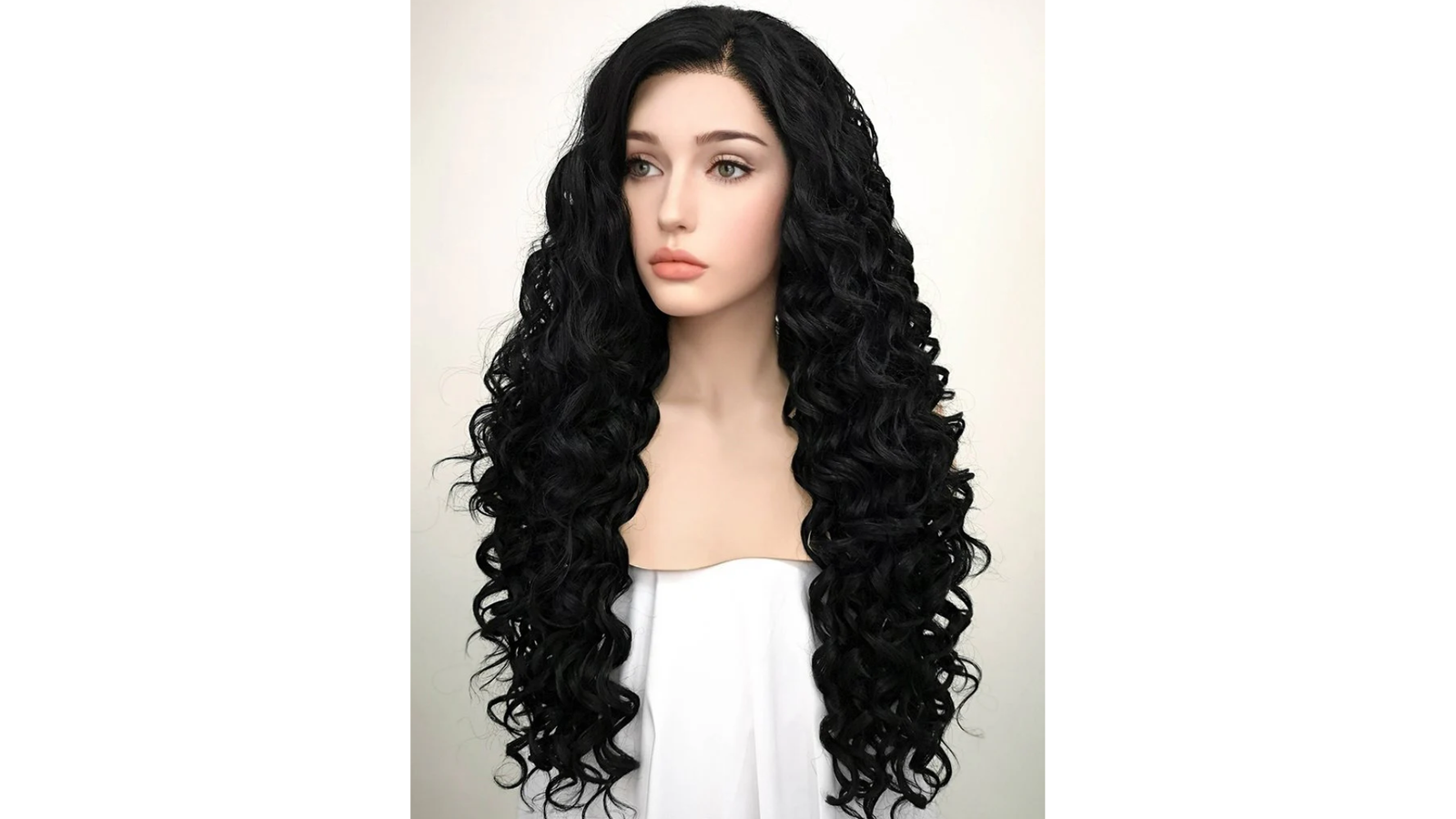
Traditional lace front wigs handle washing pretty well. The lace is slightly thicker, so it’s more durable.
Wash these every 7-9 wears. The thicker lace construction means you don’t have to baby it as much. Just don’t get too aggressive around that hairline where the lace meets the skin.
HD Lace Front Wigs
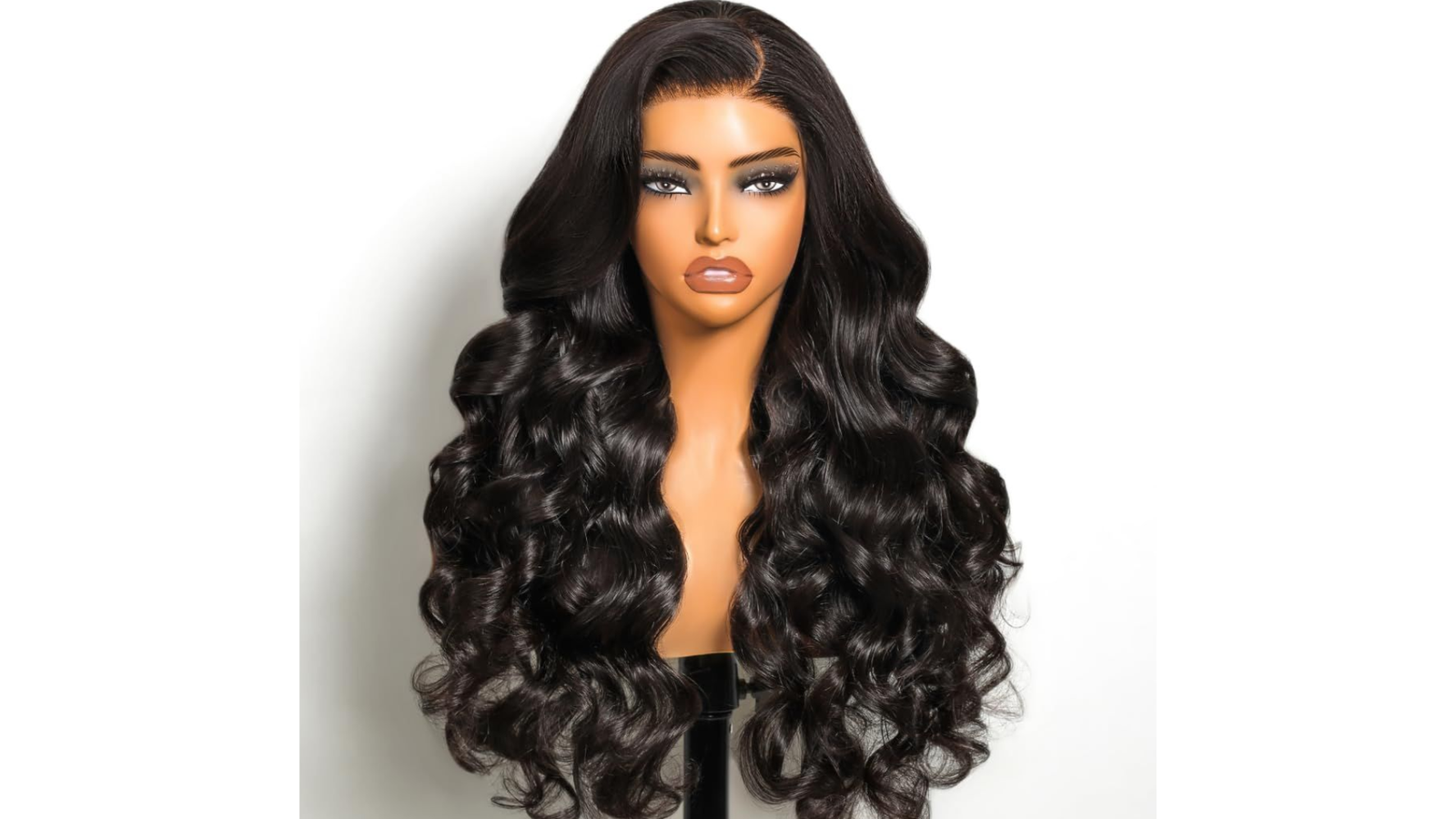
HD lace is attractive. It’s also fine as hell. That ultra-thin, transparent lace gives you an invisible hairline, but frequent washing weakens it fast.
Aim for every 8-10 wears. The thinner material needs gentler handling. Plus, that see-through lace shows product buildup more obviously than regular lace, so you’ll know when it’s time.
Full Lace Wigs
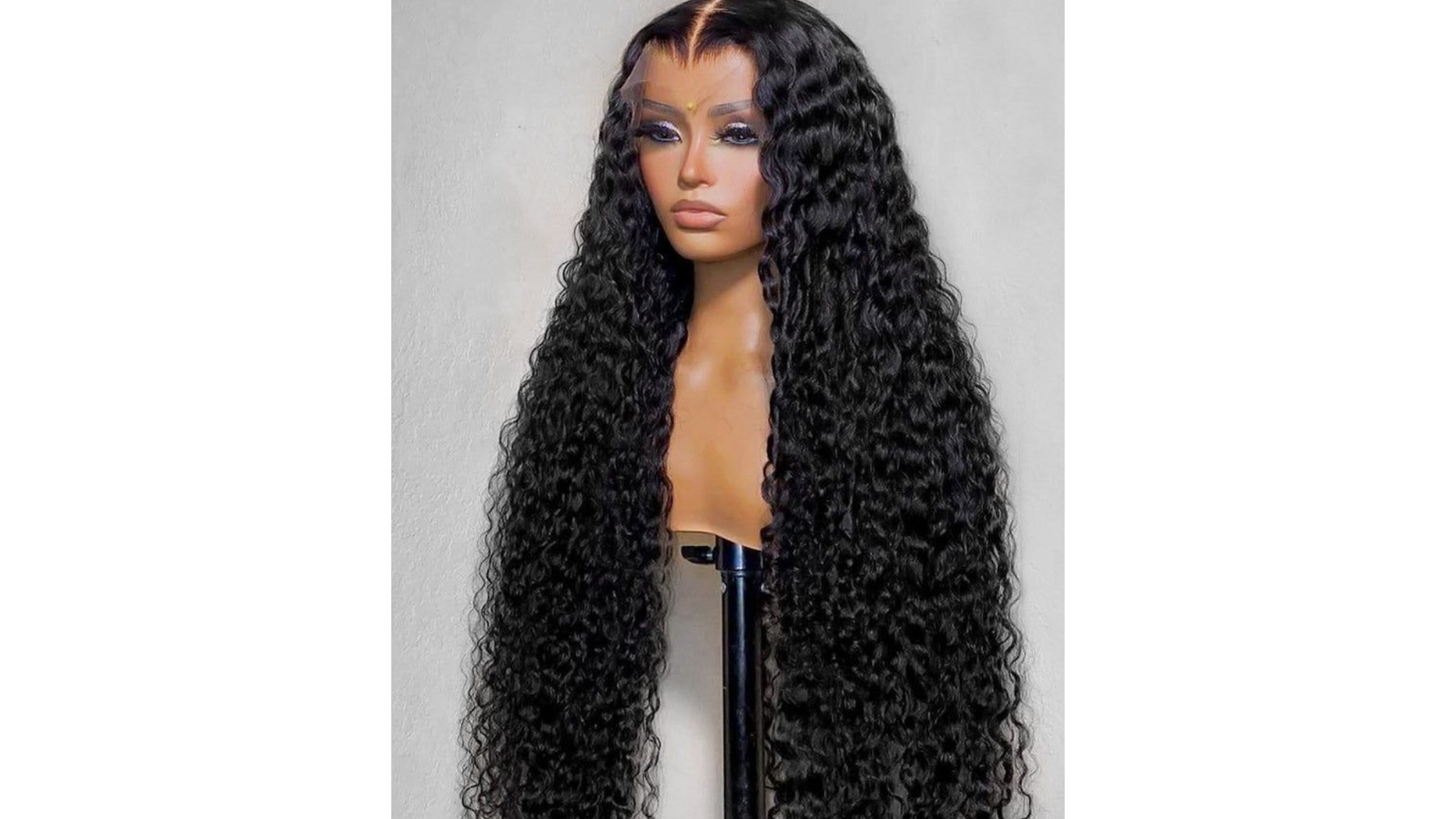
Full lace wigs have lace covering the entire cap. This construction actually helps natural oils distribute more evenly across the hair.
You can stretch these to 8-12 wears between washes. The full lace design gives you more flexibility. The oils spread out instead of concentrating in one area, so buildup happens more slowly.
Monofilament Wigs
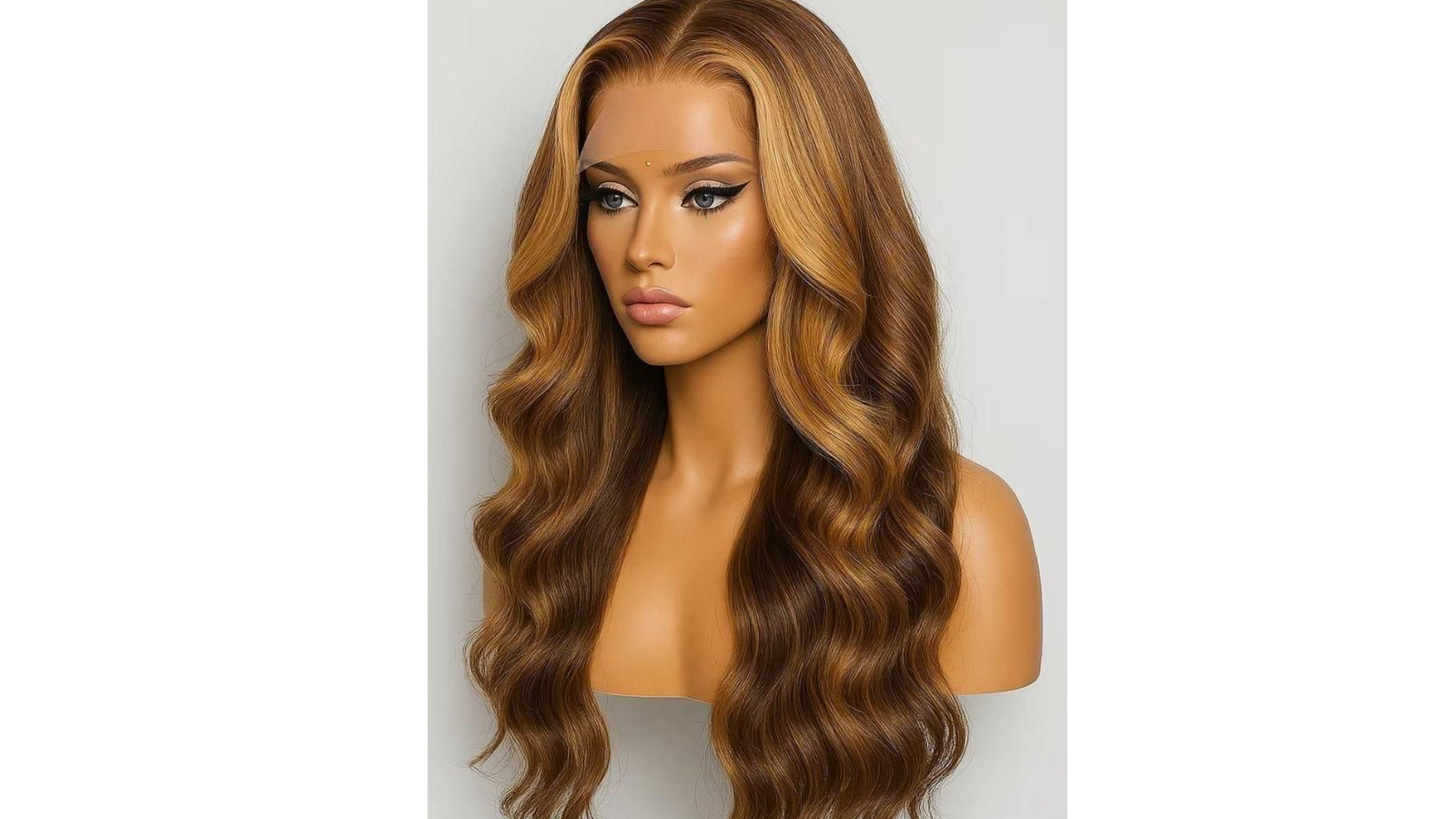
Monofilament caps are known for comfort. They mimic how hair naturally grows from your scalp, which looks incredibly realistic.
These follow a similar schedule to full lace wigs. The monofilament material is durable and comfortable. Treat it like a full lace wig and wash every 8-12 wears.
Clear Signs Your Wig Needs Washing
Your wig will tell you when it needs a wash. You just need to know what to look for.
Physical Changes You Can Feel
Run your fingers through your wig. Does it feel heavy or sticky? That’s product buildup creating a residue coating on every strand.
When hair feels weighted down, it’s time. You’ll also notice more tangling. Knots form easily, and brushing becomes a struggle. The buildup makes strands stick together instead of gliding past each other smoothly.
Visual Indicators
Look at your wig in natural light. Has it lost its shine? A dull, lackluster appearance means oil and product have accumulated on the surface.
When buildup blocks light reflection, your wig looks flat and lifeless. It won’t have that healthy sheen anymore. The hair looks less fresh and vibrant than when you first bought it.
Odor and Comfort Issues
This one’s obvious but important. If your wig smells even after airing it out, bacteria are growing.
Sweat and environmental exposure create the ideal breeding ground. You might also notice scalp irritation, itching, or general discomfort when wearing it. That bacteria and buildup transfer directly to your skin.
Styling Problems
Your usual styles won’t hold properly. The hair doesn’t cooperate with heat tools the way it used to.
Product weight prevents proper styling. When you can’t get your wig to look right no matter what you try, buildup is probably the culprit. Clean hair styles better. It’s that simple.
Seasonal Washing Adjustments
The calendar affects your wig care routine. Different seasons demand different schedules.
- In summer, wash your wig more often, about 2-3 days sooner, to manage sweat, heat, and humidity that speed up buildup.
- In winter, you can extend washes but focus on deep conditioning to combat dry air and static issues.
- During rainy seasons, increase washing and ensure the wig dries fully to prevent mildew and odors.
Washing Schedule for Different Hair Textures
Hair texture changes everything. Straight, curly, and coily hair all need different care.
Straight Human Hair Wigs
Straight hair shows every bit of buildup and oil. There’s nowhere for it to hide.
Wash every 7-9 wears. The smooth surface makes dirt and product obvious quickly. Regular maintenance keeps straight wigs looking polished.
Curly Human Hair Wigs
The curly texture is forgiving. The waves and curls hide minor buildup better than straight hair.
You can stretch to 10-12 wears between washes. But curly wigs need more conditioning. Use leave-in conditioner between washes to maintain curl definition and prevent frizz. The trade-off is worth it.
Coily Textures
Coily hair requires the least frequent washing. The tight curl pattern naturally camouflages buildup.
You can extend beyond 12 wears with proper care. Focus on moisture retention instead of washing frequency. Coily textures dry out easily, so conditioning matters more than cleaning.
Long Wig Special Considerations
Length changes the game. Hair past your shoulders collects more environmental particles just by existing.
Wash long wigs every 7-9 wears regardless of other factors. More length means more surface area exposed to dirt, pollution, and everything else. Give longer wigs slightly more attention than shorter styles.
Common Washing Mistakes to Avoid
Even experienced wig wearers mess this up. Don’t make these mistakes.
- Over-washing can strip beneficial oils, making the wig dry and less manageable.
- Trust your wig’s condition instead of washing out of habit or anxiety.
- Under-washing leads to hardened buildup that requires harsh cleaning and can cause damage.
- Set reminders based on actual wear to prevent excessive buildup before it becomes a problem.
- Adjust your washing schedule for seasonal changes, as summer and winter have different care needs.
Conclusion
Washing a human hair wig does not need to feel stressful or confusing. It mainly depends on how often you wear it and how it feels with use. Once you notice those signs, care becomes part of your routine instead of a task you avoid.
For most people, washing after about seven to fourteen wears works well. If you sweat often, use styling products, or wear your wig daily, wash it sooner. Occasional wearers can wait longer. Dryness, stiffness, or buildup usually signal that it is time.
Following a simple schedule protects the money you spent and keeps the hair looking natural. There is no need to overthink it. With gentle care and consistency, your wig stays comfortable, fresh, and ready whenever you need it.
Frequently Asked Questions
How often should I wash my human hair wig if I wear it daily?
Wash your wig every 7-10 days if you wear it daily. Count actual wear days, not calendar days. Daily exposure to sweat, products, and the environment requires weekly cleaning to prevent buildup and maintain the wig’s appearance.
Can washing my wig too frequently damage it?
Yes. Over-washing strips protective oils that keep the hair soft and manageable. It also causes color fading and shortens the wig’s lifespan. Each unnecessary wash removes beneficial conditioning. Trust the signs your wig shows rather than washing from anxiety.
What are the signs that my wig needs washing?
Watch for heavy or sticky texture, lost shine, persistent odors, increased tangling, scalp irritation, and styling difficulties. When your wig feels weighted down, looks dull, or won’t hold styles properly, it’s time to wash.
Do different wig types need different washing schedules?
Yes. HD lace fronts need washing every 8-10 wears due to fine construction. Traditional lace fronts can handle 7-9 wears. Full lace and monofilament wigs stretch to 8-12 wears. Higher-density wigs require more frequent washing than lower-density options.
How can I extend the time between washes?
Store your wig on a stand nightly, use products sparingly on mid-lengths and ends, brush gently with wide-tooth combs, and protect it with silk scarves when sleeping. Dry shampoo and spot cleaning help refresh between full washes.