
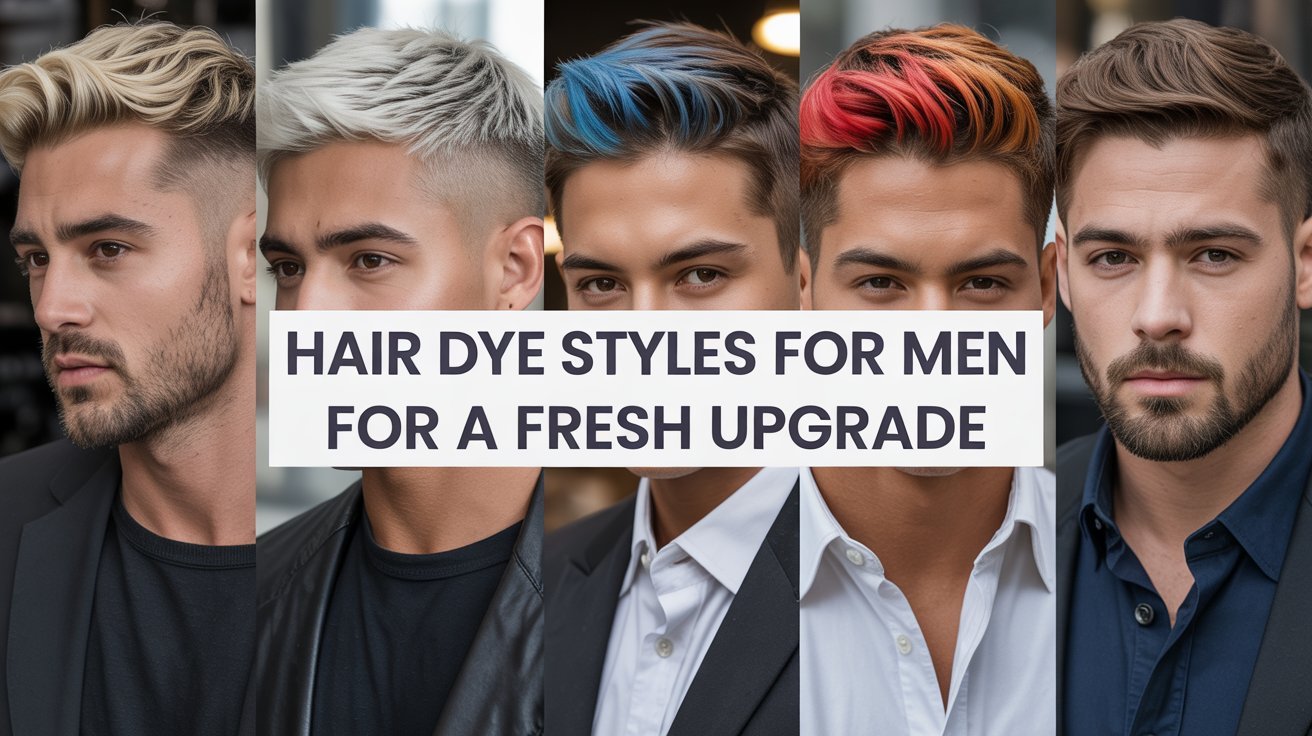



Looking for the perfect hair dye styles for men to change up your look? I’ve got you covered. This guide walks you through 53+ color options, from natural browns to bold blues.
You’ll learn how to pick the right shade for your skin tone, what maintenance looks like, and which styles are trending right now.
I’ve spent years experimenting with hair color myself, and I know how confusing it can be to choose.
This article breaks down everything in simple terms so you can make the right choice for your style.
Things to Know Before Dyeing Your Hair
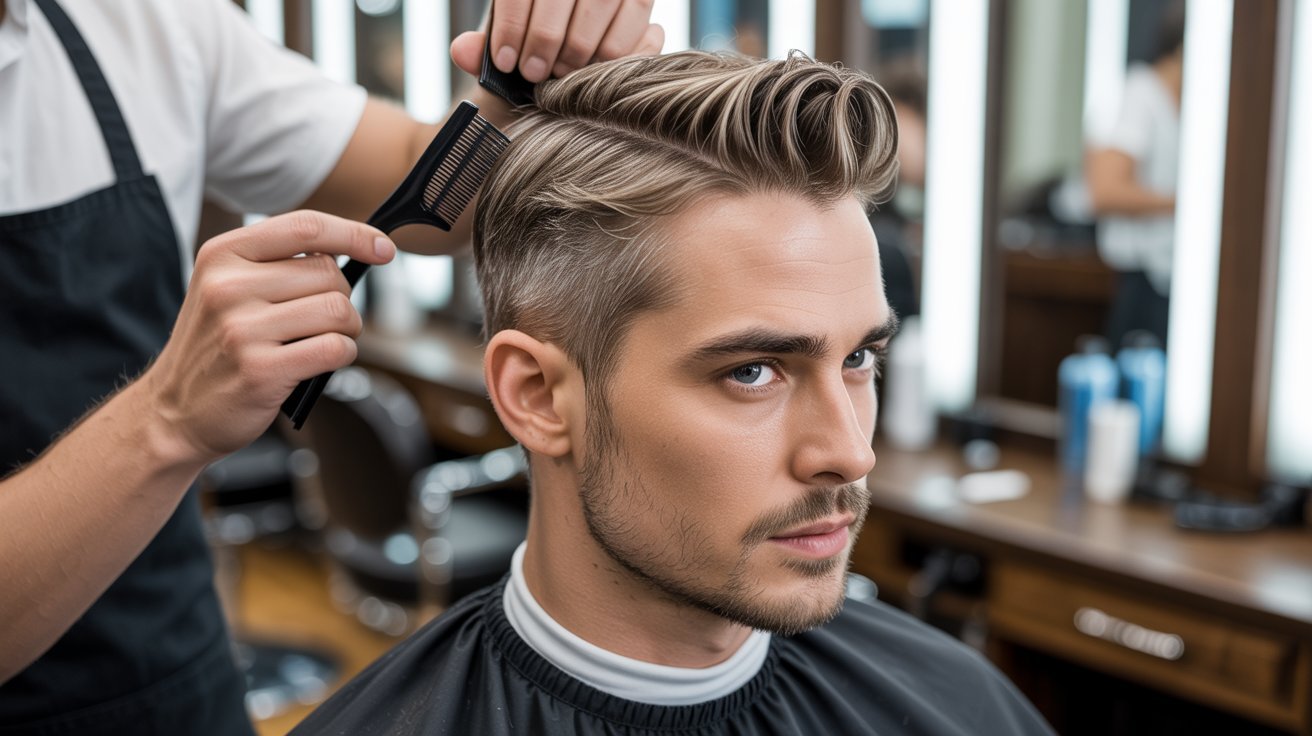
Don’t just pick a color and go for it. Taking time to plan will save you from disappointing results.
Your skin tone matters when picking hair color. Cool skin tones look great with ash shades, platinum, and cool browns. Warm skin tones work better with caramel, honey, and golden shades. Neutral skin tones can pull off almost anything.
Know your hair type before committing. Thick hair holds color differently than thin hair. Damaged hair shouldn’t be bleached. Porous hair fades quicker.
Dyed hair needs color-safe products and regular touch-ups. Some colors need refreshing every 3-4 weeks. Bleached hair gets dry without proper conditioning.
Temporary dye washes out in a few shampoos. Semi-permanent dye lasts 4-6 weeks. Permanent dye doesn’t wash out but roots will grow in.
Pick based on how long you want the color to last.
Best Hair Dye Styles for Men
Here are 53+ styles organized by color family. Each one offers a different vibe and level of maintenance.
Natural & Classic Shades
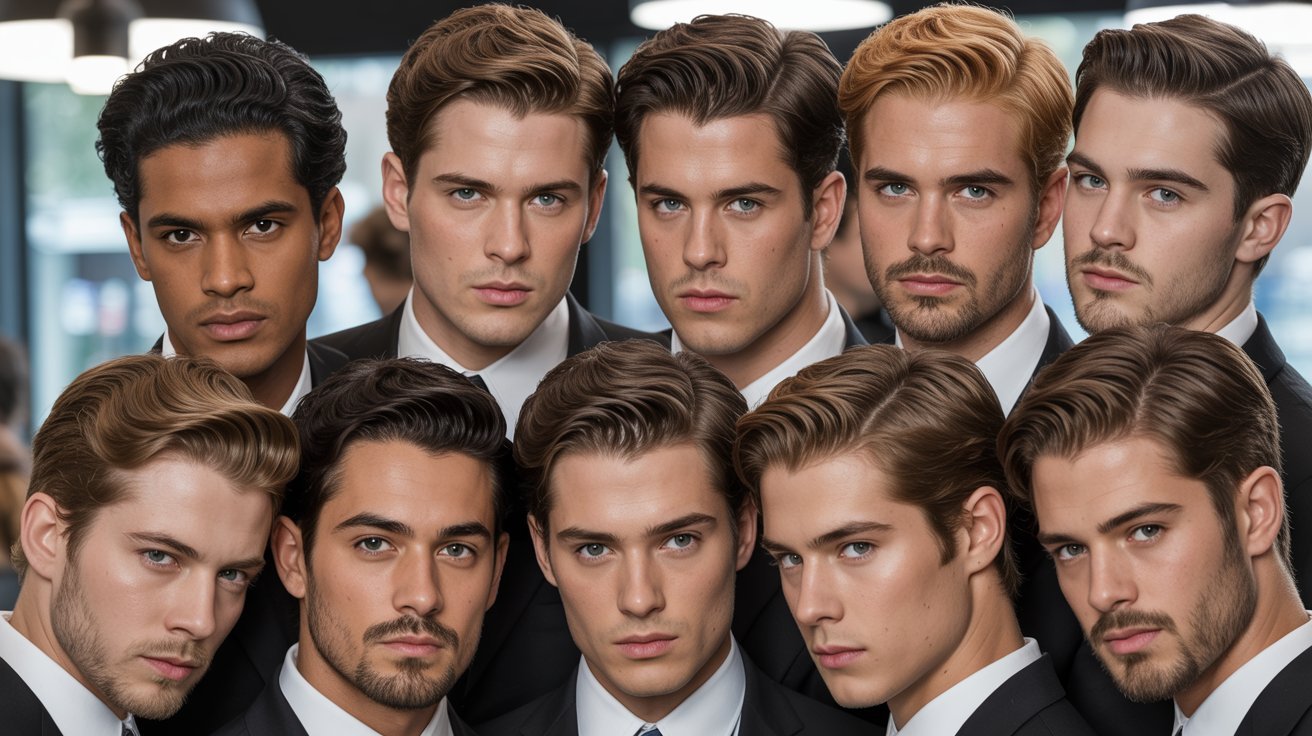
These colors look natural and professional. They’re easy to maintain and work for any setting.
- Classic Jet Black: Pure black with no warm tones. It’s bold and dramatic. Works best on cool skin tones. Needs regular root touch-ups.
- Natural Dark Brown: The most common natural shade. It looks effortless and blends well with most complexions. Very low maintenance.
- Medium Brown: A versatile middle ground. Not too dark, not too light. Great for first-timers who want subtle change.
- Light Brown: Softer than dark brown with more warmth. Adds dimension to your look. Works well in natural light.
- Chocolate Brown: Rich brown with slight red undertones. Looks warm and inviting. Popular for fall and winter.
- Chestnut Brown: Reddish-brown that catches light beautifully. Adds depth without being too bold. Great for warm skin tones.
- Coffee Brown: Deep brown with cool undertones. Professional and polished. Hides grays well.
- Smoky Brown: Brown mixed with ash tones. Modern and muted. Works for edgy styles.
- Soft Caramel Brown: Light brown with golden highlights mixed in. Warm and approachable. Needs more maintenance than darker shades.
- Golden Brown: Brown with obvious gold tones. Bright and sunny. Best for warmer months.
- Sandy Brown: Light brown with beige tones. Natural and beachy. Gives a laid-back vibe.
- Platinum Blonde: Nearly white blonde. Very high maintenance. Requires purple shampoo to prevent yellowing. Makes a major statement.
- Bleach Blonde: Bright, true blonde without toner. Edgy and attention-grabbing. Can look harsh on some skin tones.
- Icy Blonde: Blonde with silver-white tones. Cool and modern. Needs frequent toning to stay icy.
- Dirty Blonde: Blonde mixed with brown tones. Looks natural and low-key. Easier to maintain than pure blonde.
- Ash Blonde: Cool-toned blonde without warmth. Sophisticated and trendy. Prevents brassy tones.
- Golden Blonde: Warm, sunny blonde. Bright and youthful. Shows up well on camera.
- Honey Blonde: Blonde with caramel tones. Sweet and natural-looking. Great for warm skin.
- Beige Blonde: Neutral blonde with no strong warm or cool tones. Subtle and classy. Very wearable.
- Champagne Blonde: Light blonde with slight pink or peach tones. Soft and unique. Requires skill to achieve.
- Frosted Tips Blonde: Throwback ’90s style with bleached tips. Fun and nostalgic. Easy to do at home.
- Beach Blonde: Natural-looking blonde like you’ve spent all summer in the sun. Effortless and cool.
- Subtle Brown Highlights: Light brown streaks through darker hair. Barely noticeable but adds depth. Very low maintenance.
- Blonde Highlights for Black Hair: High contrast that pops. Bold but still professional. Needs regular touch-ups.
- Ash Brown Highlights: Cool-toned highlights that prevent brassiness. Modern and clean. Works for most hair types.
- Caramel Highlights: Warm, golden streaks. Adds warmth to brown hair. Popular and flattering.
- Bronde Highlights:
Mix of brown and blonde. Natural and sun-kissed. Great transition color. - Honey Balayage: Hand-painted honey tones. It looks like natural lightning. Grows out beautifully.
- Blonde Balayage: Blonde painted through darker hair. Dimensional and natural. Lower maintenance than full highlights.
- Copper Balayage: Reddish-orange tones painted through brown hair. Warm and eye-catching. Best for fall.
- Face-Framing Highlights: Lighter pieces around the face. Brightens your features. Subtle but effective.
- Sun-Kissed Natural Highlights: Random, natural-looking lighter pieces. Mimics natural sun lightening. Very low maintenance.
- Chunky ’90s Highlights: Thick, bold streaks of color. Retro and fun. Make a statement.
- Silver Hair: Metallic grey-white. Trendy and futuristic. Needs bleaching and toning.
- Metallic Grey: Grey with shine and dimension. Modern and cool. Popular in men’s fashion.
- Ash Grey: Muted grey without metallic shine. Subtle and refined. Requires upkeep to prevent fading.
- Navy Blue: Deep blue that looks almost black indoors. Shows in sunlight. Professional but edgy.
- Electric Blue: Bright, vibrant blue. Bold and artistic. Fades quickly without proper care.
- Turquoise Blue: Blue-green mix. Playful and unique. Works well on shorter hair.
- Emerald Green: Rich, deep green. Rare and eye-catching. Requires bleaching first.
- Neon Green: Bright, glowing green. Very bold. Best for short-term or events.
- Purple Hair: Deep royal purple. Trendy and fashionable. Fades to softer shades over time.
- Lavender Pastel: Light purple-grey. Soft and artistic. Needs very light base color.
- Fire Red: Bright, true red. Attention-grabbing and bold. Fades faster than other colors.
- Dark-to-Light Ombre: Gradually fade from dark roots to light ends. Natural-looking and low maintenance. Grows out well.
- Reverse Ombre: Light roots fading to dark ends. Unusual and modern. Requires regular root bleaching.
- Silver Ombre: Dark roots fading to silver ends. Striking and trendy. High maintenance but worth it.
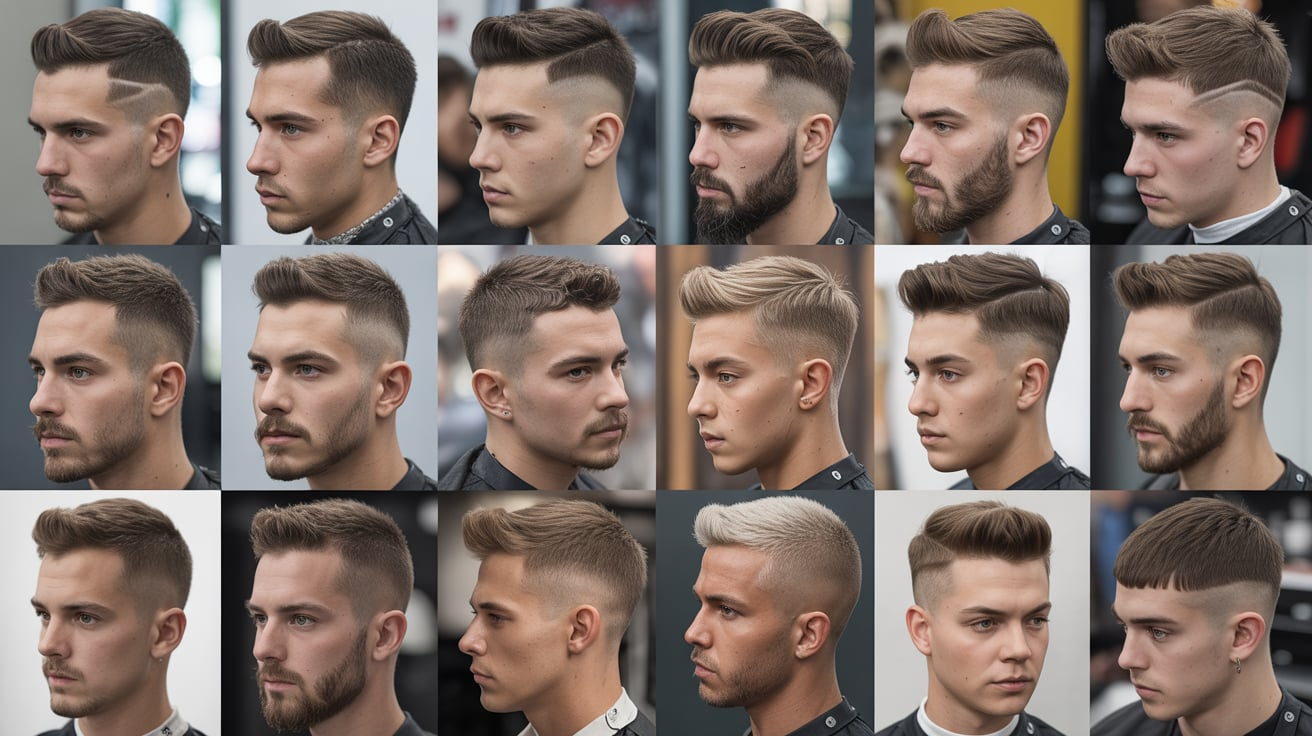
- Blonde-Tipped Fade: Blonde color on top of a fade haircut. Clean and modern. Shows off the haircut.
- Split Dye (Half-and-Half): Two different colors split down the middle. Bold and artistic. Not for everyone.
- Underlayer Color: Bright color hidden underneath the natural top layer. Subtle or bold depending on styling. Fun surprise element.
- Top-Only Color Pop: Color only on the top section. Clean sides, colorful top. Works with most haircuts.
- Roots-Only Dye: Natural ends with colored roots. Reversed from normal growth. Unique look.
- Color Melt Blend: Multiple colors blended seamlessly together. Requires professional skill. Beautiful dimension.
- High-Contrast Two-Tone: Two distinct colors without blending. Bold and geometric. Works best with structured cuts.
- Medium-Length Textured Color Blend: Multiple shades worked through textured medium hair. Natural movement and dimension. Great for wavy hair.
Blonde & Light Shades
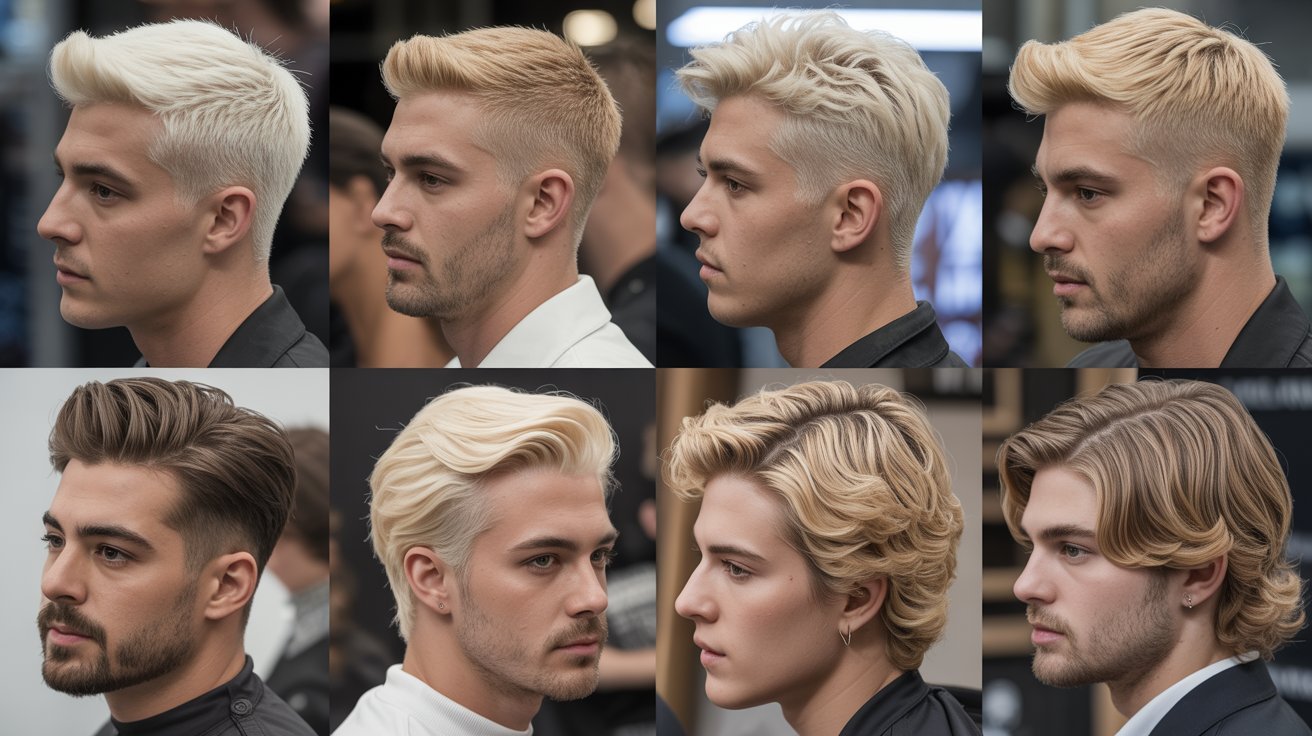
Blonde hair on men has become increasingly popular. These shades require bleaching and more upkeep.
Highlight & Balayage Styles
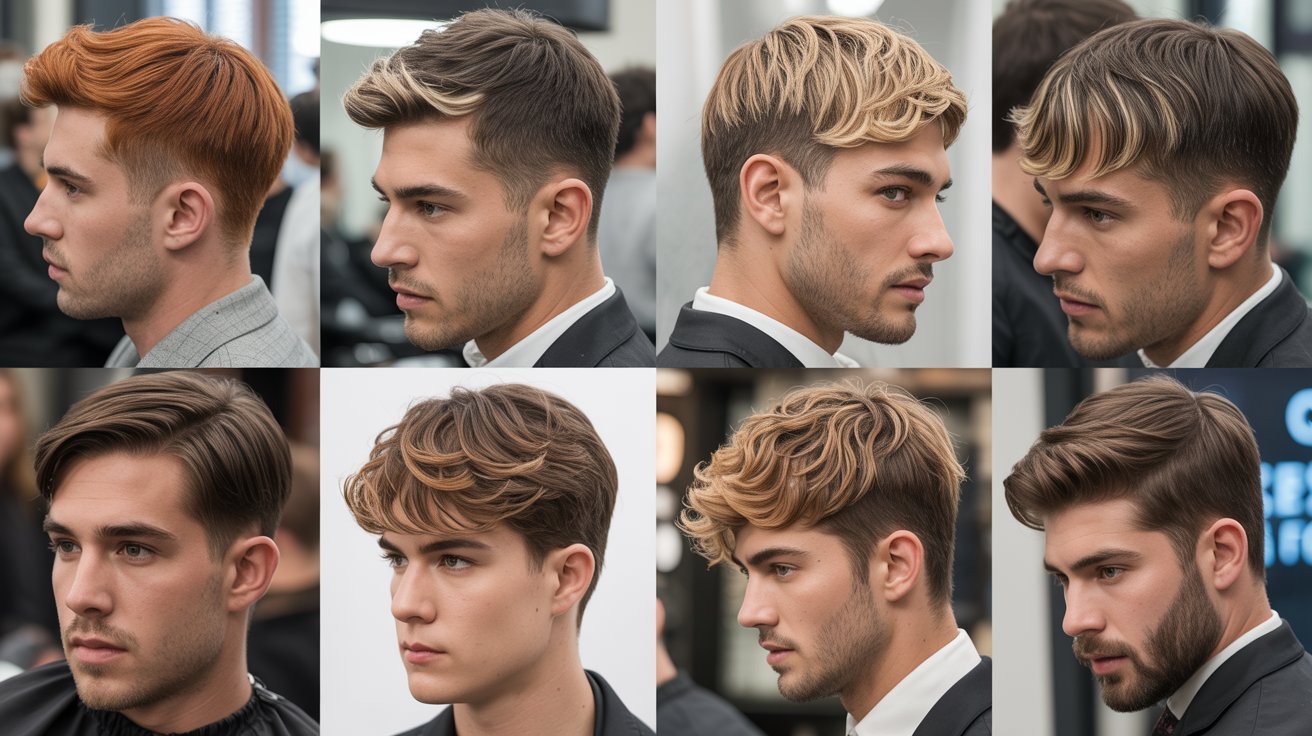
These styles add dimension without full color. They look natural and grow out nicely.
Bold & Fashion Colors
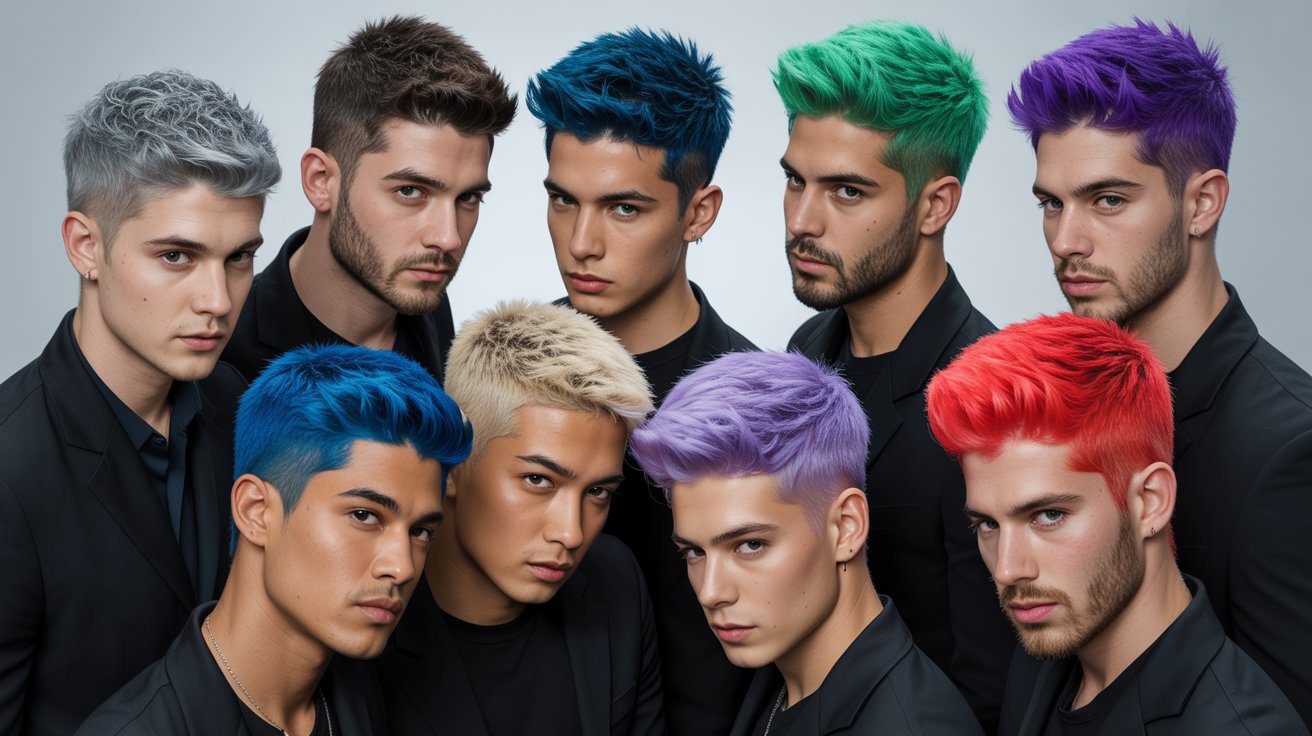
These colors are for guys who want to stand out. They require confidence and regular maintenance.
Gradient, Two-Tone & Modern Styles
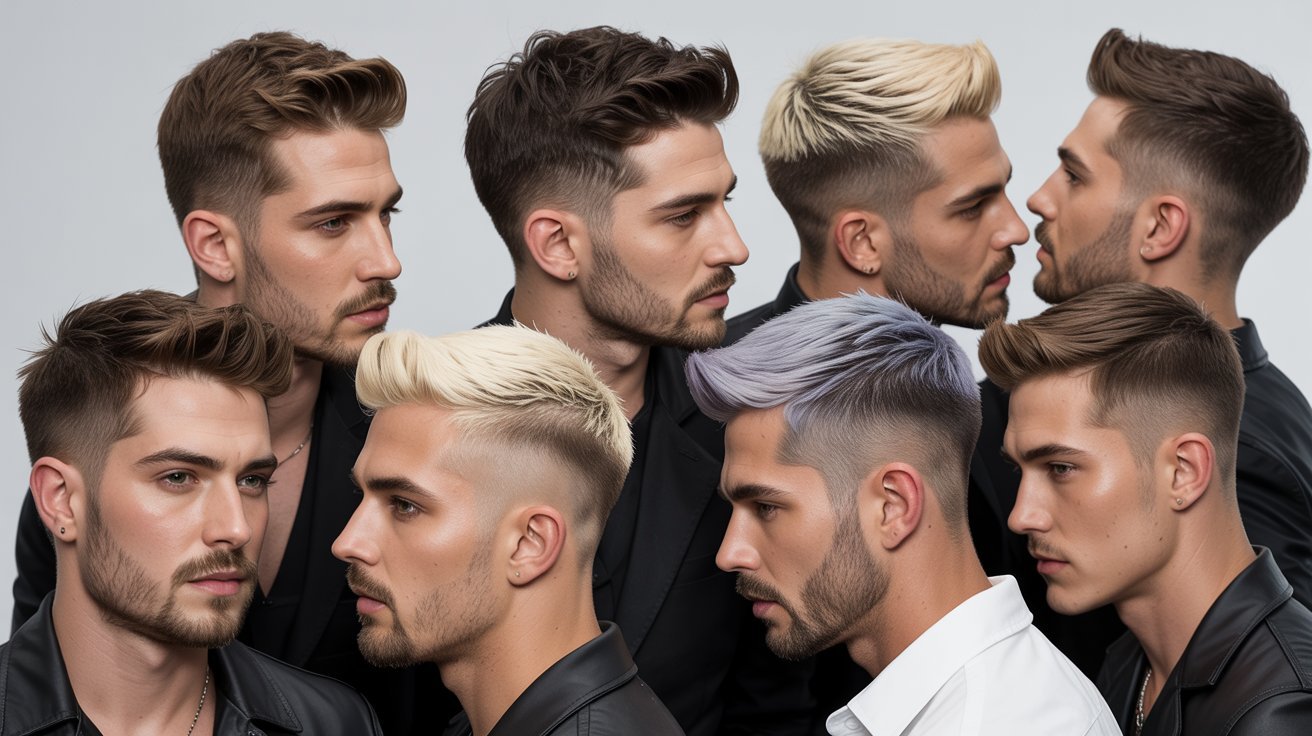
These styles combine multiple colors or techniques. They’re artistic and show off their skills.
How to Maintain Dyed Hair Like a Pro
Color needs care to stay vibrant. Skip these steps and your color will fade fast.
- Use color-safe shampoos and conditioners. Purple shampoo keeps blonde and silver hair from turning yellow. Wash with lukewarm water, not hot.
- Deep condition once a week to keep hair healthy and shiny.
- Let hair air dry when possible. If using a blow dryer, keep it on low heat with protectant spray.
- Use flat irons and curling irons sparingly with lower heat settings.
- Schedule regular touch-ups. Permanent color needs roots done every 4-6 weeks. Fashion colors need refreshing every 2-3 weeks.
- Protect hair from sun exposure. Wear a hat outdoors and use UV protection sprays.
- Shield hair from chlorine. Wet hair with clean water before swimming and rinse immediately after.
Conclusion
I’ve tried more hair colors than I can count, and each one taught me something new about style. Hair dye styles for men give you a chance to express yourself in ways that feel authentic.
Start with something small if you’re nervous. A few highlights or a temporary color can help you test the waters. Remember, hair grows back, so don’t be afraid to experiment.
What color are you thinking about trying? Drop a comment below and let me know what caught your eye from this list.
Frequently Asked Questions
How long does men’s hair dye typically last?
Temporary dye lasts 1-5 washes. Semi-permanent lasts 4-6 weeks. Permanent dye doesn’t wash out, but roots need touch-ups every 4-6 weeks.
Can I dye my hair at home or should I go to a salon?
Simple colors like brown or black work at home. Complex techniques like balayage or platinum blonde need a professional to avoid damage.
Will dyeing my hair damage it?
Some damage happens, especially with bleach. Use quality products and deep condition regularly. Healthy hair handles color better than damaged hair.
What’s the best first color for someone new to hair dye?
Start with subtle highlights or a shade close to your natural color. Dark or medium brown are safe first choices.
How much does professional hair coloring for men cost?
Simple colors cost $50-$100. Highlights or balayage run $100-$200. Complex fashion colors can reach $200-$400 depending on your location.