





Starting free-form locs seems confusing at first. You’ve probably watched tons of videos and read conflicting advice. Some say twist them, others say just leave your hair alone. What’s the right way?
This guide walks you through every step to start your free-form path correctly. You’ll learn how to prep your hair, what products to avoid, and how to let your locs form naturally without damage. No complicated methods or expensive salon visits needed.
I’ve helped dozens of people start their loc path over the past years. Trust me when I say the beginning matters most.
Get it right now, and you’ll have healthy, strong locs that form naturally. Get it wrong, and you’ll deal with weak spots and breakage later. Let’s do this the right way from day one.
What Is Free Form Hair?

Free-form hair is exactly what it sounds like. Free. Your hair locks on its own terms without any forced manipulation.
You don’t comb it. You don’t brush it. No gels. No wax. Just natural locking over time.
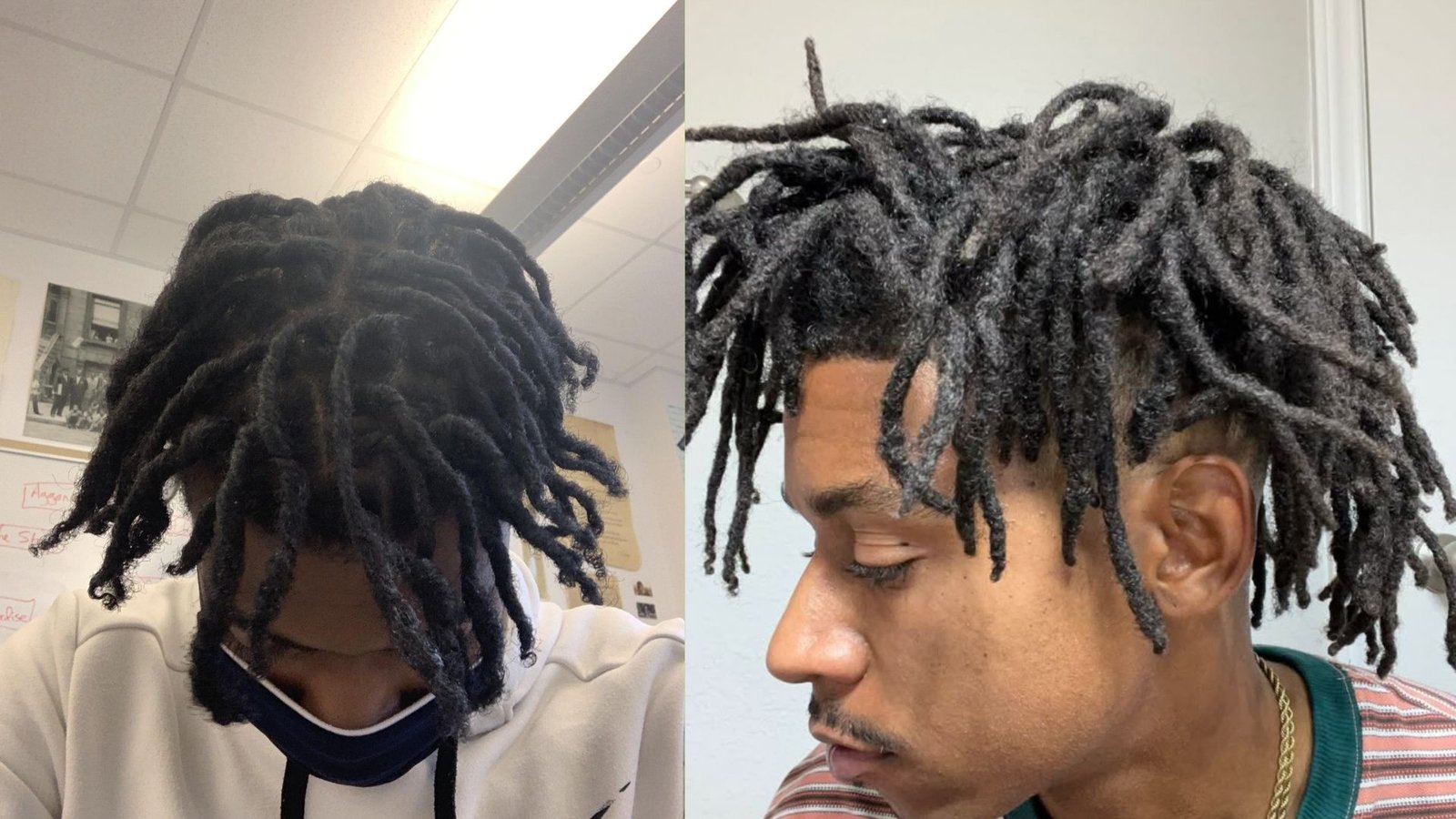
- Natural Locking: Your hair forms locs by itself based on texture and growth pattern. Each loc is different, some thick, some thin, some curved, exactly as your hair wants to be.
- Zero Maintenance: Unlike traditional locs, you skip the twisting, palm rolling, and interlocking. Your locs look organic and less uniform, but that’s what makes them authentically yours.
- Deeper Meaning: Free forms connect you to natural beauty, heritage, and self-expression. You’re honoring how hair grows naturally and rejecting beauty standards that demand control.
- Best For: People seeking low-maintenance styles who embrace unpredictability are ideal candidates. If you’re comfortable with frizz, shrinkage, and the unknown, free forms will feel right.
- Texture Matters: Coarse, kinky, and curly hair (Type 3-4) locs faster and easier. Straight or fine hair needs more patience, sometimes a year or longer, and may need light assistance to start.
Preparing Your Hair Before You Start
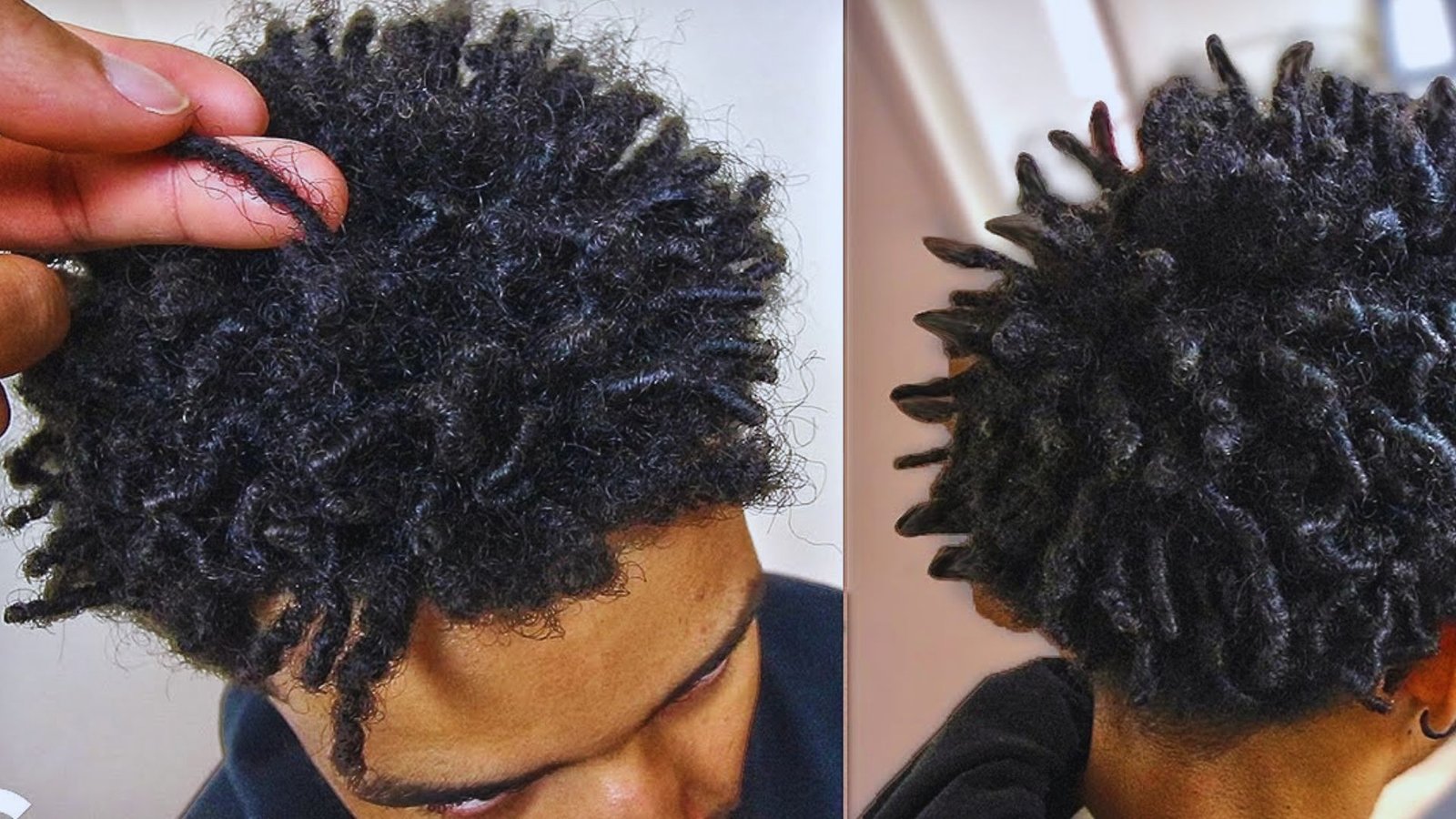
Before you start your free-form path, you need the right foundation. Clean hair matters. Length matters.
Getting these basics right makes the process smoother and faster.
- Clean Hair: Start with residue-free or dread-friendly shampoo to wash away buildup. Skip conditioner, wax, gels, and heavy creams. They’ll block your hair from tangling and locking naturally.
- Ideal Length: Hair around 5-6 inches (12.7-15.2 cm) or longer gives the best results for faster locking. Shorter hair can still freeform, but you’ll need more patience as it takes longer to form mature locs.
- Optional Tools: Keep a microfiber towel, dread shampoo, and hair clips or loose ties handy. These aren’t required, but can help during washing and drying. Just remember, ties are temporary only, never for styling.
How to Start Free-Form Hair Naturally
Starting free forms is simple. But simple doesn’t mean easy. You’re breaking habits you’ve had for years. The hardest part? Doing nothing. Let me walk you through the exact steps that actually work.
Step 1: Stop Brushing and Combing
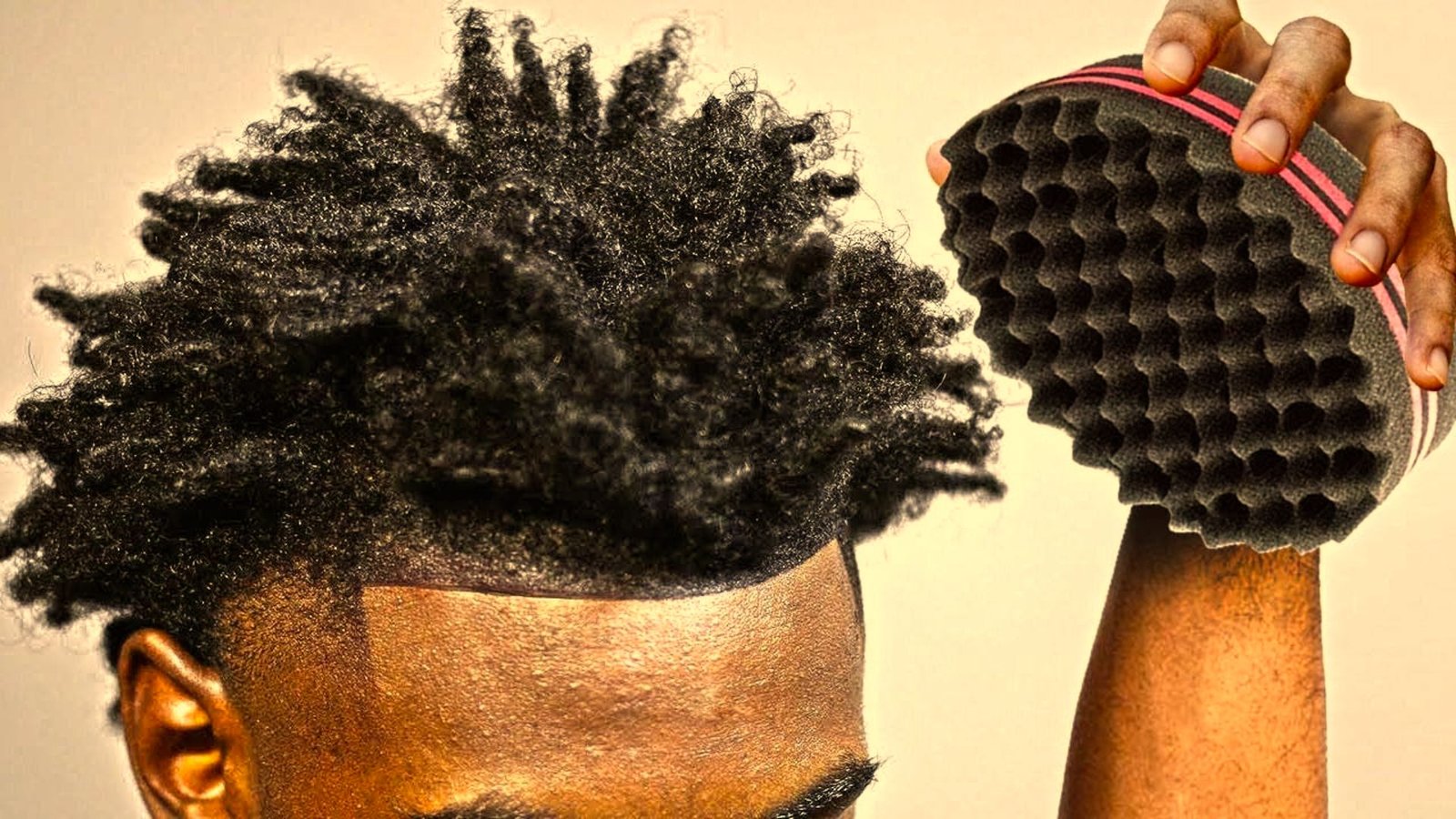
This is where it all begins. Put down the brush. Put down the comb. Walk away from them and don’t look back. Your hair needs to tangle and section itself naturally. You can’t force this process. You have to trust it.
Within a few weeks, you’ll see sections forming. Some big. Some small. Your hair creates its own pattern based on how it grows.
The urge to “fix” messy spots will be strong. Resist it. Every time you touch and separate, you slow down the process. Leave it alone.
Step 2: Wash Your Hair Regularly

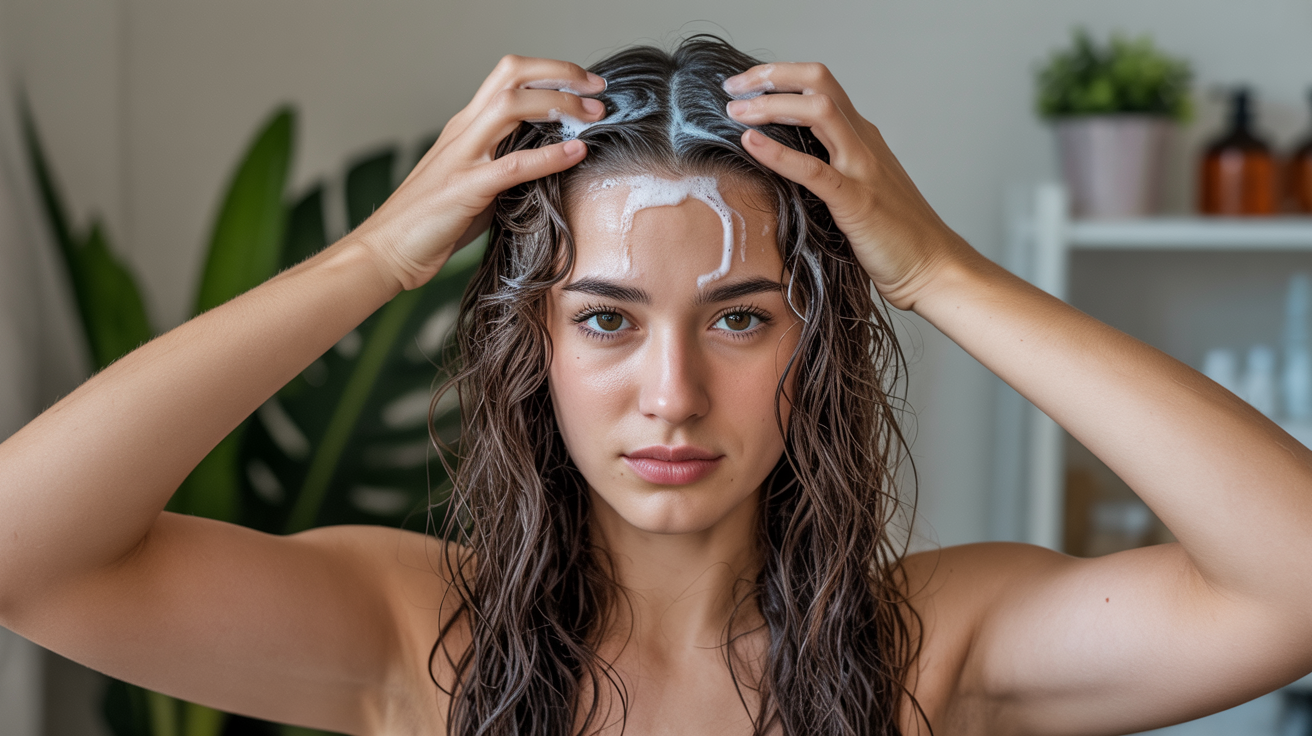
Clean hair locs faster. Period. You need to wash 1-2 times per week in the early stages. This keeps your scalp healthy and helps the tangling process. Dirty hair with buildup actually slows everything down.
Use a residue-free shampoo that rinses completely clear. Focus on your scalp, not your hair. Don’t rub or manipulate while washing.
Just squeeze gently and let water do most of the work. The key is balance, wash, rinse, done. Don’t overthink it.
Step 3: Keep Hair Dry Between Washes

Moisture is tricky with free forms. Too much? Your hair won’t loc. It stays soft and loose instead of tightening up. Excess water or oil slows down the locking process significantly.
After washing, let your hair air dry completely or use a blow dryer on the cool setting only. Heat can damage your hair.
Skip oils, creams, and leave-in conditioners during the early stages. They add moisture that keeps hair loose. You want dry, tangly hair right now for faster locking results.
What to Expect During the Free Form Hair Path?
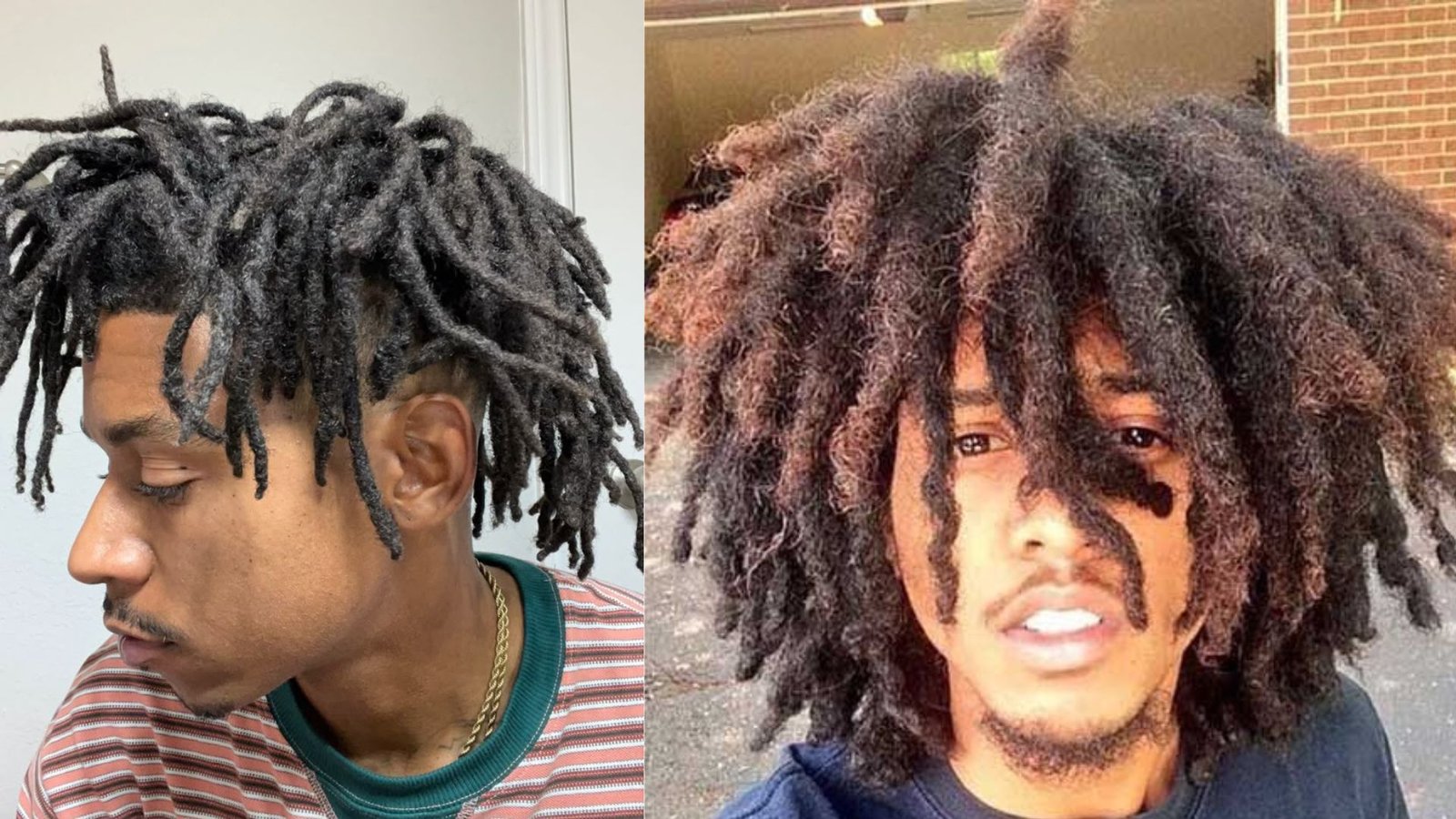
Free forms go through stages. Predictable stages. Your hair won’t look good at first. It’ll look worse before it looks better. Understanding these phases helps you stay patient when your hair looks wild.
- Starter Phase: The first 0-3 months bring frizz, loose roots, and uneven sections that look messy. This is completely normal. Your hair is figuring itself out and beginning to tangle naturally.
- Teenage Phase: Between 3-12 months, your locs thicken and shrink as they mature. The shape changes frequently, but you’ll notice more definition appearing as each loc finds its permanent form.
- Mature Phase: After 1-2+ years, your locs become tight, solid, and stable. They no longer pull apart or change shape. They’re locked in place and ready to grow long and strong.
Maintaining Free-Form Hair the Right Way
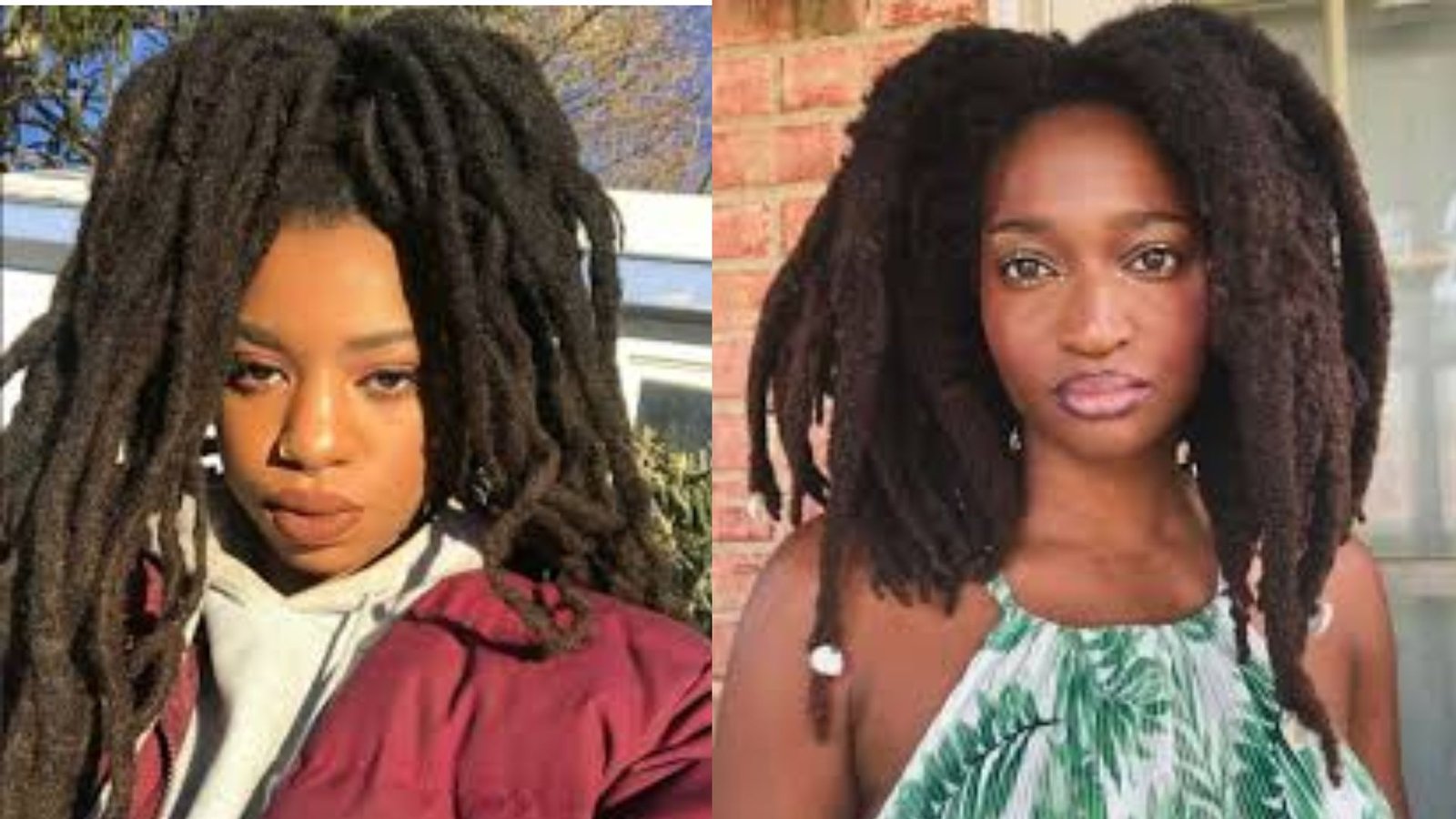
Free forms aren’t completely hands-off. You still need basic maintenance. Washing matters. Scalp health matters. The goal is minimal care that keeps your locs healthy without controlling how they look.
- Washing Routine: In the early stage, wash every 2-3 days or weekly to help lock. Once your locs mature, you can stretch them once every 1-2 weeks without issues.
- Scalp Moisturizing: Use light natural oils like jojoba, coconut, or olive oil on your scalp only. Avoid over-oiling because buildup slows locking and attracts dirt that weighs your hair down.
- Gentle Separation: Pull apart locs weekly or bi-weekly to prevent large mats or “congos” from forming. This keeps individual locs defined without forcing them into unnatural patterns or sizes.
Common Beginner Mistakes to Avoid
Beginners make the same mistakes. Every time. These errors slow down your progress or damage your hair completely.
Learn from other people’s mistakes instead of making them yourself.
- Heavy Products: Never use wax, gels, or thick creams on free forms. They cause buildup, odor, mold, and weak locs that never fully mature or lock properly.
- Over-Manipulating: Stop retwisting, palm rolling, or constantly touching your hair. Excessive manipulation causes thinning, breakage, and even traction alopecia that damages your scalp permanently.
- Impatience Problem: Free forms take time, months or years, depending on the texture. Expecting fast results leads to frustration and quitting before your locs have a chance to form naturally.
Conclusion
Starting free-form hair doesn’t have to be stressful anymore. You now know how to prep your hair properly, which products to skip, and how to let your locs form naturally without forcing them. The key is patience and trusting the process.
Your path to healthy, natural, free-form locs starts today. You’ve got the right information to avoid common mistakes and set yourself up for success. No more second-guessing or watching endless videos that contradict each other.
Have questions about your specific hair type? Drop them in the comments below. I read every single one and love helping people through their loc path.
And if this guide helped you feel more confident, share it with someone else who’s thinking about starting their free-forms hair. Let’s grow together.
Frequently Asked Questions
What is free from hair?
Free-form hair that forms naturally without twisting, braiding, or manipulation. You simply let your hair grow and mat on its own. The hair sections themselves create different, organic locs over time. Each loc forms differently, giving you a one-of-a-kind look that can’t be replicated.
How long does it take for free-form hair to loc up?
Free-form hair typically takes months to 2 years to fully loc, depending on your hair texture and density. Coarser hair locs faster than fine hair. You’ll notice budding and matting within the first few months, but complete locking takes patience and time.
Should I use products on free-form hair?
Use minimal products on free-form hair. Stick to a simple shampoo without heavy oils or conditioners that prevent locking. Avoid waxes, gels, and thick creams completely. Clean hair locs better than product-filled hair. Less is always more with this method.
Can I wash free-form hair while it’s forming?
Yes, wash your free-form hair regularly. Clean hair locs faster and healthier than dirty hair. Shampoo every 1-2 weeks using a residue-free cleanser. Just let the water run through without excessive rubbing or manipulation. Pat dry gently with a towel.
What’s the difference between free forms and traditional locs?
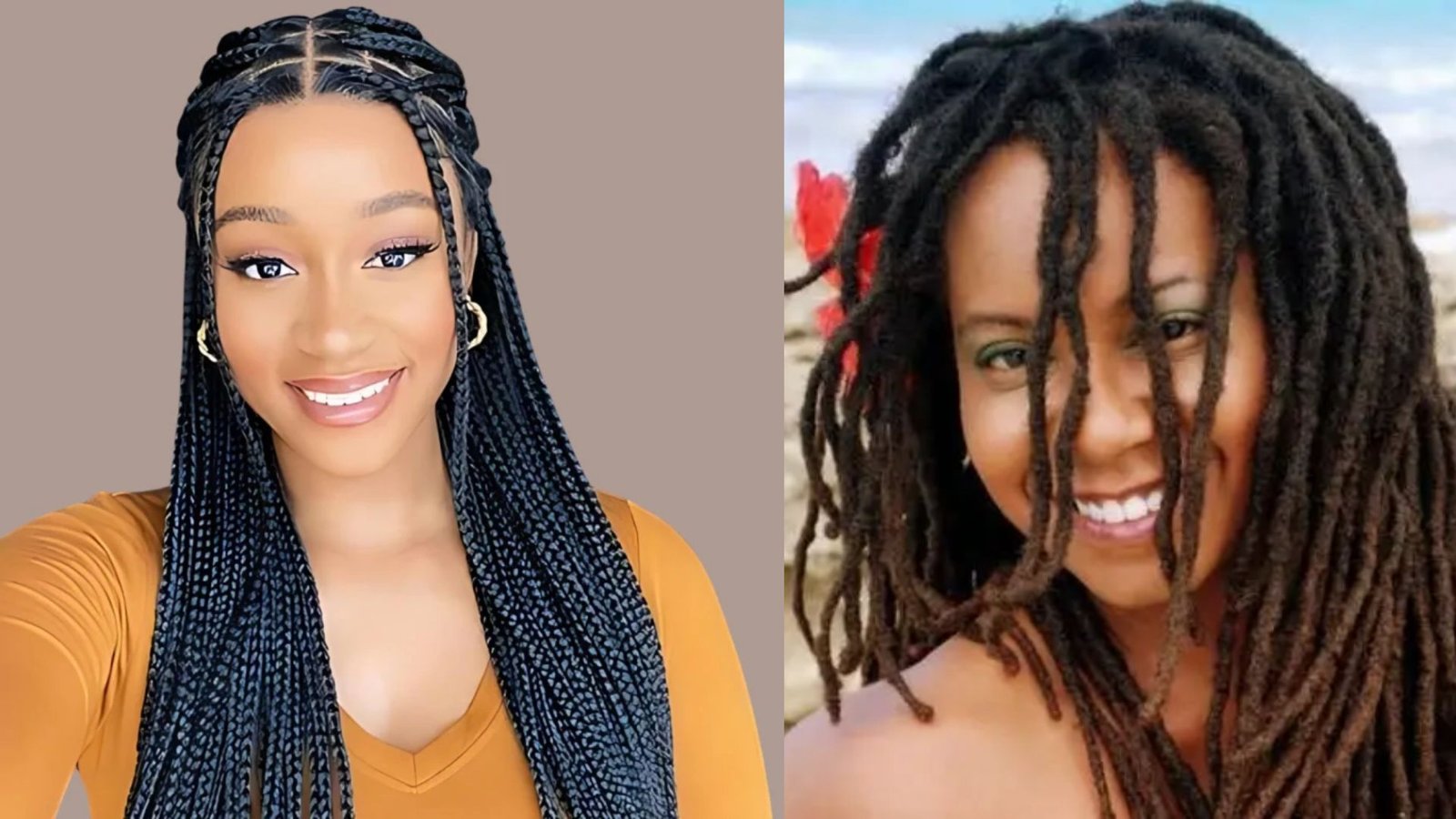
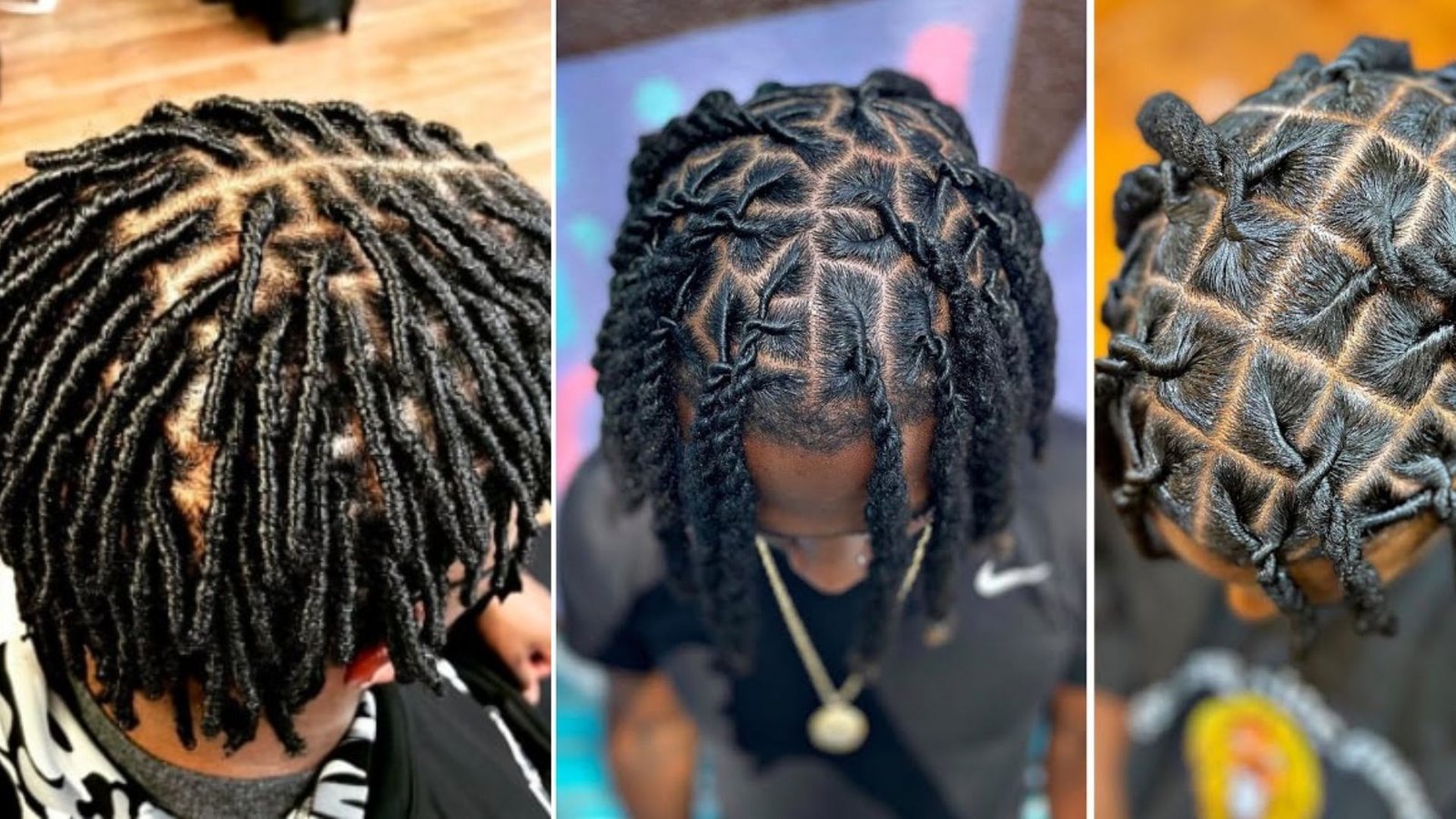
Traditional locs start with a specific method like two-strand twists or interlocking, giving uniform size and placement. Free-form hair has no set pattern and forms completely on its own. Free forms look more organic and varied, while traditional locs appear more structured and neat.