



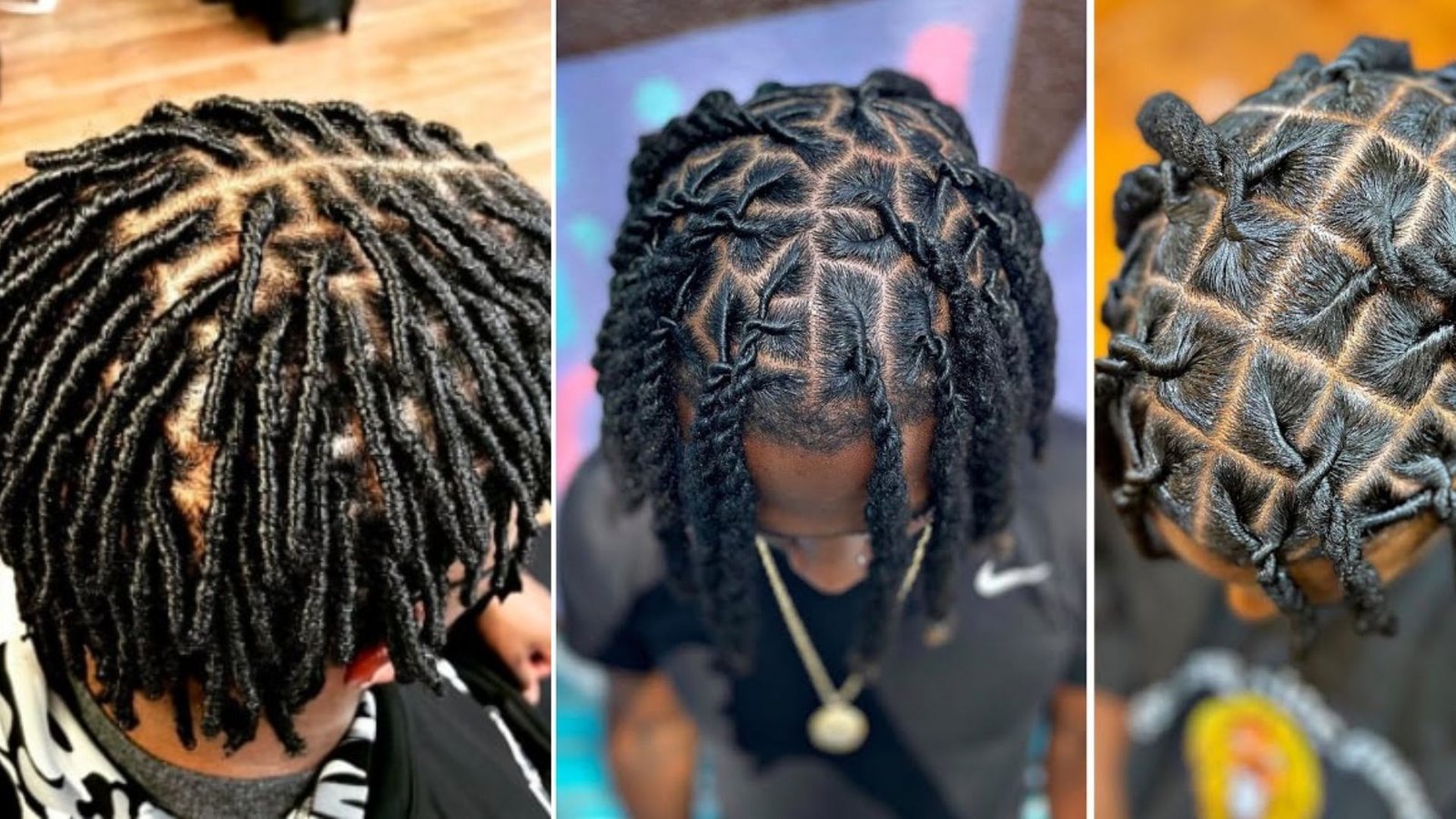

Confused about Fulani braids versus tribal braids? You’re not alone. These attractive protective styles look similar at first glance, but they have distinct differences that matter when you’re sitting in that salon chair.
This guide breaks down everything you need to know. You’ll learn the key differences in braiding techniques, styling patterns, and cultural origins.
We’ll show you which style works best for different hair types and face shapes. No confusing jargon, just clear answers.
I’ve researched both styles extensively and talked to professional braiders who specialize in African hairstyling.
You’ll get accurate information you can trust when making your choice. If you’re trying these braids for the first time or switching styles, you’ll know exactly what to ask for at your appointment.
What Are Fulani Braids?
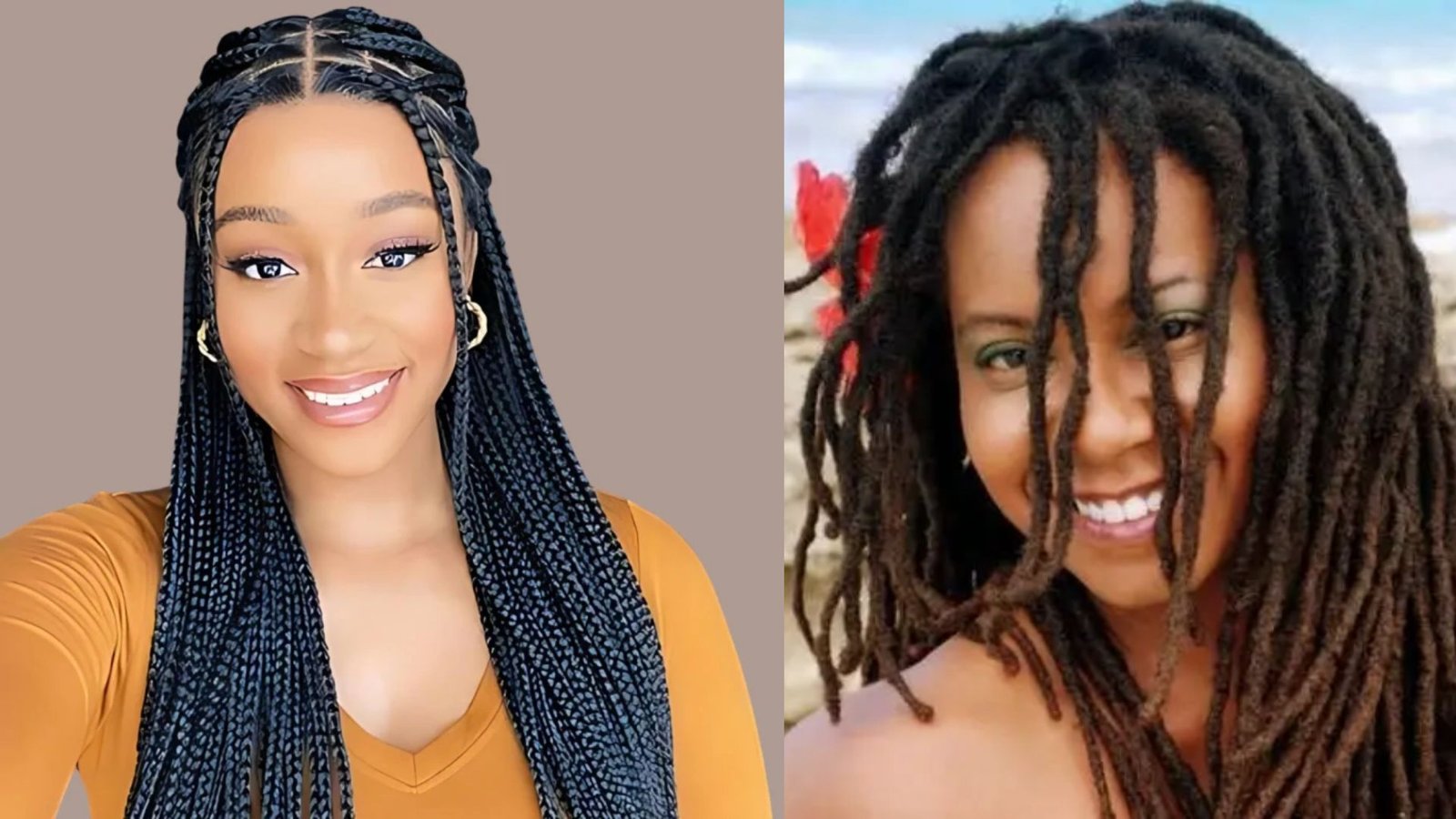
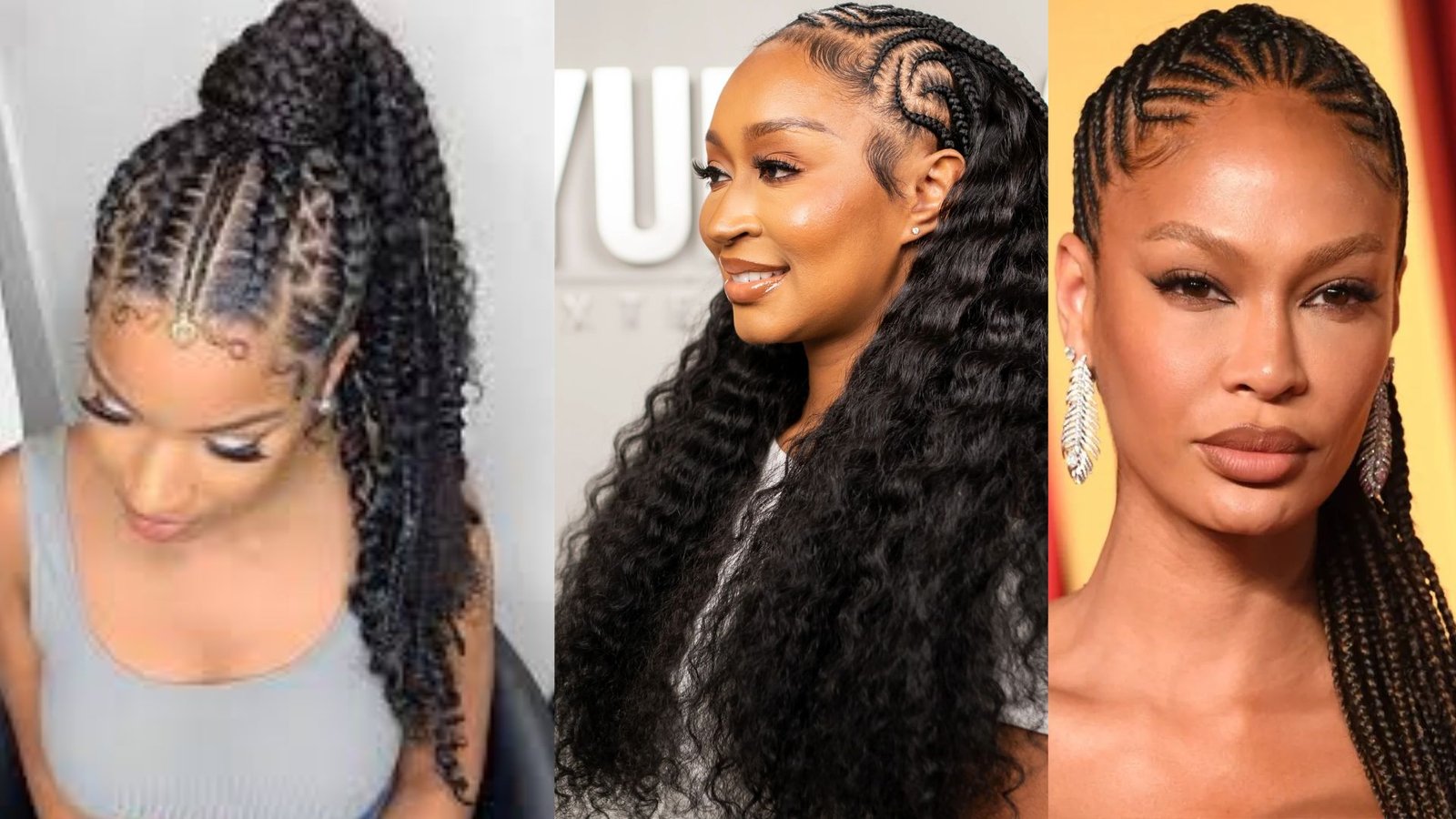
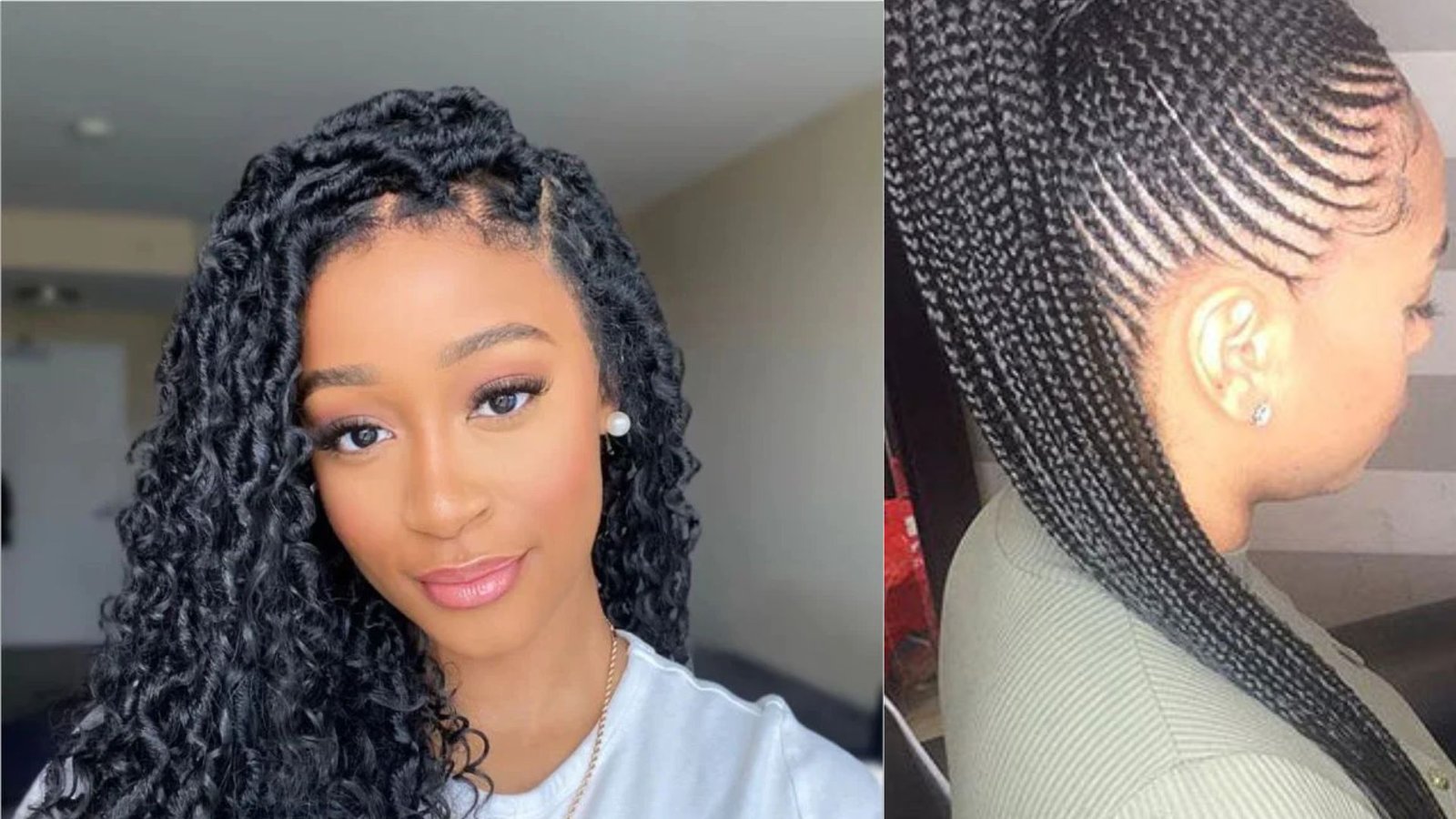
Fulani braids are a protective style with deep cultural roots. You’ll spot them by the center cornrows and loose braids decorated with beads. They combine tradition with modern beauty.
Cultural Origins of Fulani Braids
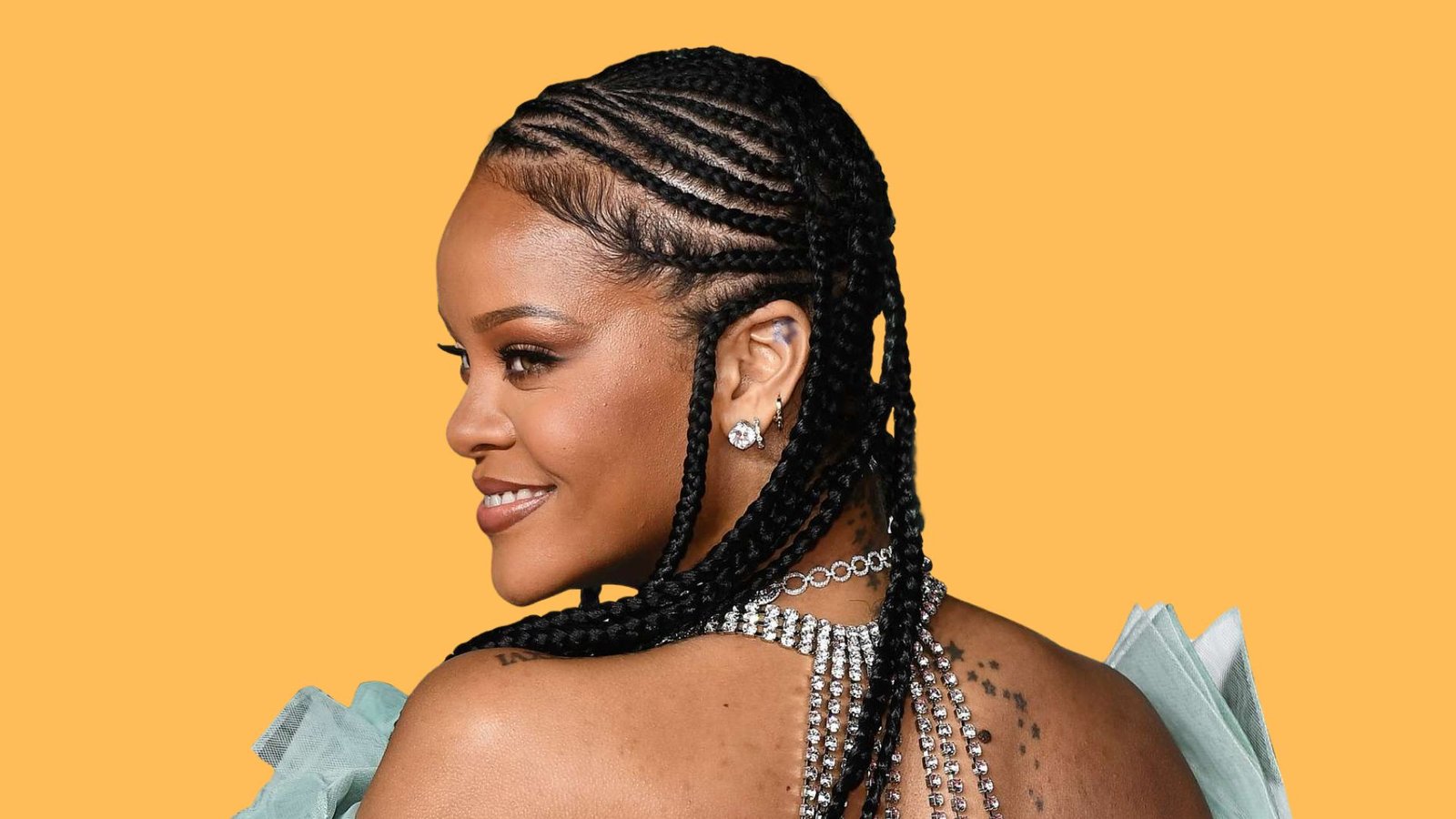
Fulani braids come from the Fulani people of West and East Africa. These patterns have been passed down for centuries and carry real meaning.
In Fulani culture, braids showed your age, status, and identity. Today, you can wear this style to honor that heritage while protecting your natural hair.
Key Characteristics of Fulani Braids
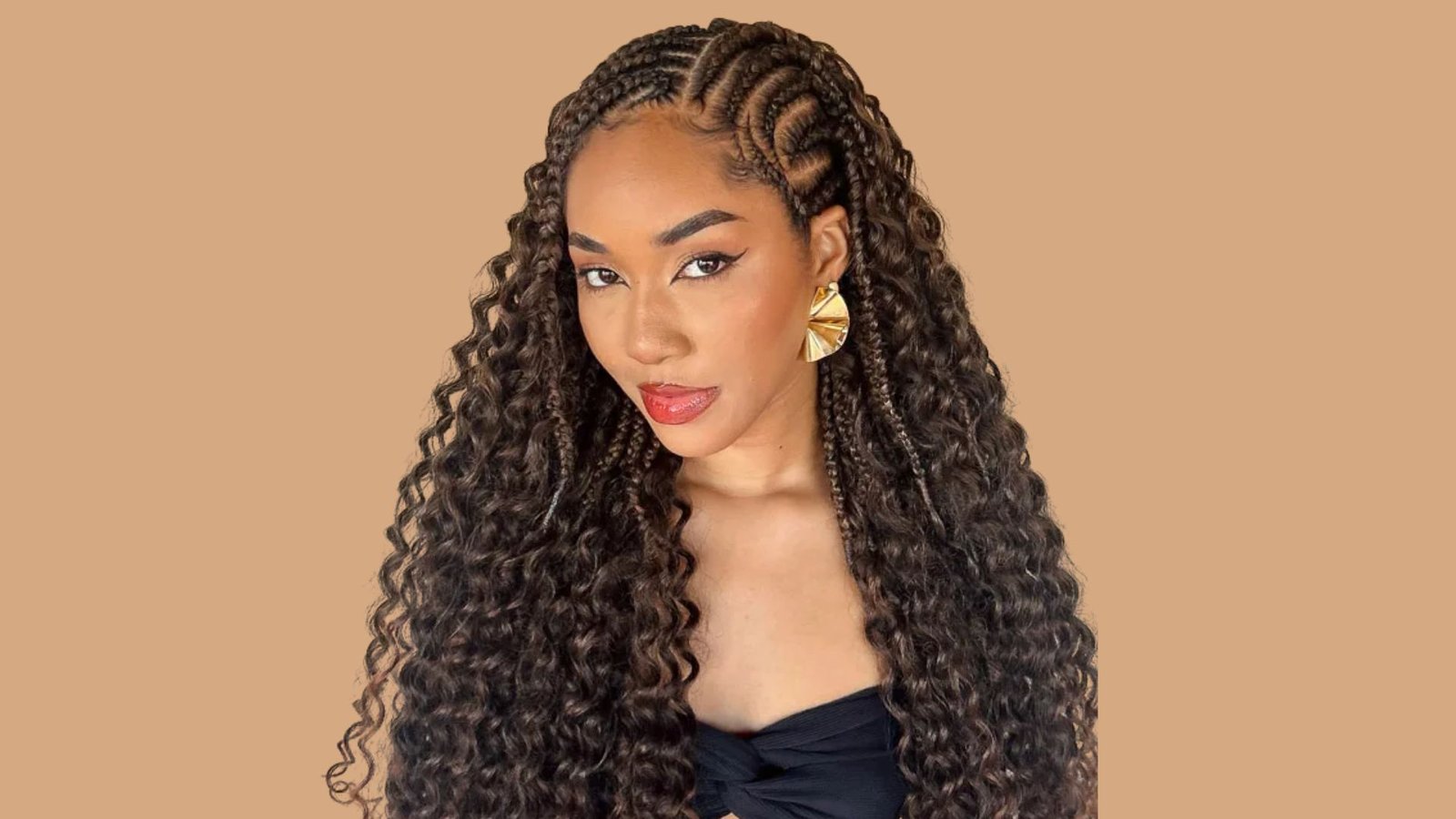
The signature center cornrow running down your scalp defines this style. Cornrows sit flat in the front, while individual braids hang loose in the back.
- Tight cornrows along the front and sides
- Loose braids flowing from the back
- Face-framing braids at the temples
- Beaded or wrapped hairline details
This mix of tight and loose creates that classic Fulani look.
Common Fulani Braid Styles
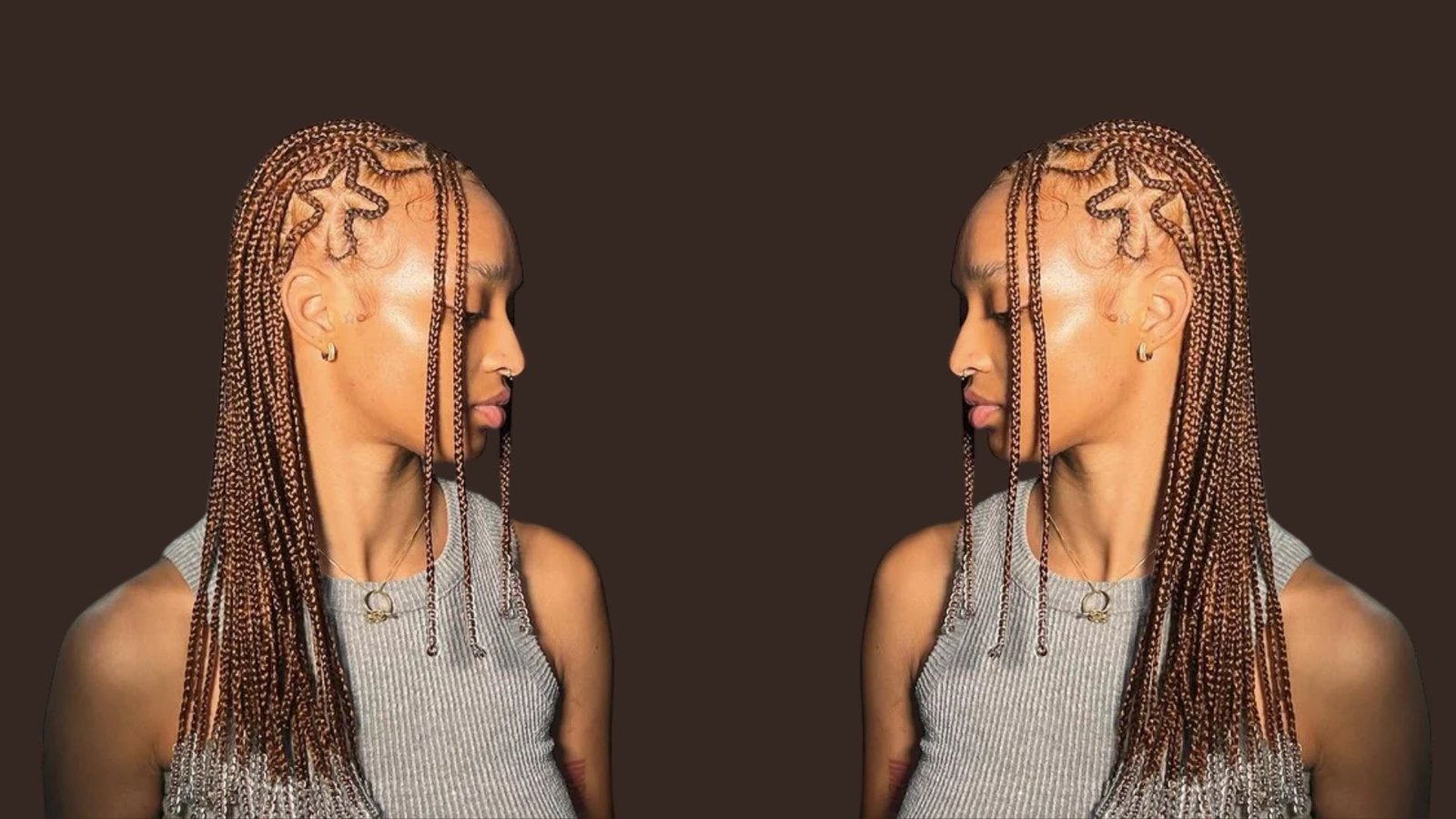
You can customize Fulani braids while keeping the cultural essence. Classic styles use beads and follow traditional patterns.
- Classic with colorful beads
- Side-swept lemonade style
- Goddess Fulani with curly ends
- High ponytails or low buns
- Half-up, half-down styles
Each keeps those center cornrows. You’re just styling the rest differently.
Typical Sizes, Lengths, and Accessories
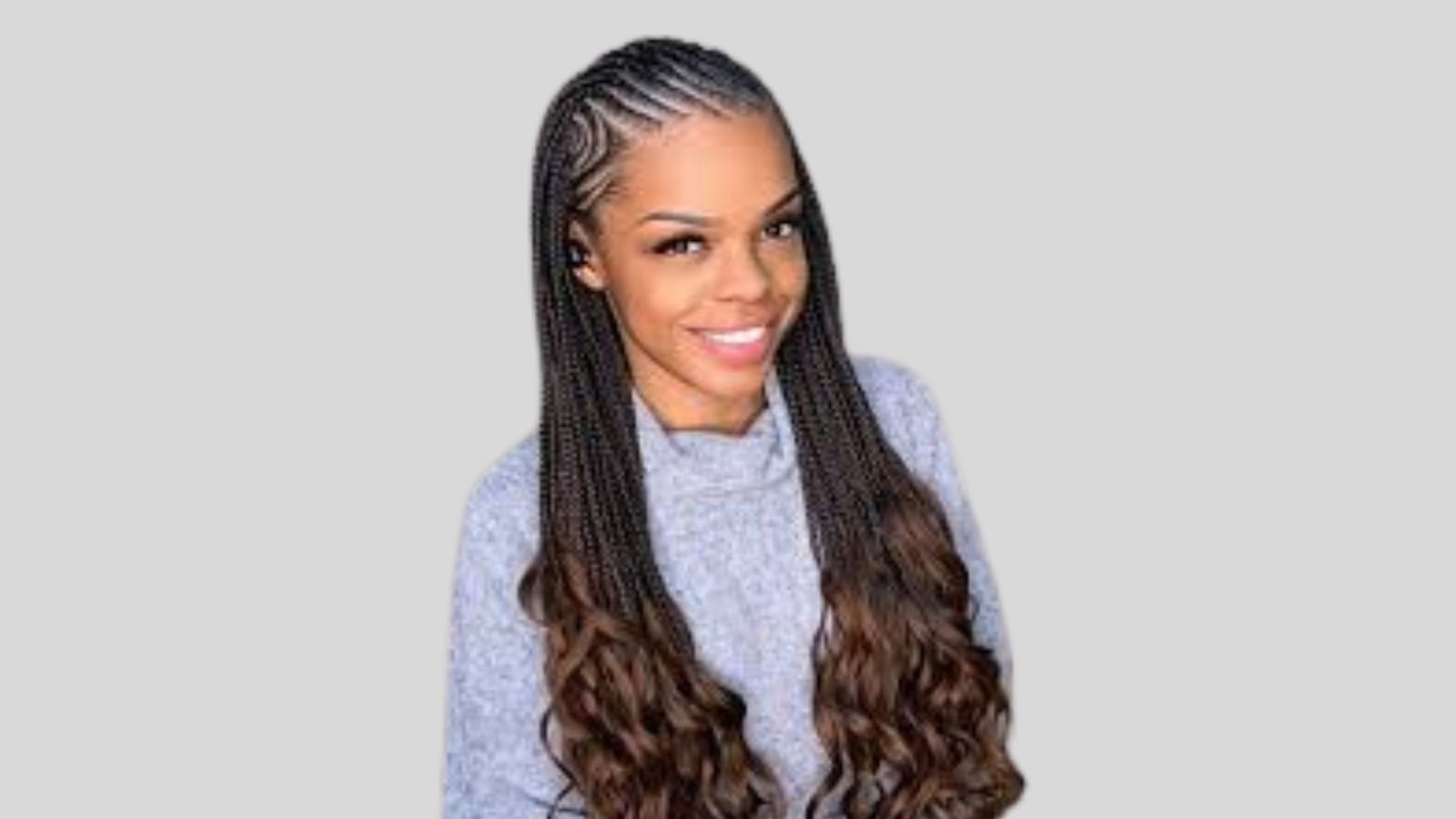
Fulani braids come in small, medium, or chunky sizes. Small braids look refined. Chunky braids make bold statements. Choose shoulder-length, mid-back, or waist-length.
- Colorful beads
- Cowrie shells
- Metal cuffs
- Decorative threads
Go minimal or load up, it’s your choice. Accessories make Fulani braids truly different.
What Are Tribal Braids?
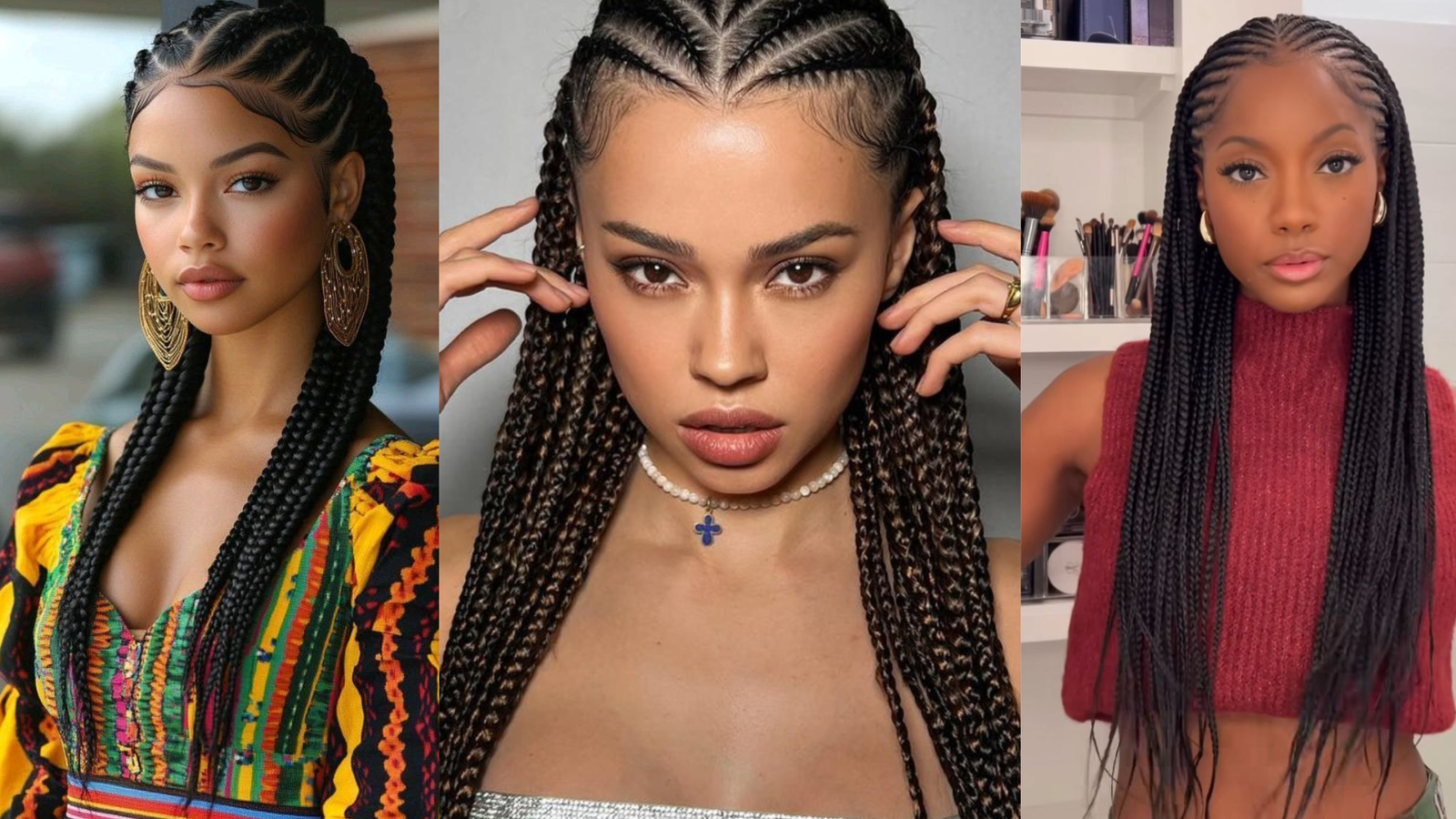
Tribal braids are versatile protective braids inspired by African traditions. Unlike Fulani braids, they don’t follow one set pattern. You get creative freedom with designs.
Origins and Cultural Meaning of Tribal Braids
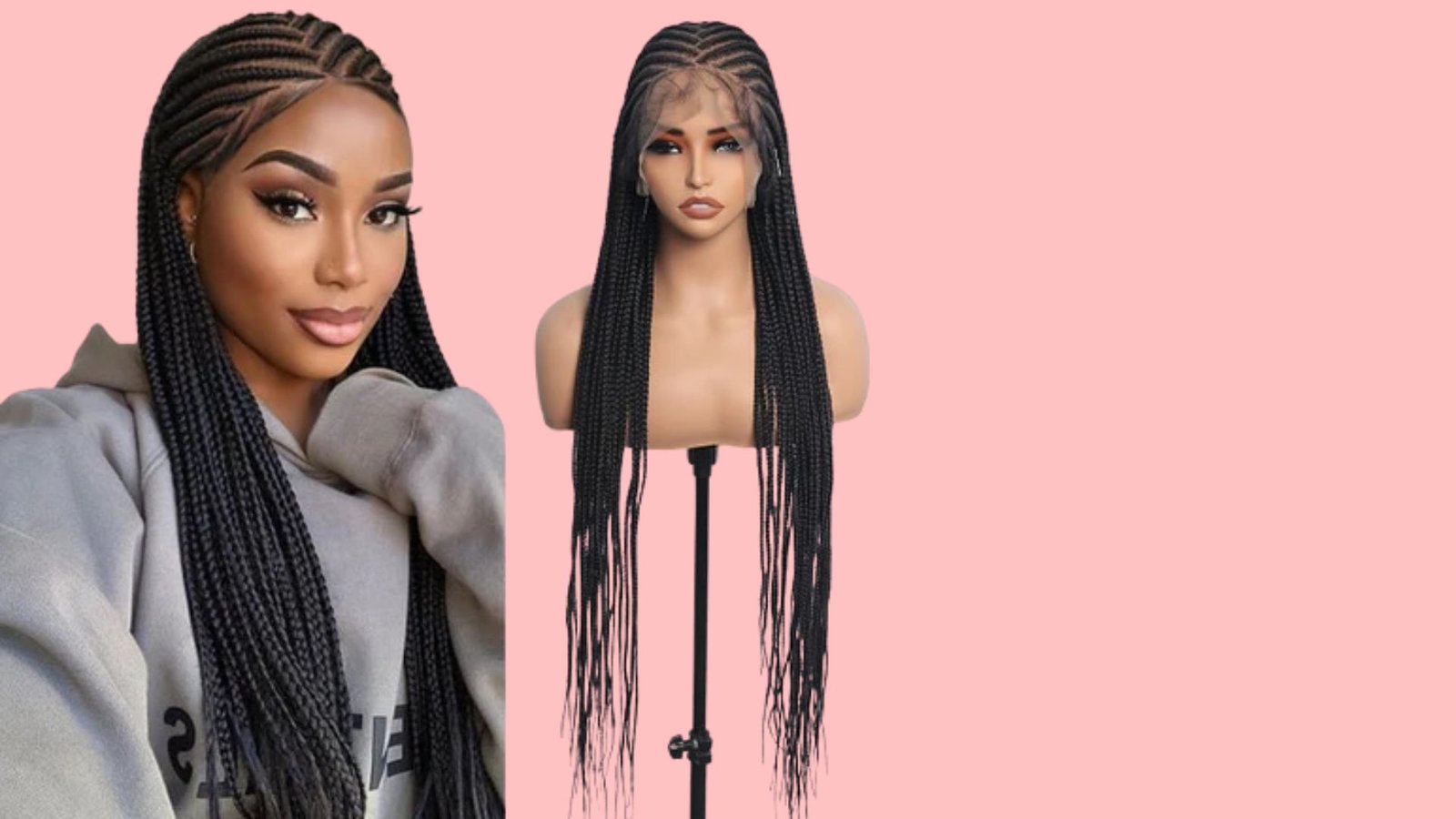
Tribal braids come from multiple African tribes, each with different styles. These patterns aren’t tied to one specific culture.
Historically, braids showed your tribe, age, and status. Today’s tribal braids honor these traditions while letting you express yourself.
Defining Features of Tribal Braids

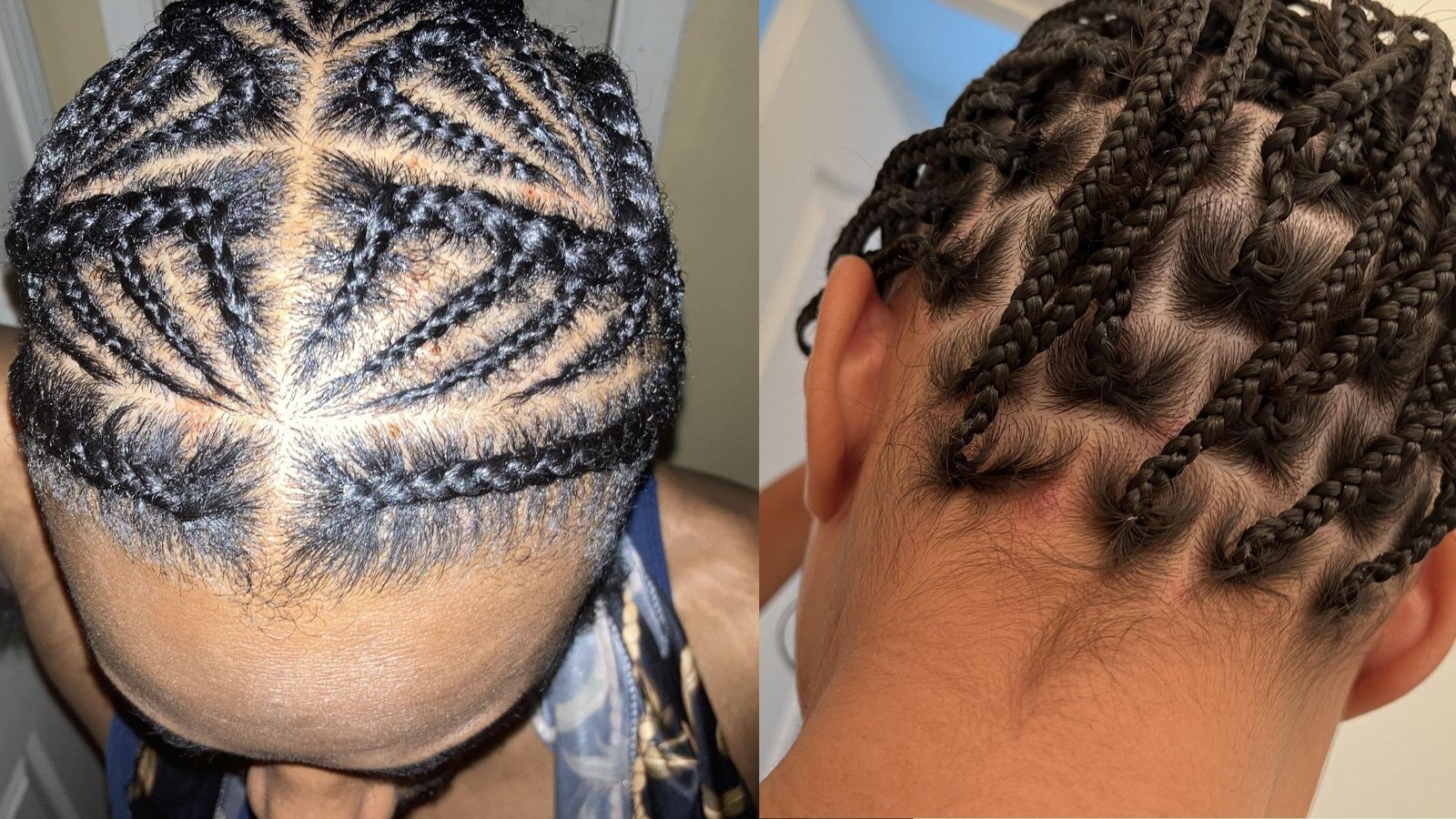
Artistic scalp patterns define tribal braids. You’ll see geometric designs, creative parting, and intricate details.
Key features:
- Geometric parting patterns
- Thinner, refined braids
- Custom creative designs
- No fixed pattern to follow
Your braider creates art on your scalp. Each style looks different, that’s the point.
Popular Tribal Braid Styles

Tribal braids adapt to your taste. Keep them simple or go bold.
Popular styles:
- Classic with beads
- Heart-shaped patterns
- Side-swept lemonade style
- Bohemian with curly ends
- Layered for volume
Mix patterns and accessories to create your different look.
Difference Between Fulani and Tribal Braids (Side-by-Side Comparison)
Now let’s break down the key differences. I’ll compare these styles side-by-side so you can see exactly what sets them apart. This makes choosing your next protective style much easier.
Differences in Origin and Cultural Identity
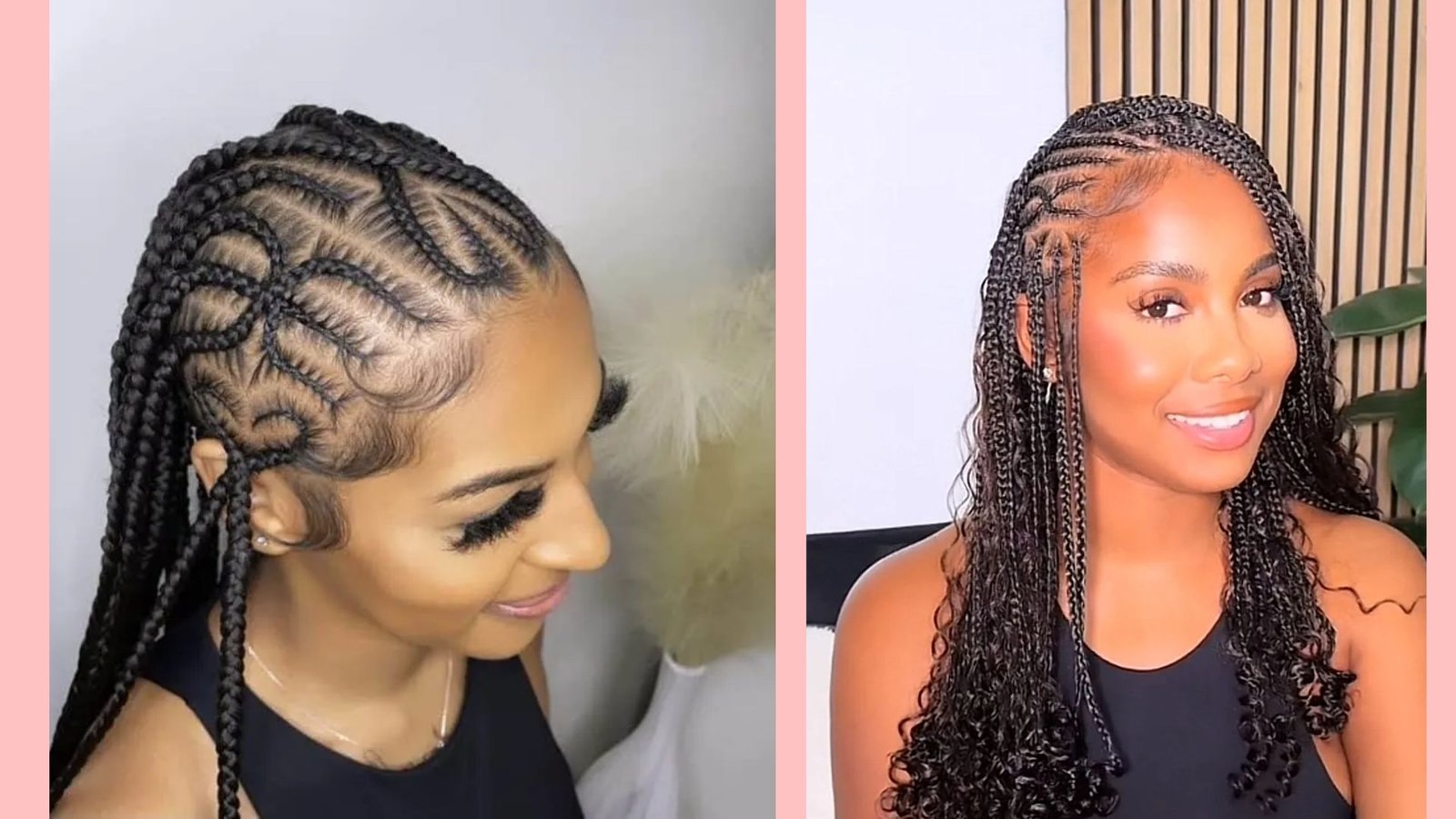
The cultural roots are different. Fulani braids belong specifically to the Fulani people. Tribal braids draw inspiration from many African tribes and communities.
|
Aspect |
Fulani Braids |
Tribal Braids |
|
Cultural Origin |
Fulani (Fula) ethnic group of West/East Africa |
Multiple African tribes and indigenous traditions |
|
Cultural Specificity |
Tied to specific heritage and identity |
Represents the broader African braiding culture |
Differences in Braiding Technique
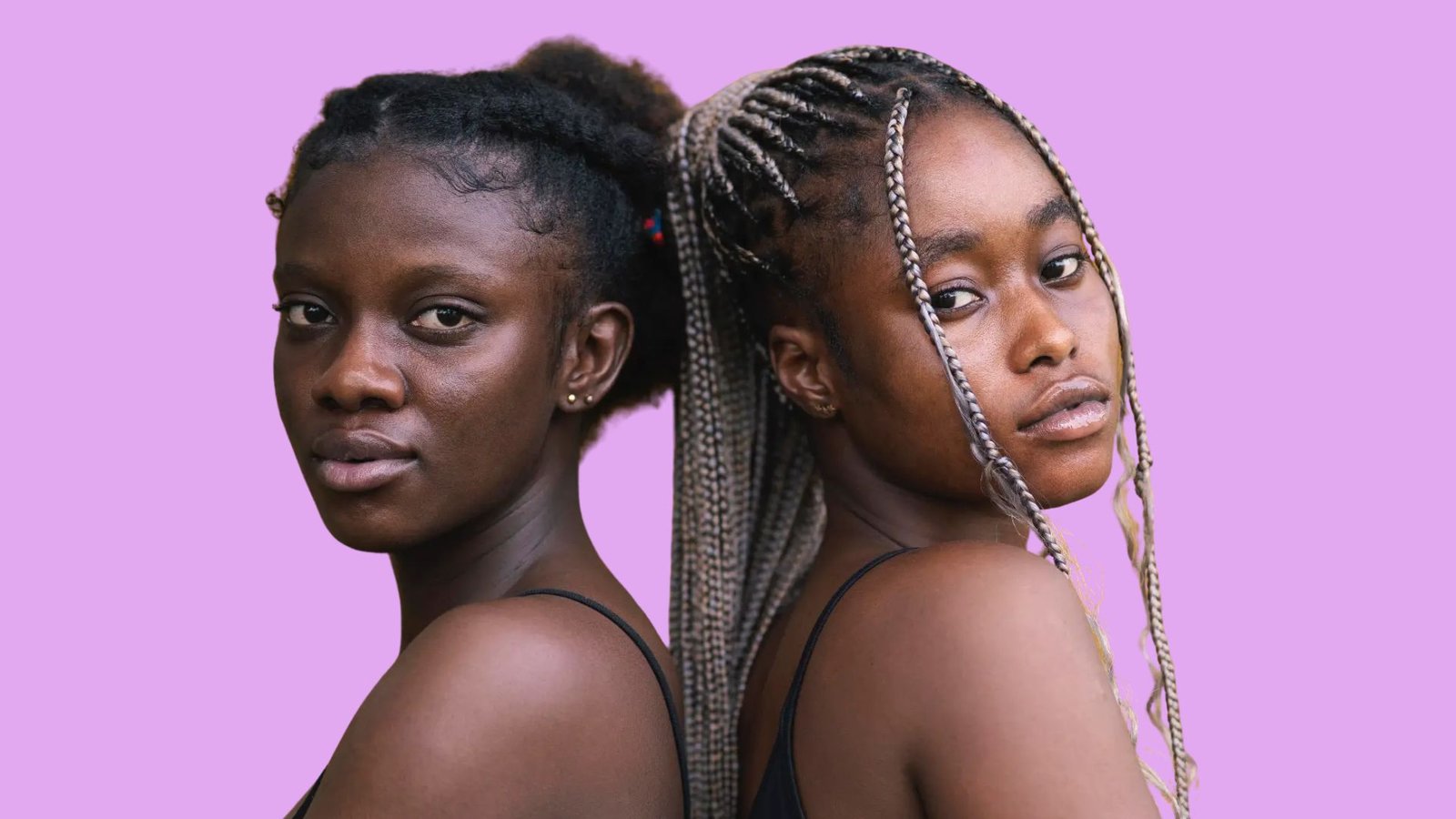
The installation methods differ significantly. Fulani braids follow a structured approach with that signature center cornrow. Tribal braids give your braider artistic freedom.
|
Aspect |
Fulani Braids |
Tribal Braids |
|
Structure |
Cornrows in front + loose braids in back |
Flexible patterns throughout |
|
Pattern |
Recognizable signature layout |
Custom geometric designs |
|
Technique |
Follows traditional format |
Creative parting and layouts |
Fulani braids have rules, Tribal braids let you break them.
Differences in Thickness and Appearance

Size makes a visual impact. Fulani braids are typically thicker and bolder. Tribal braids lean toward thinner, more refined work.
|
Aspect |
Fulani Braids |
Tribal Braids |
|
Thickness |
Medium to thick braids |
Thin to medium braids |
|
Overall Look |
Bold and dramatic |
Intricate and detailed |
|
Scalp Work |
Less visible parting |
Geometric parting as art |
Choose based on the vibe you want. Bold statement or intricate beauty?
Styling and Versatility Differences
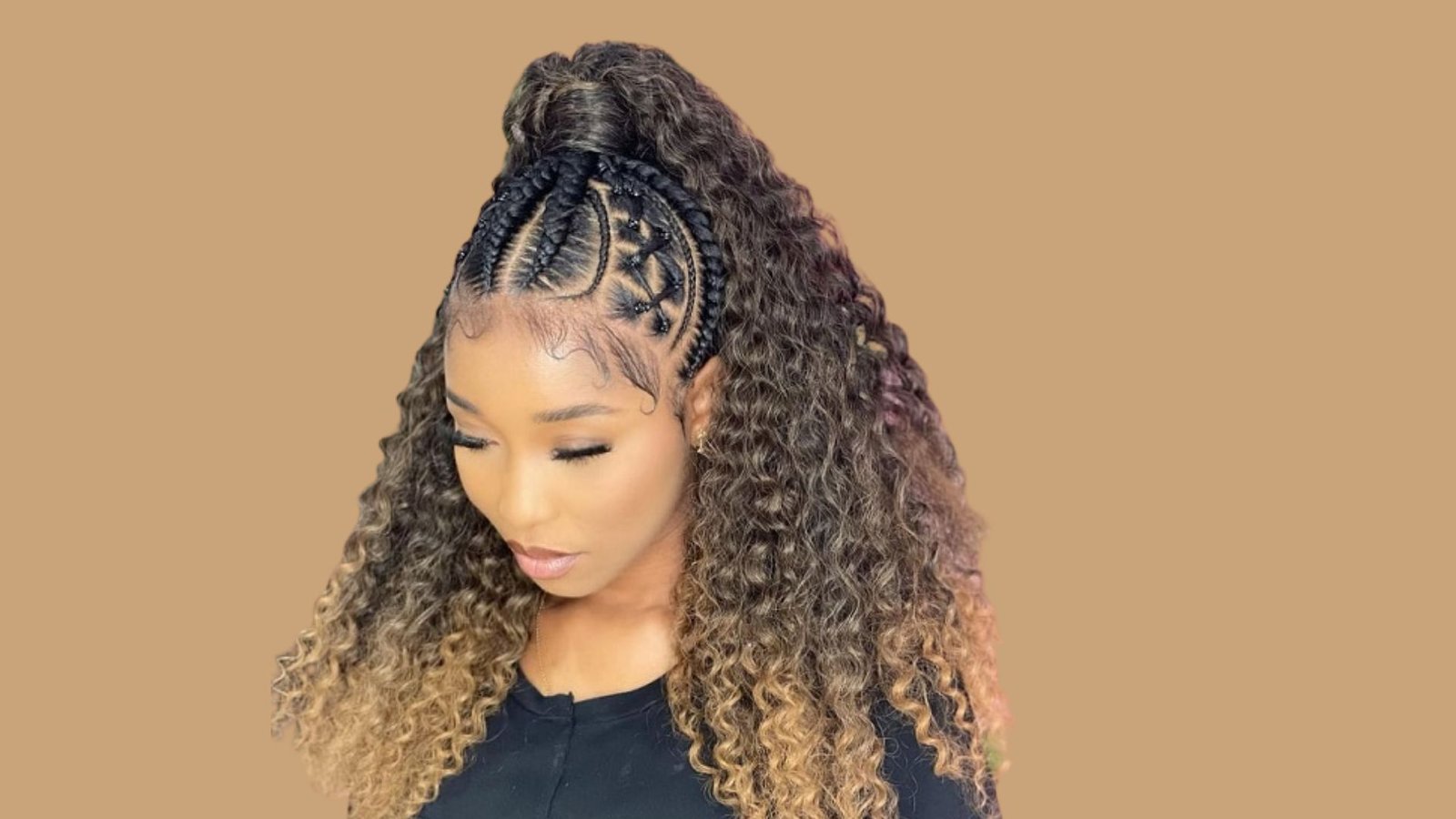
Both styles are versatile, but in different ways. Fulani braids offer variations on a classic theme. Tribal braids prioritize completely custom designs.
|
Aspect |
Fulani Braids |
Tribal Braids |
|
Styling Approach |
Signature look with variations |
Unlimited creative options |
|
Customization |
Modify accessories and length |
Change patterns and designs |
|
Recognition |
Instantly recognizable style |
different for each person |
Fulani braids say “classic with a twist.” Tribal braids say “one-of-a-kind.”
Pros and Cons of Fulani vs Tribal Braids
Here’s everything you need to know in one quick comparison.
|
Aspect |
Fulani Braids |
Tribal Braids |
|
Pros |
Timeless look, low maintenance, protects hair, culturally significant |
Creative freedom, custom patterns, versatile sizing, and protects hair |
|
Cons |
Tight cornrows cause tension, 4-6 hour install, heavy beads |
Intricate parting creates tension, 3-5 hour install, weight from beads |
|
Best For |
Classic, recognizable style |
different, personalized designs |
Both styles protect your natural hair well. Your choice depends on whether you want a traditional signature look or creative freedom.
Maintenance and Longevity Comparison
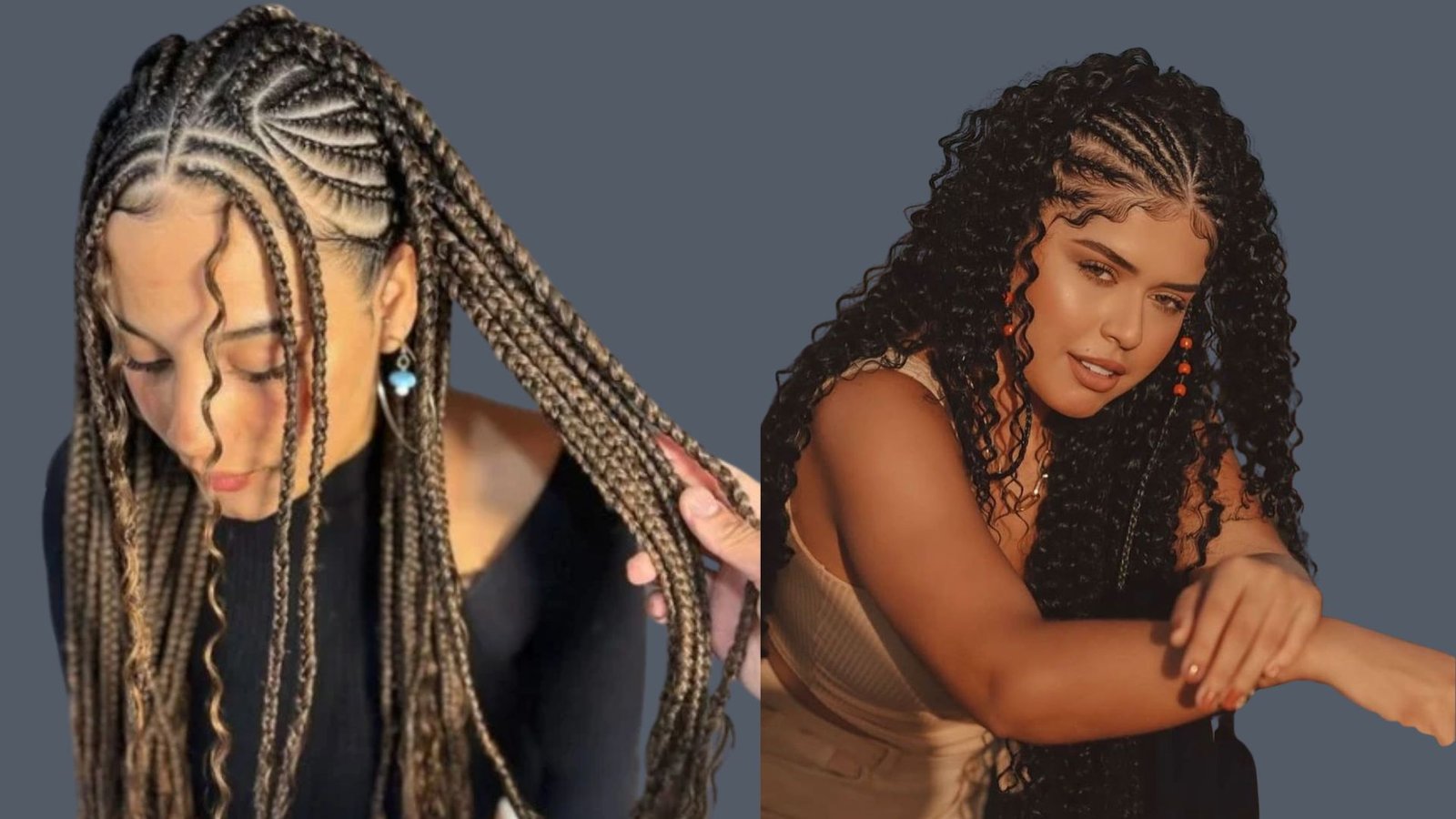
How long will your braids last? That depends on the style you choose and how well you care for them. Both Fulani and tribal braids need proper maintenance to look fresh and protect your hair.
How Long Fulani Braids Last
Fulani braids typically last 4-6 weeks. The tight cornrows in front hold longer than loose braids. Your edges might get fuzzy first, but the overall style stays intact.
You can push them to 8 weeks if you’re gentle with your hair. But I recommend taking them down around 6 weeks to avoid matting and breakage.
Listen to your hair, if it starts feeling tangled or your scalp itches constantly, it’s time to remove them.
How Long Tribal Braids Last
Tribal braids last anywhere from 2-8 weeks. The lifespan depends on braid size and your maintenance routine. Thicker tribal braids last longer than super-thin ones.
Factors that affect longevity:
- Braid thickness (thicker = longer lasting)
- Your hair texture and growth rate
- How active your lifestyle is
- Quality of installation
Smaller, intricate tribal braids may frizz faster at the roots. Medium-sized tribal braids hit the sweet spot between detail and durability, usually lasting 4-6 weeks comfortably.
How to Choose Between Fulani and Tribal Braids?
Still not sure which style fits you? Let me help you decide. Your lifestyle, preferences, and hair goals should guide your choice.
- Iconic Look: Choose Fulani braids if you want that recognizable, timeless style with center cornrows and cultural significance.
- Creative Customization: Pick tribal braids if you love intricate geometric patterns and want a completely different design every time.
- Lifestyle Needs: Go for thicker braids if you’re active and need low maintenance, or choose thinner braids for special occasions.
- Scalp Sensitivity: If your edges are fragile, opt for tribal braids with less tension or ask for looser Fulani cornrows.
- Styling Goals: Want versatility? Both styles work in ponytails and buns, but tribal braids offer more pattern freedom.
Care Tips for Both Styles
Good maintenance extends your braid’s life. Both Fulani and tribal braids need the same basic care routine. Skip these steps, and your braids won’t last.
- Clean your scalp weekly with diluted shampoo or braid spray
- Moisturize your scalp with light oil (avoid heavy products)
- Wrap hair in a silk or satin scarf every night
- Don’t rebraid or pull on edges constantly
- Keep product buildup minimal
Your nighttime routine matters most. Cotton pillowcases cause frizz and dryness. Switch to satin or silk. This one change makes your braids last significantly longer and keeps them looking fresh.
Conclusion
Now you know the difference between Fulani and Tribal braids. Fulani braids feature those signature center cornrows with loose braids on the sides, often decorated with beads and cowrie shells. Tribal braids are thicker, chunkier, and styled in various creative patterns without a specific traditional format.
Both styles protect your hair well. Your choice comes down to personal preference, the look you want, and how much time you have for installation. Fulani braids take longer but offer that classic, ornate style. Tribal braids are quicker and give you bold, versatile looks.
Ready to book your appointment? Share this guide with your braider so you’re both on the same page. Drop a comment below if you have questions about either style. I’d love to hear which one you’re trying first.
Frequently asked questions
What is the main difference between Fulani and Tribal braids?
Fulani braids feature a distinctive pattern with thin cornrows down the center and looser braids on the sides, often decorated with beads. Tribal braids are thicker, chunkier braids styled in various creative patterns without following a specific traditional design. Fulani braids have cultural significance, while tribal braids offer more styling freedom.
Which lasts longer, Fulani or Tribal braids?
Both styles typically last 4-6 weeks with proper care. Fulani braids may last slightly longer because the cornrows are tighter and more secure. Tribal braids can loosen faster due to their thickness and weight. Your maintenance routine matters more than the style itself for longevity.
Are Fulani braids harder to install than Tribal braids?
Yes, Fulani braids take longer to install, usually 4-6 hours, because they require precise cornrowing and detailed patterns. Tribal braids are quicker, taking 2-4 hours since they’re larger and don’t need the intricate cornrow work. The complexity of Fulani braids often costs more too.
Can I do Fulani or Tribal braids on short hair?
Tribal braids work better on shorter hair because you can add extensions easily. Fulani braids typically need at least 3-4 inches of natural hair for the cornrows to grip properly. If your hair is very short, consider tribal braids or adding more extension length.
Which style is better for beginners, Fulani or Tribal braids?
Tribal braids are more beginner-friendly for maintenance and styling. They’re simpler to care for and easier to redo at home if needed. Fulani braids require more careful maintenance around the cornrows and are trickier to refresh yourself. Start with tribal braids if you’re new to protective styling.