







Yes, you absolutely can wash dreads. In fact, you should. Clean locs are healthy locs, but many people get confused about the right way to do it.
This blog breaks down everything about washing dreadlocks. You’ll learn how often to wash them, which products won’t leave buildup, and the exact techniques that keep your locs fresh without loosening. I’ll also clear up common myths that might be holding you back from proper care.
I’ve maintained my own locs for years and helped dozens of clients care for theirs. Clean scalp equals strong locs. The advice here comes from real experience, not internet rumors. You’ll get straightforward washing schedules, product recommendations that actually work, and tips for different loc stages. Whether your locs are one month old or ten years old, you’ll know exactly how to keep them clean and thriving.
Can You Wash Dreads? Clearing the Biggest Myth

Let me tell you something straight. You absolutely should wash your dreads. I know you’ve heard otherwise. Maybe someone told you that washing will make your dreads fall apart. That’s false. Dead wrong, actually.
Here’s what happens when you don’t wash your dreads:
- Your scalp gets itchy and irritated
- Buildup traps dirt, sweat, and dead skin
- Your hair starts to smell (and not in a good way)
- You risk scalp infections and dandruff
- Your dreads get weak from all that gunk
Clean dreads are strong dreads. Dirty hair is greasy and slippery. It doesn’t lock well. When you wash your dreads regularly, you remove the oils and buildup. This lets the hair grip itself better. Your dreads actually tighten faster when they’re clean.
Why Washing Dreads Is Important for Healthy Locs
Your locs need water just like the rest of your hair. I’m going to break down exactly why washing matters. You might think skipping wash day saves time. It doesn’t. It creates problems.
- Scalp Health: Sweat, dirt, and lint don’t just sit on your locs, as they burrow deep inside and refuse to leave. When you ignore this buildup, your scalp fights back with itching, dandruff, and odor.
- Natural Locking: Clean hair actually forms tighter, stronger locs because the strands can grip each other without slippery residue. Dirty, oily hair slides around and won’t hold, while clean hair has the texture it needs to mat properly.
- Long-term Strength: Buildup weakens your locs from the inside out, making them brittle and prone to breakage over time. Washing keeps your locs flexible and allows moisture to reach your hair, so they stay healthy for years instead of falling apart.
How to Wash Dreads Properly (Step-by-Step Guide)
Washing dreads isn’t complicated. But you need to follow the right steps. I’m going to walk you through the exact process I use. No guessing. No confusion.
Step 1: Choose the Right Shampoo

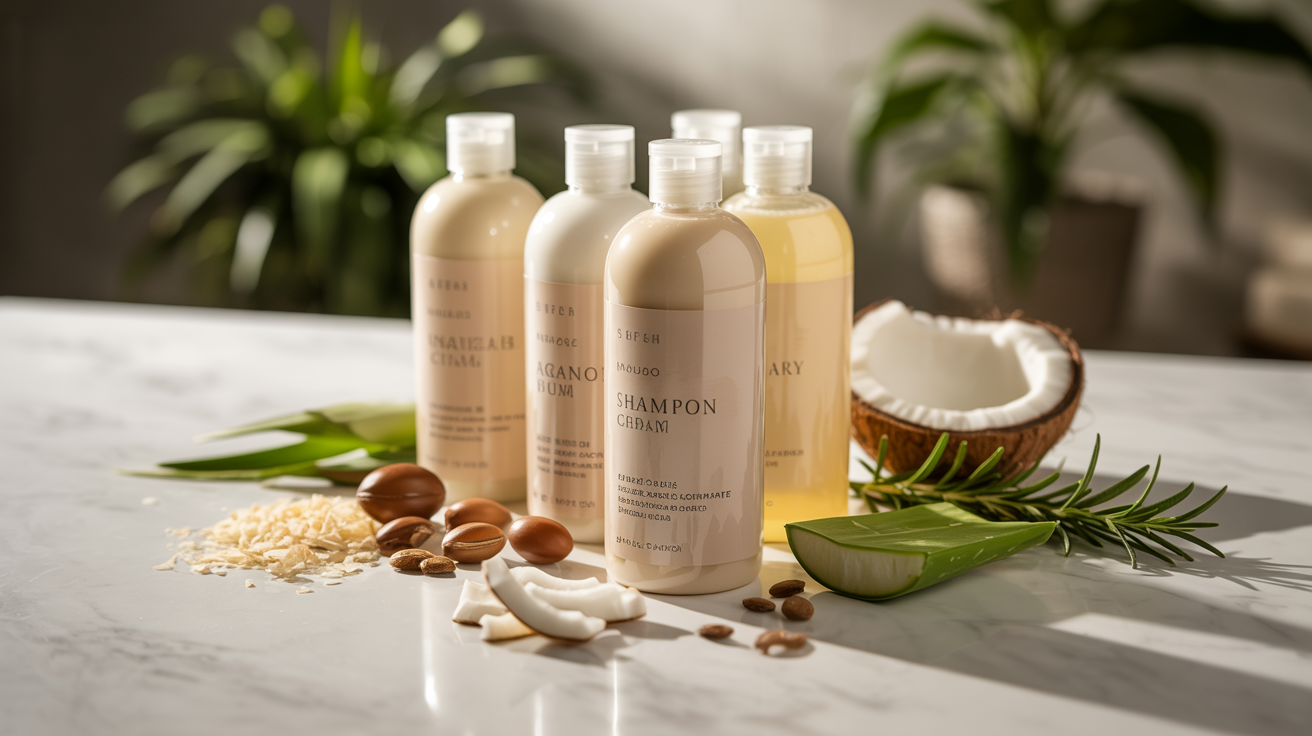
Your shampoo choice makes or breaks your wash day. Residue-free shampoos are the only option. Regular shampoos leave a coating on your locs that never fully rinses out. Look for shampoos that dissolve completely in water. Stay away from sulfates, silicones, heavy oils, waxes, and PEGs, as these create buildup that traps dirt inside your dreads.
Water-soluble means it washes out clean. That’s what you want. Nothing left behind. Your locs need to breathe and lock properly without residue getting in the way.
Step 2: Focus on the Scalp
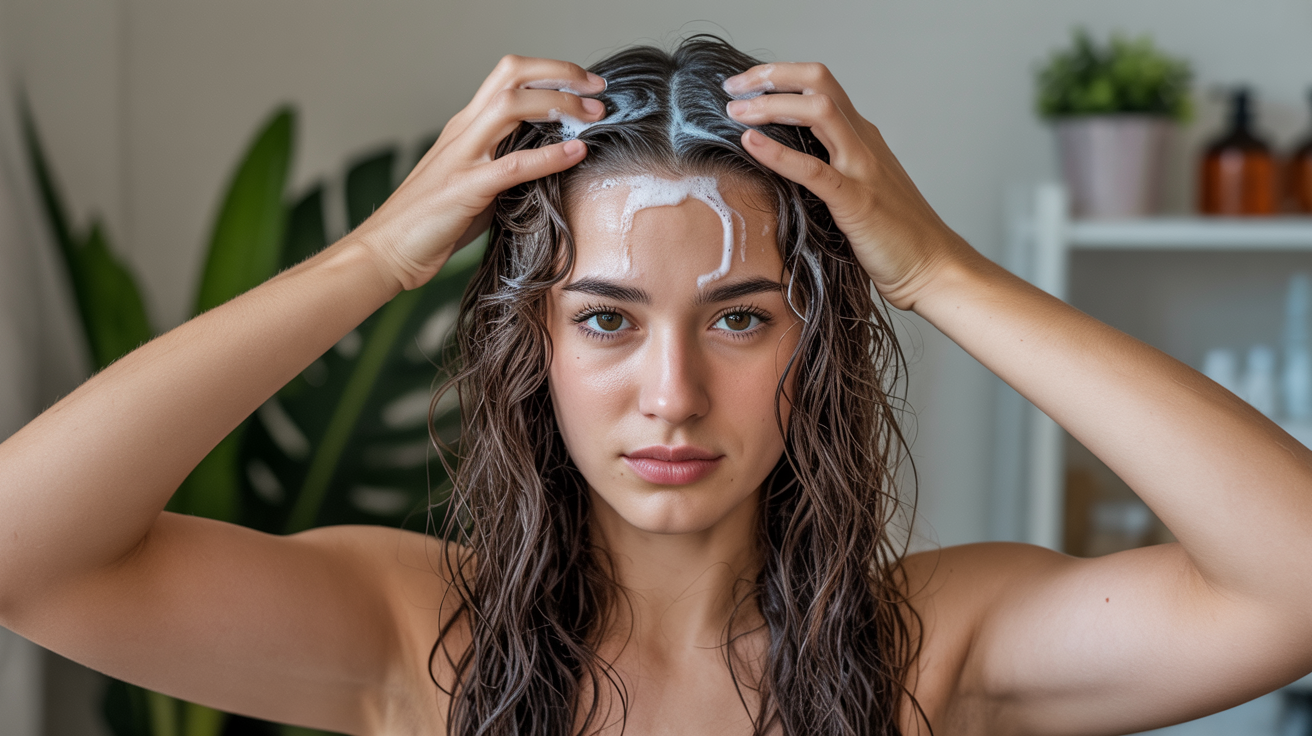
Here’s where most people mess up. They pour shampoo on their locs and call it done. Wrong approach. Your scalp is what needs cleaning. Squirt the shampoo directly onto your scalp and work it in with your fingertips. Use gentle circular motions between your locs.
Don’t scrub too hard. Be firm but kind. The massage loosens everything trapped at the roots. Let the shampoo sit for a minute before rinsing. Your scalp will thank you later.
Step 3: Rinse Thoroughly

This step takes longer than you think. I mean it. Rinse until you think you’re done, then rinse some more. Shampoo trapped inside your locs creates buildup worse than not washing at all. Run water through your dreads for several minutes.
Keep rinsing until the water runs completely clear. Squeeze each loc gently to push water through. Your locs should feel clean, not slick. If they’re slippery, there’s still soap inside. Don’t rush this step.
Step 4: Conditioning Dreads Safely
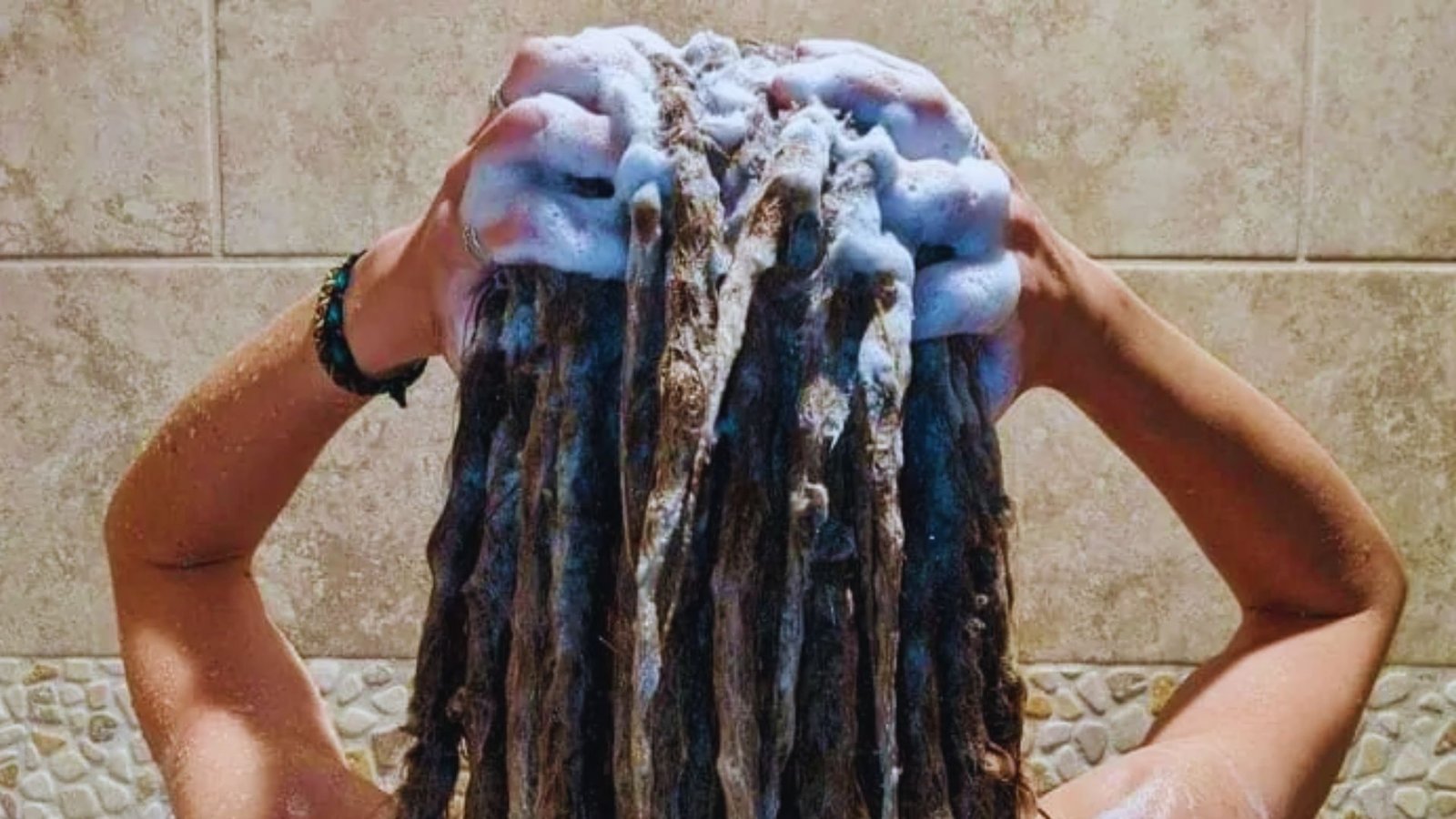
Conditioner is optional for dreads. If you use it, less is more. Light conditioners only. Apply a small amount to your scalp and the first inch of your locs. Avoid the middle and ends completely. Leave it on for two minutes maximum.
Any longer and your locs start to fluff up and loosen. Rinse the conditioner out just as thoroughly as the shampoo. No shortcuts here. Leftover conditioner makes your dreads slippery and weak.
Step 5: Dry Your Dreads Completely

Wet dreads are heavy and vulnerable. They can develop mildew if you leave them damp. Drying isn’t optional, as it’s necessary. Start by squeezing excess water out with a microfiber towel. Don’t rub your locs. Pat and squeeze instead.
Air drying works, but it takes forever. A blow dryer on medium heat speeds things up safely. Lift each section and direct airflow at the roots and between locs. Your dreads should be completely dry before bed. Touch the base of each loc near your scalp. If it feels cool or damp, keep drying.
How Often Can You Wash Dreads?
The answer depends on where you are in your loc experience. New locs need different care than mature ones. I’m going to break down the washing schedule for each stage. Your hair’s texture and lifestyle matter too.
Washing Frequency for Starter Locs
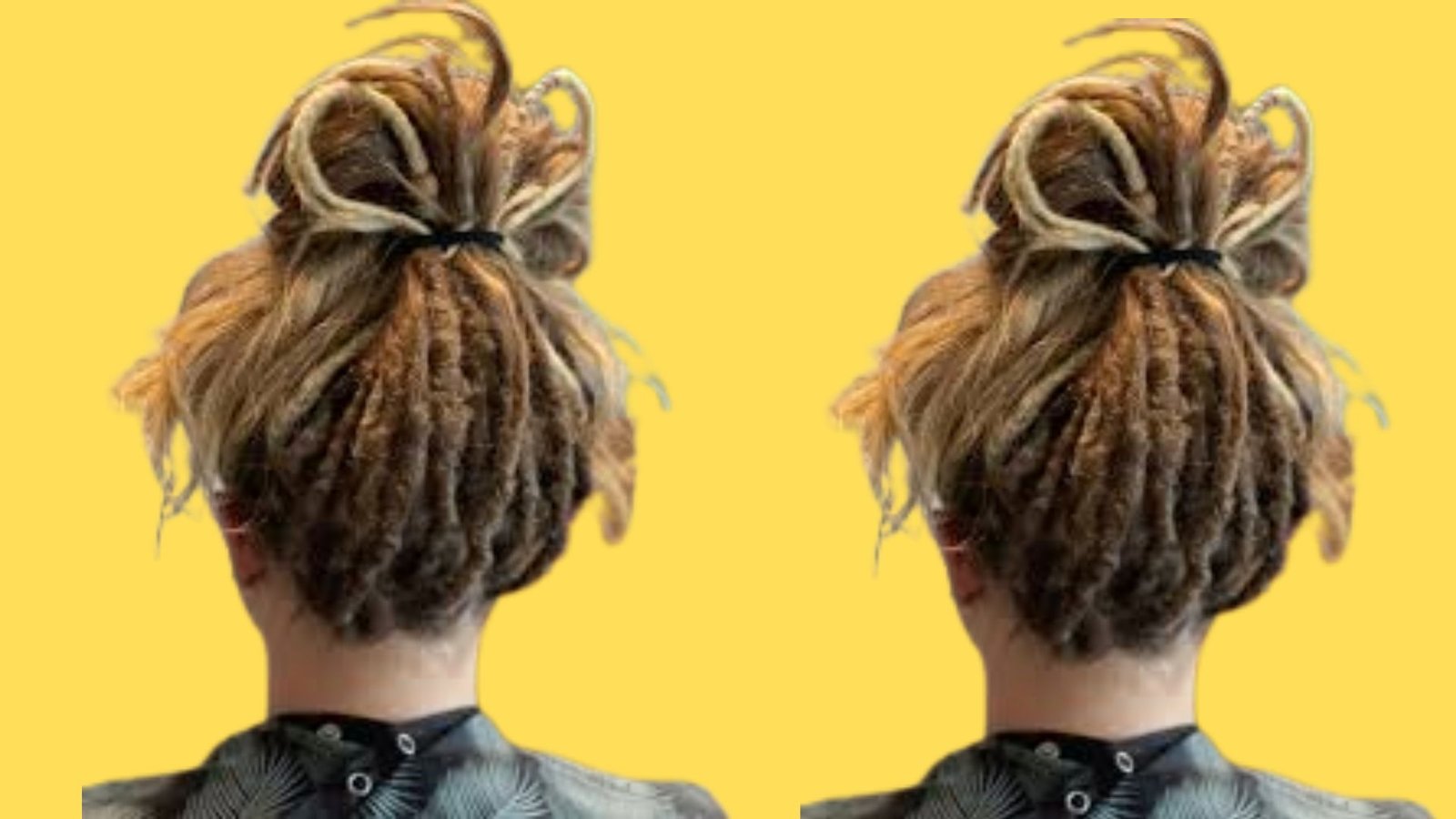
Baby locs are fragile. They’re still learning how to be dreads. Wait 1 to 2 weeks before your first wash. I know your scalp might itch during this time. Push through it. Your locs need time to start forming without water loosening them up.
When you do wash, dilute your shampoo with water first. Focus only on your scalp. Don’t touch the length of your locs if you can help it. Some people use the stocking-cap method, pulling a nylon stocking over their locs before washing. This protects them from loosening while you clean your scalp. Your starter locs need protection, not disruption.
Washing Semi-Mature Locs
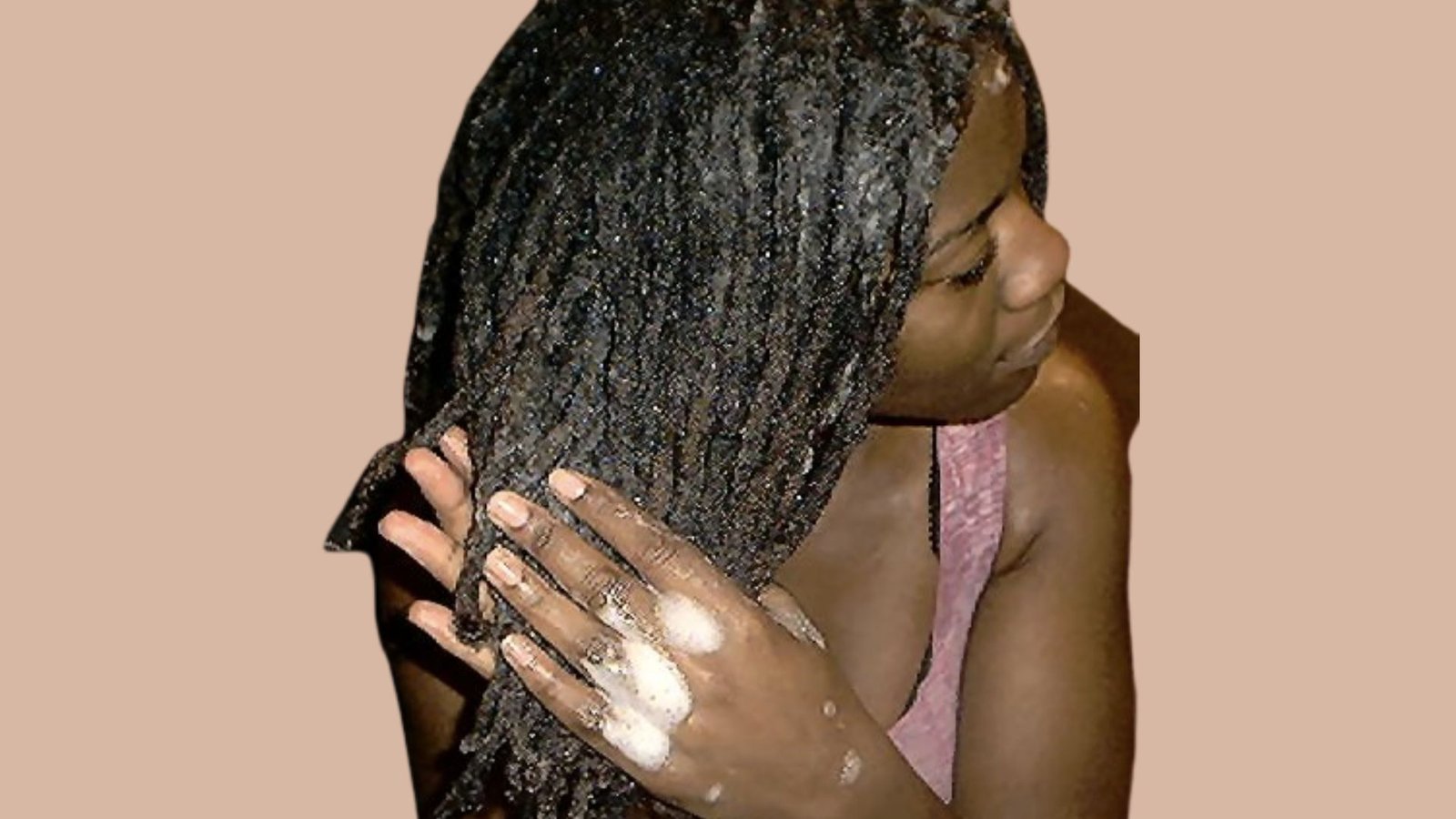
Your locs are tightening but not fully locked yet. This stage is tricky. Wash every 3 weeks to 1 month. Your hair texture changes this time. Coarse hair locks faster and can handle more washing. Fine hair needs more time between washes.
Less frequent washing during this stage helps your locs set properly. They’re still figuring out their structure. Too much water can slow down the locking process. Give them space to mature. If your scalp gets really itchy before wash day, use a dry shampoo or scalp spray to hold you over.
Washing Fully Mature Dreads

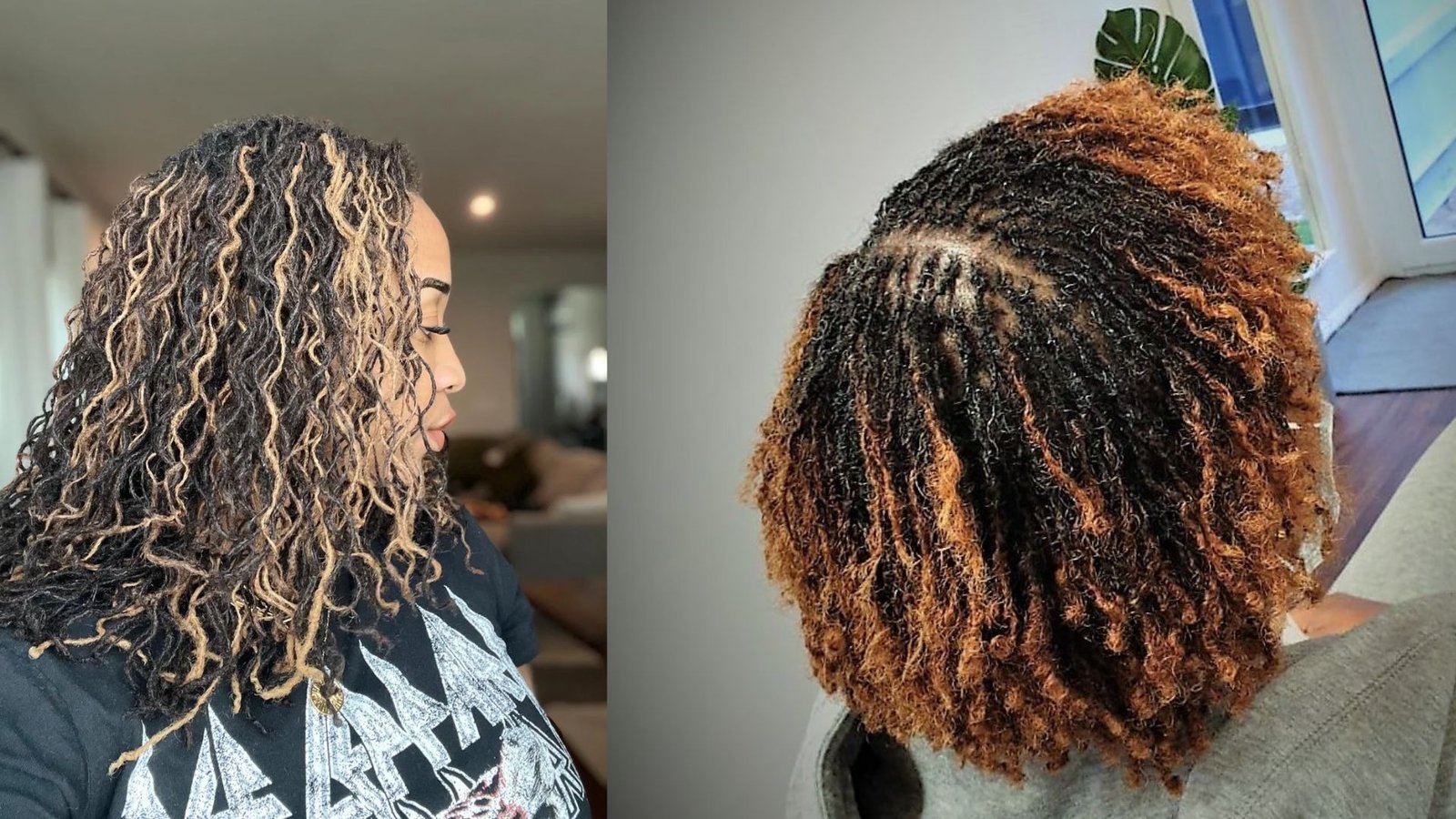
Your locs are solid now. They won’t fall apart easily. You can wash every 1 to 2 weeks safely. Mature dreads handle water without problems. They’re locked in and ready for regular maintenance.
Active lifestyle? Gym sessions that leave you drenched? Weekly washing makes sense for you. Sweat and dirt build up fast when you’re moving. Your scalp needs that weekly reset. People with desk jobs can stretch to 2 weeks between washes without issues. Listen to your scalp, it tells you when it needs cleaning.
Common Mistakes to Avoid When Washing Dreads
Washing your dreads sounds simple. But there are ways to mess it up. I’ve seen people damage their locs without even realizing it. Let me help you avoid these common traps.
- Regular Shampoos: Most shampoos leave a waxy film on your locs that never comes out. This residue blocks your hair from locking and creates buildup that’s almost impossible to remove.
- Too Much Conditioner: Heavy conditioners coat your locs and make them slippery, which stops them from tightening. Your dreads need friction to lock, not a slick surface that lets strands slide apart.
- Skipping the Dry: Wet locs that stay damp breed mildew and mold inside, where you can’t see it. The smell hits you days later, and by then the damage is already done.
- Excessive Washing Early: Baby locs are still forming and need time to settle, so washing them every day pulls them apart. Give them space to develop before you introduce too much water.
- Wrong Water Temperature: Scalding hot water opens your hair cuticles too much and makes locs frizzy, while ice-cold water doesn’t clean properly. Lukewarm water is your sweet spot for clean, healthy dreads.
Tips for Post-Wash Dread Maintenance
The work doesn’t stop when you step out of the shower. What you do after washing matters just as much. I’m going to show you how to keep your locs looking tight and healthy between wash days.
- Palm Rolling: Roll your damp locs between your palms while they’re still wet to smooth down frizz and encourage tightening. You can add a light gel or tightening spray if you want, but it’s not required for this to work.
- Morning Refresh: Spray your locs with a light mist of water mixed with necessary oils like tea tree or peppermint to wake them up. This keeps them moisturized and smelling fresh without weighing them down or leaving residue.
- Night Protection: Wrap your locs in a silk or satin scarf before bed to prevent frizz and lint buildup from cotton pillowcases. This simple step saves you hours of maintenance work and keeps your locs looking clean longer.
Conclusion
Can you wash dreads? Absolutely! In fact, keeping your locs clean is necessary for healthy growth and maintenance. With the right products, techniques, and washing schedule, you’ll enjoy fresh, strong dreads that look and feel great.
You now know the secrets to proper loc care, from choosing residue-free shampoos to ensuring they dry completely. These straightforward practices will keep your dreads thriving for years to come, without the myths and confusion holding you back.
Time to embrace clean, healthy locs with confidence! Have a favorite washing routine or product recommendation? Drop it in the comments below, your fellow loc wearers will appreciate it. And if this cleared up your questions, share it with someone who’s still wondering about dread care. Happy washing!
Frequently Asked Questions
How often should you wash dreadlocks?
Wash your dreadlocks every 3-7 days, depending on your lifestyle and scalp type. Active individuals or those with oily scalps may need more frequent washing. New locs require less frequent washing (once a week) to allow proper locking, while mature dreads can handle more regular cleansing.
What type of shampoo is best for dreads?
Use residue-free, sulfate-free shampoos specifically designed for dreadlocks. Avoid products with heavy conditioners, oils, or moisturizers that leave buildup. Look for clarifying shampoos or natural options like Dr. Bronner’s castile soap. Clear or transparent shampoos typically rinse cleaner than creamy formulas.
Can washing dreadlocks cause them to loosen?
Washing won’t loosen properly maintained dreadlocks. In fact, regular washing helps locs tighten and mature faster. New dreads (under 3 months) may experience some loosening, but this is normal. Gentle washing techniques and avoiding excessive manipulation will keep your locs intact during the wash process.
How do you properly dry dreadlocks after washing?
Squeeze out excess water gently without twisting. Use a microfiber towel or a cotton t-shirt to absorb moisture. Air drying is best, but you can use a blow dryer on low heat. Ensure dreads dry completely within 24 hours to prevent mildew and odor. Never sleep on wet locs.
Should you use conditioner on dreadlocks?
Avoid traditional conditioners as they leave residue that prevents locking and attracts lint. If moisture is needed, use lightweight, water-based loc sprays or natural oils (like jojoba or coconut) sparingly on mature dreads only. Focus on keeping your scalp healthy rather than conditioning the locs themselves.