



Braid bumps hurt. They itch. They make you want to take your braids out way too early. I get it because I’ve dealt with them too.
This blog shows you how to stop braid bumps before they start. You’ll learn what causes those painful red bumps, how to prep your scalp the right way, and which products actually work.
I’m sharing methods that worked for me and thousands of others who love protective styles but hate the pain.
I’ve worn braids for years. I’ve tried everything from box braids to cornrows. The tips here come from real experience, not just theory.
You don’t need expensive products or complicated routines. Just proven techniques that keep your scalp healthy and bump-free. By the end, you’ll know exactly how to enjoy your braids without the discomfort.
What Are Braid Bumps?

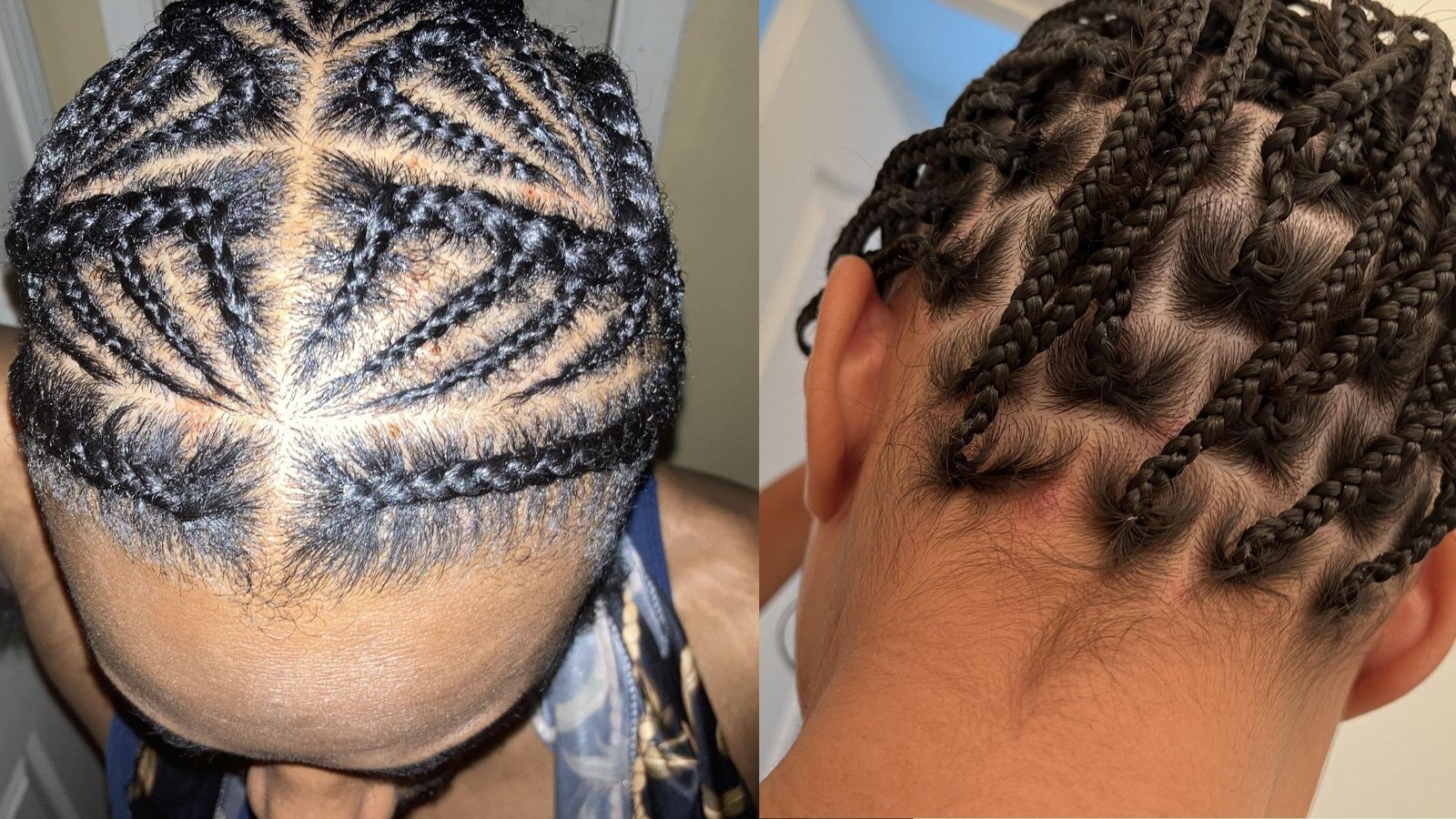
You got your braids done, and your scalp is covered in painful red bumps. They’re tender to touch. Maybe they itch. This isn’t just “braid pain”, these are braid bumps, and they’re more common than you think.
Braid bumps are inflamed hair follicles. The medical term is folliculitis. It happens when your follicles get irritated or infected from too much tension.
Not all bumps are the same. Minor irritation looks like small red spots. Actual infection means pus-filled bumps, intense pain, and spreading swelling. If you see pus or the bumps are spreading, see a doctor.
Personal Experiences with Braid Bumps
I’ve talked to dozens of people who’ve dealt with braid bumps.
Their stories are almost identical. The bumps show up fast, usually within 1 to 3 days after getting braids. And the discomfort? It’s real.
- Day 1-3: Small red bumps appear, mostly along the hairline or wherever the braids are tightest. Your scalp feels tender when you touch it or lie on a pillow.
- Itching: The urge to scratch is constant. But scratching makes the inflammation worse and can introduce bacteria.
- Swelling: The bumps get raised and puffy. Some people describe it as their scalp feeling “angry” or hot to the touch.
- Pus formation: In severe cases, white or yellow pustules develop. This means infection has set in, and you need treatment fast.
- Hairline damage: When left untreated, braid bumps can weaken your edges. People notice thinning hair at the temples or receding hairlines after repeated bouts of bumps.
One person told me she woke up on day two with her entire hairline covered in painful bumps. Another said the itching was so bad she couldn’t focus at work.
These aren’t just minor annoyances.
What Causes Braid Bumps on Your Scalp?
The primary culprit behind most braid bumps is excessive pulling and pressure on your hair follicles.
Excessive Tension from Tight Braiding
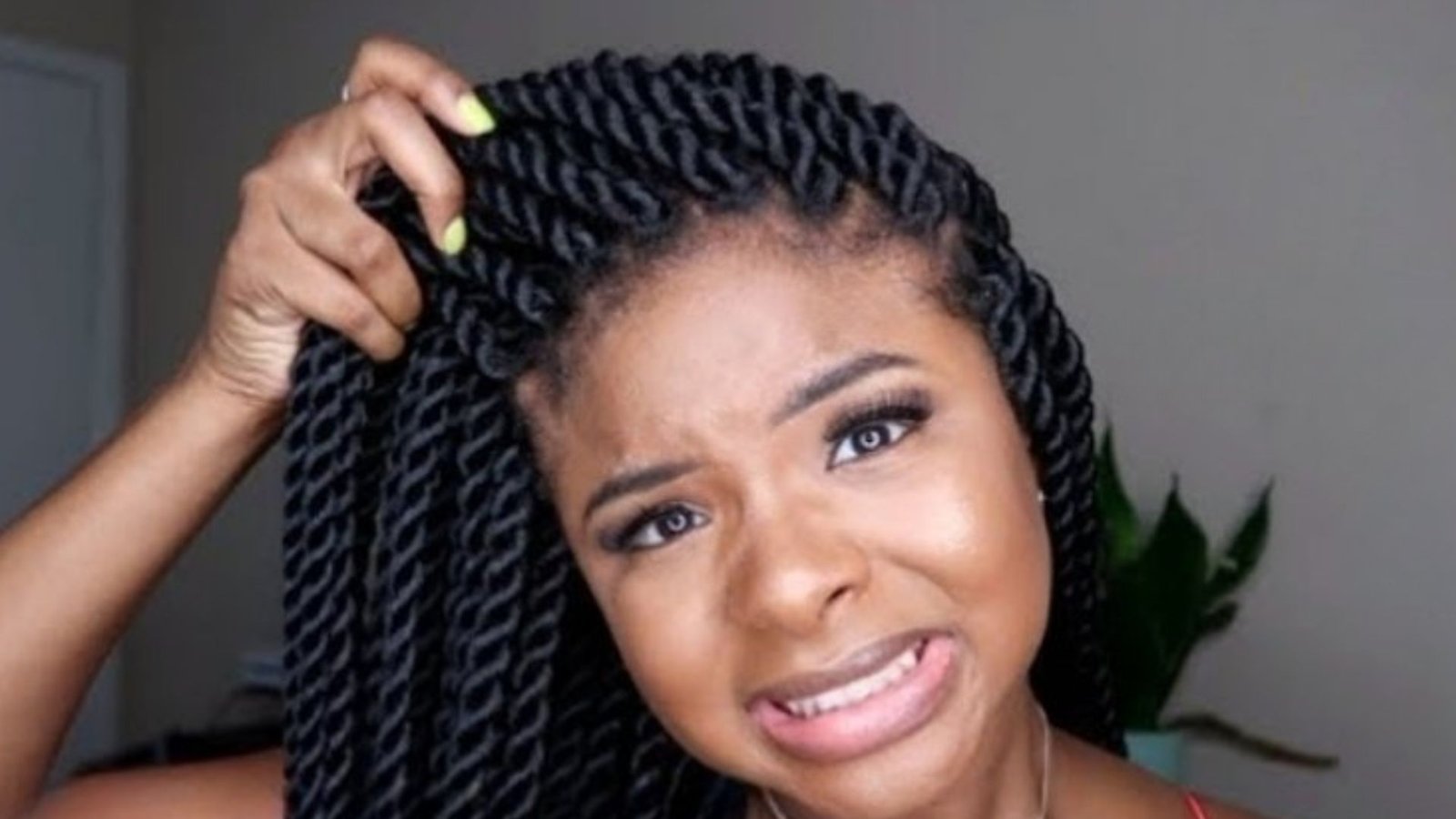
When your stylist pulls the hair too tightly at the roots, it puts constant stress on your hair follicles.
This tension restricts blood flow and causes inflammation, which shows up as painful red bumps within 24-48 hours.
If you feel pain during or immediately after braiding, that’s your warning sign that the tension is too much. Pain should never be part of getting braids, it’s your scalp telling you something is wrong.
Poor Scalp Hygiene and Product Buildup
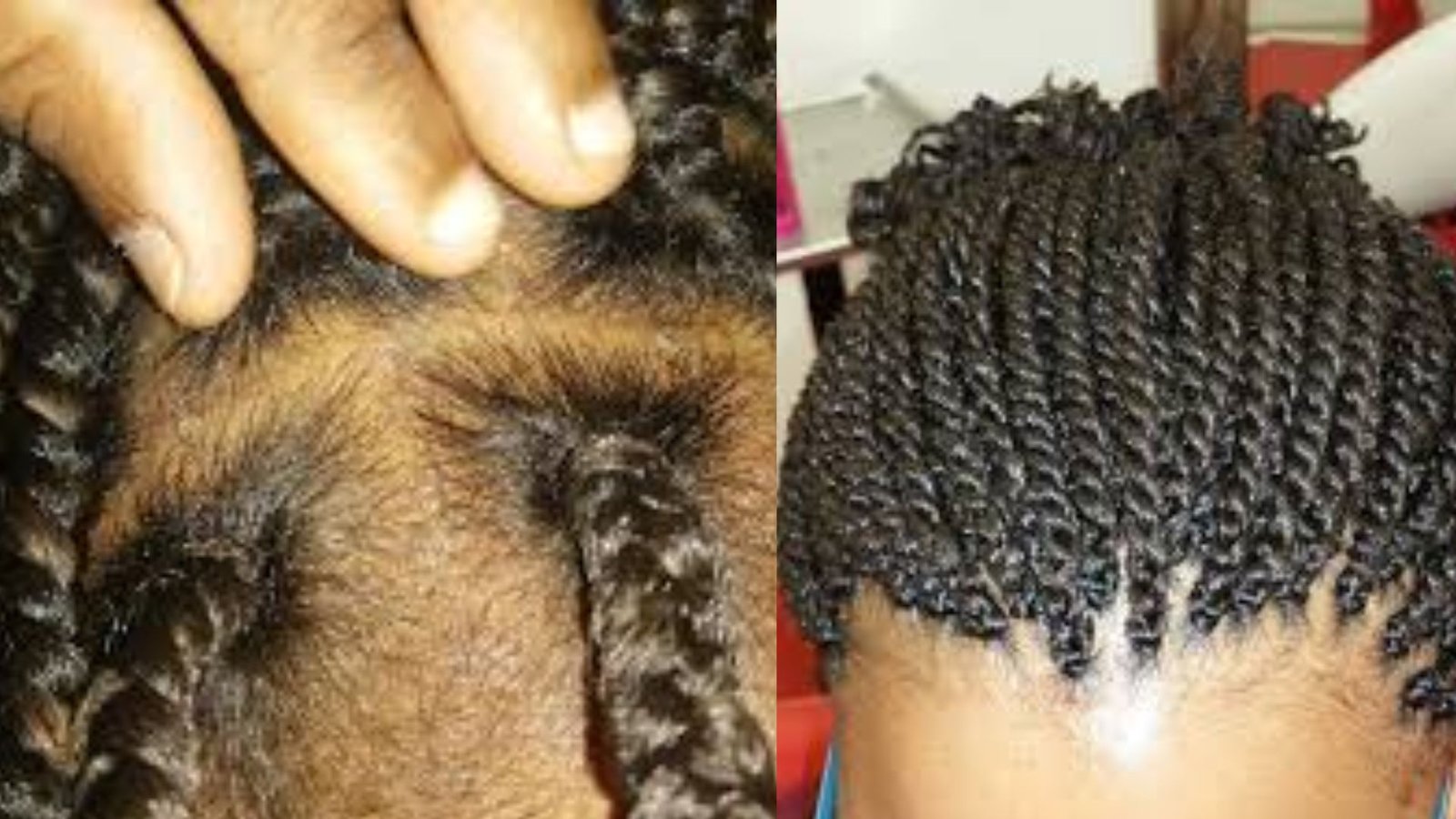
Getting braids on an unclean scalp traps dirt, sweat, and oils under your braids for weeks, clogging follicles and causing inflammation. Unwashed synthetic hair can carry dust, chemicals, and bacteria that irritate your scalp.
Heavy oils, gels, and edge controls make it worse by suffocating follicles and preventing your scalp from breathing. Too much product before and during braiding results in irritated, bumpy, itchy skin.
Allergic Reactions to Synthetic Hair
Low-quality synthetic extensions contain alkaline treatments, dyes, and irritants that trigger your skin’s immune response.
Your scalp reacts with inflammation, redness, and itchy bumps, especially with cheap, unwashed synthetic hair.
If bumps appear shortly after installation with intense itching or a rash-like appearance, you’re likely allergic to the extensions. Some people can only wear human hair, or must pre-treat synthetic hair first.
Bacterial or Fungal Infections
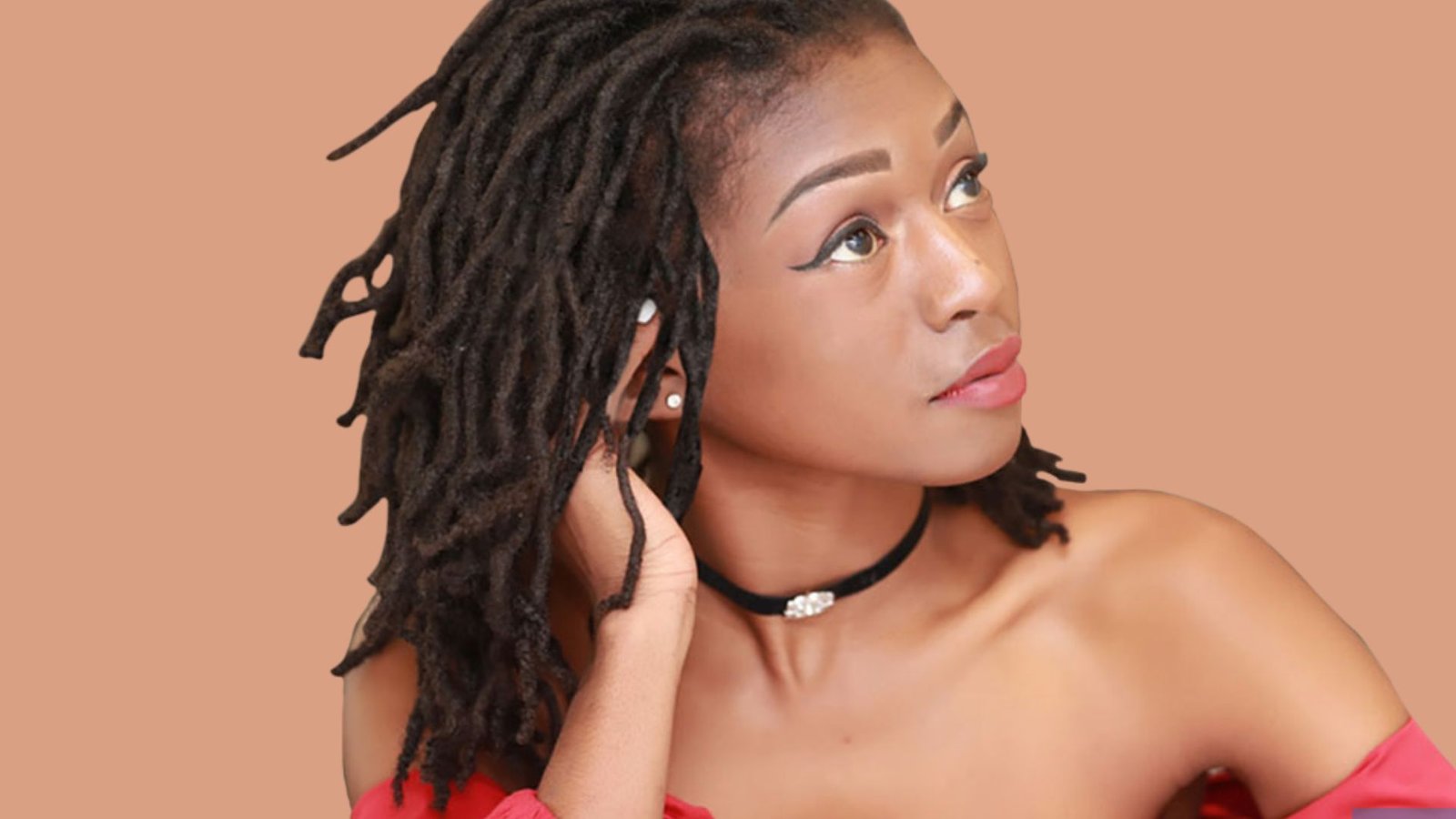
When follicles are stressed from tension, bacteria like Staphylococcus easily move in and cause infection. These infections turn minor bumps into painful, pus-filled pustules that spread across your scalp.
White or yellow pus, spreading redness, or worsening bumps signal infection. Fungal infections also develop from excessive sweating, workouts, or swimming with braids.
Extra Styling Pressure and Sleep Habits
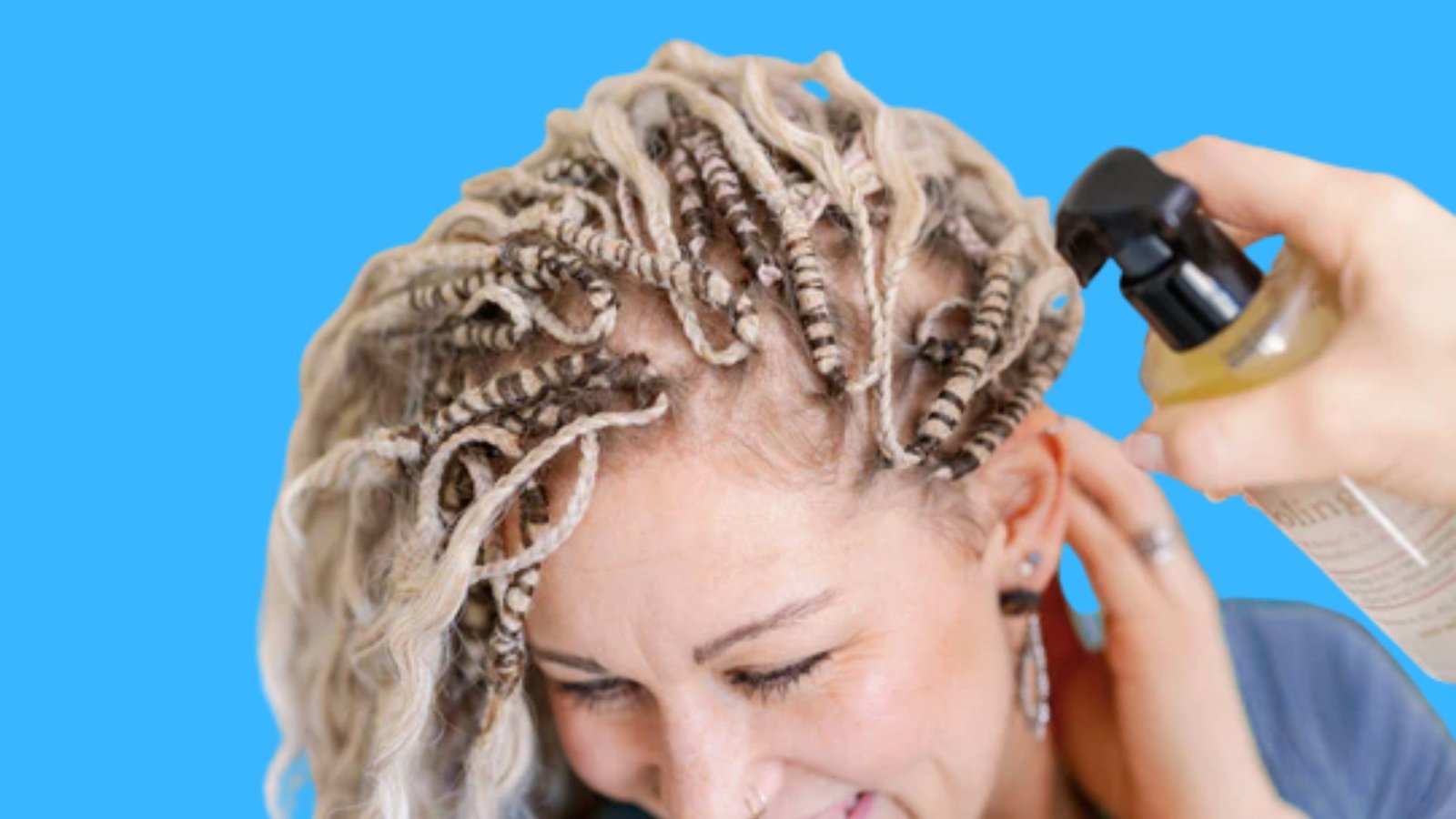
Pulling fresh braids into high ponytails, buns, or tight updos adds more tension to already-stressed follicles. Your scalp needs recovery time, not additional pressure from heavy styling.
Sleeping on the same side without a silk pillowcase puts continuous pressure on specific scalp areas. This concentrated pressure on tight braids increases inflammation and causes bumps in those spots.
How to Identify Braid Bumps Early
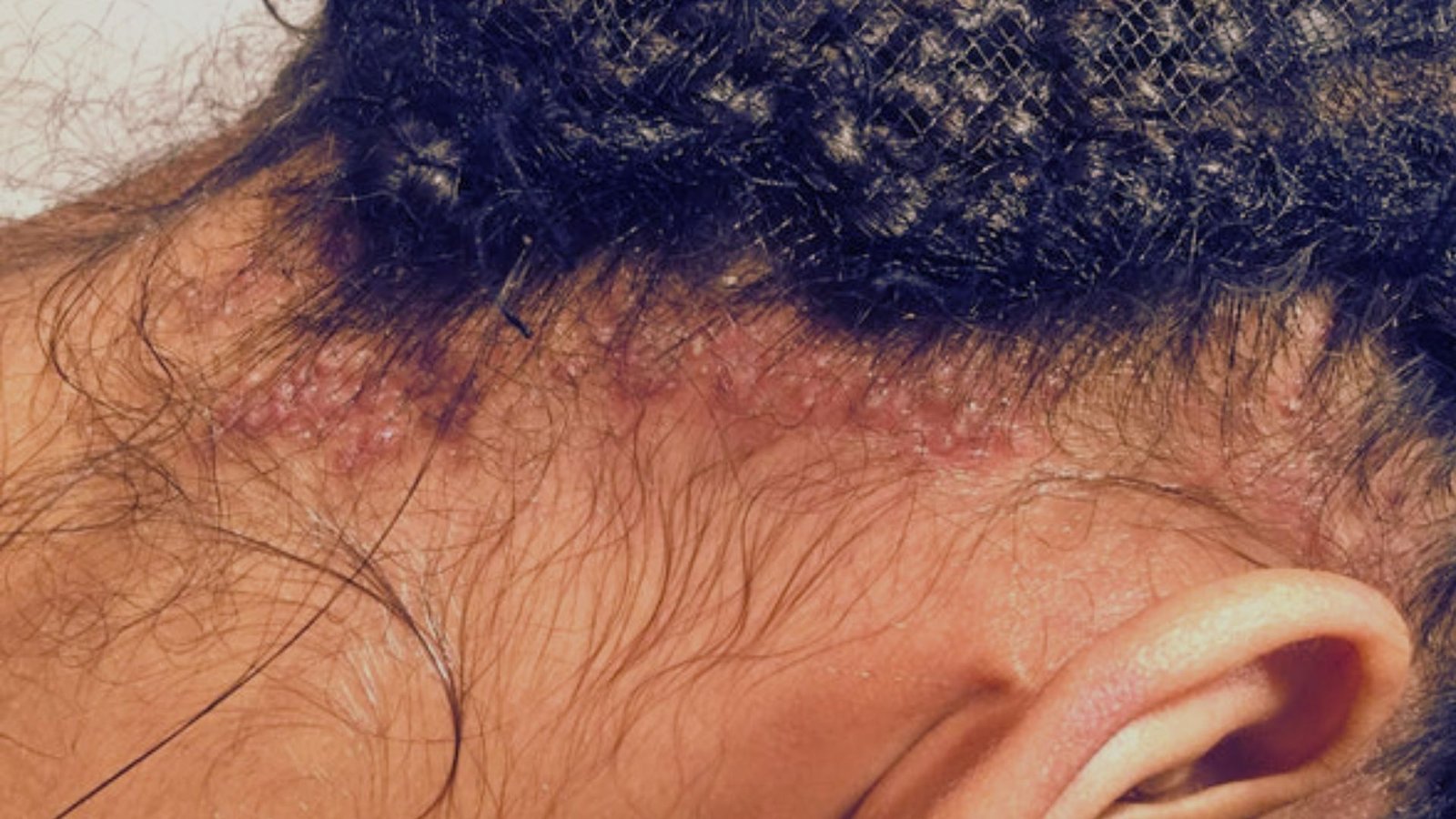
Catching braid bumps early makes all the difference. The sooner you spot them, the faster you can treat them. And that means less damage to your hairline and edges in the long run.
- Redness and swelling: Check the base of your braids within the first 48 hours. If you see pink or red spots with raised bumps, that’s inflammation starting, so don’t ignore it.
- Persistent tenderness: Your scalp shouldn’t hurt for days after braiding. If touching your head or lying on a pillow still causes pain after day 3, those follicles are stressed and inflamed.
- Itching that won’t stop: A little initial itchiness is normal, but constant scratching that lasts beyond the first day signals irritation. Left unchecked, this leads to infection and possible hair loss in patches.
Early detection prevents long-term damage. When you catch bumps in the first 24 to 48 hours, you can take action before they turn into infections.
Ignoring them? That’s how people end up with thinning edges and bald spots that take months to recover.
How to Prevent and Treat Braid Bumps
The best way to deal with braid bumps is to prevent them from happening in the first place.
Communicate with Your Stylist About Tension
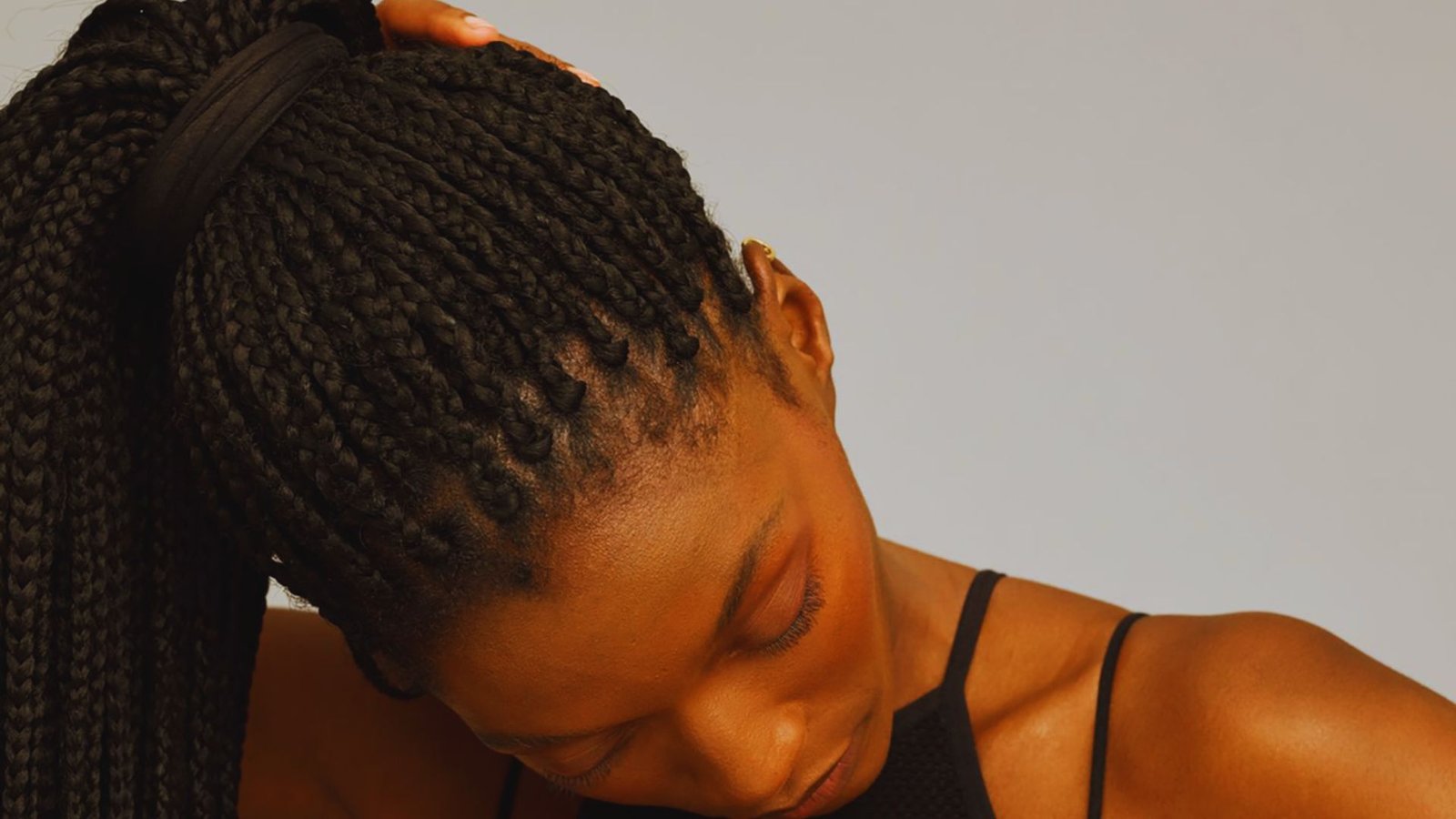
Tell your braider about any scalp sensitivity or past experiences with bumps before they start.
Be specific about your pain tolerance and ask them to check in with you throughout the process. If something hurts during braiding, speak up immediately, don’t wait until they’re done.
I’ve learned the hard way that being polite isn’t worth damaging your scalp. A good stylist will appreciate your honesty and adjust the tension.
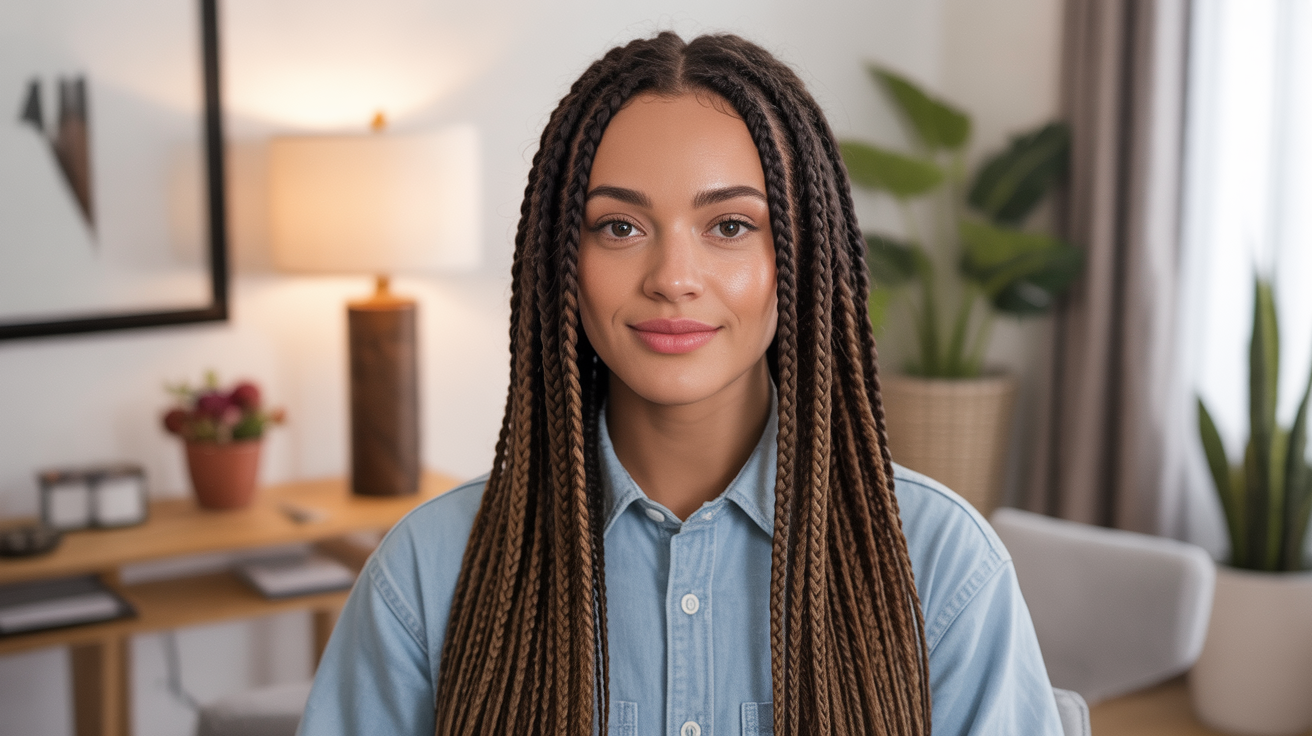
Consider choosing knotless braids or larger braid sizes, as these styles put less stress on your follicles.
Prep Your Scalp and Extensions Properly
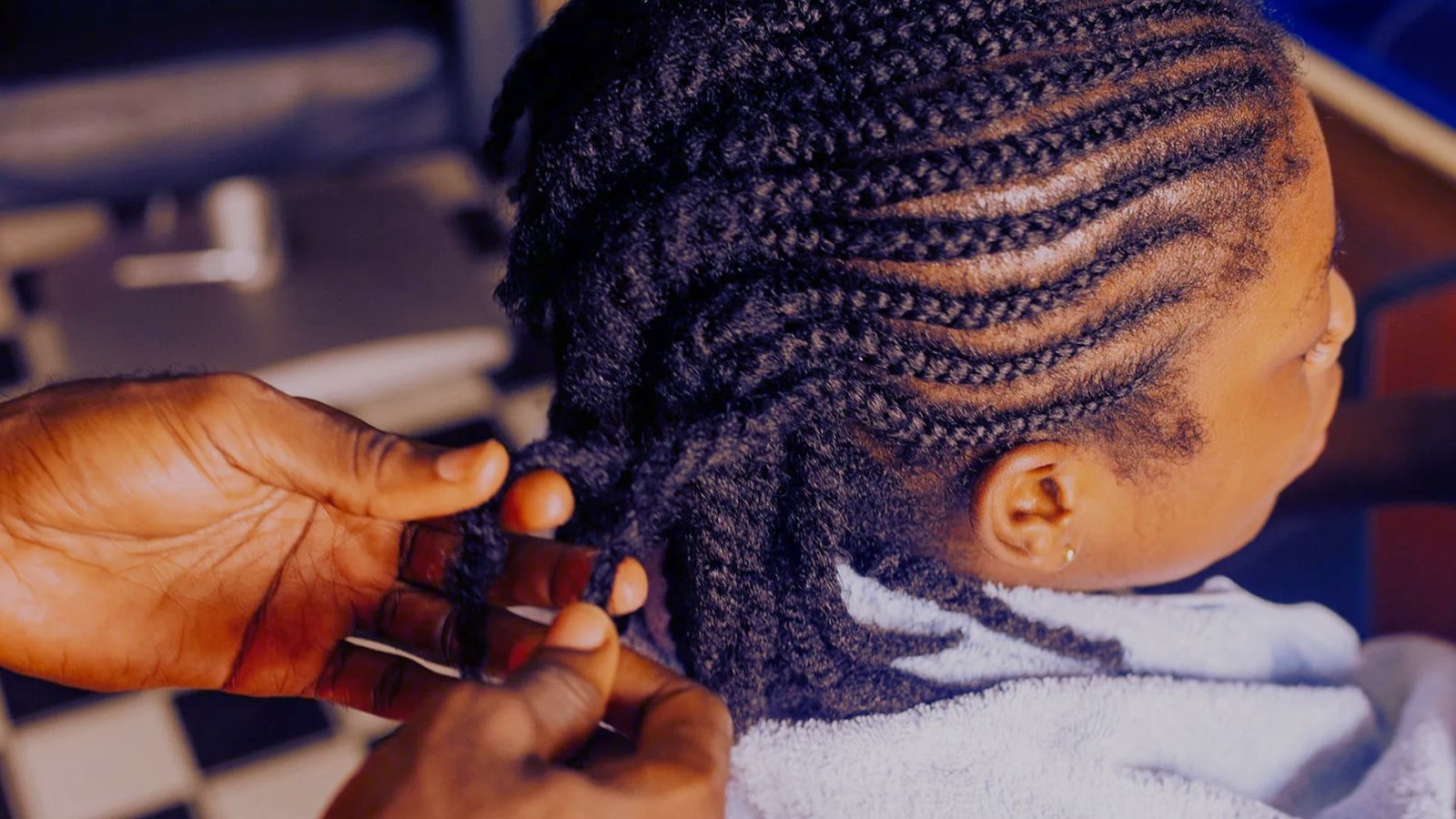
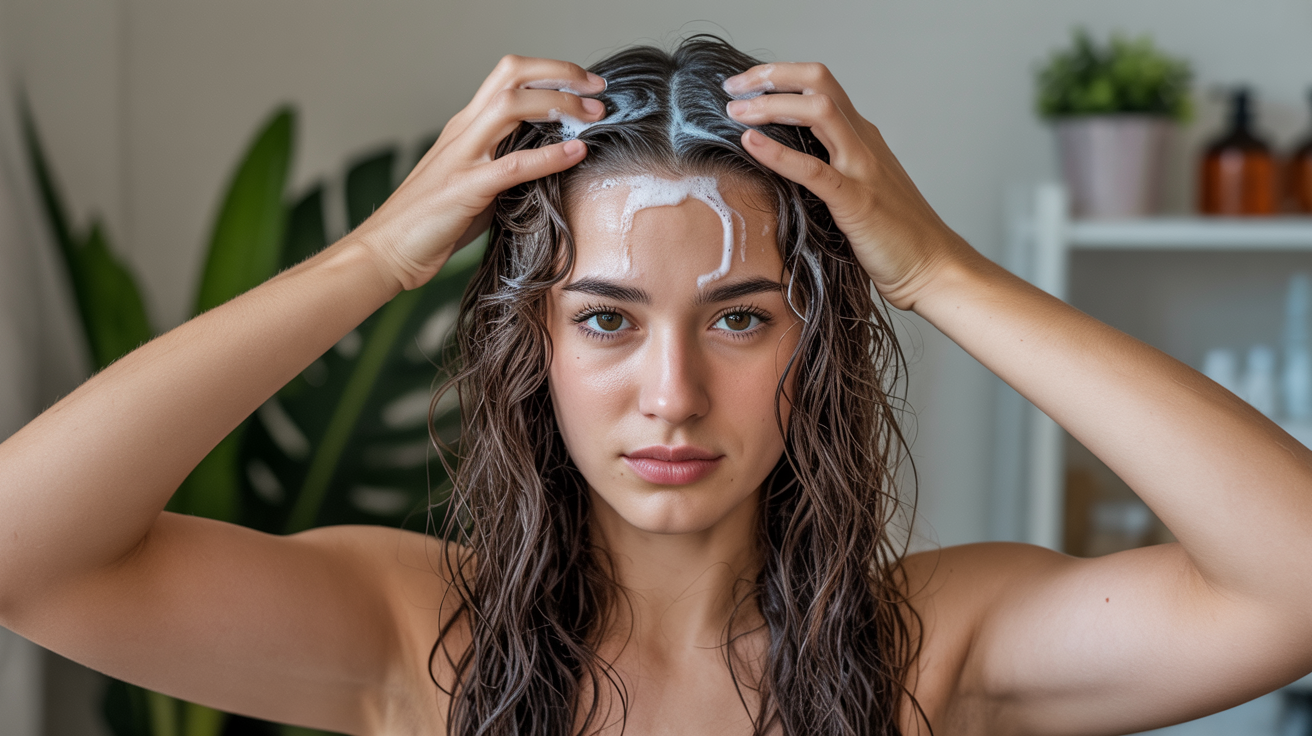
Wash your scalp thoroughly with a clarifying shampoo 1-2 days before your appointment to remove all buildup.
Deep condition and detangle your hair completely so your stylist doesn’t have to pull through knots. Apply a light moisturizing oil the night before, but avoid heavy products that can clog pores.
If you’re using synthetic hair, soak it in diluted apple cider vinegar (1 part vinegar to 3 parts water) for 20 minutes, then rinse and dry completely.
This removes chemicals and irritants that cause allergic reactions. I started doing this after getting bumps from unwashed extensions, and it made a huge difference.
Take Extra Care During the First 48 Hours
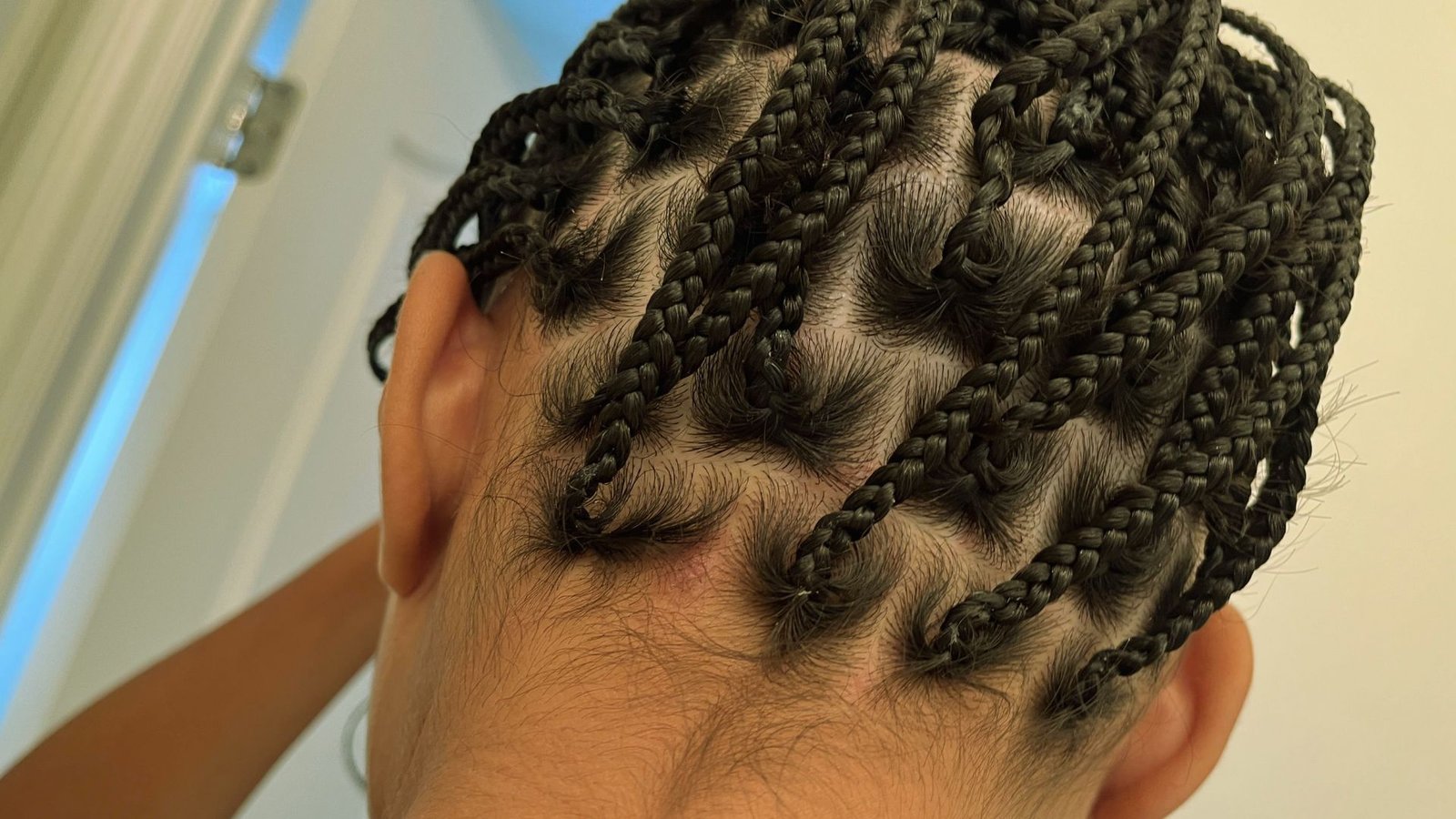
Keep your braids loose and down for the first two days, no ponytails, buns, or headbands that add extra tension.
Sleep on a silk or satin pillowcase and wear a satin bonnet to reduce friction. Apply a soothing scalp oil with tea tree or peppermint to calm any inflammation.
Check your scalp twice daily for redness, tenderness, or small bumps. Catching problems early means you can loosen braids or treat irritation before it becomes a full-blown infection.
Avoid intense workouts that cause heavy sweating during this adjustment period.
Apply Immediate Relief When Bumps Appear

Apply a warm compress to affected areas for 10-15 minutes to reduce swelling and increase blood flow.
Mix 2-3 drops of tea tree oil with a tablespoon of coconut or jojoba oil and gently massage it into your scalp. Tea tree oil has natural antibacterial properties that fight infection.
Use diluted witch hazel or aloe vera gel for cooling, anti-inflammatory relief. If itching is intense, apply over-the-counter hydrocortisone cream (1%) to the bumps.
Never scratch, no matter how tempting, as it spreads bacteria and can cause scarring or permanent damage to your hairline.
Loosen or Remove Tight Braids Immediately
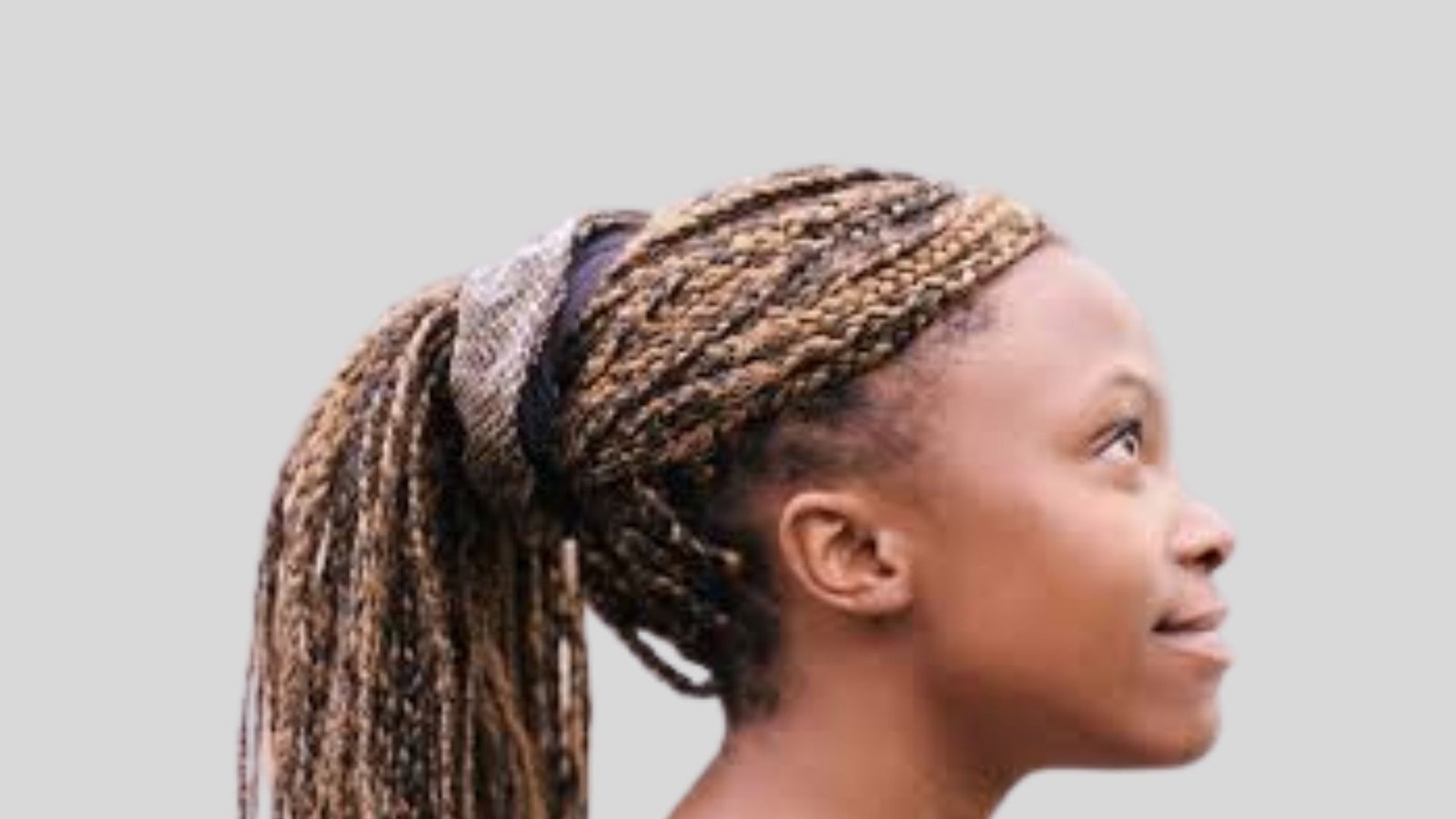
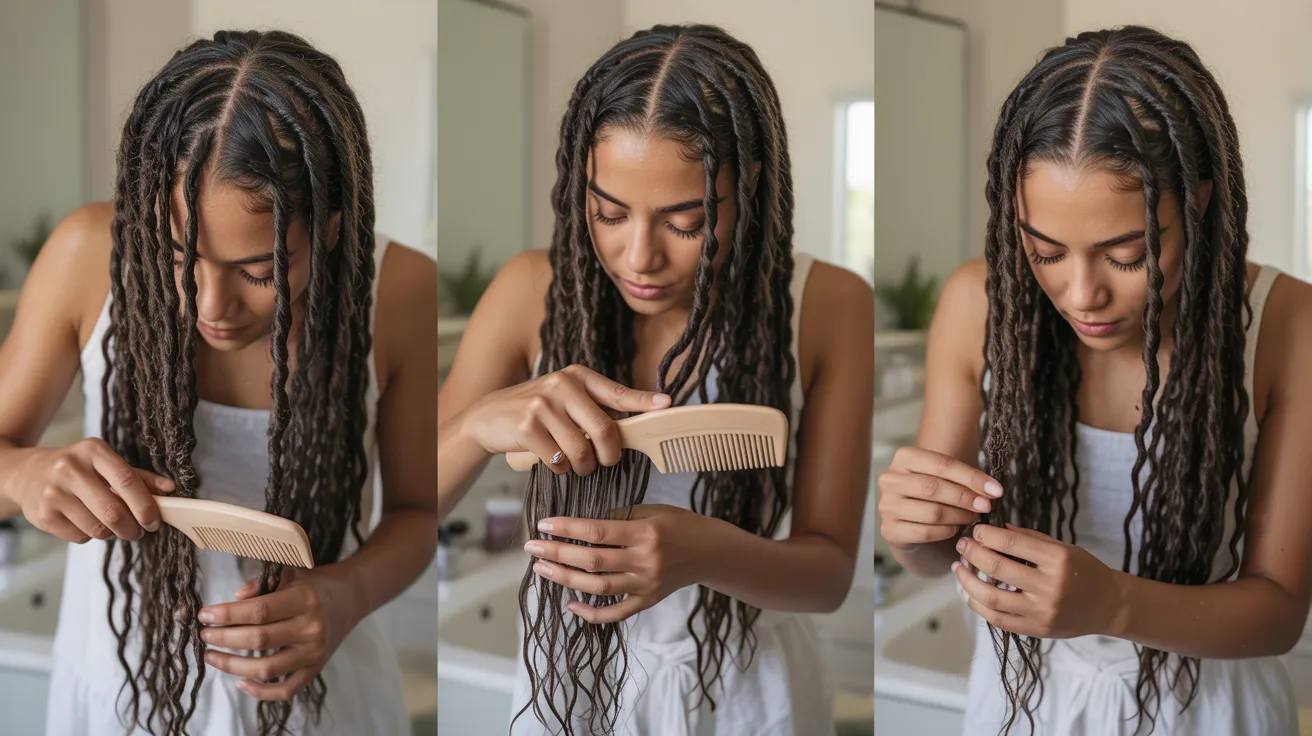
If the bumps are mild, carefully loosen the affected braids without completely removing them. Use a rattail comb to gently lift the braid at the root to release some tension.
Focus on the areas that hurt most, usually along the hairline and nape.
For severe pain, spreading bumps, or pus-filled pustules, remove the braids immediately in those sections.
I know it’s frustrating to take out fresh braids, but it’s not worth risking infection or permanent hair loss. Your edges and hairline health are more important than any hairstyle.
Keep Your Scalp Clean During Treatment
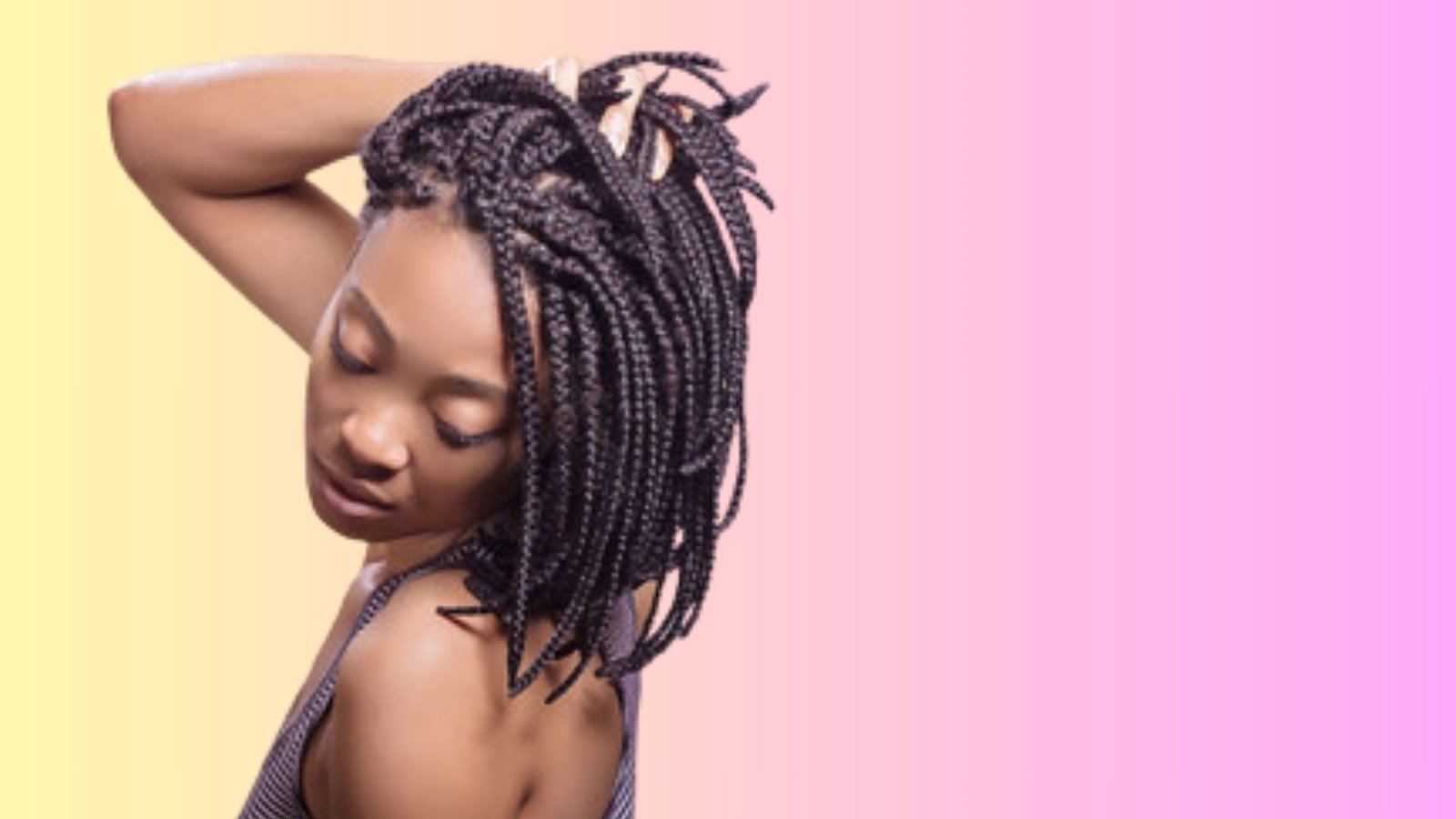
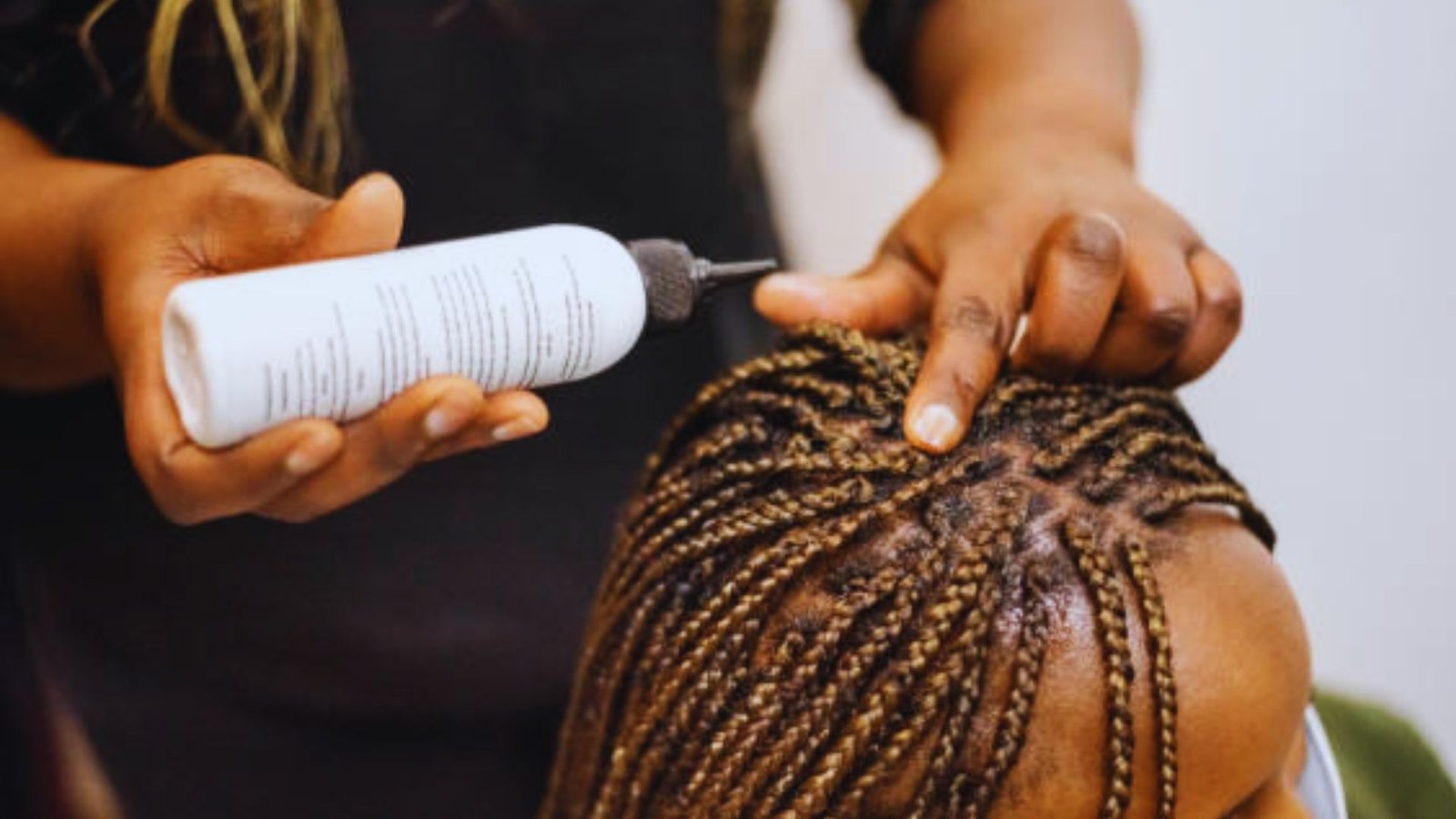
Cleanse your scalp every 3-4 days while treating braid bumps using diluted shampoo in an applicator bottle.
Focus on the affected areas without disturbing the rest of your braids. Pat dry gently and avoid rubbing, which can irritate inflamed skin further.
Avoid heavy oils and products that clog pores during healing. Stick to lightweight, water-based moisturizers and antibacterial treatments.
Keep the area as clean and breathable as possible while the bumps heal.
Monitor Progress and Seek Medical Help

Most mild braid bumps heal within 3-7 days with proper care. Keep watching for improvement. Redness should fade, swelling should decrease, and pain should lessen each day.
Take photos to track progress if you’re unsure whether things are getting better.
Tips for Healthy Braids and Scalp
Prevention beats treatment every time. A few simple habits keep your scalp healthy and your braids comfortable. These aren’t complicated, just consistent care that makes a real difference.
- Rotate protective styles: Don’t wear the same tight braids month after month. Switch between braids, twists, and loose styles to give your follicles a break and prevent chronic stress on the same areas.
- Keep scalp clean: Wash your scalp every 1-2 weeks while wearing braids using diluted shampoo or a scalp cleanser. Avoid heavy oils and products that clog follicles, as light application is all you need.
- Inspect regularly: Check your scalp every few days for redness, bumps, or tenderness. Catching irritation early means you can loosen braids or treat bumps before they become infected and cause permanent damage.
Conclusion
Braid bumps don’t have to be an inevitable part of your protective styling experience. By adjusting tension, keeping your scalp clean and moisturized, and giving your hair regular breaks, you can enjoy healthy braids without the painful aftermath.
Remember, healthy hair starts with a healthy scalp. The simple prevention steps we’ve covered, from choosing the right braider to listening to your body’s warning signs, make all the difference. Your comfort matters just as much as your style.
Now you’ve got the tools to rock your braids bump-free! Have your own tips or questions about preventing braid bumps? Drop them in the comments below. And if this helped you, share it with someone who needs it. Here’s to gorgeous, pain-free braids every single time.
Frequently Asked Questions
What causes braid bumps on the scalp?
Braid bumps are caused by tension from tight braiding, allergic reactions to hair products or extensions, poor scalp hygiene, or irritation from synthetic hair. They appear as small, red, itchy bumps and indicate your scalp is stressed or inflamed from the braiding process.
How long do braid bumps take to go away?
Most braid bumps heal within 3 to 7 days once you reduce tension or remove the braids. Mild cases may clear up in 2-3 days with proper care, while more severe bumps might take up to two weeks if infection or significant irritation occurs.
Can I prevent braid bumps before getting braids?
Yes! Ensure your stylist doesn’t braid too tightly, prep your hair with a clean scalp, use quality extensions, apply a protective oil or spray beforehand, and take breaks between protective styles. Proper preparation significantly reduces your risk of developing braid bumps.
Should I remove my braids if I get bumps?
Not always. If bumps are mild, loosening tight sections and treating your scalp may help. However, if bumps are painful, spreading, oozing, or showing signs of infection, remove the braids immediately and consult a dermatologist to prevent further damage.
What’s the best treatment for existing braid bumps?
Apply a warm compress to reduce inflammation, use tea tree oil or aloe vera for soothing relief, keep the area clean, and avoid scratching. Over-the-counter hydrocortisone cream can help with itching. If symptoms worsen, see a healthcare professional promptly.