





Body wave and deep wave hair may sound similar, but they are quite different. I spent months trying to understand both before realizing what sets them apart.
Many people end up picking the wrong one simply because they don’t know how each texture behaves.
Both styles are popular and look great in photos, but your choice affects more than just appearance. It influences daily care, styling options, and overall satisfaction. Choosing the wrong texture can lead to frustration and wasted money.
After testing both extensively, I know which style works well for busy mornings and which requires more attention.
This guide breaks down curl patterns, maintenance, styling flexibility, and face shape compatibility. By the end, you will have a clear idea of which hair type fits your lifestyle and needs.
What Is Body Wave Hair?
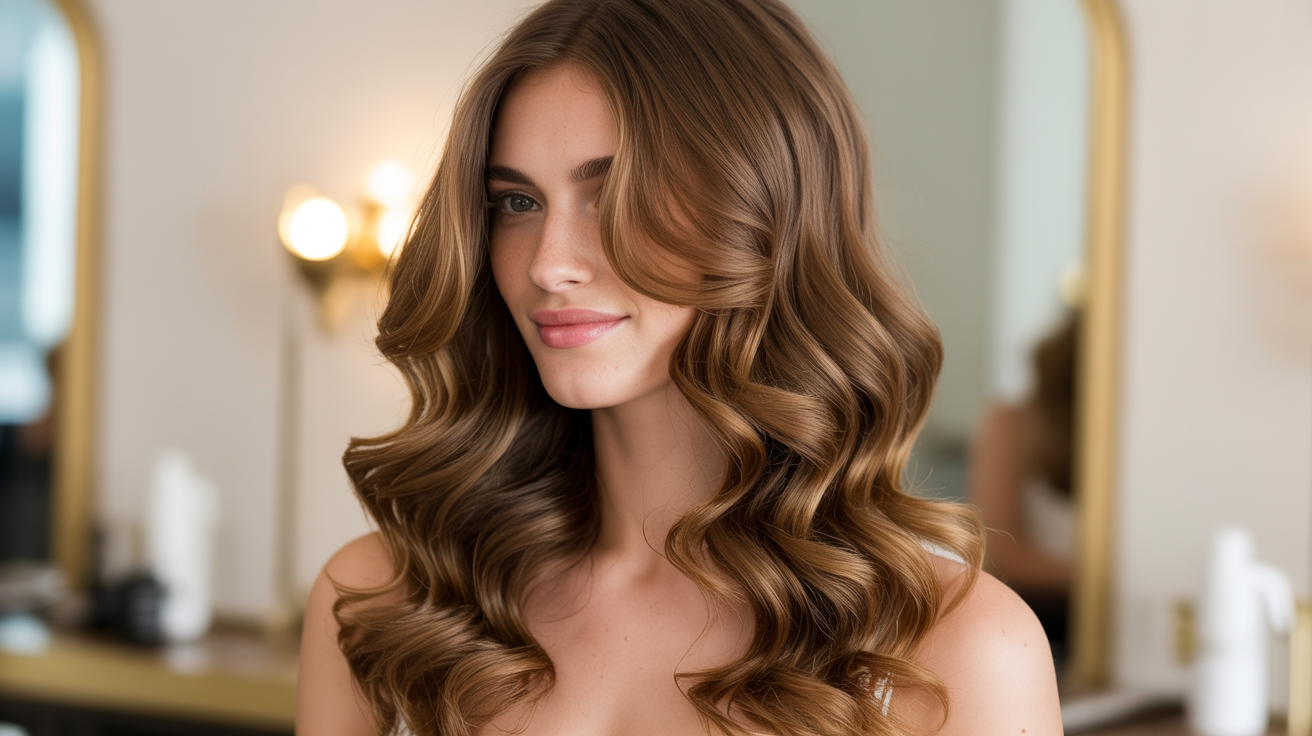
Body wave hair features loose, natural S-shaped waves that add subtle volume and flow smoothly from root to tip.
Its soft, bouncy texture holds styles well, easily shifting between straight and wavy with minimal maintenance.
What Is Deep Wave Hair?
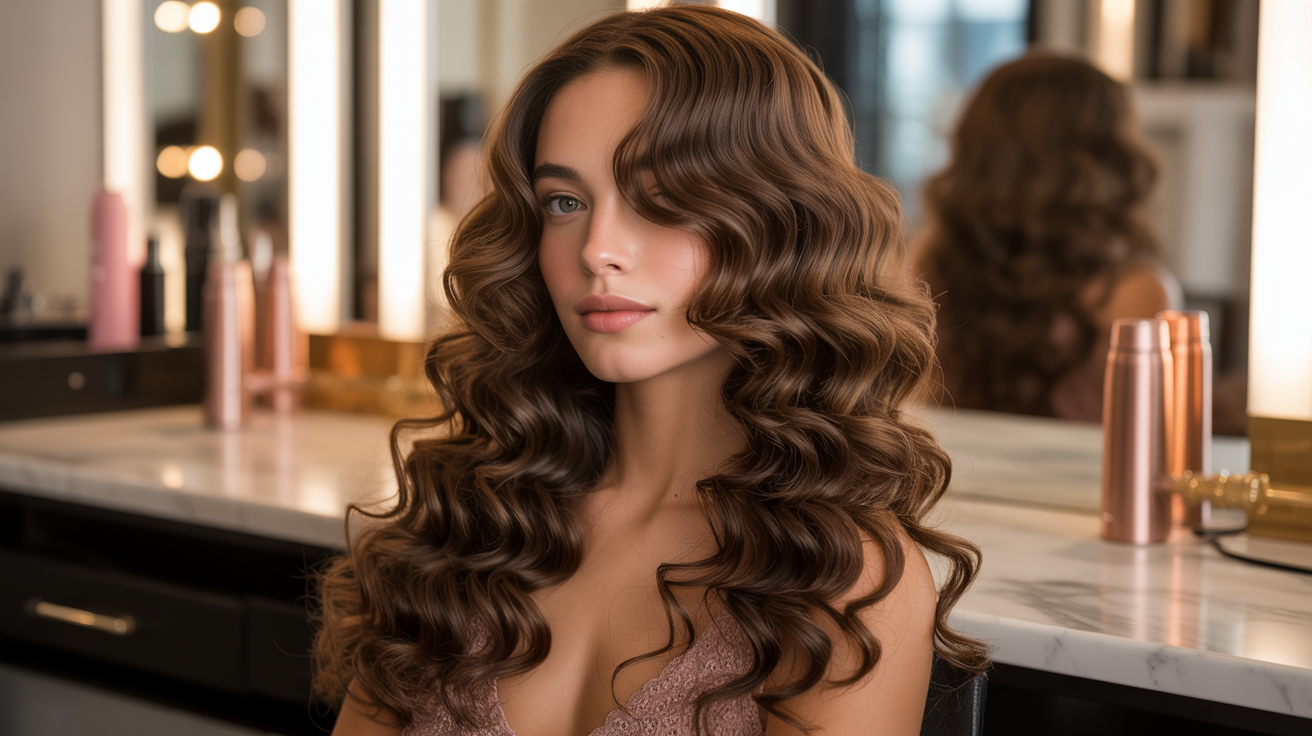
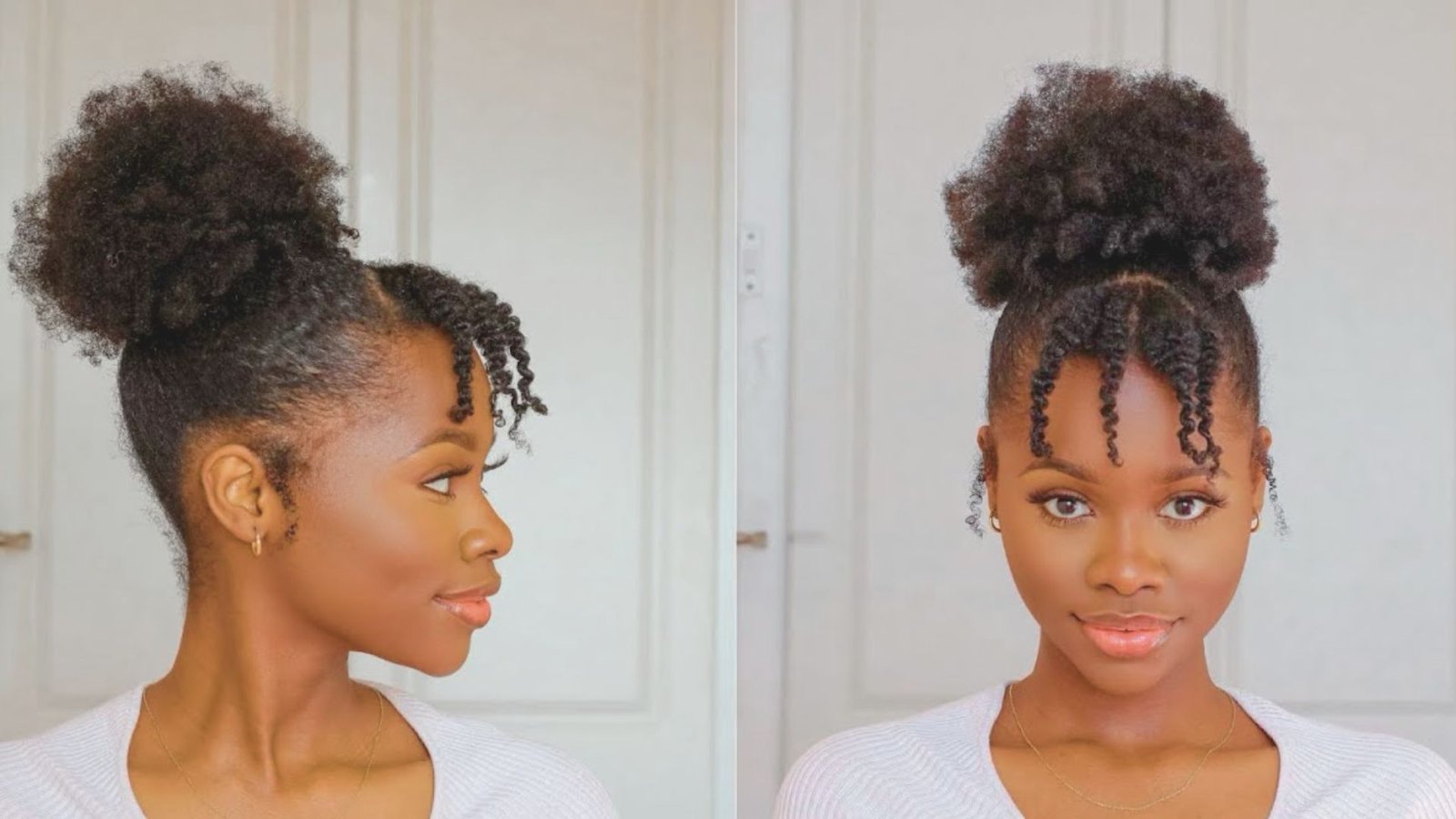
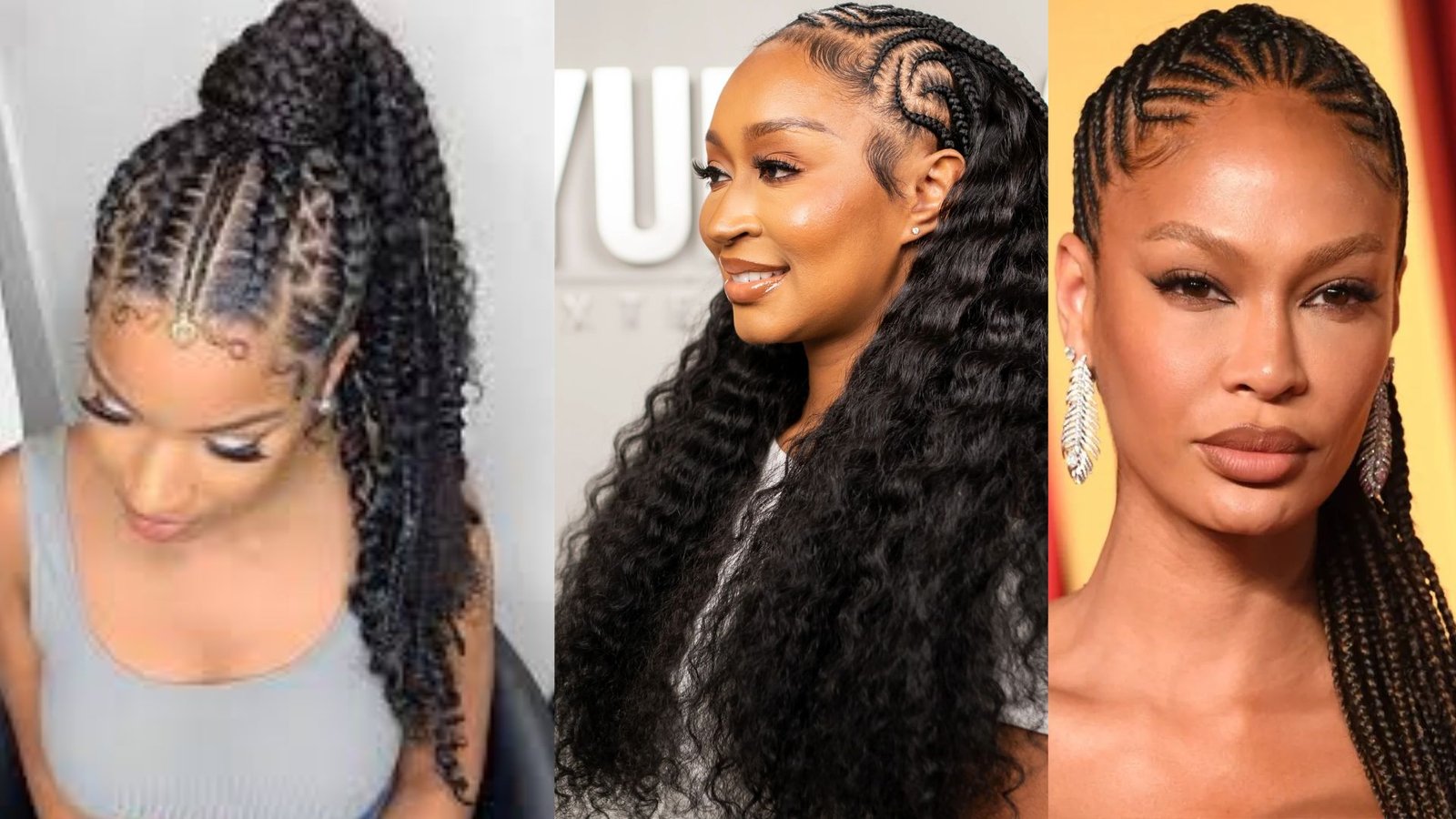
Deep wave hair has tight, uniform curls that create a bold, full-bodied look with serious volume and definition. Each coil is clearly defined, giving a structured, polished appearance.
This texture holds its shape well but requires regular hydration and care to prevent frizz and tangling, making maintenance more involved than looser waves.
Body Wave vs Deep Wave: Direct Comparison
Now let’s put these two textures side by side. The differences become obvious when you compare them directly.
|
Feature |
Body Wave |
Deep Wave |
|
Curl Pattern |
Loose, relaxed S-shaped waves |
Tight, springy curls |
|
Styling Look |
Looks like a large barrel curling iron |
Looks like a small curling wand or flexi rods |
|
Visual Impact |
Subtle, natural |
Bold, attention-grabbing |
|
Volume & Fullness |
Light, airy volume |
Thick, full-bodied volume |
|
Texture & Movement |
Flows freely, natural, unstructured |
Structured, bouncy, springy |
Styling Options for Each Hair Type
Your styling options change dramatically based on which texture you choose. Let’s break down what works for each.
Body Wave Styling Versatility
Body wave is the chameleon of hair textures. You can style it straight without much effort. Straightening takes less time because the waves aren’t tight. You can also curl it tighter for special occasions.
The natural wave pattern requires almost no effort. Wake up, finger comb, and go. It works for professional settings and casual hangouts. This versatility is why so many people choose body wave.
Deep Wave Styling Options
Deep wave looks best when you maintain its natural curly state. You can straighten it, but here’s the thing: frequent heat styling changes the curl pattern permanently. The curls lose their spring over time.
This texture shines in voluminous updos and layered cuts. The defined curls create a dimension that flat hair can’t match. But your styling options are narrower than body wave.
Heat Styling Considerations
Body wave tolerates heat styling much better. You can straighten it or add curls without major consequences. It bounces back to its natural pattern after washing.
Deep wave is less forgiving. Too much heat loosens the tight curl pattern. Air drying is your best friend with deep wave. Both textures need heat protectant, but deep wave needs it more desperately.
Maintenance Requirements
Daily maintenance differs significantly between these two textures. Your choice here affects your morning routine every single day.
- Body Wave Maintenance: Low maintenance. Finger combing is usually enough, and lightweight shampoos and conditioners suffice.
- Deep Wave Maintenance: Requires regular hydration and curl-defining products to keep coils fresh and frizz-free.
- Detangling: Body wave detangles quickly, while deep wave tangles easily and demands more time.
- Product Needs: Body Wave uses light shampoos, soft moisturizers, and heat protectant. Deep wave needs moisturizing shampoos, curl creams, leave-in conditioner, and mousse or gel.
- Styling Effort: Body wave allows quick daily styling with minimal products. Deep wave requires a full product collection for definition.
- Longevity: Body wave holds its pattern longer with minimal care, whereas deep wave shrinks and loses definition faster if neglected.
Face Shape Guide: Which Wave Pattern Flatters You Most?
Your face shape determines which wave pattern will look most natural and flattering on you.
Best Face Shapes for Body Wave

Face shape matters more than most people realize. Body wave complements certain face shapes attractively.
- Oval Faces: Body wave adds a gentle dimension, making the face look longer and fuller while keeping natural balance.
- Angular & Heart-Shaped Faces: Soft waves soften sharp angles and balance a wider forehead with a narrower chin.
- Square Faces: Adds curves to angular edges, reducing harshness while maintaining strong features.
Best Face Shapes for Deep Wave

Deep wave works differently with face shapes. The dramatic volume changes proportions in specific ways.
- Round Faces: Deep wave adds vertical volume, elongating the face and creating a more oval appearance.
- Square Faces: Softens sharp jawlines and adds fullness, balancing strong features naturally.
- Diamond Faces: Adds volume at the temples and cheeks, creating a more proportional look.
- Heart & Oval Faces: Highlights features and frames the face, adding bold volume without disrupting balance.
Hair Type and Texture Compatibility
Your natural hair type affects which extension texture works best. This gets overlooked constantly.
Body Wave for Different Hair Types
Body wave works with all hair types. It’s the better option if you have thinner or finer hair. The loose waves won’t weigh down fine strands. Less intensity means less stress on your natural hair.
Fine hair especially benefits from body wave. It adds volume without overwhelming your natural texture. The result looks believable and feels comfortable.
Deep Wave for Different Hair Types
All hair types can technically use deep wave. But it’s better suited for thicker textures. Thick natural hair supports the weight better and blends more naturally. The defined curls hold their shape better on thick hair.
Fine hair might struggle with the deep waves’ weight. Too heavy can damage thin strands. If you have naturally thick hair, deep wave is your playground.
Switching Between Styles
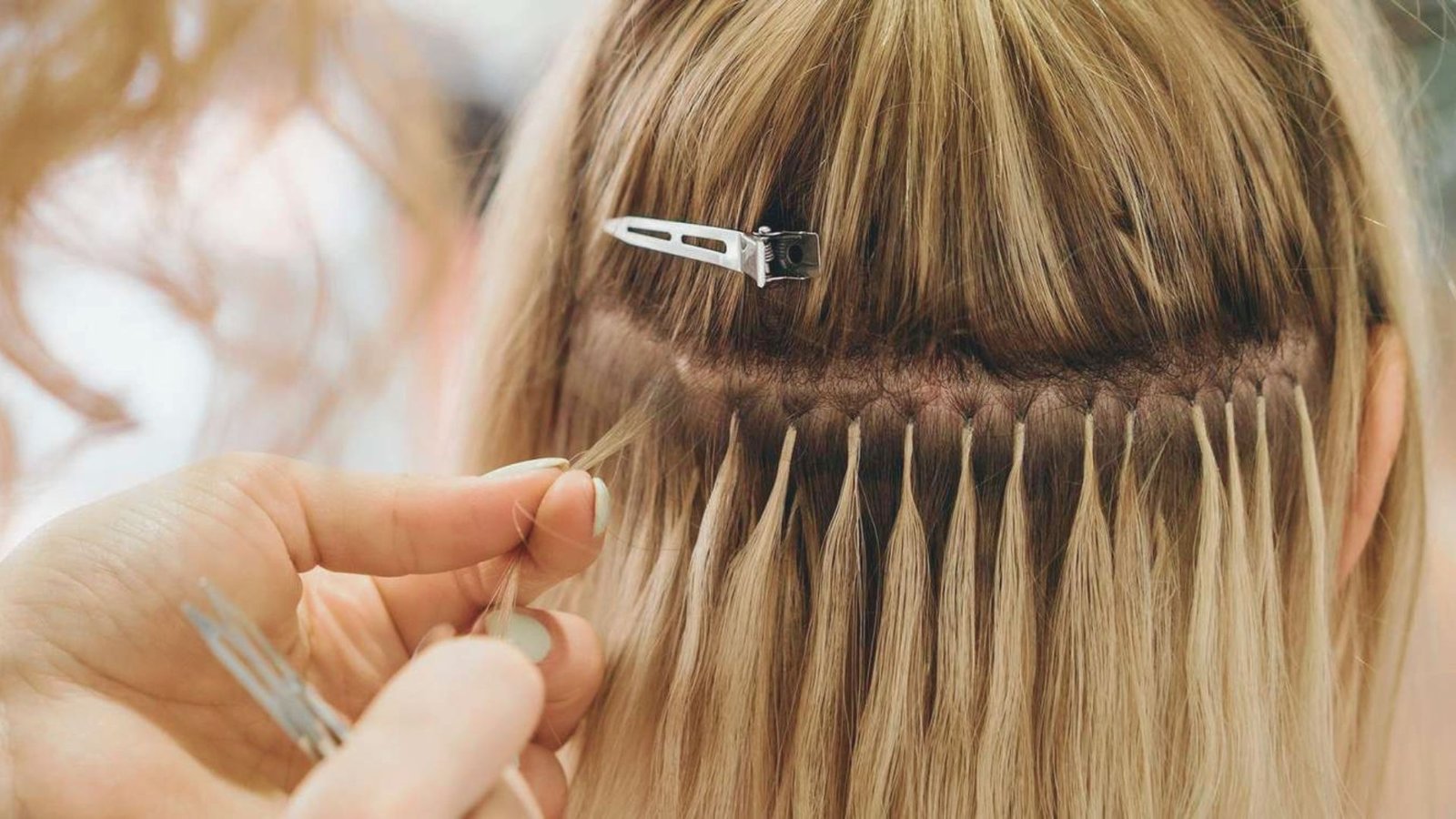
You can switch between body wave and deep wave with quality extensions. Remy hair extensions give you flexibility. Use curling irons or rollers to experiment. Heat protectant is important, though.
This lets you test both looks before committing. Try before you buy should be your motto. Both styles are investments. Make sure you choose right.
Cost and Investment Considerations
Money matters. Let’s talk about what each texture actually costs beyond the initial purchase.
|
Feature |
Body Wave |
Deep Wave |
|
Initial Cost |
More affordable upfront |
Higher initial investment |
|
Maintenance Costs |
Lower. Fewer products needed |
Higher. Requires more products and care |
|
Styling Requirements |
Can mostly style at home, with less professional help |
May need professional styling more often |
|
Overall Affordability |
Economical long-term |
Statement-making expense, budget accordingly |
Conclusion
Body wave and deep wave hair each bring a distinct look. Body wave offers soft, flowing waves that are easy to manage and style for everyday wear. Deep wave, in contrast, creates defined, voluminous curls that stand out and give your hair more body.
Choosing between them depends on your lifestyle and personal preferences. If you want low-maintenance hair with natural movement, body wave is a great option. If you enjoy fuller curls and don’t mind spending a bit more time on care, deep wave can be a better choice.
Think about your face shape, daily routine, and styling habits. Both options can give your hair a refreshed, lively appearance when selected thoughtfully. Share your thoughts in the comments and let others know which style you feel suits you best.
Frequently Asked Questions
What is the main difference between body wave and deep wave hair?
Body wave has loose, S-shaped waves that create a soft, natural look. Deep wave features tighter, more defined curls that give a fuller, dramatic appearance. Body wave flows freely, while deep wave has structured, bouncy curls closer to natural curly hair texture.
Which is easier to maintain, body wave or deep wave?
Body wave is easier to maintain. It requires simple finger combing and lightweight products. Deep wave needs more effort with regular hydration, curl-defining products, and frequent detangling since the tighter curls are prone to frizz and tangling.
Can I switch between body wave and deep wave styles?
Yes, with quality Remy hair extensions. You can use curling irons or rollers to achieve both looks. Always use heat protectant when styling. Body wave tolerates heat styling better, while deep wave’s curl pattern may change with frequent heat use.
Which wave pattern is better for my face shape?
Body wave suits oval, angular, heart-shaped, and square faces with its soft, face-framing effect. Deep wave works best for round, square, diamond, heart, and oval faces. Round faces benefit most from the deep wave’s length-creating illusion.
Do body wave or deep wave last longer?
Body wave typically sustains longer with equal maintenance effort. It holds shape more consistently over time. Deep waves can shrink and go out of shape faster without proper care. Both lifespans depend on your maintenance routine and product use.