
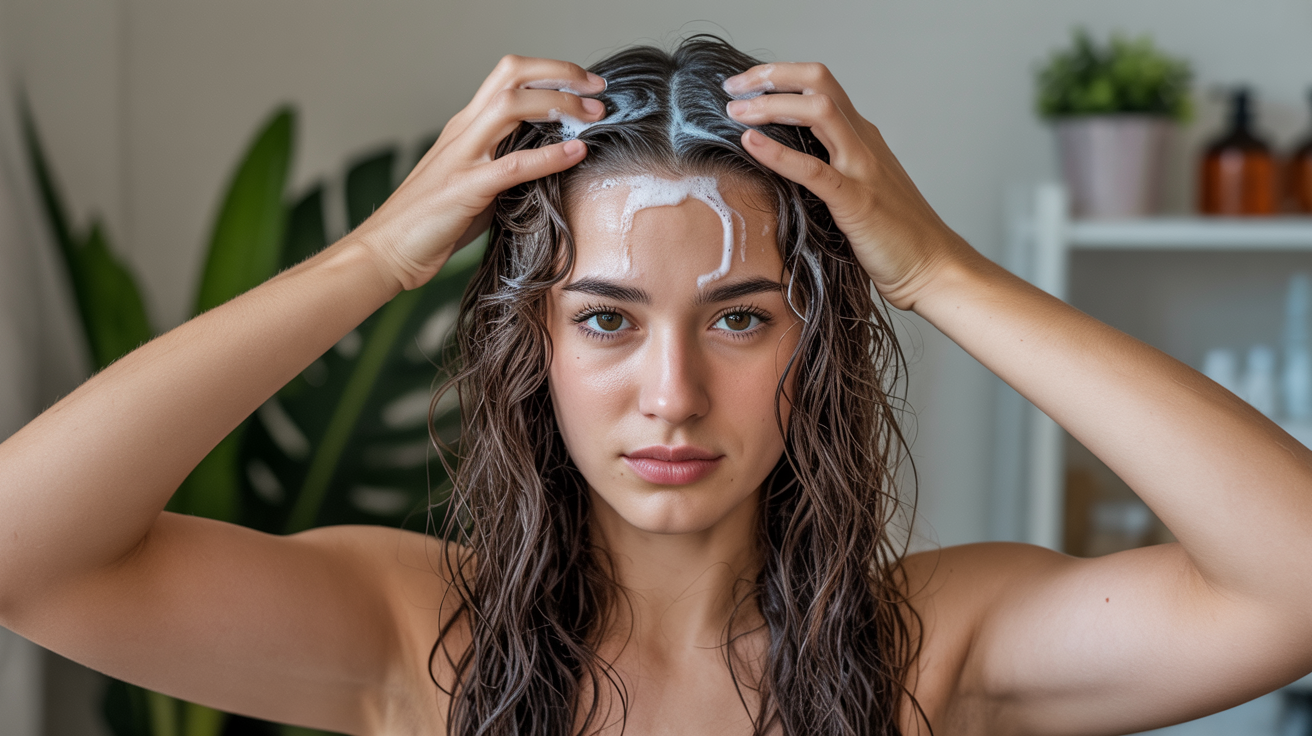


Your shampoo could be doing more harm than you realize. Many formulas contain PFAS, often called forever chemicals, along with sulfates and parabens that strip natural oils and upset scalp balance. Over time, this can weaken hair and trigger ongoing scalp problems.
Greasy roots shortly after washing, an itchy or tight scalp, and thinning with no clear reason are common warning signs.
These changes happen slowly, so it is easy to blame stress or the weather instead of the product you use every day.
The problem is made worse by outdated cosmetic rules that allow many ingredients with little oversight.
After years of studying hair care formulas and testing products, this guide explains which ingredients to avoid, how they affect hair and the body, and which options are safer, helping you choose shampoos that truly support healthier hair.
11 Toxic Shampoo Ingredients Destroying Your Hair and Health
These harmful chemicals hide in your shampoo bottle, damaging your hair and putting your health at risk every time you wash.
Sulfates: The Harsh Detergents in Your Shampoo
Sulfates are harsh detergents made from sulfur-based salts, most commonly SLS and SLES. They create heavy foam but are also used in laundry products and industrial cleaners, which explains why they feel so strong on the scalp.
These ingredients strip natural oils and proteins, lift the hair cuticle, cause irritation, fade color, increase frizz, and weaken growth over time.
They also trigger oil overproduction, leading to dryness, breakage, and a constant need to rewash.
Parabens: Preservatives Linked to Serious Health Risks
Parabens are preservatives added to shampoos to stop bacteria and mold and extend shelf life. They are widely used, and many products contain at least one type, often without strict safety rules before approval.
The concern is how they act in the body. Parabens can mimic estrogen, disrupt hormone balance, irritate skin, and have been linked to breast tumor tissue.
Your scalp absorbs them with every wash, which raises long-term health concerns.
Formaldehyde and Formaldehyde-Releasing Ingredients
Formaldehyde is used in shampoos as a preservative and is also found in building materials. Many products hide it through releasing agents like DMDM hydantoin or quaternium 15, which slowly release formaldehyde with repeated use.
This chemical is a known carcinogen that absorbs easily through the scalp and skin. It can trigger allergic reactions, worsen breathing issues, and build up toxic effects over time, making it one of the most concerning shampoo ingredients to avoid.
Phthalates: The Hidden Hormone Disruptors
Phthalates are chemicals used in many everyday products and often appear in shampoos under the single word fragrance.
Studies link them to damage in the liver, kidneys, lungs, and reproductive system, especially with repeated exposure.
The main risk comes from how they are hidden. Fragrance labels do not require full ingredient disclosure, which allows phthalates and other chemicals to remain unknown to consumers, leaving you unable to tell what you are applying to your scalp.
Synthetic Fragrances: The Catch-All for Unknown Chemicals
The term “fragrance” on a shampoo label can hide hundreds of undisclosed chemicals, including allergens and phthalates.
Companies are not required to list these individually, leaving consumers unaware of what they are applying.
Synthetic fragrances can irritate the scalp, contribute to hair loss, trigger asthma, affect fertility, and, in some cases, are linked to cancer.
Exposure happens through both skin absorption and inhalation, increasing the risk with every wash.
Silicones: Coating Your Hair With Buildup
Silicones like dimethicone coat hair to create a shiny, healthy-looking appearance, but they don’t actually improve hair health. The shine is only superficial.
Over time, silicones cause buildup on the scalp and strands, blocking moisture and nutrients. This can weigh hair down, irritate the scalp, and attract more residue, leaving hair unhealthy despite its glossy look.
Harmful Alcohols in Shampoo
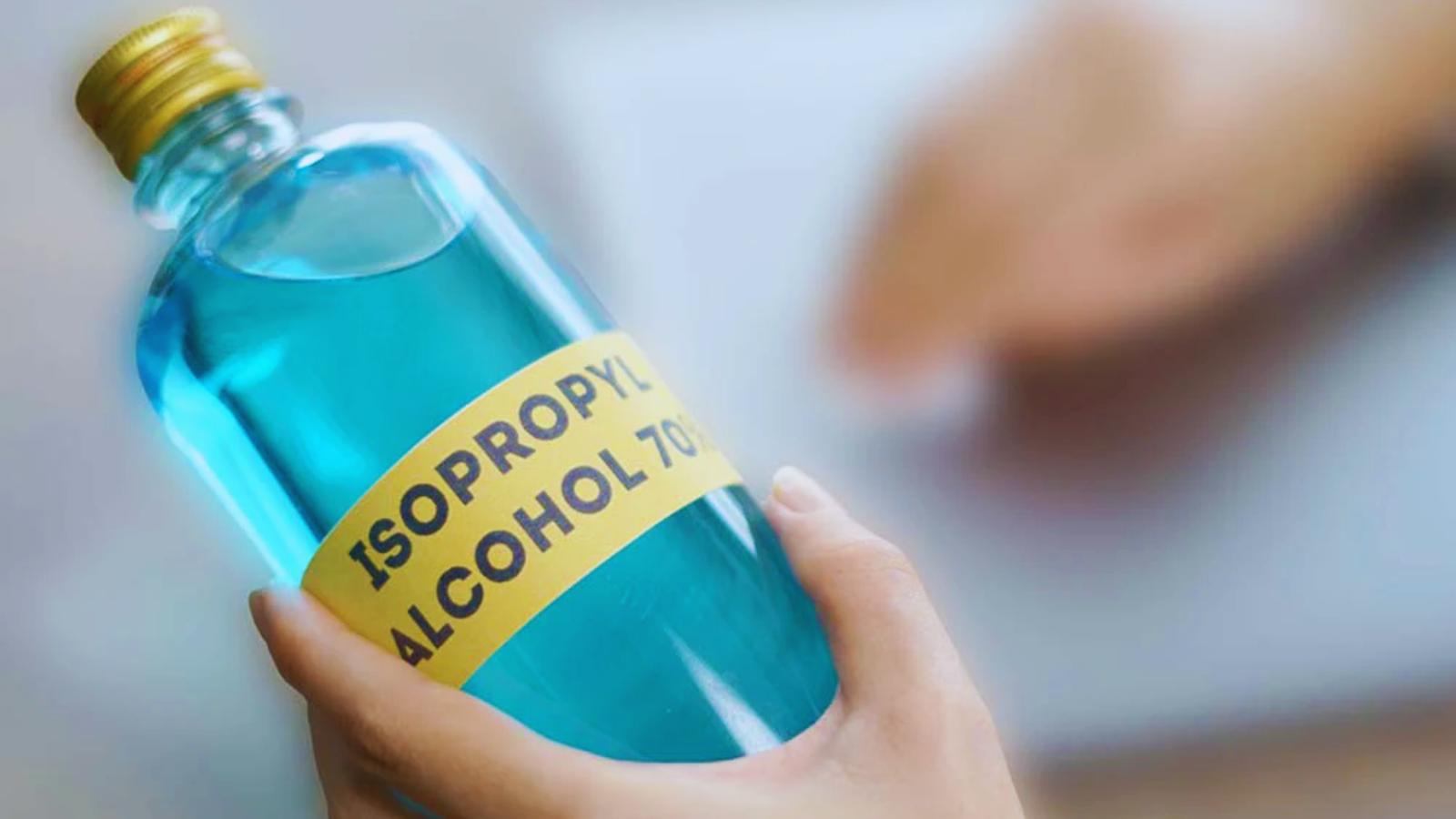
Some alcohols in shampoo, like isopropyl alcohol and propanol, are very drying. Short-chain types strip moisture from hair and can irritate sensitive scalps.
Not all alcohols are harmful. Fatty alcohols like cetearyl and stearyl alcohol actually help retain moisture and keep hair healthy. Always check the type before avoiding a product.
Polyethylene Glycol (PEG): Petroleum-Derived Thickeners
PEGs are petroleum-based thickening agents that make shampoos feel richer, but they come with harmful byproducts. keyly, you’re washing your hair with processed oil instead of a clean formula.
These byproducts, like 1,4-dioxane, are potential carcinogens. PEGs also strip moisture from hair, making it brittle over time, and companies are not required to remove these contaminants before selling the product.
Sodium Chloride: When Salt Becomes a Problem
Sodium chloride, or table salt, is used in shampoos to thicken the formula and create a luxurious feel. While it’s cheap and common, this fake thickness comes at a cost to your hair.
It can dry out the scalp, cause irritation, and in some cases contribute to hair loss. Even without major damage, it leaves the scalp uncomfortable and can interfere with professional hair treatments.
Triclosan
Triclosan is an antibacterial agent used as a preservative. It’s banned from use in soaps but somehow still allowed in shampoo. That makes zero sense.
It’s linked to antibiotic resistance and causes endocrine disruption. Your hormones don’t stand a chance against this chemical.
Retinyl Palmitate
This is a combination of retinol with palmitic acid. It may cause skin sensitivity and is linked to phototoxicity. It causes itching and burning on your scalp.
It leads to skin peeling and scaling that looks like severe dandruff. Not worth the risk for any claimed benefits.
Why Companies Still Use These Bad Ingredients
Understanding the business side of toxic shampoos helps you see through their marketing.
Cost-Cutting Measures
Cheap fillers equal more profit for companies. Sulfates create more lather at a fraction of the cost of natural cleansers. Silicones provide fake shine cheaply instead of actually nourishing hair.
Quality ingredients cost significantly more money. It’s time-consuming to source pure ingredients. Companies choose profits over your health every single time.
Greenwashing Marketing Tactics
Slapping “natural” or “organic” on a bottle doesn’t mean it’s actually safe. Many “clean” products still contain harmful ingredients hidden in the formula. Marketing terms aren’t regulated strictly in the US.
Consumers get misled by packaging claims constantly. A green leaf on the bottle doesn’t mean anything. Read the actual ingredient list instead of trusting the front label.
Confusing Ingredient Labels
Those 20+ ingredient lists that sound like a chemistry textbook? That complexity is intentional to confuse you. Chemical names hide familiar toxic substances you’d recognize otherwise.
Most consumers can’t identify harmful ingredients by their technical names. Companies count on your confusion to keep selling toxic products.
Lack of Regulation
It’s been over 80 years since Congress updated cosmetics regulations in the US. No FDA approval is needed before products go to market. Companies can put almost anything in their products without proving safety first.
US regulations are far less stringent than the EU or Australia. Other countries banned these ingredients years ago, while we’re still using them daily.
Safe Alternatives: What to Look For Instead
Clean, effective ingredients actually benefit your hair instead of damaging it.
Natural Cleansers
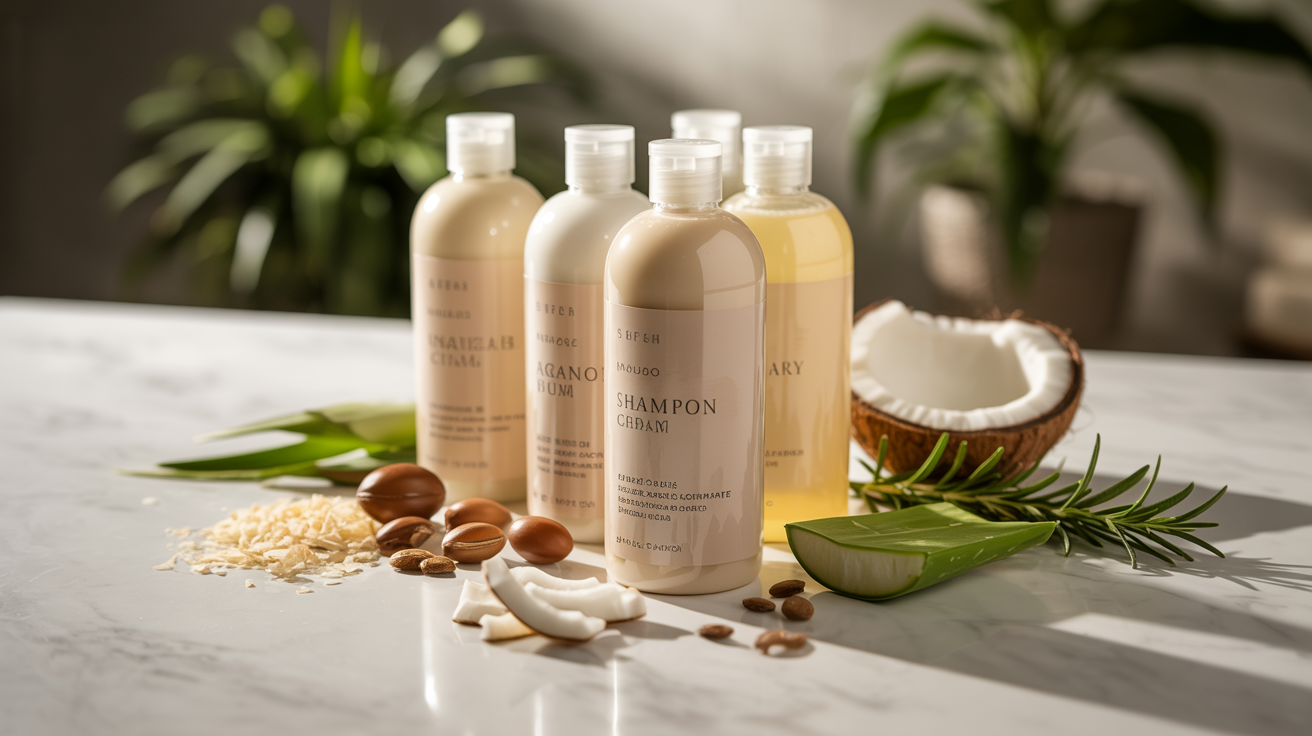
Look for aloe vera-based cleansers that work gently. Coconut-based cleansers clean well too, but avoid cocamidopropyl betaine specifically. True botanical cleansers exist that work effectively.
These gently cleanse without stripping your natural oils. Your scalp stays balanced instead of going into oil-production overdrive.
Beneficial Botanical Extracts
Green tea extract soothes your scalp naturally. Peppermint oil stimulates circulation and feels refreshing. Rosemary oil has been proven to improve hair growth.
These soothe your scalp and reduce irritation instead of causing it. They provide actual medicinal benefits instead of just smelling nice.
Natural Moisturizers
Shea butter moisturizes without clogging pores on your scalp. Jojoba oil closely mimics your scalp’s natural sebum. Plant-based emollients work with your hair instead of against it.
These moisturize deeply without causing buildup over time. Your hair gets actual nourishment it can absorb and use.
key Oils for Fragrance
key oils provide a natural scent without synthetic chemicals. Reputable brands list these oils transparently on labels. They have beneficial properties for your hair and scalp beyond just smelling good.
No hidden phthalates or allergens lurking under the word “fragrance.” You know exactly what you’re putting on your head.
How to Read Shampoo Labels Like a Pro
This practical guide helps you identify bad ingredients quickly in stores.
What to Look For
Ingredients are listed in order of concentration on labels, so the first five ingredients make up most of the product’s formula.
- Look for specific “free from” claims like sulfate-free and paraben-free
- Check for specific chemical names, not just general marketing terms
- Demand 100% ingredient transparency from brands
- If a company hides ingredients, they’re hiding something bad
- Read the full list, not just the front label claims
- Research unfamiliar ingredients before purchasing
These simple label-reading habits protect you from harmful chemicals hiding in plain sight.
Red Flag Terms to Avoid
Put the bottle back immediately if you see these:
- Sulfates (SLS, SLES, Sodium Laureth Sulfate)
- Any parabens (ends in “paraben”)
- “Fragrance” or “artificial fragrance” without specifics
- Quaternium 15 or DMDM Hydantoin
- FD&C or D&C with numbers
- PEGs or propylene glycol
- Any formaldehyde-releasing preservatives
These are non-negotiable. Don’t make excuses for products containing them.
Green Flag Terms to Seek
Look for these positive indicators instead:
- Sulfate-free formulas
- Paraben-free products
- pH-balanced formulations
- Silicone-free options
- Contains key oils
- Plant-based ingredients
- Botanical extracts
- Toxin-free labels
These terms indicate someone actually cared about safety. But still read the full ingredient list to verify.
Understanding Chemical Names
If you can’t pronounce an ingredient, research it before buying that shampoo bottle.
- Many harmful ingredients hide under technical names that most people can’t identify
- Cross-reference suspicious ingredients with safety databases online
- The Environmental Working Group (EWG) is a valuable resource for checking ingredients
- Always evaluate ingredients in the context of the full formula
- One bad ingredient ruins the entire bottle
- Don’t trust marketing claims without verifying the actual ingredients
Taking five minutes to research ingredients saves you from months of hair damage and health risks.
Making the Switch to Safer Shampoo
These practical steps help you transition away from toxic products successfully.
- Why clean products matter: Reduce chemical exposure, soothe the scalp, and support ethical brands for healthier hair.
- What to expect: The Scalp may detox at first, but pH-balanced formulas improve results with consistent use.
- Finding the right shampoo: Choose transparent, sulfate-free, pH-balanced products and match them to your hair type with professional advice.
Conclusion
You now know which shampoo ingredients can damage your hair over time. Sulfates, parabens, formaldehyde releasers, phthalates, and synthetic fragrances strip natural oils, irritate the scalp, and weaken hair with repeated use.
Take a closer look at your shampoo label. Choose sulfate-free and paraben-free options made with plant-based cleansers and natural oils. This change is often easier than expected, and many people notice less breakage, stronger hair, and a calmer scalp after switching.
Regulations may not fully protect consumers, but informed choices can. Focus on what is inside the bottle instead of marketing claims. If you have questions about specific ingredients, learning what to avoid helps you protect your hair and scalp every day.
Frequently Asked Questions
What are the most harmful ingredients in shampoo?
The most harmful ingredients are sulfates (SLS, SLES), parabens, formaldehyde-releasing preservatives like DMDM Hydantoin, phthalates hidden under “fragrance,” and PFAS (forever chemicals). These can cause scalp irritation, hair damage, and pose serious health risks.
How do I know if my shampoo contains bad ingredients?
A: Check the label for sulfates, parabens, or any chemical names you can’t pronounce. Look for red flags like “fragrance,” quaternium 15, FD&C or D&C with numbers, and PEGs. The first five ingredients make up most of the product.
Can shampoo ingredients cause hair loss?
Yes. Sulfates, parabens, and formaldehyde-releasing preservatives can irritate the scalp and contribute to hair thinning or loss. They strip natural oils, cause follicle stress, and weaken hair growth over time.
Are “natural” or “organic” shampoos actually safer?
Not always. Many brands use greenwashing tactics by slapping “natural” or “organic” on bottles while still containing harmful ingredients. Always read the full ingredient list and look for specific “free from” claims like sulfate-free and paraben-free.
What should I look for in a safe shampoo?
Look for sulfate-free, pH-balanced formulas with botanical cleansers like aloe vera and coconut-based ingredients. Seek natural moisturizers like shea butter and jojoba oil, key oils for fragrance, and complete ingredient transparency from the brand.