










Getting your baby boy’s first haircut can feel huge, especially when he has thin hair. I remember when my nephew got his first trim his fine hair made it tricky to find the right style.
In this guide, I’ll share 15 Thin Hair Baby Boy First Haircut ideas that work well for fine strands. You’ll learn when to schedule that first cut, how to make it stress-free, and simple ways to add volume.
We’ll cover the best styles, essential tools, and whether to cut at home or visit a salon.
What Makes Thin Baby Hair Different

Thin hair on baby boys has its own set of characteristics. The strands are finer in diameter, which means they lack the natural volume that thicker hair has.
Fine hair shows scalp more easily, so choosing the right length matters.
It also tends to dry faster after bath time, which is a bonus for busy parents. The key is working with what you have instead of trying to force volume that isn’t there naturally.
Preparing for Your Baby Boy’s First Haircut
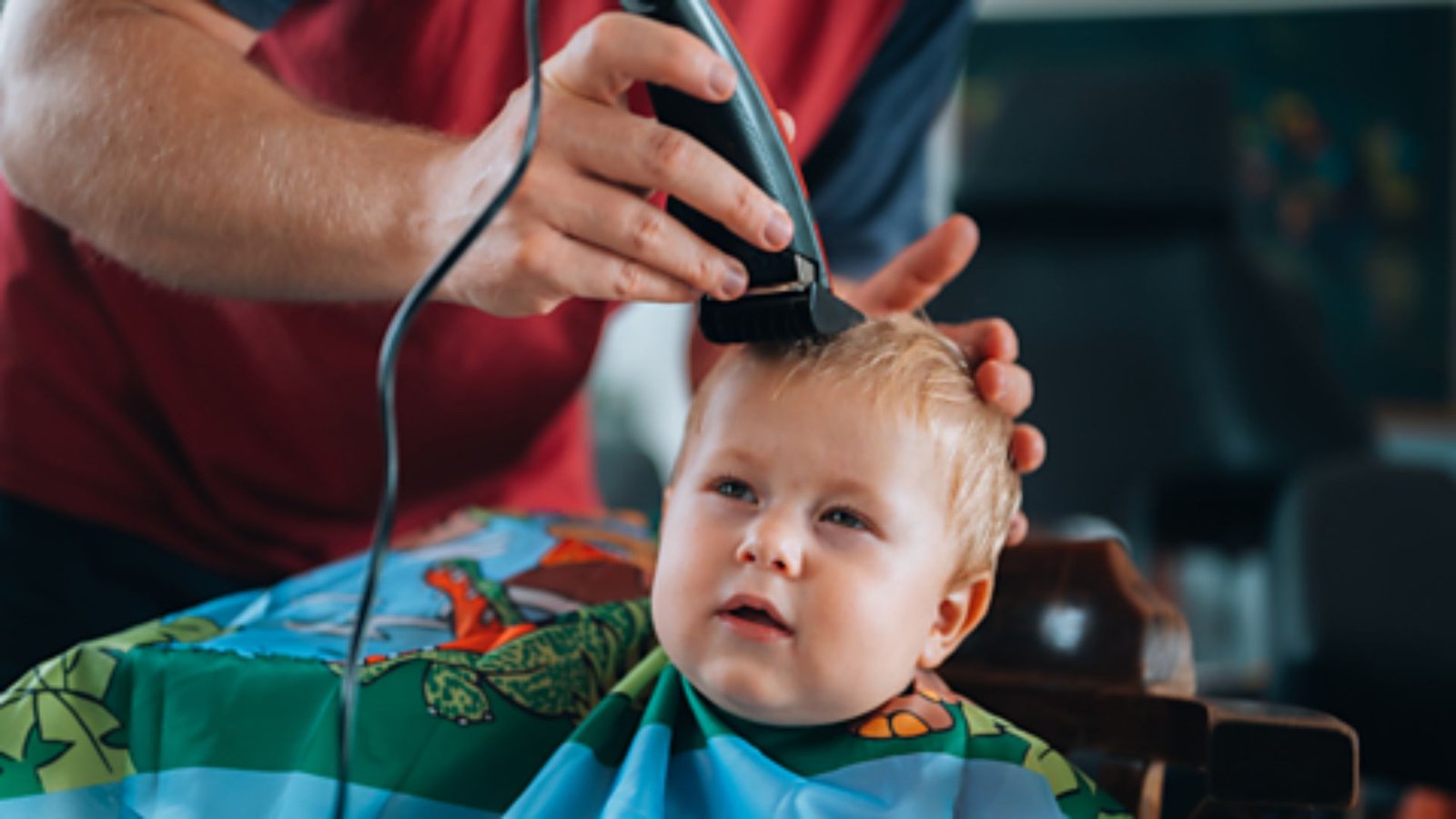
Learn the ideal timing for your baby’s first haircut and signs that indicate he’s ready for a trim.
When Is the Right Time?
Most babies with thin hair are ready for their first cut between 8 to 12 months old. Some need a trim earlier if their hair grows quickly or becomes uneven. Others can wait until 18 months.
Watch for these signs. If hair falls into your baby’s eyes frequently, it’s time. If the back is getting matted or tangled, a trim will help. Don’t rush it if your baby still has very little hair.
Tips to Make It Stress-Free
Keep the appointment short, around 10 to 15 minutes. Choose a time when your baby is calm and well-rested. Right after a nap often works best.
Bring his favorite toy or a snack. Stay calm yourself. Babies pick up on your energy. Talk to him in a soothing voice throughout the process.
Tools You’ll Need
Sharp, clean scissors with rounded tips are safest. Use a soft brush or wide-tooth comb. Skip styling products.
Plain water is enough to dampen hair before cutting.
Best Haircut Styles for Thin Hair Baby Boys

Get tips on selecting haircuts that complement your baby boy’s thin hair texture and face shape.
How to Choose a Style
Look at your baby’s face shape. Round faces work well with shorter sides and more length on top. Longer faces can handle uniform length all around.
Consider his hair’s natural growth direction. Work with these patterns instead of against them.
Think about maintenance. How much time do you have for daily styling? Thin hair on babies usually needs minimal work.
Low-Maintenance vs. Styled Looks
Low-maintenance cuts like buzz cuts and crew cuts need almost zero daily attention. They grow out evenly and still look good between trims.
Styled looks need more effort but can be cute for special occasions. For thin hair, keep styled looks relatively short. Long, thin hair on babies often looks stringy and limp.
15 Cute & Practical Haircut Ideas
Check out 15 specific haircut styles designed to work beautifully with fine, thin baby boy hair.
1. Soft Baby Buzz Cut
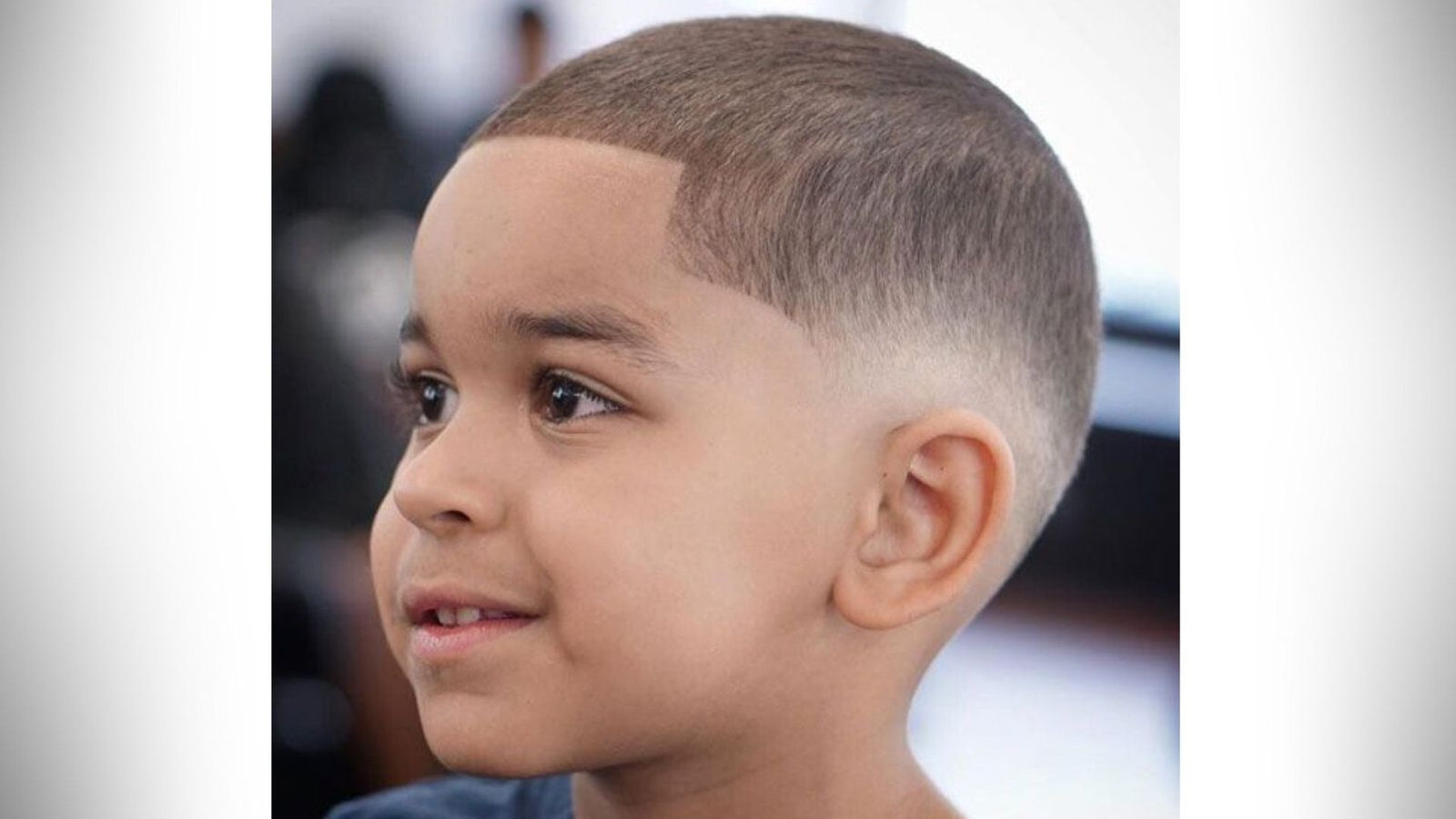
This cut uses clippers with a longer guard, usually a 3 or 4. It leaves about half an inch of hair all over. The uniform length makes thin hair look fuller and more even.
It’s incredibly low-maintenance and perfect for active babies. You’ll need trims every 4 to 6 weeks to keep it looking fresh.
2. Mini Crew Cut
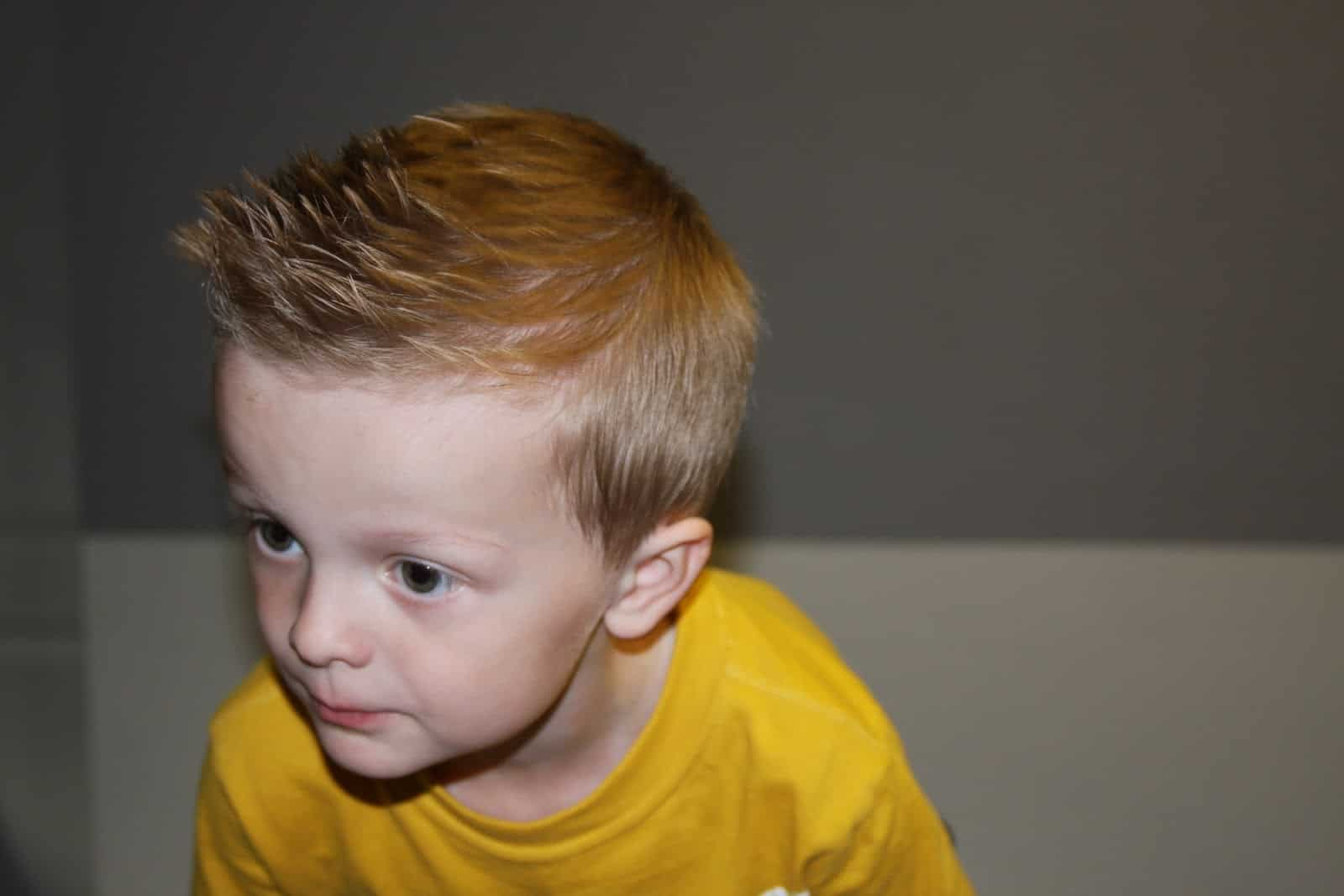
The mini crew cut keeps hair slightly longer on top, about three-quarters of an inch. The sides and back are shorter but not shaved. This creates subtle shape and dimension.
Thin hair benefits from this structure because it adds visual interest. The longer top can be brushed forward or to the side for variety.
3. Textured Crop Cut
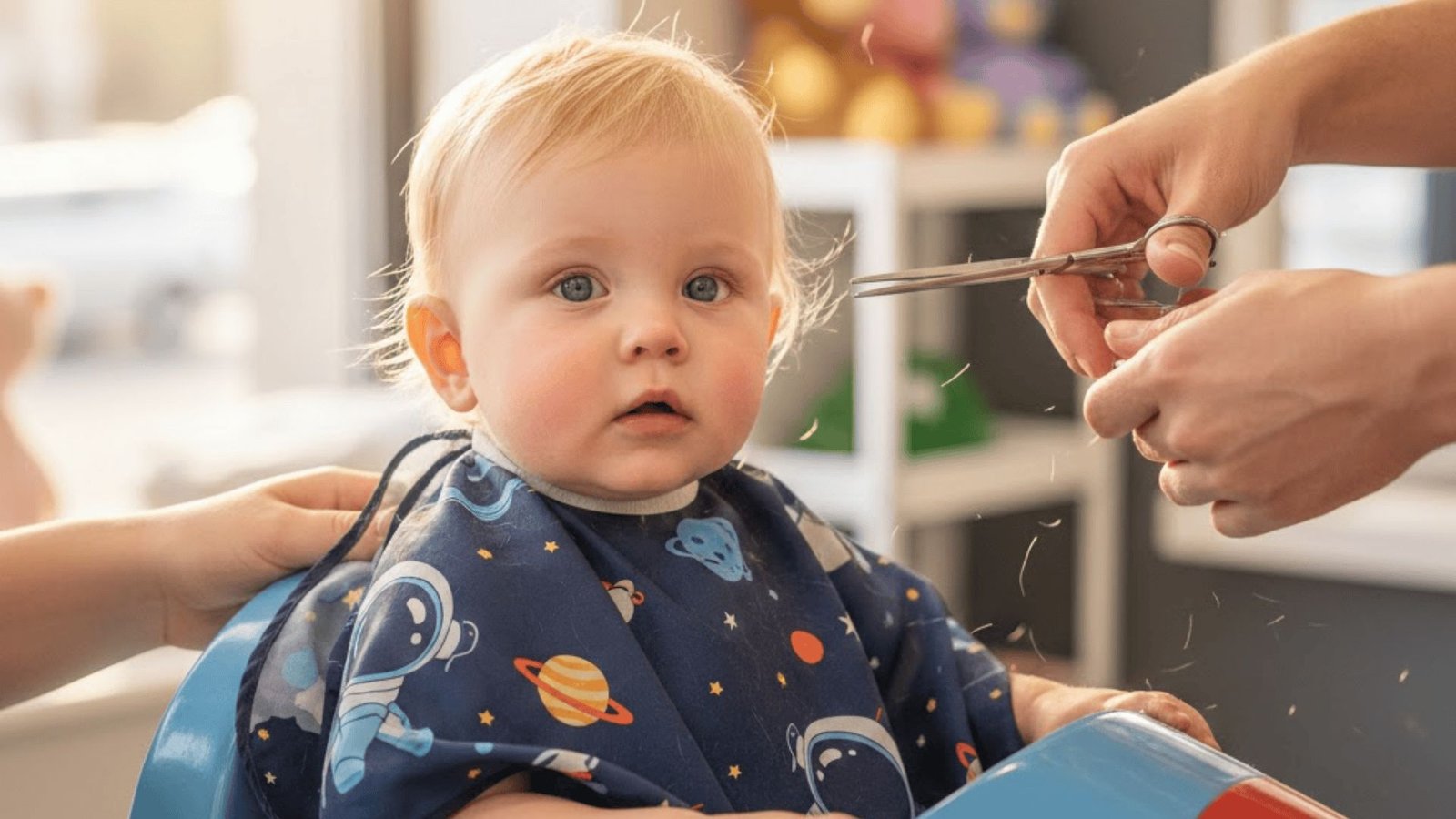
This style keeps hair short on the sides with slightly more length on top. The top is cut with texture to add dimension and prevent flatness. It’s a modern look that works well for thin hair because the texture creates the illusion of fullness.
The cut is easy to maintain and grows out naturally. Perfect for babies who need a style that looks good with minimal fussing.
4. Wispy Fringe Cut
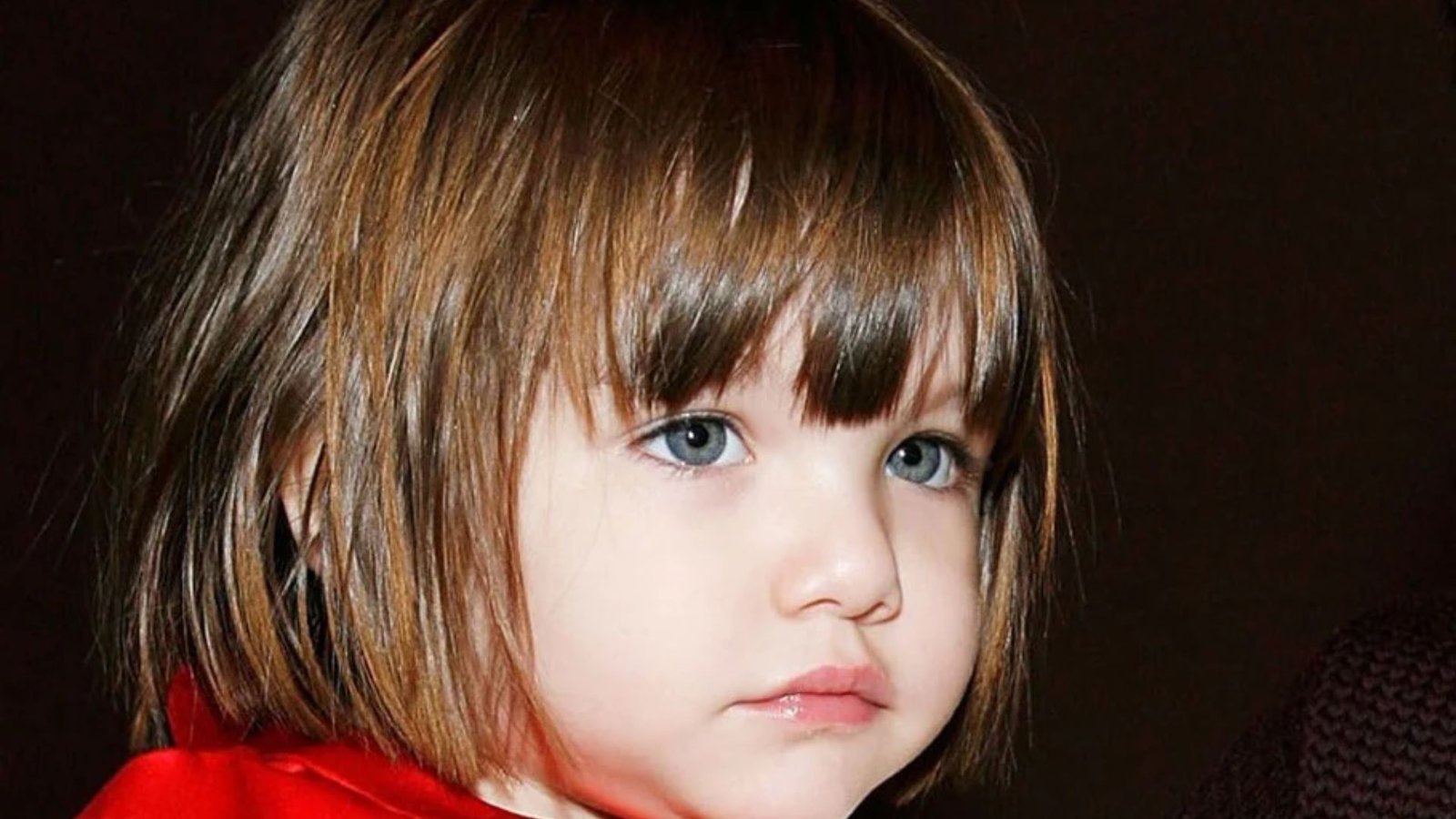
Keep the front and top area longer to create a soft fringe over the forehead. The back and sides stay shorter. This cut is cute on babies and works surprisingly well with thin hair.
The fringe adds character without requiring products. Just let it fall naturally and trim when it reaches the eyes.
5. Baby Caesar Cut
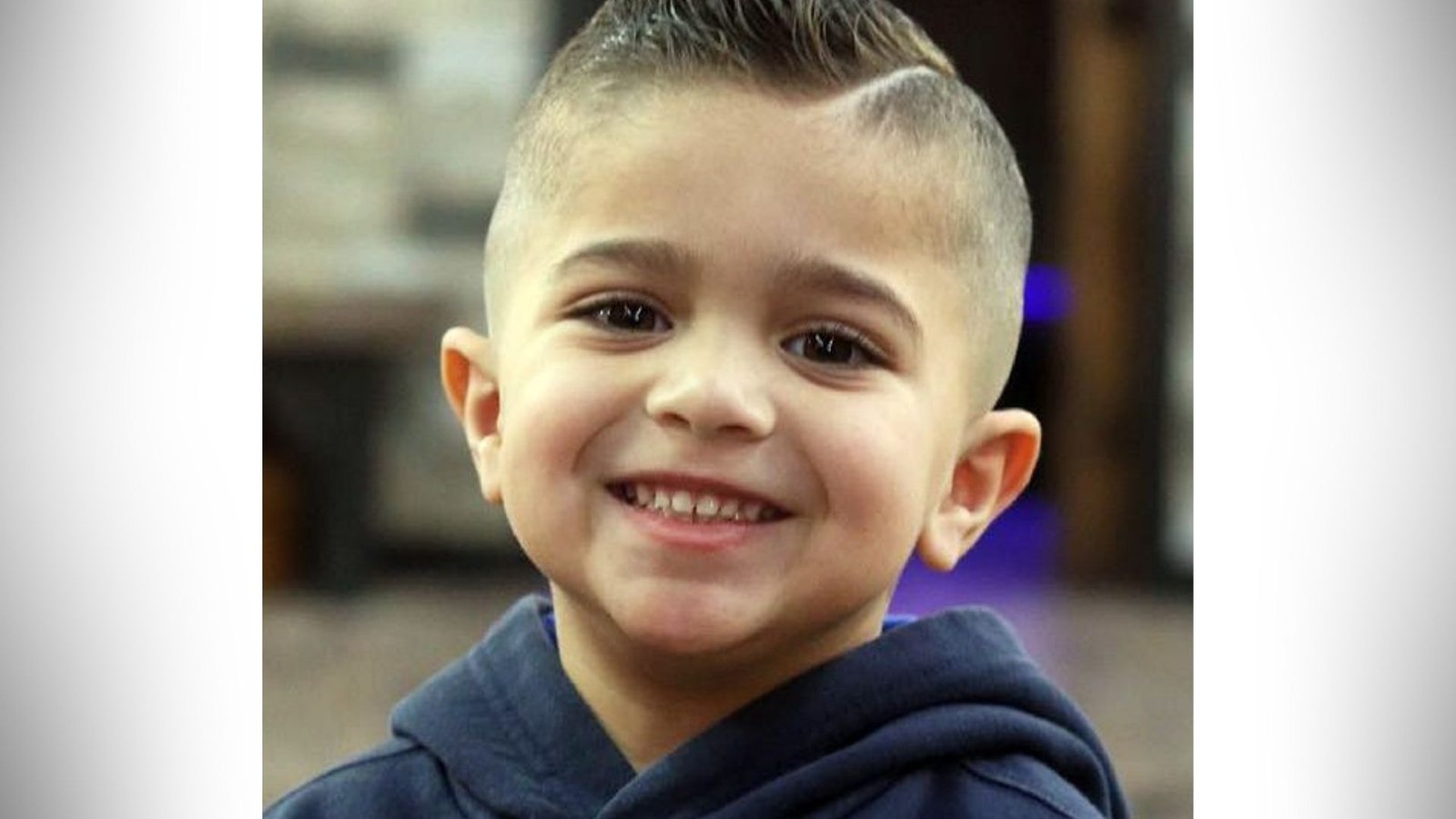
This classic style features short, even-length hair all over with a tiny bit of fringe in front. The slight forward fringe makes thin hair look more substantial.
It requires very little maintenance and always looks intentional. The style grows out evenly without awkward stages between trims.
6. Little Side-Sweep Cut

Hair is cut slightly longer on top and brushed to one side. The sides and back stay neat and short. Thin hair actually holds this style better than thick hair because it’s lighter.
A quick comb after bath time is all you need. No products required for this simple, casual look.
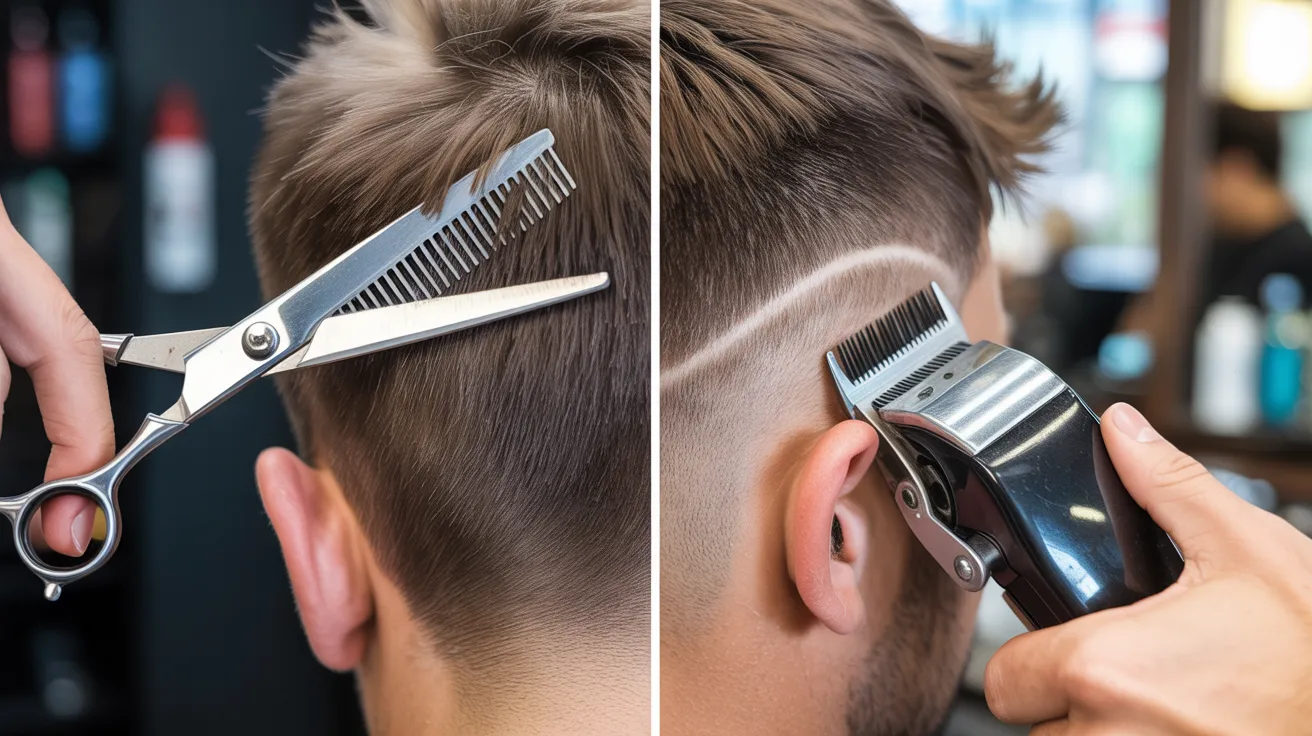
7. Short Scissor Cut

If you prefer scissors over clippers, ask for a short all-over scissor cut. This leaves hair soft and natural-looking. Scissors create texture that clippers can’t.
This is great for babies who are sensitive to clipper noise or vibration. The cut stays looking fresh for 6 to 8 weeks.
8. Natural Wavy Trim
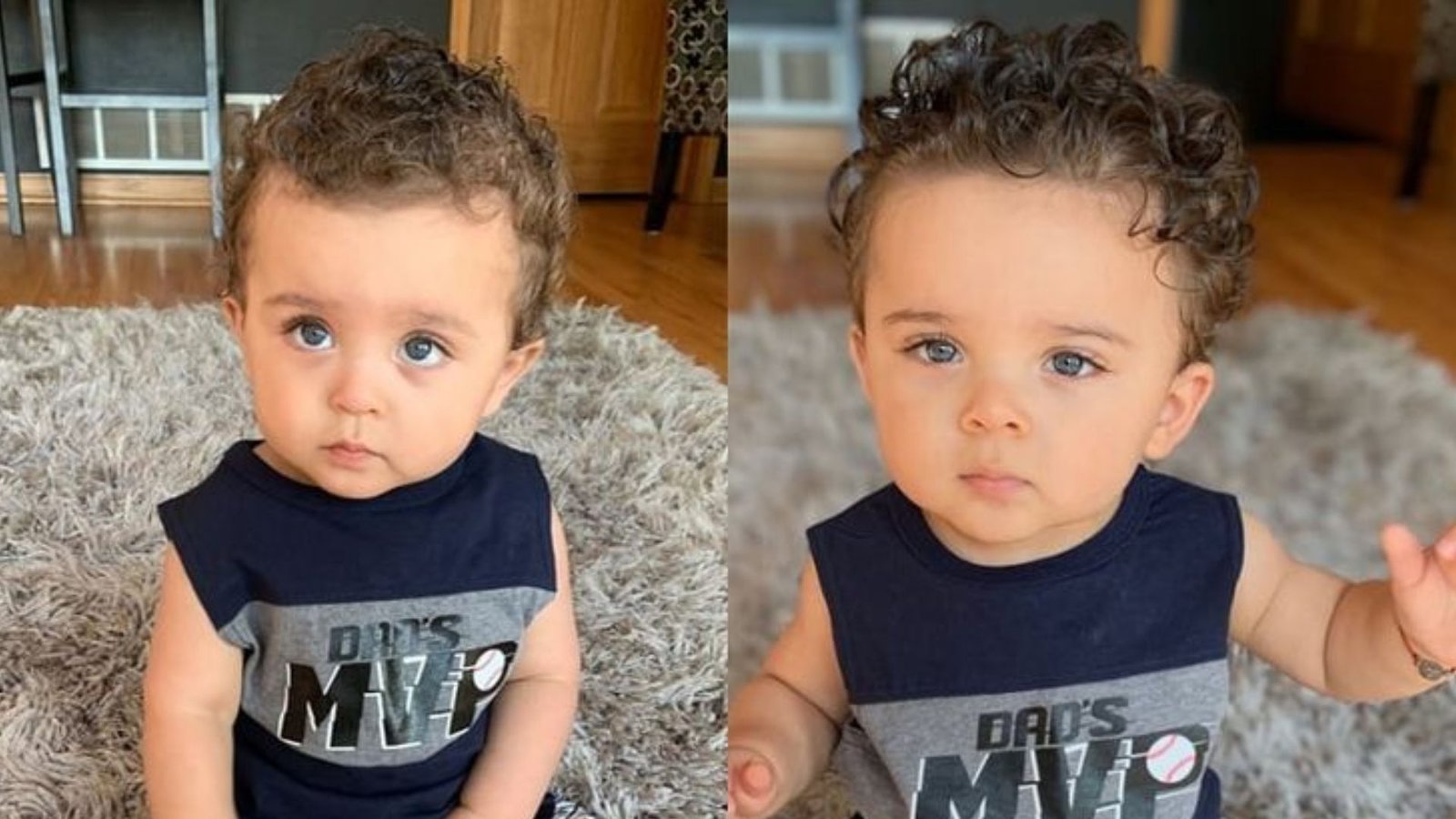
Some babies with thin hair have a natural wave pattern. Don’t fight it. Ask for a trim that follows the wave and keeps everything even.
The wave adds visual interest to fine hair. Leave enough length to see the wave, usually about an inch on top with shorter sides.
9. Modern Bowl-Inspired Cut
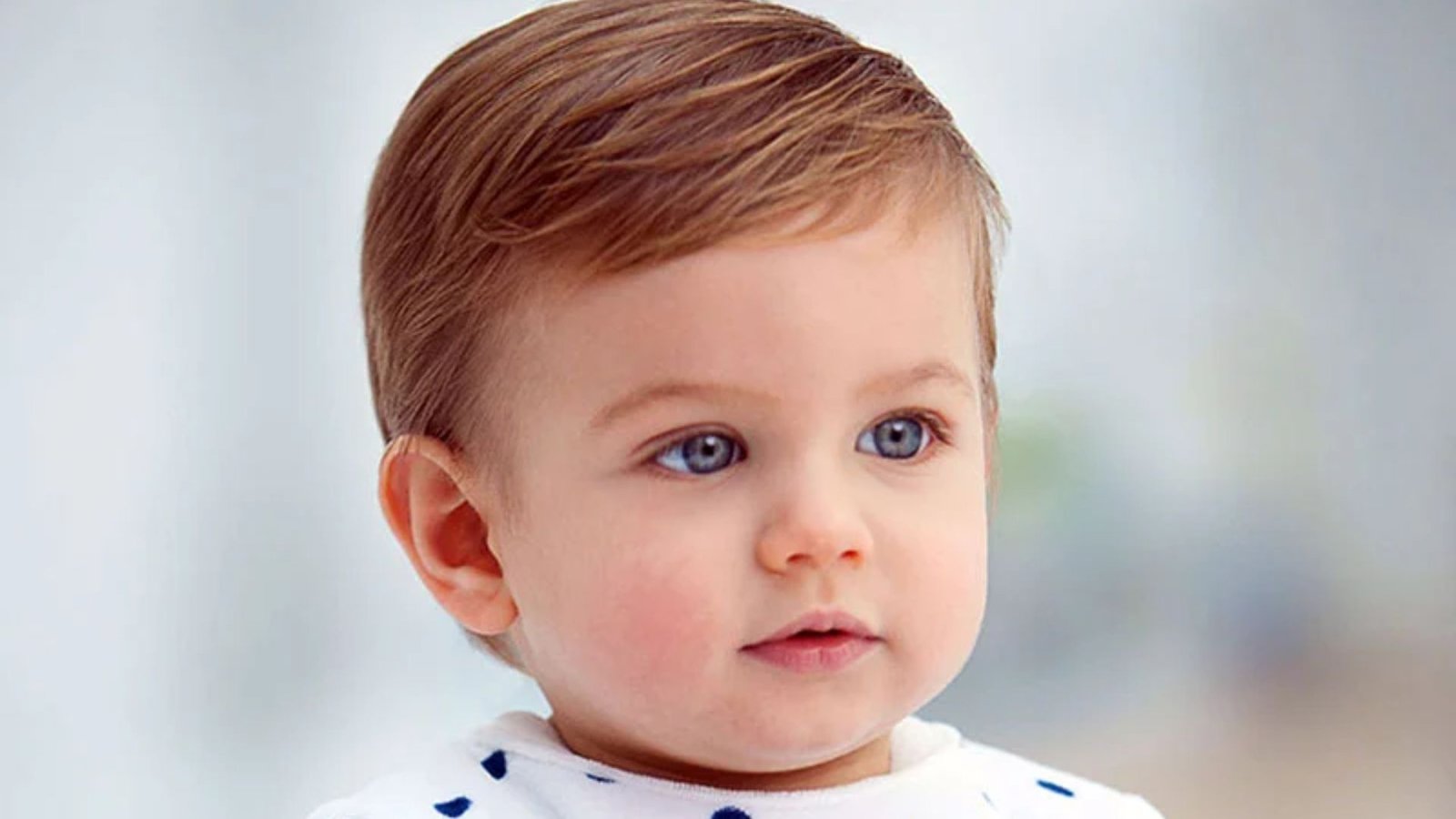
This is a softer, modern version with shorter sides and a rounded top. The top is kept short enough that thin hair doesn’t look flat. It frames the face nicely.
This isn’t the harsh bowl cut from the past, it’s contemporary and age-appropriate. Great for babies with rounder face shapes.
10. Simple Textured Top

The stylist uses scissors or texturizing techniques to add slight variation in the top section. This prevents thin hair from lying completely flat.
The sides stay short and clean. The textured top gives the appearance of more volume and movement without being obvious or overdone.
11. Light Layered Baby Cut

Very light layering throughout helps thin hair look less flat. The layers are minimal and barely noticeable but create lift.
This works best if your baby has at least an inch of hair to work with. The stylist cuts in a way that removes weight without removing length for a soft, natural result.
12. Micro Faux Hawk
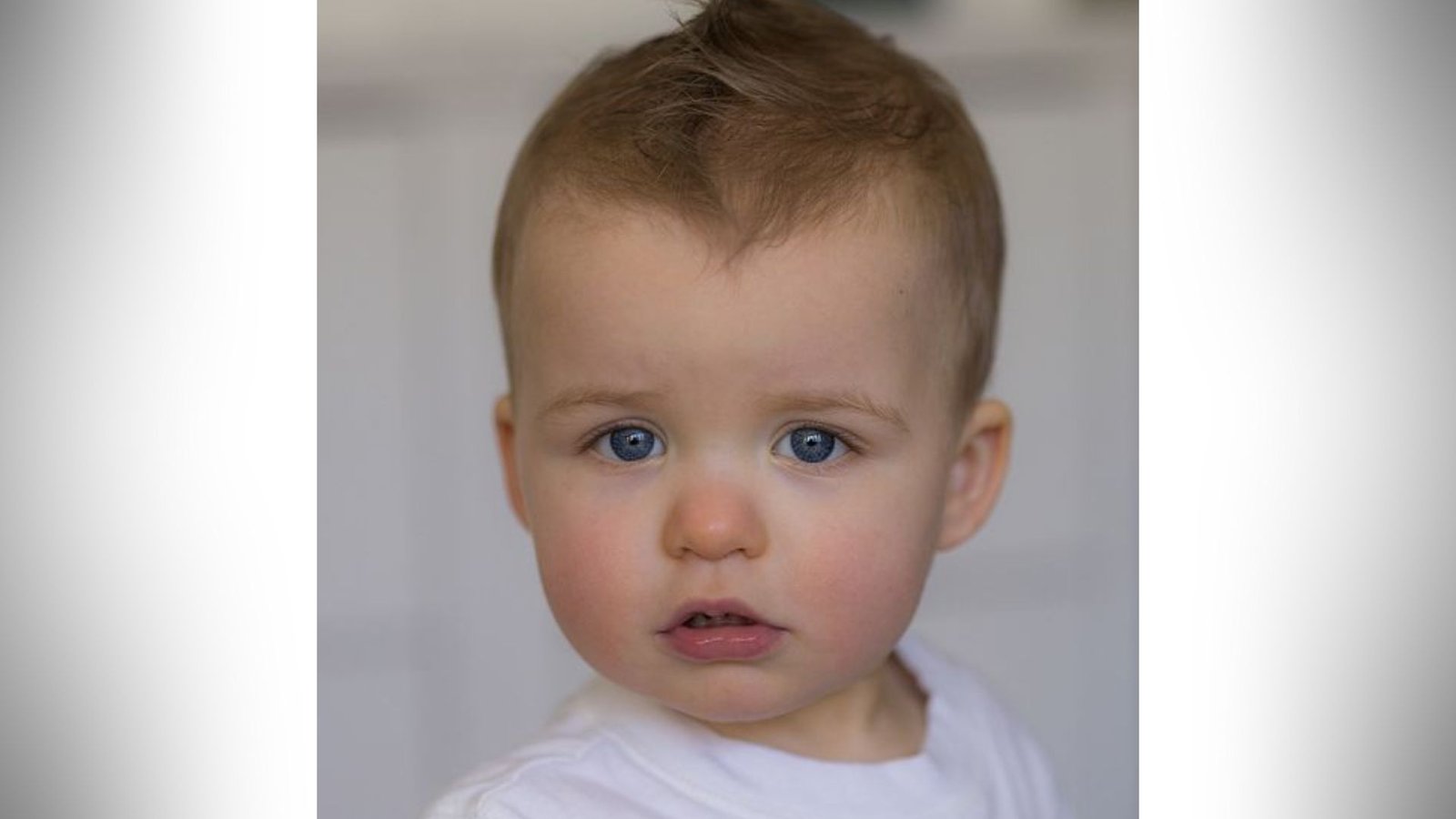
The sides are cut shorter while the top stays a bit longer. The longer top hair naturally stands up slightly. Thin hair actually works well here because it’s easier to lift.
It’s not dramatic, just a playful variation that looks cute in photos. No products needed for daily wear.
13. Side-Part Baby Cut
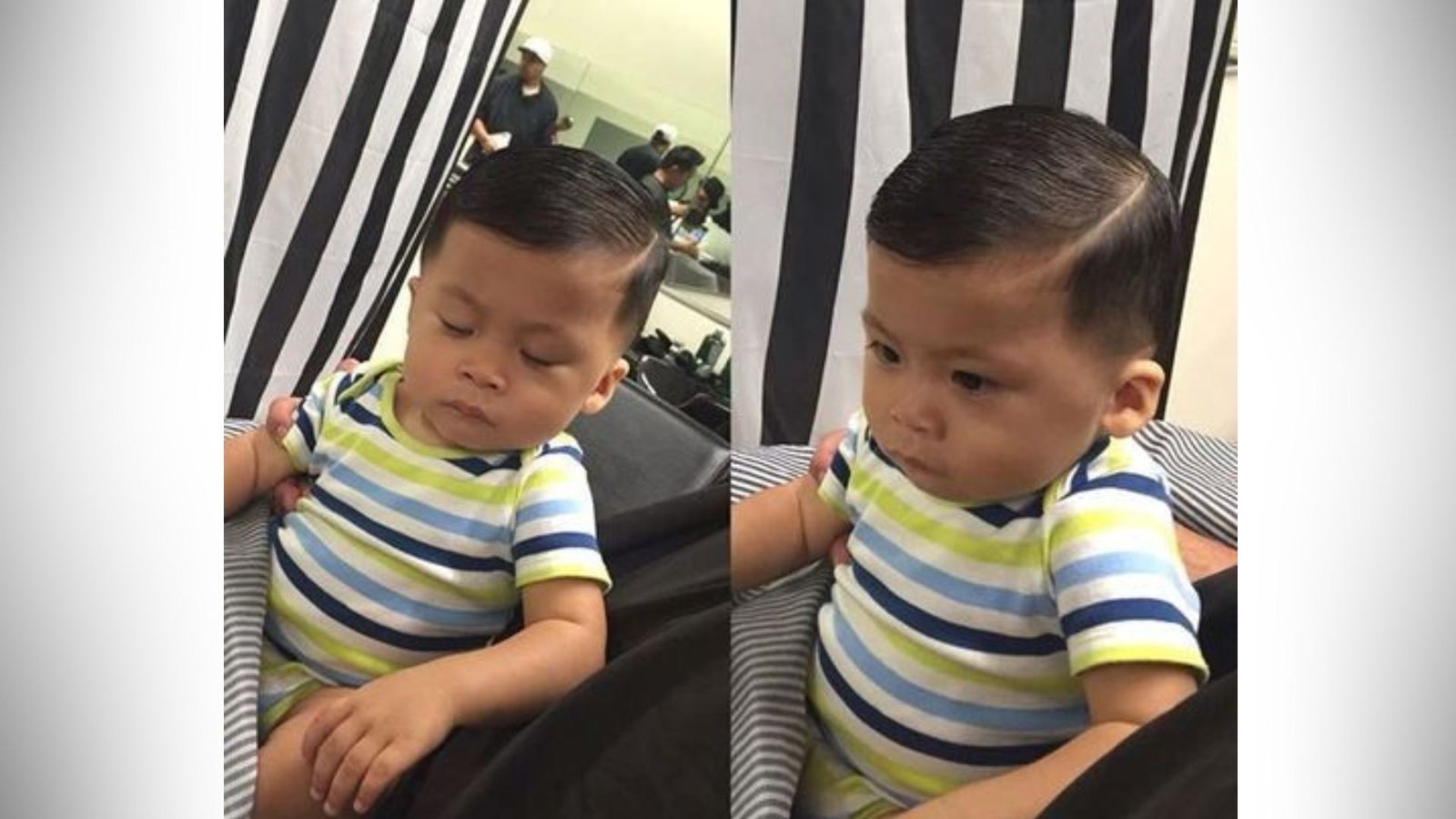
Create a soft side part and keep hair relatively short all over. The part adds structure and makes thin hair look more intentional.
Comb hair to each side of the part after washing. This classic style never goes out of fashion and suits both formal and casual settings.
14. Feathered Baby Cut
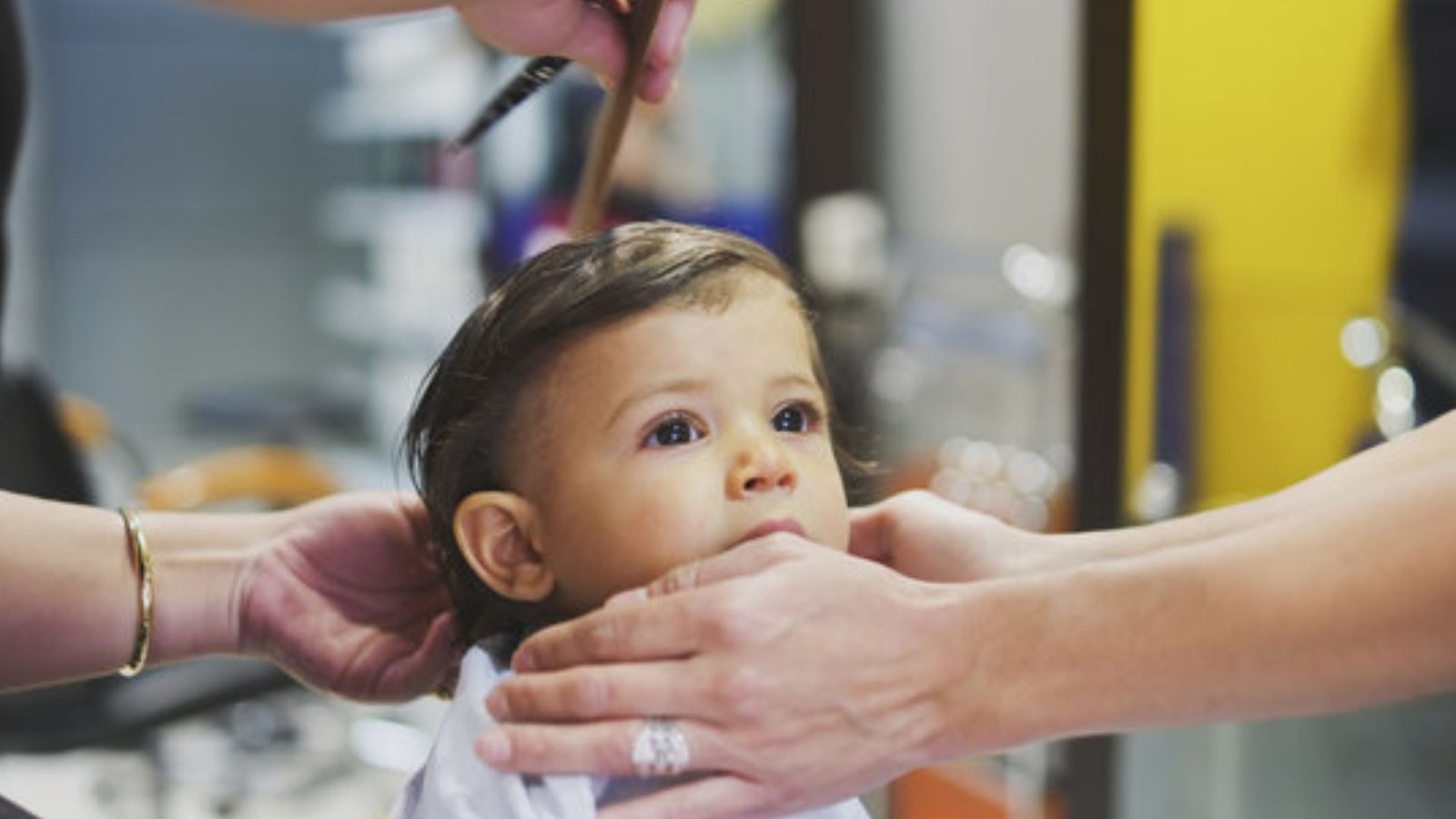
The stylist cuts in a way that creates soft, feathered edges instead of blunt lines. This adds movement and prevents thin hair from looking heavy or flat.
The feathering is subtle and works throughout the entire head. It’s a technique more than a specific style, so ask your stylist if they’re comfortable with this approach.
15. Gentle Undercut-Inspired Trim
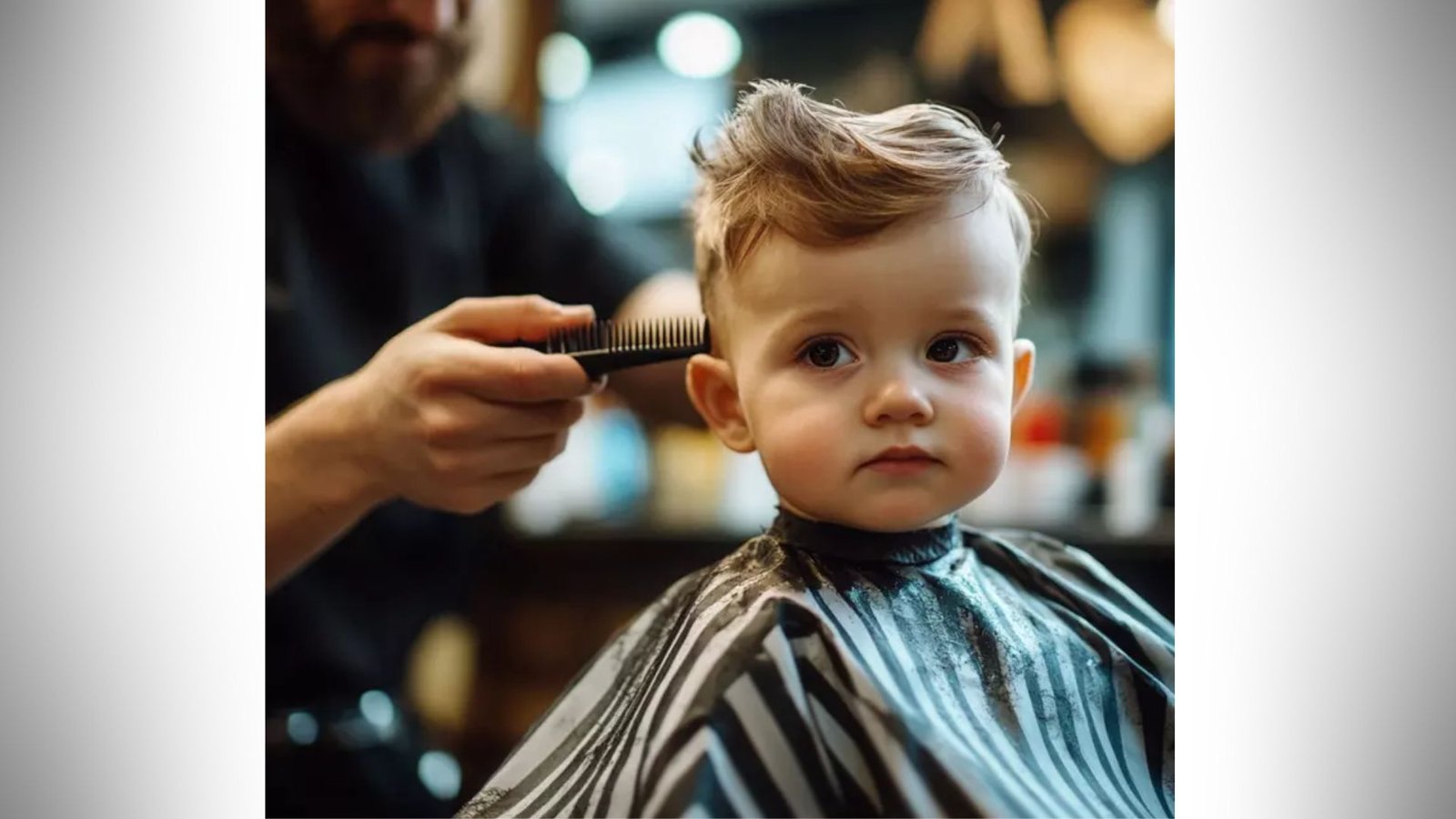
This is a very mild version of an undercut. The back and lower sides are cut shorter, while the top and crown area stay longer. It’s not severe or dramatic, the length difference is subtle.
This creates shape and reduces the appearance of thin, flat hair. It’s modern but still totally appropriate for babies.
How to Add Natural Volume to Thin Baby Hair
Blow-dry on a cool setting to add lift at the roots. Keep the dryer moving and hold it six inches from the scalp. Never use heat directly on a baby’s skin.
Finger-fluff hair after bath time while it’s still damp. Gently lift and separate strands with your fingers to prevent flat drying.
Avoid tight hats and headbands. These flatten thin hair and can damage developing follicles.
Wash gently two to three times per week. Daily shampooing strips natural oils that thin hair needs.
Massage the scalp during bath time. This increases blood flow to hair follicles and supports healthier growth.
Pat dry instead of rubbing. Wet baby hair breaks easily, and rubbing creates friction and damage.
Trim every 6 to 8 weeks. This removes damaged ends and keeps hair looking healthy.
First Haircut at Home vs. Salon
Compare home and salon haircuts to help you decide the best option for your thin-haired baby boy.
| Aspect | Salon Haircut | Home Haircut |
| Experience | Professional stylists know techniques for thin hair | Best for simple styles like buzz cuts |
| Equipment | Child-sized chairs and specialized tools | Requires investment in quality clippers and scissors |
| Stress Level | Parents can focus on comforting baby | Need a helper to distract while cutting |
| Best For | Complex styles, tapers, and textured cuts | Basic trims and maintenance cuts |
| Learning Curve | No learning needed | Watch tutorial videos first |
| Time Pressure | Quick professional service | Go slowly with breaks as needed |
| Cost | Ongoing expense per visit | One-time tool investment |
Making It Work
Your baby boy’s first haircut with thin hair doesn’t have to be stressful. Pick something you can manage easily and that makes your little one comfortable.
Trust your instincts about timing and whether to go to a salon or try it at home. Take photos, save a little lock of hair if you want, and remember that hair grows back.
Conclusion
Your baby boy’s first haircut with thin hair doesn’t have to be stressful. I learned this watching my nephew. His mom picked a simple buzz cut, and it was over in minutes.
Pick something you can manage easily and that makes your little one comfortable.
Trust your instincts about timing and going to a salon or trying it at home. Take photos, save a little lock of hair if you want, and remember that hair grows back.
What style are you considering for your baby? Drop a comment below and share your experience!
Frequently Asked Questions
How often should I trim my baby boy’s thin hair?
Every 6 to 8 weeks keeps thin hair looking neat and healthy. If you choose a very short style like a buzz cut, you might need trims every 4 weeks.
Will cutting thin baby hair make it grow thicker?
No, cutting doesn’t change hair thickness or texture. That’s determined by genetics. However, regular trims remove damaged ends, which makes thin hair look healthier and fuller.
What’s the best length for very thin baby hair?
Shorter lengths usually work best, typically between half an inch to one inch. This prevents thin hair from looking limp or stringy.
Can I use conditioner on my baby’s thin hair?
Most babies don’t need conditioner, especially those with thin hair. Baby shampoo alone is usually sufficient.
Should I worry if my baby’s hair is very thin?
Thin baby hair is completely normal and often temporary. Many babies with fine hair develop thicker hair as they grow. Hair texture can change significantly between infancy and age three.