
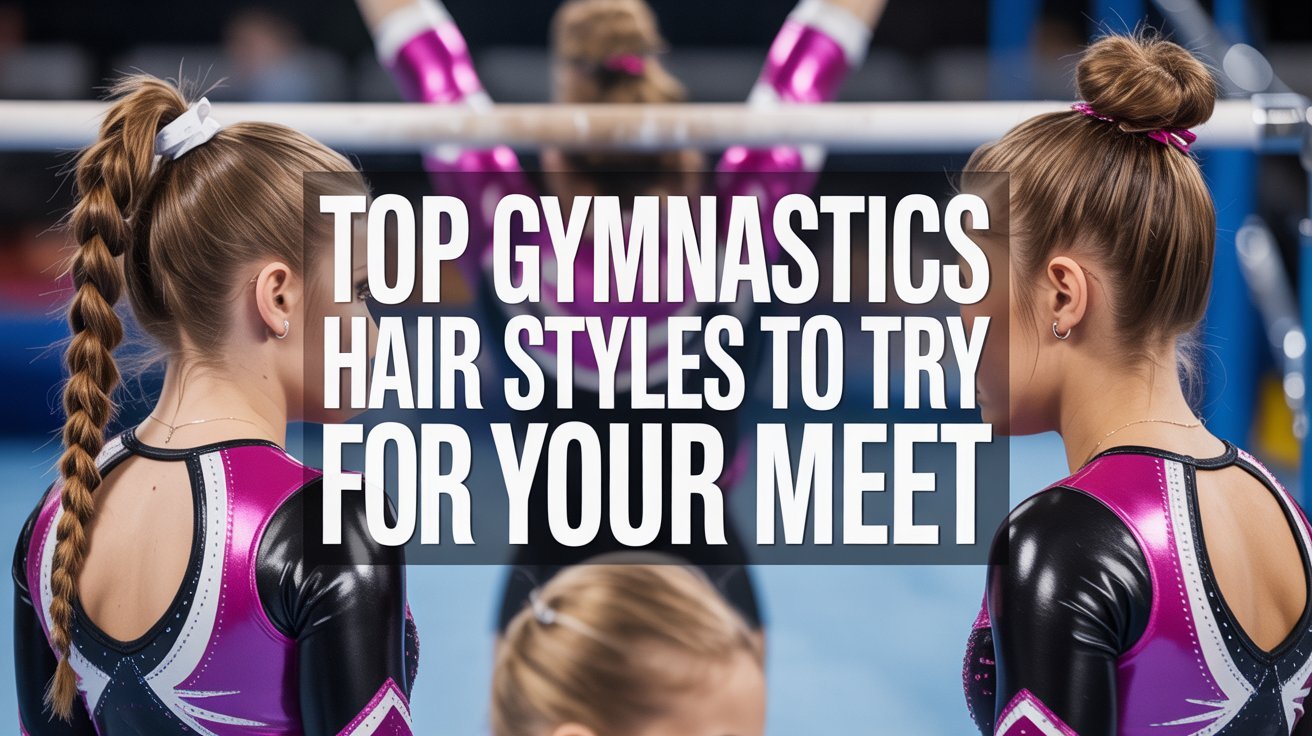



Getting your hair right for a gymnastics meet matters more than you think. A secure hairstyle keeps hair out of your face during routines and helps you perform safely.
I’ve seen gymnasts lose focus mid-routine because loose strands blocked their vision.
This guide covers the best gymnastics hair styles for every hair type and length. You’ll learn practical styling techniques, approved accessories, and tips from experienced gymnasts.
No matter if you have thick, thin, curly, or straight hair, I’ll show you how to create competition-ready looks that stay put through flips, tumbles, and beam work.
Basics of Gymnastics Hair Styles
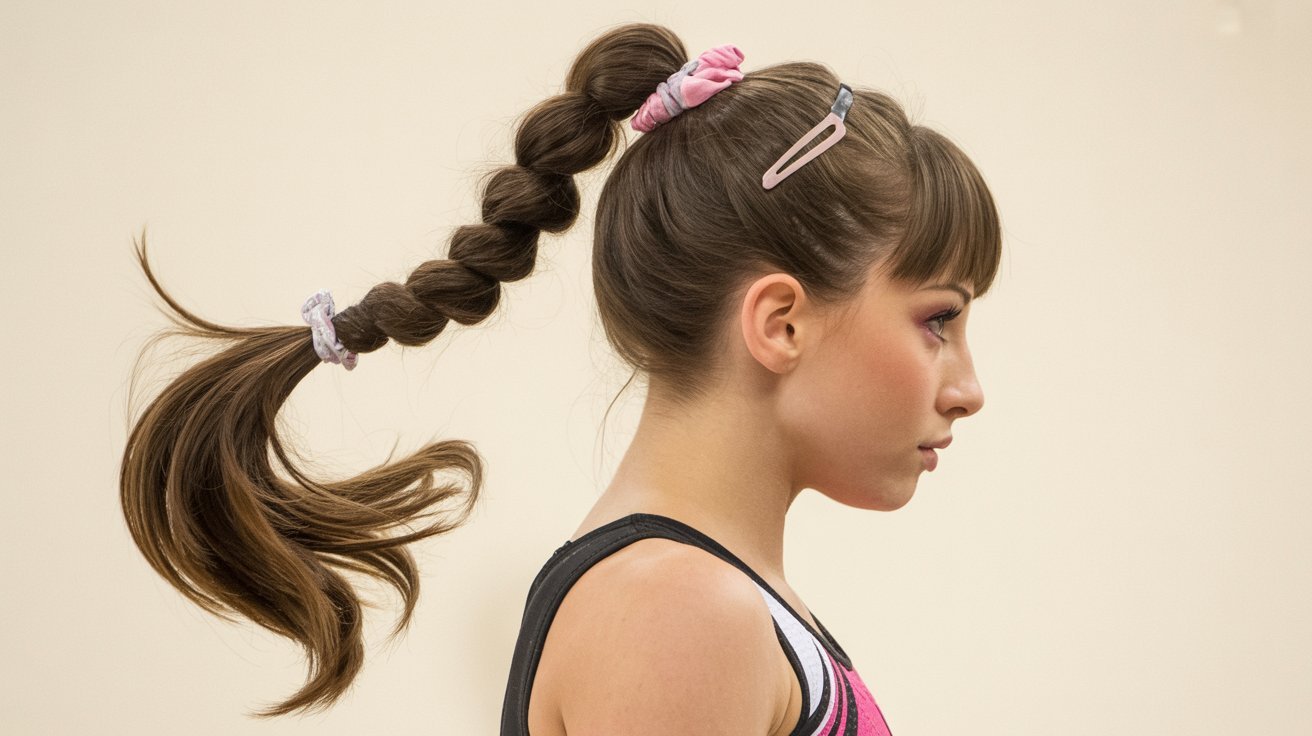
Long hair needs proper securing before you compete. Choose from ponytails, braids, or buns depending on your preference. The goal is keeping every strand in place so nothing blocks your view during routines.
Loose hair creates safety risks and distracts you from performing your best. Judges notice neat, controlled hairstyles as part of your presentation.
Scrunchies work well because they grip hair without causing damage. Headbands help control flyaways and shorter pieces. Stick with simple, functional accessories rather than large decorative clips.
Competitions often have rules against excessive decorations that could fall off. Choose accessories that match your leotard for a polished look.
Popular Gymnastics Hair Styles
These tried-and-tested styles work for most gymnasts. Each offers specific benefits depending on your routine.
Top Knot
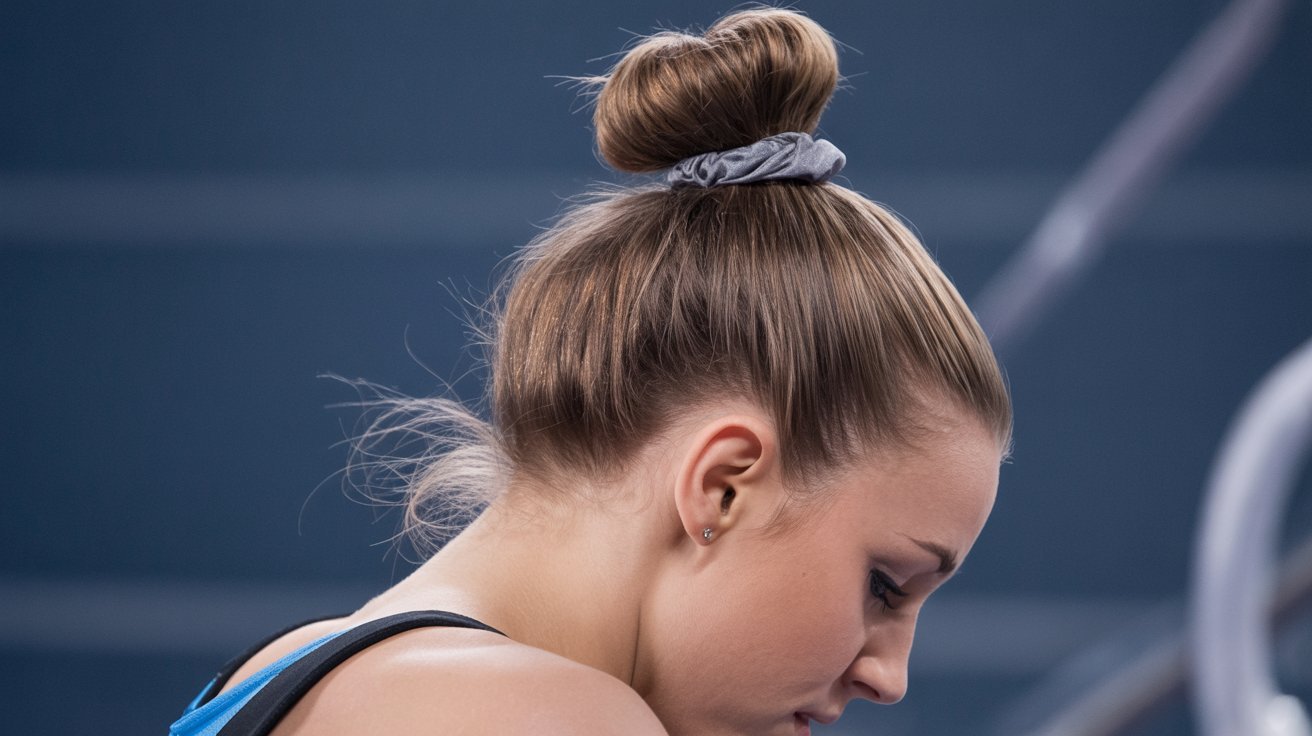
The top knot creates a sleek, streamlined look that keeps every strand secure. This style sits high on your head and stays tight through intense movement. I recommend it for floor routines and vault because it minimizes distractions.
The compact shape prevents hair from shifting during rotations. You can achieve this style in under five minutes with practice.
High Ponytail
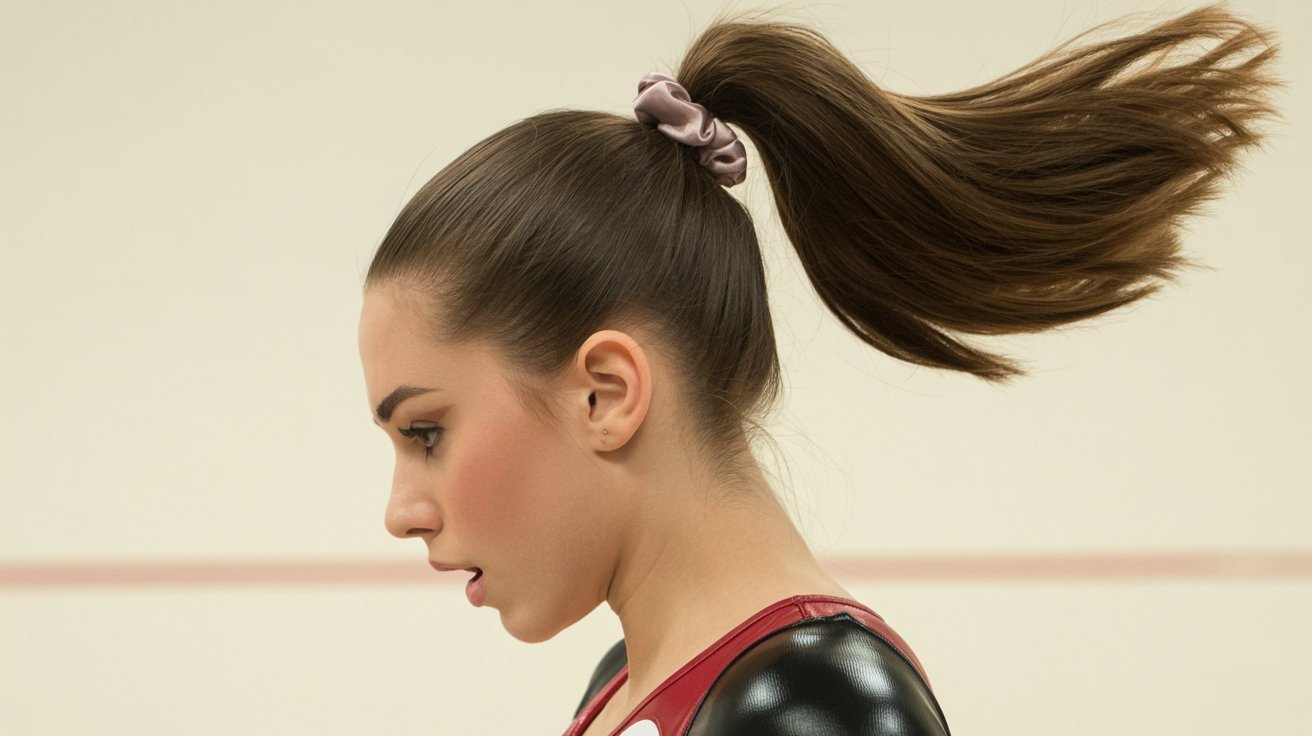
A high ponytail gives you a neat, professional appearance judges appreciate. This classic style works best for medium-length hair that might be too short for elaborate braids.
The height keeps hair away from your neck and shoulders during routines. Make sure you secure it tightly at the crown. Add an extra elastic band near the ends to prevent loose pieces.
Pigtail Braids
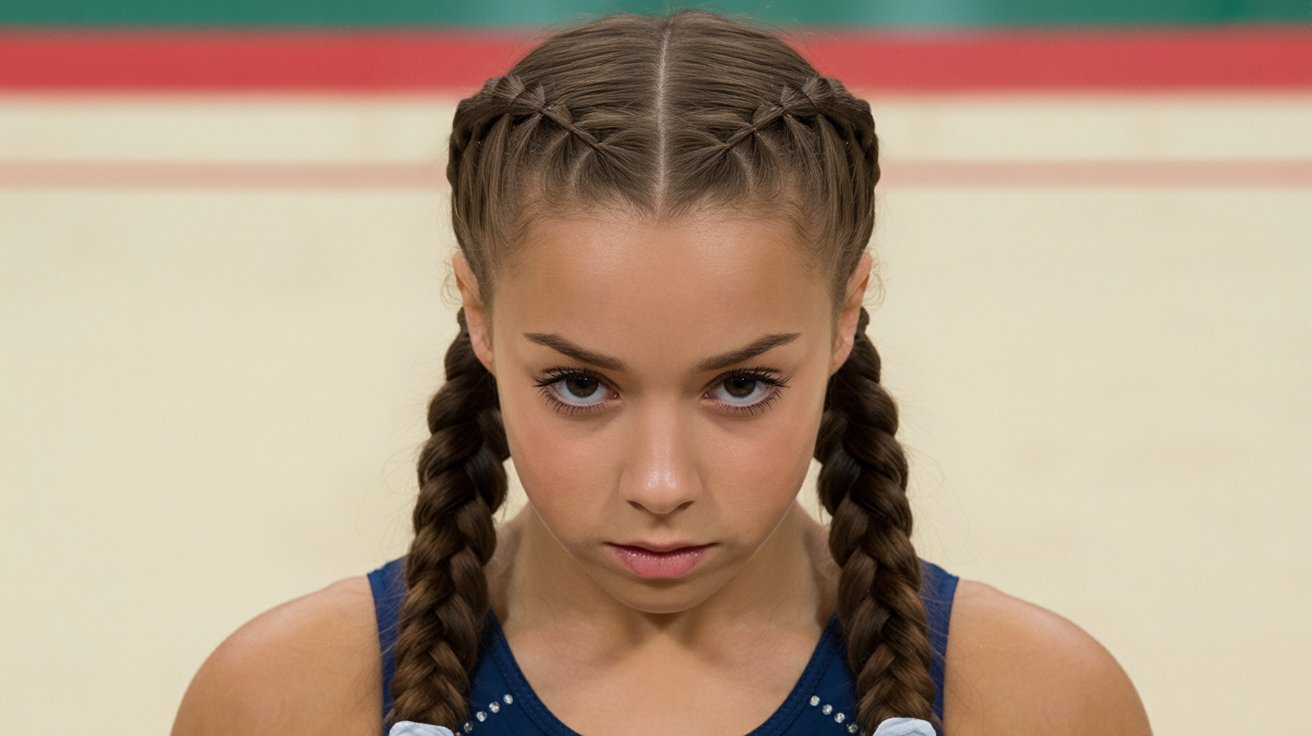
Pigtail braids excel during backward rolls and tumbling passes. The two-braid system distributes weight evenly across both sides of your head. This balance helps you maintain proper form during complex moves.
Each braid stays close to your scalp, reducing bounce and movement. These work particularly well for gymnasts with thick or heavy hair.
French/Dutch Braids
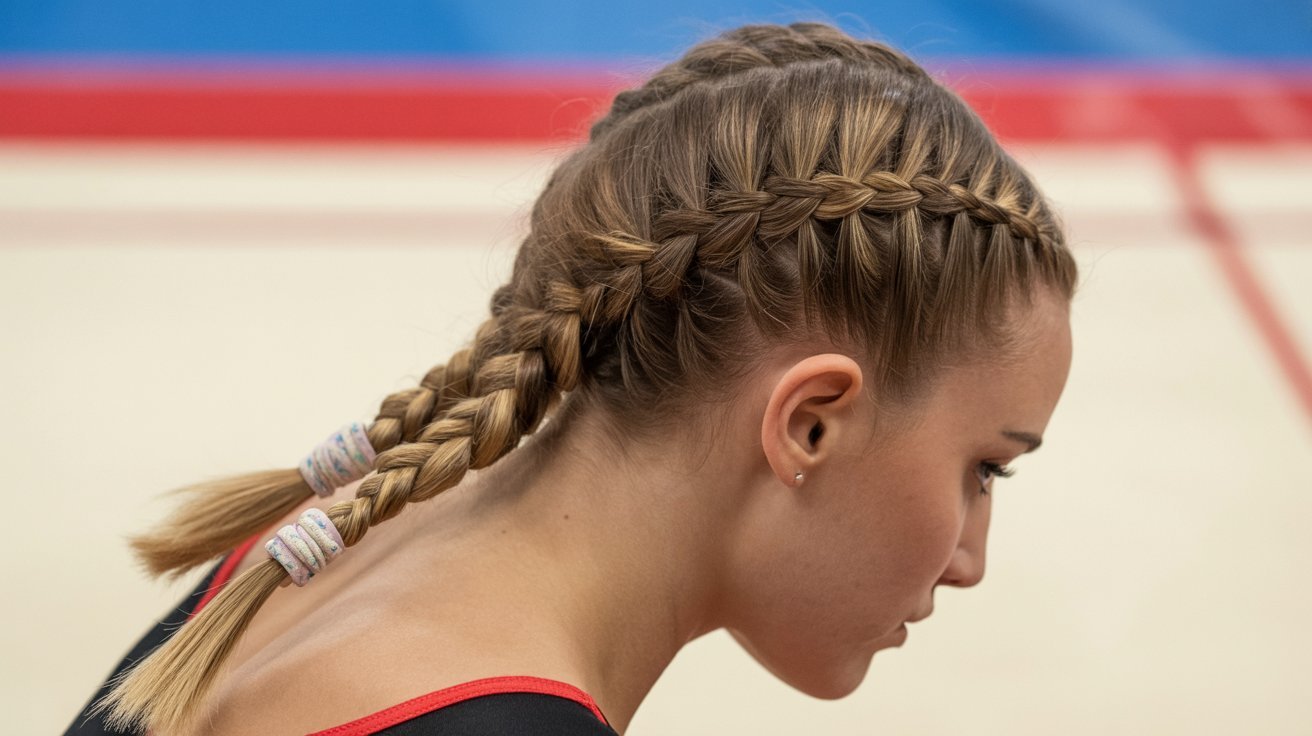
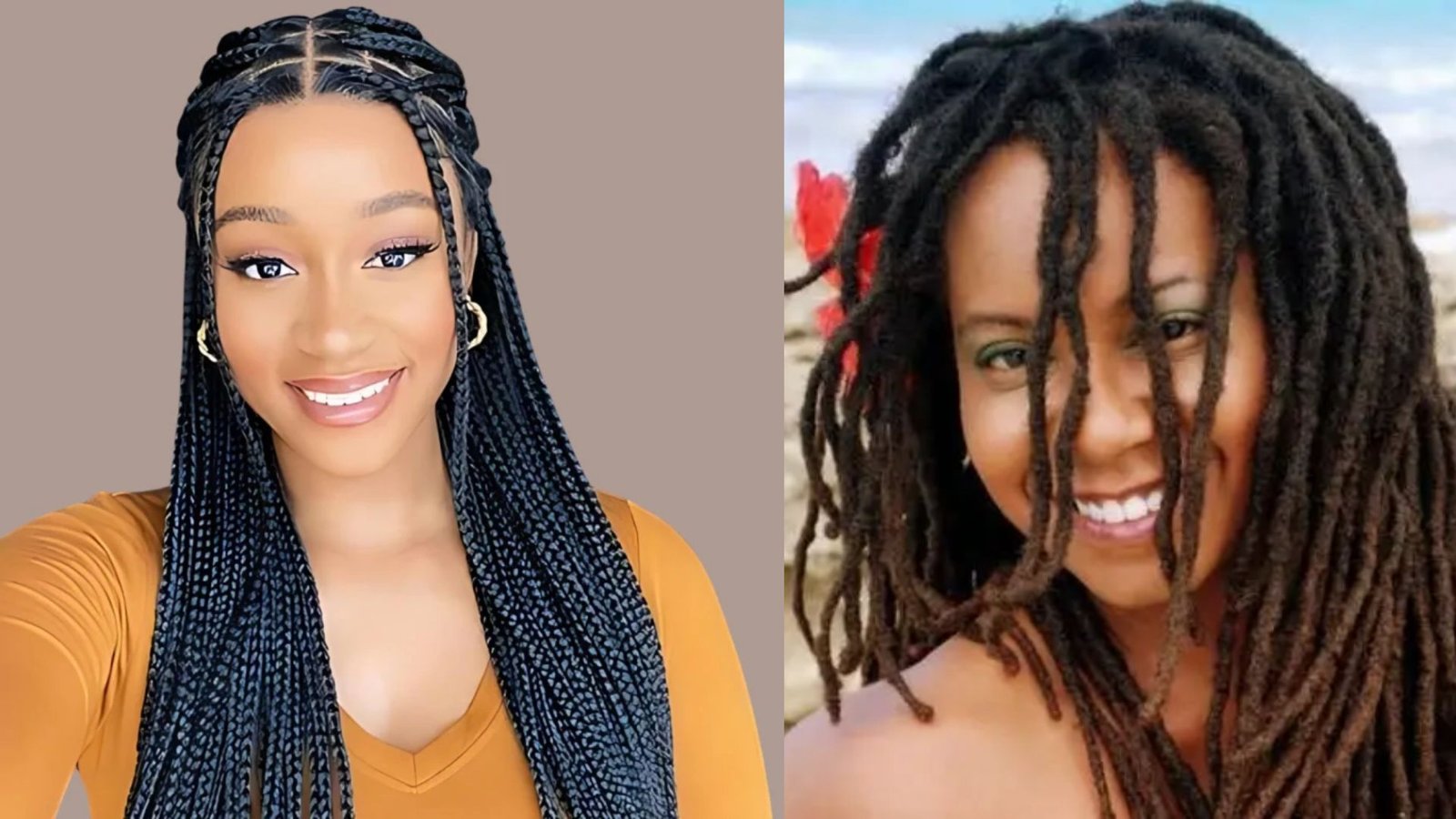
French and Dutch braids keep hair secured close to your scalp throughout routines. You can create single, double, or crown braid variations depending on your hair length and thickness.
The tight weaving prevents strands from escaping during flips. Dutch braids sit higher and more visible than French braids. Both styles last through entire competitions without needing touch-ups.
Bubble Ponytail
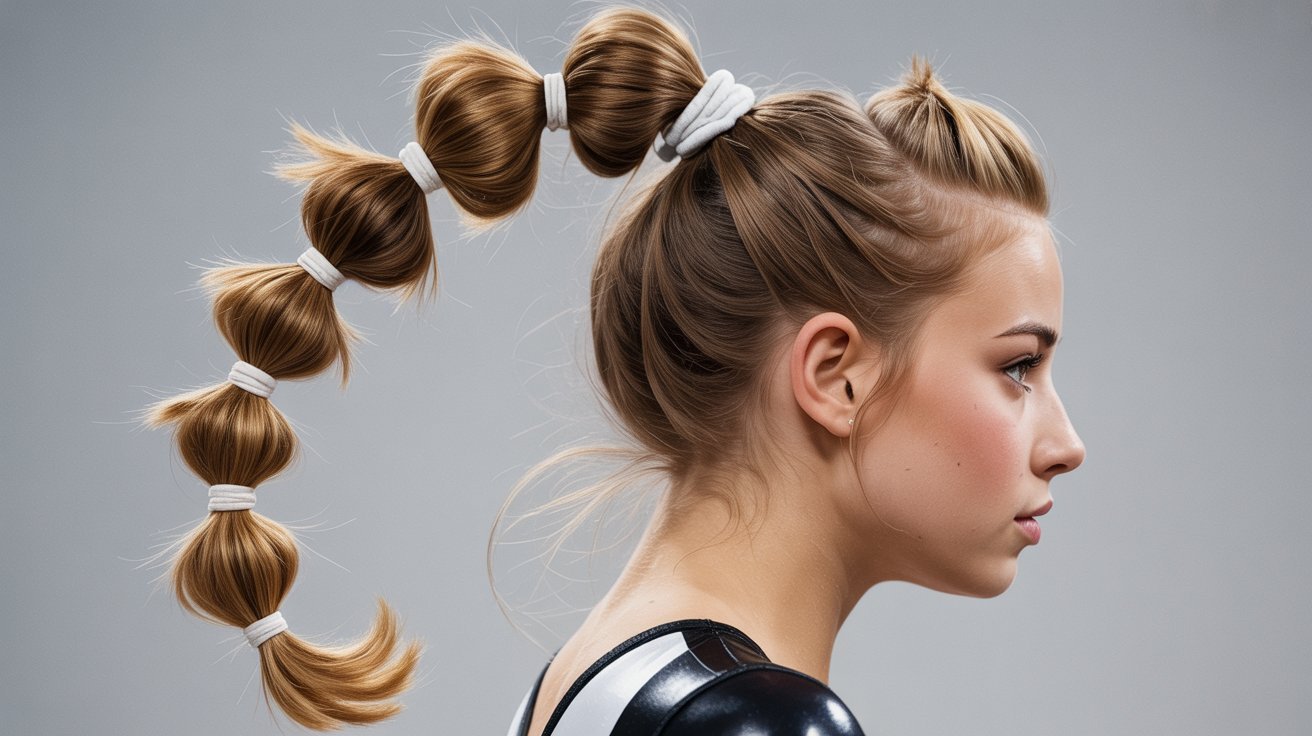
The bubble ponytail sections your hair into controlled intervals using multiple elastics. Each “bubble” stays secure independently, so even if one loosens, the rest hold firm. This stylish option adds visual interest while maintaining functionality.
Space the elastics evenly down the length of your ponytail. The segmented design works especially well for very long hair.
Tips by Hair Type
Your hair type determines which styles work best. Understanding your hair’s characteristics helps you choose wisely.
Thick Hair:
Thick hair offers excellent hold but can feel heavy during routines. The weight sometimes causes headaches or pulls on your scalp. Distribute that weight using braids or multiple ponytails instead of single styles.
Divide thick hair into sections before braiding to ensure even tension. Consider a high bun if braids feel too bulky. The key is creating balance so no single area bears too much weight.
Thin Hair:
Thin hair struggles with flyaways and lacks natural grip for securing styles. Texturizing spray adds the friction you need to keep elastics and pins in place. Dry shampoo works similarly by adding texture to clean, slippery strands.
Apply these products to damp hair before styling. Tease sections slightly at the roots for extra volume and hold. Multiple thin braids often work better than a single thick one.
Curly Hair:
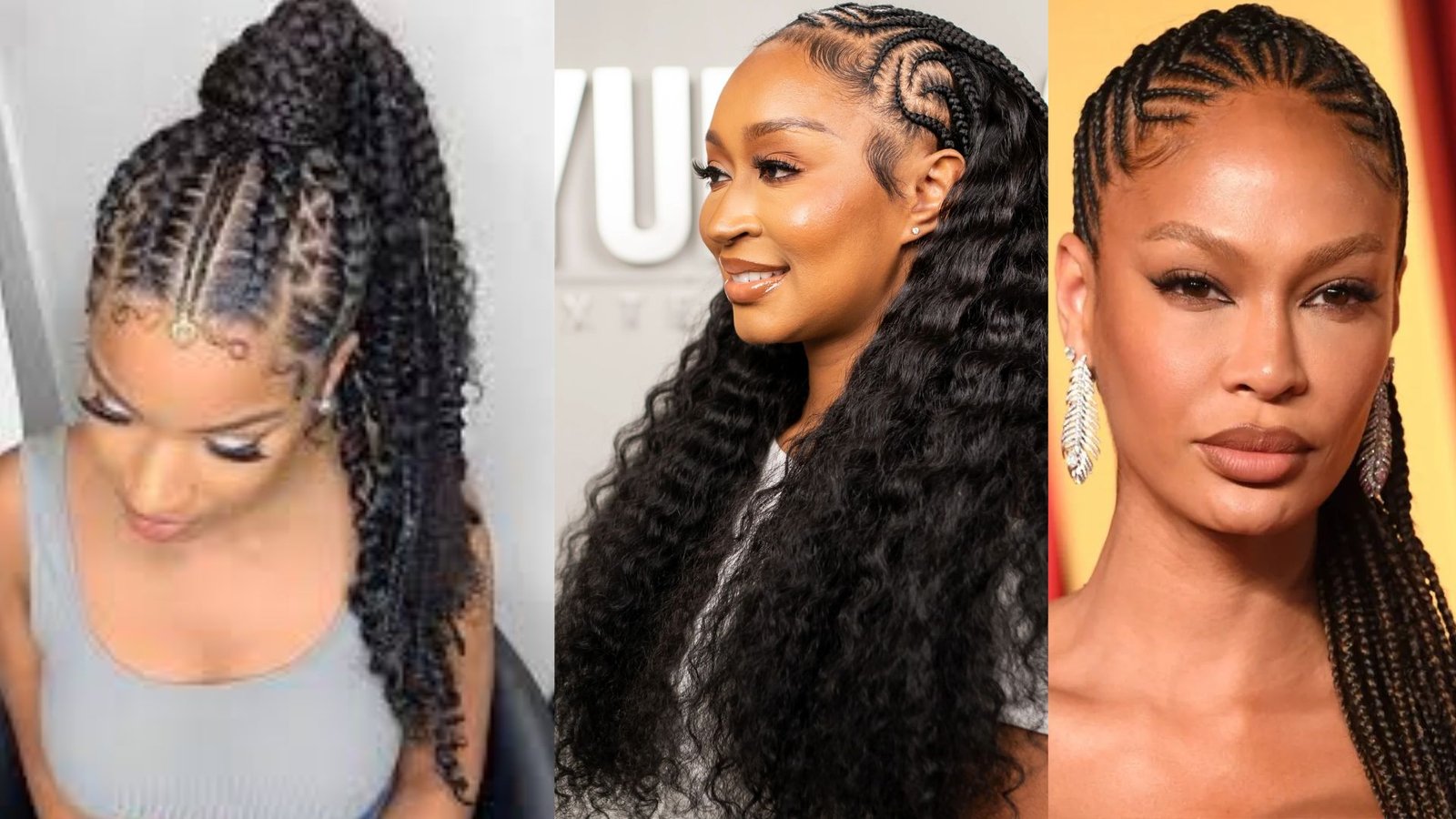
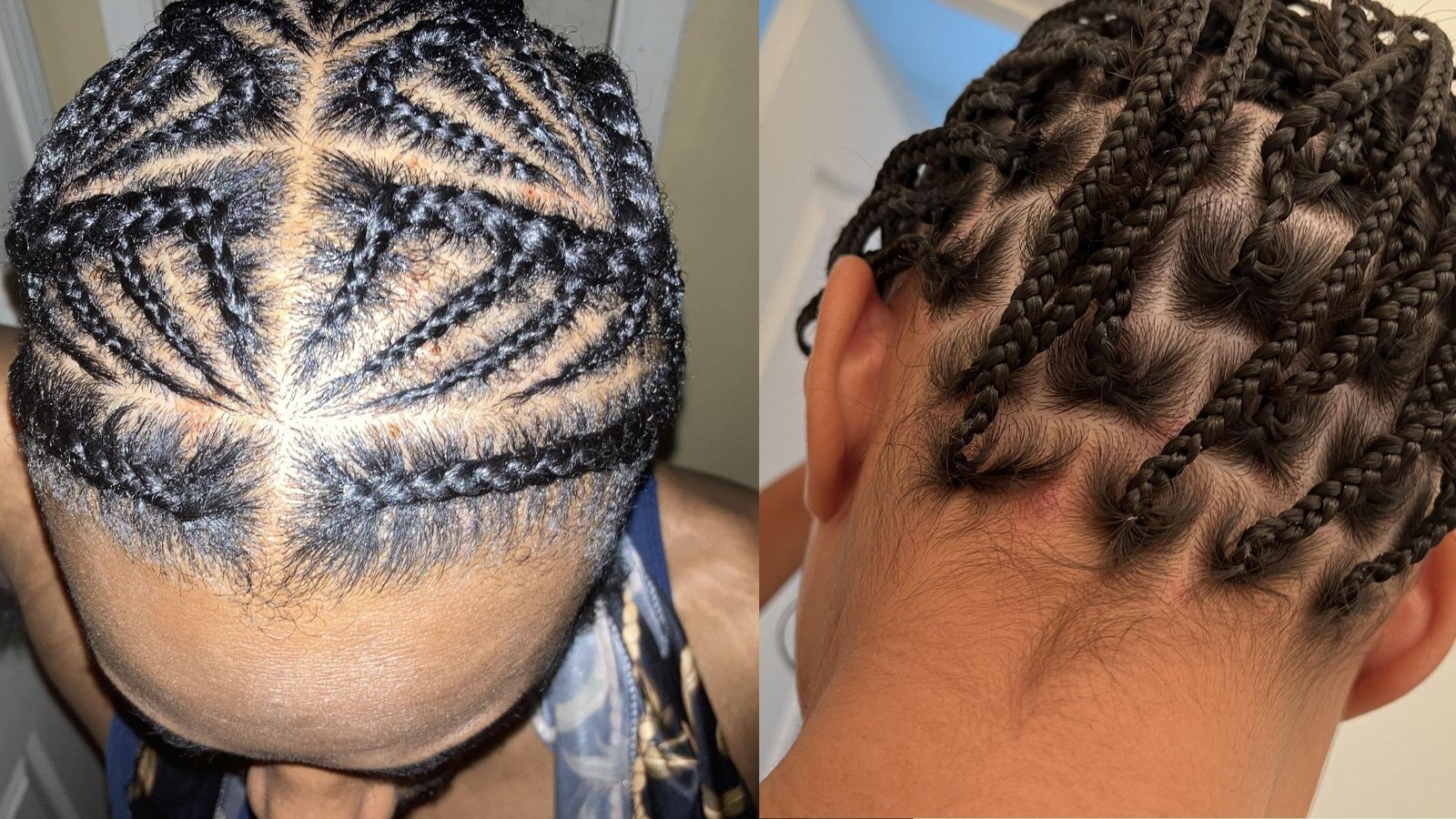
Curly hair needs moisture to prevent frizz during competitions. Apply leave-in conditioner before styling to keep curls defined and manageable. Braids, cornrows, high buns, and ponytails all work well with curly textures.
The natural texture actually provides better grip than straight hair. Avoid brushing dry curls, which creates frizz. Use your fingers or a wide-tooth comb on damp hair instead.
Tips by Hair Length
Hair length significantly affects your styling options. Choose techniques that match what you’re working with.
Short Hair:
Short hair requires creative solutions to keep everything controlled. Mini ponytails work if you have at least three inches of length. Slicked-back styles using gel create a smooth, professional look.
Headbands help secure shorter pieces around your face and ears. Bobby pins become essential tools for tucking away stubborn strands. Place pins in an X pattern for better hold.
Medium Hair:
Medium-length hair offers the most versatility for gymnastics styles. Double pigtails, braids, high ponytails, and low buns all work well at this length. You have enough hair to create secure styles without excessive weight.
Keep everything neat by smoothing flyaways with hairspray or gel. Check that your style feels comfortable when you tilt your head back. Medium hair sometimes needs extra bobby pins at the nape.
Long Hair:
Long hair provides many styling options but requires extra attention to security. French braids, Dutch braids, high buns, and braided buns keep lengthy hair under control. Focus on creating tight, controlled styles that won’t loosen during routines.
Start with a strong foundation at the roots. Use multiple elastics and pins throughout. Long hair works best in styles that keep the weight distributed evenly.
Styling Tips for a Professional Yet Unique Look
Standing out while staying competition-ready takes some planning. Small details make big differences.
- Add colorful scrunchies or headbands that match your leotard colors for a polished, coordinated appearance judges notice.
- Try intricate braid patterns like French, Dutch, or fishtail braids to showcase your attention to detail and style.
- Mix different braiding techniques in one style for visual interest, such as a French braid transitioning into a fishtail halfway down.
- Conduct a full dress rehearsal at least one week before competition wearing your leotard and planned hairstyle.
- Practice your routines with your hairstyle to check if pins poke you or anything loosens during tumbling passes.
Recommended Hair Accessories for Gymnastics
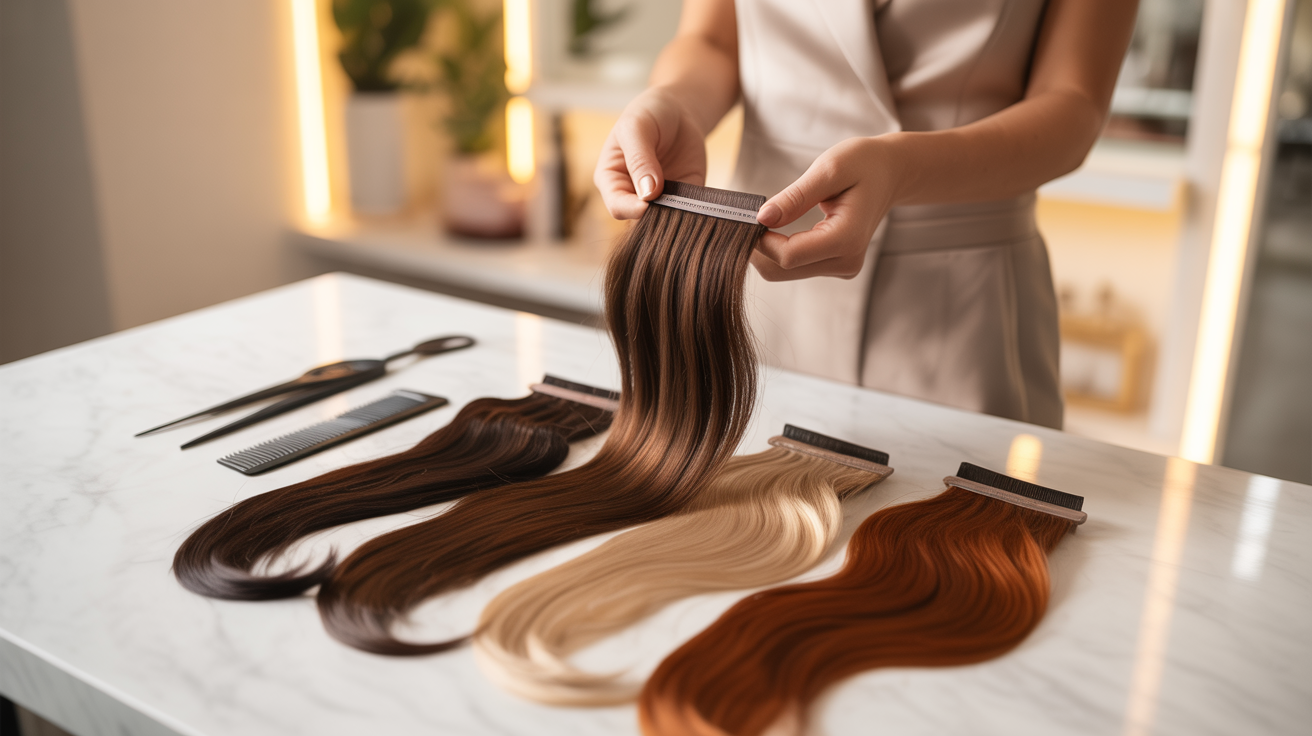
The right accessories make styling easier and more secure. Scrunchies provide a strong hold without breaking hair like traditional elastics.
Fabric options grip better than plastic versions. Hairnets keep buns smooth and contained even during intense movement.
Bobby pins in colors matching your hair become invisible while providing essential support. Choose pins with grippy coating rather than plain metal.
Match your accessories to your leotard for a coordinated look. Secure accessories by crossing bobby pins or doubling elastics.
Test everything by shaking your head vigorously before leaving home. Comfortable hold matters as much as security because discomfort distracts you during performance.
Conclusion
Finding your perfect gymnastics hairstyle takes some experimentation. I’ve tried dozens of styles over the years and learned that comfort matters just as much as appearance.
Start practicing your chosen style weeks before competition so it becomes second nature.
Pay attention to how your hair feels during different moves. What works for the beam might need adjustment for floor routines.
The best gymnastics hair styles keep you confident and focused on performing your best. Try these techniques, find what works for your hair, and own that mat with style.
Frequently Asked Questions
How do you style long hair for gymnastics?
Start with a high ponytail or bun as your base. Add French or Dutch braids to keep everything secure and close to your scalp.
Can gymnasts wear accessories in their hair?
Yes, but keep them simple and functional. Scrunchies, small headbands, and matching ribbons work well for meets.
How early should I style my hair before a meet?
Style your hair 30 to 60 minutes before competing. This gives you enough time to fix any problems without feeling rushed.
Do gymnasts do their own hair?
Many gymnasts style their own hair, especially at higher levels. Younger gymnasts often get help from parents or teammates at competitions.
What products help keep gymnastics hairstyles secure?
Hairspray, gel, and texturizing spray all help styles stay put. Bobby pins with grippy coating work better than plain metal ones.