




Choosing between box braids vs knotless can feel confusing when you want a protective style that looks good and feels comfortable.
I’ve tried both, and I know the struggle. This guide breaks down everything you need to know.
You’ll learn how they’re installed, which causes less tension, how long each lasts, and what fits your budget. I’ll show you the real differences so you can pick the right braids for your hair type and comfort needs.
Let’s figure out which style will keep your hair healthy.
Understanding Protective Braiding Styles
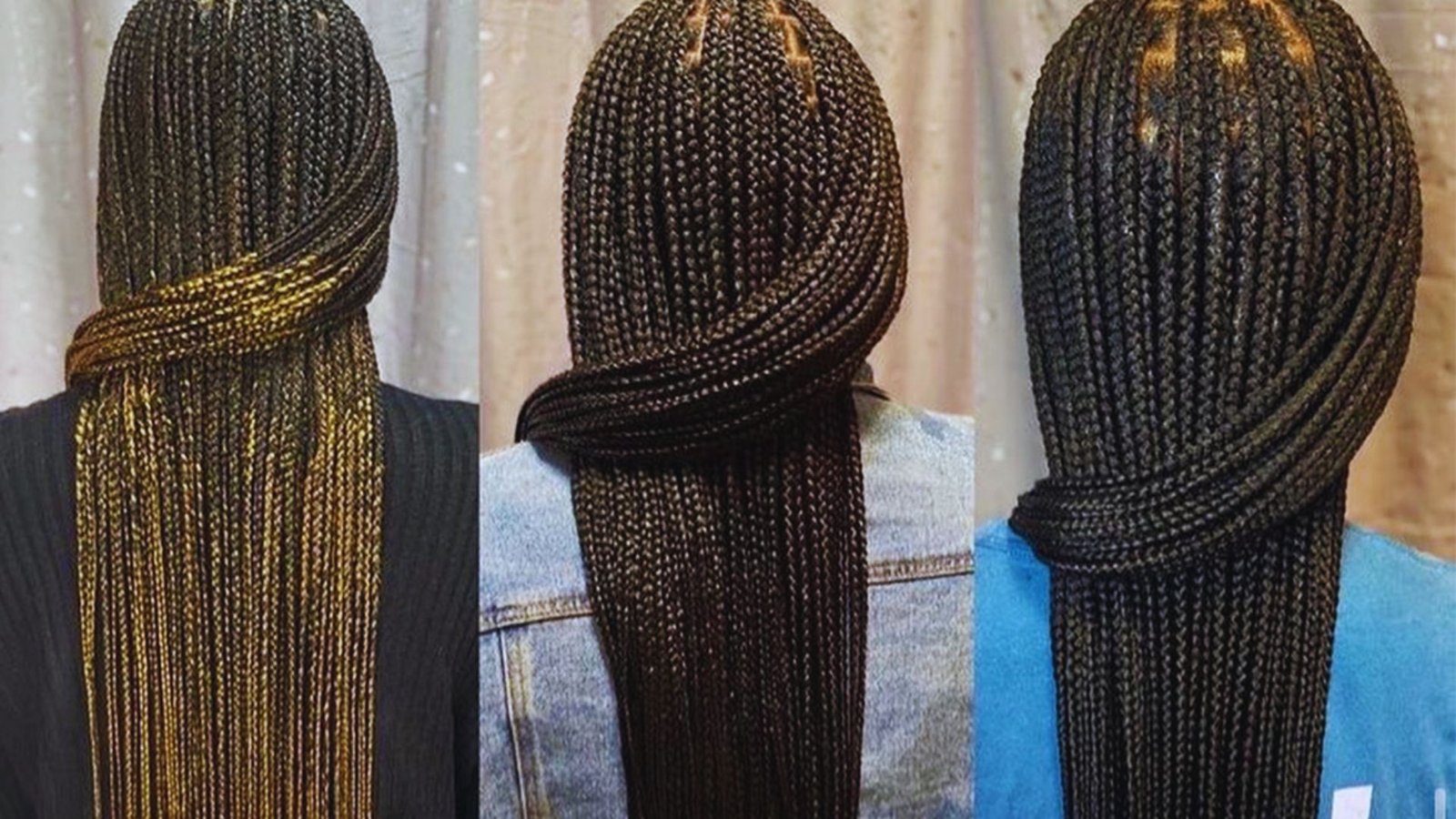
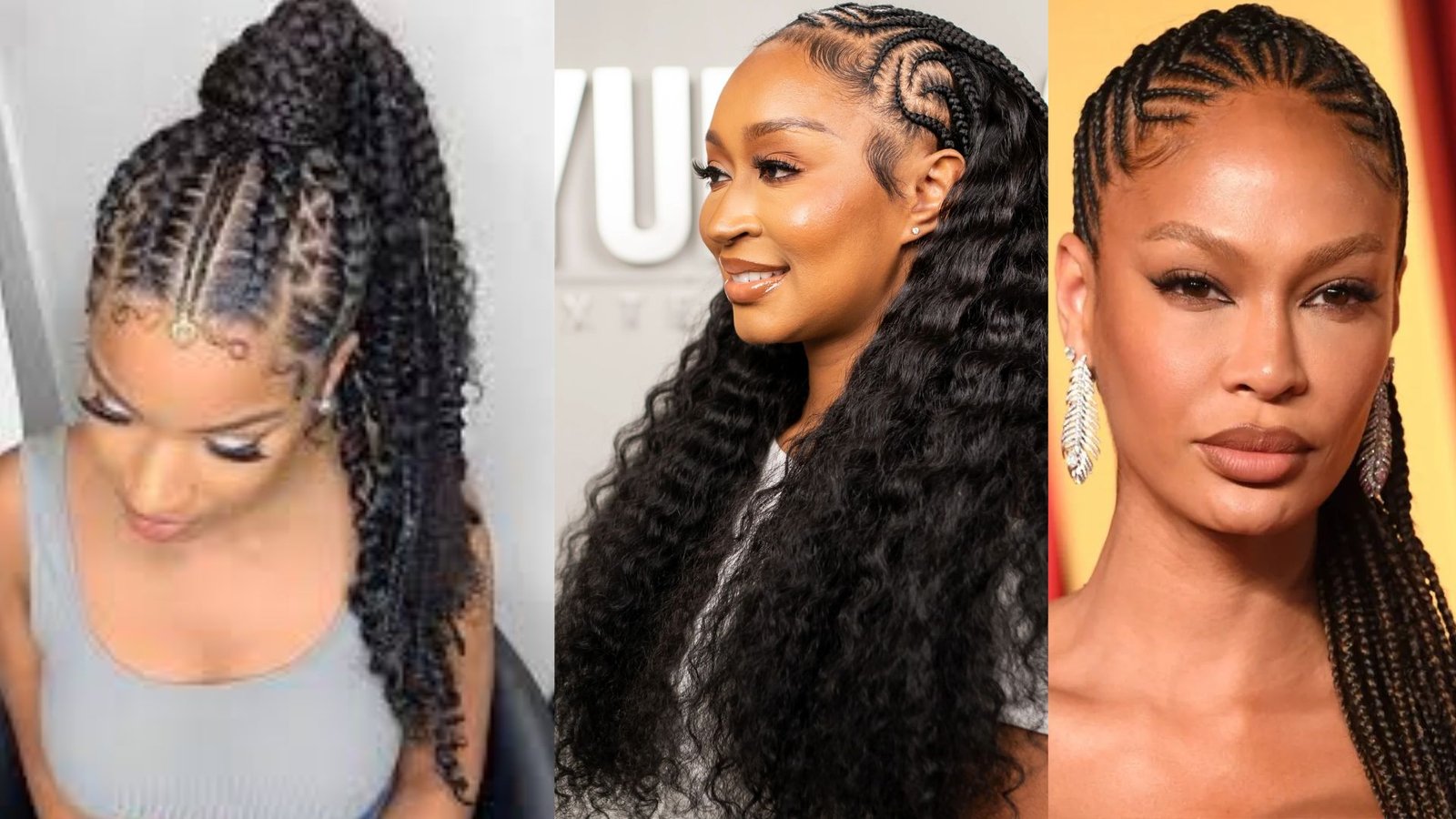
Both box braids and knotless braids protect your natural hair while giving you versatile styling options.
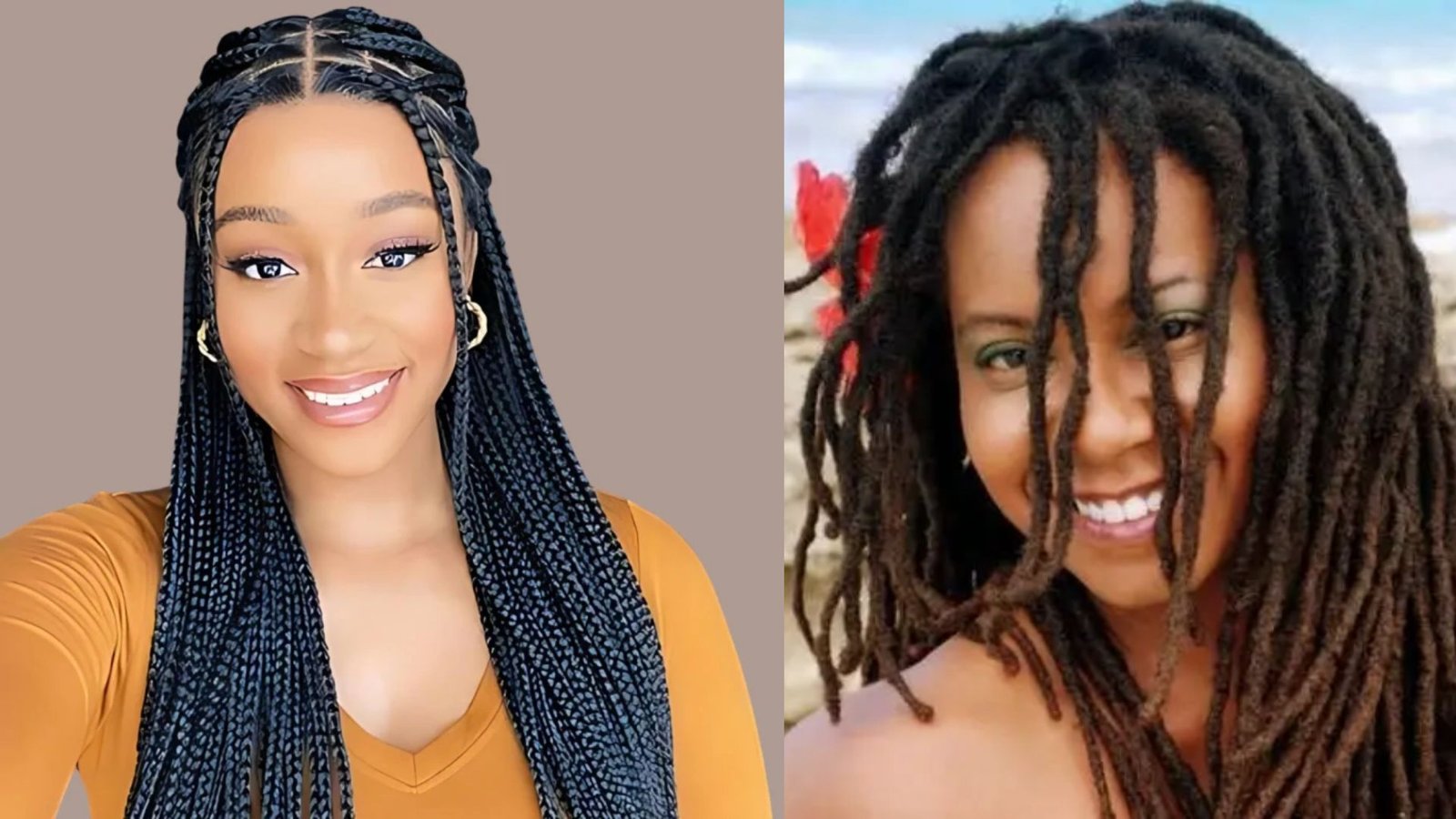
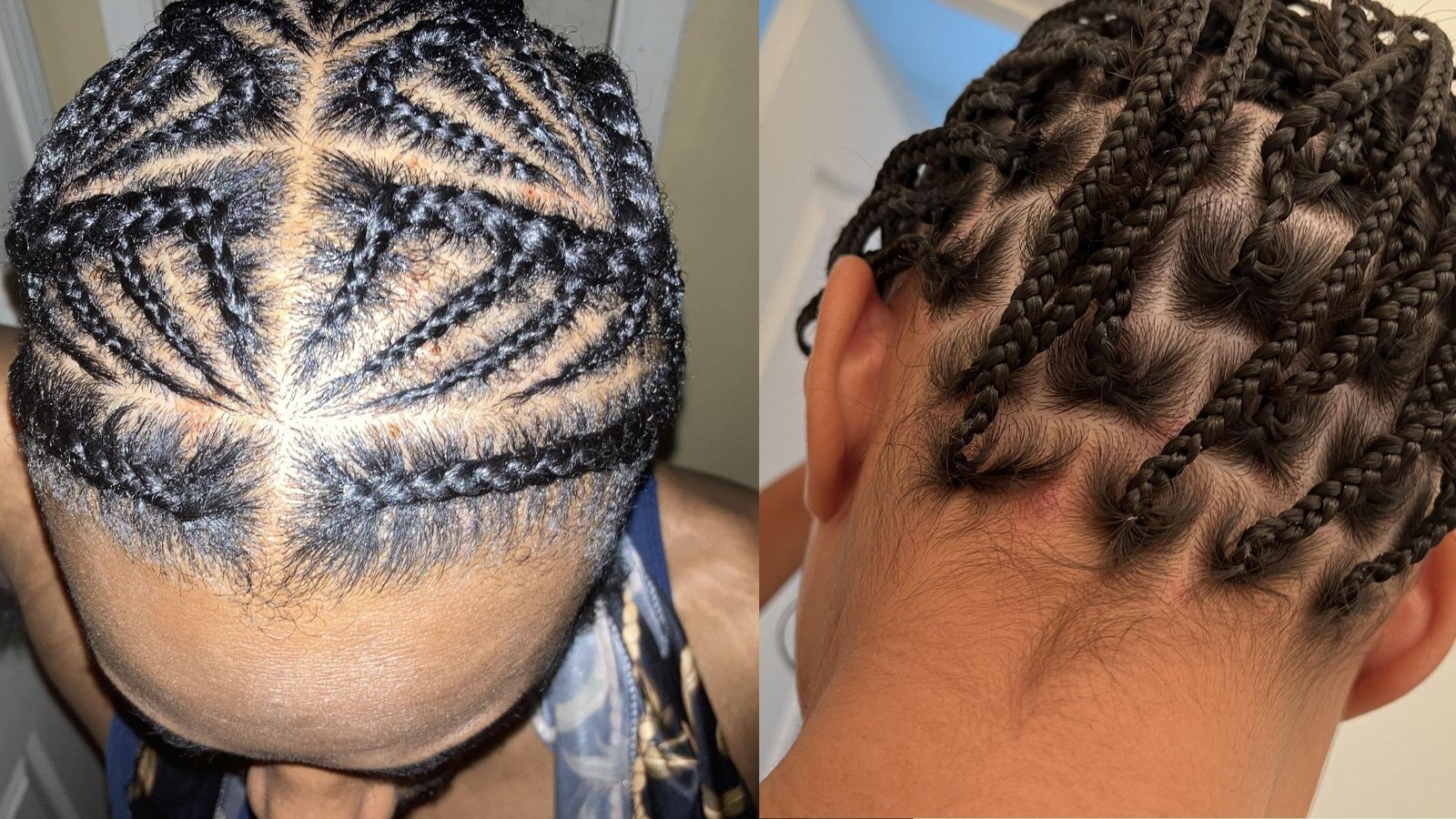
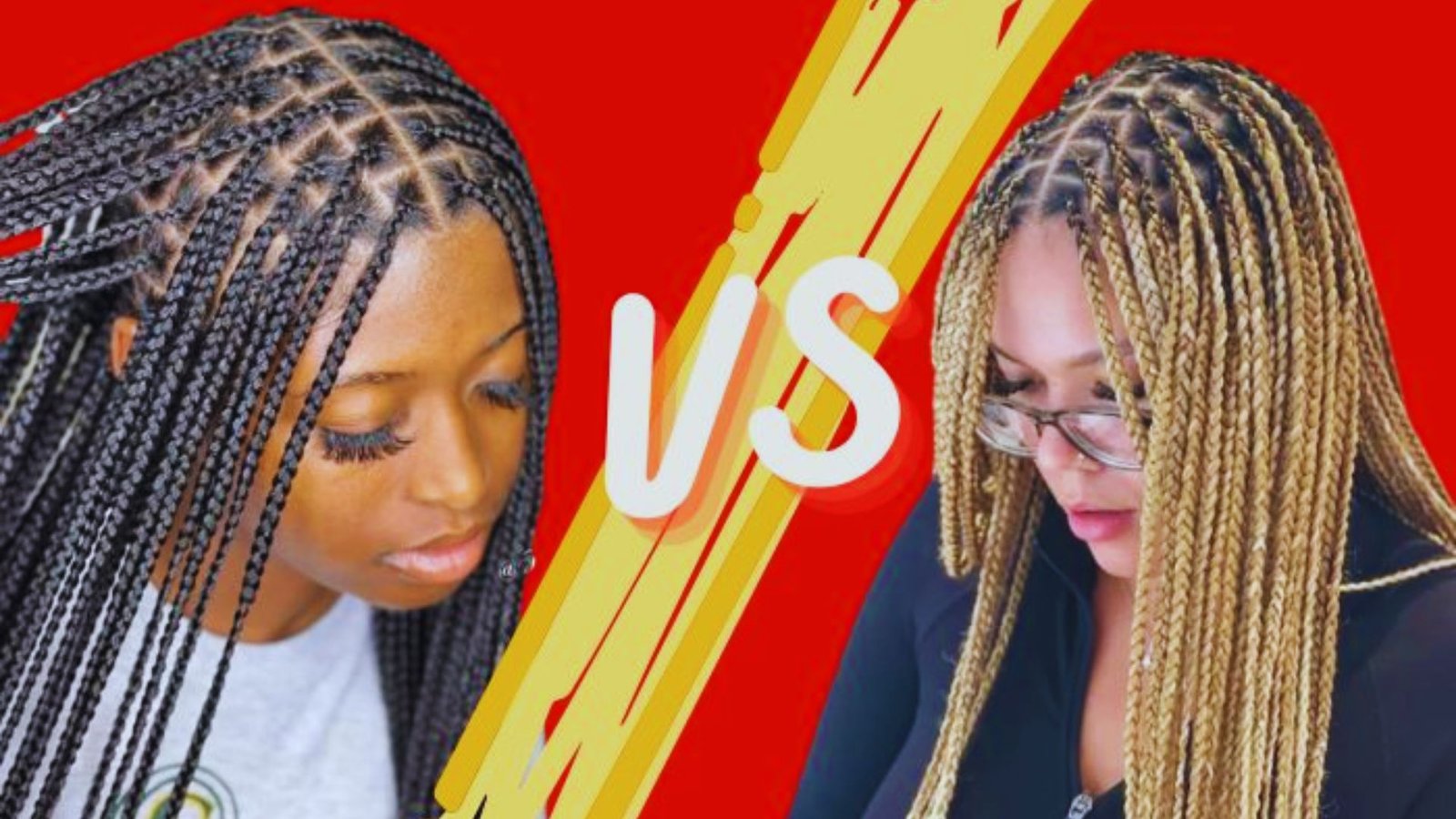
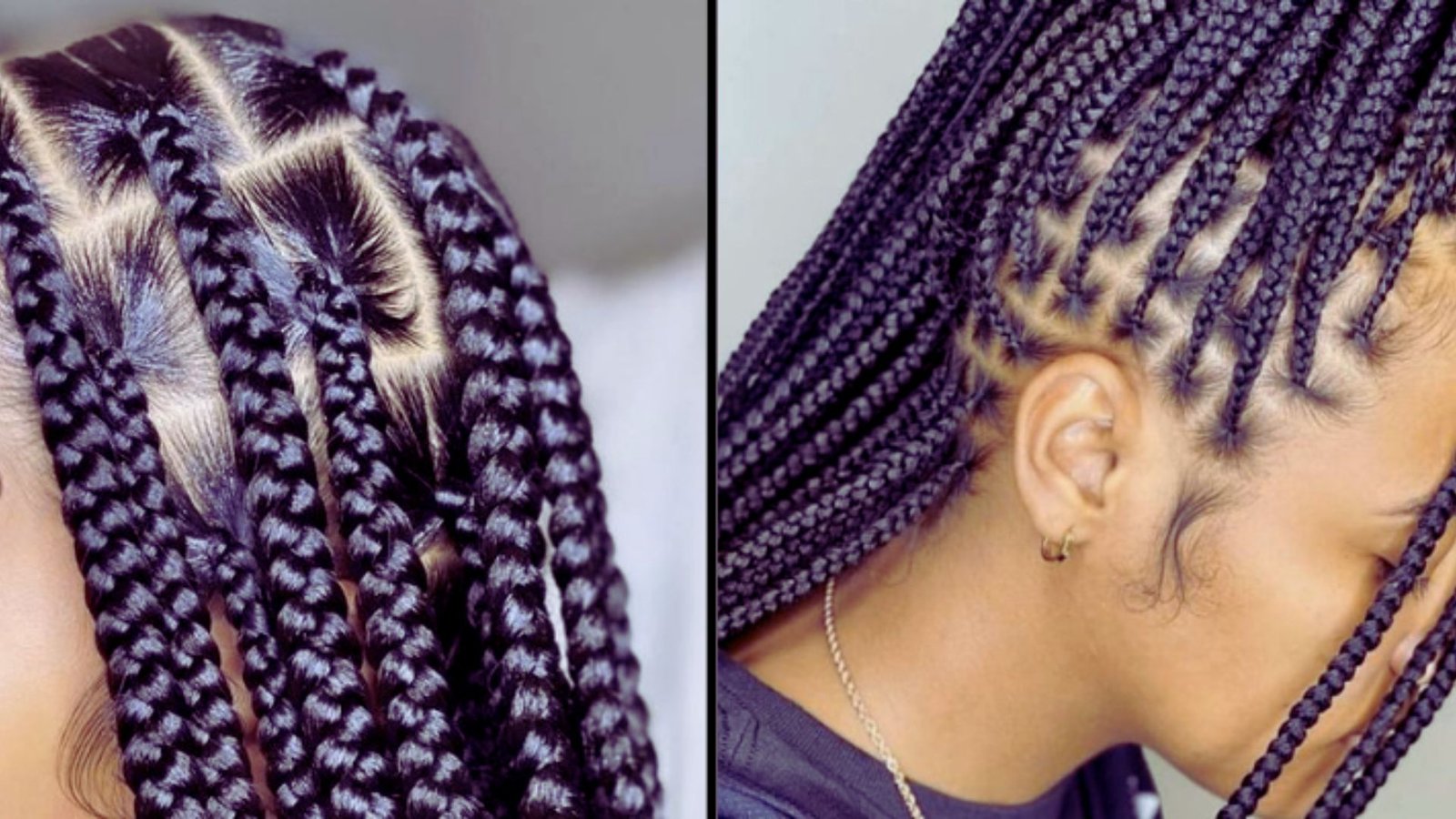
Box braids are a classic style where synthetic or natural hair extensions get braided into square-shaped sections with a small knot at the root, creating visible knots, uniform thickness, and a heavier feel.
Installation takes 4 to 8 hours.
Knotless braids use a newer technique where the stylist begins with your natural hair only, then feeds in extensions gradually as the braid progresses, eliminating the bulky knot and creating a lighter, more natural look with less tension at the roots.
Installation takes 5 to 10 hours due to the more precise feeding method.
The main difference lies in how the braids start at your scalp box. Braids use traditional knotting while knotless braids feed in hair gradually for a softer, more comfortable start.
Box Braids vs Knotless: Key Differences
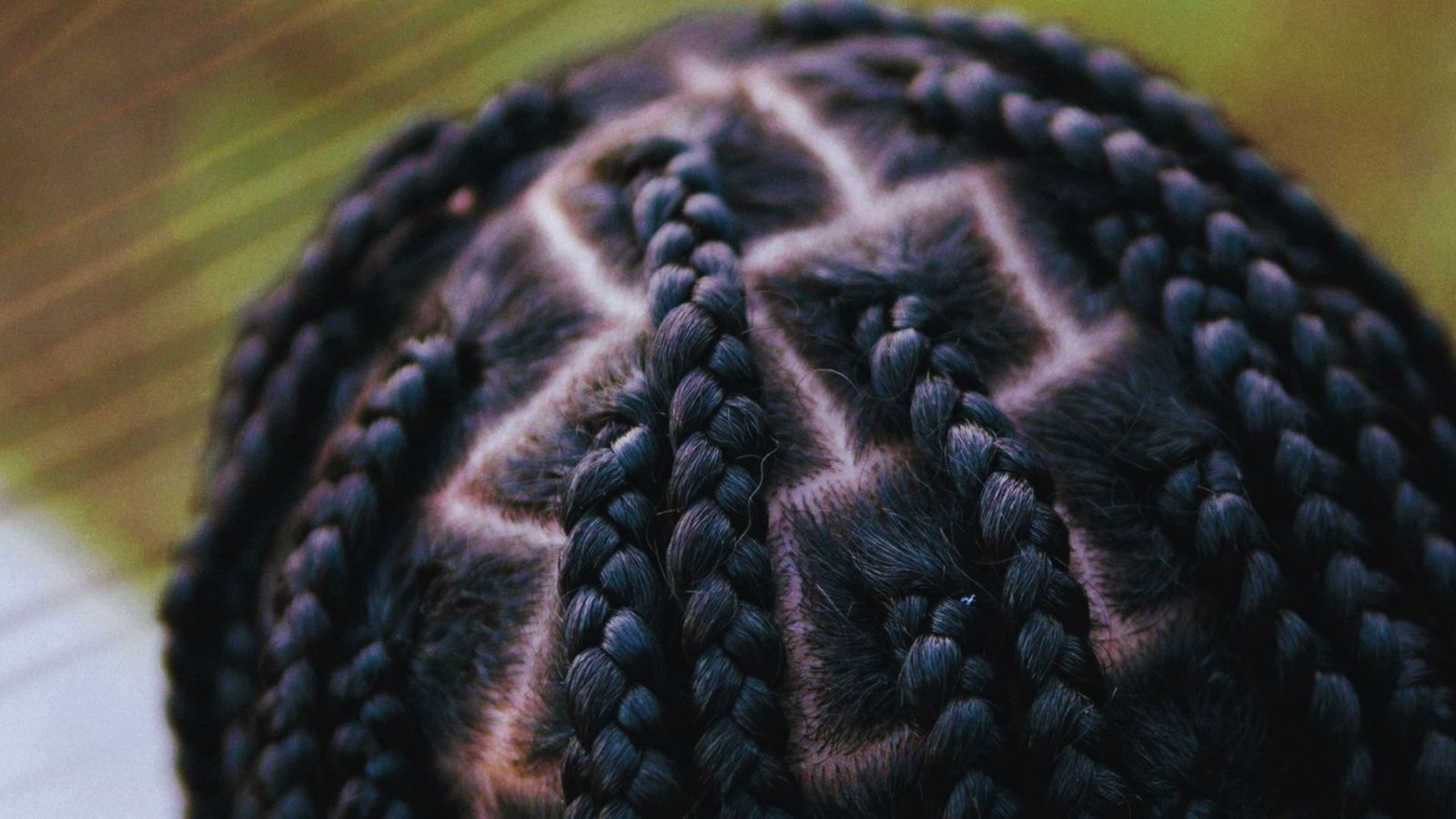
The main differences between these styles affect comfort, appearance, installation time, and how your scalp feels during wear.
Installation Technique and Tension
Box braids start with a knot that secures extensions to your natural hair at the root, creating immediate tension on the scalp.
Knotless braids begin with just your natural hair, then gradually feed in extensions, distributing weight more evenly.
The knotless technique puts less stress on your edges and hairline.
Box braids feel tighter initially but the tension usually decreases after a few days, while knotless braids feel comfortable from day one.
Scalp Comfort and Sensitivity
Many people experience scalp soreness with box braids during the first few days because the knots pull on hair follicles. Knotless braids cause minimal discomfort with no initial pulling.
People with sensitive scalps or migraines often prefer knotless styles. The lighter weight reduces pressure throughout the wearing period.
Appearance and Weight
Box braids have a bulkier appearance at the roots where the knot sits, creating a more obviously styled look.
Knotless braids lay flatter against the scalp with a more natural finish that blends better with your hairline.
Box braids feel heavier and are stiffer near the roots, while knotless braids distribute weight evenly and move more freely.
Box Braids vs Knotless: Benefits Compared
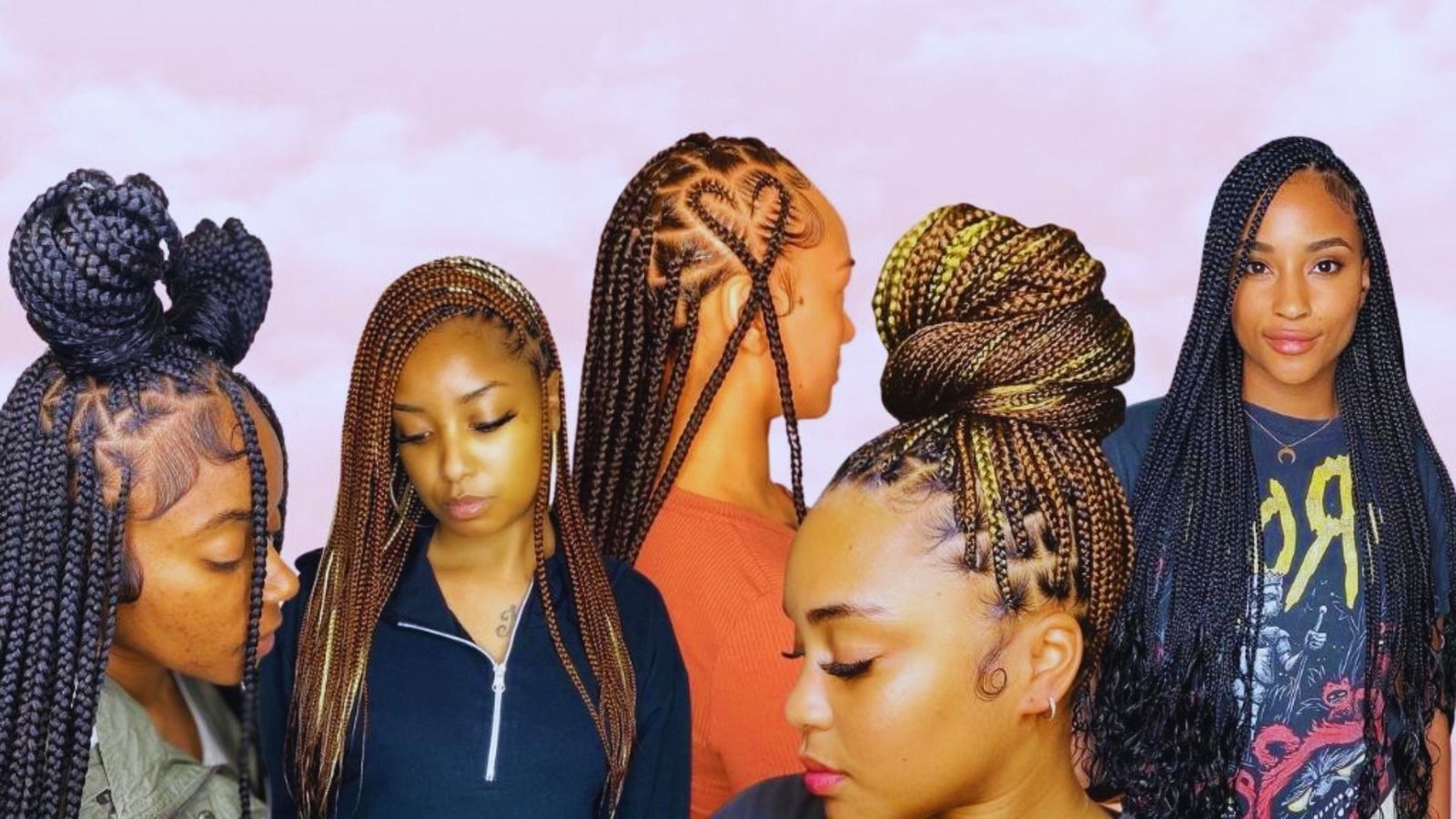
Both styles offer protective benefits, but each has specific advantages depending on your priorities and hair needs.
Benefits of Box Braids
Box braids last slightly longer, typically 6 to 8 weeks with proper care. The secure knots prevent braids from slipping or unraveling easily.
They cost less on average because installation takes less time.
Box braids work well for active lifestyles since they stay put during exercise. They require minimal daily maintenance once installed.
Benefits of Knotless Braids
Knotless braids cause significantly less tension on your scalp and edges. They feel lighter and more comfortable, especially for sleeping.
The natural look makes them appear more like your real hair.
These braids move more freely, making styling easier. People with thin edges or hair loss appreciate the gentler installation. Knotless braids reduce the risk of traction alopecia and cause fewer headaches.
Longevity and Maintenance
Box braids typically last 6 to 8 weeks when properly maintained, while knotless braids usually last 4 to 6 weeks.
The secure knots in box braids help them stay intact longer, but the lighter tension in knotless braids means your hair isn’t held as tightly.
Keep your scalp clean by washing braids every 1 to 2 weeks with diluted shampoo. Apply light oil to your scalp to prevent dryness.
Use a spray bottle with water and leave-in conditioner to refresh braids between washes.
Sleep with a satin bonnet or pillowcase to reduce frizz and preserve the style. Avoid excessive pulling when styling braids into ponytails or buns.
Styling Versatility

Box braids work well for high ponytails and buns because of their firm hold. You can create half-up, half-down styles that stay in place all day.
Adding accessories like beads or cuffs creates personalized designs.
Knotless braids move more naturally, making them perfect for flowing styles. They work well for loose, cascading looks that move with you.
The flexible nature allows for more intricate updo designs. Knotless braids provide more styling flexibility because they move freely, while box braids offer reliable hold for structured styles.
Cost Comparison
Box braids typically cost between $150 and $300 in most areas. Knotless braids generally cost between $200 and $400. The technique requires more time and skill, which increases pricing.
Braid length significantly impacts cost since longer styles require more extension hair and time. Smaller braids take longer to install and cost more.
Geographic location and stylist experience also play major roles in pricing differences.
How to Choose the Right Style for You
If you have a sensitive scalp or get headaches easily, knotless braids work better. People with thin or fine edges should choose knotless to avoid traction damage.
Box braids suit those with thicker, stronger hair and less sensitive scalps.
Active people who exercise regularly may prefer box braids because they stay secure longer. If you need a low-maintenance style that lasts through busy schedules, box braids work well.
People who style their hair differently each day benefit from the flexibility of knotless braids.
If you’re working with a tighter budget, box braids cost less upfront.
Box braids offer better value if you plan to keep them for 8 weeks. Knotless braids cost more initially but provide superior comfort worth the extra investment.
Conclusion
Choose box braids if you want a style that lasts 6 to 8 weeks with minimal upkeep. Active people who need braids that stay secure during sports benefit from the firm hold.
Knotless braids suit anyone with scalp sensitivity, headaches, or thin edges. People who prioritize comfort over longevity appreciate the lighter feel.
Both box braids vs knotless protect your natural hair when installed correctly. I’ve tried both, and knotless braids changed everything for me, no headaches, just comfort.
Consider your scalp sensitivity and lifestyle when deciding. Share your experience in the comments below!
Frequently Asked Questions
Do knotless braids damage your hair?
Knotless braids cause less damage than traditional box braids when installed properly. The technique creates minimal tension on edges and hairline. They’re actually one of the gentler protective styling options available.
Can you swim with box braids and knotless braids?
Yes, you can swim with both styles, but rinse your hair thoroughly afterward. Apply conditioner before swimming to create a protective barrier. Make sure to dry your braids completely to prevent mildew and odor buildup.
Which braids are better for beginners?
Knotless braids work better for first-timers because they cause less discomfort and tension. The gentler installation helps you adjust to wearing braids without pain.
How do you know when to take braids out?
Remove braids when you see excessive frizz, loosening at the roots, or matting. If your scalp feels irritated or your hair starts breaking, take them down immediately. Most braids should come out by 8 weeks maximum for hair health.
Can you oil your scalp with braids?
Yes, applying light oils to your scalp with braids is recommended for moisture. Use a nozzle applicator bottle to reach between braids easily. Focus on your scalp rather than the braids themselves to avoid buildup.