
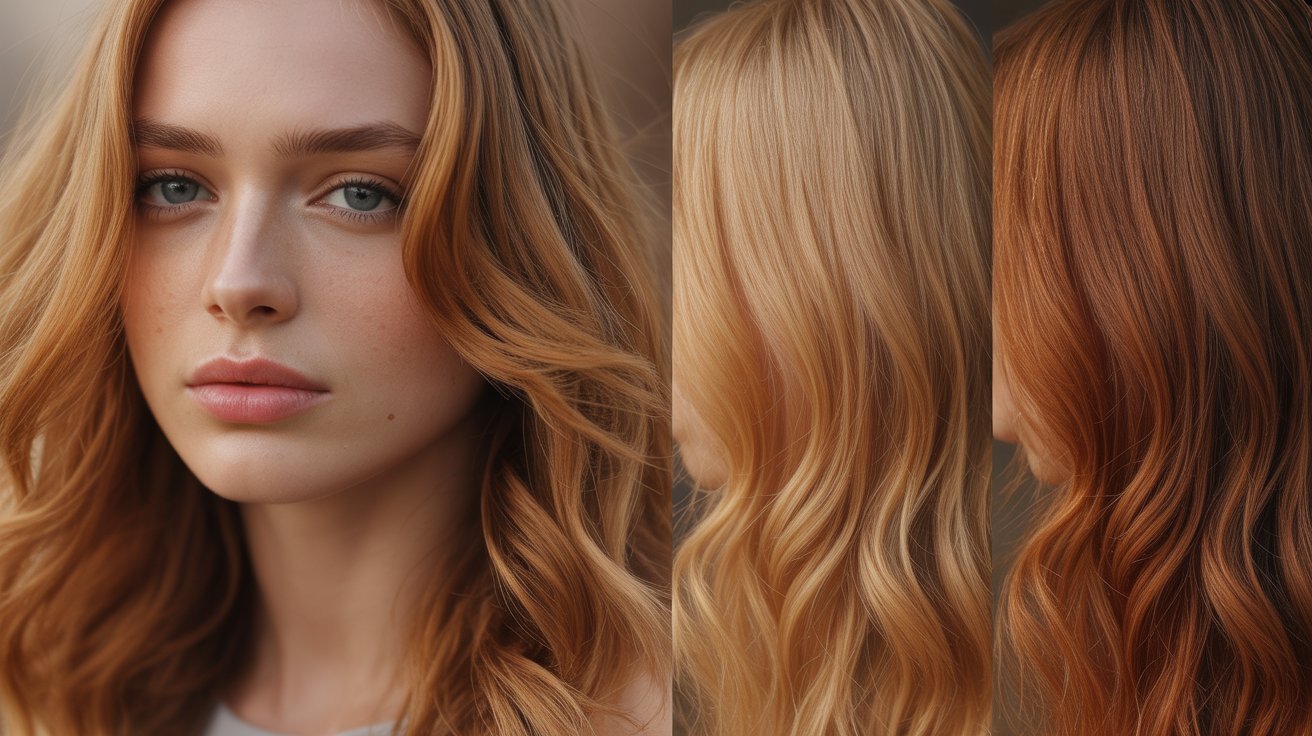




I’ve spent years helping women find their perfect hair color, and soft autumn is one of the most misunderstood categories.
If you’ve been struggling to figure out why some shades look incredible on your friend but wash you out, seasonal color analysis has the answer.
Soft autumn hair colors are warm, muted tones that create a natural glow when they match your features. I know how frustrating it can be to choose the wrong shade and feel disappointed with the results.
In this guide, I’ll walk you through everything you need to know about soft autumn hair colors and help you find your perfect match.
What Is Soft Autumn Hair Color?
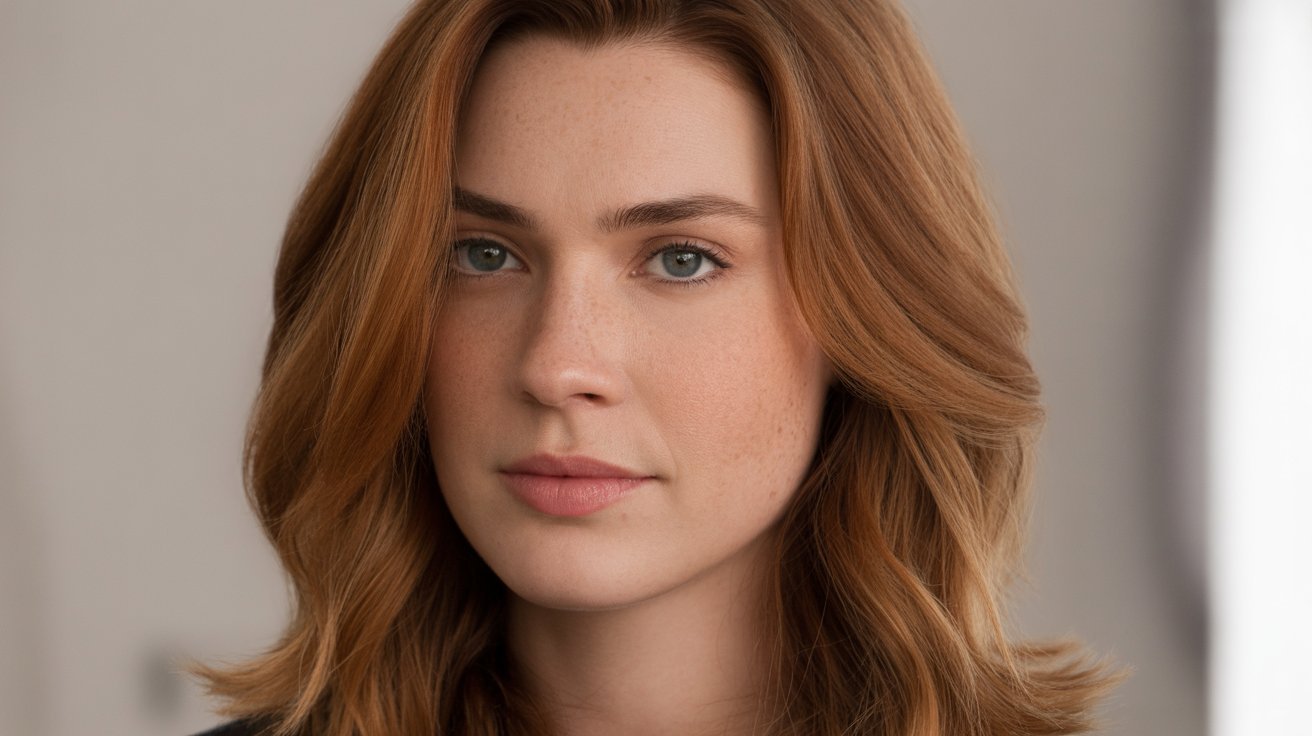
Soft autumn falls within the 12 seasonal color analysis system. It’s defined by three key traits: softness, warmth, and moderate depth.
These hair colors lean toward warm tones with golden or amber undertones. The softness means the colors are muted rather than vibrant.
Think of dusty browns, warm chestnuts, and earthy tones that look natural and subdued.
Soft autumn hair doesn’t have the bright, shiny quality of spring colors or the rich intensity of deep autumn. Instead, it has a gentle, grounded appearance that feels calm and approachable.
Key Characteristics of Soft Autumn Hair
What makes soft autumn hair attractive lies in its characteristics:
- Undertone: Soft autumn hair has warm undertones with a slight cool influence. You’ll notice golden, amber, or honey tones mixed with a touch of ash. This combination keeps the hair from looking too brassy or overly warm.
- Chroma: The saturation level is low, which means the colors are muted and soft. Soft autumn hair doesn’t have high intensity or vibrancy. Instead, it has a dusty, toned-down quality that looks natural and subtle.
- Value: The depth ranges from medium to medium-dark. Most soft autumn hair falls somewhere in the middle of the lightness scale. It’s not extremely light blonde or very dark brunette.
- Why it looks lighter: Soft autumn hair often appears lighter than its actual depth because of the muted quality. The low saturation and soft tones reflect light differently, creating an illusion of lightness even when the hair is technically medium-dark.
List of 11 Soft Autumn Hair Color Examples
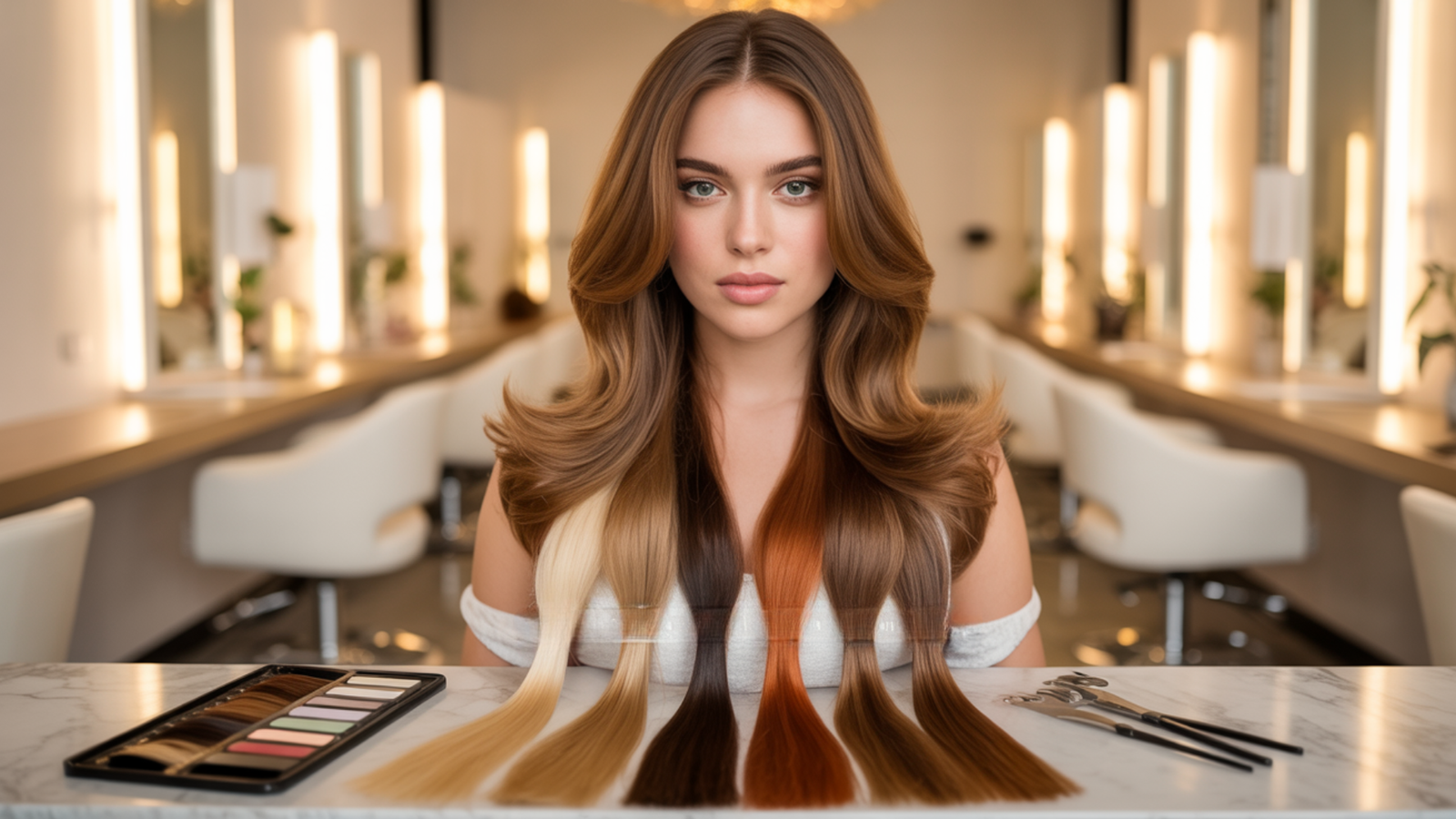
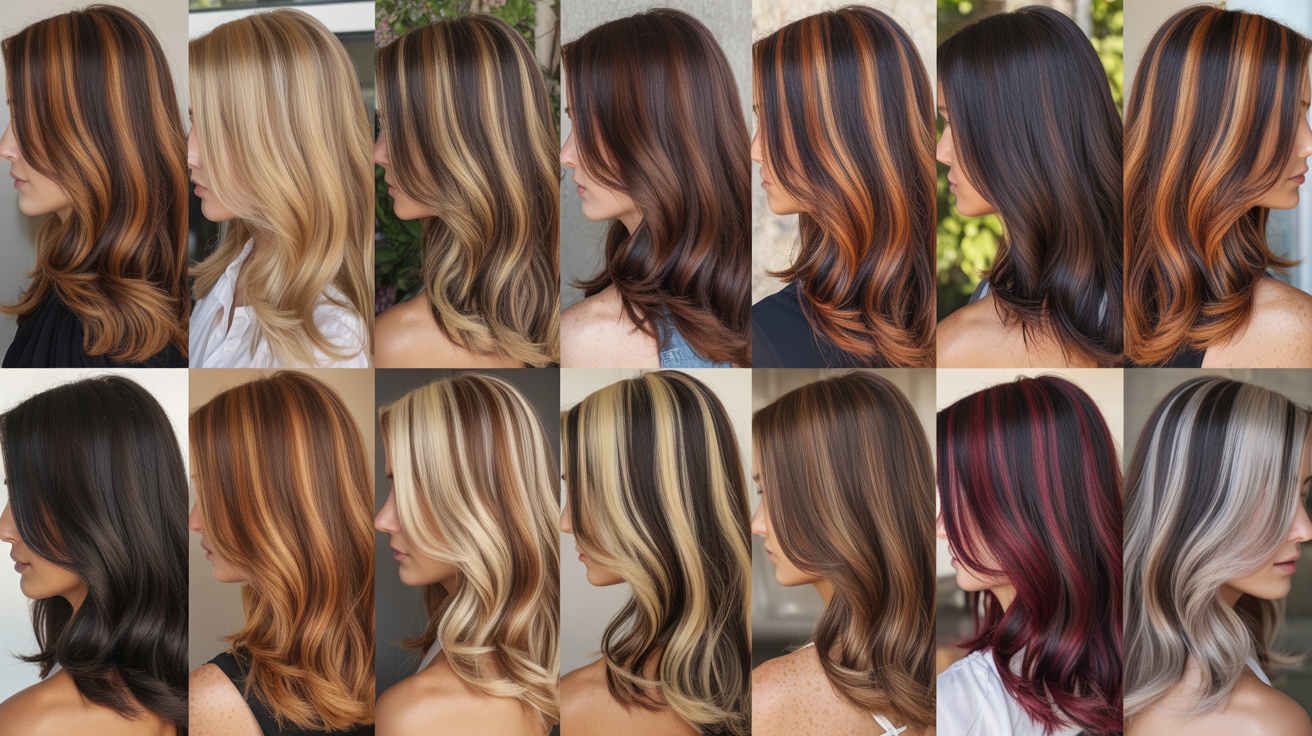
These 11 soft autumn hair colors showcase the warm, muted tones that define this seasonal category. Each shade offers natural, wearable options for different preferences.
1. Honey Blonde
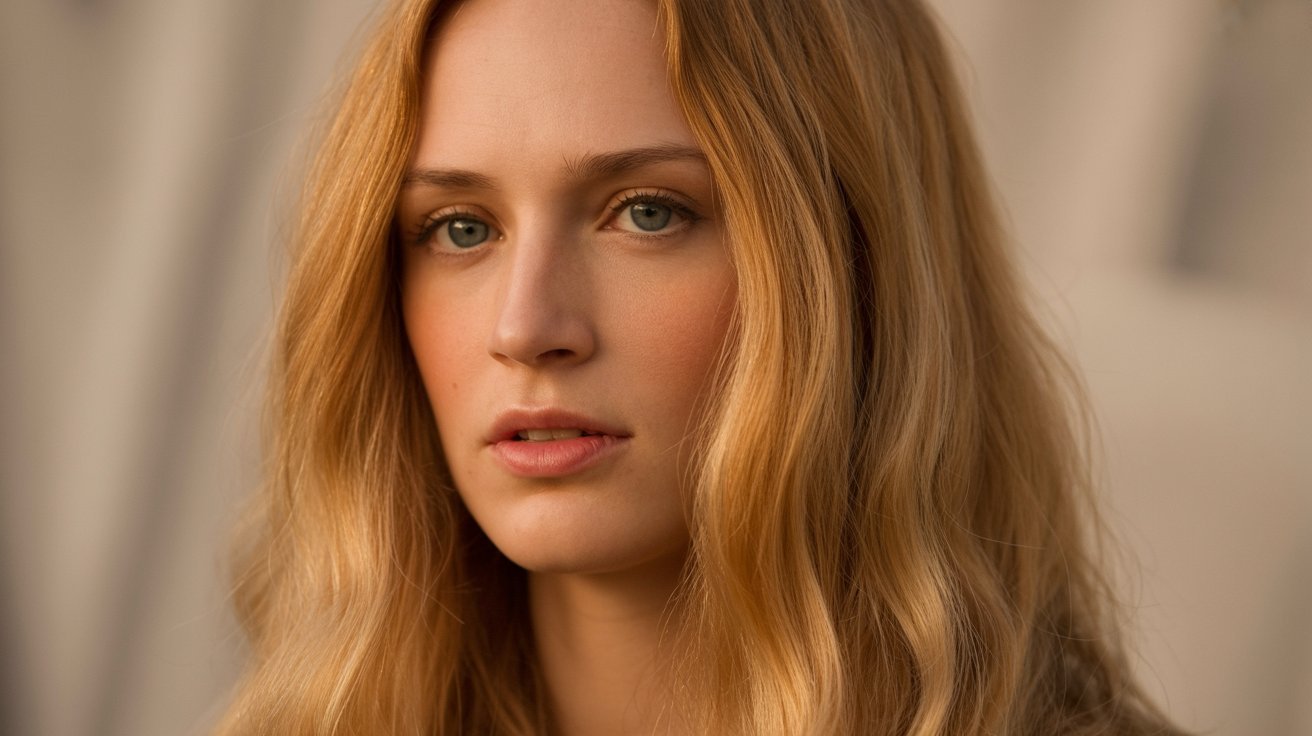
Honey blonde brings warmth without looking overly golden or bright. This shade has a slightly dirty quality that keeps it from appearing too shiny.
The golden depth adds richness while maintaining soft autumn mutedness. It works well for those wanting blonde without harsh platinum tones.
2. Caramel Blonde
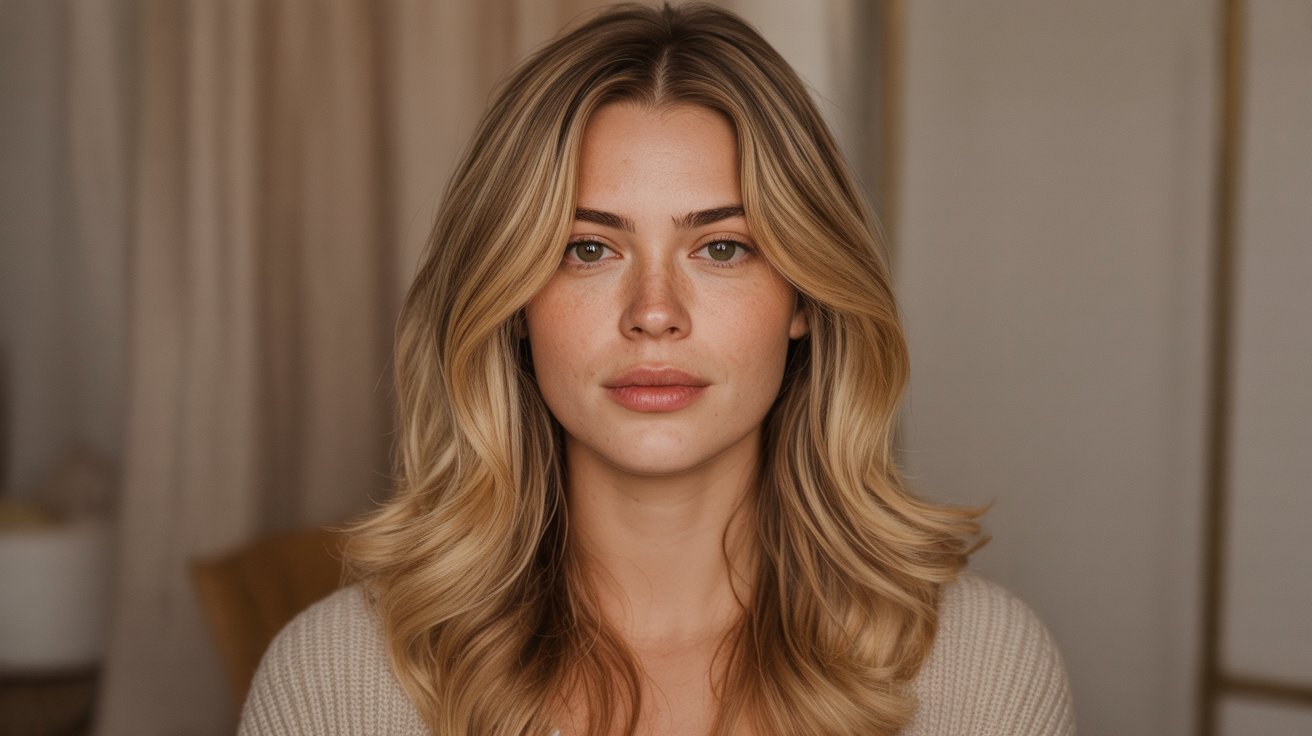
Caramel blonde has toasted, warm notes that feel cozy. The mutedness prevents it from looking brassy or overly yellow.
This shade sits between blonde and light brown. It’s forgiving on different skin tones and ages gracefully as your hair grows out naturally.
3. Bronde (Brown-Blonde Blend)
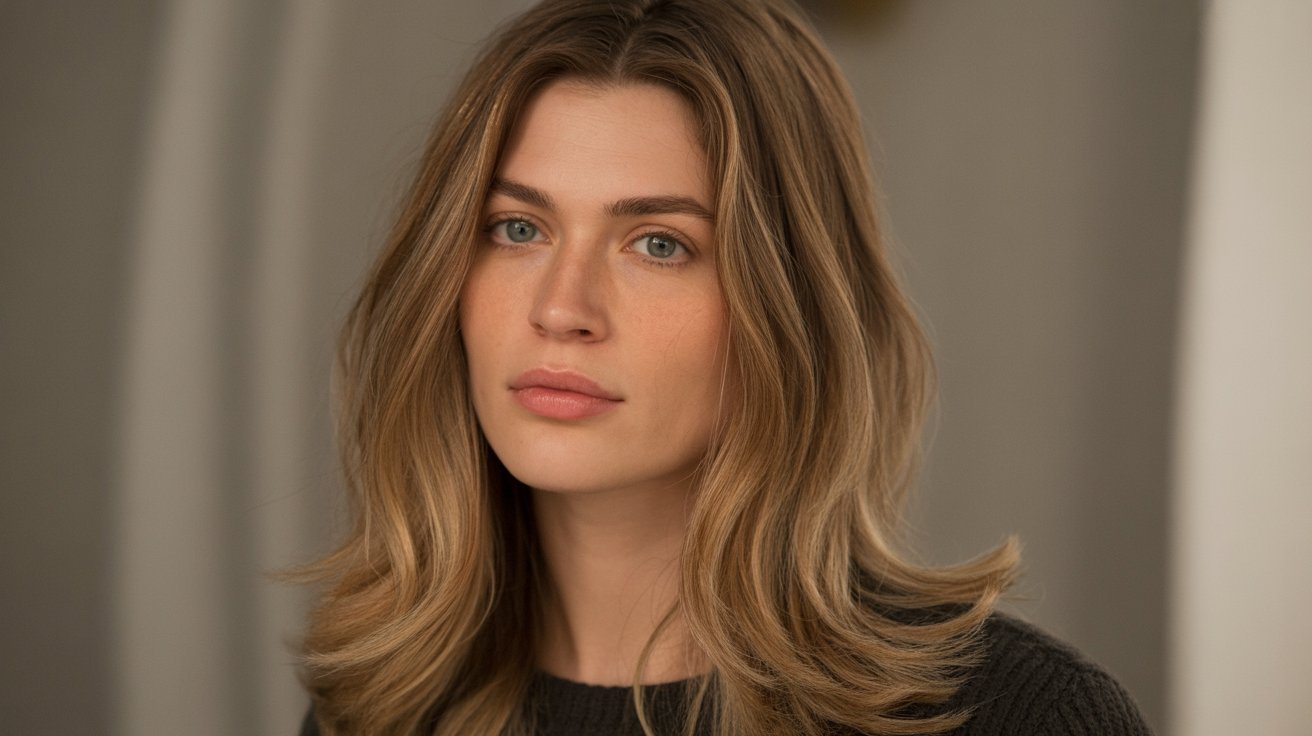
Bronde combines brown and blonde in a naturally dimensional way. The blend creates depth without needing obvious highlights.
This shade is low maintenance because regrowth blends seamlessly. It has enough warmth to flatter without looking too golden, making it the signature soft autumn color.
4. Golden Beige Blonde
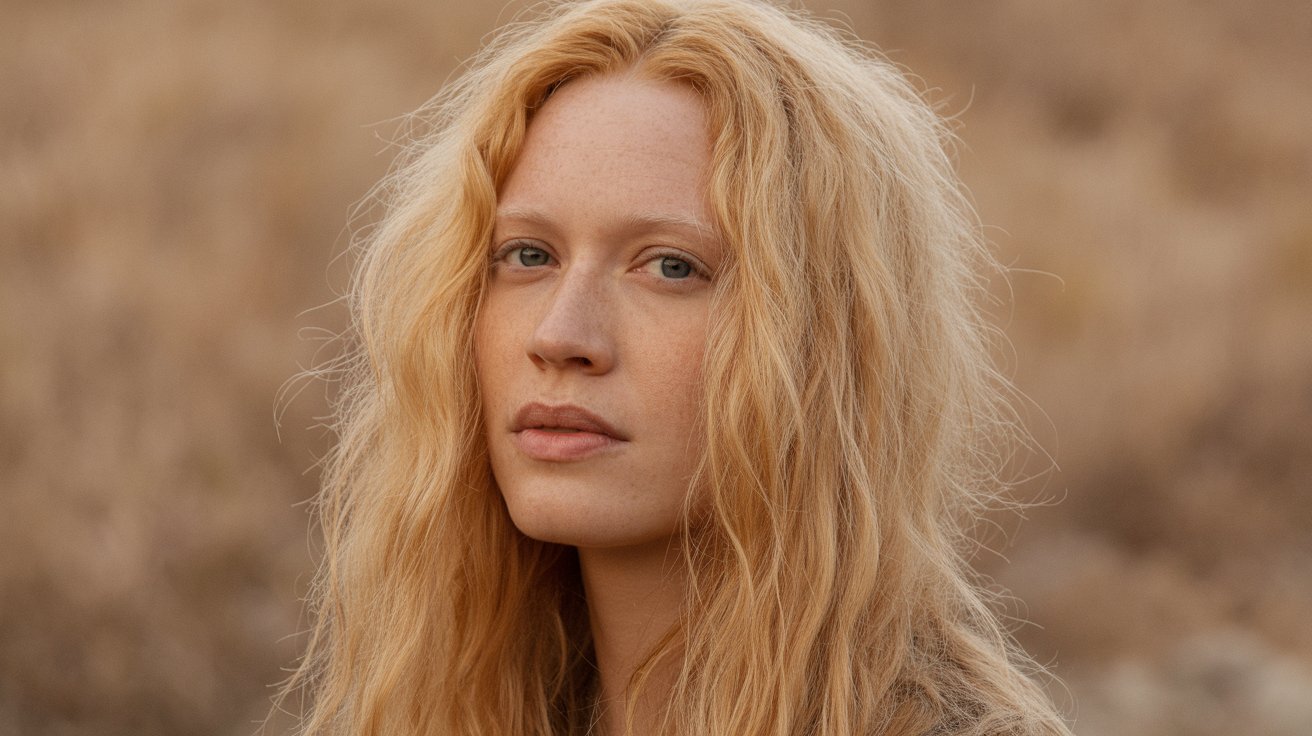
Golden beige blonde is earthy and grounded. It has warmth from golden tones but stays soft thanks to the beige base.
The color looks sandy and natural, like sun-lightened hair. The beige keeps it from turning brassy while golden notes add life and dimension.
5. Light Warm Brown
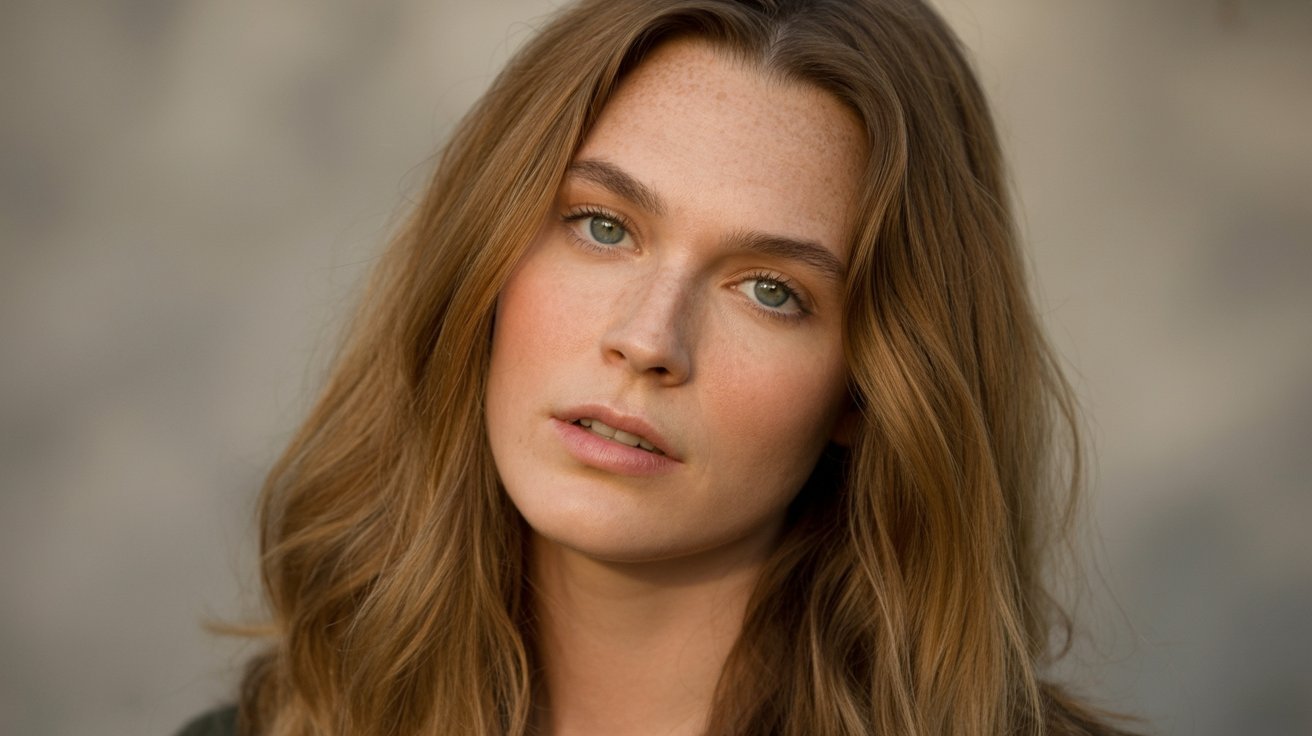
Light warm brown is gentle and understated with subtle warmth. The color appears blended and soft, never harsh.
This shade works well for transitioning from blonde or going darker without drama. It’s neutral enough for many skin tones but has cozy warmth throughout.
6. Warm Ash Brown
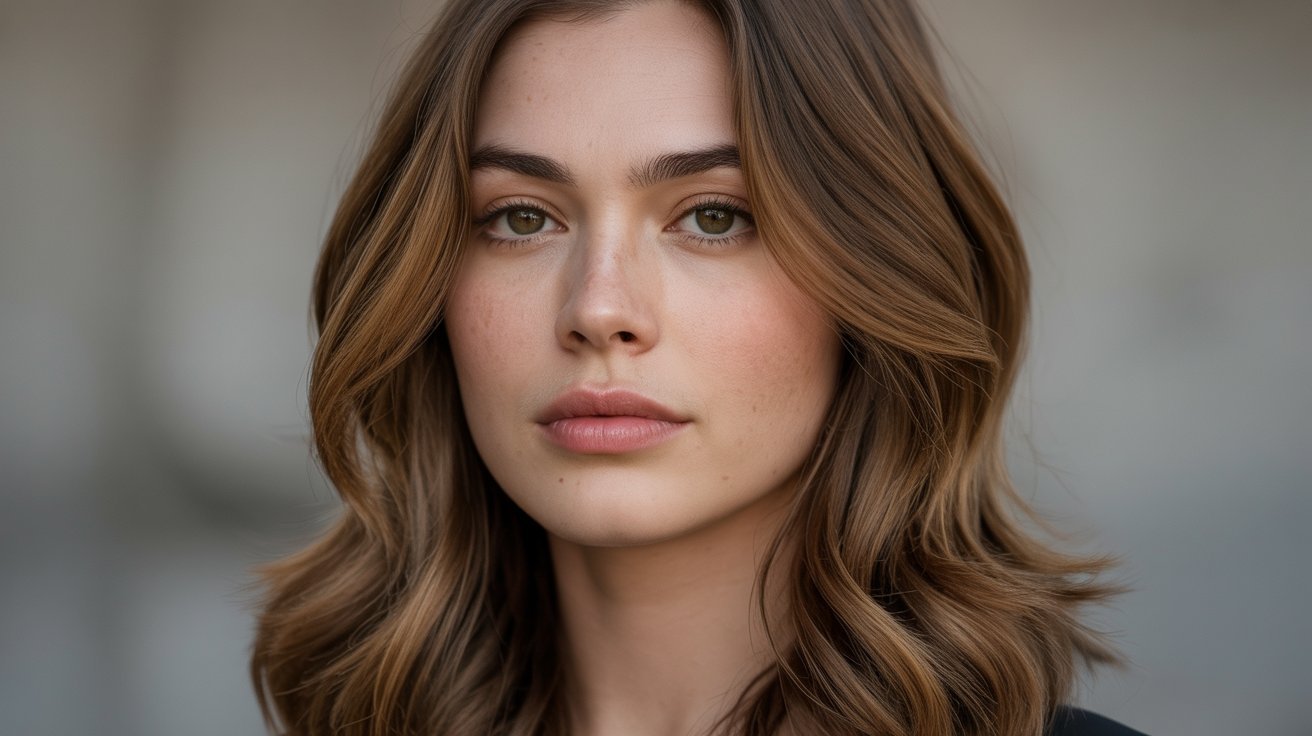
Warm ash brown combines smoky ash tones with warmth for a sophisticated look. The ash mutes the color while warmth prevents it from looking gray.
This creates a modern brown without excessive golden or red tones. It’s incredibly flattering and natural-looking in any lighting.
7. Chestnut Brown
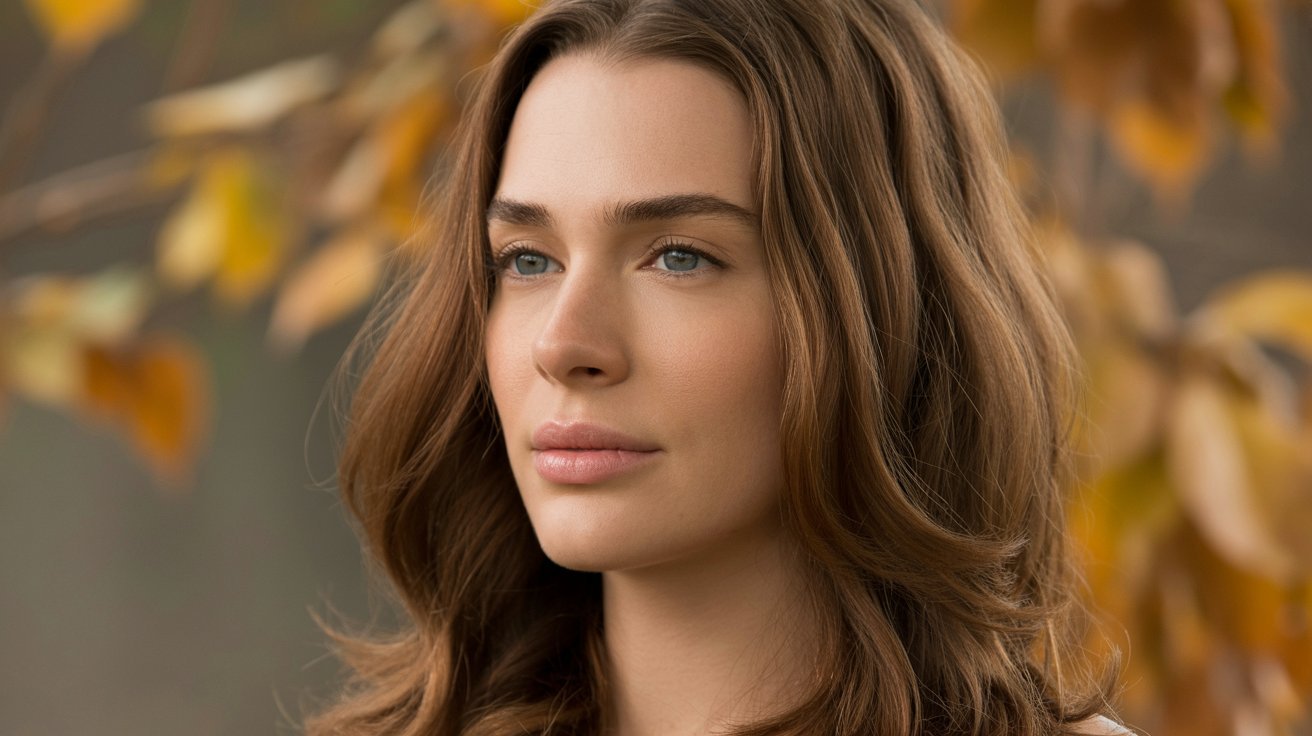
Chestnut brown captures autumn leaves with medium depth and gentle warmth. The color feels natural and effortless, like undyed hair.
There’s subtle richness without intensity. This classic brown feels current and fresh. The warmth shows nicely in sunlight, adding dimension without needing highlights.
8. Soft Chocolate Brown
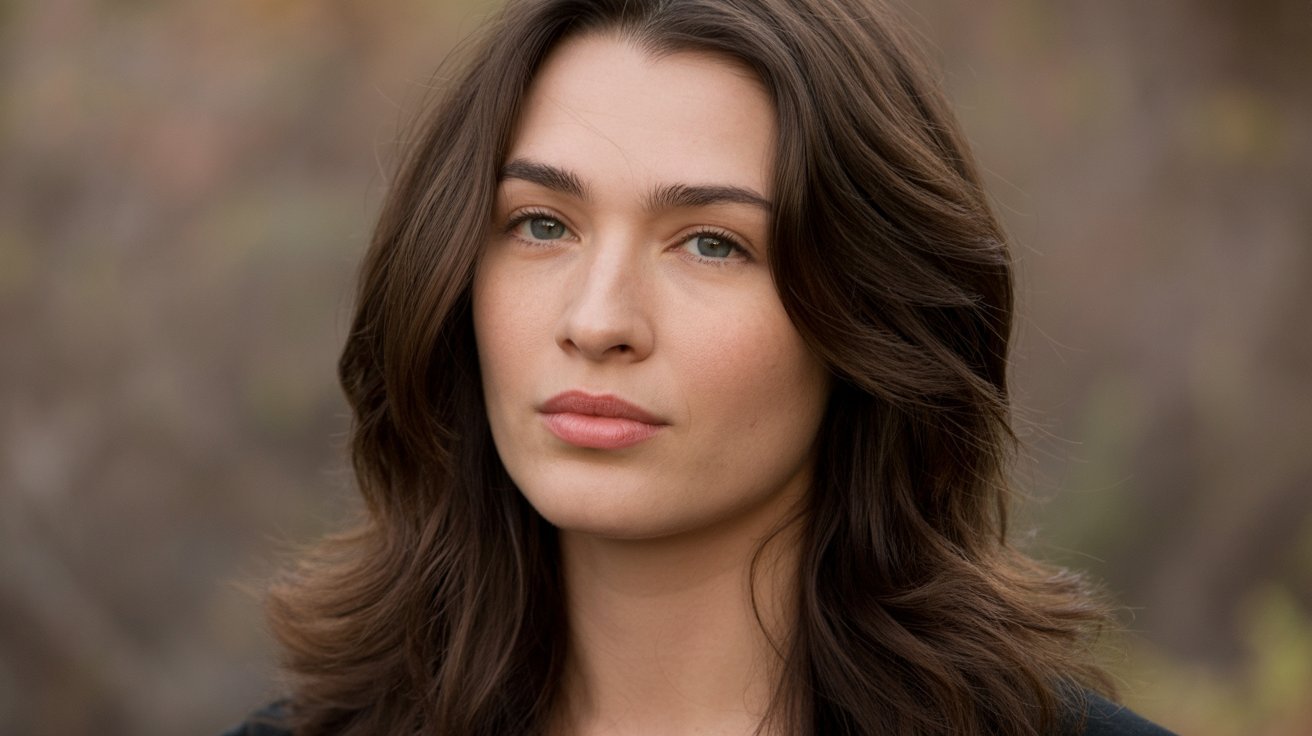
Soft chocolate brown goes deeper while staying muted. It’s not rich or glossy but has a dusty quality.
The brown has depth without looking heavy. It’s great for darker natural hair while staying within the soft autumn palette. The softness prevents harshness against your skin.
9. Strawberry Brown
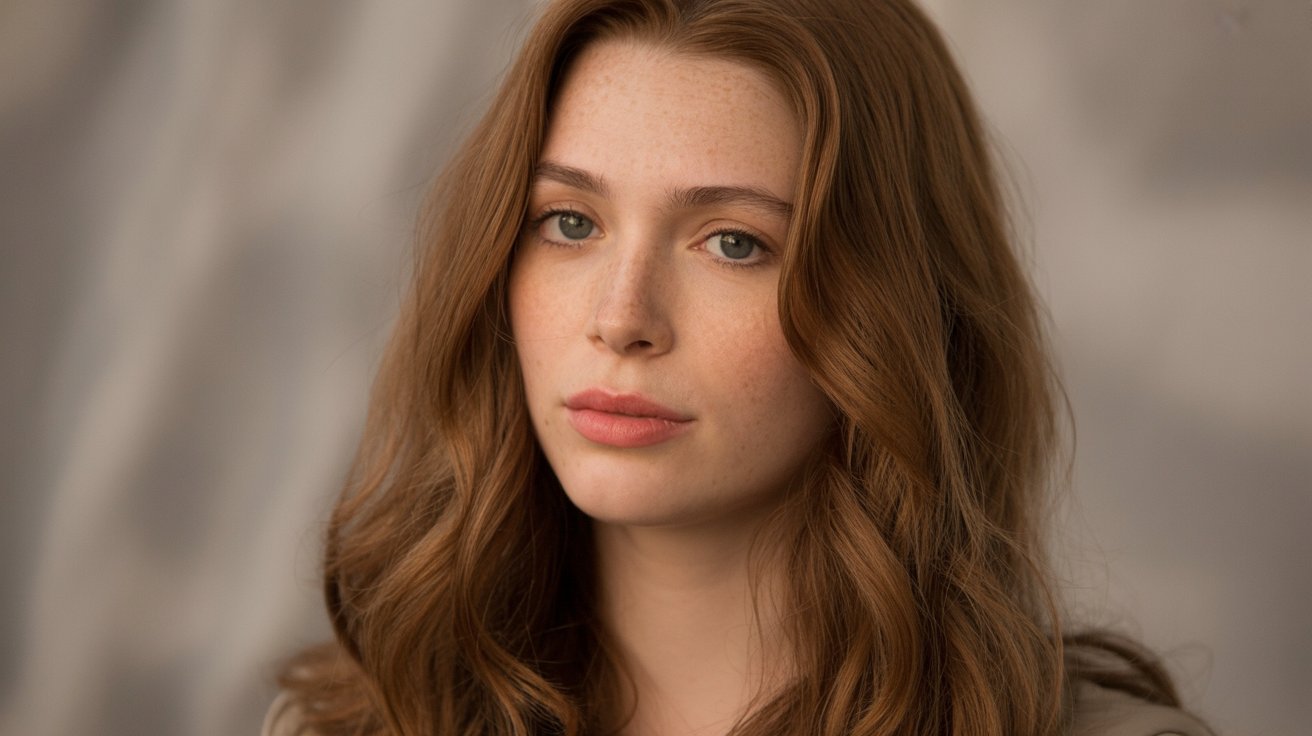
Strawberry brown looks like warm brown in regular lighting. When sunlight hits it, hints of faded red peek through.
The red cast is muted and subtle, adding interest without looking obviously dyed. It’s perfect for trying something different without going full red or copper.
10. Muted Copper Brown
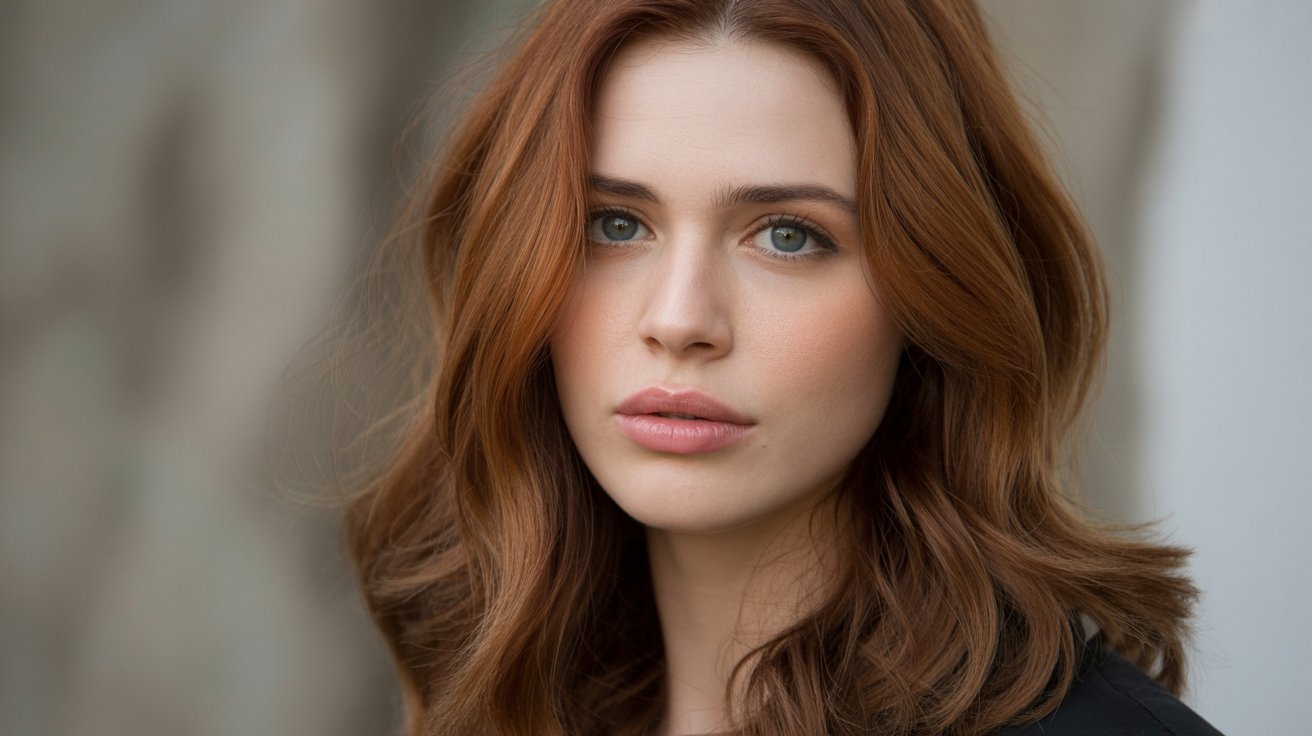
Muted copper brown softens traditional copper with brown tones. It’s not bright like penny copper or heavy like auburn.
The shade sits comfortably in the middle with warmth and softness. It adds personality without being too bold, making it suitable even for conservative professional environments.
11. Deep Golden Brown
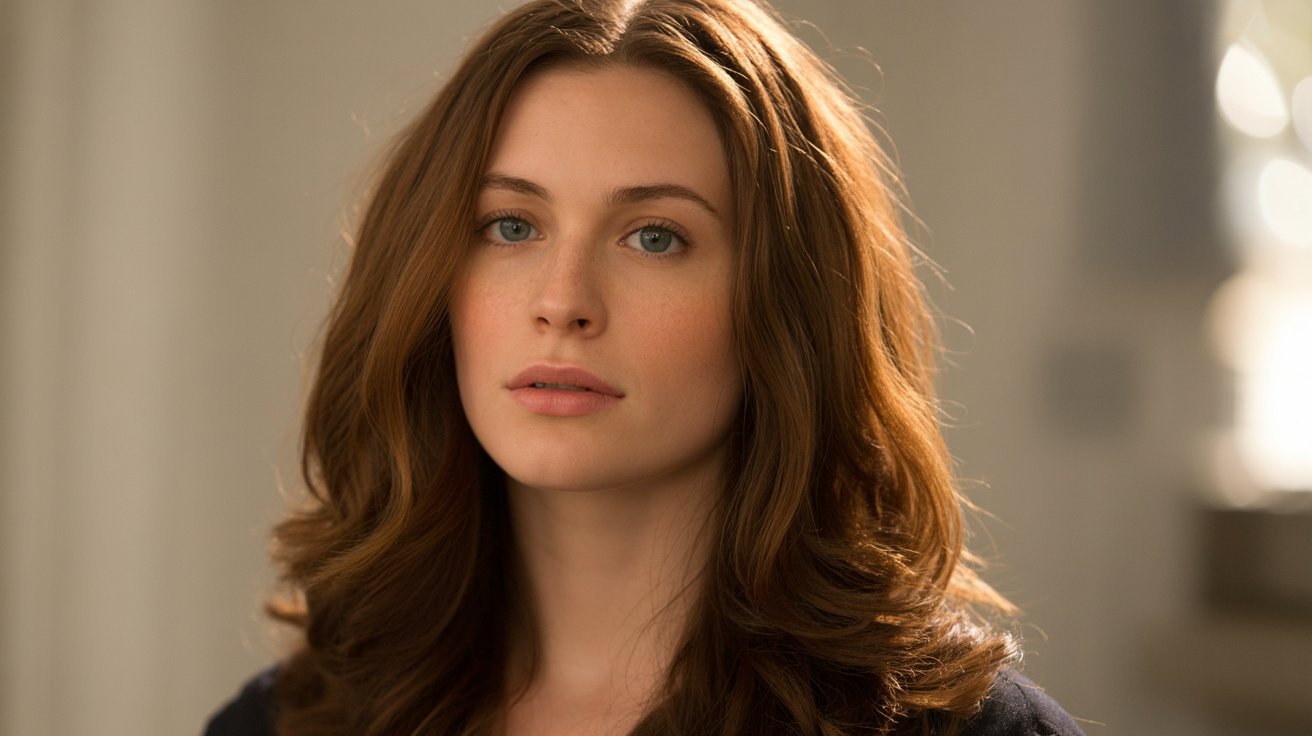
Deep golden brown is the darkest soft autumn option. It has medium-dark depth with golden warmth throughout.
The color never looks harsh despite being deeper. Golden notes lift it and add facial flattering warmth. It’s perfect for those preferring darker hair while honoring soft autumn coloring.
How to Choose the Right Soft Autumn Hair Color for You
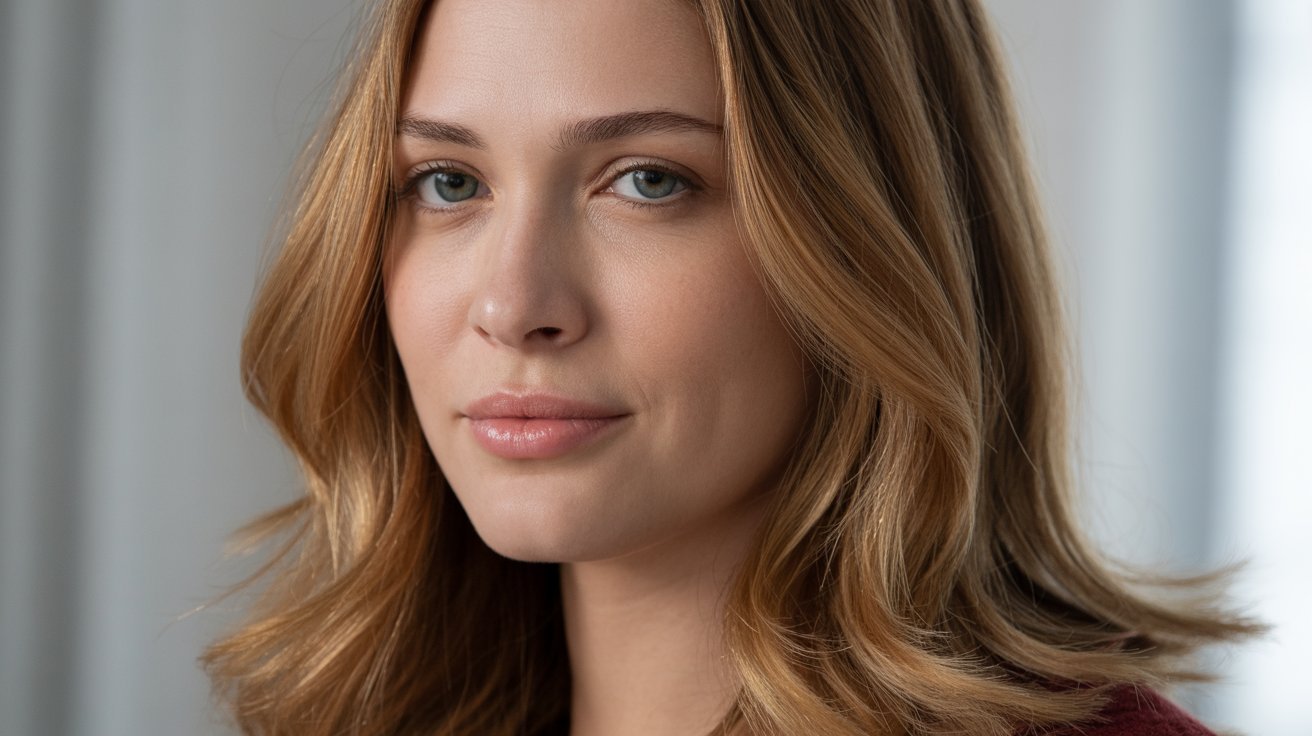
Choosing the right soft autumn shade depends on your skin tone, eye color, and natural contrast level.
If you have low contrast between your skin and hair, stay within one or two shades of your natural color. High contrast means you can go slightly darker or lighter.
Look at your eye color for clues about depth. Warmer eyes pair well with golden browns, while softer eyes suit muted tones.
Experiment by trying temporary color or highlights first before committing to a full change.
Hair Coloring Tips for Soft Autumns
- Soft autumn hair needs dimension, not brightness. Focus on lowlights and babylights that add natural depth instead of stark contrast.
- Balayage and hand-painted highlights work best for soft autumns. These techniques create gradual, blended looks that appear natural.
- Bring reference photos to your stylist and ask for warm, muted tones. Avoid requesting “cool” or “ashy” results that will look wrong.
- Use purple shampoo sparingly to avoid stripping warmth. Choose color-depositing shampoos in golden or caramel tones instead.
- Schedule toning appointments every 6-8 weeks to keep color fresh. Ask for gloss treatments that add warmth while maintaining mutedness.
Conclusion
Soft autumn hair color celebrates the natural beauty of muted, warm tones. The softness and depth work together to create a look that feels effortless and real.
I’ve seen countless women feel more confident when they stop fighting their natural coloring and start working with it instead.
Your soft autumn hair doesn’t need to be bright or trendy to look amazing. It just needs to be in harmony with who you are.
Trust the process, find a colorist who understands seasonal analysis, and give yourself permission to love the gentle, warm tones that naturally suit you best.
Frequently Asked Questions
Can soft autumn hair colors work on naturally dark hair?
Yes, soft autumn shades work well on dark hair. Choose deeper options like chestnut brown, soft chocolate brown, or deep golden brown that add warmth without requiring heavy lightening.
How do I know if I’m a soft autumn or a different season?
Soft autumns have warm undertones with muted coloring and medium contrast. If bright colors overwhelm you and you look best in earthy, warm tones, you’re likely a soft autumn.
Will soft autumn hair color require a lot of maintenance?
Soft autumn colors are relatively low maintenance because they’re close to natural shades. You’ll need toning every 6-8 weeks and color-safe products, but regrowth blends well.
Can I go blonde as a soft autumn?
Yes, but stick to warm, muted blondes like honey blonde, caramel blonde, or golden beige. Avoid platinum, icy, or bright blonde shades that will look harsh.
What’s the difference between soft autumn and warm autumn hair?
Soft autumn hair is more muted and dusty with lower saturation. Warm autumn hair has brighter, more intense warmth with higher color saturation and vibrancy.