




Short 4C hair can feel limiting when you scroll through protective style ideas online. Most tutorials focus on longer hair, which can make it seem like your options are few.
In truth, length is not required to keep your hair healthy and manageable. Short hair still deserves care and attention.
Protective styling works well on short 4C hair when done the right way. Simple styles help reduce breakage, retain moisture, and make daily upkeep easier.
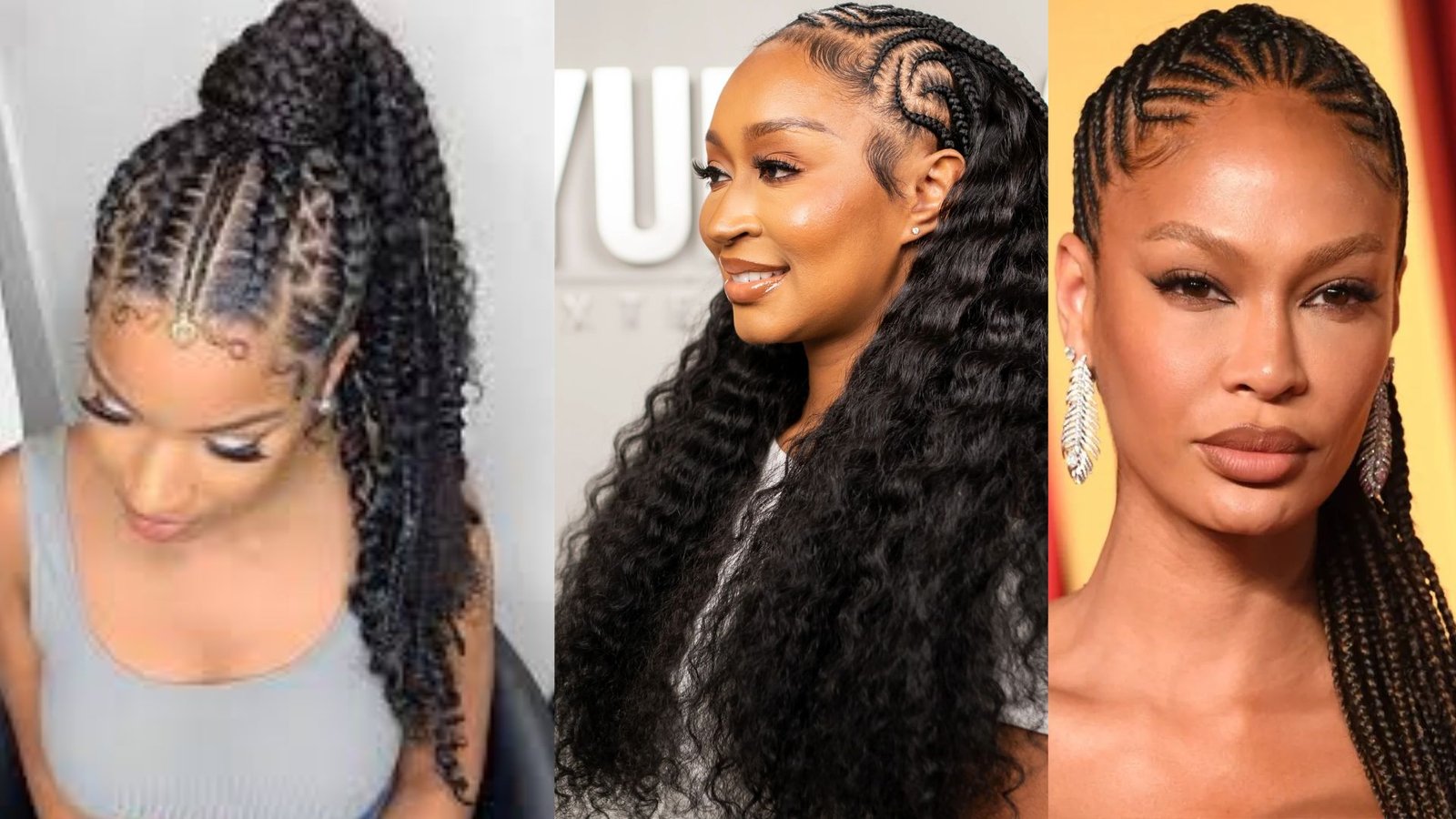
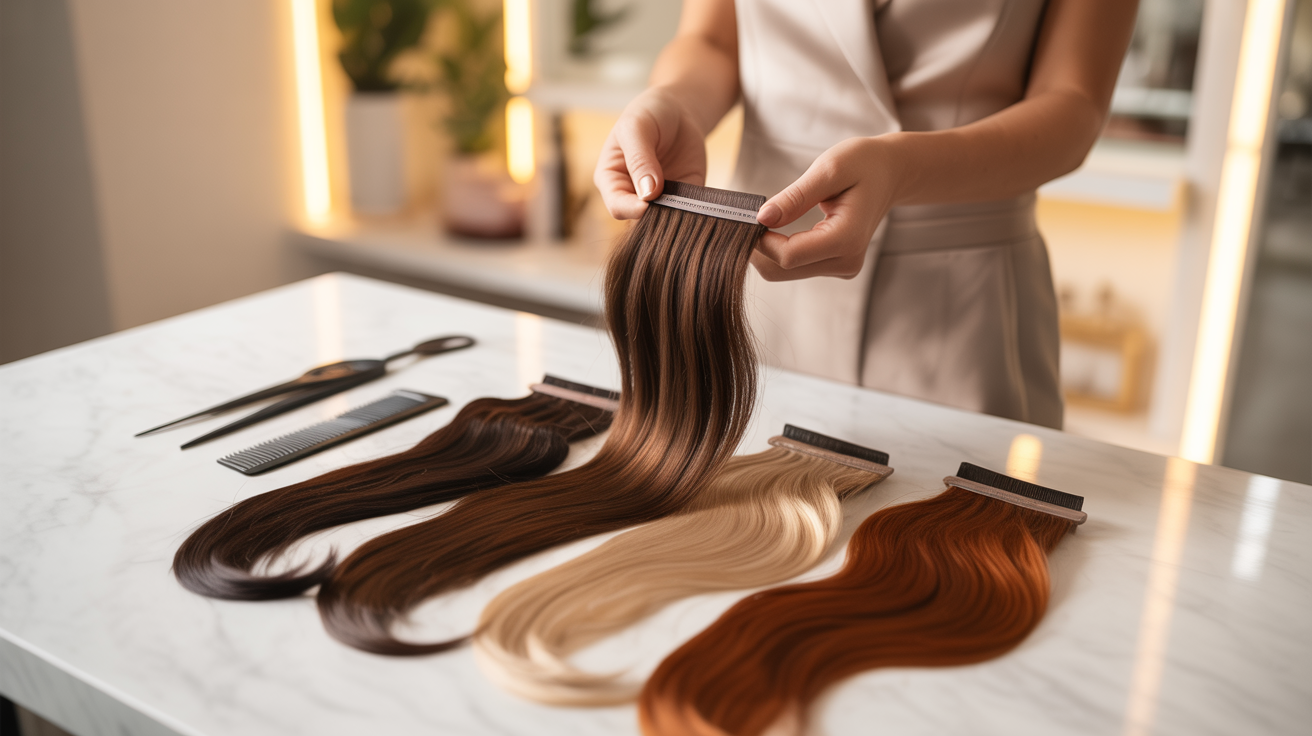
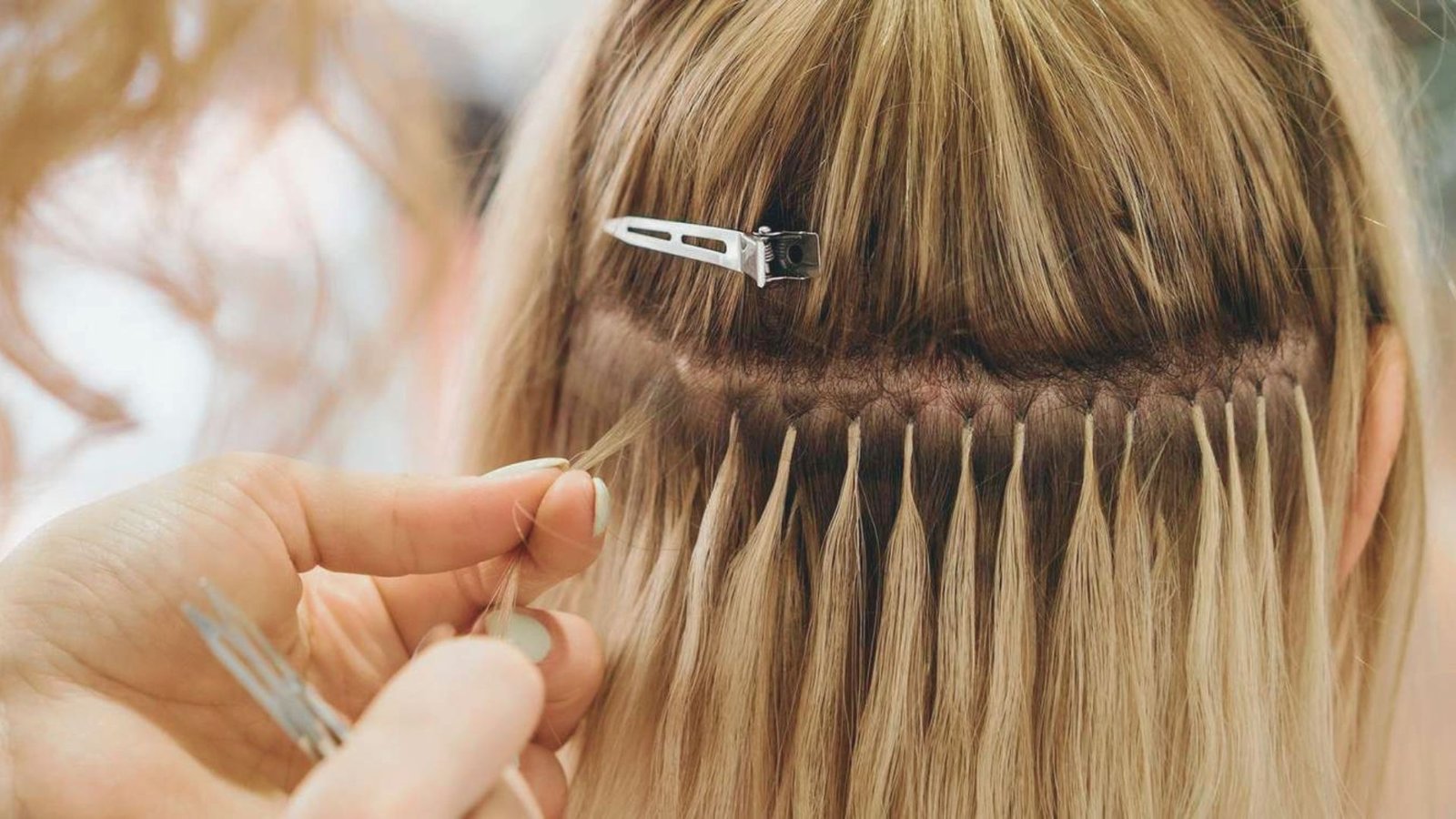
You can create clean looks at home without stress or complicated tools. Extensions can also help when you want a change that lasts longer.
This guide focuses on what actually works. You will learn how to prep your hair, choose styles that hold up, and maintain your strands while they are tucked away. Even with four inches or less, you still have real styling options.
What Makes 4C Hair Unique and Why Protection Matters?
Your 4C hair is different from other curl patterns, and that’s not a bad thing. It simply means your hair has its own needs. Once you understand its texture, caring for it becomes much easier and more effective.
4C hair has the tightest coil pattern, forming sharp zigzags instead of loose spirals. It experiences heavy shrinkage, minimal natural clumping, and dryness because scalp oils struggle to travel down the coils. These factors also make it more prone to breakage.
Protective styling helps by reducing daily manipulation and friction. Tucking your ends away helps retain moisture and limits damage from clothes and the environment. This allows you to hold onto length and spend less time styling your hair.
How to Prepare Your Short 4C Hair for Protective Styling?
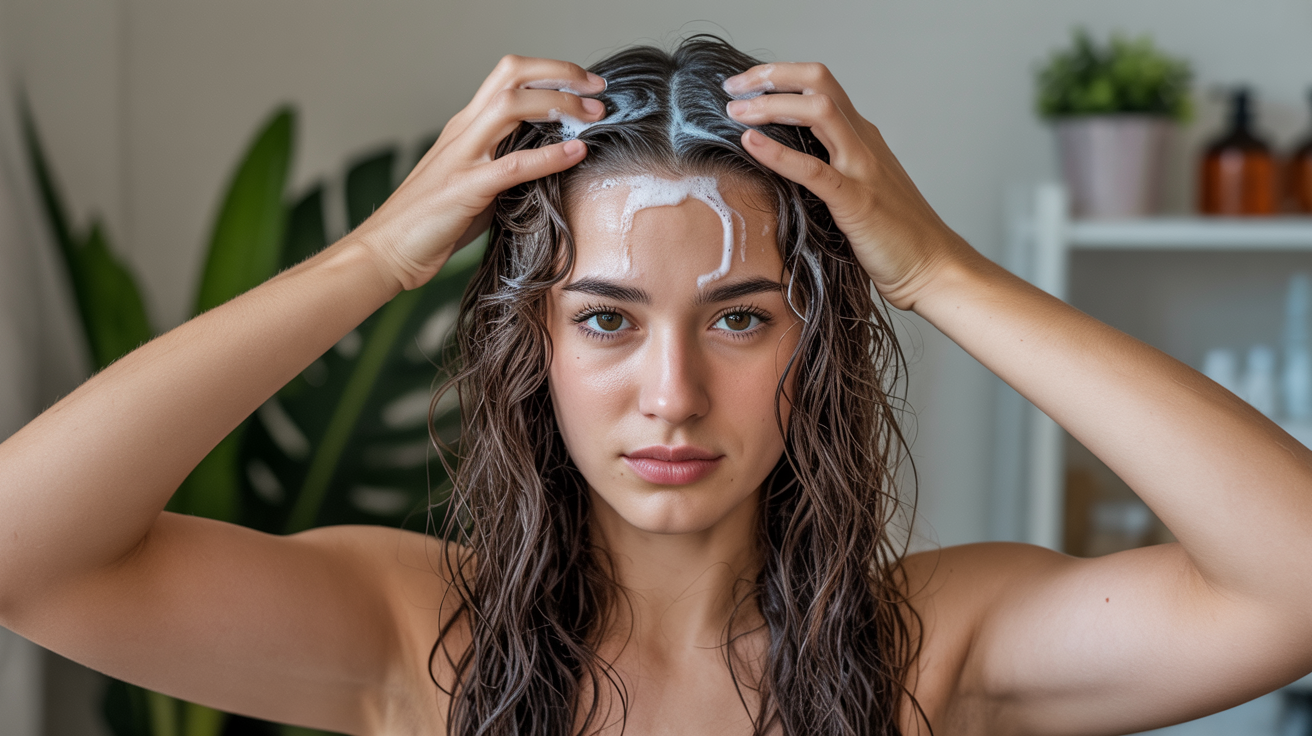
Starting with clean, moisturized hair makes everything easier. Skip this step, and your style won’t last as long or look as good.
- Start with freshly washed hair to remove buildup and oils that can cause slipping or scalp problems.
- Deep condition before styling so your hair gets extra moisture while it’s tucked away.
- Use a leave-in conditioner or light oil to seal moisture and keep strands hydrated longer.
- Care for your scalp too, especially if using extensions or tighter styles, since a healthy scalp supports lasting styles.
- Stretch hair beforehand with twist-outs, braid-outs, banding, rollers, or threading to gain length and make styling easier.
Low-Maintenance Protective Styles You Can Do Yourself
You don’t need a salon appointment for every protective style. These options work great at home, even if you’re not a styling expert.
Bantu Knots
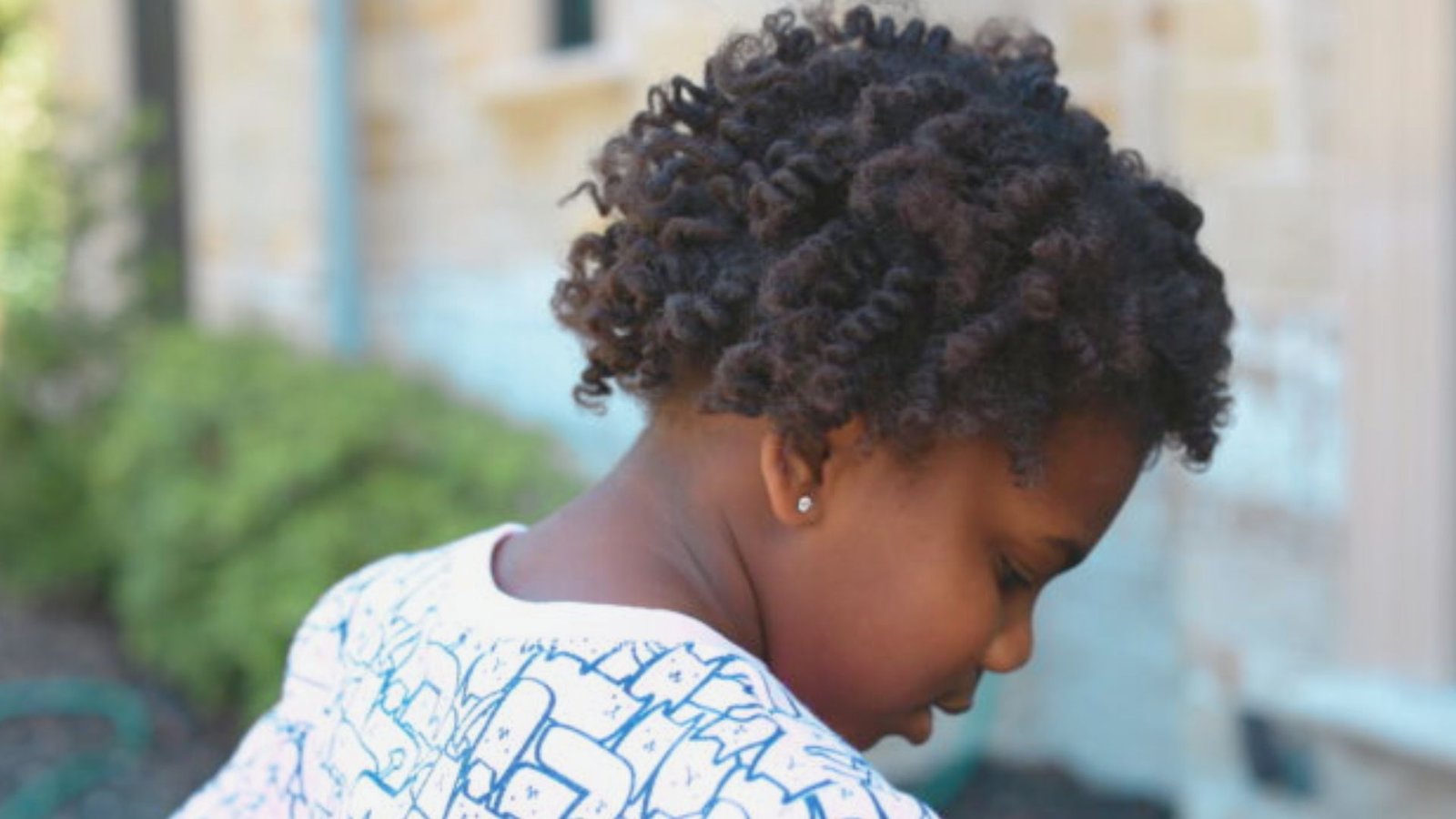
Bantu knots are small, coiled knots created by twisting sections of hair around themselves. They’re both a protective style and a way to achieve defined curls when taken down.
How to make it:
- Start with stretched, well-moisturized hair and section it into clean squares or triangles using a rat-tail comb.
- Apply a light gel or styling cream, then twist each section tightly from root to tip.
- Wrap the twisted hair around itself to form a knot, tuck in the ends, and secure with a bobby pin if needed.
Mini Twists
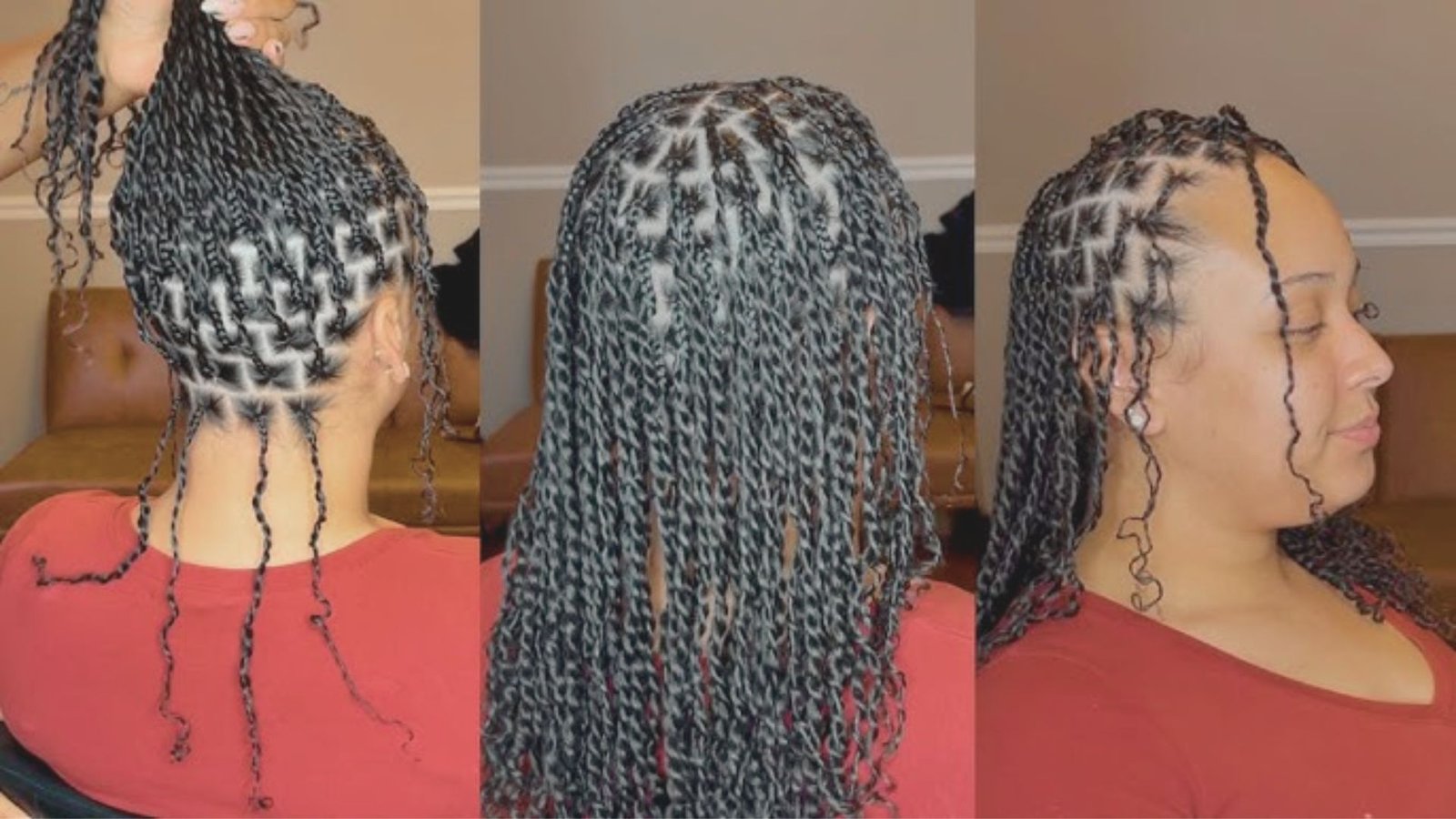
Mini twists are small two-strand twists done all over the head. They’re a low-maintenance protective style that works well even on short hair.
How to make it:
- Start with clean, stretched hair and part it into small, even sections for neat, long-lasting twists.
- Apply a leave-in or twisting cream, split each section into two equal pieces, and twist from root to tip with even tension.
- Seal the ends with a tight twist or a little gel, then repeat across your head in organized rows.
Flat Twists
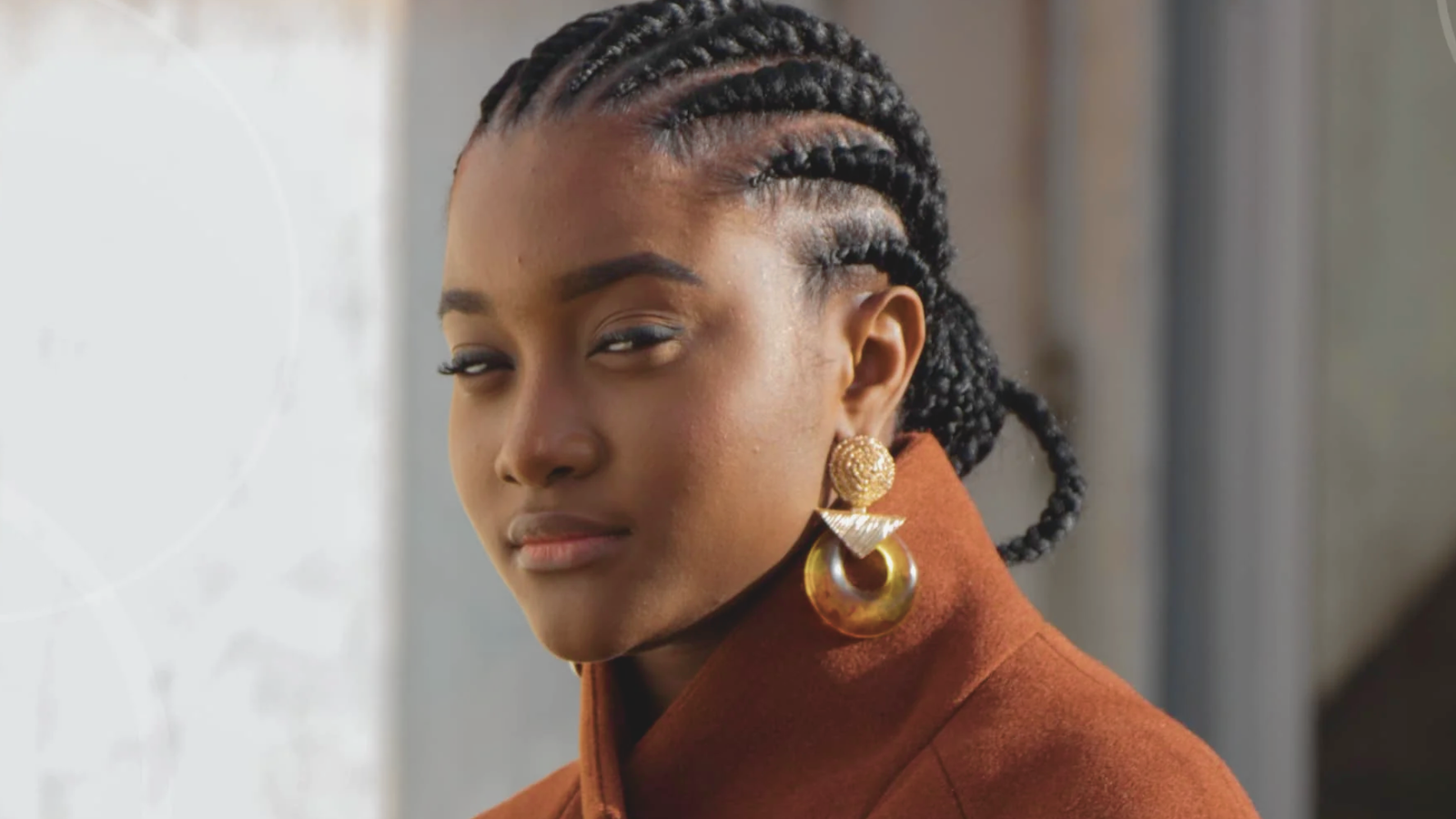
Flat twists are two-strand twists that lie flat against the scalp, similar to cornrows. They’re sleek, versatile, and work for both everyday wear and special occasions.
How to make it:
- Part hair in your desired direction, start at the hairline, and split a small section into two even pieces.
- Twist by crossing one piece over the other while gradually adding hair from the scalp so the twist stays flat.
- Continue twisting to the ends, secure with a small elastic or pin, and repeat row by row across the head.
Tuck and Roll (Roll, Tuck, and Pin)
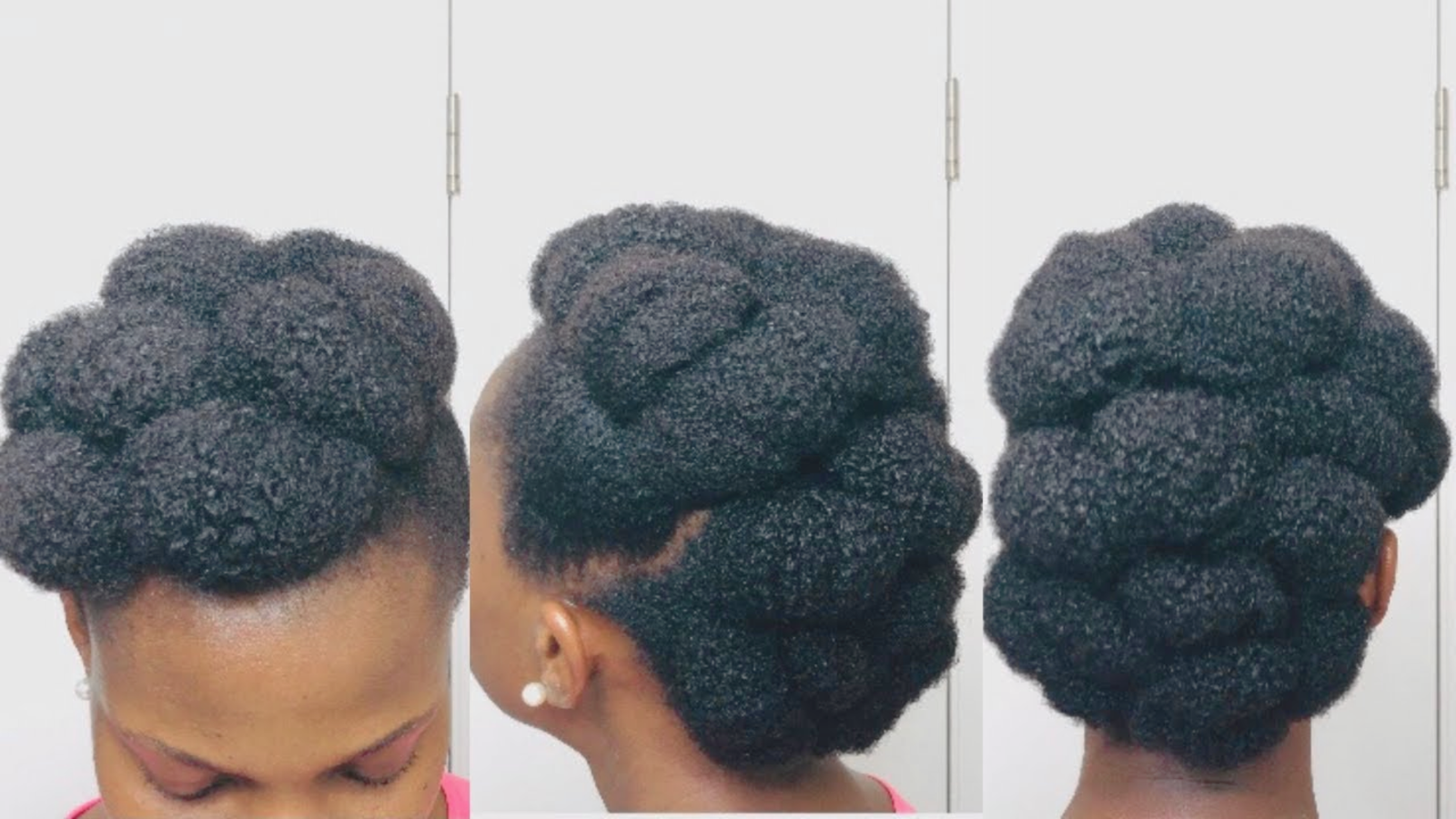
The tuck and roll is a quick, no-skill protective style where hair is rolled and pinned to hide the ends. It’s gentle, versatile, and easy to do on stretched hair.
How to make it:
- Start with stretched hair, smooth a section, then roll it under or over toward the scalp.
- Tuck the ends into the roll and secure evenly with bobby pins to keep it flat and tension-free.
- Repeat section by section until all hair is tucked, then lightly mist with water and seal with oil for shine.
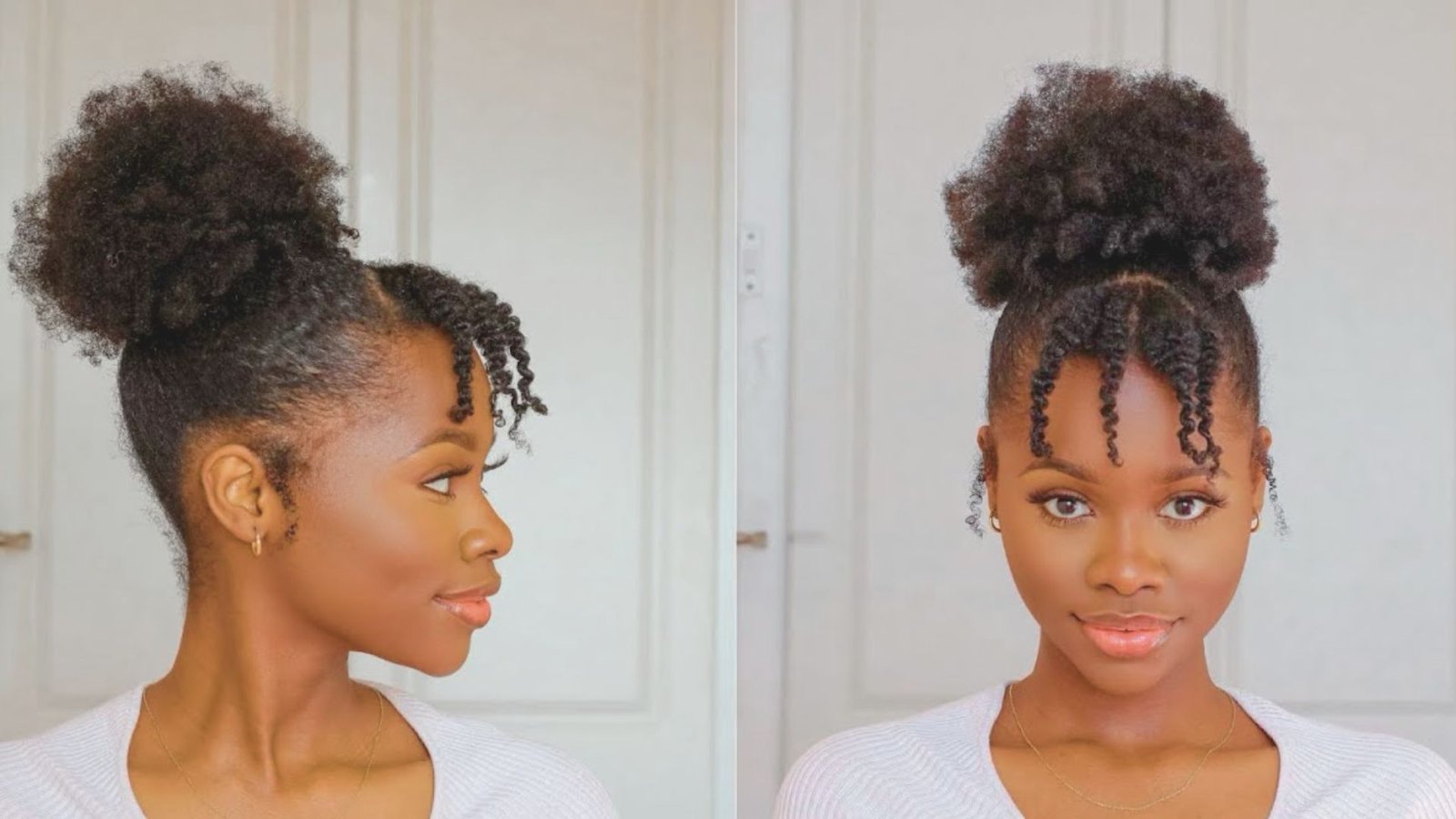
Buns (High, Low, Double, Side)
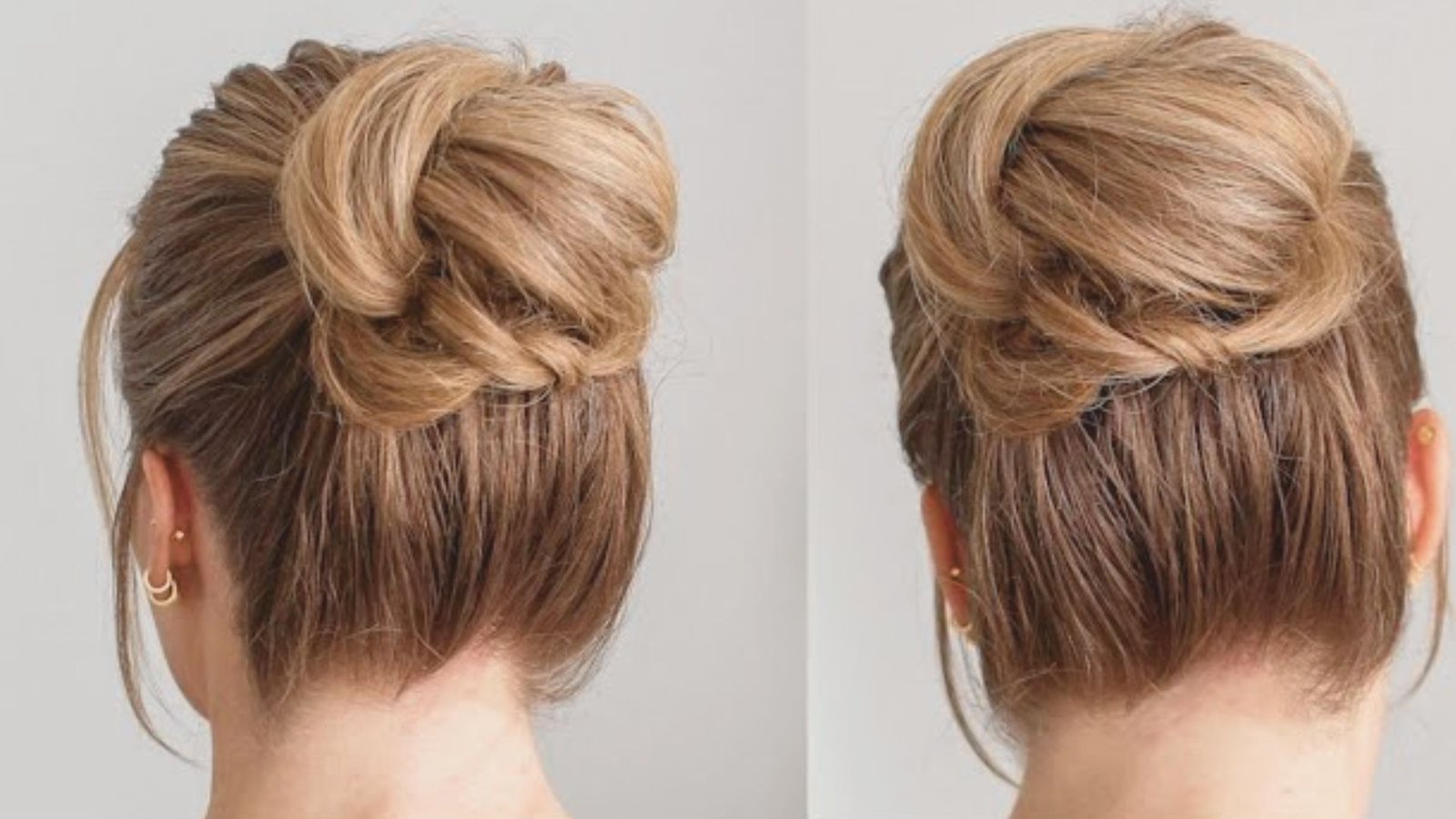
Buns are a fast, protective style where hair is gathered and wrapped into a knot. They’re versatile, low-effort, and work for both casual and polished looks.
How to make it:
- Stretch your hair, gather it at your preferred spot, and smooth it back gently to create a clean base.
- Twist the hair into a rope, then wrap it around itself to form the bun shape.
- Tuck the ends under, secure with pins or a soft tie, and smooth edges lightly if desired.
Braided Low Bun
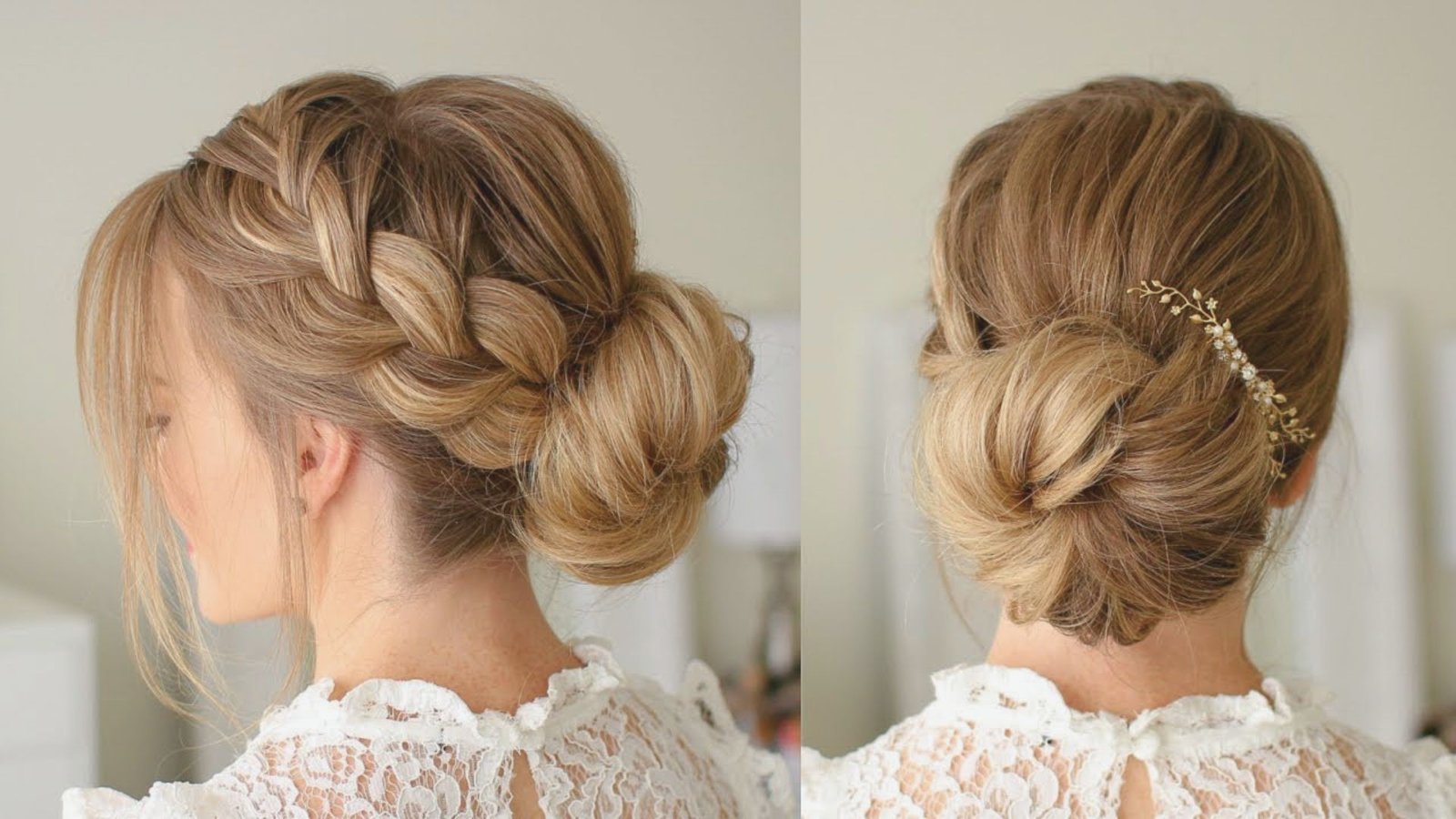
This is a quick braided low bun where simple braids are wrapped into a neat bun at the nape. It’s a fast, protective style that looks polished in minutes.
How to make it:
- Part your hair, braid each side, or create a few cornrows, then gather all braids at the nape of your neck.
- Twist the gathered braids together and wrap them into a low bun shape.
- Secure with bobby pins and tuck in any loose ends for a clean, elegant finish.
Caring for Your Hair While in Protective Styles
Caring for your hair while in protective styles ensures your strands stay moisturized, healthy, and strong, so you retain length and avoid breakage when the style comes down.
- Protective styles only work when your natural hair is cared for underneath. Moisturize regularly, oil your scalp, and cover your hair with a satin bonnet or scarf every night to prevent dryness and frizz.
- Keep your scalp comfortable between wash days by oiling 2–3 times weekly and misting hair with water and leave-in conditioner. Focus on tight, itchy, or dry areas and massage gently.
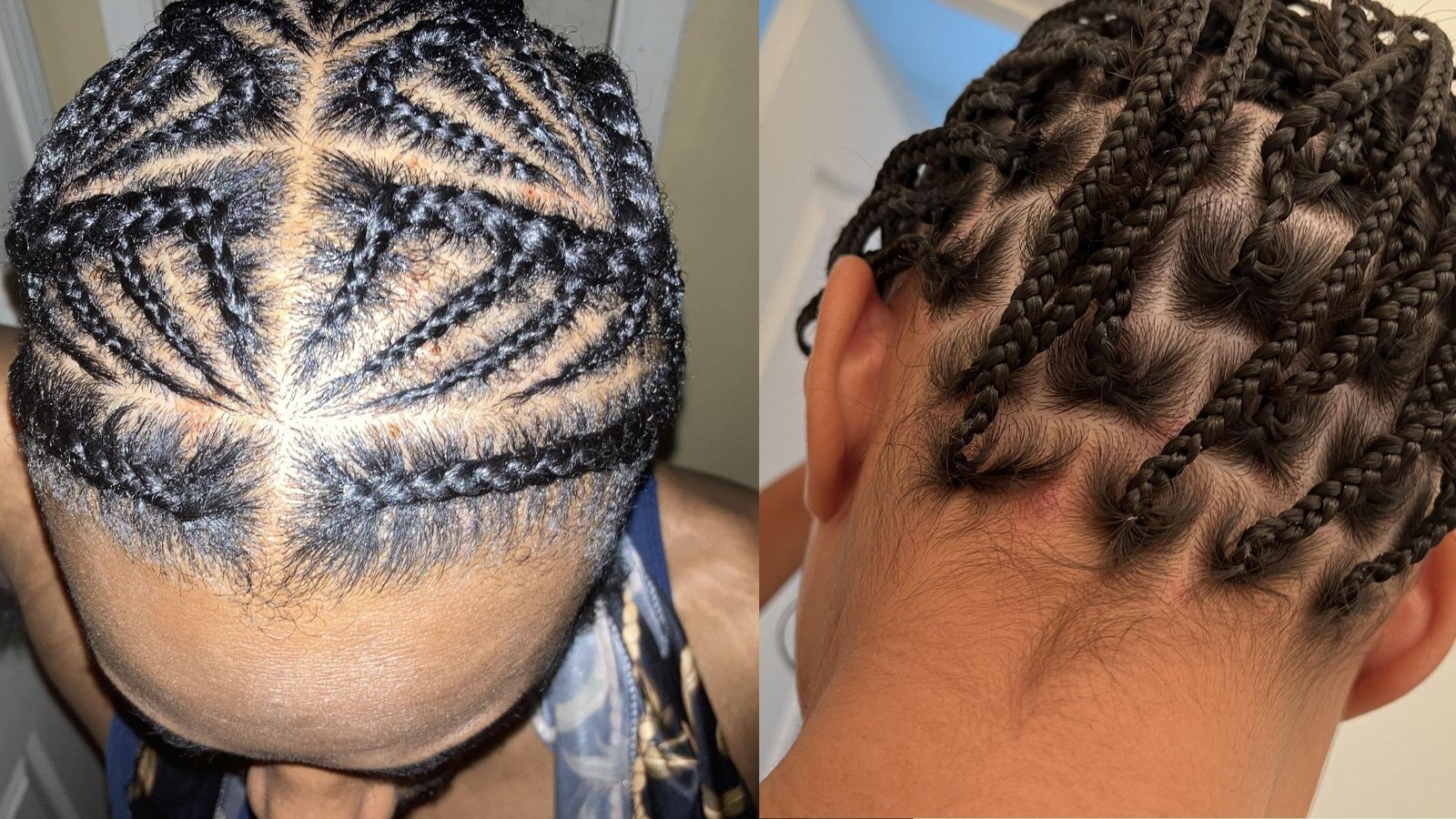
- Avoid tight styles and over-installing extensions. Pain, bumps, or sore edges mean the style is too tight, and most protective styles should be removed after 2–8 weeks, depending on the style.
- Take styles down properly and care for your hair immediately after. Cut extensions carefully, unravel gently, and deep condition to restore moisture and strength.
- Know when it’s time to remove your style. Excessive frizz, matting, scalp discomfort, buildup, or a worn-out look are signs your hair needs a break before the next style.
Conclusion
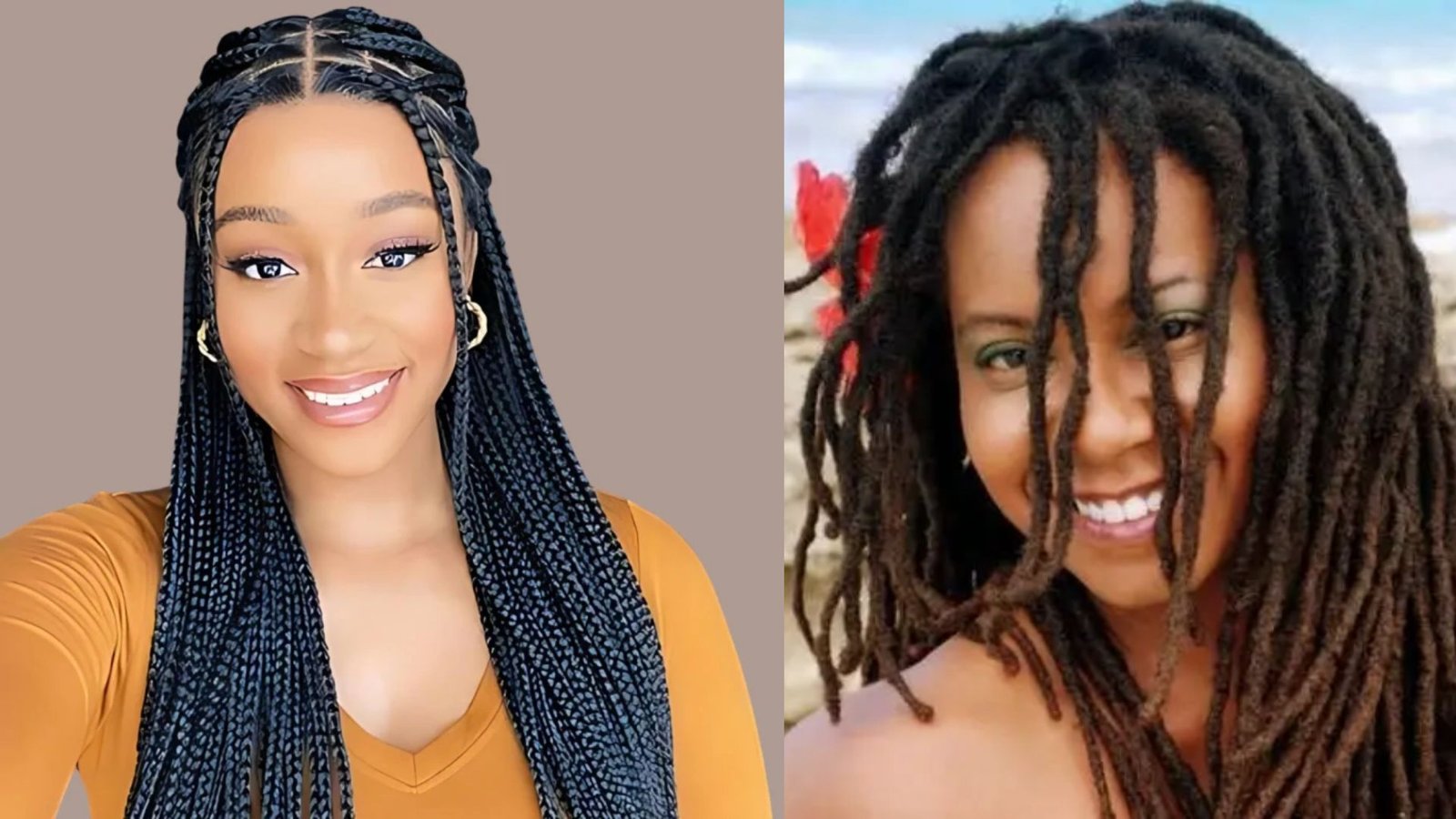
You do not need long hair to enjoy low-maintenance protective styles for short natural 4C hair. Length is often seen as a requirement, but many styles work well on shorter strands. Bantu knots, mini twists, box braids, and simple buns can fit into busy routines while working with your natural texture.
Healthy prep makes all the difference. Starting with moisturized and lightly stretched hair helps keep your ends tucked away and reduces daily stress. You can style your hair at home or use extensions when you want variety. With proper care, these looks can last several days or even weeks.
Short 4C hair still needs protection without pressure. Choose one style from the list and try it this week. Pay attention to how your hair feels, moisturize it at night, and refresh your look when needed.
Frequently Asked Questions
What are the easiest low-maintenance protective hairstyles for short natural 4C hair?
Bantu knots, mini twists, and simple buns are the easiest options. They take under 30 minutes to install, require no extensions, and last up to a week with proper care. Tuck and roll styles work great for lazy days since they need minimal skill and can be done on old hair.
How short can my 4C hair be for protective styling?
Your hair can be as short as 2 inches for styles like cornrows. Bantu knots work on hair 4+ inches long. Most protective styles adapt to short hair, and you can always add extensions like Marley hair or braiding hair to create more length and volume if needed.
How long do protective styles last on short 4C hair?
Most styles last 2-4 weeks with proper care. Mini twists and box braids can last several weeks, while simpler styles like buns or tuck and rolls typically last 3-7 days. Covering your hair with a satin bonnet at night extends wear time significantly.
Do I need extensions for protective styles on short 4C hair?
No, extensions aren’t required. Styles like mini twists, Bantu knots, flat twists, and buns work beautifully on your natural hair alone. Extensions just give you more styling options, added length, and sometimes easier maintenance. Choose what fits your lifestyle and comfort level.
How do I maintain my 4C hair while in protective styles?
Moisturize your scalp with oils like tea tree or borage seed oil. Sleep with a satin bonnet or scarf every night to prevent frizz. Don’t keep styles in too long. Remove them after 2-4 weeks. Give your hair breaks between installations to avoid breakage and scalp stress.