




Can’t decide between braids and twists for your next protective style? It’s a common dilemma. Both look great and protect your hair, but they’re created differently and give you totally different results.
This article explains the real differences between braids and twists. You’ll find out how each style is installed, how long they last, and which one suits your lifestyle better.
We’ll help you pick the right option for your hair texture, daily routine, and maintenance preferences. No more guessing or regretting your choice halfway through wearing the style.
I’ve gathered insights from experienced hairstylists and tested both styles personally. You’re getting honest, practical information based on real experience.
By the end, you’ll understand exactly which protective style matches your needs and how to care for it properly.
What Are Braids?
Braids are a protective hairstyle created by the technique of three strands of hair together. They’re one of the most popular styles worldwide. You get a neat, structured look that lasts for weeks.
Definition and Technique
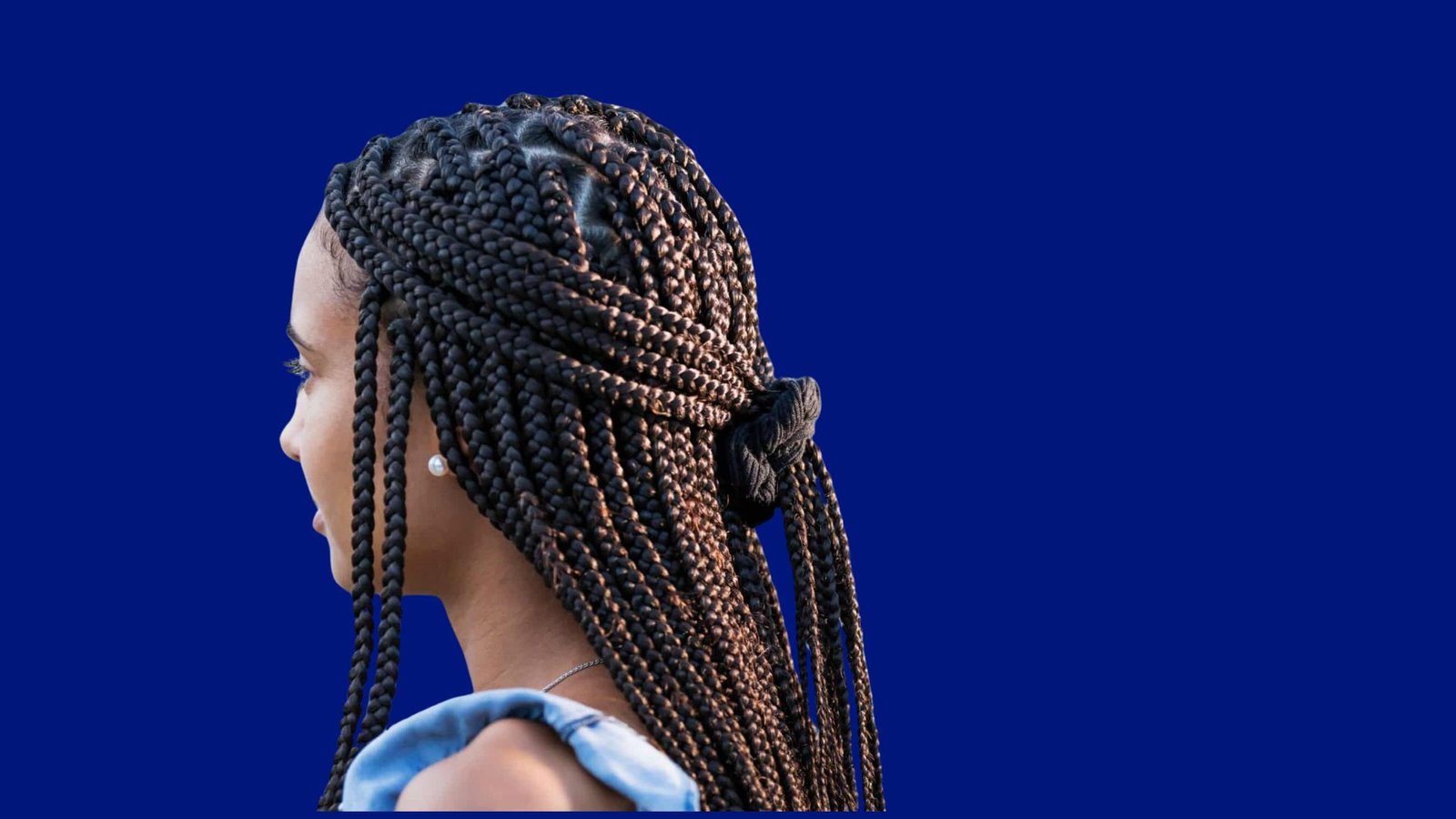
Braiding uses a three-strand technique. You cross one strand over the middle, then repeat with the other side. This creates that classic rope-like pattern you recognize instantly.
- Natural hair braided without additions.
- Extensions braided in for length and fullness
- Synthetic or human hair for different textures
- Mix of your hair and added hair
The three-strand technique is what makes it a braid. Anything with two strands is a twist, not a braid. That’s the key difference.
Popular Types of Braids
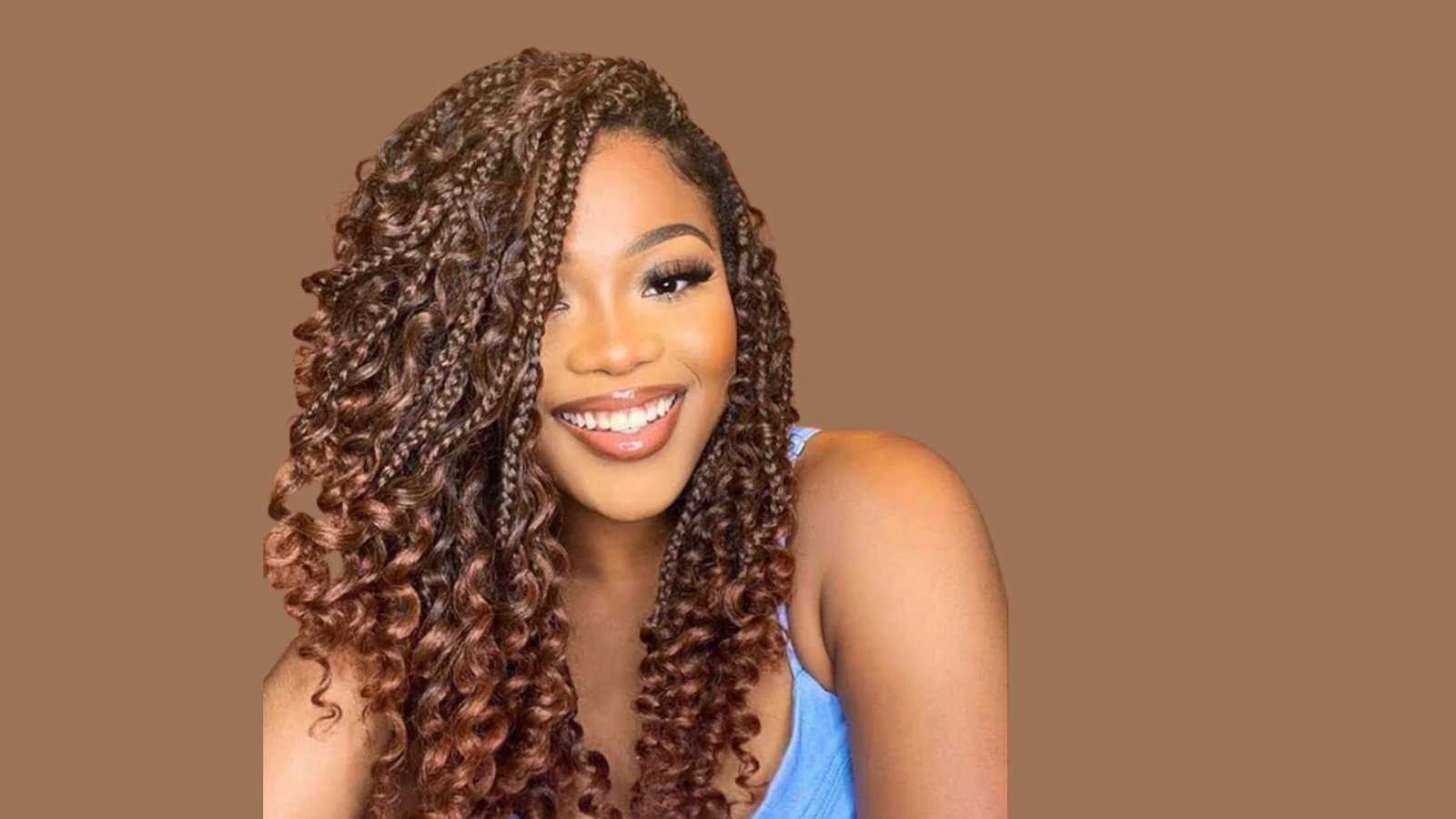
Braids come in countless styles. Each type uses the same three-strand technique but creates different looks and patterns.
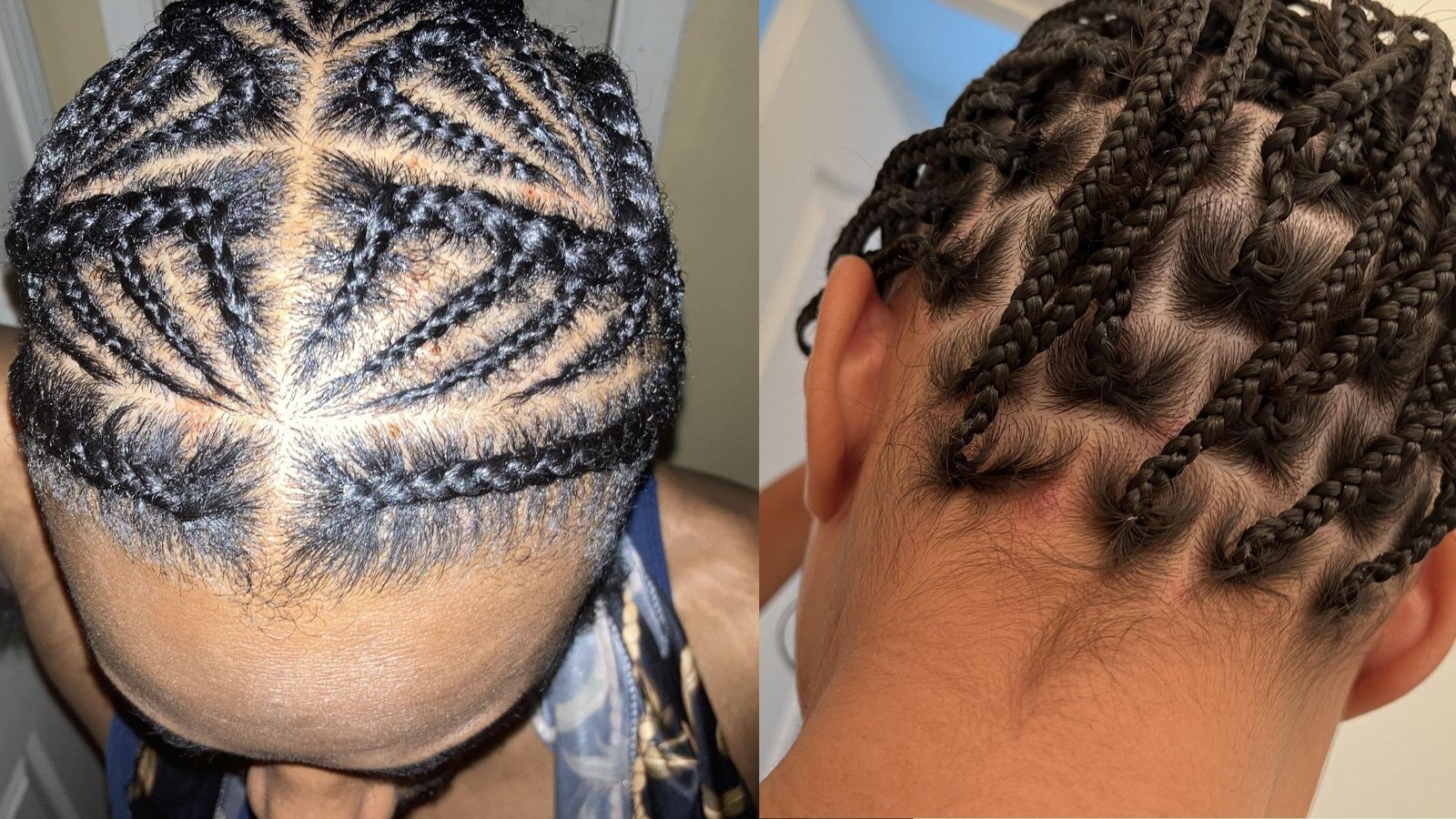
- Box braids (individual square sections)
- Knotless braids (no knot at the root)
- Cornrows (braided flat against scalp)
- Feed-in braids (gradual hair addition)
- Crochet braids (installed with a crochet hook)
- Ghana braids, goddess braids, jumbo braids
You can also create braided buns, ponytails, and even full wigs. The versatility is varied. Some styles take hours to install, while others are quicker.
Overall Look and Feel

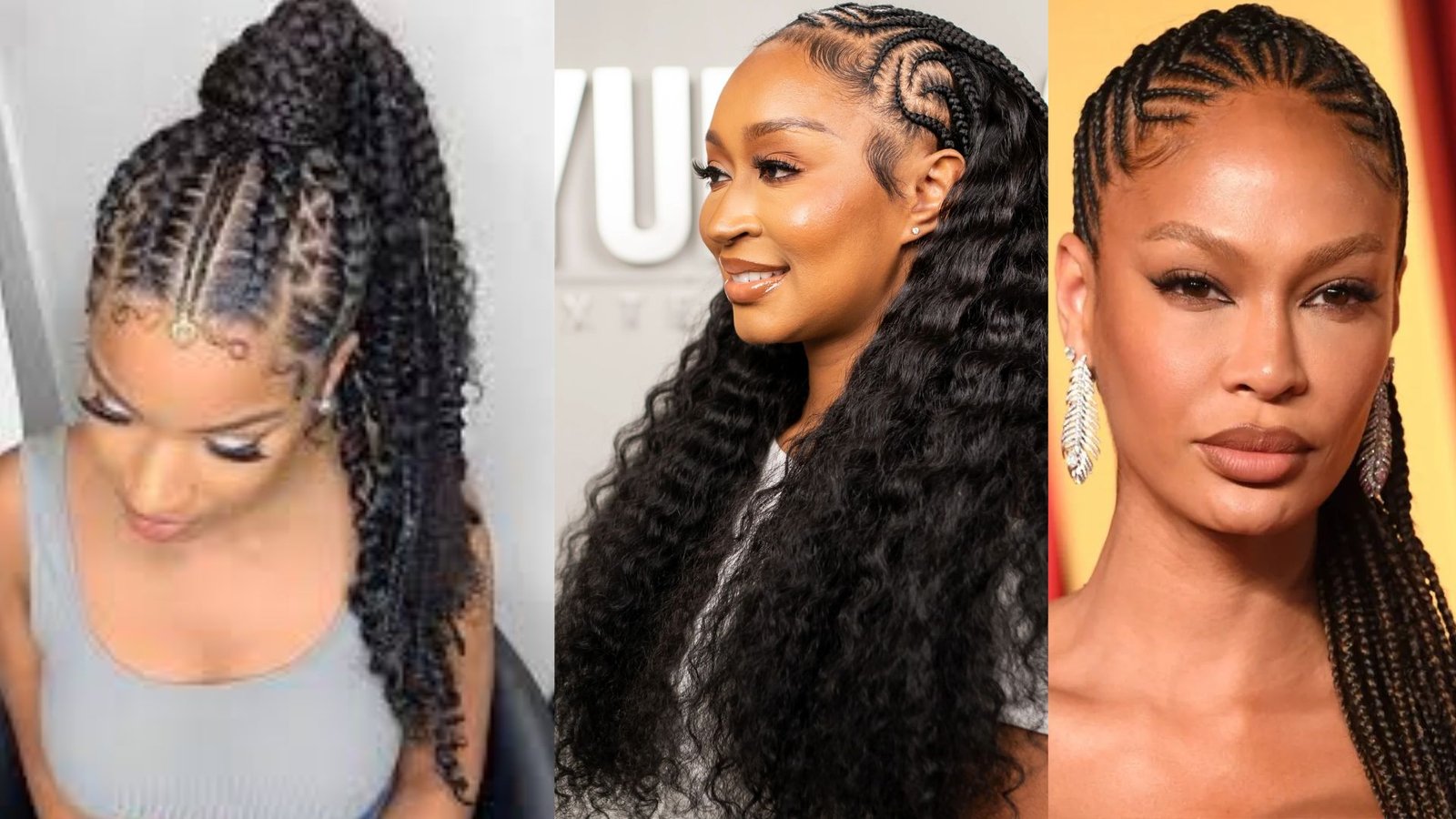
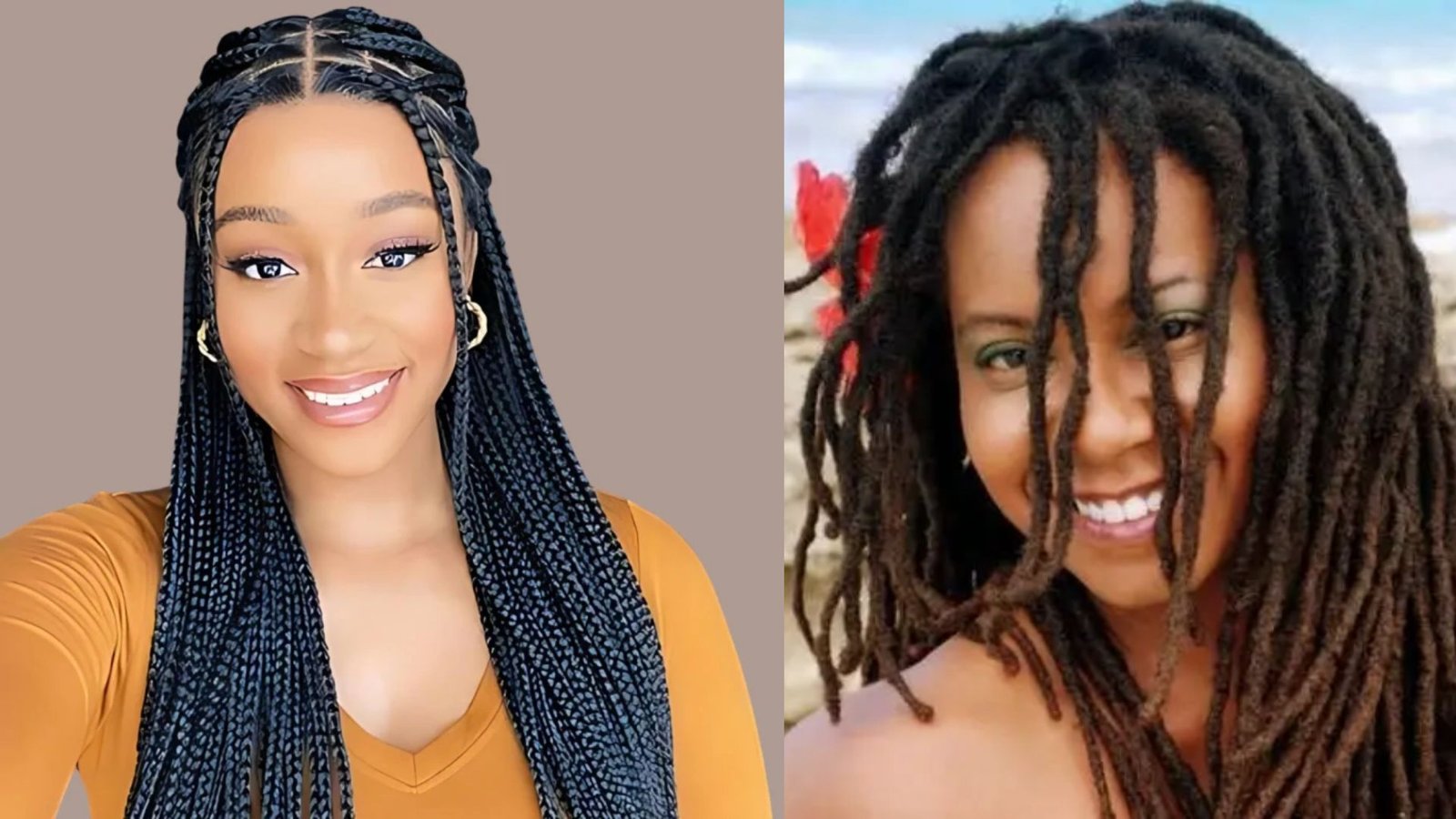
Braids give you a polished, uniform appearance. Each plait looks defined and structured. The pattern stays visible and neat.
- Look fresh for 4-8 weeks.
- Maintain definition even while sleeping.
- Don’t easily fall apart at the ends.
- Keep a “just done” appearance longer.
That structured look is what people love. Your hair stays neat without daily styling. You wake up and go, No frizz, no tangles, just clean braids.
What Are Twists?
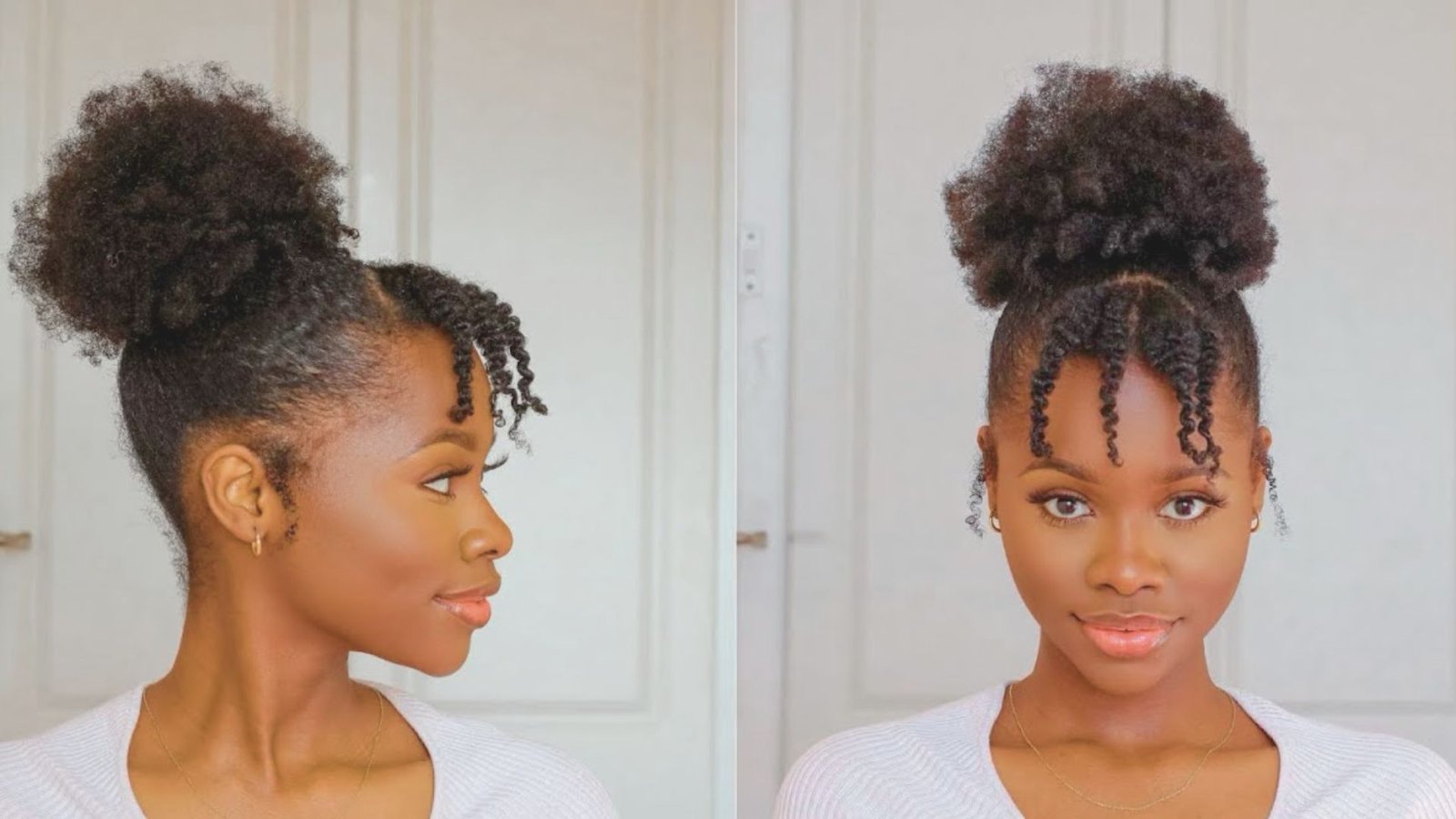
Twists are a protective style created by wrapping two strands of hair around each other. They’re softer and lighter than braids. You get that rope-like texture without the tightness.
Definition and Technique

Twisting uses two strands instead of three. You simply wrap one section around the other, repeating until you reach the end. It’s simpler than braiding.
- Two-strand twists (most common method)
- One-strand twists (hair twisted on itself)
- Three-strand twists (rare variation)
- Rope-like spiral pattern
Two strands make installation faster. Fewer techniques mean less time in the chair. That’s why many people can do twists at home without professional help.
Popular Types of Twists
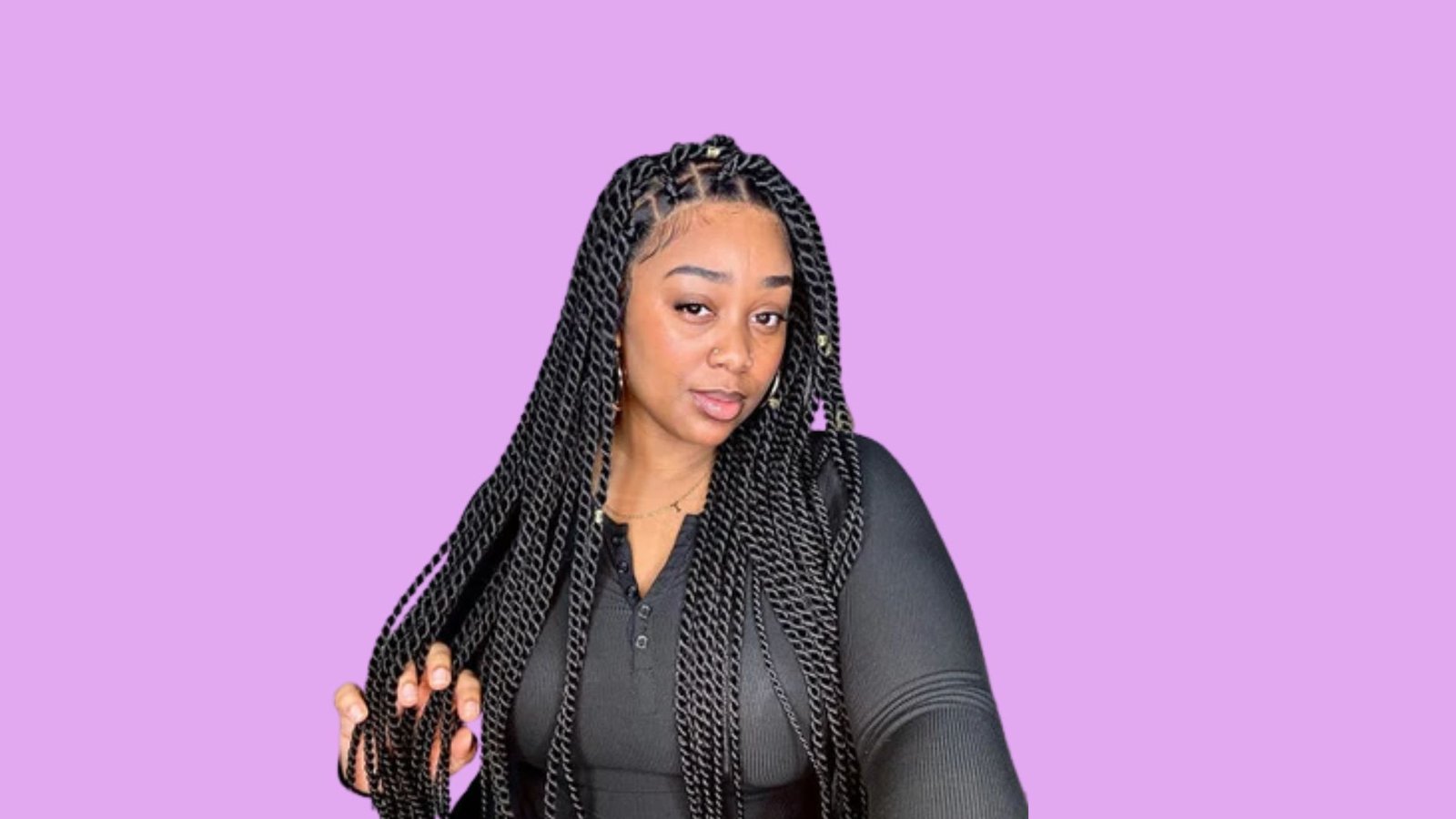
Different twist styles use different hair textures. The technique stays similar, but the hair type changes the final look completely.
- Two-strand twists (classic style)
- Senegalese twists (smooth, sleek)
- Havana twists (chunky, full)
- Marley twists (natural texture)
- Passion twists (wavy, bohemian)
- Spring twists (b
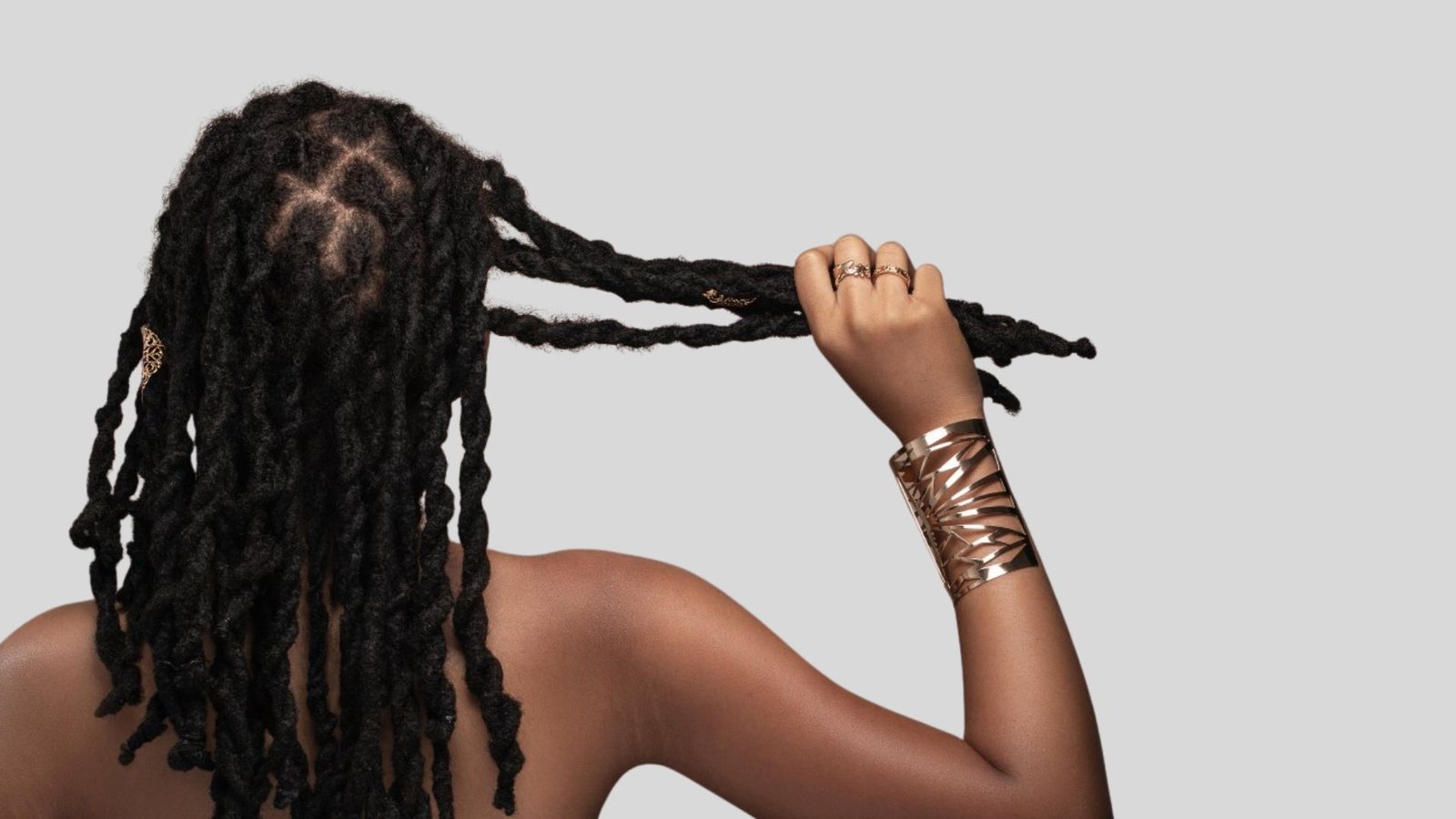 ouncy curls)
 - Rope twists and comb twists
Each style has its own vibe. Senegalese twists look polished and professional. Passion twists give you that carefree, beachy feel. Choose based on the look you want.
Overall Look and Feel
Twists create a fuller, softer appearance. They don’t have that super-defined structure braids have. The look is more natural and organic.
- Lightweight and comfortable on your scalp
- Natural, textured appearance
- Gets softer and bulkier over time
- Frizzes at the roots as hair grows
The softness is both good and bad. Your twists feel comfortable and look relaxed. But they also lose definition faster than braids. You’ll notice frizz around week 3-4, especially at your roots.
Braids vs Twists: Key Differences Explained
Let’s break down what separates these two styles. Understanding the differences helps you choose the right protective style for your hair and lifestyle. I’ll explain each key factor clearly.
Technique and Structure

Braids use the strands technique together in an over-under pattern. This creates a tight, defined plait. Twists wrap two strands around each other for a looser, rope-like spiral.
That extra strand makes braids stronger and more secure. The three-strand technique locks hair in place better than two strands twisted together. This is why braids last longer.
Weight and Tension on the Scalp
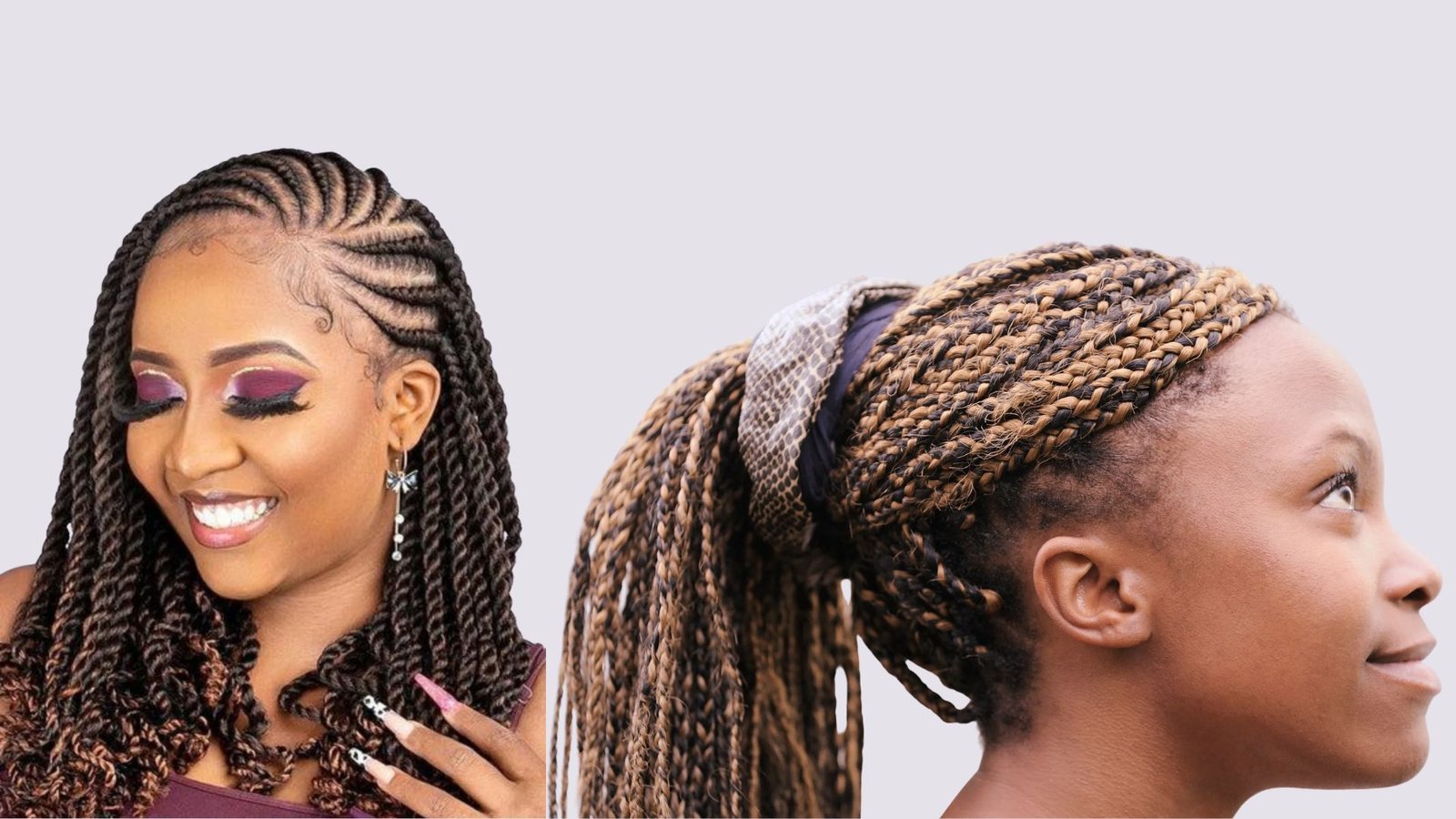
Braids pull more on your scalp because the three-strand technique requires a tighter technique. Add extensions, and the weight increases significantly. This can strain your edges over time.
Twists feel much lighter and create less tension at the root. If your edges are fragile or you have a sensitive scalp, choose twists. They’re gentler and won’t pull as hard on your hairline.
Installation Time
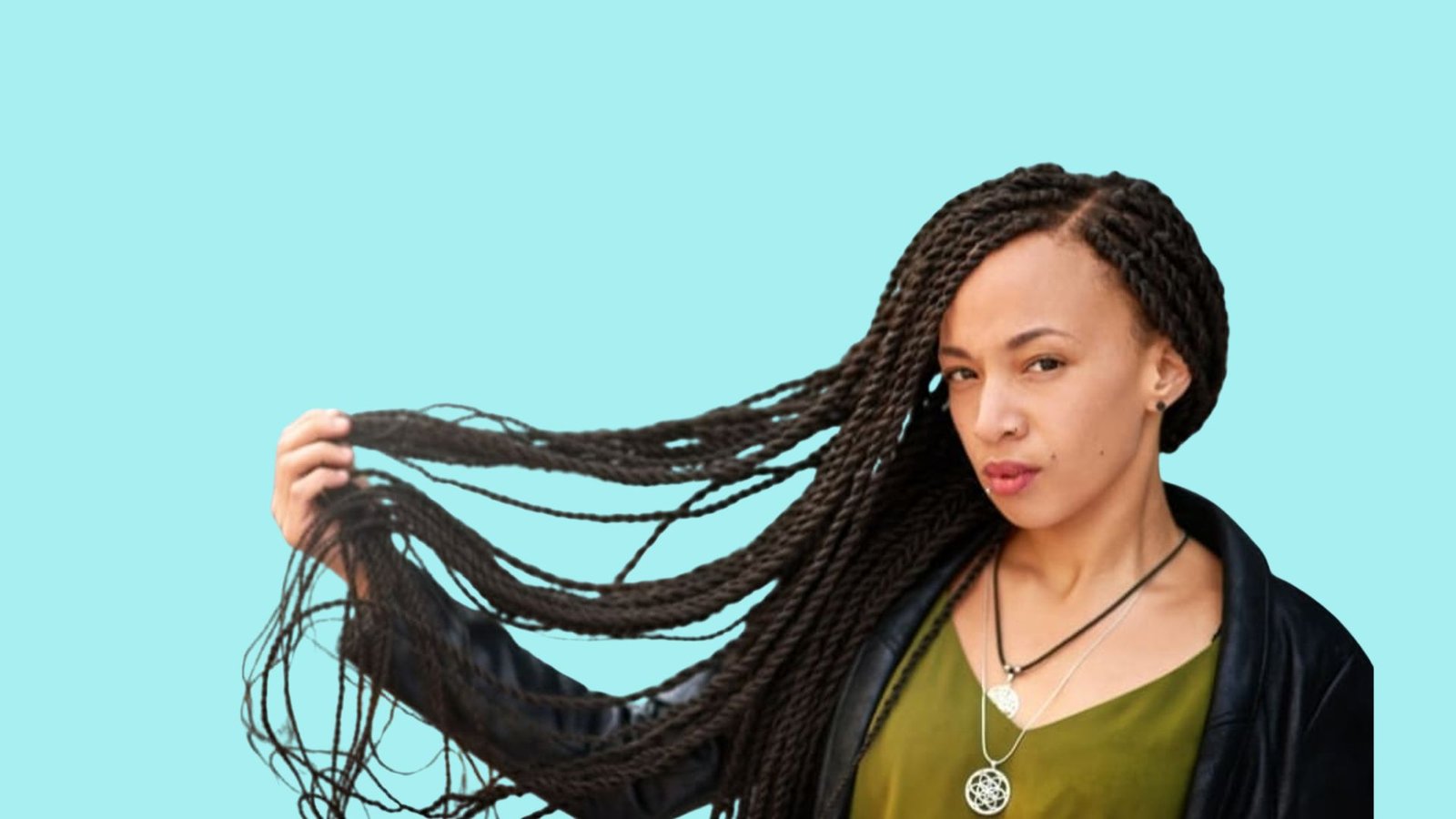
Braids take 4-8 hours to install, depending on size and length. That three-strand technique is more complex and time-consuming. Each braid requires more precision than a simple twist.
Twists finish faster, usually in 2-6 hours. Medium twists typically take 3-4 hours, while box braids take 5-6 hours. Can’t sit all day? Twists get you in and out quicker.
Longevity and Durability
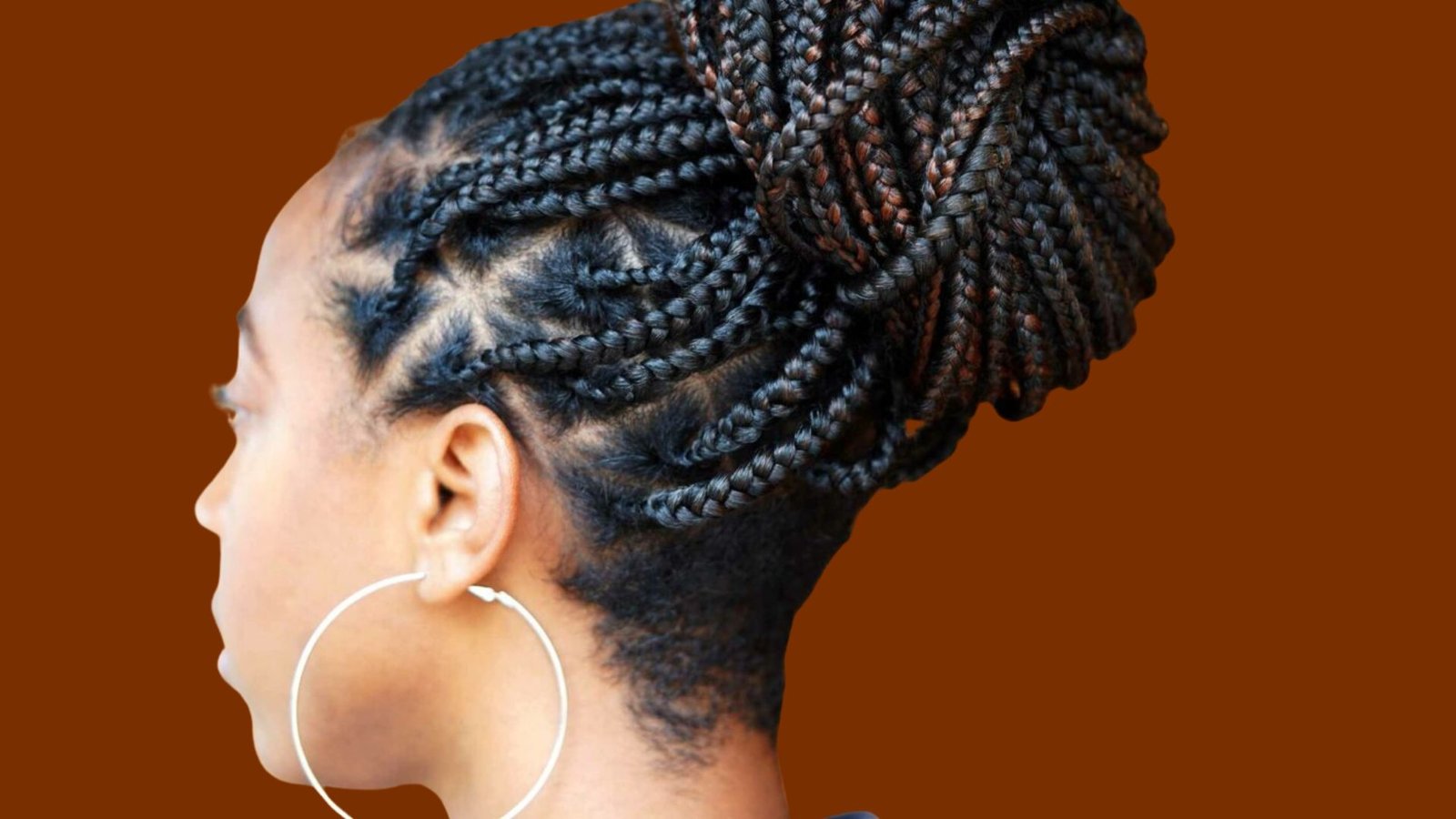
Braids last 6-8 weeks with proper care. That tight three-strand technique holds together longer and maintains its shape. You get more wear time before they look old or fuzzy.
Twists last 4-6 weeks before falling apart. They start looking fuzzy around week 3 as roots get puffy. Braids stay neater longer because the technique holds tight even with new growth.
Maintenance Requirements
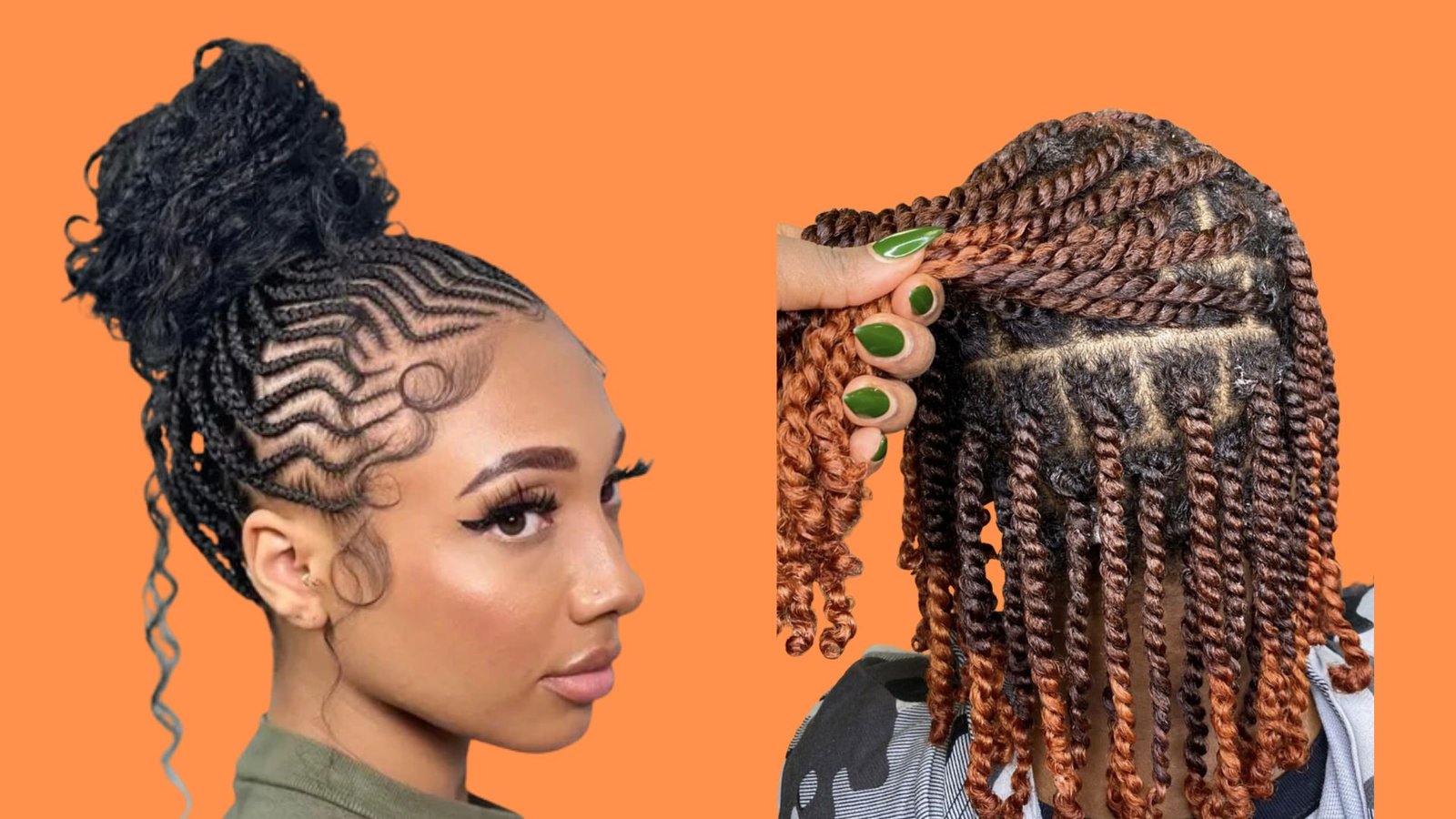
Braids need minimal upkeep once installed. Wash your scalp weekly, moisturize, wrap at night, that’s it. They rarely need touch-ups between installations.
Twists require more attention. You may need to retwist loose ends weekly as they soften and fall apart. Braids stay locked in place until you’re ready to take them out completely.
Braids vs Twists for Different Hair Types
Your hair texture matters when choosing between braids and twists. Different hair types respond differently to each style. Let me help you figure out what works best for your natural hair.
- Coily Textures: Twists grip Type 4 kinky hair naturally and don’t fall apart as quickly, making them perfect for moisture retention with less tension.
- Fine Hair: Choose twists if your hair is delicate or thin, as they’re lightweight and won’t strain your fragile edges as heavy braids can.
- All Textures: Braids work across every hair type (straight, wavy, curly, coily) when installed correctly with proper technique and suitable extensions.
Braids vs Twists for Different Lifestyles and Occasions
Your lifestyle should guide your choice. Think about your daily routine, how often you want to restyle, and the look you need for work or events.
- Low-Maintenance Lifestyles: Choose braids if you work long hours, travel frequently, or hit the gym often. They last 6-8 weeks with minimal upkeep.
- Short-Term Flexibility: Pick twists if you like switching styles every 4-6 weeks or want a softer, more natural look that’s easier to change.
- Professional Appearance: Go for braids in corporate settings for polished, structured looks, or choose twists for relaxed, casual environments.
Cost and Skill Level Comparison

Your budget and skill level matter. Installation difficulty and cost vary significantly between braids and twists. Here’s what you need to know before booking or attempting it at home.
- Professional Expertise: Braids usually require a skilled stylist for neat, long-lasting results, while many twist styles are beginner-friendly for DIY.
- Salon Costs: Expect to pay $150-$400 for braids, depending on length and complexity, compared to $80-$200 for twists from a professional.
- Budget-Friendly Option: Choose twists if you’re on a tight budget. You can do them yourself at home with practice and save money.
Pros and Cons Summary
Here’s a quick comparison of both styles. This table shows you the main advantages and drawbacks at a glance.
|
Style |
Pros |
Cons |
|
Braids |
Long-lasting (6-8 weeks), low maintenance, highly versatile |
Heavier weight, longer install (4-8 hours), potential edge tension |
|
Twists |
Lightweight, low tension, quicker install (2-6 hours) |
Shorter lifespan (4-6 weeks), higher upkeep, prone to falling apart |
Both styles protect your natural hair. Your choice depends on whether you prioritize longevity and low maintenance (braids) or comfort and quick installation (twists).
Braids vs Twists: Which Should You Choose?
Not sure which protective style to pick? Your hair type, daily routine, and comfort level should guide your decision. Here’s what matters most.
- Longevity Matters: Choose braids if you want a style that lasts 6-8 weeks with minimal maintenance and holds up through workouts.
- Comfort Priority: Pick twists if you have a sensitive scalp or fragile edges. They use less tension and feel lighter on your head.
- Styling Speed: Go for twists if you need faster installation (2-4 hours) or want something you can DIY at home easily.
- Neat Appearance: Choose braids if you prefer a polished, structured look that stays sleek and doesn’t fall apart at the ends.
- Hair Health: Consider your natural hair’s condition, as twists are gentler for fine hair, while braids work better for thick, coarse textures.
Conclusion
You now understand the real differences between braids vs twists. Braids use the strands technique together for a tighter, more structured look that lasts longer. Twists use two strands wrapped around each other, creating a softer style that’s faster to install but may not last quite as long.
Neither option is better than the other. It depends on your hair goals, how much time you have, and the vibe you’re going for. Both protect your natural hair effectively when installed and maintained properly.
Ready to try your chosen style? Save this article to reference before your salon visit. If you’ve worn both styles, comment below and share which one worked better for you. Your experience might help someone else decide.
Frequently Asked Questions
What is the main difference between braids and twists?
Braids use three strands of hair together in an over-under pattern, creating a tight, structured look. Twists use two strands wrapped around each other, giving a softer, rounder appearance. Braids take longer to install but last longer, while twists are quicker but may fall apart faster.
Which lasts longer, braids or twists?
Braids typically last 6-8 weeks because the three-strand technique holds tighter. Twists usually last 4-6 weeks since two strands can fall apart more easily, especially at the ends. Your hair texture, maintenance routine, and how active you are affect longevity for both styles.
Are twists easier to install than braids?
Yes, twists are generally faster and easier to install. They take 2-4 hours, depending on size, while braids can take 4-8 hours. Twists require less tension and technique, making them better for DIY styling. Braids need more skill to keep them neat and uniform throughout.
Which is better for natural hair, braids or twists?
Both protect natural hair well when installed correctly. Twists put less tension on your scalp and edges, making them gentler for fine or fragile hair. Braids offer stronger hold and better protection for active lifestyles. Choose based on your hair’s sensitivity and daily activities.
Can I sleep on braids and twists the same way?
Yes, both need similar nighttime care. Wrap your hair in a silk or satin scarf or bonnet to reduce frizz and preserve the style. You can also sleep on a satin pillowcase. Twists may require retwisting the ends occasionally, while braids stay intact longer overnight.