



“How long do weft extensions last?” After price, this is the question most people ask. Extensions are an investment, so planning your budget wisely is important.
Different weft types last for different lengths of time. Machine wefts, hand-tied, and other styles all vary, but what really makes a difference is your care routine. Two people with the same extensions can have very different results depending on how they maintain them.
I’ve worked with weft extensions long enough to know what works. Some last up to a year, while others fail in six months. This guide shares lifespans for each type, factors that affect longevity, practical care tips, and signs it’s time for a replacement, helping you get the most from your investment.
How Long Do Different Weft Extensions Actually Last?
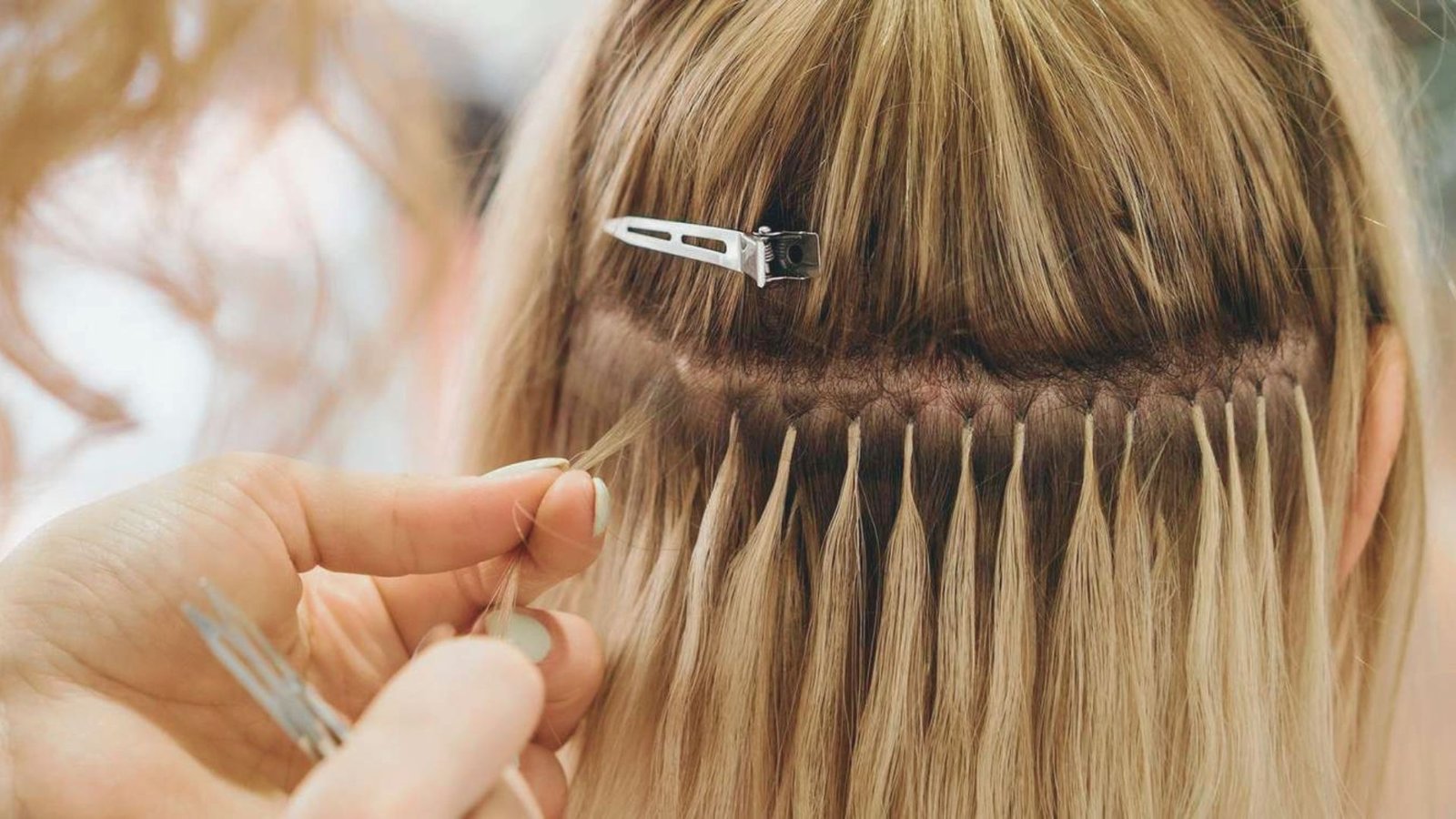
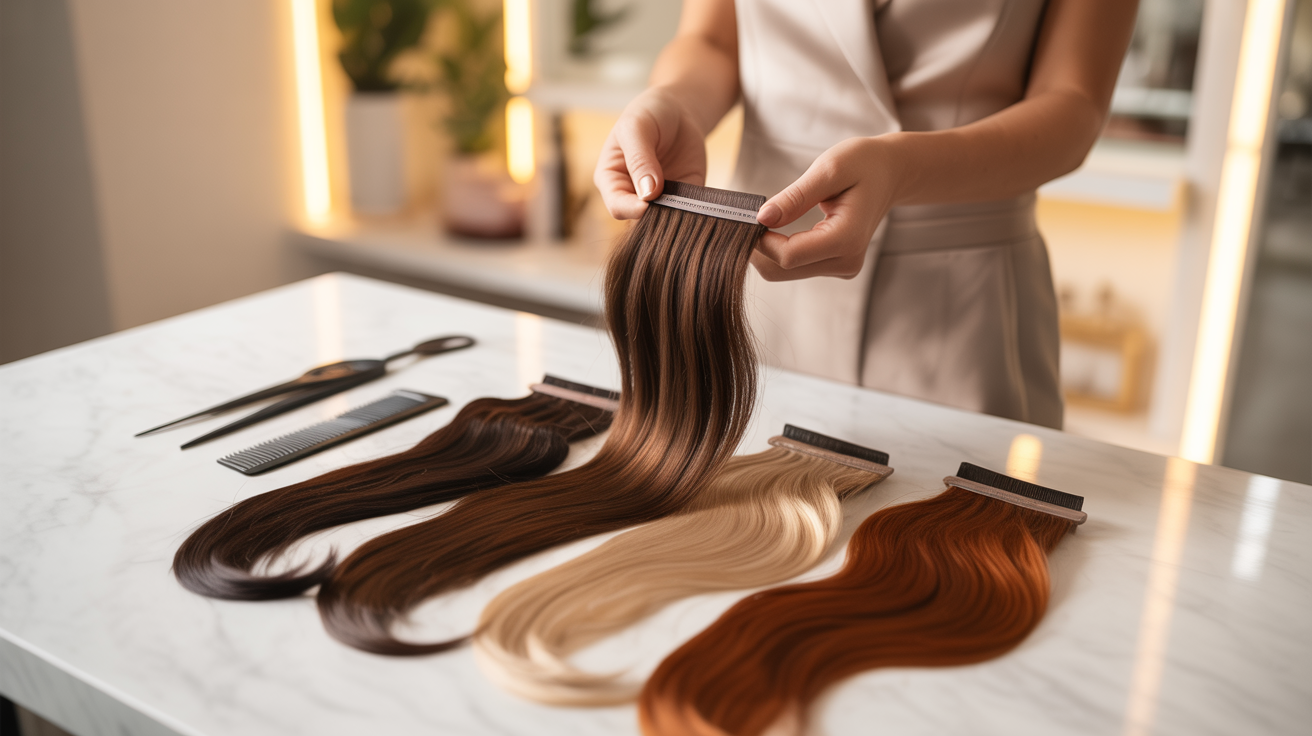
Machine weft extensions usually last 9 to 12 months with proper care. The hair remains strong for close to a year, even though repositioning is needed every 6 to 8 weeks as your natural hair grows.
Hand-tied wefts also last around 9 to 12 months and can go longer with good upkeep. Their lighter build is gentle on natural hair while still holding up well to regular wear and styling.
Genius wefts match the same 9 to 12 month lifespan. They combine a thin, comfortable feel with solid strength, handling heat styling and daily use across most hair types without losing durability.
What Factors Affect Weft Extension Longevity?
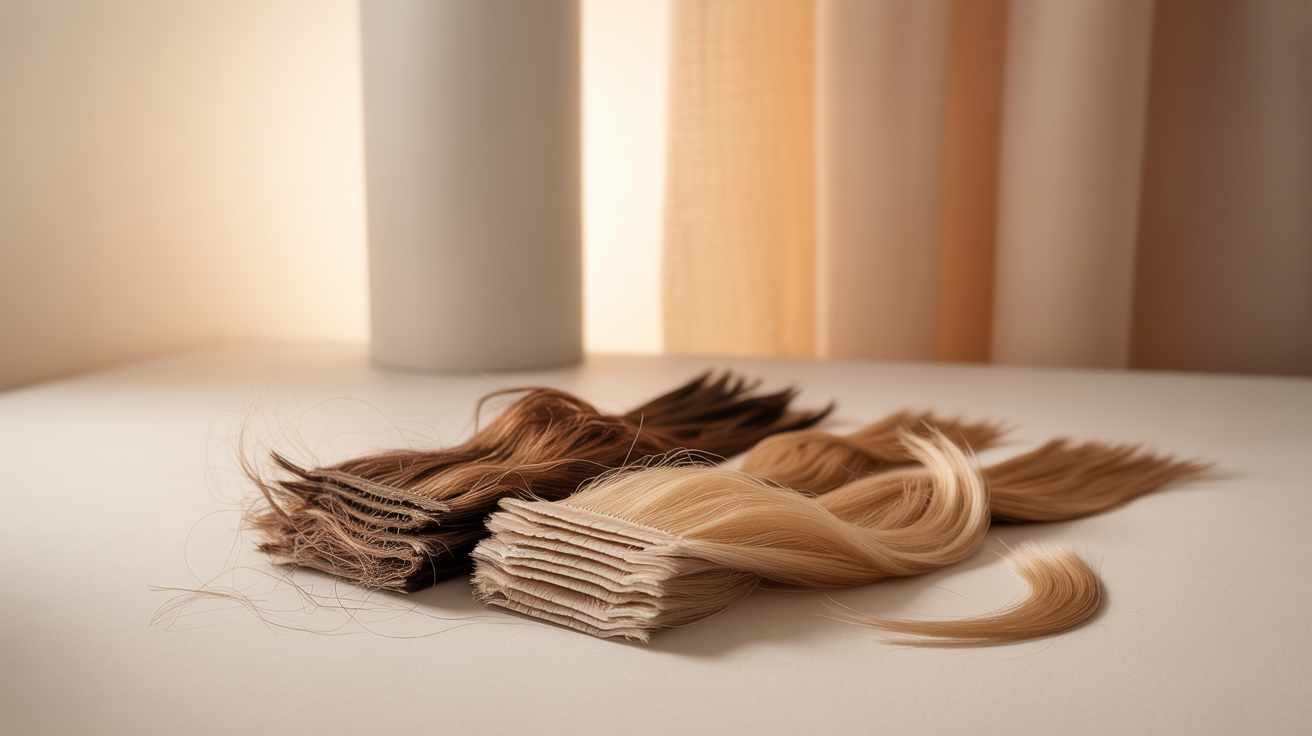
Multiple factors determine whether your wefts last 6 months or a full year. Let me break down what actually matters.
Quality of Hair Extensions
Remy human hair lasts significantly longer than anything else. The intact cuticles reduce tangling and matting. High-quality wefts stay in good condition longer without losing their texture.
Human hair always outlasts synthetic. Always. The upfront investment pays off when your extensions still look fresh at month 10. Cheap extensions look ratty by month 3. Premium extensions maintain their appearance much longer.
Professional vs DIY Installation
Professional installation extends the lifespan dramatically. Proper placement reduces stress on your natural hair. Correct tension prevents premature damage that shortens lifespan.
DIY installations often fail within weeks. I’ve seen it happen too many times. Professional touch-ups catch small issues early before they become major problems. Improper installation leads to matting and breakage that ruins expensive extensions.
Your Natural Hair Type
Fine hair requires lighter weft methods to avoid damage. Thick, coarse hair handles heavier wefts better and for longer. Slippery fine hair doesn’t grip as well, which affects how long bonds hold.
Textured hair provides better grip for bonds and beads. Damaged hair needs treatment before any extensions go in. Hair type determines which method lasts longest for your specific situation. Matching the extension to the hair type is crucial.
Daily Styling Habits
Excessive heat styling shortens lifespan significantly. Frequent washing creates unnecessary wear and tear. Harsh brushing damages the weft construction over time.
Chemical treatments weaken extension hair permanently. Swimming without protection causes major damage. Sleeping without proper care causes severe tangling. Physical activities require protective styling to prevent premature wear.
Maintenance Schedule Adherence
Regular 6 to 8-week touch-ups are important, not optional. Skipping appointments leads to matting that can’t be fixed. Professional maintenance catches problems early when they’re still manageable.
Preventive care extends lifespan dramatically. Waiting until extensions are falling out is too late. A consistent schedule keeps wefts in optimal condition. Small adjustments at each appointment prevent major issues down the line.
How Does Hair Care Routine Impact Weft Lifespan?
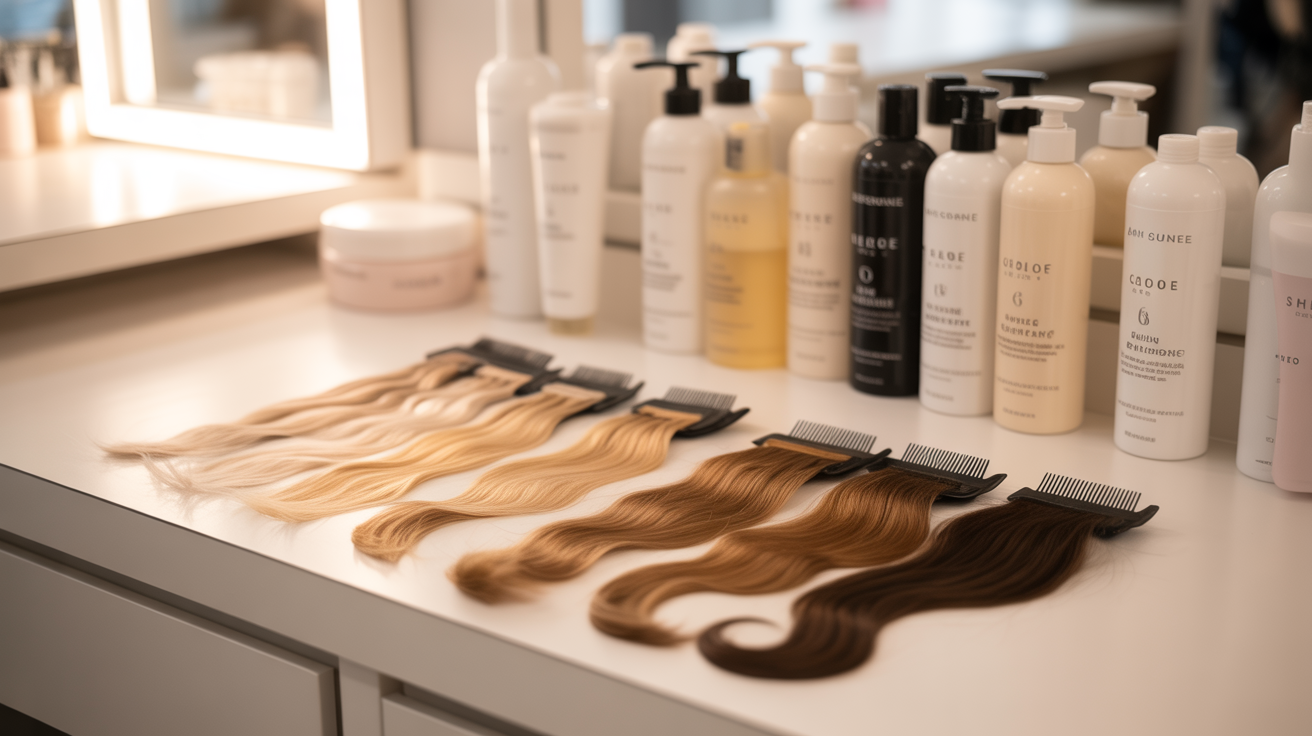
Your daily care routine is the biggest factor in how long wefts actually last. More important than quality or installation method.
Washing Frequency and Technique
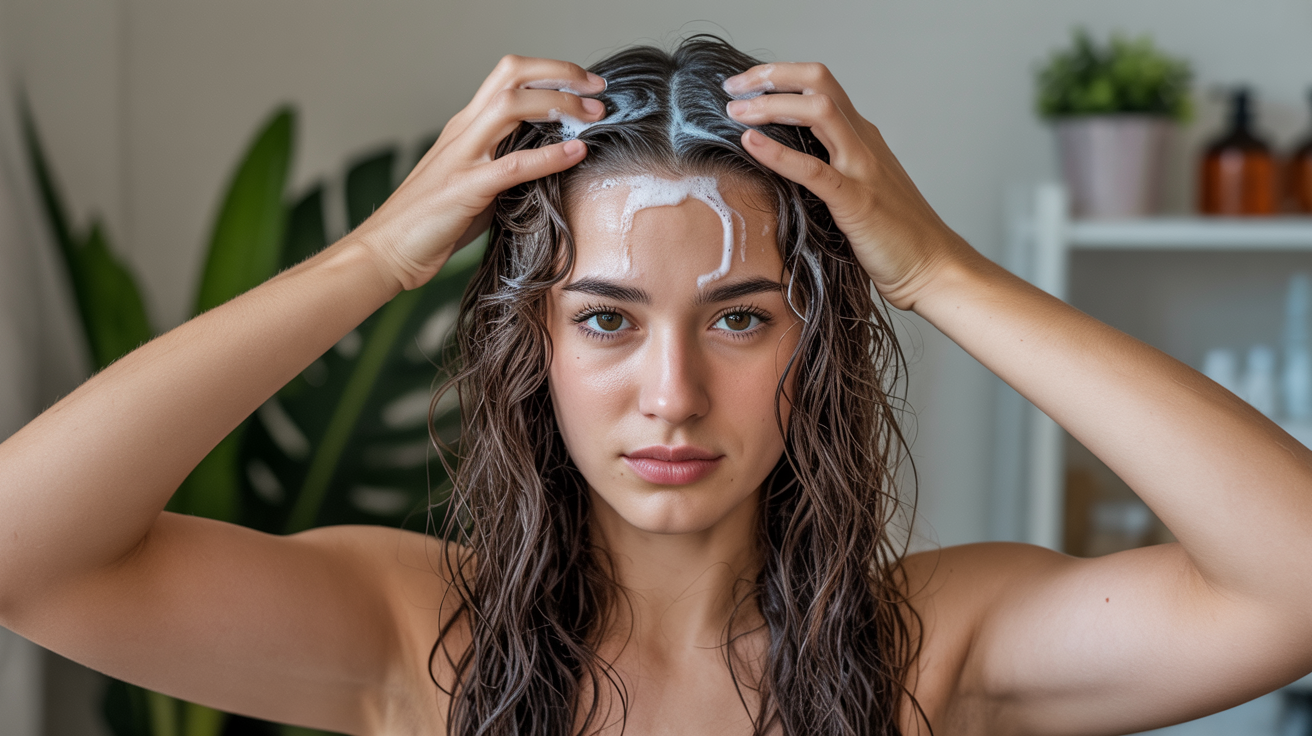
Wash 2 to 3 times per week, maximum. More frequent washing creates unnecessary wear on the hair. Use sulfate-free shampoos only. Sulfates strip hair and break down bonds.
Gentle massage instead of rough scrubbing protects the wefts. Apply conditioner from mid-shaft to ends only. Avoid conditioner on the weft area to prevent shedding. This simple rule extends lifespan by months.
Brushing and Detangling Methods
Use an extension-specific brush only. Not your regular paddle brush. Wide-toothed combs work for detangling when needed. Start at the ends and work up gradually.
Hold hair above the weft when brushing to prevent pulling. Never brush wet extensions. They’re too vulnerable.
Patient detangling prevents breakage that ruins your investment. The wrong brush damages the weft construction permanently.
Heat Styling Protection
Heat protectant spray is non-negotiable. Use it every single time without exception. Keep your styling tool temperature moderate, not scorching hot.
Give your extensions breaks from the heat when possible. Too much heat permanently damages the hair structure. Air drying is better for overall longevity. Even quick touch-ups with a flat iron need protection first.
Product Selection Matters
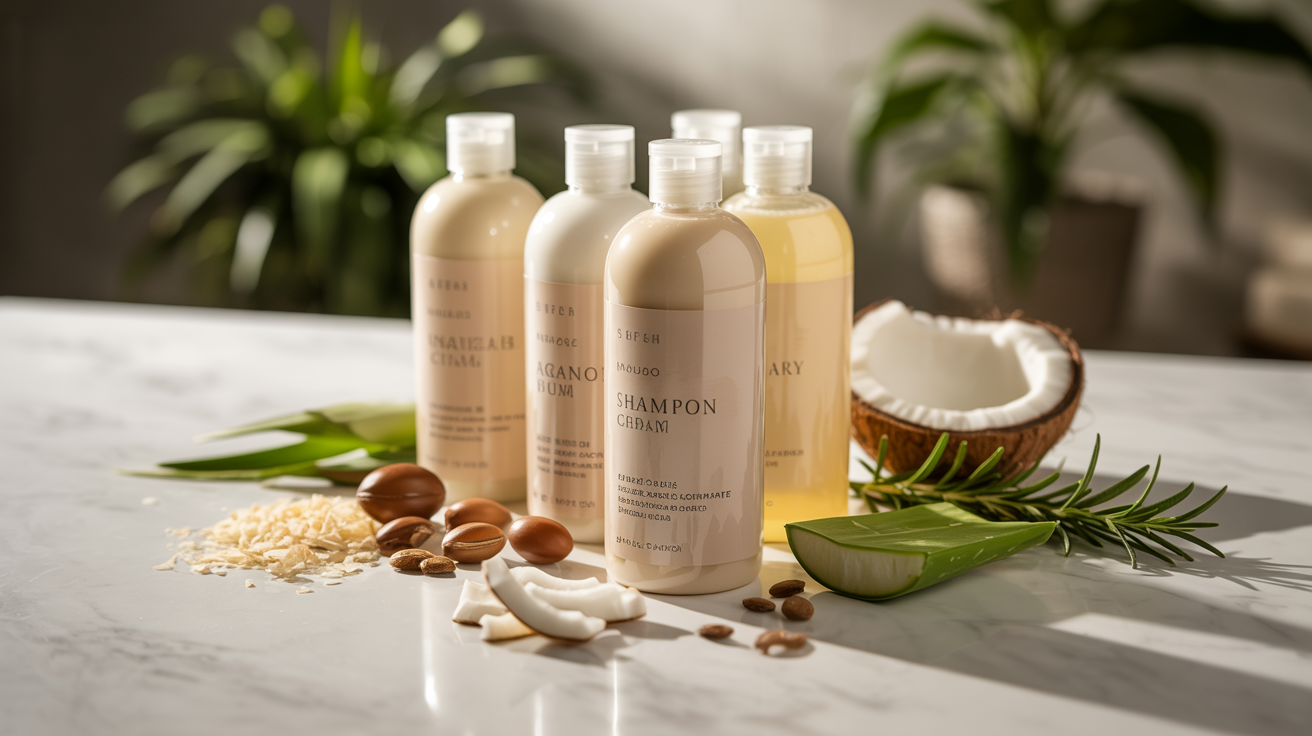
Sulfate-free products are important for extension longevity. Extension-specific formulas work best because they’re designed for this purpose. Avoid heavy oils that weigh down hair and attract dirt.
Wrong products break down adhesives and bonds. Proper products maintain hair integrity throughout the lifespan. Following stylist recommendations isn’t upselling, basic chemistry affects how long extensions last.
Nighttime Care Routine
Braid or tie hair in a loose ponytail before bed. Silk or satin pillowcase reduces friction that causes tangling. Never sleep with wet extensions under any circumstances.
Proper storage prevents tangling overnight. Morning detangling is easier when you prep the night before. Protecting extensions during sleep extends life significantly. A simple nighttime routine makes a huge difference in longevity.
Signs Your Weft Extensions Need Replacement
Knowing when to replace extensions prevents damage to your natural hair. Watch for these clear signs.
- Visible wear and damage: Hair looks dry, brittle, and thin at the ends, with faded color, rough texture, split ends, and poor blending.
- Structural issues: Wefts start breaking down, shedding increases, bonds loosen, extensions slip, and tangling or matting happens quickly.
- Changes in hair behavior: Styles stop holding, tangles increase, heat styling takes longer, products absorb poorly, and manageability declines.
Tips to Maximize Weft Extension Longevity
Proven strategies to get the full 12 months from your wefts. These actually work.
- Choose quality from the start: Invest in Remy human hair, research trusted brands, read real user reviews, and get brand advice from your stylist.
- Follow stylist instructions: Stick closely to the care routine and product guidance given, and ask questions instead of making changes on your own.
- Protect extensions during activities: Tie hair up for swimming and workouts, use a swim cap in pools, and rinse immediately after water exposure.
- Store properly when not wearing: For clip-in wefts, keep them flat or hanging in a cool, dry place to prevent unnecessary wear.
- Schedule regular trims: Trim ends as needed with a professional to stop split ends and keep extensions looking healthy longer.
Common Mistakes That Shorten Weft Lifespan
Avoid these errors to get the full year from your extensions. I see these mistakes constantly.
- Over-washing extensions: Washing more than three times a week, using hot water, rough handling, or skipping conditioner causes breakage and shortens lifespan.
- Sleeping without protection: Loose or wet hair, along with cotton pillowcases, leads to tangling, matting, and breakage overnight.
- Ignoring early warning signs: Delaying maintenance, overlooking texture changes, or increased tangling allows small issues to turn into serious damage.
- Using wrong products: Sulfate shampoos, heavy oils, and alcohol based stylers weaken extensions and cause lasting damage.
When to Replace vs Repair Weft Extensions?
Understanding the difference between maintenance and full replacement saves money and frustration.
|
Repair Situations |
Replacement Situations |
|
Minor shedding at the weft edge that can be fixed |
Severe matting that will not brush out |
|
Occasional single-strand breakage |
Hair breaking off in large sections |
|
Light tangling that can be worked out with care |
Weft seams are completely falling apart |
|
Hair is healthy, but the color needs refreshing |
Extensions no longer blend with natural hair |
|
Loose bonds with strong hair intact |
Over 30 percent shedding from the weft |
|
Issues resolved during maintenance visits |
Permanent texture change from heat damage |
Making Your Weft Extensions Last the Full Year
Realistic expectations and real commitment are required to hit 12 months. But it’s definitely achievable.
The 12-Month Goal
This goal is achievable with proper care and consistent maintenance. It requires steady effort throughout the entire year. Not automatic, even with the highest quality extensions money can buy.
Your daily routine makes all the difference in results. Professional support is important throughout the process. Worth the effort for protecting your investment. Most clients can actually reach this goal with commitment.
Building Good Habits Early
The first month sets the tone for the entire year. Establish your routine immediately when extensions are new. Don’t wait to start proper care until problems appear.
Early habits become automatic after a few weeks. Prevents having to undo bad habits later on. Consistency from day one is crucial for long-term success. Good start leads to good results every time.
Working With Your Stylist
Keep open communication about any concerns that arise. Be honest about your actual home care routine. Ask questions whenever you’re unsure about anything.
Follow recommendations seriously instead of halfheartedly. Book maintenance appointments promptly when due. The partnership approach works best for everyone. Your stylist genuinely wants your extensions to last the full year, too.
Conclusion
Now you know how long weft extensions can last. With proper care, most wefts stay in good condition for nine to twelve months. Machine, hand-tied, and genius wefts all offer similar lifespans when maintained consistently.
Your daily care routine is key. Using sulfate-free products, brushing gently, protecting hair from heat, and attending regular maintenance sessions can significantly extend their life. Skipping these steps can cause even the best extensions to fail sooner than expected.
High-quality extensions combined with consistent care can give you a full year of well-maintained hair. Plan your budget and commit to the routine to reach the 12-month mark. Share your experience in the comments and let others know how long your wefts have lasted.
Frequently Asked Questions
How long do machine weft extensions typically last?
Machine weft extensions last 9 to 12 months with proper maintenance. The actual weft hair stays strong for almost a year, though you’ll need touch-up appointments every 6-8 weeks as your natural hair grows.
Can hand-tied wefts last longer than machine wefts?
Hand-tied wefts last the same 9-12 months as machine wefts, sometimes even longer at 10+ months when properly maintained. Their gentler construction on natural hair can actually extend overall lifespan.
What’s the biggest factor affecting weft extension longevity?
Your daily care routine is the biggest factor. Washing frequency, proper brushing technique, heat protection, and using sulfate-free products dramatically impact how long wefts last. Proper care can extend lifespan by months.
How often do weft extensions need maintenance appointments?
Weft extensions need professional maintenance every 6-8 weeks. These touch-ups reposition the wefts as your natural hair grows and catch small issues before they become major problems that shorten lifespan.
When should I replace my weft extensions instead of maintaining them?
Replace wefts when you see severe matting, major shedding (over 30%), weft construction falling apart, or permanent texture changes from heat damage. Minor issues can be repaired, but significant structural problems require replacement.