



That budget shampoo may seem like a good deal, but it can slowly harm your hair. Many everyday hair products contain harsh chemicals that strip moisture and weaken strands over time. This often leads to dryness, breakage, and an itchy or uncomfortable scalp.
The bigger issue is how common these ingredients still are. Brands continue using the same formulas even though some ingredients are linked to health concerns.
Most people do not realize what they apply to their scalp because labels are confusing and easy to overlook.
This guide covers thirteen shampoo ingredients you should avoid and explains why they are problematic.
You will learn what damage they cause, how to spot them on labels, and which safer options to choose instead. Your hair deserves gentle care, not ingredients that strip, damage, and irritate.
11 Toxic Shampoo Ingredients Damaging Your Hair
I spent years wondering why my hair felt dry and lifeless, until I learned what was actually in my shampoo bottle.
Sulfates: The Harsh Cleansers Stripping Your Hair

Sulfates create that rich foam people associate with clean hair, but they also remove natural oils. They are strong detergents, similar to those used in laundry products, and they bind with water and oils to produce lather.
Although most shampoos contain sulfates, foam does not equal healthy hair. With repeated use, they increase frizz, cause dryness and breakage, fade color, and weaken strands over time. The effects build slowly, so damage often shows up months later rather than after one wash.
Parabens: The Preservative with Serious Side Effects
Parabens help shampoo last longer by stopping bacteria and fungus growth, which is why many popular brands use them. The issue is that these preservatives do not stop affecting your body once they touch your scalp.
Common types like butylparaben, ethylparaben, and methylparaben can disrupt hormone balance.
Studies link them to skin irritation, reproductive concerns, and increased breast cancer cell growth. Since your scalp absorbs what you apply, repeated use can add to chemical buildup over time.
Formaldehyde: The Known Carcinogen in Your Bottle
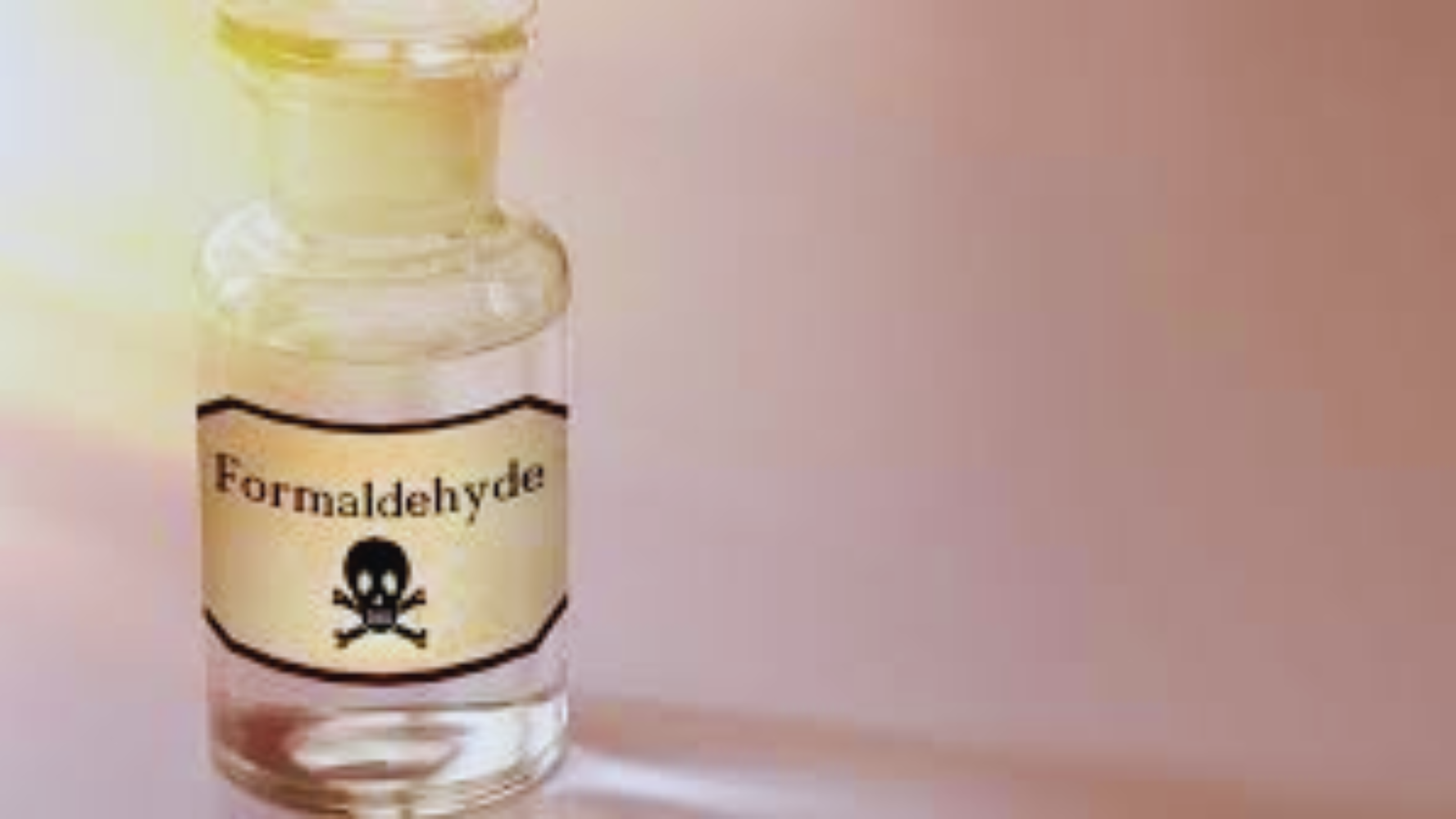
Formaldehyde is used in some shampoos because it preserves products cheaply and effectively. It is the same chemical found in building materials, and it does not become harmless when applied to your scalp.
This ingredient is a known carcinogen and is easily absorbed through the skin. It can trigger allergic reactions, worsen asthma, and add to toxic buildup in the body. On labels, it often appears as quaternium 15, which is a clear sign to avoid the product.
Sodium Chloride: When Salt Becomes a Problem
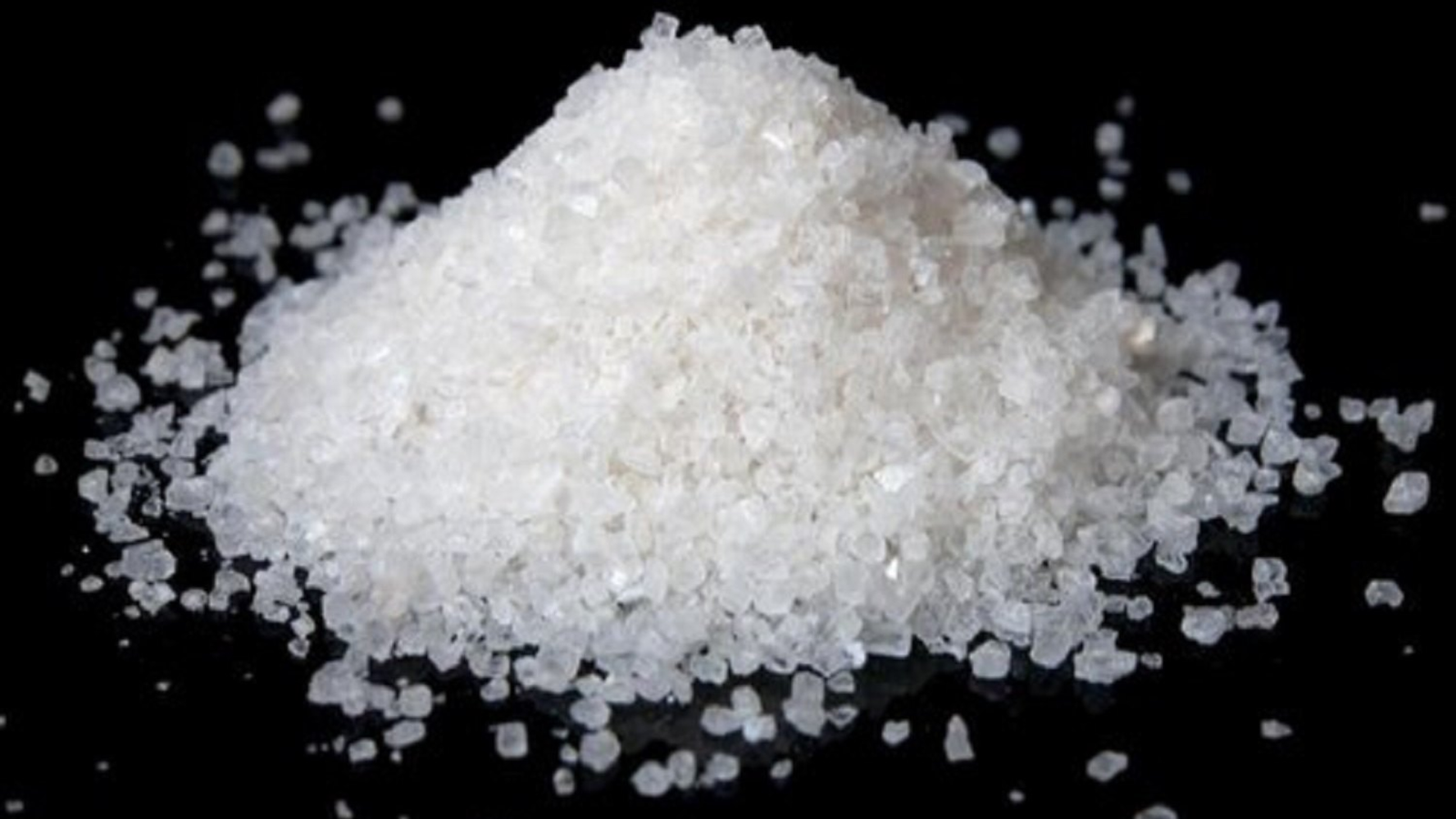
Salt is added to shampoo to make it feel thicker and richer. It is a low-cost filler that improves texture for the brand, not for your hair or scalp.
Sodium chloride can dry out your scalp and cause itching or sensitivity with regular use. While it is less harsh than some chemicals, it can still weaken hair over time and may contribute to increased shedding or discomfort.
Harmful Alcohols: Not All Alcohols Are Bad
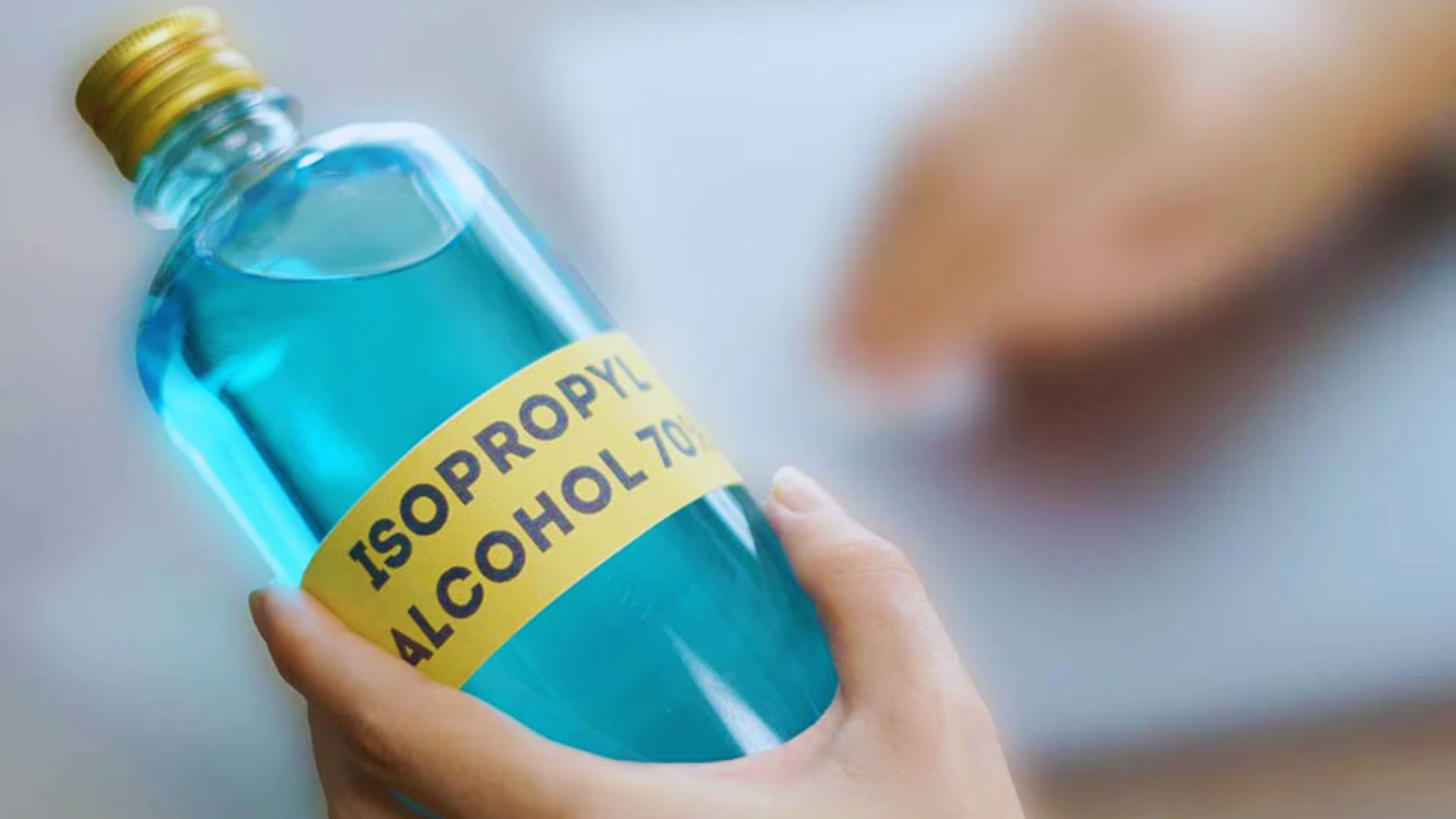
Not all alcohols harm your hair, but some absolutely do. Drying alcohols like isopropyl alcohol and propanol strip moisture fast, leaving hair rough, weak, and prone to breakage when used often.
Other alcohols are actually helpful. Fatty alcohols such as cetearyl, stearyl, benzyl, lauryl, and oleyl alcohol support moisture retention and softness. Always check the type listed before judging a shampoo.
Polyethylene Glycol (PEG): The Petroleum-Derived Thickener
PEG comes from petroleum, which already raises concern. In shampoo, it is used to thicken formulas and give them a richer feel, even though it adds no real benefit to hair health.
The bigger issue is what comes with it. PEG can carry harmful byproducts that dry out hair, increase breakage, and are linked to serious health risks, including developmental harm and certain cancers.
Triclosan: The Banned Antibacterial Agent
Triclosan was removed from hand soaps, yet it still appears in some shampoos. Brands use it as an antibacterial preservative, taking advantage of a gap in regulations that allows it in other products.
This chemical disrupts hormones and weakens the immune response. It has been linked to mood changes, fertility issues, fetal harm, cancer risk, and abnormal cell growth. No shampoo is worth putting your health at risk.
Synthetic Fragrances and Colors: The Hidden Chemical Cocktail
The word fragrance on a label can hide hundreds of chemicals. Brands are not required to list what they use, so you never really know what is touching your scalp or what you are breathing in.
Synthetic fragrances and colors can irritate the scalp, trigger hair loss, worsen asthma, and are linked to fertility issues and cancer risks. FD and D C dyes add no benefit and only increase exposure.
Silicones: The Fake Smoothness That Builds Up
Silicones can make hair feel smooth at first, but that softness is misleading. Ingredients like dimethicone coat the hair surface, hiding damage instead of improving hair health.
This buildup blocks moisture and nutrients, leaving hair dry and heavy over time. The scalp can become irritated as residue collects, causing hair to look worse after the temporary shine fades.
Diethanolamine (DEA): The European-Banned Ingredient
Europe has banned DEA from cosmetics, yet it is still allowed in the United States. That difference alone should make you pause before using any shampoo that contains it.
DEA helps ingredients blend smoothly and keeps costs low for brands. Animal studies link it to cancer and brain development issues, which is why other countries have chosen to remove it despite limited human data.
Retinyl Palmitate: The Irritating Combination
Some shampoos still contain retinyl palmitate, a mix of retinol and palmitic acid. Its risks are well documented, yet it continues to appear in hair products without a clear benefit.
This ingredient can cause itching, burning, redness, peeling, and scaling right away. Long-term use has been linked to reproductive issues, toxicity, and cancer concerns. Your scalp should never react this way to everyday hair care.
Good Shampoo Ingredients to Look For Instead
Not all shampoo ingredients are bad. Some actually help your hair. Here’s what I look for now.
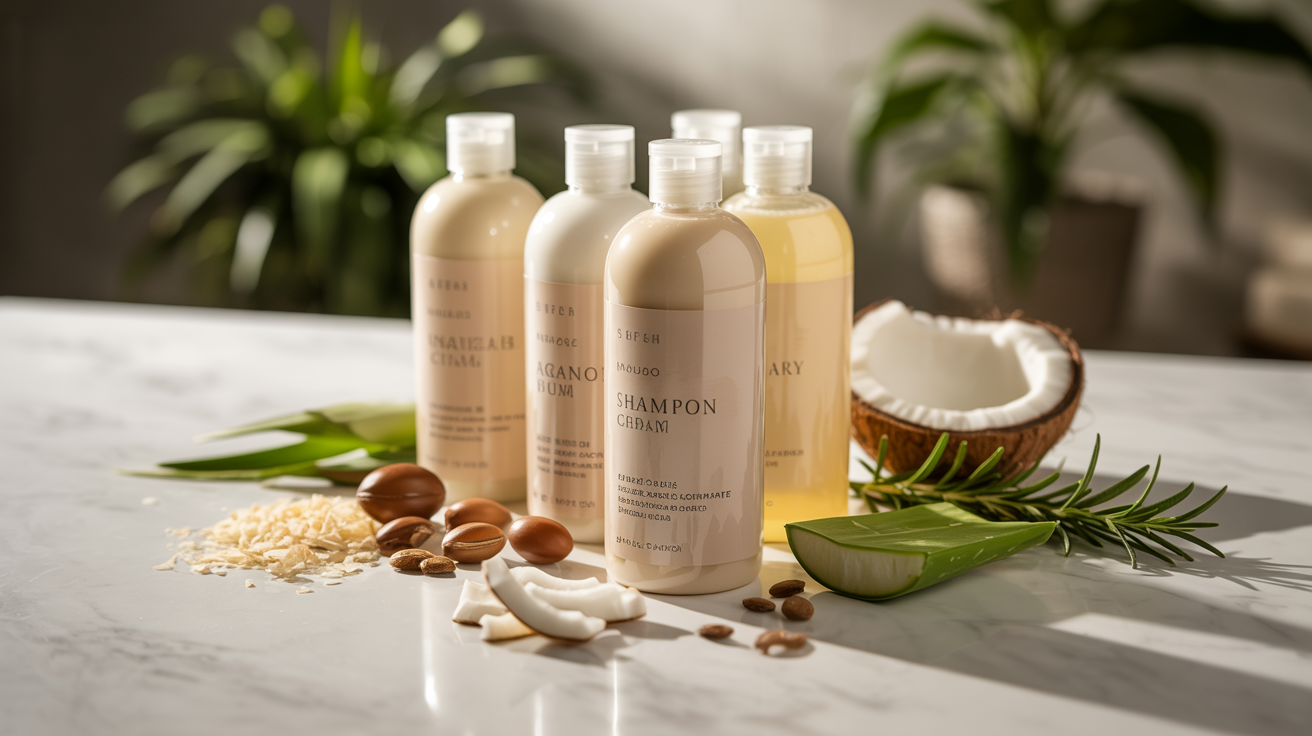
- Sodium Cocoyl Isethionate: A coconut-derived cleanser that lathers well without removing your hair’s natural oils.
- Natural Oils and Butters: Shikakai oil and cupoasu butter reduce frizz, add softness, and improve manageability.
- Cleansing Alternatives: Charcoal and clay clean the scalp and remove buildup without harsh stripping.
- Strengthening Ingredients: Phyto keratin supports stronger strands and helps reduce breakage over time.
- Essential Oils Over Synthetic Fragrance: Rosemary, peppermint, and lemongrass oils scent hair naturally while supporting scalp health.
How to Read Shampoo Labels Like a Pro?
Learning to read labels changed everything for me. It takes practice, but it’s worth it.
- Check Ingredient Order: Ingredients are listed by concentration, so the first five matter most. Look for clear, free from claims and specific names.
- Watch for Hidden Fragrance: Avoid labels that say fragrance or artificial fragrance without details. These often hide multiple chemicals.
- Avoid Harsh Preservatives and Dyes: Skip products with parabens, sulfates, quaternium 15, or FD and D and C color numbers.
- Choose Safer Formula Claims: Paraben-free, sulfate-free, and silicone-free labels signal fewer harsh additives.
- Look for Plant-Based Support: Essential oils and plant-based ingredients suggest a formula made with scalp and hair health in mind.
Making the Switch to Safer Shampoo
Switching to better shampoo isn’t as hard as it seems. Your hair will thank you.
Why Professional Products Are Worth It?
Better ingredients cost more upfront. But you spend less money fixing damage later. Think of it as an investment in long-term hair health.
Cheap shampoo costs you more in the end. Do the math.
Natural and Clean Beauty Options
Try shampoo bars if you want plastic-free and chemical-free options. Organic choices are everywhere now. All-natural formulations work just as well as chemical ones.
Better for you. Better for the environment, too.
What to Expect When Switching?
Your hair needs time to detox from buildup. It might feel different at first. Don’t give up during the adjustment period.
The long-term benefits are worth it. Healthier scalp. Stronger hair. Results that last.
Conclusion
You now understand which shampoo ingredients are best avoided for healthier hair and scalp care. Chemicals like sulfates, parabens, formaldehyde, and synthetic scents often lead to dryness, buildup, and long-term irritation when used often.
The good news is that safer choices are widely available. Look for sulfate-free and paraben-free formulas made with coconut-based cleansers and plant-sourced strengthening ingredients. These options cleanse gently while helping hair feel softer and easier to manage.
Reading labels takes only a moment but makes a real difference. Watch for red flag terms we covered and stay cautious with vague words like fragrance that hide multiple chemicals. You are now better equipped to choose products that support hair comfort and overall well-being. Start by checking the shampoo you use today.
Frequently Asked Questions
What are the worst shampoo ingredients to avoid?
The worst shampoo ingredients to avoid are sulfates (SLS and SLES), parabens, formaldehyde, synthetic fragrances, and silicones like dimethicone. These chemicals strip natural oils, disrupt hormones, cause scalp irritation, and create product buildup. Some are even linked to cancer and reproductive issues. Always check labels for these ingredients.
Why are sulfates bad in shampoo?
Sulfates like SLS and SLES are harsh detergents that strip your hair of natural oils and moisture. They cause frizz, dryness, brittle strands, and can stunt hair growth. Sulfates completely strip color from treated hair and can lead to hormone disruption. Over 90% of shampoos contain them despite the damage.
Are parabens in shampoo really dangerous?
Yes, parabens are harmful preservatives that disrupt your natural hormone balance. They’re linked to increased breast cancer cell growth, skin irritation, reproductive health issues, and neurotoxicity. Look for butylparaben, ethylparaben, and methylparaben on labels and avoid them. Choose paraben-free products instead for safer hair care.
What ingredients should I look for in healthy shampoo?
Look for sodium cocoyl isethionate (coconut-derived cleanser), fatty alcohols like cetearyl and stearyl, activated charcoal, clay, phyto keratin, and essential oils like rosemary or peppermint. These natural ingredients clean effectively without stripping your hair, provide real moisture, and offer medicinal benefits for scalp health.
How can I tell if my shampoo has harmful chemicals?
Read the ingredient label carefully. Avoid anything ending in “paraben,” sulfates (SLS, SLES, ammonium lauryl sulfate), quaternium 15 (formaldehyde), dimethicone, synthetic “fragrance,” and FD&C or D&C with numbers. Choose products labeled sulfate-free, paraben-free, and silicone-free with recognizable natural ingredients instead.