








If you’re new to wigs, you’ve probably wondered what a closure wig is and how it’s different from other options. I completely understand the choices can feel confusing at first.
In this guide, I’ll explain what a closure wig is, how it compares to frontal wigs, and which one suits your needs best. I’ve done the research so you can make a confident choice.
We’ll cover different types, sizes, care tips, and selection advice based on your lifestyle and budget.
By the end, you’ll have clear answers and know exactly which wig works for you.
What Is a Closure Wig?
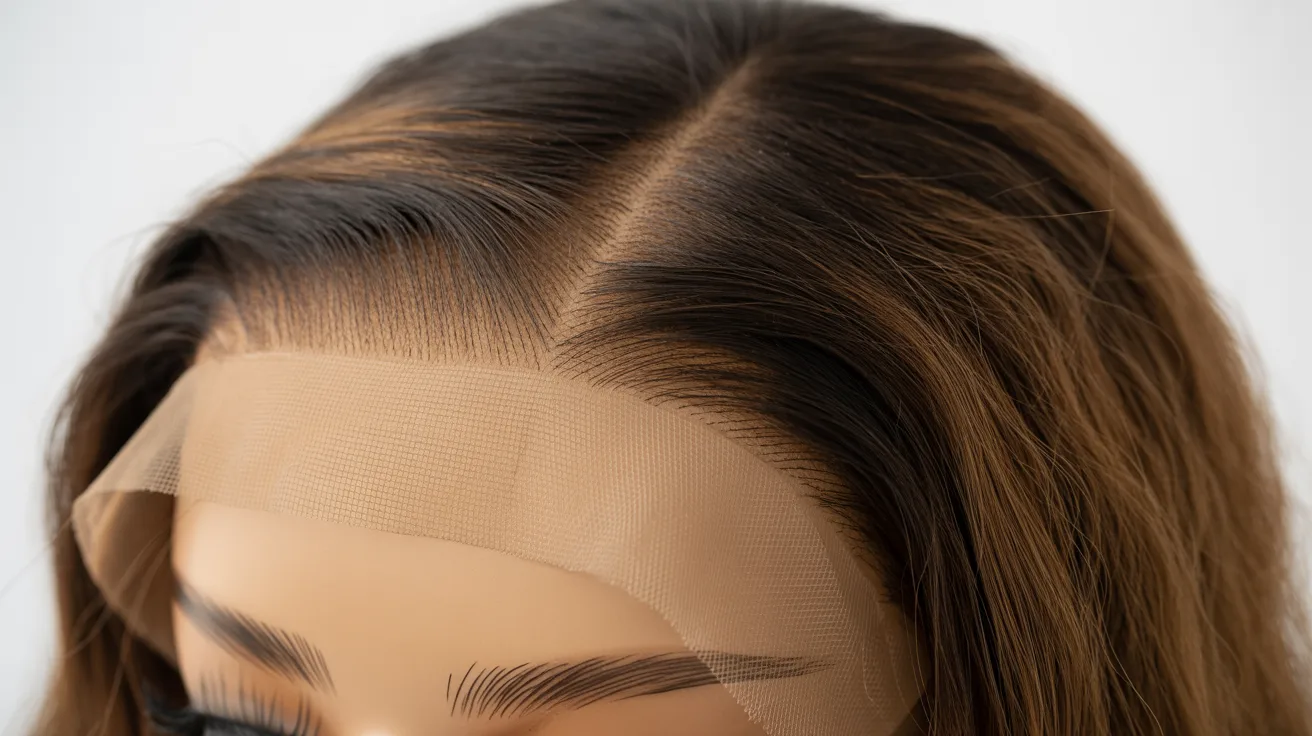
A closure wig features a small lace piece that covers part of your scalp and creates a natural-looking part.
Definition
A closure wig has a small lace piece attached to the crown area. It covers just the section where you part your hair, not your entire hairline. The lace blends with your skin so it looks natural.
Most closures measure between 2×6 inches and 7×7 inches. They sit on the wig cap and create the illusion of hair growing from your scalp.
Purpose and Benefits
Closure wigs are perfect for beginners. They’re simpler to install than frontal wigs. You don’t need advanced styling skills to make them look good.
The smaller lace area means less work to blend and customize.
They require less maintenance than other wig types. You won’t spend hours tweaking the hairline. The parting area stays secure without constant adjustments.
Cost is another big plus. Closures are more affordable than frontals.
You get a natural look without breaking your budget. They also last longer because the lace area is smaller and less prone to tearing.
Types of Closure Wigs

Closure wigs come in different parting styles and base materials, each offering specific benefits for styling and comfort.
By Parting Style
3-Part Closure: This type lets you part your hair three ways. You can choose left, right, or middle. It gives you some flexibility in how you style your look. The three pre-made parts make switching styles quick and easy.
Middle Part Closure: This closure only allows a middle part. The parting is sewn in one position. It’s great if you always wear your hair the same way. You don’t have to worry about creating the part yourself.
Free Part Closure: This option gives you the most freedom. You can create a part anywhere on the closure. Move it around based on your mood or outfit. It takes a bit more skill to make the part look natural each time.
By Base Material
Lace-Based Closures: These use thin lace material as the base. The lace is breathable and light on your scalp. It flexes with your head movements. You’ll need to bleach the knots and customize it to match your skin tone. The thin material creates a very realistic look.
Silk-Based Closures: These have a thicker base that mimics your actual scalp. The hair appears to grow directly from the material. You don’t need to bleach knots because they’re hidden. The base is less flexible but creates an incredibly natural appearance. It works well if you have darker skin tones.
Closure Wig Sizes

Closure wigs come in sizes from 2×6 to 7×7 inches, affecting how natural they look and feel.
Closures come in several standard sizes. The most common are 2×6, 4×4, 5×5, 6×6, and 7×7 inches. The numbers tell you the width and length of the lace piece.
Smaller sizes like 2×6 and 4×4 work well for simple styles. They cover just the parting area. These are budget-friendly and easy to work with. They’re perfect if you wear your hair down most of the time.
Larger sizes like 5×5, 6×6, and 7×7 give you more coverage. You can create slightly higher ponytails. The bigger lace area lets you move the part around more freely. They look more natural because there’s more space to blend with your scalp.
Choose your size based on your styling habits. If you keep things simple, go smaller. If you like versatility, pick a larger size. Your comfort matters too. Some people find larger closures feel heavier. Try different sizes to see what feels right for you.
Closure Wig vs Frontal Wig
Closure and frontal wigs differ in coverage, styling flexibility, price, and durability for various hair needs.
|
Feature |
Closure Wig |
Frontal Wig |
|
Lace Coverage |
Small piece at crown only |
Ear-to-ear, full hairline |
|
Parting Area |
Limited to crown section |
Anywhere along the hairline |
|
Styling Options |
Hair down, half-up, low ponytails |
High buns, ponytails, all updos |
|
Installation |
Easier, beginner-friendly |
Requires more skill and time |
|
Cost |
More affordable |
More expensive |
|
Durability |
More durable, longer-lasting |
More delicate, tears easily |
|
Maintenance |
Low maintenance |
Higher maintenance needed |
|
Best For |
Simple styles, daily wear |
Versatile styling, special occasions |
How to Maintain a Closure Wig
Proper washing, gentle combing, careful heat use, and the right installation method keep closure wigs looking fresh.
Washing Tips:
- Wash every 7-10 wears with sulfate-free shampoo and lukewarm water
- Pat the lace gently, never rub harshly
- Air dry on a wig stand
- Never wring or twist the hair
Combing and Brushing:
- Always comb from ends up, not roots down
- Use a wide-tooth comb or your fingers
- Be extra gentle near the lace area
- Apply leave-in conditioner on stubborn tangles
Heat Styling:
- Minimize heat use as much as possible
- Always apply heat protectant first
- Use low to medium temperatures only
- Avoid direct heat on the lace
Installation Methods:
- Glueless options: wig bands, clips, or elastic bands for easy removal
- Glue method: provides secure hold but needs careful removal
- Always use proper adhesive remover
- Never pull a glued wig off roughly
Choosing the Right Closure Wig for You
Pick your closure wig based on your daily routine, budget, experience level, and desired natural appearance.
Lifestyle Considerations:
- Active routines need secure, durable closures
- Simple styles work best for low-maintenance preferences
- Glueless options save time if you’re always busy
Budget:
- Closures are more affordable than frontals
- Perfect for first-time wig wearers
- You can upgrade later as you gain experience
Skill Level:
- Beginners should start with closures (easier to install)
- No professional help needed
- Experienced wearers can try different base materials or larger sizes
Lace Type:
- HD lace: blends seamlessly with any skin tone, minimal customization needed, costs more
- Standard lace: requires bleaching and tinting, more affordable option
Base Material:
- Lace base: lightweight comfort, breathable
- Silk base: realistic scalp appearance, no-fuss option
Conclusion
Now you know what a closure wig is and how it stacks up against frontals. Closures work great if you want something simple, affordable, and easy to handle.
Frontals offer more styling options but take extra effort.
Think about your daily routine and what feels right for you. I went with a closure first and appreciated how manageable it was. Your choice depends on your needs and comfort level.
Check out some closure wig options online or visit a stylist for hands-on guidance. Ready to find your perfect match?
Frequently Asked Questions
Can I sleep in a closed wig?
You can, but it’s not ideal for daily wear. Sleeping in your wig causes friction that tangles hair and damages the lace, so wrap it in a silk scarf or remove it when possible.
How long does a closure wig last?
A well-maintained closure wig lasts 6 months to a year, sometimes longer. Proper washing, minimal heat use, and correct storage help extend its lifespan.
Can I dye or bleach a closure wig?
You can dye or bleach human hair closure wigs, but not synthetic ones. Test a small section first and use quality products, keeping in mind that chemicals may shorten the wig’s life.
Do I need to pluck the hairline on a closure wig?
Not always some closures come pre-plucked. If the hairline looks too dense, pluck it carefully with tweezers to create a more realistic appearance.
Can I exercise while wearing a closed wig?
Yes, but secure it with wig glue, tape, or a strong band first. Use a sweatband to protect the lace and wash the wig after sweaty workouts.