


I’ve been using hair closures for years now, and I wish someone had explained all the options to me when I first started. If you’re new to closures, I know how overwhelming it can feel.
There are so many types, sizes, and materials to choose from. When I got my first closure, I had no idea what I was doing. I just picked one and hoped for the best.
Now I want to save you from making the same mistakes I did. Hair closures are small hairpieces that sit on top of your weave to give you a natural look and protect your real hair.
In this guide, I’ll share what I’ve learned about the different closure types. You’ll know exactly which one fits your needs and budget.
What Are Hair Closures?
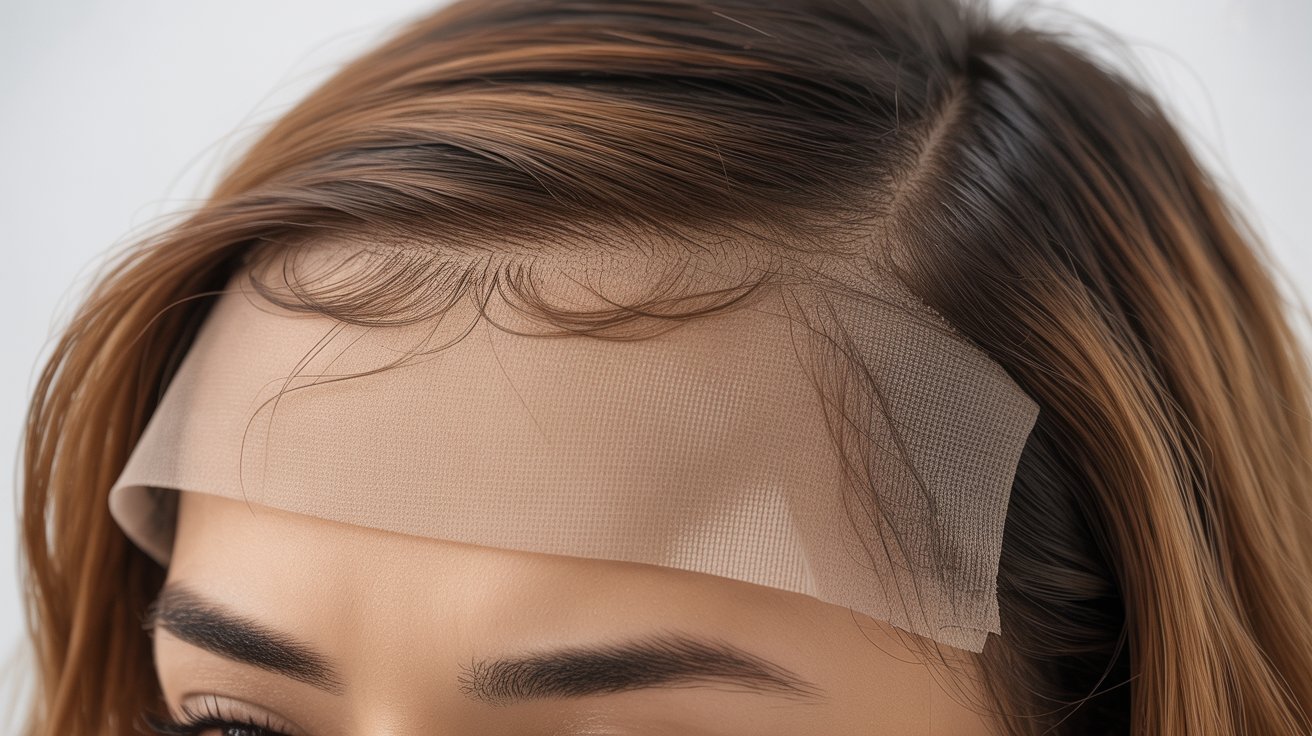
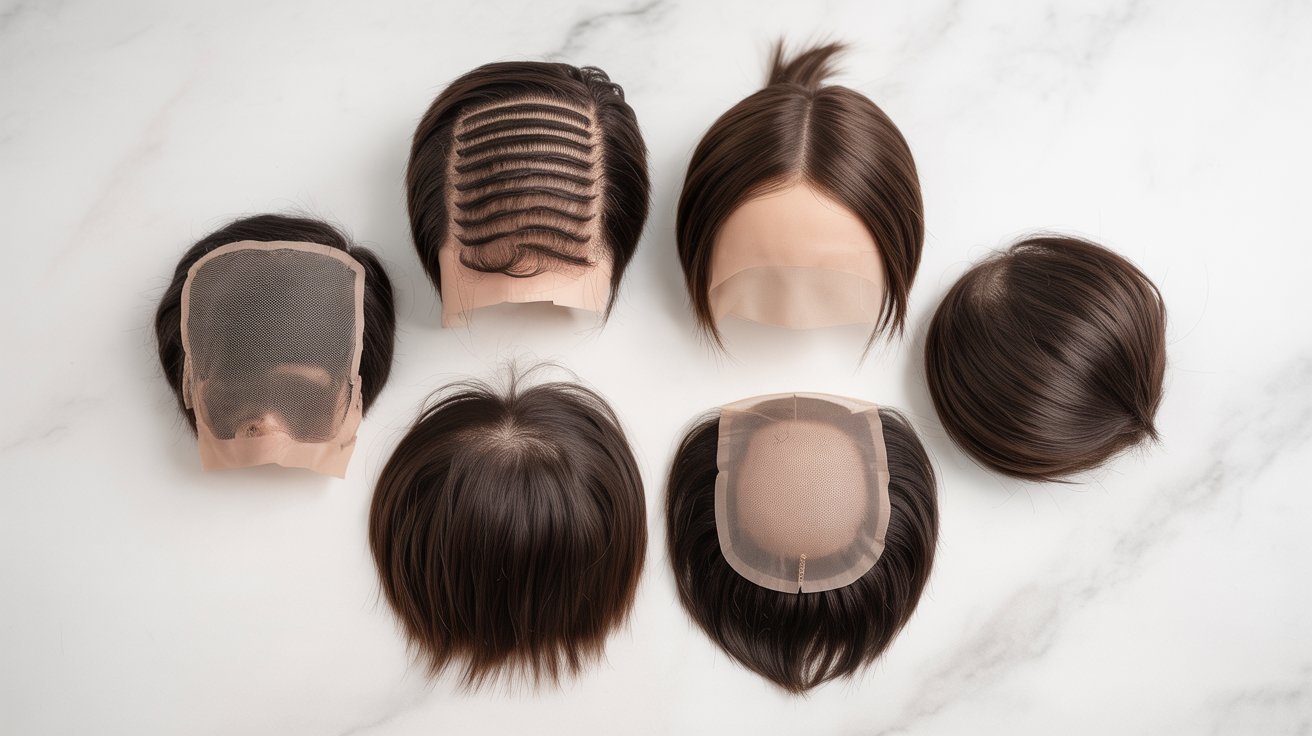
Hair closures are small hairpieces that sit at the top or front of your head to complete a weave or wig installation. They’re made with a lace or silk base that has hair strands attached to it.
The base mimics your scalp, so it looks like hair is growing directly from your head. You place the closure where you’d normally leave out your natural hair for blending.
This protects your real hair from heat damage and styling stress. Closures give you a natural-looking finish without having to use your own hair.
They’re popular because they create realistic parts and hairlines.
Main Hair Closure Types by Base Material
Hair closures come in two main base materials: lace and silk. Each type has different features that affect how they look and feel.
Lace Closures
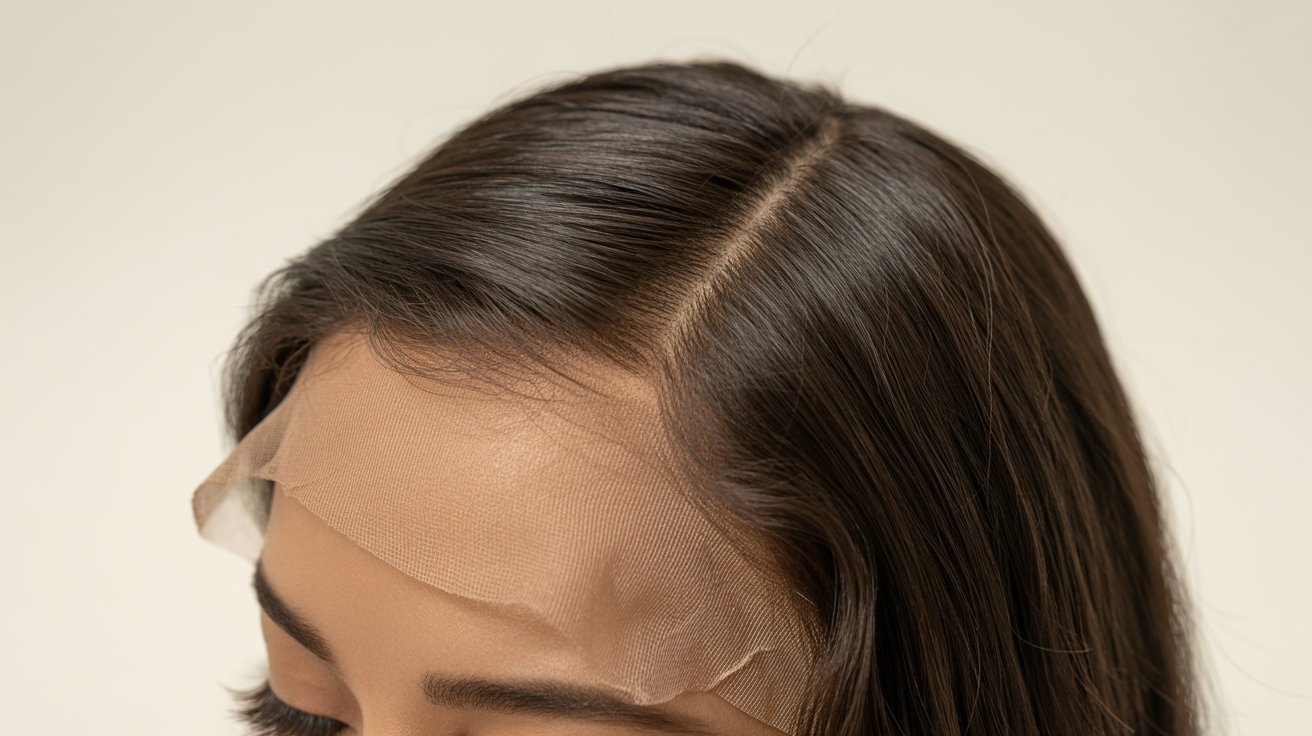
Lace closures are the most common type you’ll find. They use a thin lace material as the base, which makes them really light on your head.
The lace allows air to flow through, so your scalp can breathe easily.
When installed properly, the lace blends with your skin tone and looks like a natural scalp. Most people choose lace closures because they’re comfortable and give you that realistic appearance.
Silk Base Closures
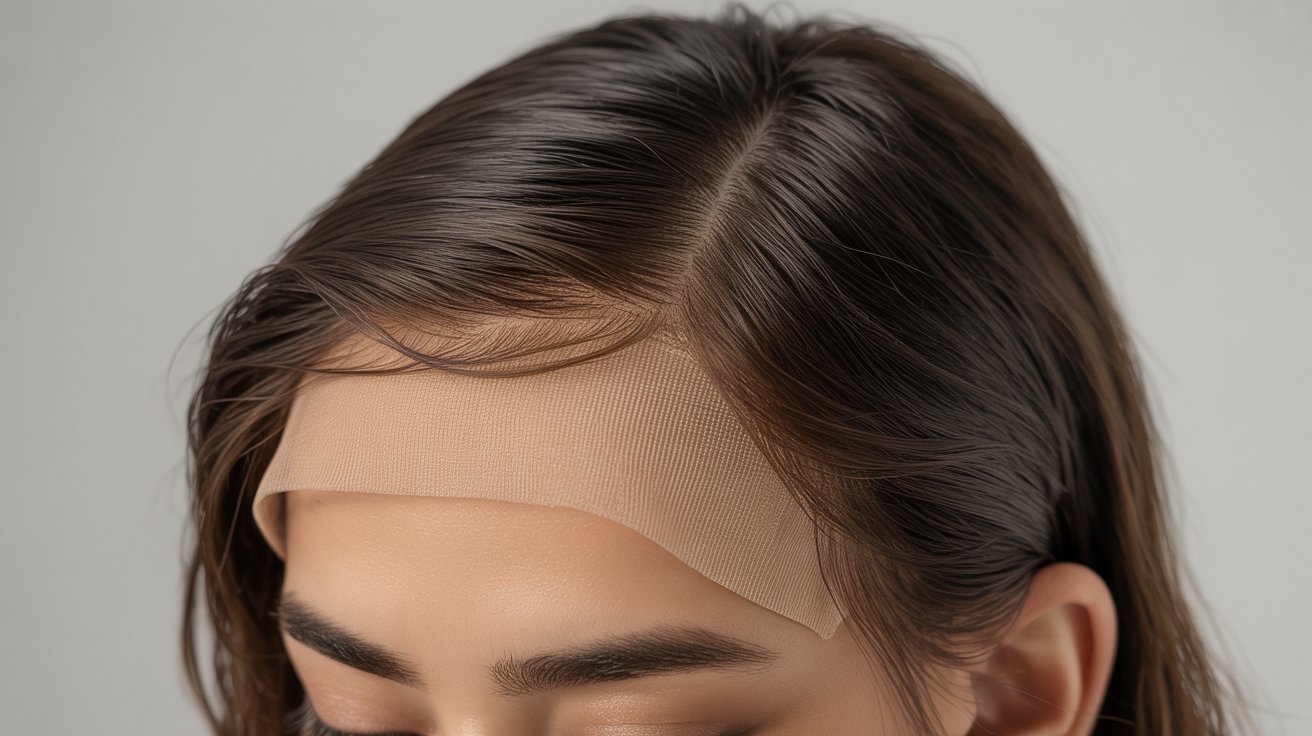
Silk base closures work differently. They have a thicker base made from silk material. The hair knots are hidden between two layers of silk, which creates an incredibly realistic scalp look.
You don’t need to do much customization work like bleaching knots. The downside is they’re less breathable than lace. They feel slightly heavier too.
But if you want something that looks natural right out of the box, silk base closures are worth considering.
Lace Closure Types Explained
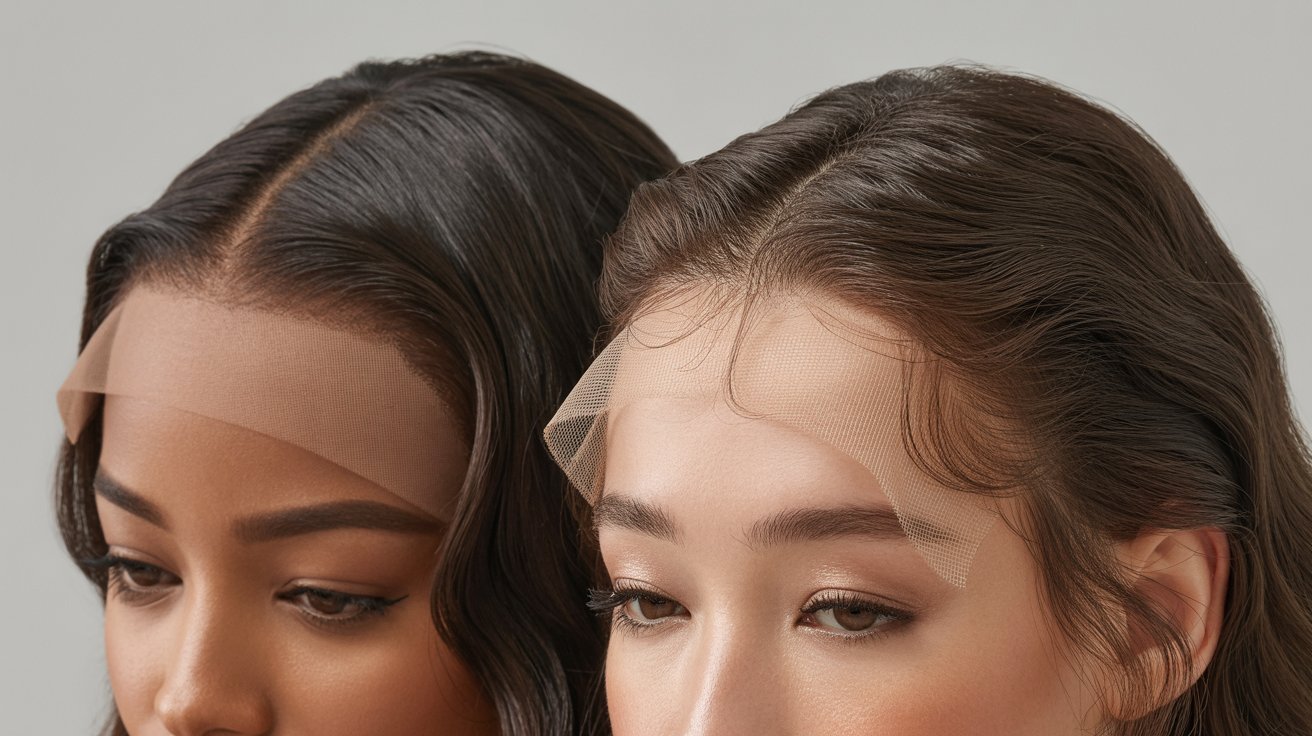
Lace closures come in different varieties, with HD and transparent being the most popular options for creating natural-looking installations.
HD Lace Closures
HD lace is extremely thin and almost invisible when you put it on. The lace material is so sheer that it disappears into your scalp no matter what your skin tone is.
This makes HD lace the best choice if you want the most realistic hairline possible. You can wear your hair pulled back without worrying about the lace showing.
The ultra-thin material blends seamlessly with dark skin, light skin, and everything in between. Many people consider HD lace the premium option for natural results.
Transparent Lace Closures
Transparent lace uses a soft, sheer material that works well for most people. It’s more affordable than HD lace but still gives you a natural look.
The lace has a slightly visible texture compared to HD. It blends best with light to medium skin tones. If you have darker skin, you might need to tint the lace to match perfectly.
Transparent lace is a solid middle-ground option. You get good quality without spending as much money as you would on HD lace.
Hair Closure Types by Parting Style
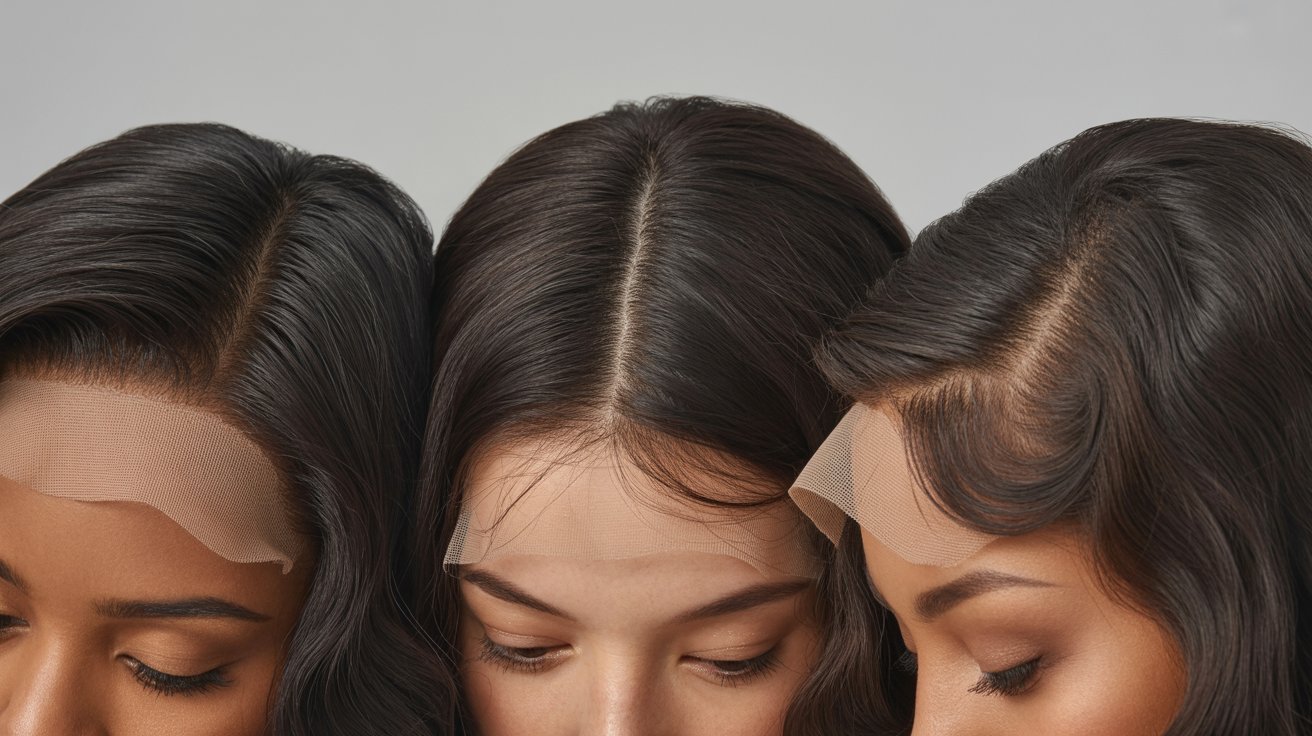
Closures come in different parting styles that determine where and how you can part your hair for various looks.
Free Part Closures
Free part closures give you the most flexibility with styling. You can part your hair anywhere on the closure – left side, right side, middle, or zigzag. The hair is sewn in a way that allows movement in any direction.
This versatility makes free part closures popular for people who like to switch up their hairstyles often. You’re not locked into one look. If you want maximum styling options, a free part closure is your best bet.
Middle Part Closures
Middle part closures come with a pre-made part straight down the center. The hair is specifically sewn to fall naturally on both sides of this middle part. You get a clean, symmetrical look that’s ready to wear.
These work great if you always style your hair with a center part. The downside is you can’t really change the parting without it looking unnatural. Middle part closures are perfect for people who know exactly what style they want.
Three-Part Closures
Three-part closures offer three pre-made parting options. You can choose between a left part, middle part, or right part. The hair is constructed to work with all three styles.
This gives you more versatility than a single middle part, but less freedom than a free part closure. It’s a good compromise if you like having options but don’t need complete flexibility.
Hair Closure Types by Size
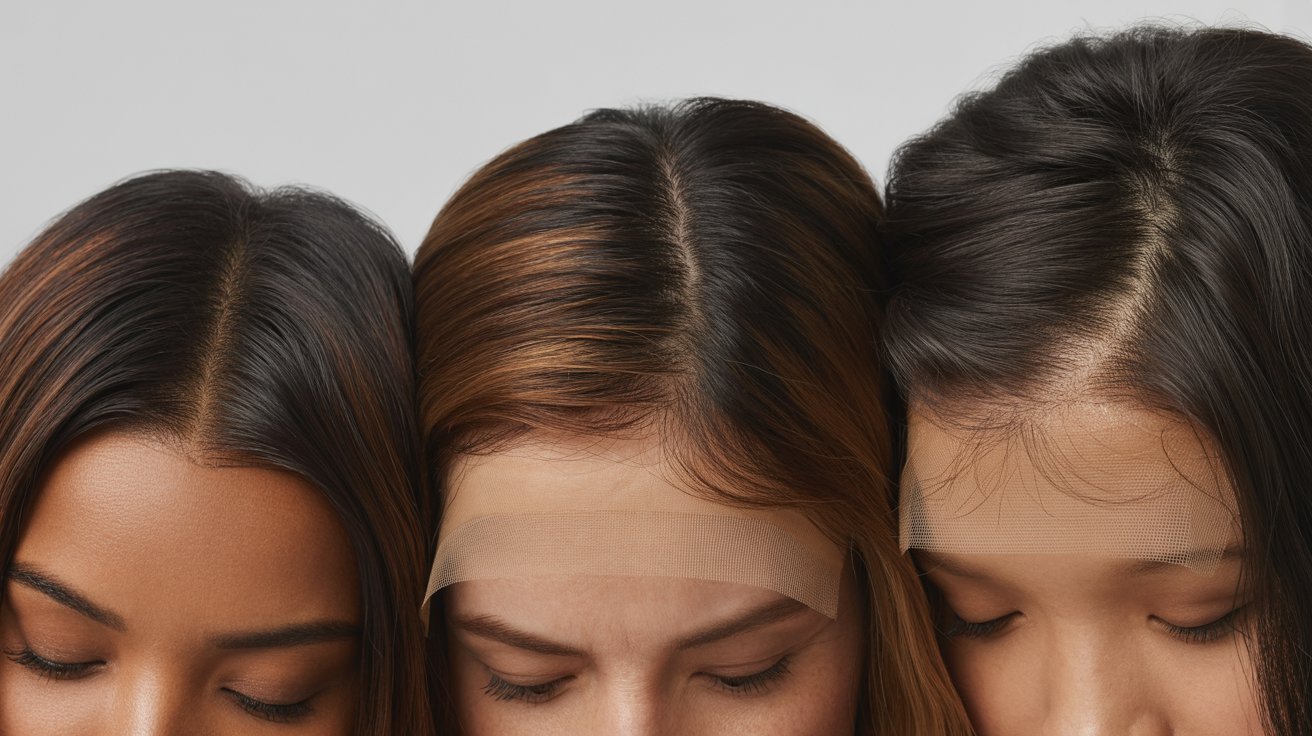
Closures come in different sizes measured in inches, affecting your parting space and styling options.
1. 4×4 Hair Closures
The 4×4 closure measures four inches by four inches. This is the most common and affordable size.
It covers a small area and gives you about four inches of parting space. It works well for simple styles and is lighter and easier to install.
2. 5×5 Hair Closures
A 5×5 closure provides five inches by five inches of coverage. The extra inch gives you more parting space and styling freedom.
It blends better with your bundles and looks more natural than a 4×4. This is a good middle option.
3. 6×6 Hair Closures
The 6×6 closure is the largest at six inches by six inches. It offers the most parting space and coverage.
You get more styling freedom and the most realistic look. These cost more and take longer to install than smaller sizes.
How to Choose the Right Hair Closure Type

Choosing the right closure depends on several factors. Match the lace color to your skin tone – HD lace works for everyone, while transparent lace suits lighter complexions.
Think about your styling habits. If you change parts often, get a free part closure. For coverage, beginners should start with a 4×4 since it’s easier to install and costs less.
Consider lace closures over silk base when you’re new because they’re more forgiving during installation. Your budget and maintenance time also matter when making your decision.
Conclusion
After working with different closures over time, I’ve learned that finding the right one makes all the difference in how your hair looks and feels.
You have plenty of options with lace types, base materials, sizes, and parting styles. Lace closures give you more styling flexibility, while silk base closures look realistic right away.
Take your time choosing based on your skin tone, budget, and how you like to style your hair. Start with a smaller size if you’re new to closures.
Once you find what works for you, you’ll have a natural look that lasts and protects your real hair underneath.
Frequently Asked Questions
What is the difference between lace and silk base closures?
Lace closures are lighter and more breathable with visible knots that need bleaching. Silk base closures have hidden knots between silk layers and look more realistic without customization.
Which closure size should I choose as a beginner?
Start with a 4×4 closure since it’s easier to install and more affordable. You can move up to larger sizes like 5×5 or 6×6 once you get more comfortable with the installation process.
How long do hair closures typically last?
A good quality closure can last 6 to 12 months with proper care and maintenance. Regular cleaning, conditioning, and gentle handling will help extend the lifespan of your closure.
Can I dye or bleach my hair closure?
Yes, you can dye or bleach human hair closures just like your natural hair. However, be careful with chemical treatments as they can damage the hair and reduce the closure’s lifespan.
Do I need to bleach the knots on my closure?
It depends on the type you buy. Lace closures usually need knot bleaching for a more natural look, while silk base closures already have hidden knots and don’t require bleaching.