




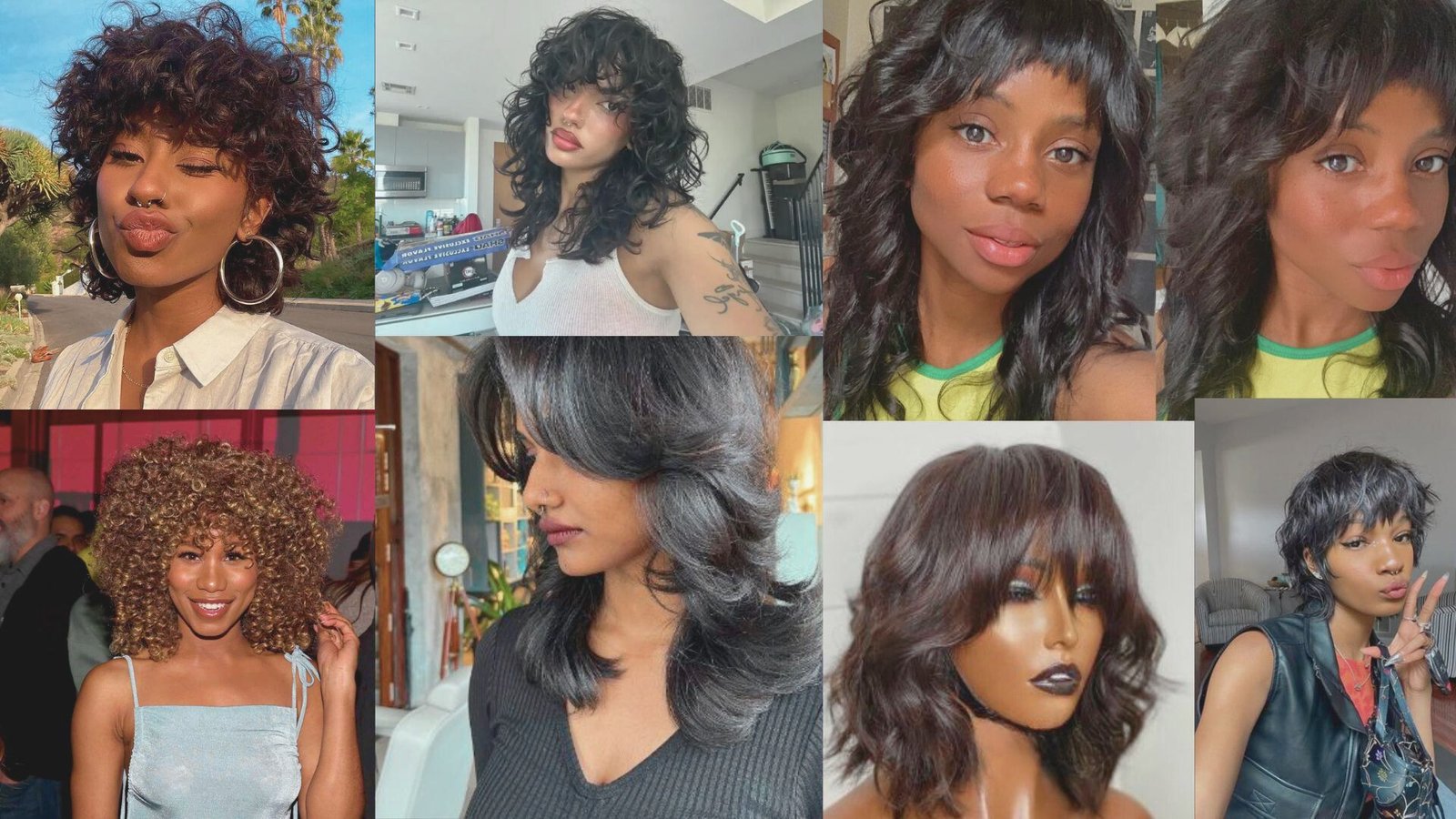

Can’t decide between a wolf cut vs butterfly cut? You’re not alone. These two layered styles have taken over social media, but they create completely different looks.
I’ve spent years working with hair trends, and I know how confusing it can be to pick the right cut.
This guide breaks down exactly what makes each style different, who they work best for, and how to choose between them.
You’ll learn about layer placement, styling needs, and face shape compatibility.
By the end, you’ll know which cut matches your hair type and daily routine.
Wolf Cut vs Butterfly Cut: An Overview
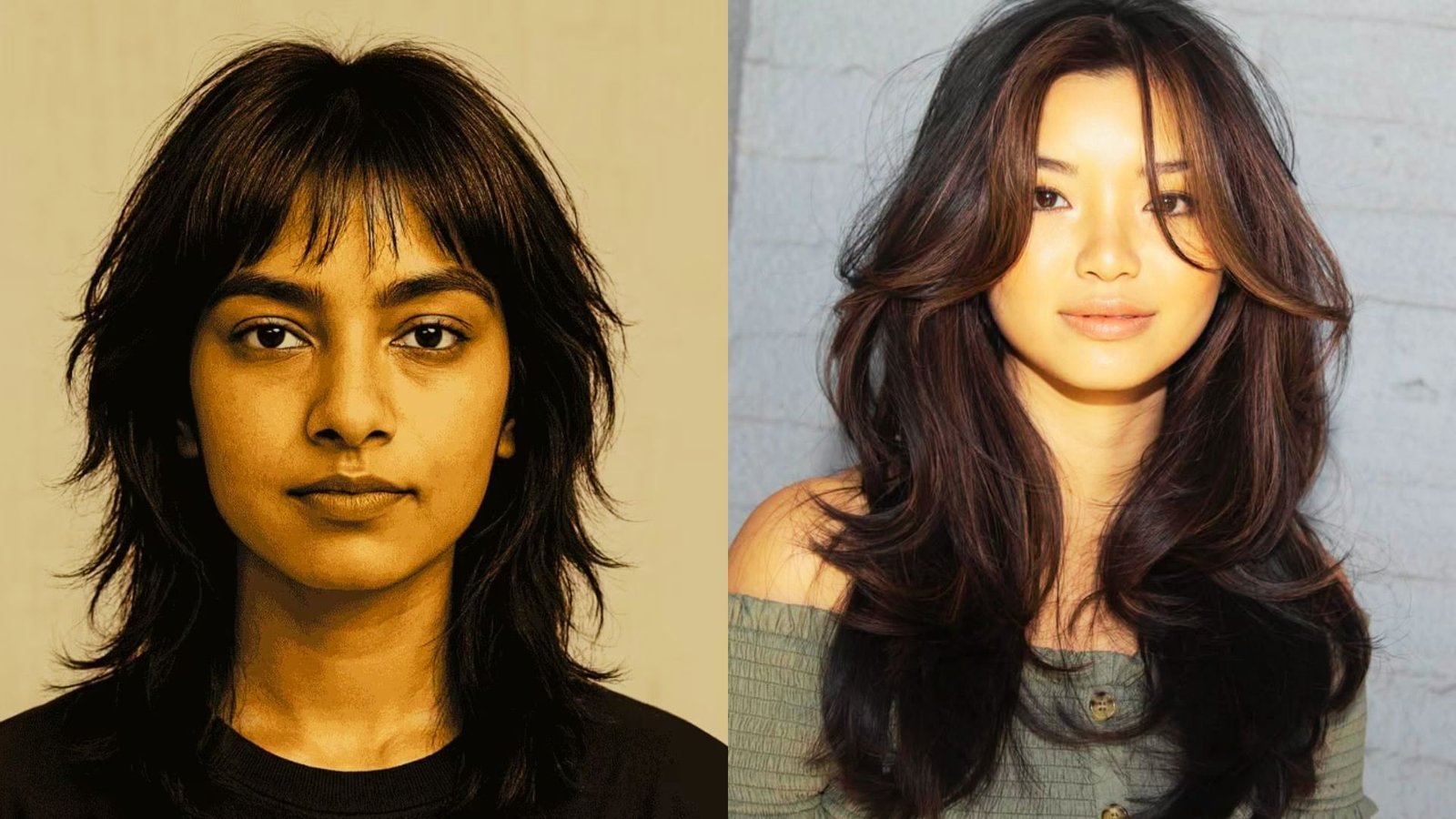
Both cuts use layers to add movement and shape, but they differ in texture, volume placement, and overall finish.
The wolf cut brings choppy, textured layers with a shaggy feel. It mixes short layers on top with longer pieces underneath.
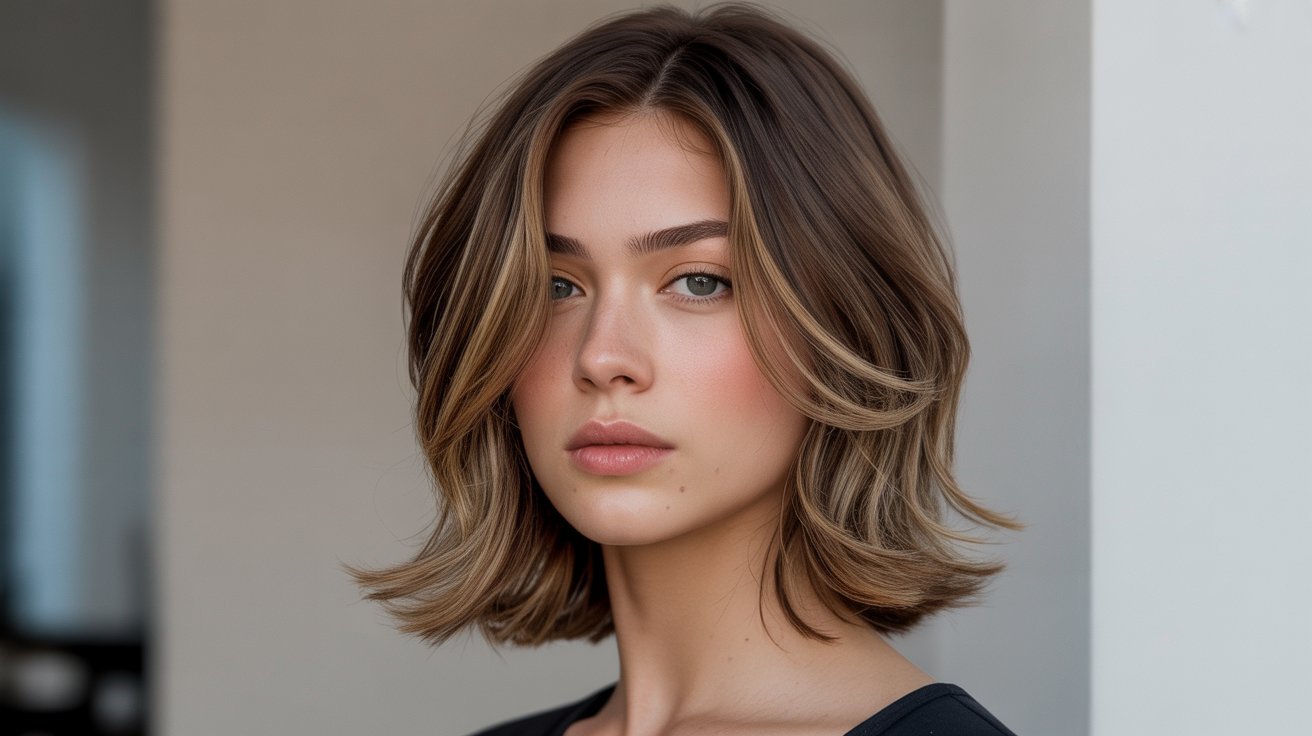
The butterfly cut focuses on soft, face framing layers. The volume sits at the crown with feathered ends.
People compare these cuts because both use layers for dimension. The wolf cut leans edgy and messy. The butterfly cut looks polished and feminine.
What Is a Butterfly Cut?
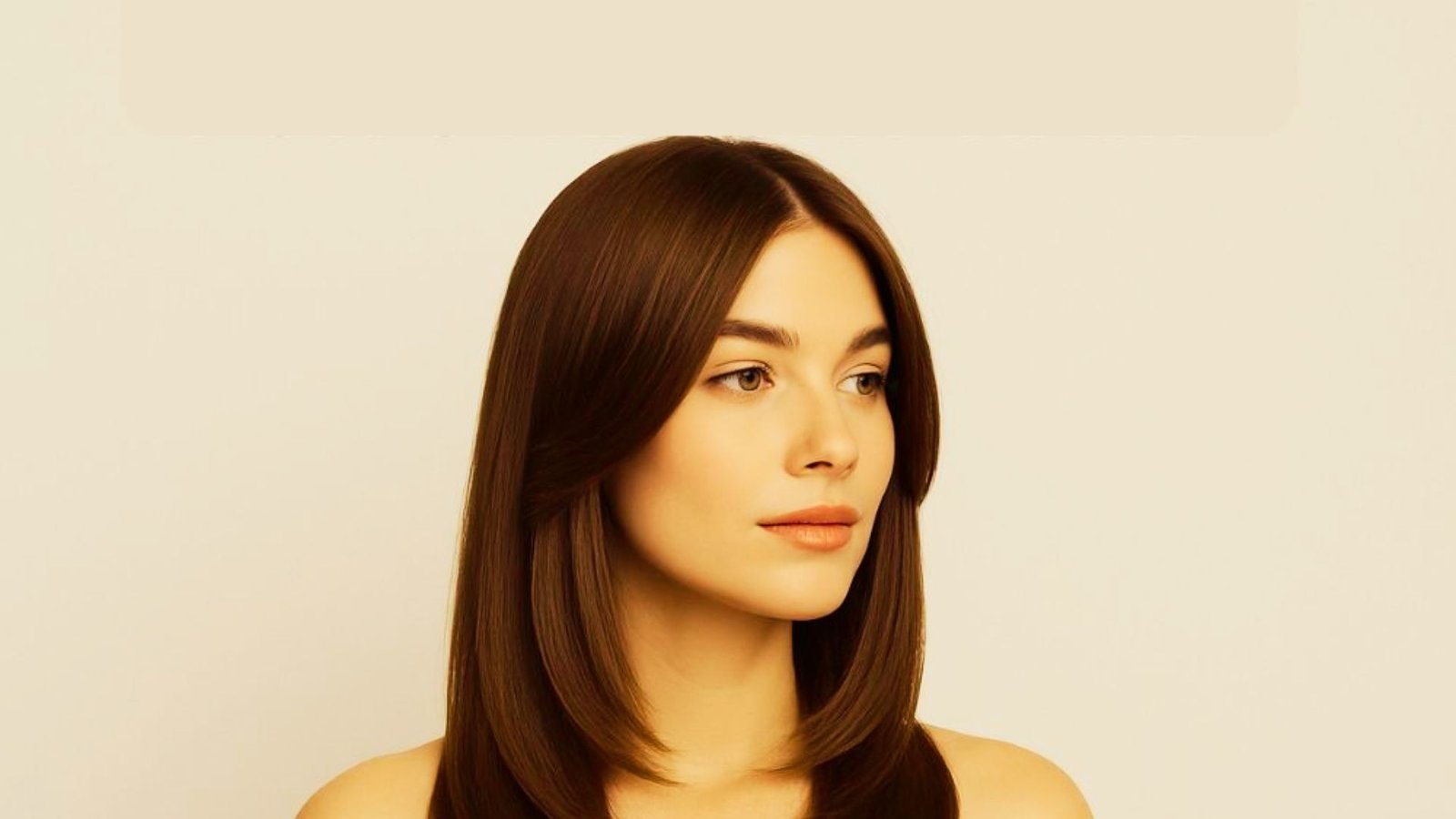
A butterfly cut features soft, feathered layers that frame the face with concentrated volume at the crown area. The butterfly cut layers fan out like wings with soft, feathered movement.
Face framing pieces start around the cheekbones with volume at the crown.Needs regular blowouts or styled waves. Trims every 6 to 8 weeks.
Who the Butterfly Cut Suits Best
This cut flatters oval, heart, and round face shapes. It works on medium to long hair lengths with straight to wavy textures.
Fine to medium thickness works best. Very thick hair may need thinning to control volume. People who enjoy styling their hair will appreciate this cut.
What Is a Wolf Cut?

A wolf cut combines shag and mullet elements with choppy, textured layers for an edgy, lived-in appearance. The wolf cut mixes shags and mullets with choppy layers.
Short on top, longer underneath. This cut works with messy, lived-in styling. Air-dry with texture cream. Low-maintenance and edgy.
Who the Wolf Cut Suits Best
Oval, square, and oblong face shapes work well with this cut. The volume on top balances angular features. Short to long lengths all work. Even chin length hair can pull off a mini wolf cut.
Wavy to curly hair textures really shine with this style. Straight hair works but needs more styling products. Medium to thick hair density shows off the layers best.
Very fine hair might look too thin with all the layering. People with low-maintenance routines love this cut. It’s meant to look undone.
Wolf Cut vs Butterfly Cut: Key Differences
These cuts differ in layer structure, volume placement, styling needs, and overall vibe despite both using layers.
|
Feature |
Butterfly Cut |
Wolf Cut |
|
Layer Structure |
Soft, blended layers that flow seamlessly |
Disconnected, choppy layers with visible separation |
|
Cutting Technique |
Cut at gradual angles for feathered effect |
Uses razoring or point-cutting for texture |
|
Volume Placement |
Concentrated at the crown, tapering down |
Volume at top and sides, length in back |
|
Shape |
Rounded and feminine, curves inward |
Triangular and shaggy, sticks out at angles |
|
Styling Needs |
Regular blow-drying with heat tools |
Quick scrunch with texture product |
|
Maintenance Level |
High – style most days for polished look |
Low – designed to look good messy |
|
Overall Vibe |
Polished, put-together, feminine and soft |
Edgy, carefree, bold and textured |
|
Best For |
Professional settings, classic style |
Casual lifestyles, alternative fashion |
How to Choose Between a Wolf Cut and Butterfly Cut
Consider your face shape, hair texture, and daily styling commitment when choosing between these two layered cuts. Oval faces work with both cuts.
Round and heart-shaped faces might prefer the butterfly cut since face framing layers add length. Square and oblong faces pair well with wolf cuts as the volume softens angular jawlines.
Straight hair shows butterfly cuts beautifully while curly hair shines with wolf cuts. Wavy hair works with both. Fine hair might struggle with heavy wolf cut layering.
Thick hair handles both cuts well with proper thinning. If you style your hair daily, butterfly cuts reward that effort. If you prefer wash and go routines, wolf cuts fit better.
Professional environments call for butterfly cuts while creative or casual settings welcome wolf cuts. Pick the cut that matches your actual habits, not your ideal ones.
Wolf Cut vs Butterfly Cut: Key Similarities
Both cuts use layers to add movement, they’re currently trending, and both adapt to different styling preferences.
|
Similarity |
Details |
|
Layering |
Both rely heavily on layers to create dimension and prevent flat, heavy hair |
|
Movement |
Hair flows and bounces rather than hanging straight down in both styles |
|
Face-Framing |
Both include shorter pieces around the face to open up features |
|
Social Media Popularity |
Dominate TikTok and Instagram with high visibility and engagement |
|
Celebrity Appeal |
Worn by celebrities and influencers, driving popularity higher |
|
Salon Demand |
Stylists report cutting these styles daily due to high requests |
|
Styling Versatility |
Can be worn straight, wavy, or curly for different looks |
|
Occasion Flexibility |
Work for both casual and dressed-up occasions |
|
Color Compatibility |
Highlights and balayage show off the layers in both cuts |
|
Accessory Friendly |
Clips, headbands, and scarves work well with both styles |
Can You Combine a Wolf Cut and Butterfly Cut?
Hybrid cuts blend elements from both styles, offering softer wolf cuts or edgier butterfly cuts for versatile styling. Yes, you can mix elements of both cuts.
Many stylists create custom hybrid versions. A softer wolf cut adds blended layers. An edgier butterfly cut incorporates more texture.
Talk to your stylist and show reference photos. They can combine butterfly face-framing with wolf texture on top.
Hybrid cuts work for people who want versatility. Style it messy like a wolf or sleek like a butterfly.
Conclusion
The wolf cut vs butterfly cut debate comes down to personal style and routine.
Wolf cuts offer low maintenance with edgy texture, while butterfly cuts provide polished femininity with more styling effort.
I’ve seen both cuts look incredible on the right person. Think about how much time you realistically spend on hair each morning.
Your daily routine matters more than trends. Ready to take the next step? Save this guide and bring it to your next salon appointment.
Share your cut choice in the comments below, and let me know which style you chose!
Frequently Asked Questions
Which cut requires less daily styling?
The wolf cut needs less daily styling effort. It’s designed to look good with minimal effort, while the butterfly cut requires blow-drying and heat styling for the best results.
Can I get either cut with short hair?
Both cuts work on shorter lengths, though the butterfly cut shows better on medium to long hair. Wolf cuts adapt well to chin-length or shoulder-length styles with proper layering.
How often do these cuts need trimming?
Butterfly cuts need trims every 6-8 weeks to maintain shape and prevent uneven growth. Wolf cuts can go 8-10 weeks between trims since the messy nature hides regrowth.
Do these cuts work on thick hair?
Yes, both cuts work on thick hair with proper thinning techniques. The wolf cut naturally removes bulk through layering, while butterfly cuts may need strategic thinning to prevent excessive volume.
Can I switch from one cut to the other?
Switching from butterfly to wolf is easier since you’re adding texture to existing layers. Going from wolf to butterfly might require growing out some length to create smoother, blended layers.