
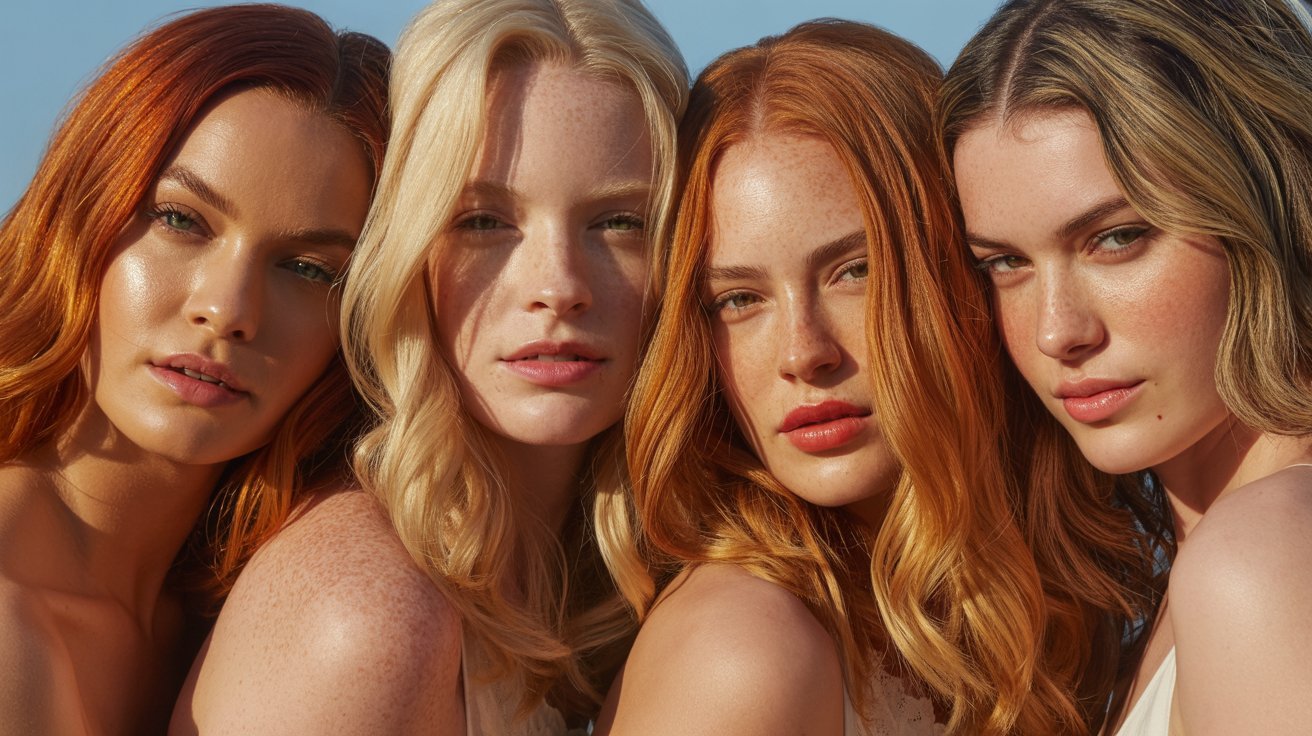



Finding the right hair color can feel overwhelming when you have warm undertones. I’ve been there, staring at color swatches and wondering what would actually look good.
If you have golden skin and bright eyes, you need warm spring hair colors that match your natural glow. This guide covers 17 shades that work well with warm spring complexions.
I’ll show you how to identify your undertones, pick colors that make you shine, and avoid shades that wash you out.
You’ll also learn maintenance tips to keep your color fresh.
Let’s find your perfect match together.
Understanding Warm Spring Complexions
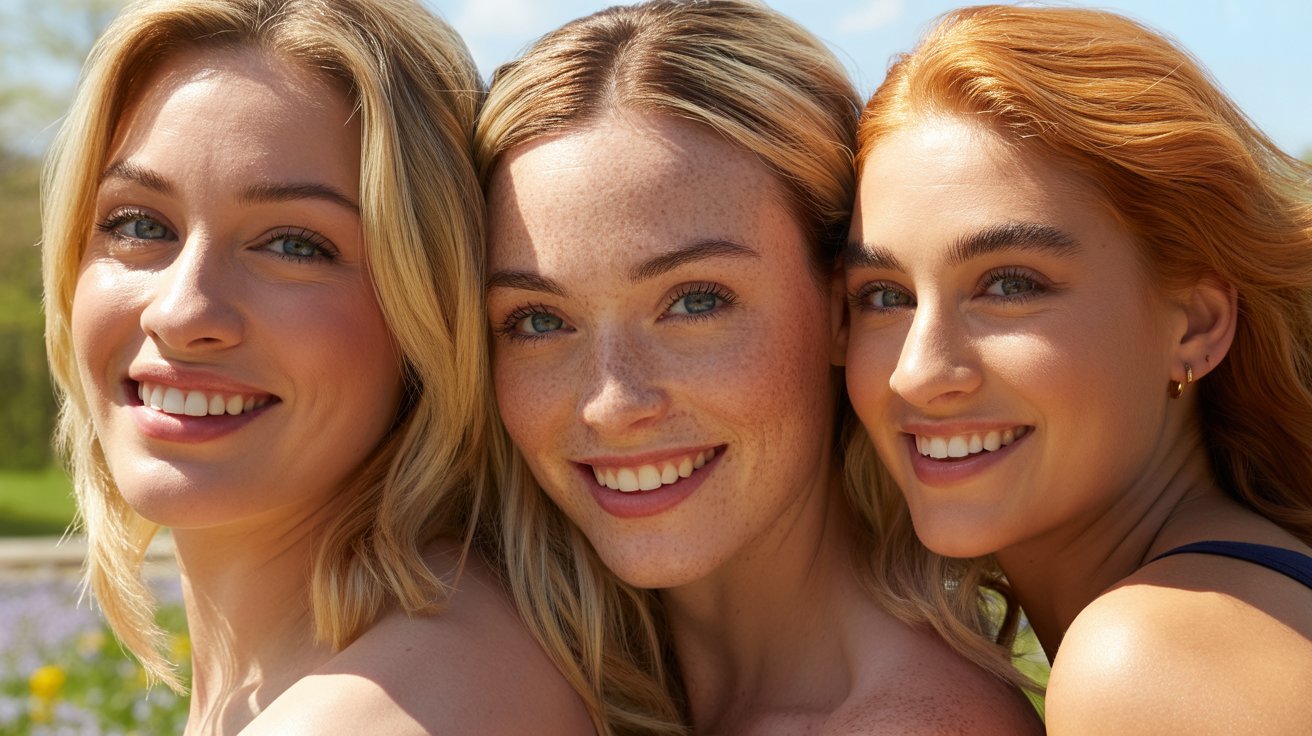
Your skin, eyes, and natural hair work together to create your warm spring look. Warm spring people have golden or yellow undertones.
Your skin might look sun kissed even without a tan. Eye colors include green, warm hazel, blue with golden flecks, or amber.
Natural hair falls into golden brown, red tones, or caramel hues. The vein test is simple. Green or teal veins mean warm undertones.
Try the jewelry test. Gold makes warm skin glow. Silver looks harsh or flat. Warm eyes with golden skin means you’re a warm spring.
Why Hair Color Matters for Warm Spring
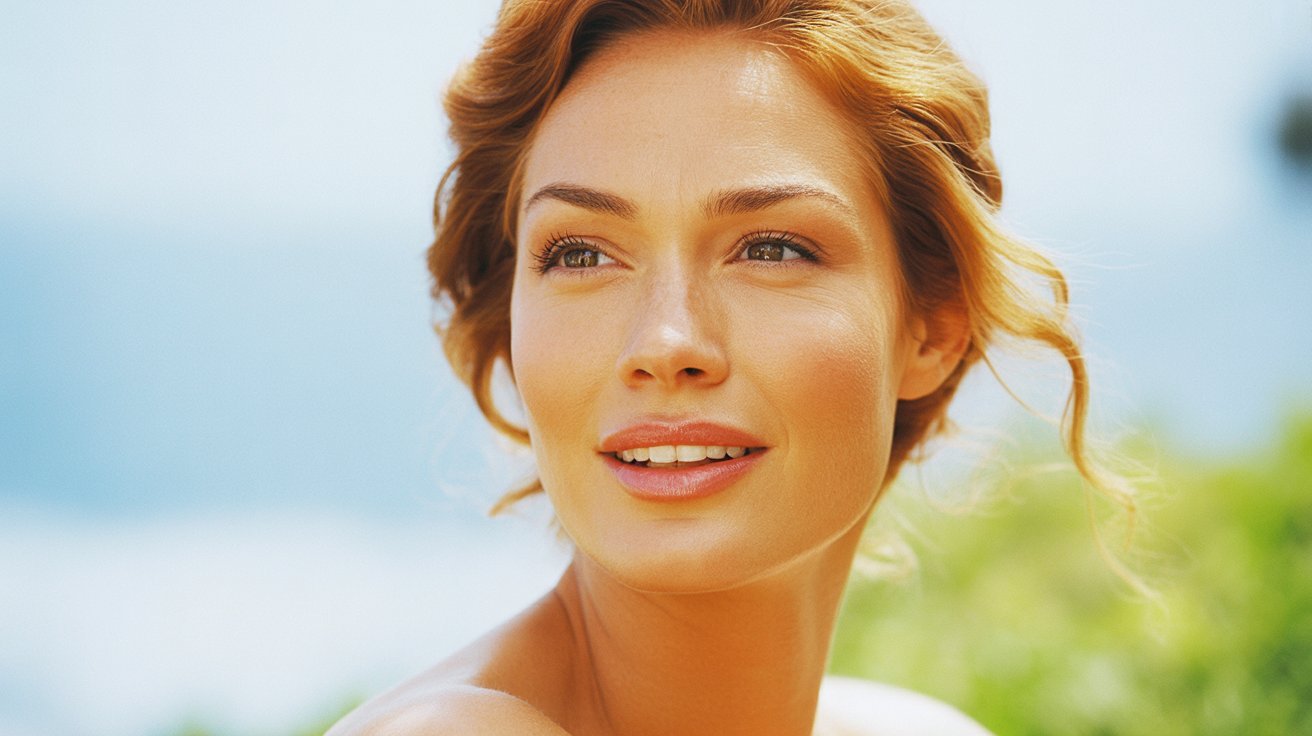
The right hair color makes your skin glow and your eyes pop brighter. Cool or ashy shades drain the warmth from your face.
They can make you look tired or washed out. Your natural golden tones get lost. Hair colors with warm bases create harmony. Everything looks connected and polished.
Your whole appearance feels alive and fresh. The right shade also builds confidence. You’ll notice how colors interact with your skin. Good color choices make you feel more put together.
17 Warm Spring Hair Colors for a Radiant Look
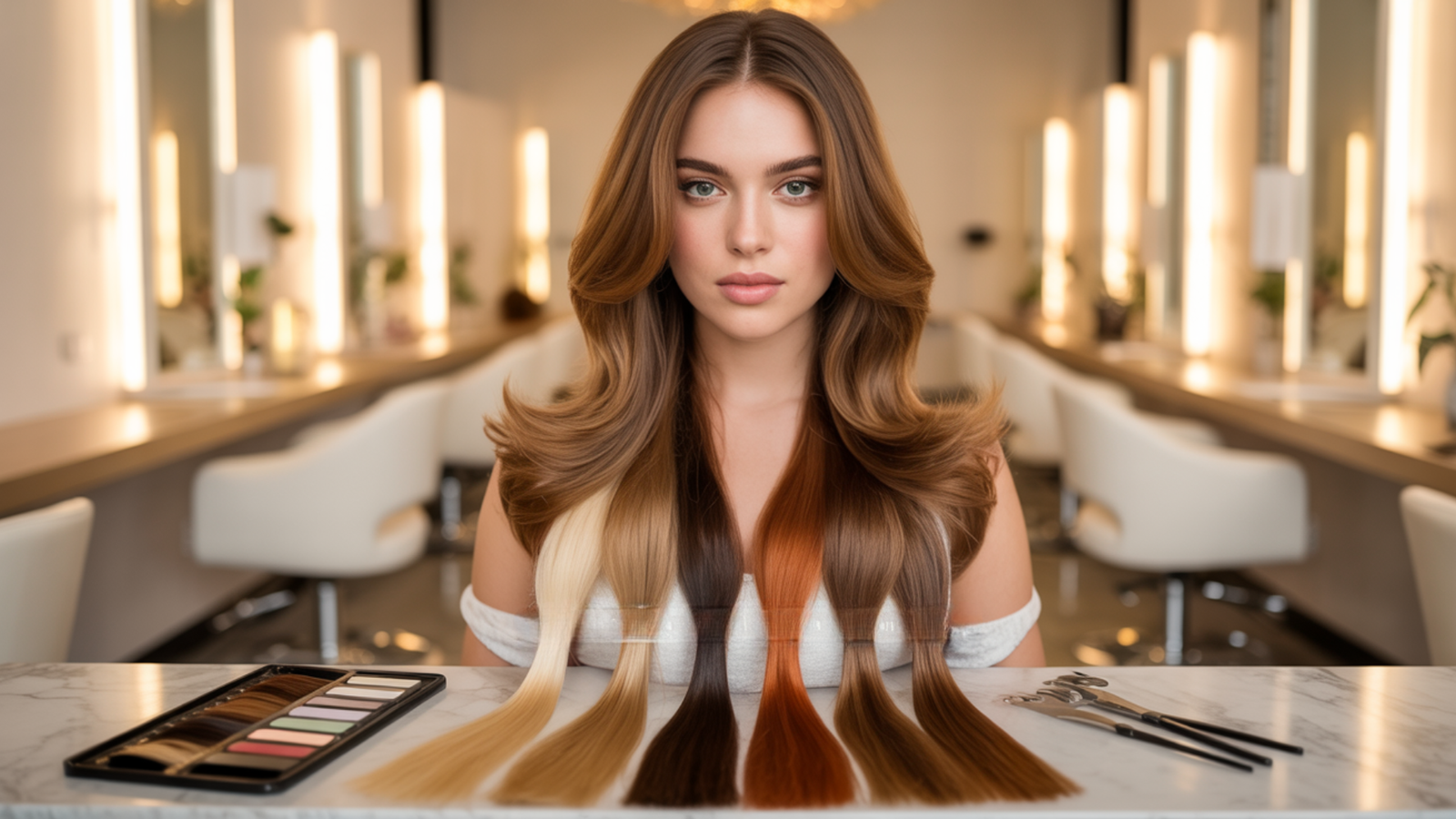
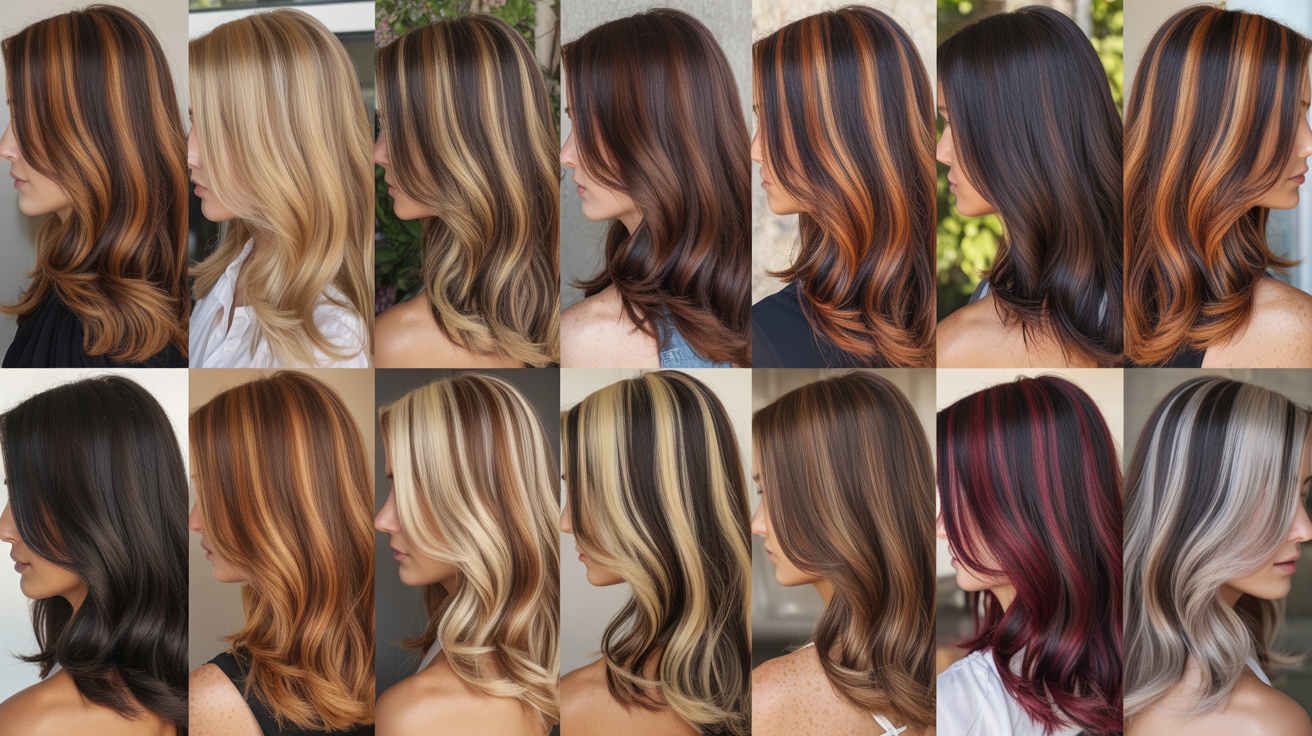
These shades complement warm undertones and bring out your natural brightness.
1. Chocolate Brown
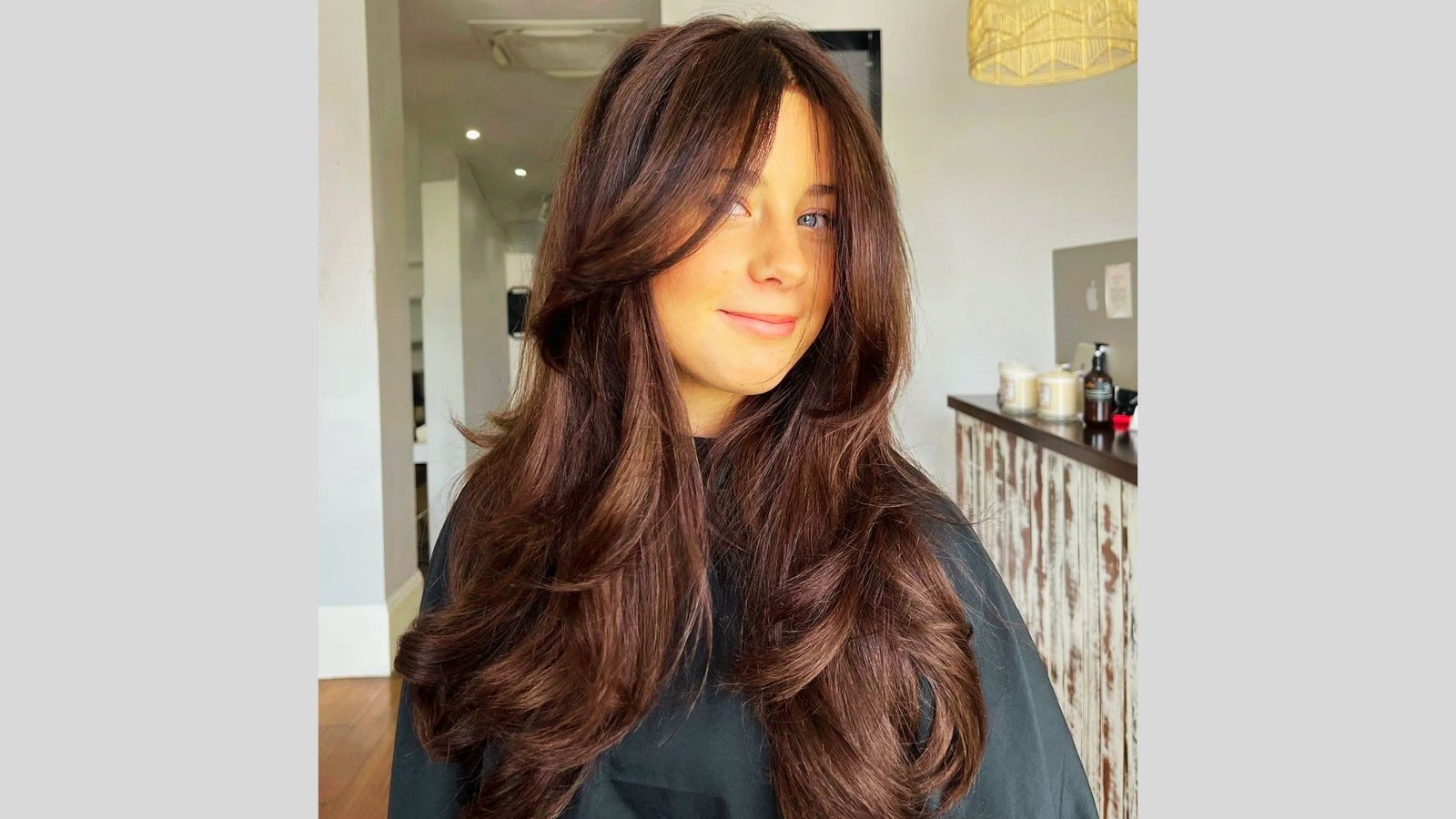
Rich brown with warm depth that never looks flat. This shade adds dimension without going too dark. Works well for those wanting a natural, polished look.
The color has enough richness to make your eyes stand out. It’s low maintenance and grows out gracefully. Perfect for anyone new to coloring their hair.
2. Chestnut Brown

Medium brown with reddish undertones that catch the light. It’s warm enough to complement golden skin. Great for adding subtle warmth to dark hair.
The red hints become more visible in sunlight. This shade feels fresh without being too bold. Works on most hair textures and lengths.
3. Honey Brown
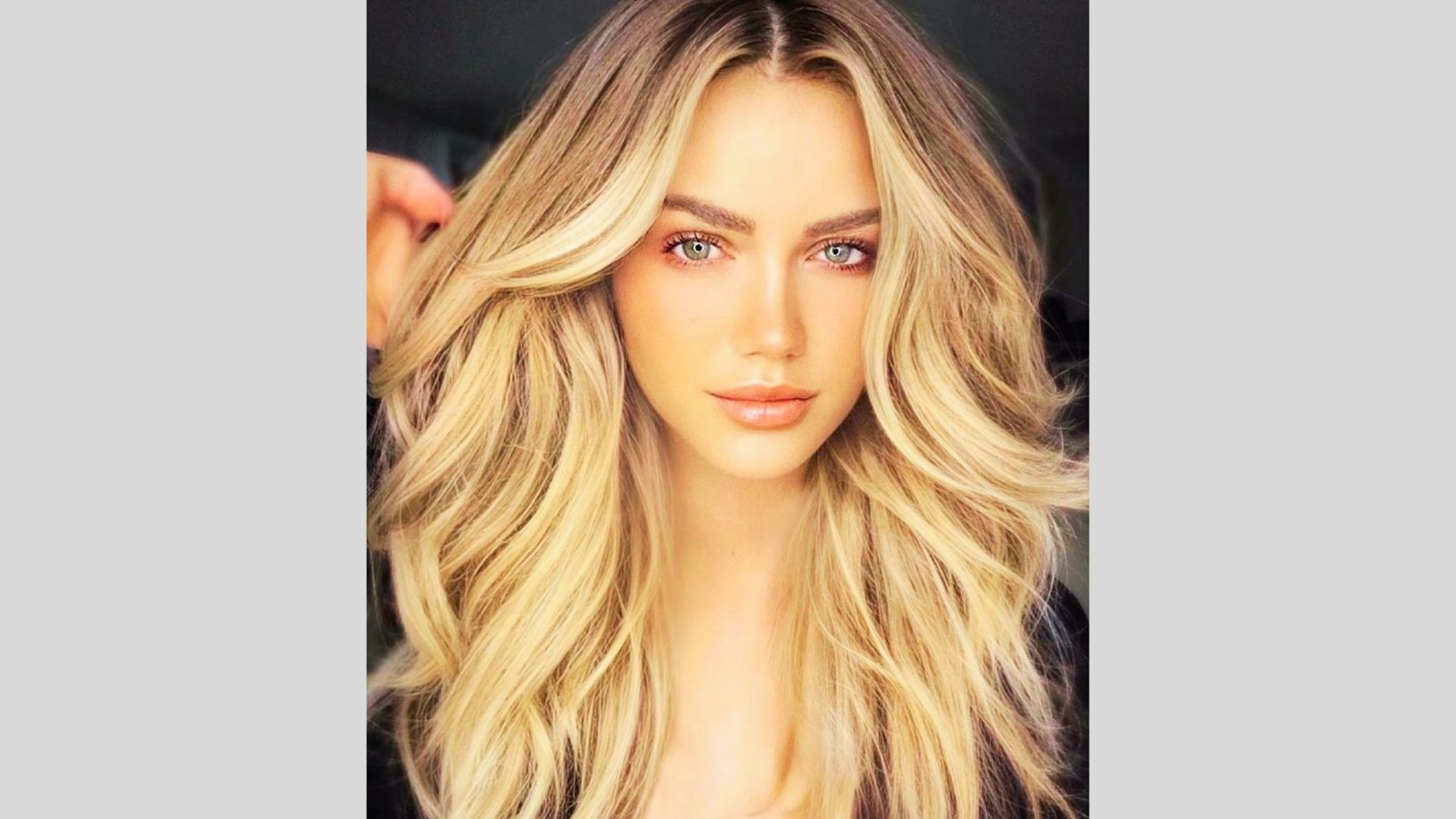
Warm brown infused with golden highlights. This shade has a sweet, sun warmed quality. Perfect for those wanting brown hair with visible warmth.
The golden tones brighten your face instantly. It looks natural but more interesting than plain brown. Easy to maintain with minimal touch ups needed.
4. Copper Brown

Brown base with strong copper tones throughout. More intense than chestnut, less bold than full copper. Ideal for those ready for noticeable warmth.
This color makes a statement without going full red. The copper catches light and creates movement. Best for someone wanting color people will notice.
5. Cinnamon

Spicy red brown that feels cozy and rich. Not too red, not too brown. This balanced shade suits many warm spring faces.
The color has depth and warmth combined. It works in any season and any setting. Great choice if you can’t decide between red or brown.
6. Honey Blonde

Golden blonde that looks like sunlight in your hair. Warm and glowing without being brassy. Great for those wanting to go lighter naturally.
This shade brightens your whole appearance. It needs regular toning to stay golden. Works best on naturally lighter hair bases.
7. Golden Blonde

Classic warm blonde with yellow undertones. Bright but not white or platinum. This shade radiates warmth and works with tanned or fair skin.
The color feels cheerful and youthful. It requires bleaching for most starting colors. Regular maintenance keeps it from fading.
8. Buttery Blonde

Soft, creamy blonde with rich golden tones. Less intense than golden blonde but still warm. Perfect for a gentle, natural blonde look.
This shade feels sophisticated and soft. It’s easier to maintain than brighter blondes. Great for first time blonde experiments.
9. Strawberry Blonde
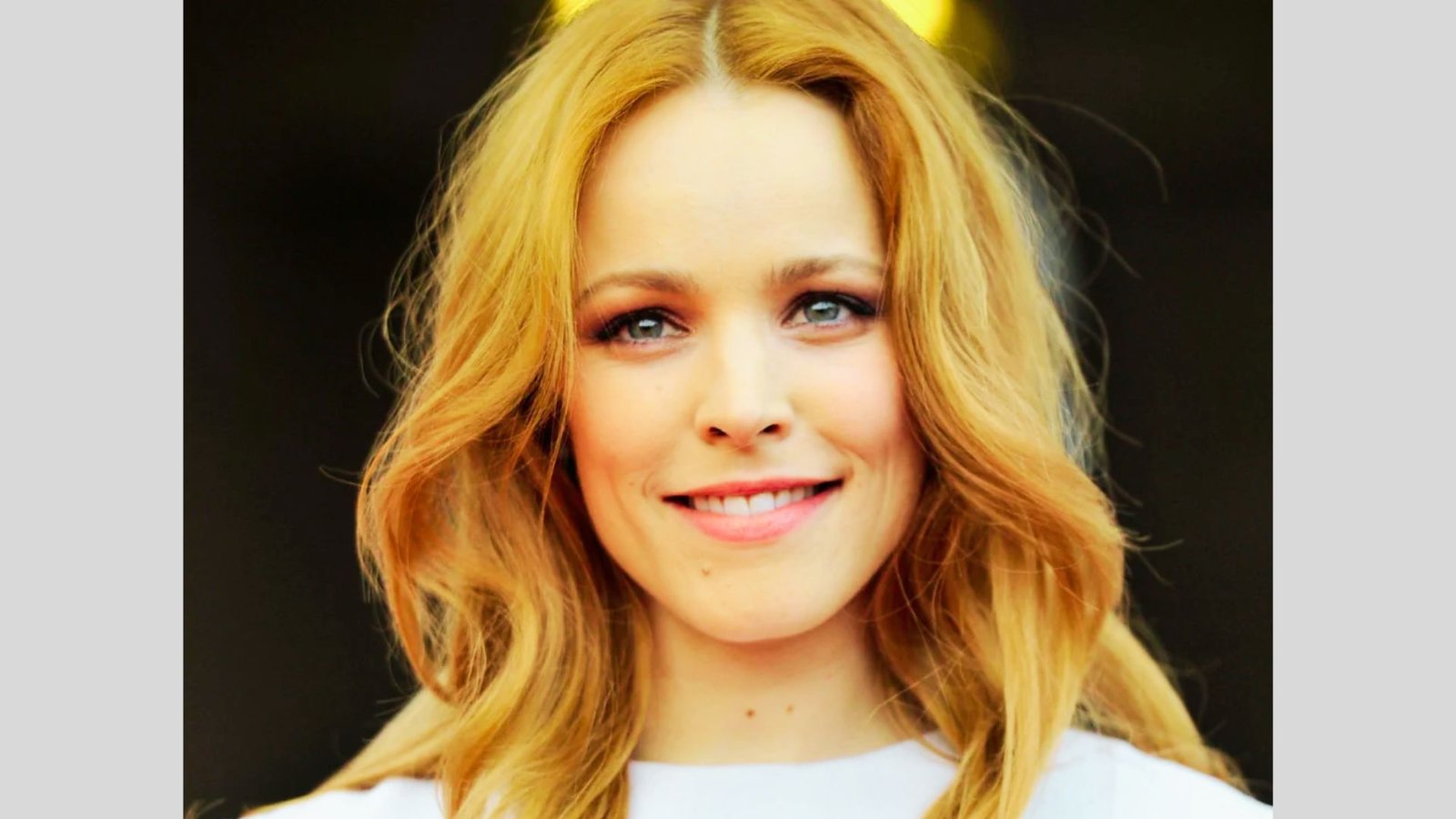
Blonde with pink and peachy red tones mixed in. This color has personality and warmth. Works well with fair skin and light eyes.
The color looks different in various lighting. It’s feminine without being too sweet. Needs color depositing products to maintain the tone.
10. Golden Highlights
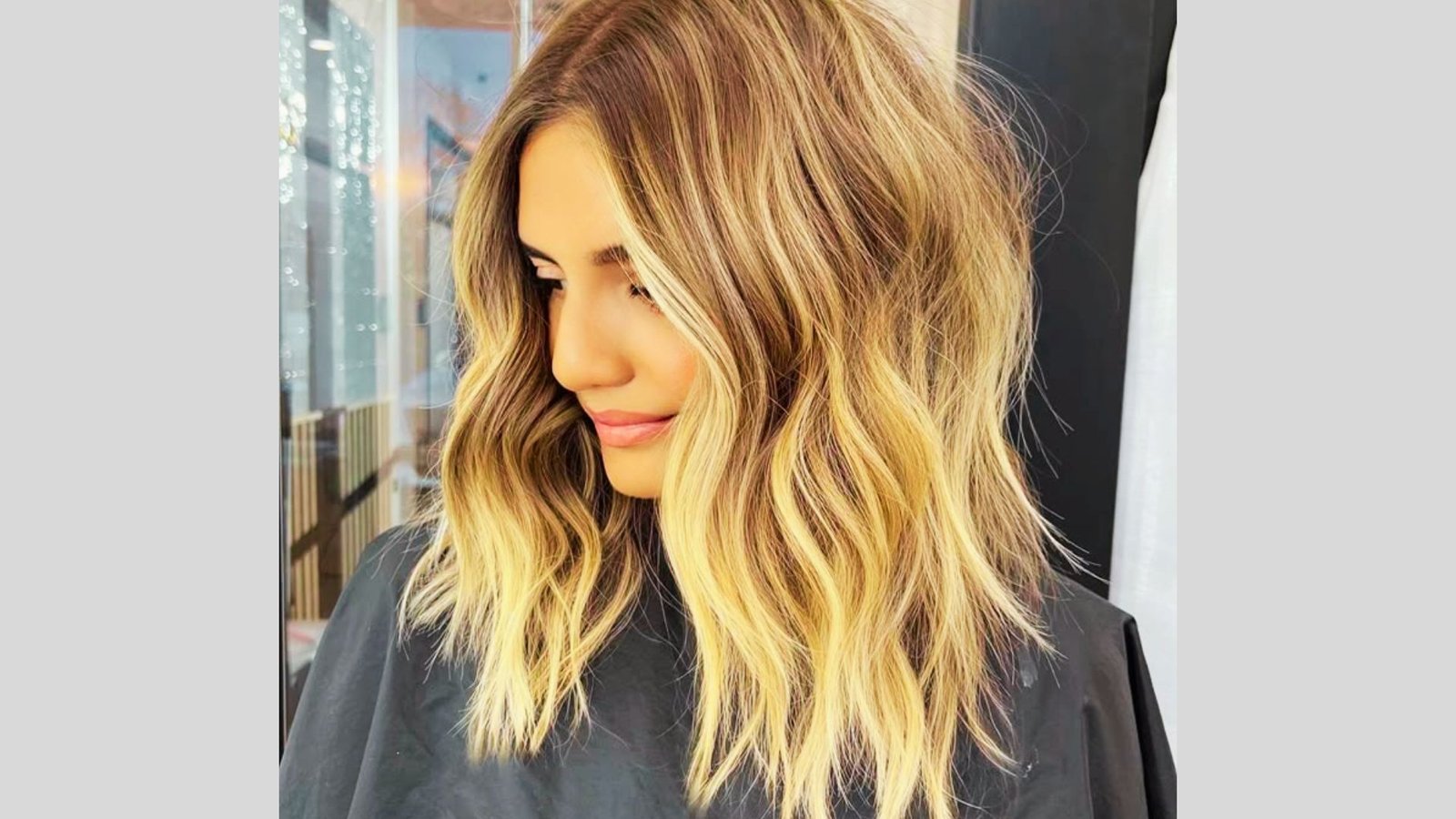
Warm blonde streaks woven through your base color. Adds dimension without full commitment to blonde. Looks sun kissed and natural when done right.
The highlights grow out seamlessly. Less maintenance than all over color. Perfect for testing blonde before going full coverage.
11. Caramel Highlights
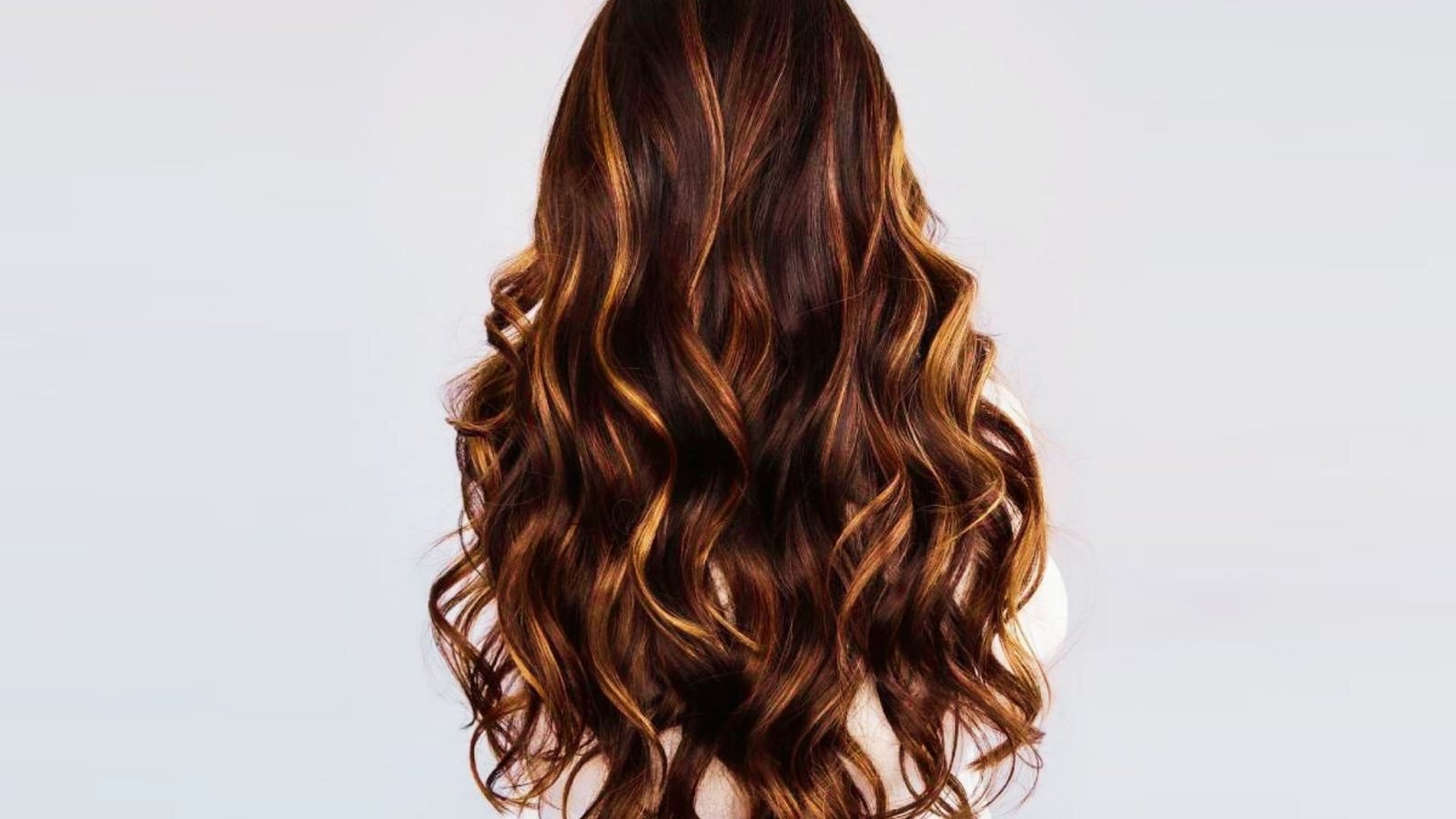
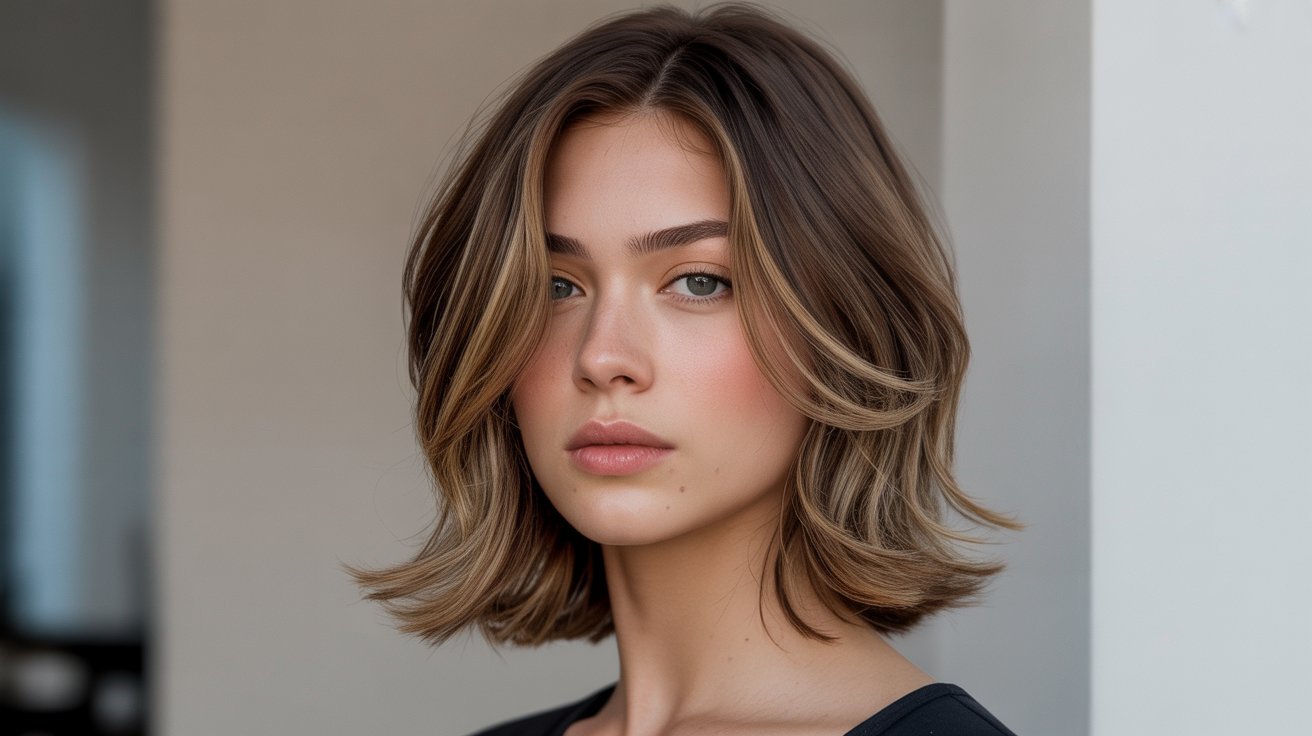
Rich, warm brown highlights that add depth. These look like your hair naturally lightened in the sun. Gorgeous on brunettes wanting subtle change.
The color adds warmth without being obvious. Works on any length or texture. Low commitment way to brighten dark hair.
12. Warm Balayage
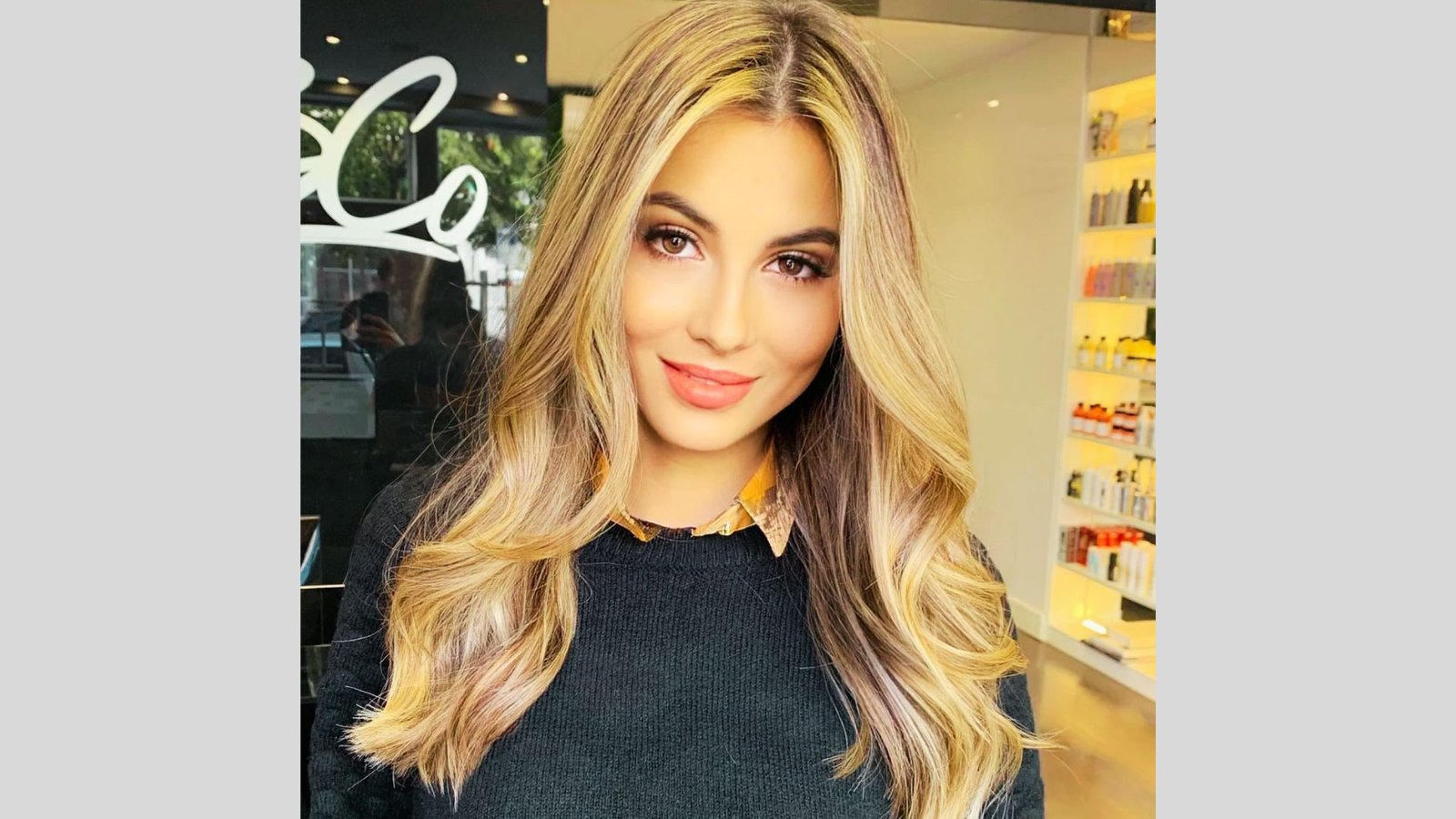
Hand painted color that blends warm tones throughout. Starts darker at roots and gradually lightens. Creates a lived in, natural gradient effect.
The technique looks effortless and modern. Grows out better than traditional highlights. Requires a skilled colorist for best results.
13. Brown to Red Ombré
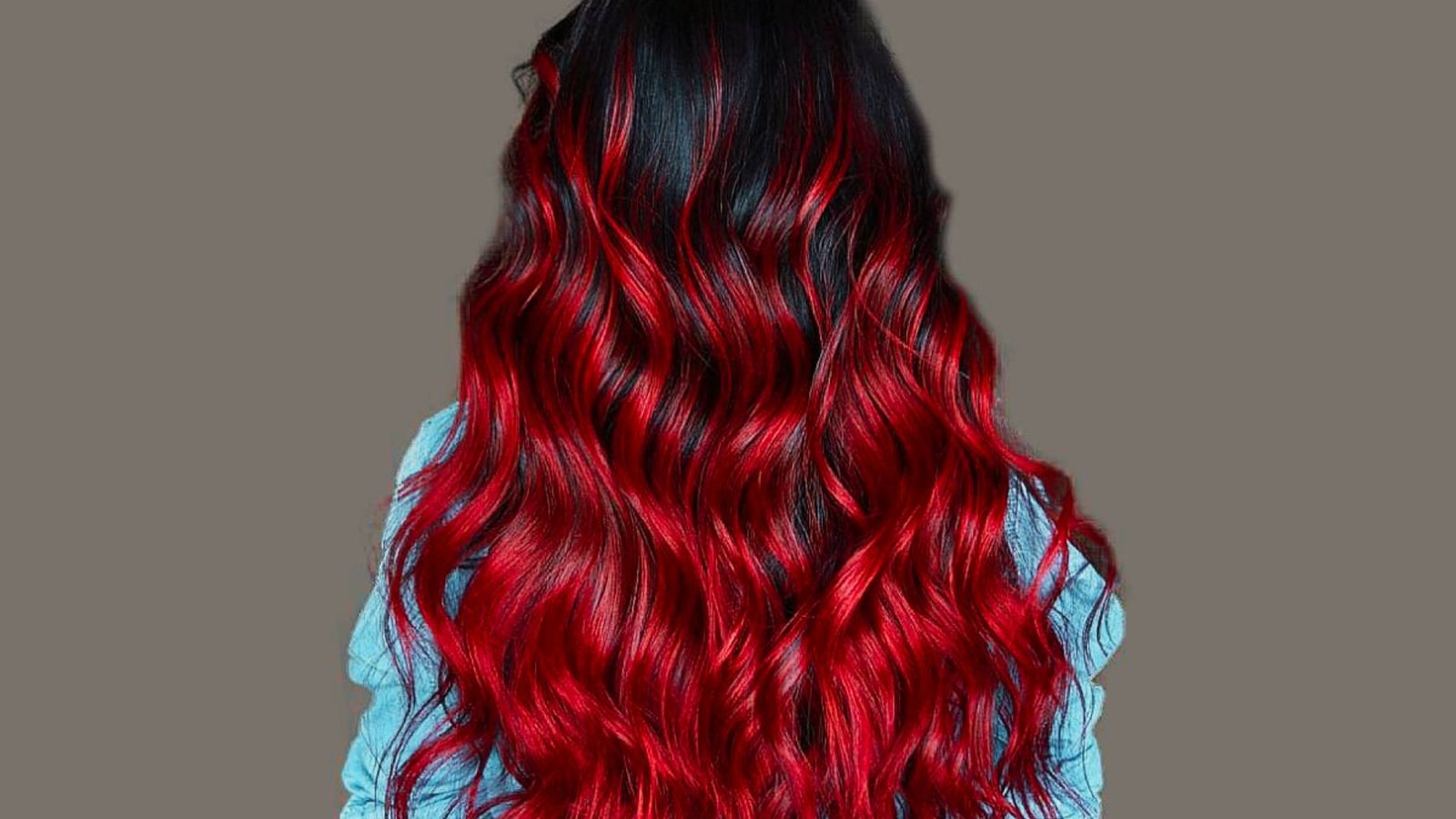
Brown roots transitioning to red or copper ends. More dramatic than balayage with clear color sections. Fun option for those wanting boldness.
The contrast makes a strong statement. You can cut off the color if you change your mind. Works well for long hair especially.
14. Rose Gold

Pinkish gold blend that’s trendy and warm. Softer than straight red, warmer than plain blonde. This shade needs regular maintenance to stay fresh.
The color fades to peachy tones over time. Best on pre lightened hair for true results. Instagram worthy but requires commitment to upkeep.
15. Light Auburn
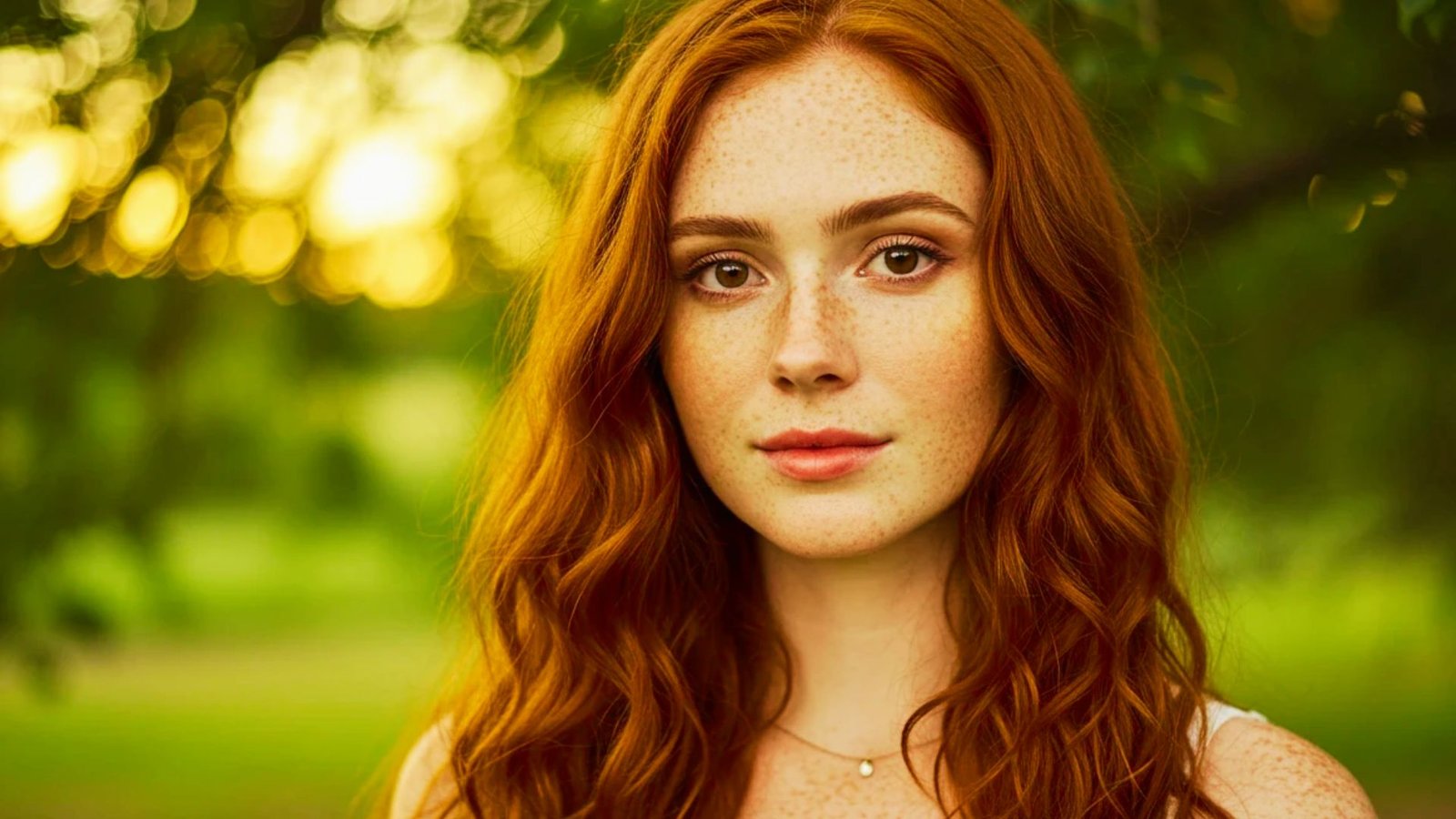
Warm reddish brown that’s noticeable but wearable. Has more red than chestnut, less than copper. Great middle ground for red hair lovers.
The color works in professional settings. It adds warmth without looking unnatural. Good stepping stone to brighter reds.
16. Copper Red

Bright, warm red with orange undertones. Bold and eye catching on warm skin tones. Requires confidence and regular color upkeep.
This shade fades faster than other colors. It needs frequent toning and color refreshes. Makes a powerful statement when maintained well.
17. Mandarin / Apricot
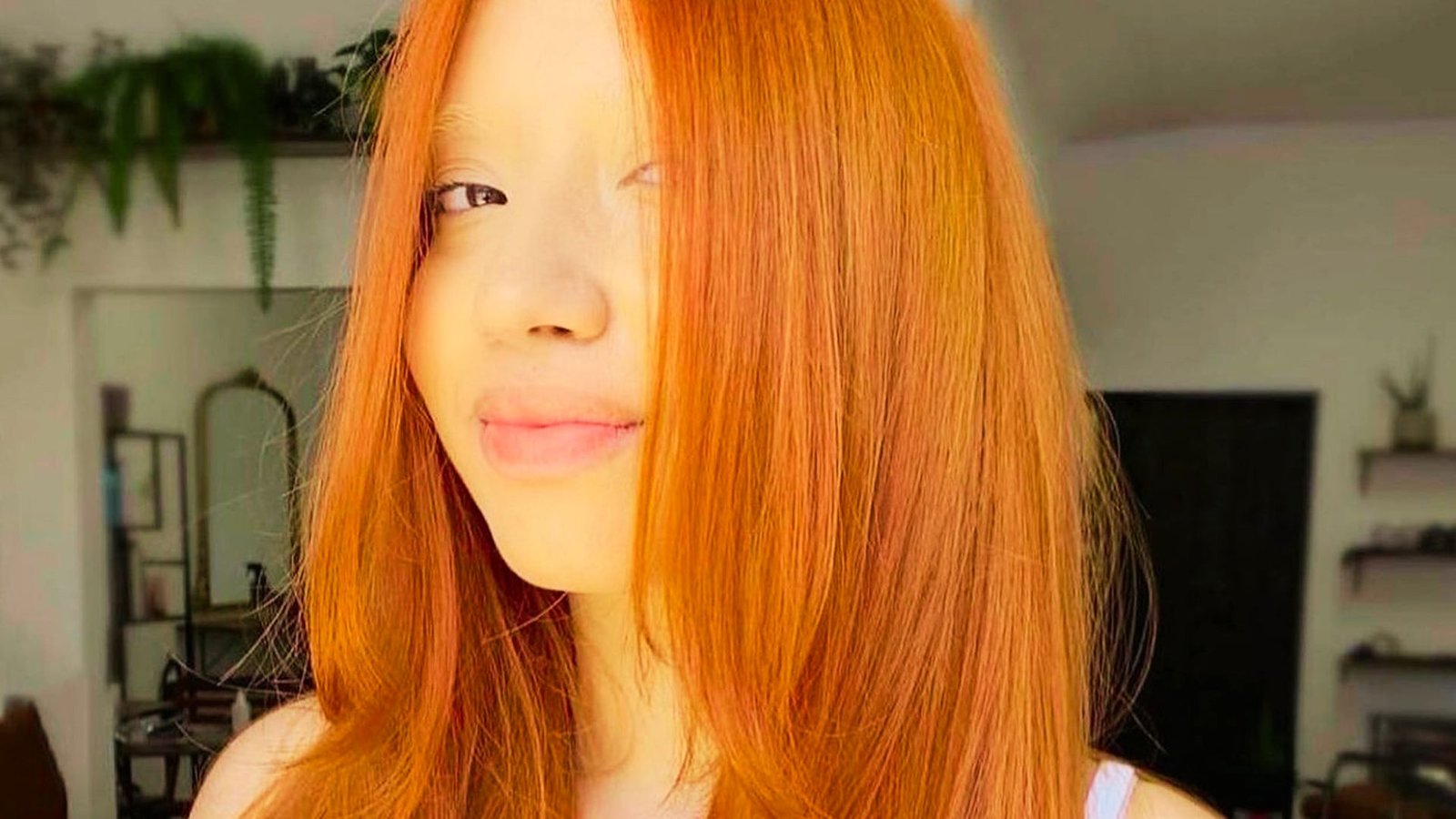
Peachy orange tones that feel playful and bright. More unusual than traditional reds or blondes. Perfect for those wanting something different.
The color stands out in any crowd. Works best on pre lightened hair. Requires a colorist experienced with vivid shades.
Community Advice and Experiences
Real people with warm spring complexions share what works for their hair. Many love honey blonde and caramel highlights for adding warmth without major changes.
These shades get compliments and feel natural. Some tried ash or cool tones and regretted it immediately. Their skin looked gray and tired.
Others recommend starting with highlights before going full color. You can always go bolder later. Share your experience in the comments. What warm shade worked best for you?
Hair Care and Maintenance for Warm Spring Shades
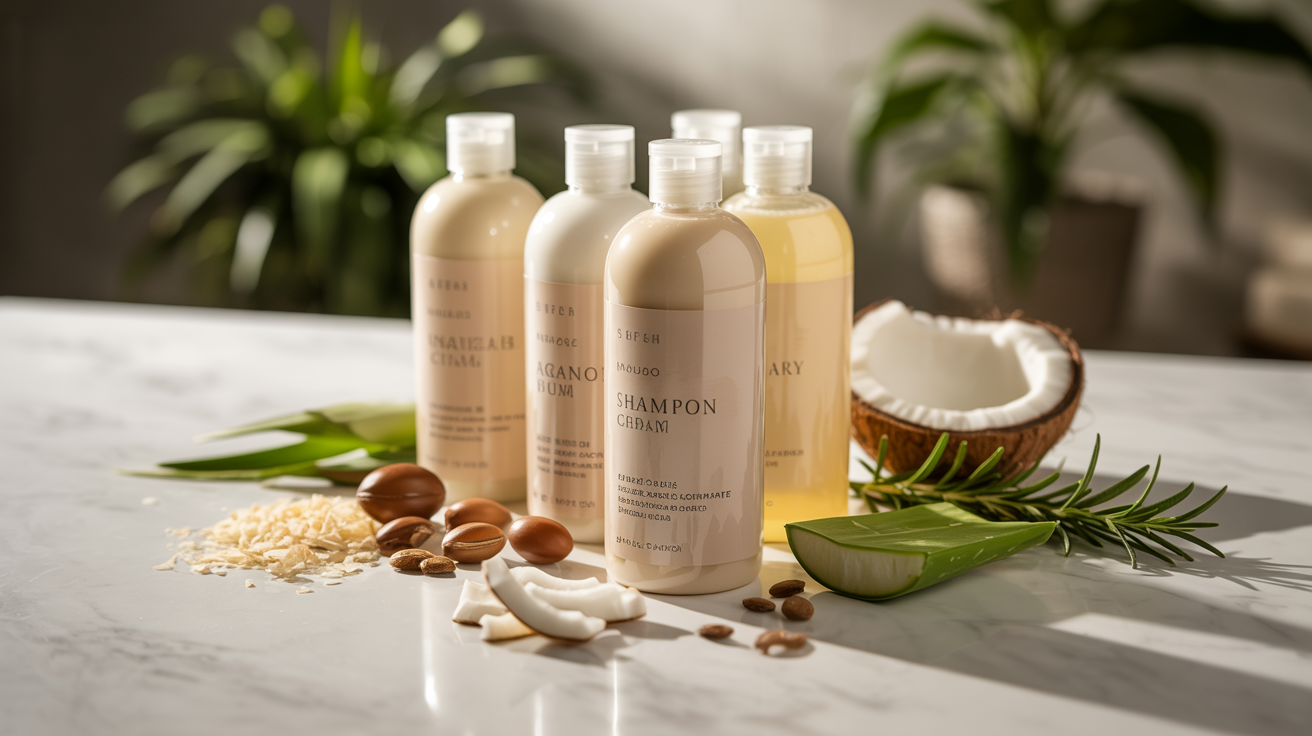
Proper care keeps your warm tones looking fresh and prevents fading. Warm colors fade faster than cool tones. Use color depositing shampoos between salon visits.
Choose sulfate free shampoos for color treated hair. Use gold or copper formulas, not purple shampoo. Deep condition weekly.
Protect from sun and chlorine with hats and UV sprays. Use heat protectant before styling. Lower heat prevents fading.
Tips for Choosing the Right Shade
Making smart choices helps you get the hair color you actually want.
- Talk to a colorist before your first major color change. They see your skin, eyes, and hair together and can mix custom shades for your specific tones.
- Test colors with semi permanent dyes or one day sprays first. Temporary options let you experiment without long term commitment and see how colors look on your actual hair.
- Match shades to your eye color. Green eyes pop with copper and auburn tones, while blue eyes glow next to golden blonde.
- Work with your natural hair base when possible. Going more than three shades lighter requires bleaching, so staying closer to your depth is easier.
- Use color safe, sulfate free shampoos and wash less often. Conditioning treatments and glosses refresh your color between appointments, and heat protectant prevents fading from styling.
Conclusion
These 17 warm spring hair colors give you plenty of options for your next change. I’ve tried golden highlights and honey brown myself, and the difference in how my skin glowed surprised me.
Warm tones just work better than the cool shades I fought with for years. Start with one shade that speaks to you. Try a temporary color if you’re nervous.
Your perfect warm tone is waiting, and you’ll know it when you see it in the mirror. Drop a comment about which color you’re considering or share photos of your warm spring hair wins.
Frequently Asked Questions
What hair colors should warm spring complexions avoid?
Avoid ash, platinum, or cool toned colors that have blue or gray bases. These shades clash with golden undertones and make your skin look dull or sallow instead of glowing.
Can I go from dark hair to blonde as a warm spring?
Yes, but choose golden or honey blondes instead of platinum or icy shades. Going very light requires bleaching, so work with a professional to prevent damage and keep warmth in the color.
How often should I refresh warm hair color?
Permanent color needs touch ups every 6 to 8 weeks for roots. Glosses or toners can refresh warmth every 4 to 6 weeks. Home color depositing products extend time between salon appointments.
Do warm spring people look good with red hair?
Absolutely, especially copper, auburn, and cinnamon reds with orange undertones. Avoid burgundy or violet based reds since those cool tones won’t complement your warm skin and eyes.
What’s the easiest warm color to maintain?
Highlights or balayage require less upkeep than all over color since roots blend naturally. Shades close to your natural hair color also need fewer touch ups and fade less noticeably.