
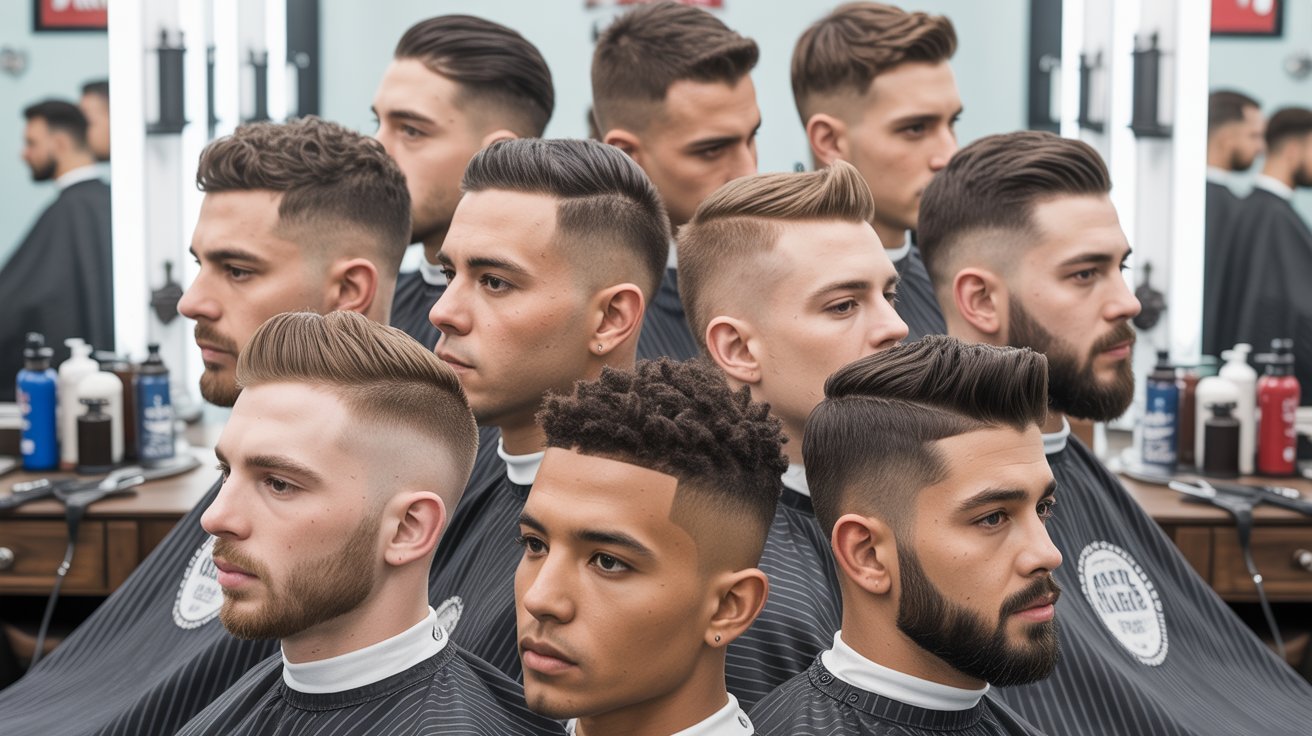



Looking for the perfect fade? I’ve got you covered. This guide shows you 33 types of fades that work for any style. I’ll walk you through each one so you can find your match.
From classic cuts to modern trends, I’ve tested and researched these styles to help you make the right choice. You’ll learn which fade fits your face shape and hair type.
I’m breaking down low fades, high fades, and everything in between. No confusing jargon. Just clear advice from someone who gets it.
By the end, you’ll know exactly what to ask your barber for. Let’s find your next go-to look.
Why Fades Are a Must Know Hairstyle?
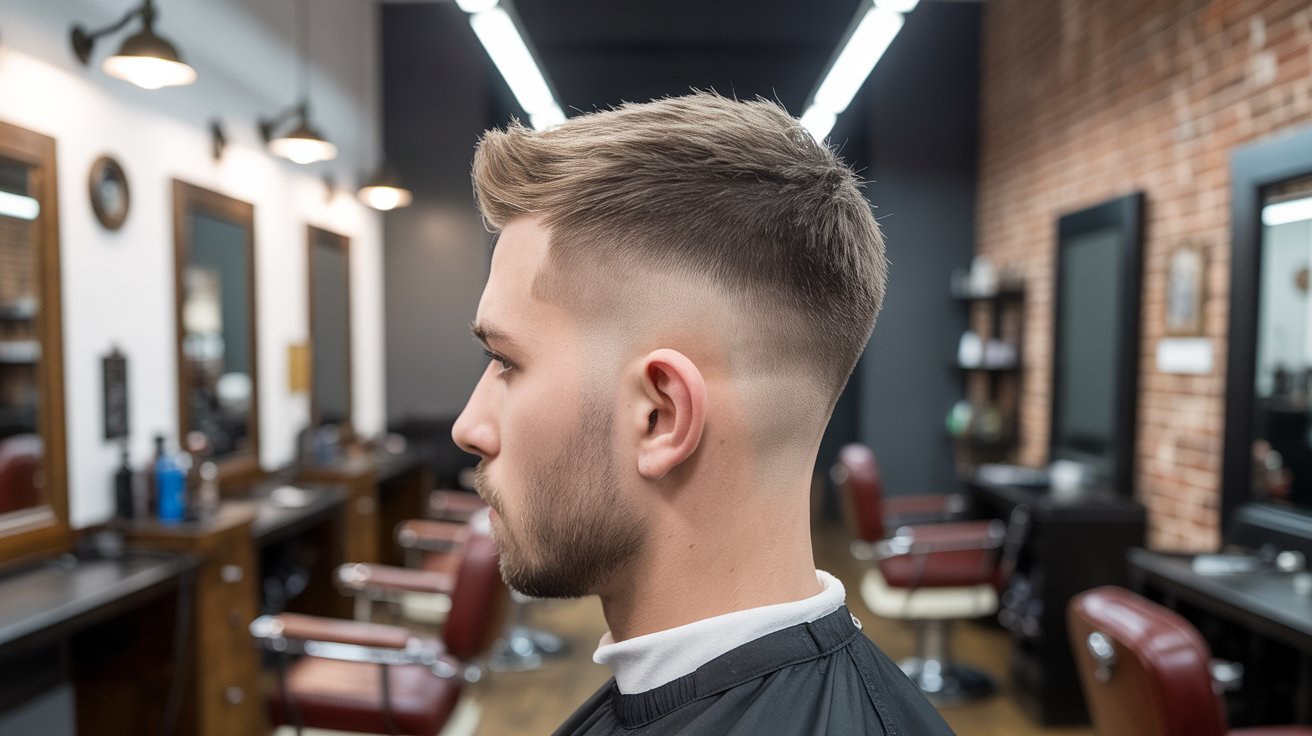
Fades blend heritage with modern style, adapting to any hair texture while letting you express your unique personality effortlessly.
Fades started in military barracks and Black barbershops. Now they’re everywhere. They work for any face shape and hair type. Go subtle or bold.
Pair them with any style. They save time and match any dress code. A good fade changes how you carry yourself.
33 Types of Fades for Every Style
From classic cuts to modern trends and textured styles, here are all 33 fade variations to match your face shape, hair type, and personal style.
Classic Fades
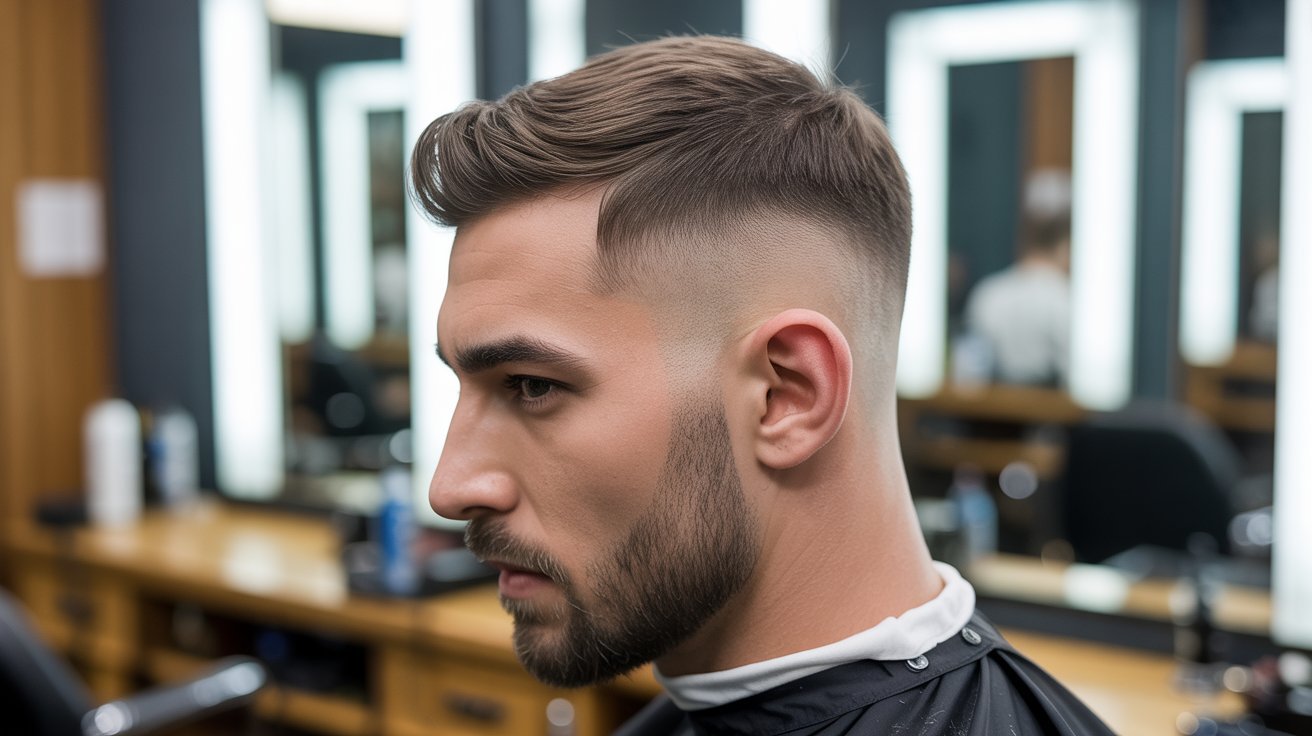
- Low Fade: The low fade starts just above your ears. It’s subtle. The hair gradually gets shorter as it moves down toward your neckline.This cut suits conservative workplaces and guys who want style without screaming for attention.
- Mid Fade: This fade begins right at ear level. It sits in the middle ground between low and high fades. Hence the name. It balances length on top with clean sides.
- High Fade: Bold move. The high fade starts near your temples. Lots of skin shows on the sides. Angular faces look sharp with this cut. It adds height and draws eyes upward. Maintain it every two weeks. The contrast is strong, so regrowth shows faster.
- Skin Fade: This fade goes all the way down to bare skin. No hair at the bottom. Pure scalp. You can get it low, mid, or high. Each version has its own vibe. Low skin fades are professional. High skin fades are aggressive.
- Taper Fade: The taper fade keeps some length near your neckline and sideburns. It’s less dramatic than a skin fade. Slick it back, brush it forward, or leave it textured. The gradual fade works with everything.
- Drop Fade: The fade curves down behind your ear instead of going straight. It follows your head’s natural shape. Round and oval faces benefit most. The curve adds dimension.
- Burst Fade: Picture a semicircle around your ears. That’s the burst fade. It radiates out from behind your ear. Mohawks and faux hawks. The circular shape complements the height.
- Temple Fade: This fade focuses on your temples. The rest stays longer. It originated in Brooklyn barbershops. Works beautifully with afros, curls, and locs. Keeps volume while adding shape. Ask for clean lines at the temples. The contrast makes your natural texture pop.
- Shadow Fade: Soft and subtle. The shadow fade leaves a gentle gradient. You can see the shadow of hair at the bottom. Goes three to four weeks between cuts. Perfect for busy schedules. The blend is gentle. No harsh lines. Just smooth transitions.
- Low Skin Fade: This version brings skin fade precision to the lower portion. High impact without the high maintenance. Clean enough for business. Cool enough for weekends. Start the fade below your ears. Taper to skin right at the neckline.
- Mid Skin Fade: The most popular skin fade variation. Starts at ear level and tapers to bare skin. Not too subtle. Not too bold. Right in the middle. This cut gets the most requests in barbershops. There’s a reason for that. It just works.
- High Skin Fade: Maximum contrast. This fade starts high and goes to skin fast. Sharp lines. Bold presence. You’ll turn heads. The high skin fade doesn’t hide.Pair it with textured tops or slicked-back styles. The clean sides make any top style pop.
- Taper Fade with Fringe: Modern and textured. The taper fades on the sides and meets choppy fringe on top.Brush the fringe forward. Add texture with clay or paste. Change it daily if you want. The fade keeps it clean while the fringe keeps it casual. Best of both worlds.
- Taper Fade Messy Fringe: Take the fringe and rough it up. The taper fade stays tight while the top looks effortlessly tousled. Appears undone but takes skill to create. Apply sea salt spray and scrunch. Less formal than a neat fringe. More personality. Same clean fade.
- Taper Fade Textured Fringe: Layered bangs with movement. The taper fade provides structure. The textured fringe provides character.Keeps hair off your forehead but shows style.
- Taper Fade Middle Part: Clean the center part on top. Smooth tapers fade on the sides. Classic meets contemporary. Boardroom appropriate. Still shows you care about style.
- Taper Fade French Crop: A short fringe swept forward. Clean the horizontal line across the forehead. Taper fades on the sides. Takes two minutes to style. Looks intentional all day.
- Taper Fade Crew Cut: Military inspired length on top. Tight tapers fade on sides. Short, clean, masculine. Wash and go. No products needed.Keep the top around half an inch. The fade prevents the “boot camp” look.
- Taper Fade Buzz Cut: Minimalist approach. Uniform short length on top. Clean taper fade below. Cool and practical. Shows off head shape. Go with a number 2 or 3 on top. The fade keeps it from looking too basic.
- Taper Fade Mohawk: Spiked strip down the center. High tapers fade on both sides. Rock inspired but wearable. Bold for nights out. Slick it down for work if needed.
- Taper Fade Mullet: Longer layers in back. Sharp tapers fade on the sides. The 80s are back, refined. Not your dad’s mullet. The taper fade modernizes the whole look. Keep length at the nape. The fade prevents it from looking dated.
- Taper Fade Quiff: Volume brushed back and up. Taper fade keeps the sides clean. Classic with attitude. Adds vertical lift. Great for shorter guys. Blow dry up and back. Use medium-hold pomade to shape. The fade makes the quiff look taller.
- Taper Fade Pompadour: High volume swept back. Dramatic height on top. Clean tapers fade on sides. Old school glamour. Modern execution. Blow dry back and up. Use heavy pomade for hold. The fade lets the pompadour shine.
- Taper Fade Slick Back: Smooth and polished. Hair brushed straight back. Taper fade provides clean contrast. Sophisticated and professional. Shows attention to detail. Apply pomade to damp hair. Comb back smoothly. The fade keeps it from looking too slick.
- Taper Fade Comb Over: Side part with hair swept across. The taper fades on the sides. Timeless and refined. Respectable and stylish. Never goes out of fashion.
- Taper Fade Edgar: Straight blunt fringe across the forehead. Clean tapers fade on sides. Popular in Latino communities. Geometric lines. Strong presence.
- Taper Fade with Beard: The fade blends into your facial hair. Creates one continuous line from hair to beard. Face framing perfection. Everything connects. Tell your barber to match the fade line to your beard line. Seamless transition is key.
- Taper Fade Blowout: Airy volume on top. Lots of height and movement. Taper fade grounds it. Natural looking lift. Appears fuller. Blow dry upward with a round brush. The fade prevents the blowout from overwhelming your face.
- Taper Fade Curly Hair: Natural curls on top. Clean fade on sides. Shows off your texture. Let your natural pattern shine. The fade adds structure. Use curl cream on damp hair. Let it air dry. The fade prevents the “triangle head” look.
- Taper Fade Wavy Hair: Soft waves on top. Gradual tapers fade on the sides. Relaxed and natural. Your natural wave becomes the feature. Apply light mousse. Scrunch while drying. The fade keeps it shaped.
Trendy & Modern Fades
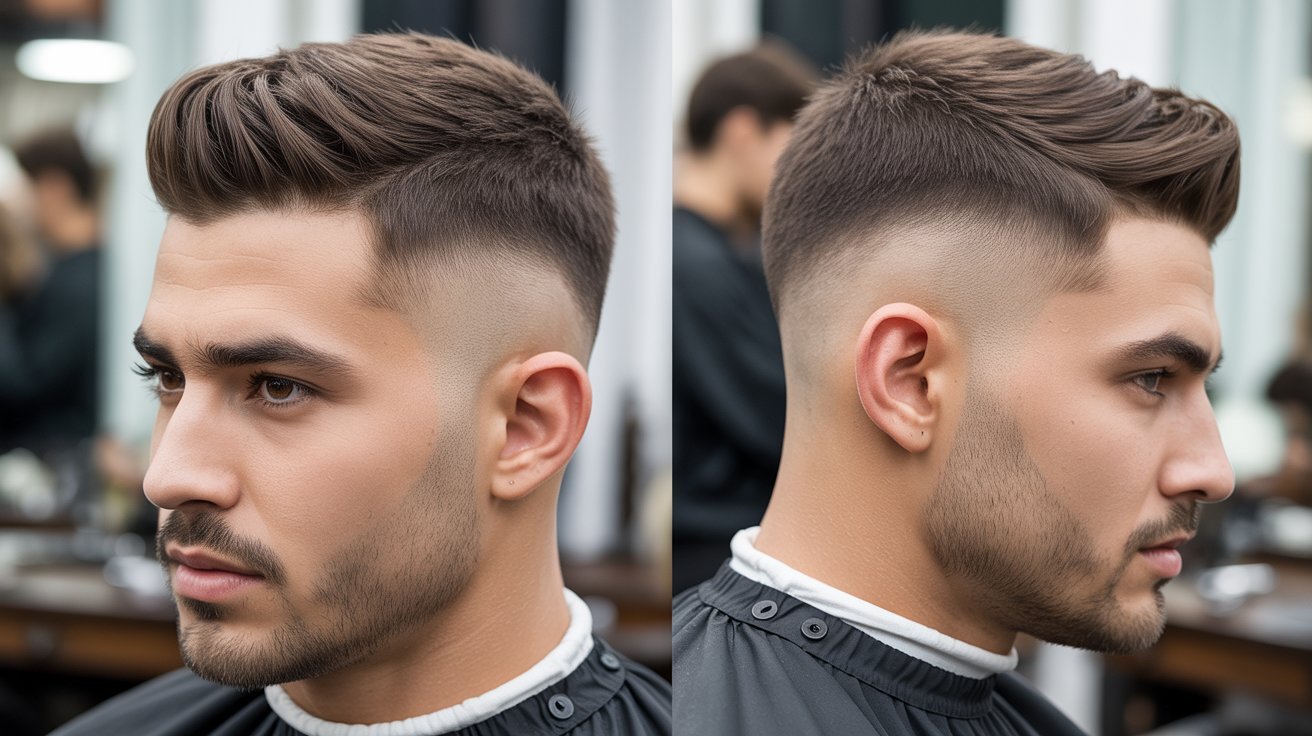
Special & Textured Fades
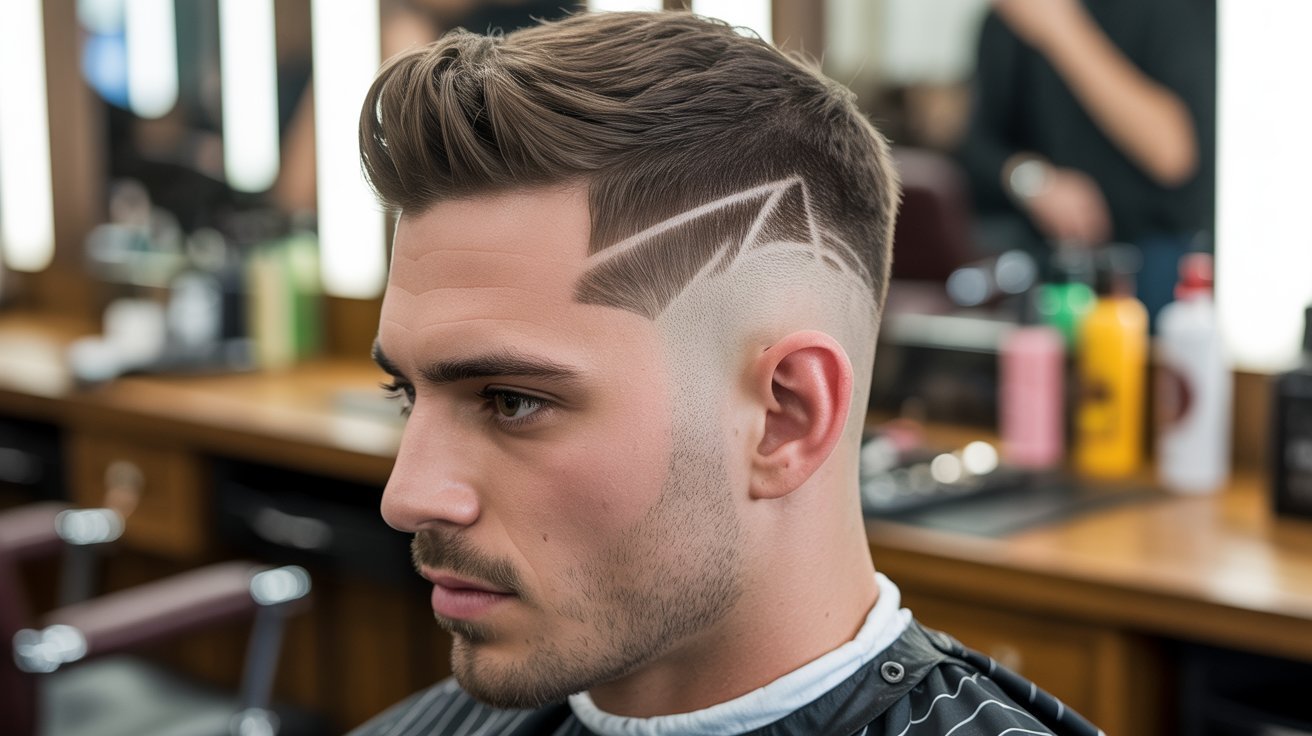
31.Taper Fade Fluffy Hair: Maximum volume on top. Soft and airy texture. Subtle taper fade for balance. Soft and youthful. Approachable style. Blow dry with volume powder at the roots. The fade prevents it from looking puffy.
32.Taper Fade Perm: Tight curls from a perm. Clean taper fade below. Texture meets precision. Curls that last months. Fade keeps it modern. Maintain the perm every 3 to 4 months. Keep the fade fresh every three weeks.
33.Taper Fade Dreads: Dreadlocks on top. Structured tapers fade on sides. Traditional meets contemporary.Respects the tradition. Updates the presentation.
Choosing the Right Fade for You
Selecting your ideal fade requires understanding your face shape, hair characteristics, and lifestyle to achieve the most flattering result.
Match your face shape: high fades for round faces, mid or low for oblong faces. Square and oval faces work with any height.
Thick hair handles any fade. Thin hair needs low to mid fades. Curly hair pairs well with temples and burst fades.
Skin fades need touch-ups every two weeks. Regular fades last three weeks. Talk to your barber. Bring photos. Experiment.
Conclusion
I’ve worn fades for years. They’ve taken me from job interviews to first dates. The right fade changes how you feel walking out of the barbershop.
You’ve seen 33 options here. Pick one that matches your life. Start with a mid fade if you’re unsure. It’s the safe bet that still looks sharp.
Book that appointment. Show your barber this guide. Try something new. Drop a comment below with which fade you’re trying first. I want to hear about it.
Frequently Asked Questions
How often should I get my fade touched up?
Skin fades need touch-ups every 10 to 14 days. Regular fades last three weeks. Taper fades can go up to four weeks.
Can I fade if I have thin hair?
Yes, stick with low to mid fades. They keep more hair on the sides and create fullness. High fades might expose too much scalp.
What’s the difference between a taper and a fade?
A taper keeps some hair at the bottom. A fade goes shorter, often to skin. A taper fade combines both approaches.
Do fades work with curly or textured hair?
Absolutely. Temple fades, burst fades, and drop fades complement natural texture perfectly. The fade adds shape while showcasing your curls.
How do I maintain my fade between barber visits?
Keep your neckline clean and moisturize your scalp. Use the right products for your style. Don’t wait too long between professional cuts.