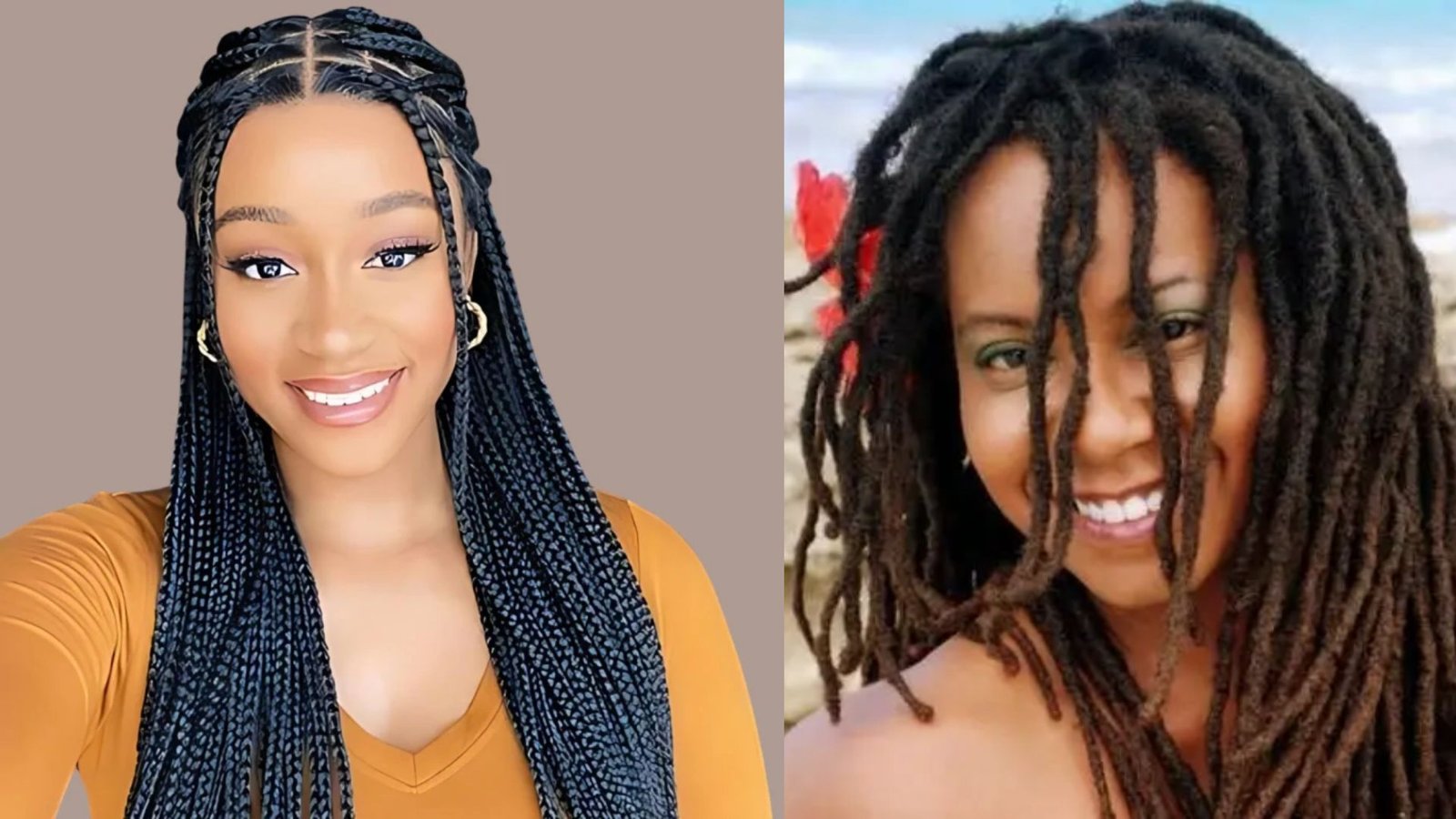




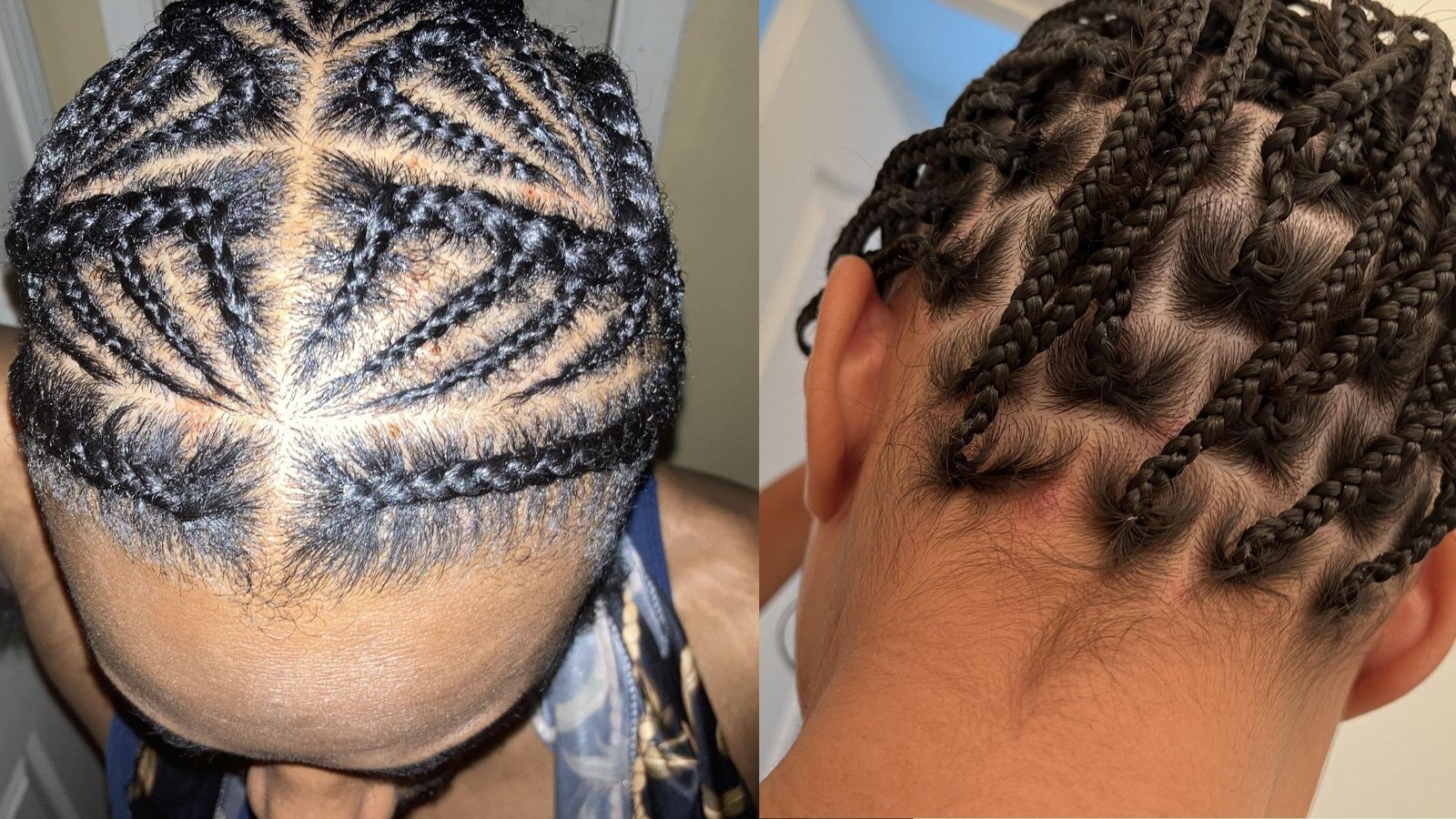




You are thinking about getting knotless braids and want honest answers about how long they really last. That makes sense since this style takes hours to install and costs money. Before sitting in the chair, it helps to know what you are signing up for.
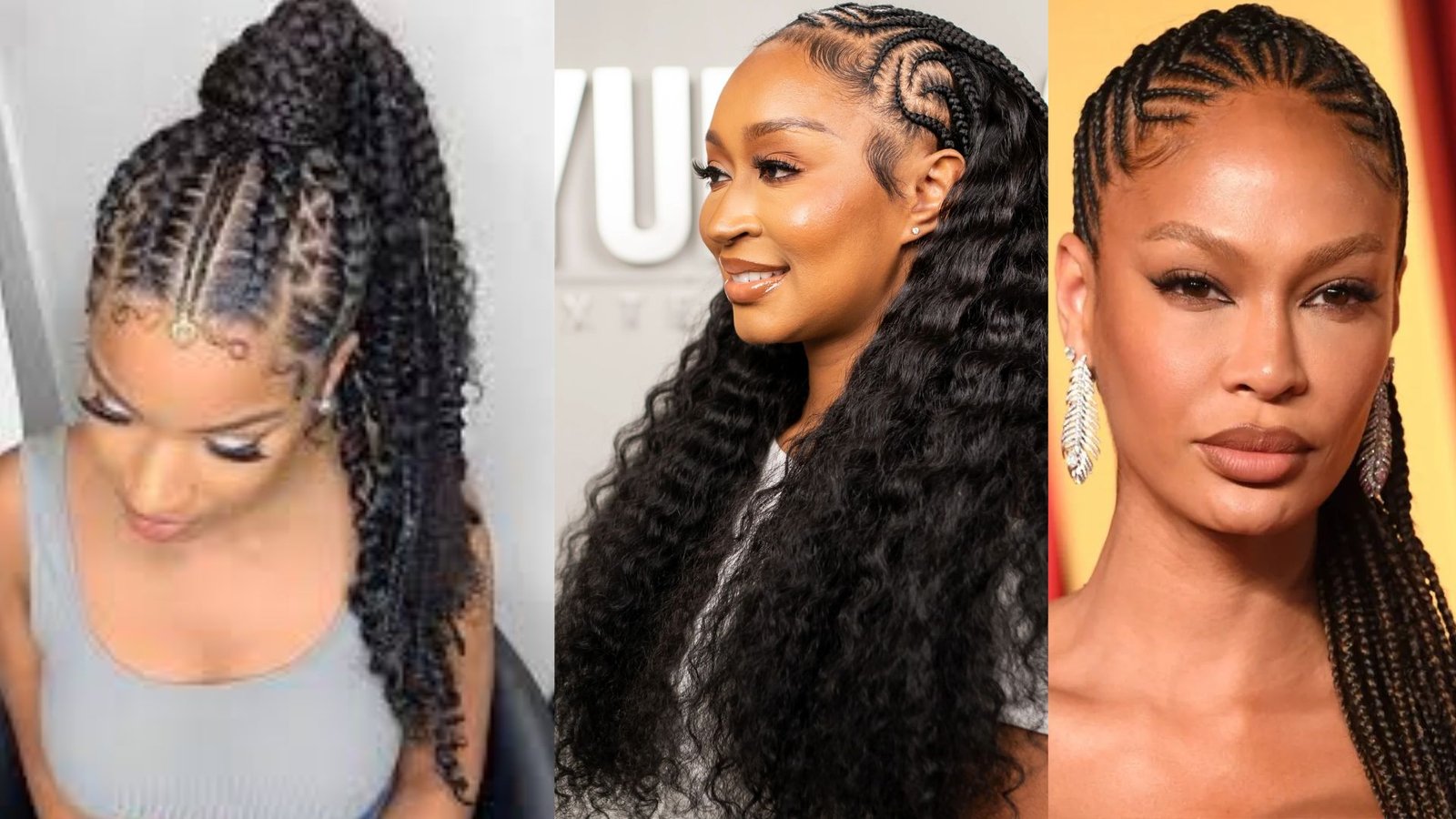
Knotless braids feel lighter and more comfortable than box braids. They sit flat on the scalp and avoid the tight pulling that many people dislike. The look feels soft and natural, but there is a tradeoff. They usually do not last as long as traditional box braids.
How long they stay neat depends on your hair texture, daily care, and braid size. Some people reach four weeks while others manage closer to eight. This guide explains realistic timelines, what affects wear time, how to extend it, and clear signs.
Average Lifespan Timeline
Most knotless braids give you a solid month to six weeks. That’s the sweet spot where they still look fresh, and your hair stays healthy underneath.
Some sources claim 12 weeks maximum. But here’s the truth: your scalp needs a break. Even if the braids technically hold up, keeping them in that long can damage your natural hair. I wouldn’t recommend going past 8 to 10 weeks, no matter how good they look.
Comparison by Braid Size
Smaller braids last longer. It’s that simple. They’re woven more tightly and hold their shape better than chunky styles.
Medium knotless braids typically give you 6 to 8 weeks. Large and jumbo braids? They loosen faster because there’s more weight pulling on fewer sections. If you want longevity, go smaller. The trade-off is installation time. Small braids can take 6 to 7 hours, while jumbo braids might only take 2 to 3 hours.
How Hair Texture Affects Duration?
Coarser hair with tight curls can hold knotless braids for 8 to 12 weeks. The natural texture grips the extensions better. It’s just physics.
Silkier hair types usually get 6 to 8 weeks max. Fine strands slip out of braids more easily, and you’ll notice separation sooner. It’s not a flaw in your hair. It’s just how different textures work with this style. You’ll see more frizz and loosening around the hairline first.
Knotless Braids vs Traditional Box Braids Longevity

Traditional box braids last longer than knotless braids, typically 8 to 12 weeks, thanks to the tight knot at the base that secures the extensions firmly.
|
Feature |
Traditional Box Braids |
Knotless Braids |
|
Longevity |
Lasts 6 to 12 weeks, depending on size (smaller lasts longer) |
Shorter lifespan, loosens faster over time |
|
Installation |
Knot at the base creates immediate tension, extensions added at the root |
Gradually fed-in extensions, start with natural hair, less root tension |
|
Comfort |
Can feel tight and heavy, may cause scalp discomfort |
Less tension, more comfortable for sensitive scalps |
|
Hair Health |
More tension may stress the edges and scalp |
Reduces the risk of traction hair loss and scalp damage |
|
Usage Strategy |
Ideal for long-lasting protective style |
Can be alternated with box braids to give the scalp a break while still protecting hair |
Factors That Affect How Long Knotless Braids Last
How long your braids last depends on several factors, some controllable and others not, but understanding them helps you extend their wear.
- Hair growth rate affects how quickly new roots appear, with 1 to 2 inches signaling it’s time to remove braids.
- Frequent styling and manipulation cause frizz and tension, shortening the lifespan of your braids.
- Heavy oils and creams create buildup, making braids look dull and unravel faster.
- Environmental factors like sun, humidity, swimming, and sweat can dry out hair and loosen braids.
- Installation quality matters. A skilled stylist and a clean scalp ensure braids last longer than DIY attempts.
Signs It’s Time to Remove Your Knotless Braids
Pay attention to your braids as they signal when they need to come out. Removing them early is better than risking breakage.
- Visible new growth around two inches makes braids look loose and untidy, especially at the front hairline.
- Excessive frizz and tangles at the base indicate the braids are aging and need a fresh style.
- An itchy or irritated scalp signals buildup or tension, showing that your scalp needs a break.
- Wearing braids beyond eight to ten weeks increases the risk of breakage and matting.
- Even if braids appear fine, prolonged wear can harm your natural hair and scalp health.
Installation Time and Cost Considerations
Getting knotless braids takes more time and money than expected, so planning is essential.
- Installation time varies by size and length, ranging from 2 to 12 hours, with smaller braids taking longer and stylist skill affecting speed.
- Knotless braids typically cost $150 to $600, influenced by location, stylist expertise, braid size, length, and intricacy.
- The time investment yields 4 to 8 weeks of wear, shorter than traditional box braids, so weigh comfort and lifespan against cost and lifestyle.
Why Knotless Braids Are Worth It Despite Shorter Lifespan?

I choose knotless braids because their comfort and scalp-friendly benefits outweigh their shorter lifespan compared to traditional box braids.
- Knotless braids cause minimal tension and pain during installation, making them comfortable from day one.
- They are healthier for natural hair, reducing breakage at roots and edges while protecting fragile ends.
- The braids lie flat against the scalp, creating a natural, seamless look with more styling versatility.
- Removal is easier and gentler, with less risk of pulling and hair loss compared to traditional box braids.
- Knotless braids allow immediate styling flexibility, letting you pull them into updos without discomfort.
Conclusion
Knotless braids usually last around four to six weeks, and with careful maintenance, up to eight weeks. They may not hold as long as box braids, but the comfort is worth it. Less tension means less strain on the scalp and edges, and the natural look is easier to manage.
How long they last depends on hair texture, braid size, and your care routine. Smaller braids on coarser hair often stay neat longer. Protect them at night, keep your scalp moisturized, and avoid washing too often. Watch for frizz, new growth, or scalp irritation. These are signs it’s time to take them down.
When you know what to expect and maintain them properly, knotless braids are a worthwhile investment. How long did yours last? Share your experience in the comments below.
Frequently Asked Questions
How long do knotless braids typically last?
Knotless braids typically last 4-6 weeks on average, but can extend up to 8 weeks with proper care. Some people keep them for up to 12 weeks, though most stylists recommend removing them by 8-10 weeks to prevent breakage and matting.
Do knotless braids last longer than regular box braids?
No, knotless braids generally don’t last as long as traditional box braids. Box braids can last 8-12 weeks, depending on size, while knotless braids typically last 4-8 weeks. The trade-off is less tension and reduced scalp damage.
What makes knotless braids fall out faster?
Knotless braids use less tension at the roots, which makes them more comfortable but also less secure than traditional box braids. The gradual feed-in technique doesn’t create the tight knot that holds box braids in place longer.
How can I make my knotless braids last longer?
Protect your braids at night with a silk scarf or bonnet, moisturize your scalp regularly with lightweight oil, wash every 1-2 weeks with gentle shampoo, and avoid tight styling that adds tension to your roots and edges.
When should I take down my knotless braids?
Remove knotless braids when you see significant new growth (1-2 inches at roots), excessive frizz that can’t be smoothed, or if your scalp feels itchy or irritated. Never keep them longer than 10 weeks to avoid breakage.