





Braids are one of the most reliable protective styles. They last for weeks, look neat, and give natural hair a break from daily handling. Problems start when people assume braids need no care. I learned this after dealing with dry hair and weak edges.
Braids only help when you care for what is underneath. Skipping moisture, ignoring the scalp, or keeping them in too long can cause breakage. My hair improved once I followed a steady routine and stayed consistent.
This guide explains what to do before installing braids and how to remove them safely. You will learn how to keep your scalp comfortable, protect your edges, and maintain clean-looking braids for their full wear time. The focus stays on clear steps that work.
Why Proper Braid Care Matters?
Most people think braids are a set-it-and-forget-it style. That’s the biggest mistake you can make. Skip the maintenance, and you’ll end up with broken edges, split ends, and damaged hair when you finally take them down.
I’ve heard it a hundred times: “Once my hair is in braids, I don’t have to do anything until I take them out.” That’s completely false. Braids without proper care cause more damage than leaving your hair out. Your scalp gets dry and itchy, buildup forms at the roots, and your edges start thinning from constant tension.
The truth? Braids can help your hair grow when you take care of them properly. I’ve seen people add inches to their length with braids. But only when they follow a consistent care routine that includes moisturizing, washing, and protecting their hair every single week.
Important Pre-Braiding Preparation
What you do before getting braids matters as much as maintaining them. Start with a clean foundation for longer-lasting braids and healthier hair.
Washing and Deep Conditioning Before Installation

Never get braids on dirty hair. I know it seems easier to skip washing, but that buildup under your braids will cause problems. Wash your hair thoroughly and let it dry completely before your appointment.
Deep condition before braiding. Your hair needs extra moisture and strength before being tucked away for weeks.
Use a protein treatment if your hair is weak or damaged. This prep work makes a huge difference in how your hair looks when you take the braids down.
Timing Your Braids After Chemical Treatments

If you’ve recently relaxed your hair, wait. Give it 3 to 4 weeks minimum before getting braids. Relaxed hair is already stressed from chemical processing. Adding braiding tension too soon doubles the damage.
I’ve seen people lose entire sections of hair from braiding too soon after a relaxer. Your hair can’t handle both stresses at once. Be patient and let your hair recover first.
Communicating with Your Stylist
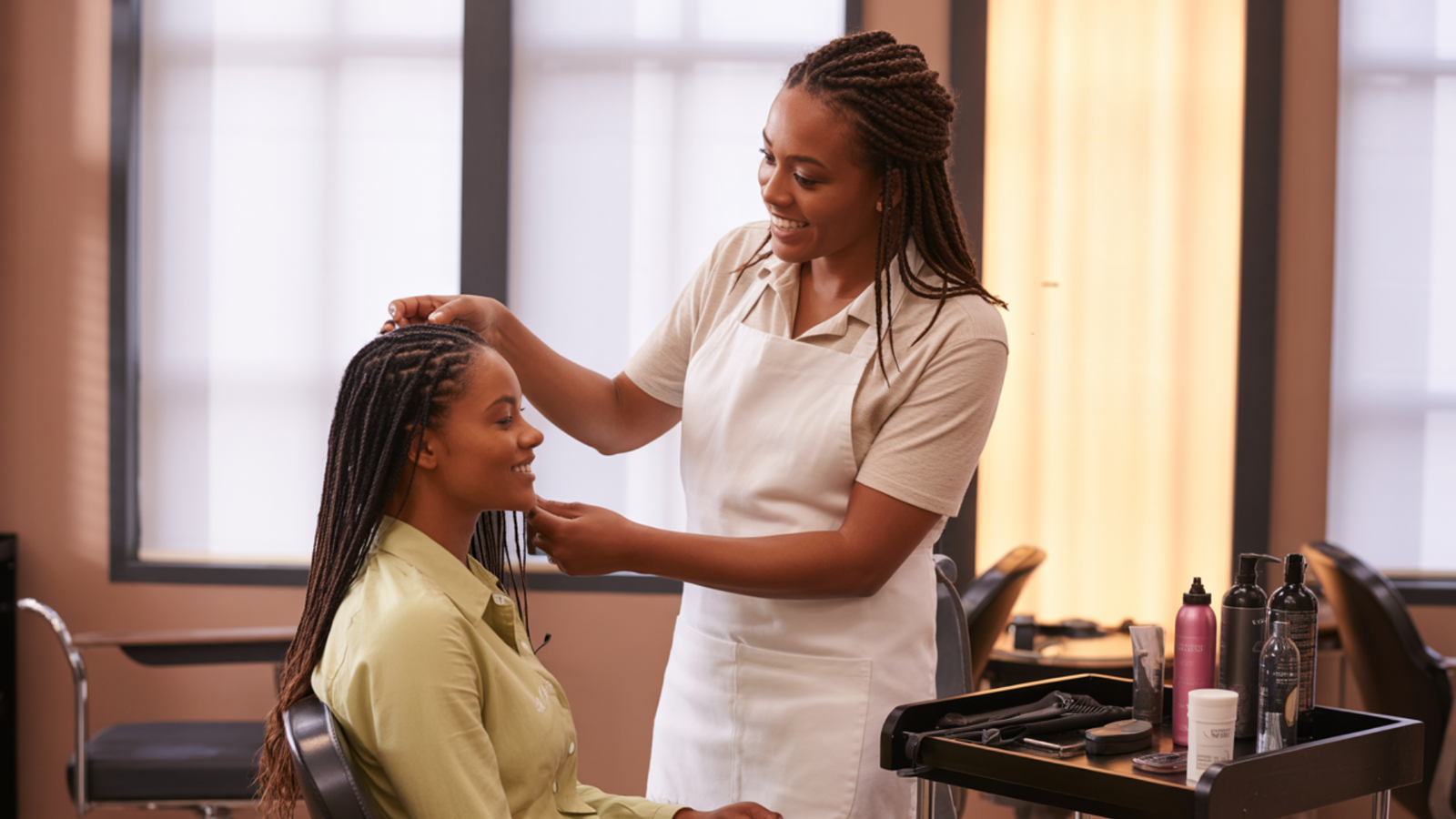
Speak up during installation. If the braids feel too tight, say something immediately. Your scalp shouldn’t hurt. Some tension is normal, but pain means damage is happening.
Ask your stylist to hold down your roots while braiding. This reduces pulling at the base. Make sure they’re being gentle around your edges and hairline. These areas are the most fragile and the first to break.
Daily and Weekly Braid Maintenance Routine
Keeping your braids fresh doesn’t take hours. A few minutes every few days prevents major problems. Think of it like watering a plant. Small, consistent care keeps everything healthy.
Keeping Your Scalp Moisturized
Your scalp needs water more than anything else. I spray my scalp with plain water every other day. Water is the best moisturizer, not heavy oils and gels that clog your pores.
Your roots are living tissue. They need hydration to stay healthy and produce strong hair. Heavy products sit on top and create buildup. Water actually penetrates and nourishes your scalp.
Oiling Your Scalp Regularly
After spraying with water, seal in that moisture with oil. I use coconut oil or anti-itch oil every 2 to 3 days. This is the most important step for braided hair. It stimulates your roots and prevents that annoying scalp itch.
Oil also prevents dandruff and keeps your scalp from getting too dry. Don’t overdo it, though. A light application is all you need. Too much oil creates a greasy buildup.
Moisturizing the Braids Themselves
Don’t just care for your scalp. Your braids need moisture along their entire length, too. A light oil sheen spray or a moisturizing spritz from root to tip works best.
How often you hydrate depends on your hair. Daily for very dry or damaged hair, every other day for normal hair, and twice a week if your hair retains moisture well. Keep your braids soft and flexible throughout their lifespan.
Cleaning Your Braids Properly
Dirty braids lead to buildup, itching, and eventually breakage. You have to wash them. I know it feels like a hassle, but skipping this step ruins your hair underneath.
Weekly Scalp Cleaning
Once a week, clean just your scalp. Use an antiseptic cleaner or diluted shampoo on a cotton pad. Part your braids in sections and wipe down your scalp between each row.
This prevents buildup right where your hair is braided. Buildup at the roots causes the most damage. It creates a breeding ground for bacteria and weakens your hair at the attachment point.
Washing Braids Every 2 Weeks Minimum
Every 2 weeks, do a full wash. I know it takes time and effort. But sweat, dirt, and product buildup don’t just disappear. They sit on your scalp, causing problems.
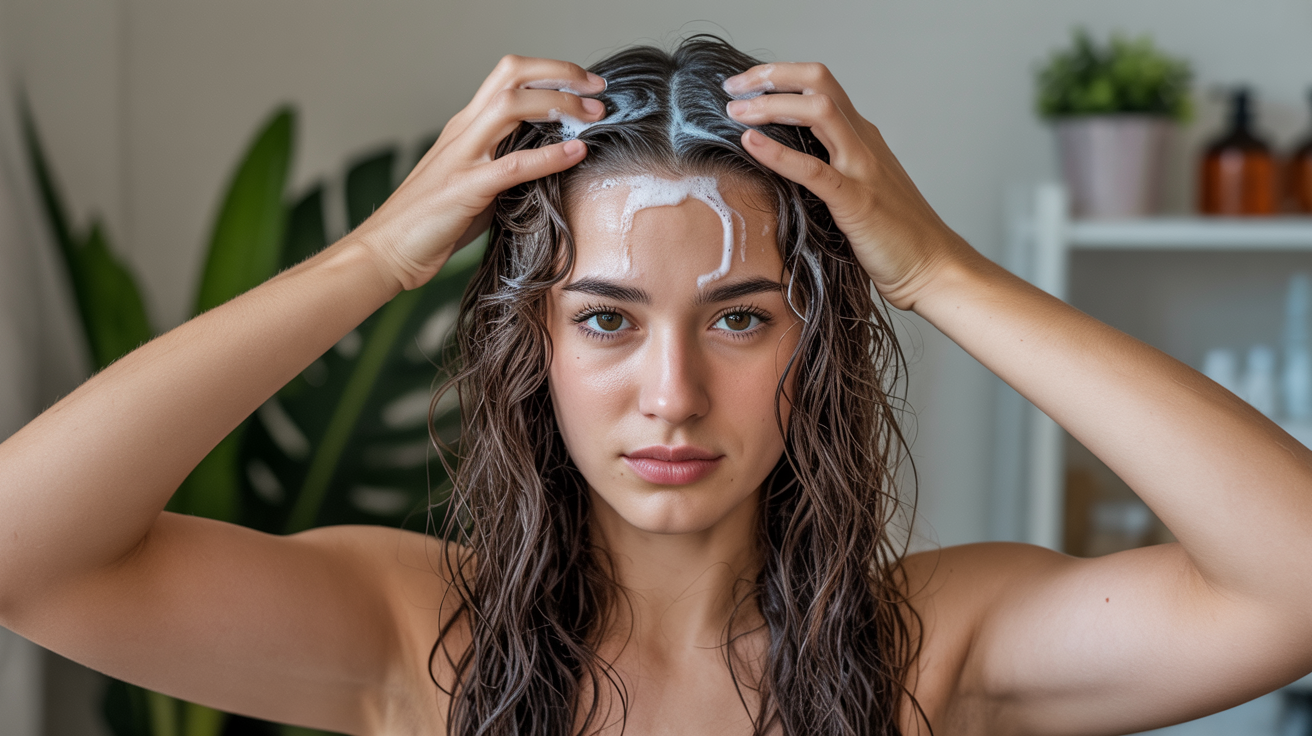
Use a sulfate-free shampoo diluted with water. Apply it gently to your scalp and braids. Never rub your braids together. That causes frizz and loosens them. Rinse thoroughly and let them air dry completely.
Dry Shampooing Method
If you cannot do a full wash, try the dry shampoo method. Dampen a washcloth with warm water and a small amount of shampoo, then wipe down your scalp in sections.
This method works well when you are short on time. It takes 10 to 15 minutes, cleans your scalp effectively, keeps braids from getting soaked, and should be followed by patting your scalp dry with a clean towel.
Protecting Your Edges and Hairline
Your edges are the most fragile part of your hair. Lose them once, and they might not grow back. I’m serious. Traction alopecia from braids is permanent if you’re not careful.
Daily Edge Care
Apply oil to your edges every few days. I use coconut oil or shea butter around my entire hairline, not just the front. Go all the way around your head. The sides and back need protection, too.
Your edges dry out faster than the rest of your hair. They’re thinner and more exposed. Keep them moisturized, and they’ll stay strong throughout the time you wear braids.
Avoiding Excessive Tension on Edges
Stop pulling your braids into tight ponytails every single day. Limit high updos to once or twice a week maximum. Constant pulling weakens your hairline permanently.
I see people with neat braids but no edges. That’s from styling them too tightly too often. The tension adds up over weeks and months. Eventually, those hair follicles just give up.
Never Pulling Braids Too Tight
When you do style your braids, keep them loose. If you feel pulling at your scalp, it’s too tight. Your braids should never hurt. Pain is your body telling you damage is happening.
Extra stress from constant updo styling breaks hair at the root. Let your braids hang down most of the time. Give your scalp a break from the pressure and tension.
Nighttime Protection for Braids
What you do before bed determines how your braids look in the morning. Protect them every single night. This one step prevents so much frizz and extends how long your braids last.
Using Satin or Silk Bonnets
Wrap your braids in a satin or silk bonnet before sleeping. Cotton pillowcases create friction that roughs up your braids and dries them out.
Here’s what happens with proper nighttime protection:
- Keeps braids neat and moisturized overnight
- Prevents frizz and a messy appearance
- Stops lint from getting stuck in your braids
I notice a huge difference when I skip this step. Satin keeps everything smooth, and your braids will look fresh every morning.
Why Hair Nets and Wraps Matter
If you don’t like bonnets, use a silk scarf or a hair net. Anything that creates a barrier between your braids and your pillow works. The goal is to reduce friction while you sleep.
Nighttime protection does three things:
- Maintains fresh-looking edges
- Protects roots from drying out
- Preserves overall braid appearance
Your braids will last 2 to 3 weeks longer with proper nighttime care. That’s worth the 30 seconds it takes to wrap them up.
Knowing When to Remove Your Braids
Keeping braids too long is one of the biggest mistakes people make. There’s a limit to how long they should stay in. Go past that point, and you’re asking for damage.
The Golden Rule of Braid Duration
Never keep braids longer than 8 to 10 weeks. Eight weeks is the sweet spot for most people. After 10 weeks, you risk serious breakage and matting.
Use your front hairline as a guide. When you see 1 to 2 inches of new growth there, it’s time. The front shows new growth first, so it’s your early warning system.
Recognizing Warning Signs
Pay attention to what your hair is telling you. Visible roots, excessive frizz, and scalp itching all mean it’s time to take them down. Don’t ignore these signs.
I’ve made the mistake of keeping braids too long. The takedown was a nightmare. Hair was matted at the root, and I lost way more hair than normal. Now I stick to 8 weeks maximum, no matter how good they still look.
Safe Braid Removal Process
How you take braids down matters as much as how you maintain them. Rush the process, and you’ll rip out healthy hair. I learned this the hard way.
Taking Down Braids Properly
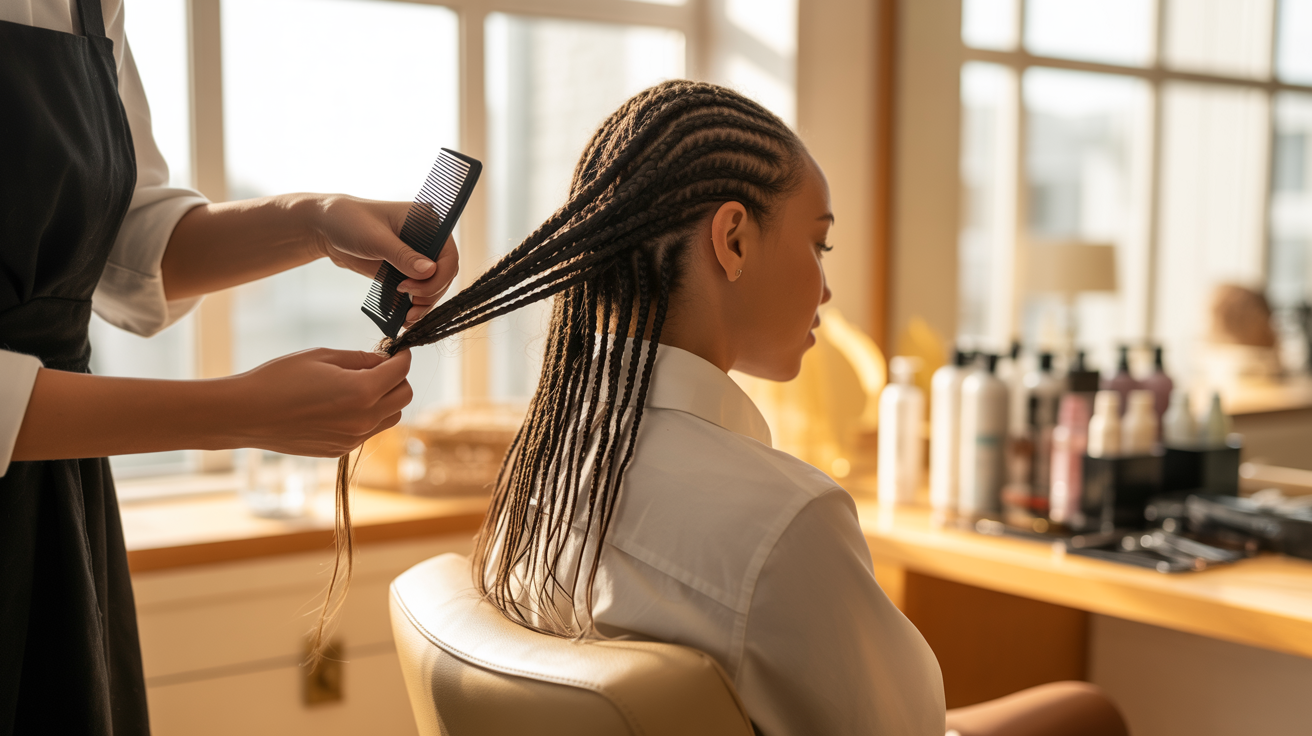
Remove each braid individually. Never try to comb through multiple braids at once. Use a rattail comb to gently work out the buildup on each braid before unraveling it.
Never use scissors. I know it’s tempting when braids are tangled or take forever. But one wrong cut and you’re dealing with a bald spot. Take your time and do it right.
Post Removal Hair Treatment
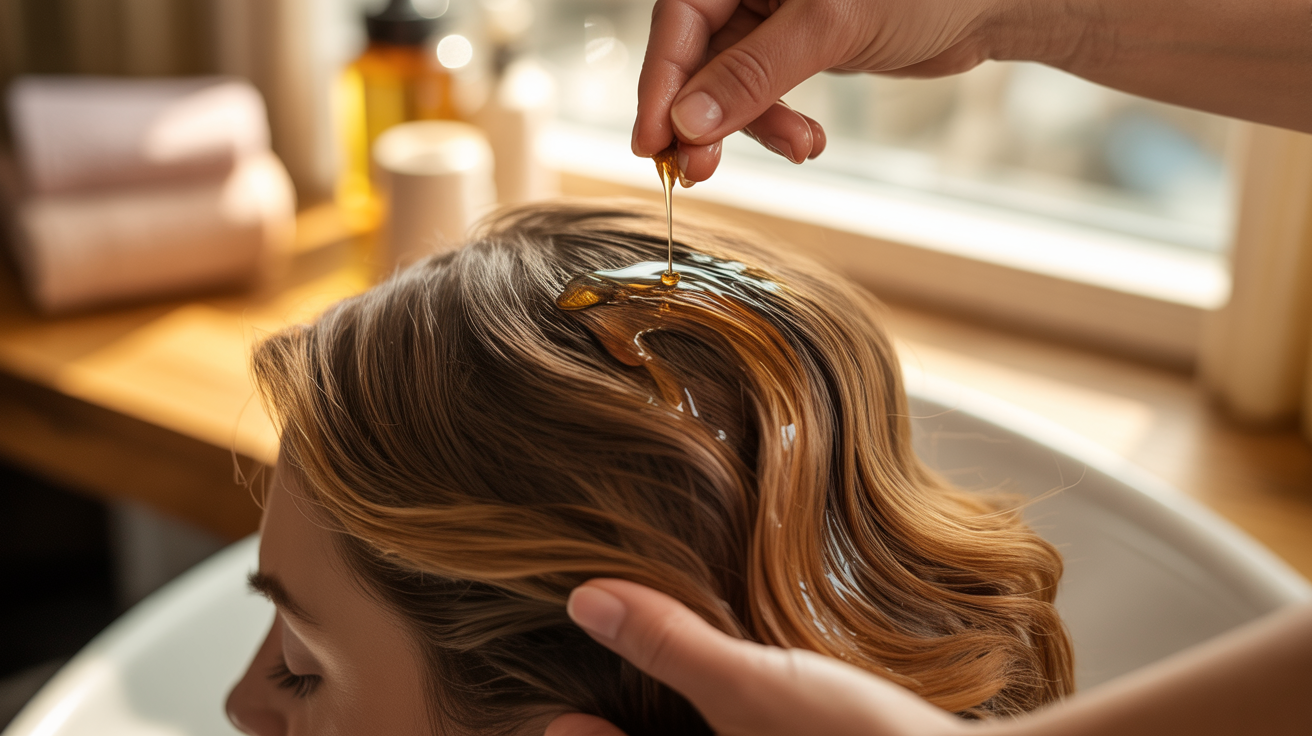
Once all the braids are out, apply an oil treatment before washing. Your hair needs deep moisture after being braided for weeks. I coat my hair in coconut oil and let it sit for at least 30 minutes.
Then wash with a gentle shampoo and deep condition. Your hair has been through a lot. Give it the care it needs to recover. This prepoo treatment prevents excessive shedding during the wash.
Giving Your Scalp Time to Rest

Don’t get braids again immediately. Give your scalp at least 1 to 2 weeks to recover from the pressure and tension. Your hair follicles need a break.
I wait 2 weeks minimum between braid installations. This rest period lets my scalp breathe, and my hairline recover. Constant back-to-back braiding without breaks causes permanent damage over time.
Conclusion
Braids can be a strong protective choice, but only when you treat them with care. Regular moisture, gentle cleansing, and paying attention to your edges determine if your hair stays healthy or becomes damaged. The effort you put in over several weeks shows clearly when the braids come out.
From everyday box braids to styles worn during workouts, the same care rules still apply. Keep your scalp hydrated, stay consistent with wash days, and notice early signs of dryness. Knowing when to pause and let your hair rest can prevent long-term issues.
Braids should support your routine, not create stress for your hair. When you stick to simple maintenance habits, you keep the benefits without setbacks. Everyone faces challenges with braid care. Share what you struggle with most and what habits have helped your hair improve over time.
Frequently Asked Questions
How often should you moisturize braids?
Moisturize your scalp with light pressure oil every 2 to 3 days to prevent dryness and itchiness. Spray your braids with water or a leave-in conditioner spray as needed, which may be daily for some or twice weekly for others. Focus on your scalp and roots for the best results.
How do you wash braids without causing frizz?
Use a diluted sulfate-free shampoo and apply it in a downward motion from root to tip. Never rub braids together. Focus on cleansing your scalp, not the length of braids. Pat dry gently with a towel and let them air dry completely to prevent frizz.
How long can you safely keep braids in?
Keep braids in for no longer than 8 to 10 weeks maximum. The longest most people keep braids is 10 weeks, with 8 weeks being a good average. Going past this timeframe risks breakage, matting, and damage to your natural hair and edges.
Should you oil your scalp with braids?
Yes, oiling your scalp is the most important thing you can do for braided hair. Use unrefined coconut oil or anti-itch oils to stimulate roots and prevent dandruff. This prevents dryness since hair gets dry faster in braids. Oil regularly throughout the time you wear braids.
How do you protect braids while sleeping?
Wrap your braids in a silk or satin scarf or bonnet every night before bed. You can also sleep on a silk pillowcase. This reduces friction while you sleep, prevents frizz and tangles, keeps braids moisturized, and maintains their fresh appearance longer.