



How long does keratin treatment last? Learn the timeline, factors affecting results, and expert tips to make your smooth hair last longer.
Keratin treatments aren’t cheap. Before you spend that money, you want to know exactly how long the results will last. No one wants smooth hair that goes frizzy again in two weeks.
This blog gives you the real timeline for keratin treatments. You’ll learn how long different types last, what makes them fade faster, and how to extend your results for months.
I’ll also cover what to expect each week so you can plan your next appointment.
I’ve been a licensed hair stylist for years. I’ve applied hundreds of keratin treatments on every hair type you can imagine. These timelines are based on real client results, not marketing claims from product companies.
You’ll get honest answers about maintenance, which factors affect longevity, and how to make your treatment last as long as possible. No surprises, just the truth.
How Long Does a Keratin Treatment Last?

You’re investing time and money into this treatment. So naturally, you want to know how long it’ll stick around.
The truth is, it’s not permanent. But it does last long enough to make a real difference in your daily routine.
- Typical lifespan: Most keratin treatments give you smooth, frizz-free hair for 2 to 4 months. With really good aftercare, sulfate-free shampoo, minimal washing, and heat protection, you might push it to 6 months. But don’t expect it to last forever.
- Professional treatments: When a stylist does it, you’re looking at 3 to 6 months of results. They use stronger formulas and know the exact application technique that makes it last.
- DIY kits: At-home versions usually max out around 3 months. The formulas aren’t as powerful, and let’s be honest, your technique probably isn’t salon-level. Still worth it if you’re on a budget, though.
Keratin Treatment Timeline (What Happens Over Time)
Your keratin treatment doesn’t fade overnight. It’s a gradual process. Understanding what happens week by week helps you know what to expect and when it’s time to book your next appointment.
First 48-72 Hours After Treatment
This is the most critical window. Your hair is still processing the keratin. One mistake here can ruin everything.
Keep your hair completely dry. No washing. No sweating. No rain. Even pulling it into a ponytail can leave dents. The keratin needs this time to fully bond with your hair cuticle.
Weeks 1-4
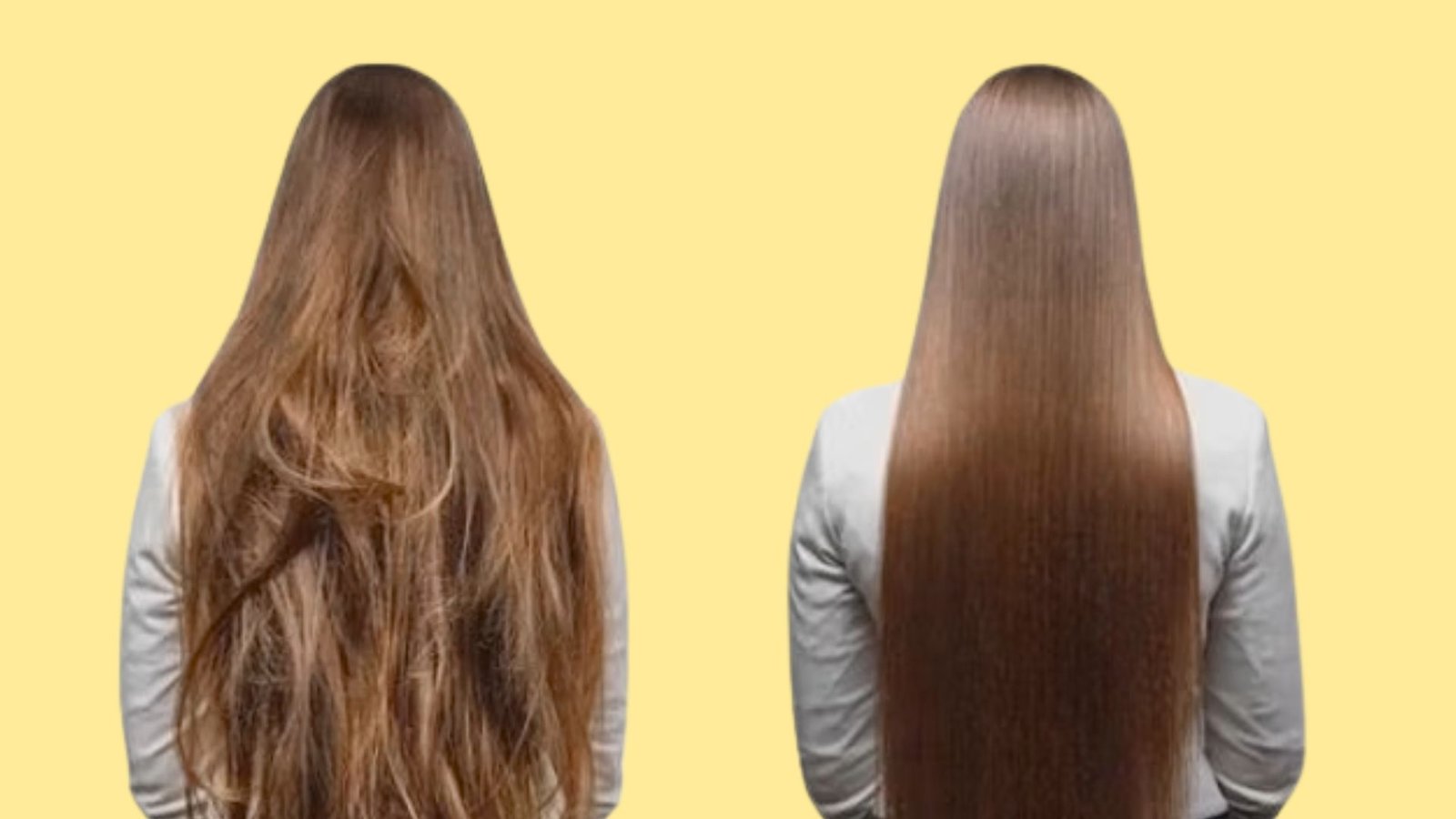
This is your honeymoon phase. Your hair has never looked better. The smoothness is at its peak.
Your hair dries in half the time. You might skip styling because it looks good naturally. Maximum shine, zero effort. This is what you paid for.
Months 2-4
The keratin coating begins breaking down. You’ll notice it at the roots first. Your texture starts creeping back.
The hair near your scalp has more volume. Maybe a little wave where it used to be straight. The ends still look smooth. You’re still getting benefits, just not like month 1.
Months 4-6
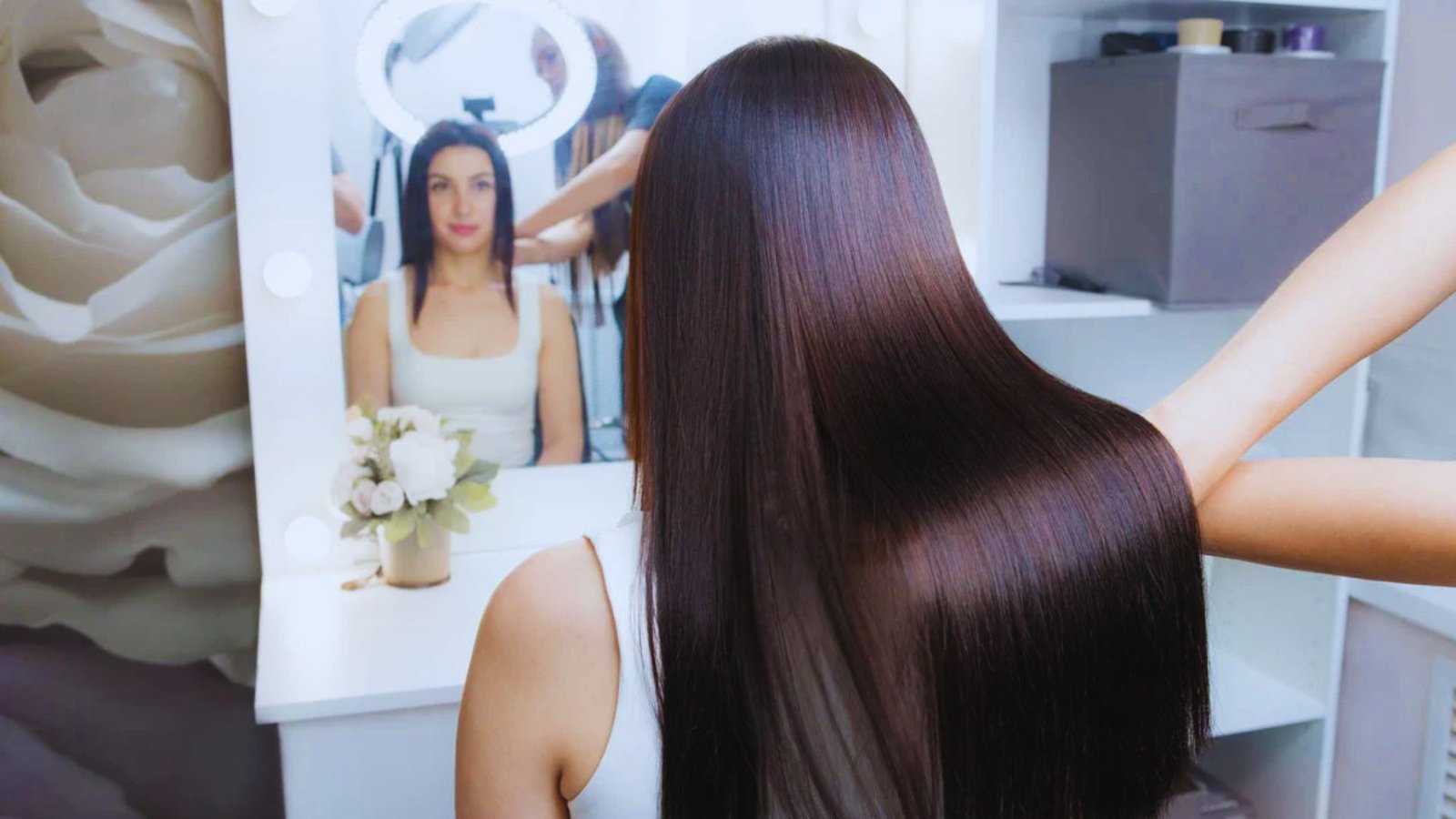
By now, your natural hair pattern is mostly back. The treatment hasn’t completely disappeared, but it’s closer to your normal texture.
The roots are curly or wavy again. Only the ends might still feel somewhat treated. This is when most people schedule their next treatment, or decide they’re done with keratin.
Factors That Affect How Long Keratin Treatment Lasts
Not everyone gets the same results from a keratin treatment. Some people enjoy smooth hair for months. Others see it fade in weeks. What makes the difference? It comes down to how you treat your hair after you leave the salon, and what your hair is like to begin with.
- Your hair type: Coarse, thick, or curly hair tends to hold onto the treatment longer. The protein coating sticks better. Fine hair? It loses the keratin faster. The strands are thinner, so the coating wears away quickly.
- How often you wash: Washing your hair strips away the keratin layer bit by bit. If you’re shampooing every day, you’re actively shortening the treatment’s lifespan. Stick to 2 to 3 times per week max if you want it to last.
- The products you use: Sulfate shampoos are the enemy here. They’re harsh and strip the keratin coating right off. The same goes for sodium chloride (that’s salt). Switch to keratin-safe products if you want to protect your investment.
- Your lifestyle: Do you swim a lot? Chlorine and saltwater break down keratin fast. Sun exposure weakens it too. And if you’re constantly heat styling without protection, you’re burning through the treatment. Wear a swim cap. Use heat protectant spray. Simple fixes that make a big difference.
- Heat styling habits: Your flat iron and curling iron generate intense heat. That heat can actually degrade the keratin coating over time. Not saying you can’t style your hair, just use lower temperatures and always apply a heat protectant first.
How to Make a Keratin Treatment Last Longer?
You’ve spent the money. Now protect it. A few simple changes to your routine can add weeks or even months to your results. And most of these adjustments? They’re easier than you think.
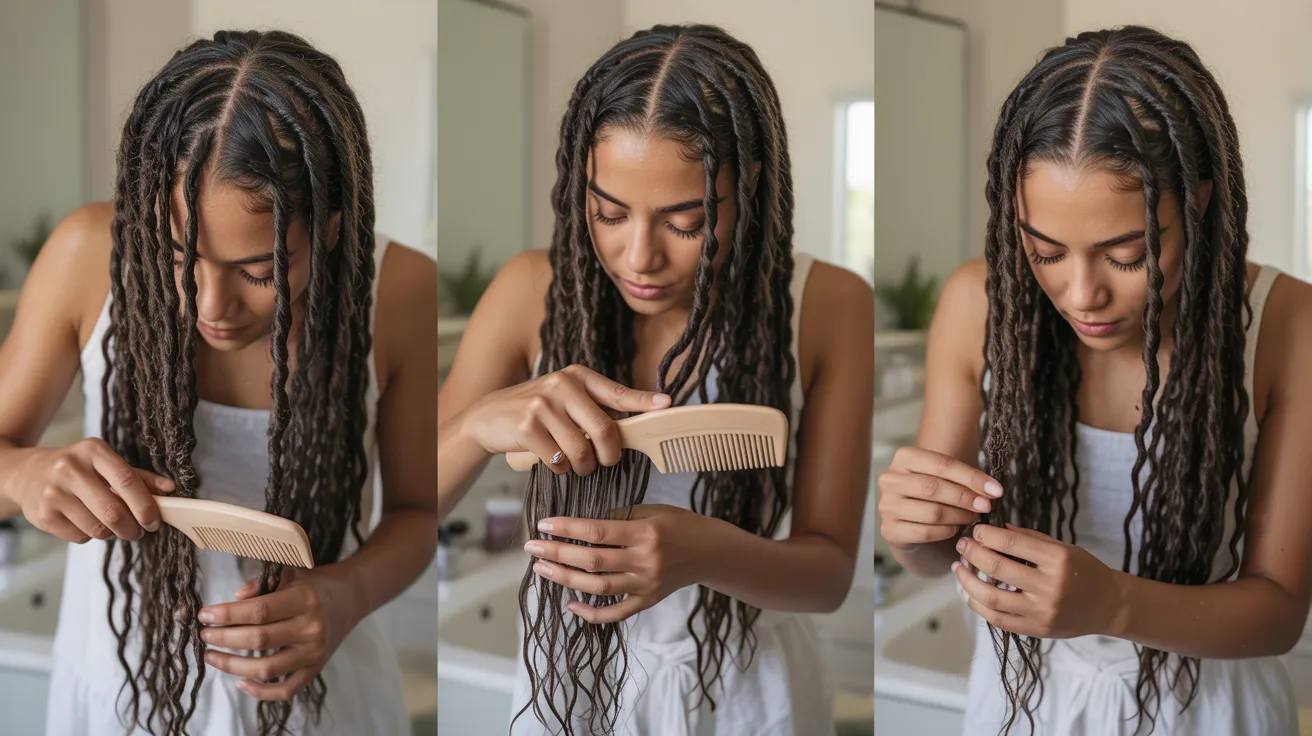
- Wait before washing: Don’t touch water for 48 to 72 hours after your treatment. This gives the keratin time to fully bond with your hair. Then switch to sulfate-free shampoo and only wash 2 to 3 times per week.
- Protect from heat: Your flat iron isn’t the enemy, but using it without protection is. Always apply a heat protectant spray first. And here’s a bonus tip: sleep on a silk or satin pillowcase. Cotton creates friction that wears down the treatment.
- Deep condition weekly: Use a protein-rich mask once a week to reinforce the keratin. If you notice frizz creeping back around month 3, book an express touch-up instead of waiting for the full treatment cycle.
Salon Keratin vs At-Home Keratin Treatments
You have two options here. Professional salon treatment or a DIY kit you use at home. Both work. But they’re not equal. Here’s what you need to know before you decide.
|
Factor |
Salon Treatment |
At-Home Treatment |
|
Cost |
$200-$800 (depends on hair length and location) |
$50-$70 |
|
Longevity |
3-6 months |
Up to 3 months |
|
Formula Strength |
Stronger, professional-grade |
Gentler, weaker formulas |
|
Application |
Expert technique, even coverage |
You do it yourself (results vary) |
|
Convenience |
Requires appointment, 2-4 hours |
Use whenever you want, saves time |
|
Best For |
Long-lasting results, thick or coarse hair |
Budget-friendly option, maintenance between salon visits |
The bottom line? Salon treatments last longer and give more dramatic results. At-home kits are cheaper and more convenient. Your choice depends on your budget and how much smoothness you’re chasing.
Pros and Cons of Keratin Treatments
Before you book that appointment, let’s be real about what you’re getting into. Keratin treatments have some serious benefits. But they also come with downsides you need to consider.
|
Benefits |
Potential Drawbacks |
|
Frizz control: Your hair stays smooth even in humid weather. No more wild, unmanageable texture by lunchtime. |
Not permanent: You’ll need to redo the treatment every few months. That adds up fast, as we’re talking $800+ per year for salon treatments. |
|
Major shine boost: The keratin coating reflects light. Your hair looks healthier and more polished without extra styling products. |
Formaldehyde concerns: Some formulas contain formaldehyde or release it when heated. This can cause eye irritation, scalp burning, or allergic reactions. |
|
Cuts drying time: Your hair dries 30 to 50% faster because the cuticle is sealed. Less blow-drying means less heat damage. |
Can’t reverse it: Once it’s done, you’re committed until it grows out. Want to perm your hair or go curly again? You’ll have to wait months. |
|
Easier to manage: Styling takes minutes instead of half an hour. Your morning routine gets significantly simpler. |
Cost adds up: Between treatments, special shampoos, and maintenance products, the expenses keep coming. |
Weigh these against each other honestly. For some people, smooth hair is worth every penny. For others? The maintenance and cost aren’t realistic long term.
Does Diet Help Keratin Treatment Last Longer?
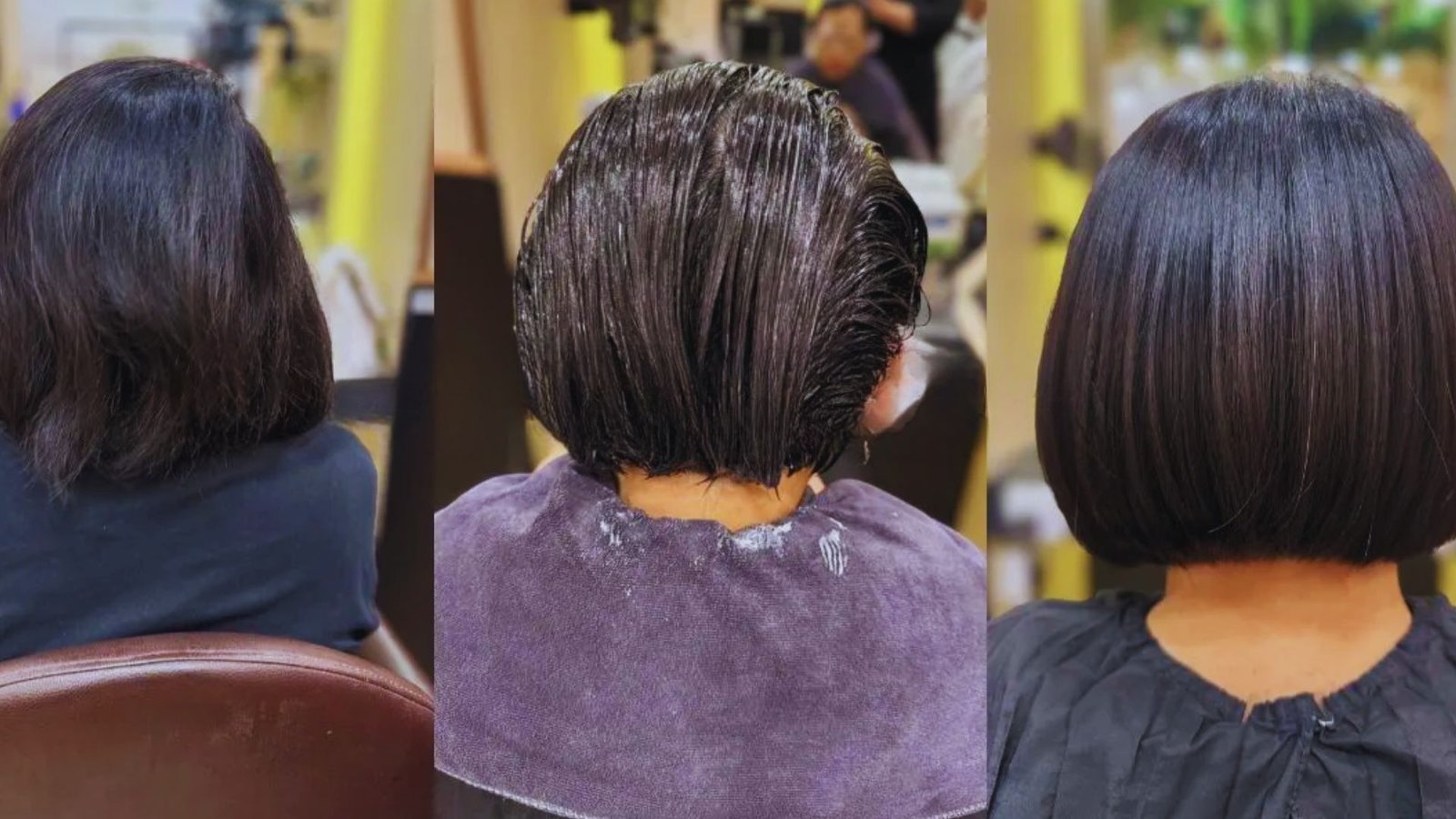
Your hair grows from the inside out. What you eat actually matters. A good diet won’t make your treatment last months longer, but it supports healthier hair between appointments.
- Protein-rich foods: Eggs, beef liver, and oysters give your body the amino acids it needs to create keratin. Think of protein as the raw material your hair is made from.
- Biotin sources: Sunflower seeds and eggs are loaded with biotin. This B vitamin strengthens your hair structure and helps prevent breakage.
- Vitamin A foods: Sweet potatoes, carrots, and mangoes help your scalp produce natural oils. These oils protect your treated hair and keep it from drying out.
Here’s the thing. These foods won’t replace your keratin treatment. But they help maintain healthier, stronger hair as it grows.
Between treatments, good nutrition gives you a better foundation. Your hair will look better overall, even as the keratin coating fades.
Tips to Maximize Your Keratin Treatment Results
Want to squeeze every last week out of your treatment? These three changes make a real difference. Follow them, and you’ll get the most value from your investment.
- Sulfate-free shampoo: Switch immediately after your treatment. Regular shampoo strips the keratin coating fast, sulfate-free formulas protect it, and add weeks to your results.
- 72-hour rule: Keep your hair completely dry for the first three days. No washing, no sweating, no rain, water interferes with the bonding process during this critical window.
- Silk pillowcase: Cotton creates friction that wears down the keratin coating while you sleep. Silk or satin lets your hair glide smoothly and prevents tangles and breakage.
Conclusion
So, how long does keratin treatment last? You can expect smooth, frizz-free hair for about 3 to 6 months, depending on your hair type and how well you care for it. The better your aftercare routine, the longer you’ll enjoy those results.
The secret to extending your treatment is simple. As you use sulfate-free products, avoid washing your hair too frequently, and protect it from chlorine and saltwater. These small steps make a big difference in keeping your hair silky and manageable for months.
Now you know exactly what to expect and how to make your keratin treatment last. Got tips that worked for you, or still have questions? Drop them in the comments. We’d love to hear from you. If this helped, share it with someone considering their first keratin treatment.
Frequently Asked Questions
How long does a keratin treatment typically last?
A professional keratin treatment typically lasts 3-6 months, depending on your hair type and aftercare routine. Fine hair may see results fade around 3 months, while coarse or curly hair can maintain smoothness for up to 6 months. Express or at-home treatments usually last 6-8 weeks with proper maintenance.
What factors affect how long keratin treatment lasts?
Hair texture, porosity, and your maintenance routine significantly impact longevity. Frequent washing, sulfate shampoos, swimming in chlorinated water, and heat styling accelerate fading. Virgin hair holds keratin longer than color-treated or damaged hair. Your natural curl pattern also determines how quickly the treatment wears off.
How can you make keratin treatment last longer?
Use sulfate-free, sodium chloride-free shampoos and wash hair only 2-3 times weekly. Avoid tying hair tightly and minimize heat styling. Apply leave-in treatments to protect against environmental damage. Wear a swim cap in pools and rinse hair immediately after ocean swimming. Schedule touch-ups every 3-4 months.
When can you wash your hair after keratin treatment?
Wait 72 hours (3 days) before washing your hair after a traditional keratin treatment. Some express formulas allow washing after 24 hours, as checked with your stylist. Avoid getting hair wet, wearing ponytails, or using clips during this waiting period to ensure proper bonding and maximum longevity of results.
Can you get keratin treatments repeatedly?
Yes, you can safely repeat keratin treatments every 3-4 months without damaging your hair. In fact, regular treatments can improve hair health over time by adding protein and smoothing the cuticle. Avoid overlapping applications on the same sections. Consult your stylist about appropriate timing based on your hair’s condition.