





You want locs, but the options are confusing. Traditional locs? Sisterlocks? Freeform? Each style looks different, and you’re not sure which one fits your lifestyle and hair type.
This guide breaks down every major type of locs so you can choose confidently. You’ll see the differences between each style, learn which ones work best for your hair texture, and understand the maintenance each requires. Finding your ideal loc style doesn’t have to be complicated.
I’ve been installing and maintaining locs. I’ve worked with every loc type imaginable, from micro locs to thick freeform styles. I’ve learned that the right loc style matches your personality, your schedule, and your hair goals.
Choose wrong, and you’ll regret it for years. Choose right, and you’ll love your hair every single day. Let me help you find your match.
11 Different Types of Locs
Locs come in many different styles and sizes. I’m walking you through 11 popular types so you can find the ideal match. Each style has special benefits and maintenance needs.
1. Traditional Locs
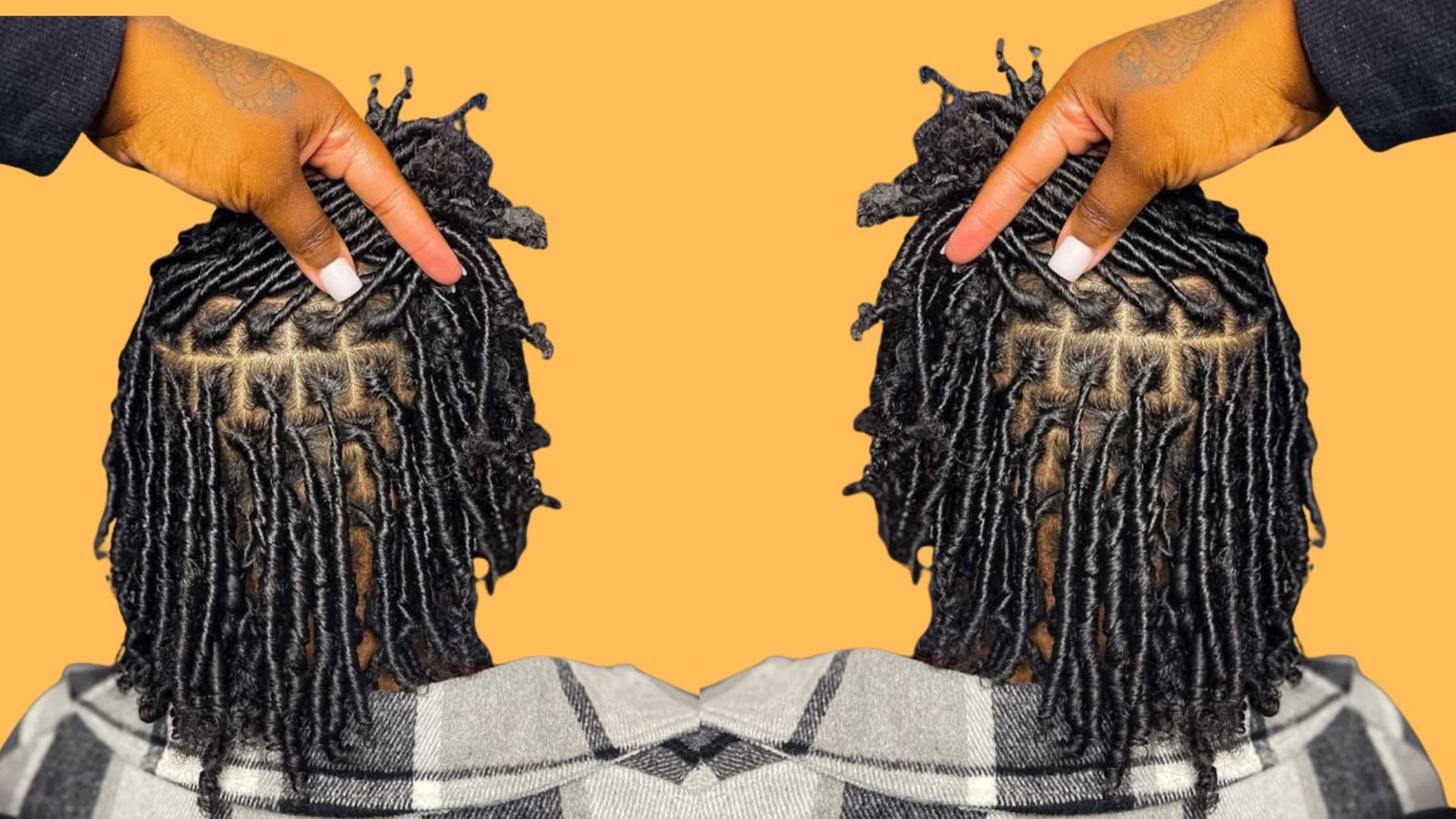
Traditional locs are the most common type you’ll see. They range from medium to large size, about 5-14 mm wide, thin pencil to a nickel width. These locs work for almost everyone and offer great versatility.
- Retwisting every 4-8 weeks to maintain neat roots
- Washing with residue-free shampoo and conditioning to prevent dryness
- Styling options include updos, braids, color, and creative arrangements
Traditional locs give you maximum styling flexibility. You can wear them down, up, or in creative styles. They’re ideal if you want a classic loc look that never goes out of style.
2. Sisterlocks
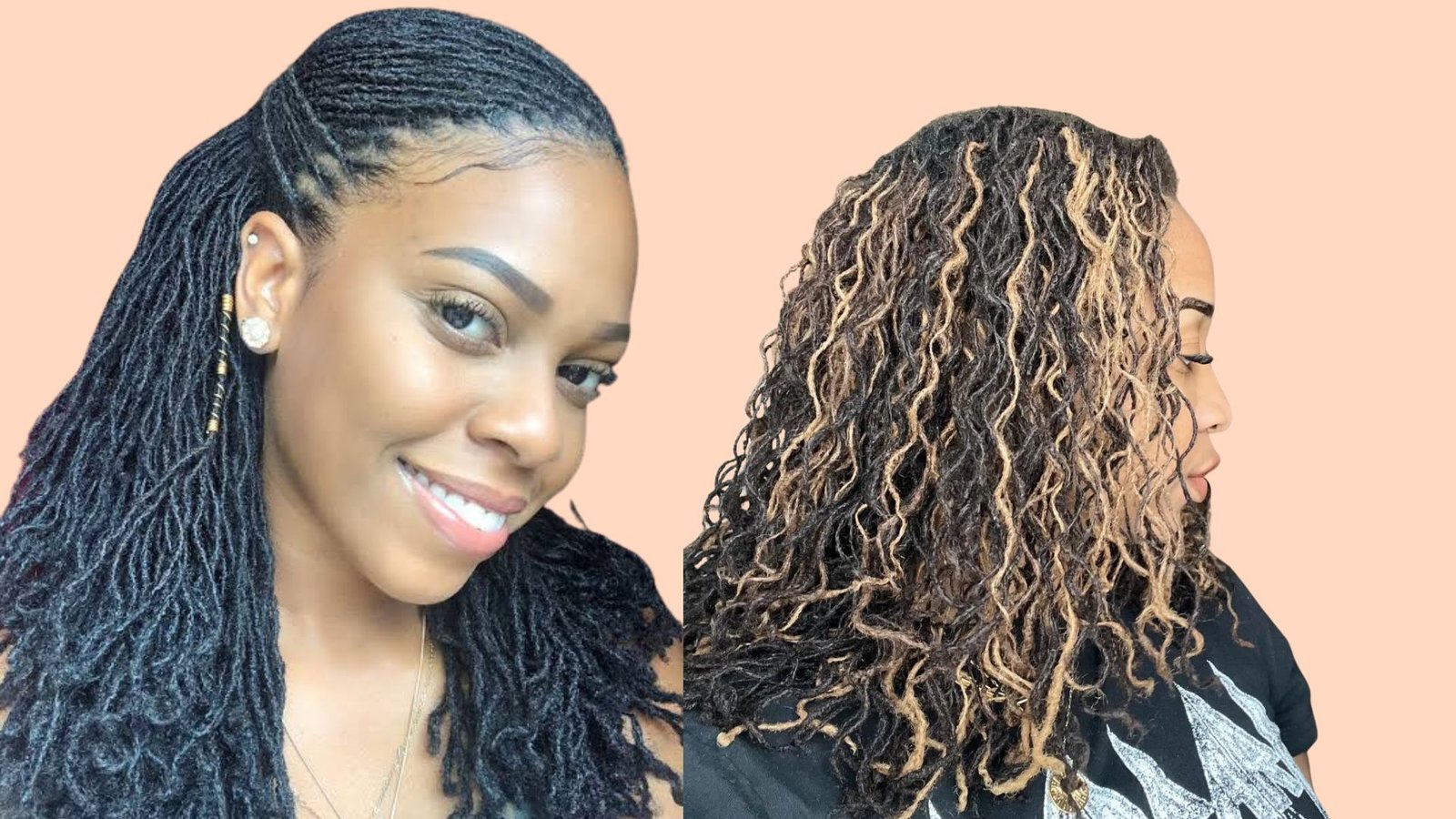
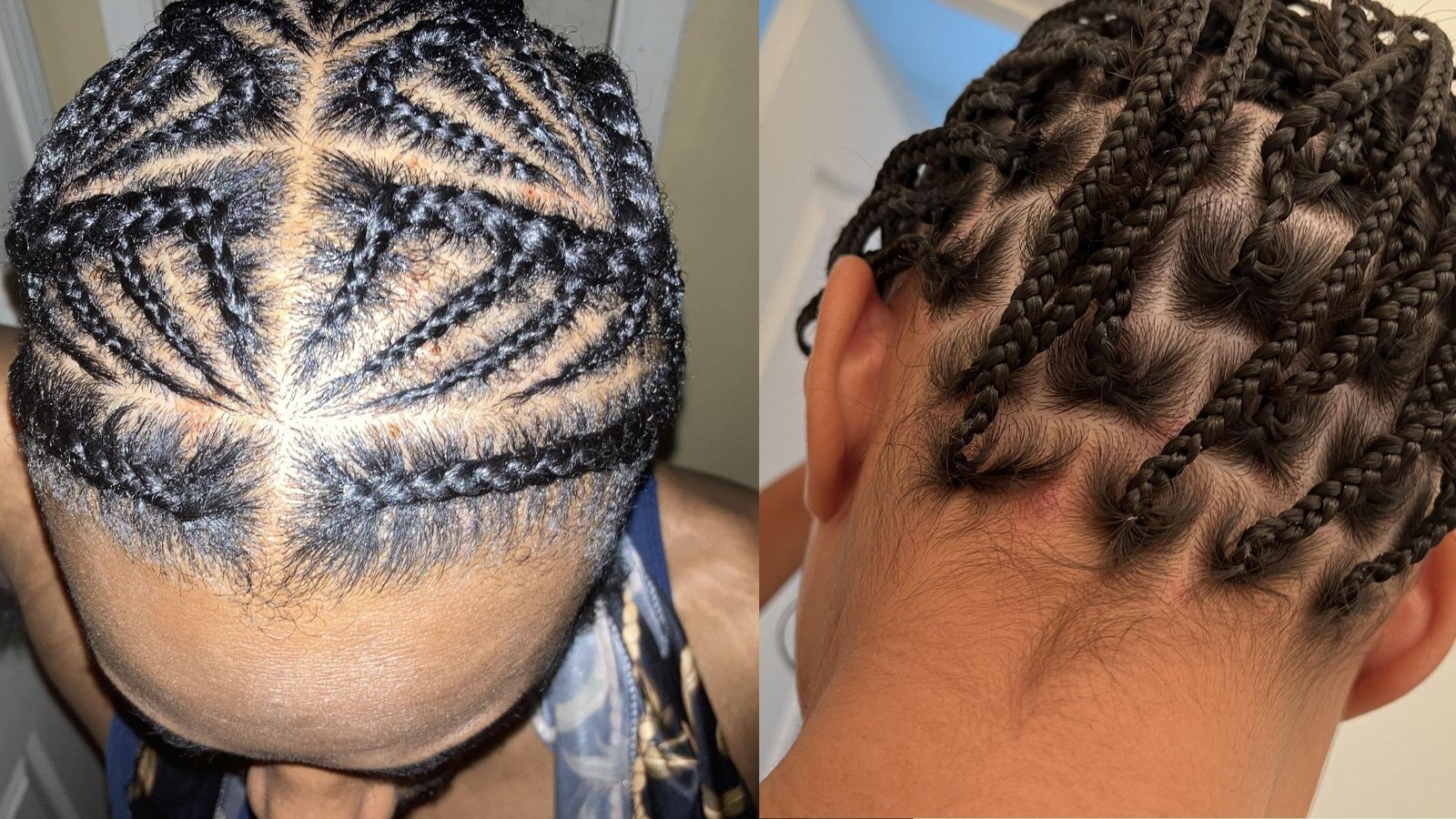
Sisterlocks are tiny, precision-locked strands about 2-3 mm wide. A certified consultant installs them using a patented interlocking technique.
These are not DIY-friendly and require a serious financial commitment.
- Installation costs $500-$2,500 and takes 15-24 hours
- Retightening every 4-6 weeks by a certified consultant at $150-$200 per session
- Versatile styling, lightweight feel, and professional appearance
The maintenance schedule is strict and expensive. Skipping appointments causes your locks to loosen and lose their uniform appearance.
Think carefully before committing to this long-term investment.
3. Microlocs
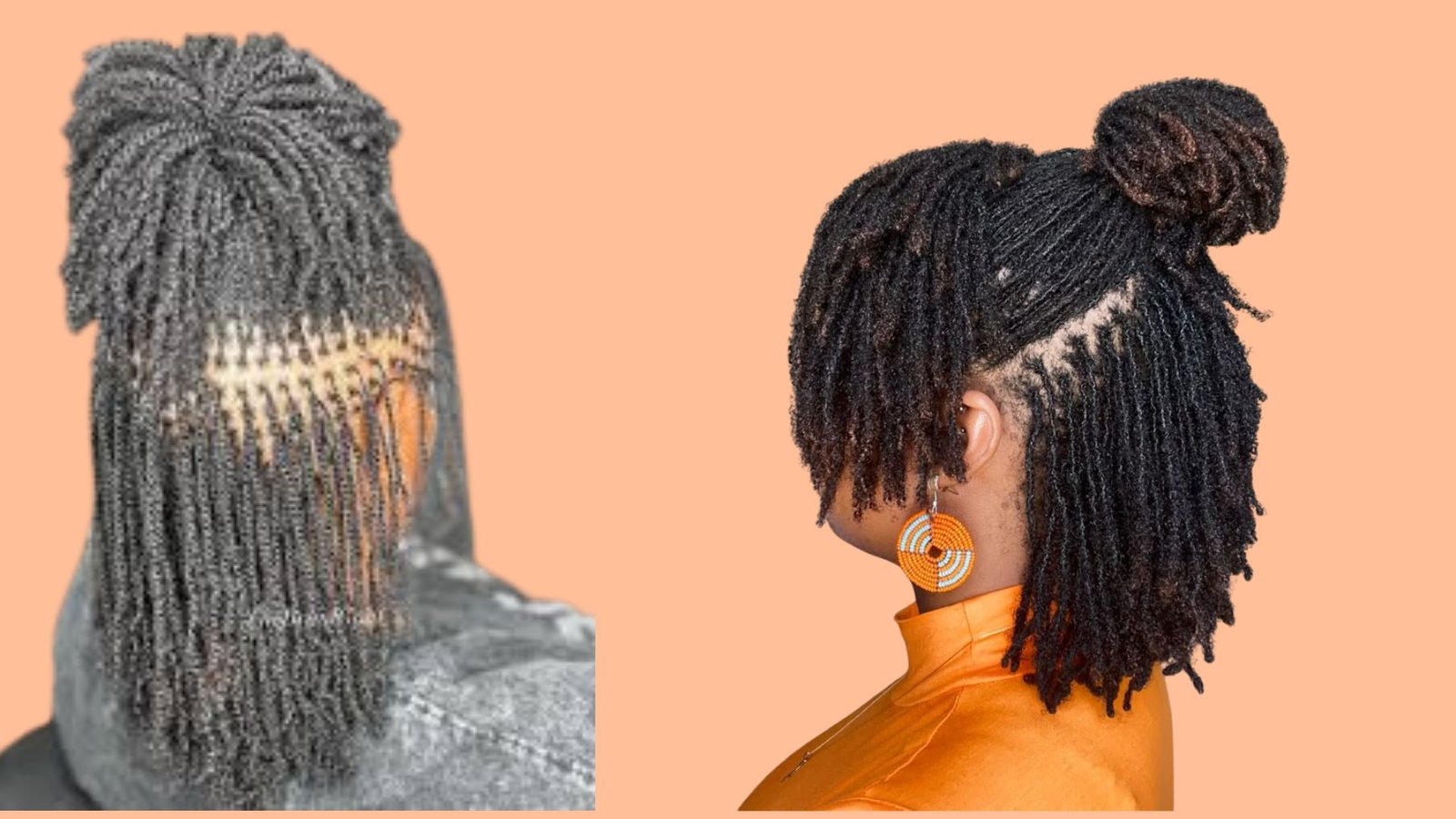
Microlocs look similar to Sisterlocks, but you can install them yourself. They’re small locs around 2-3 mm wide that don’t require certification or special tools. This makes them more affordable and accessible.
- Creation methods include two-strand twists, braids, interlocking, or coils
- Retighten every 4-8 weeks, depending on your hair growth rate
- Similar versatility to Sisterlocks without the high professional costs
Maintenance is easier because you can do it at home with practice. You save thousands of dollars over time by learning self-maintenance.
Microlocs offer the small loc aesthetic without the Sisterlocks price tag.
4. Freeform Locs

Freeform locs develop naturally without any manipulation or maintenance. You simply wash and condition your hair, then let it loc on its own. This is the most natural method available.
- Minimal maintenance with just washing and conditioning
- Unpredictable results with special size, shape, and character
- Zero cost for installation and the lowest ongoing maintenance
The locs form organically over months or years. Each loc has its own personality, which some people love, and others find stressful. This style works best if you embrace uncertainty and natural beauty.
5. Semi-Freeform Locs
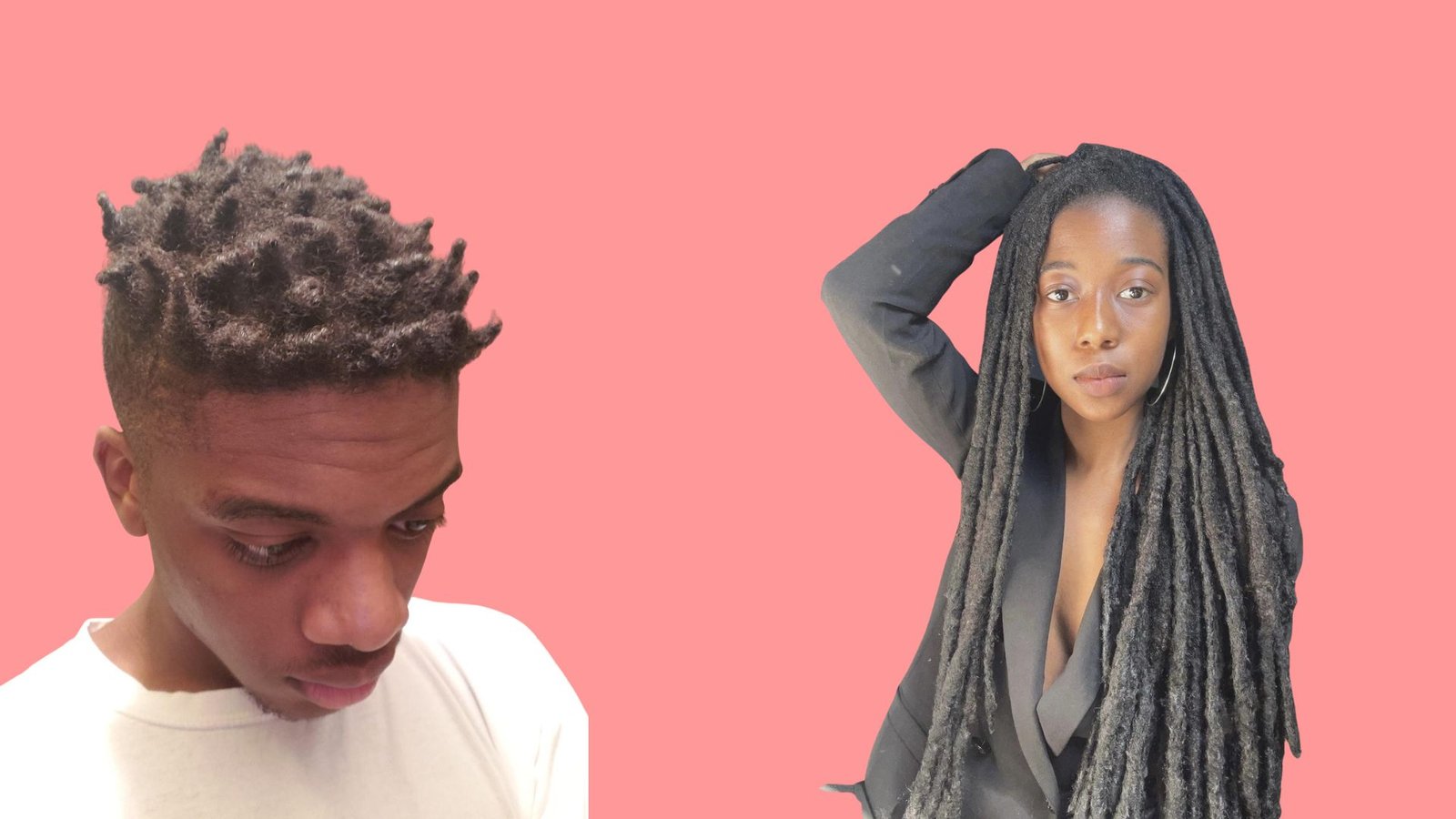
Semi-freeform locs blend structure with natural growth. You start with medium to large locs and retwist them less frequently, maybe every 8-12 weeks instead of monthly.
This gives you some control without constant maintenance.
- Lower maintenance costs compared to traditional locs
- More natural, lived-in appearance between retwisting sessions
- Less uniform size and shape than highly maintained locs
The locs develop more organic texture between maintenance sessions. This creates a relaxed, natural look with manageable roots.
Your locs will look authentic rather than ideally manicured all the time.
6. Faux Locs
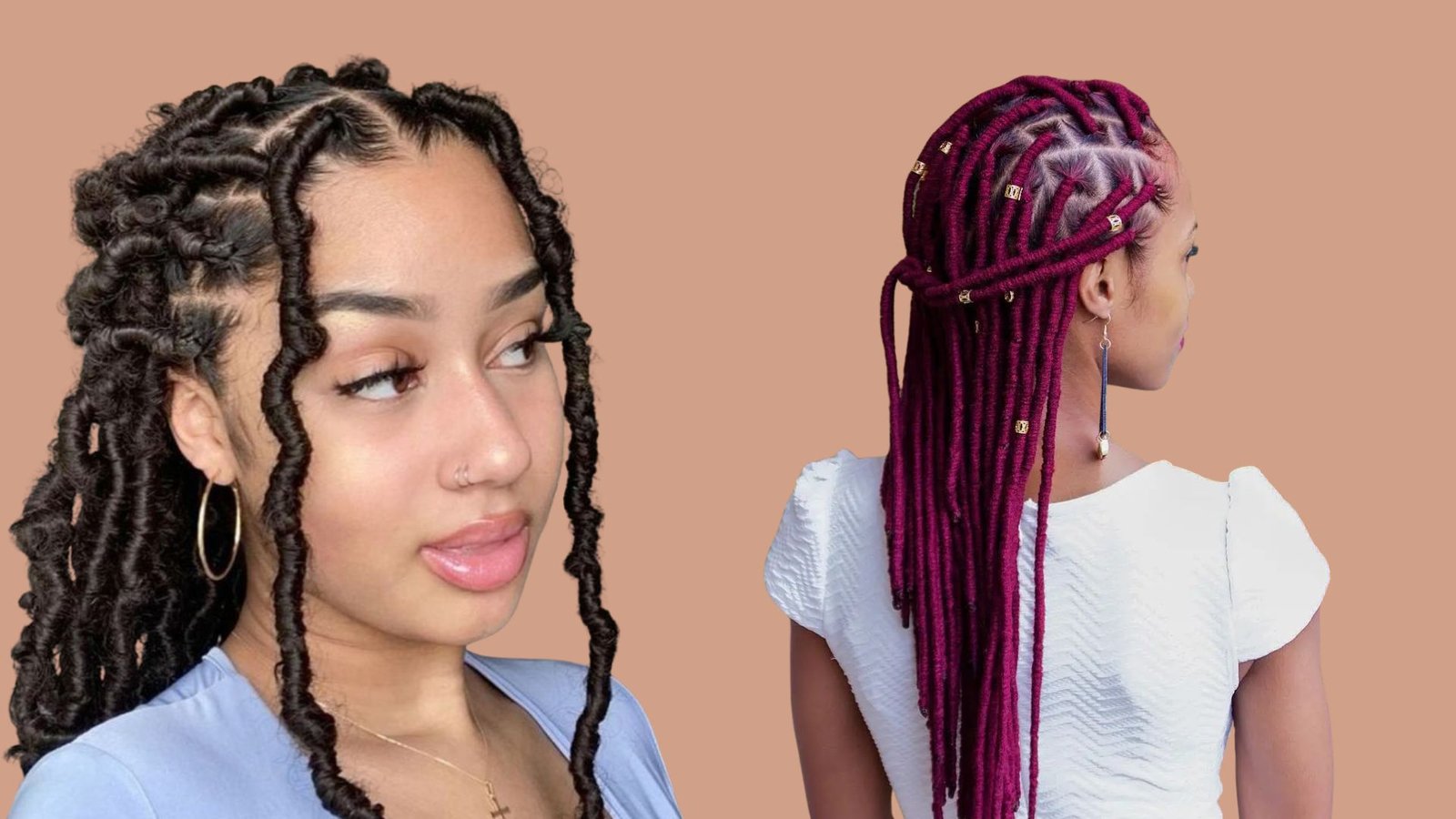
Faux locs are temporary protective styles created with synthetic or human hair extensions. You can wear them for 4-8 weeks without committing to permanent locs.
This lets you test the look risk-free.
- Installation takes 4-8 hours with hair braided first, then wrapped with extensions.
- Protects natural hair from damage and environmental stress
- Can be removed anytime without affecting your natural hair underneath
They’re ideal for special events or trying different loc sizes and lengths. You get the loc aesthetic without the years-long commitment.
Remove them when you’re ready, and your natural hair remains unchanged.
7. Soft Locs

Soft locs are flexible, lightweight faux locs that feel more natural than traditional faux locs. They’re made with softer synthetic hair that moves and bounces naturally. Low damage makes them ideal for protective styling.
- Easier to style with natural movement for updos, ponytails, and braids
- Last 4-6 weeks and come out easily without breakage
- More realistic appearance that blends better with natural hair texture
These locs don’t feel heavy or rigid on your head. You can create various styles without pulling or straining your scalp, if you want temporary locs that feel comfortable all day long.
8. Butterfly Locs
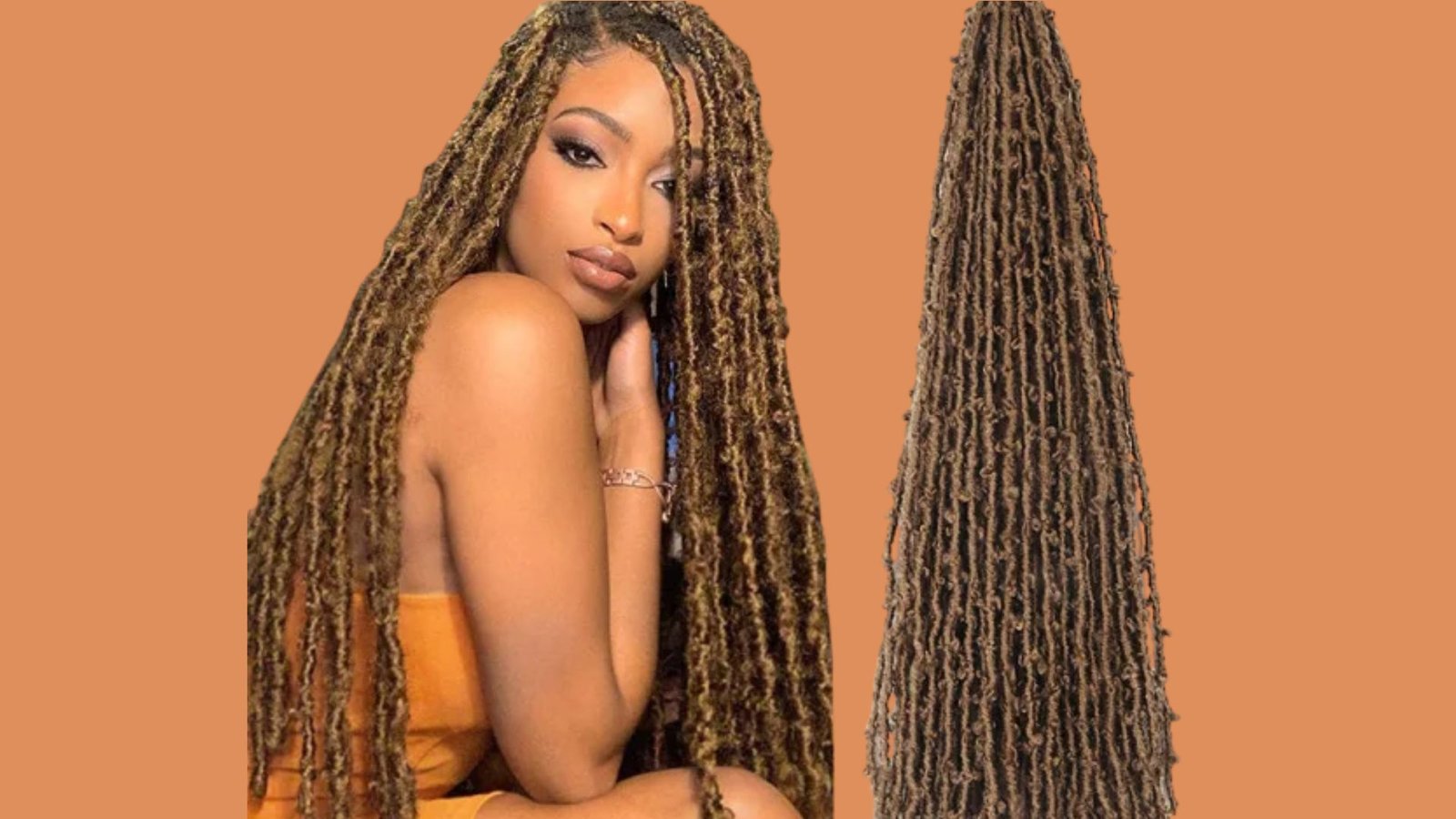
Butterfly locs are faux locs with decorative loops and curly pieces sticking out. These intentional flyaways create a bohemian, carefree look that’s trendy and eye-catching.
The loops are created during installation for a textured appearance.
- Protective and temporary style lasting 4-8 weeks
- Minimal daily maintenance with just scalp moisturizing needed
- Style them in updos or wear them down for maximum visual impact
The loops set them apart from smooth faux locs with an effortlessly stylish vibe. They look intentionally messy in the best way possible.
Ideal for making a statement without looking too polished or ideal.
9. Goddess Locs
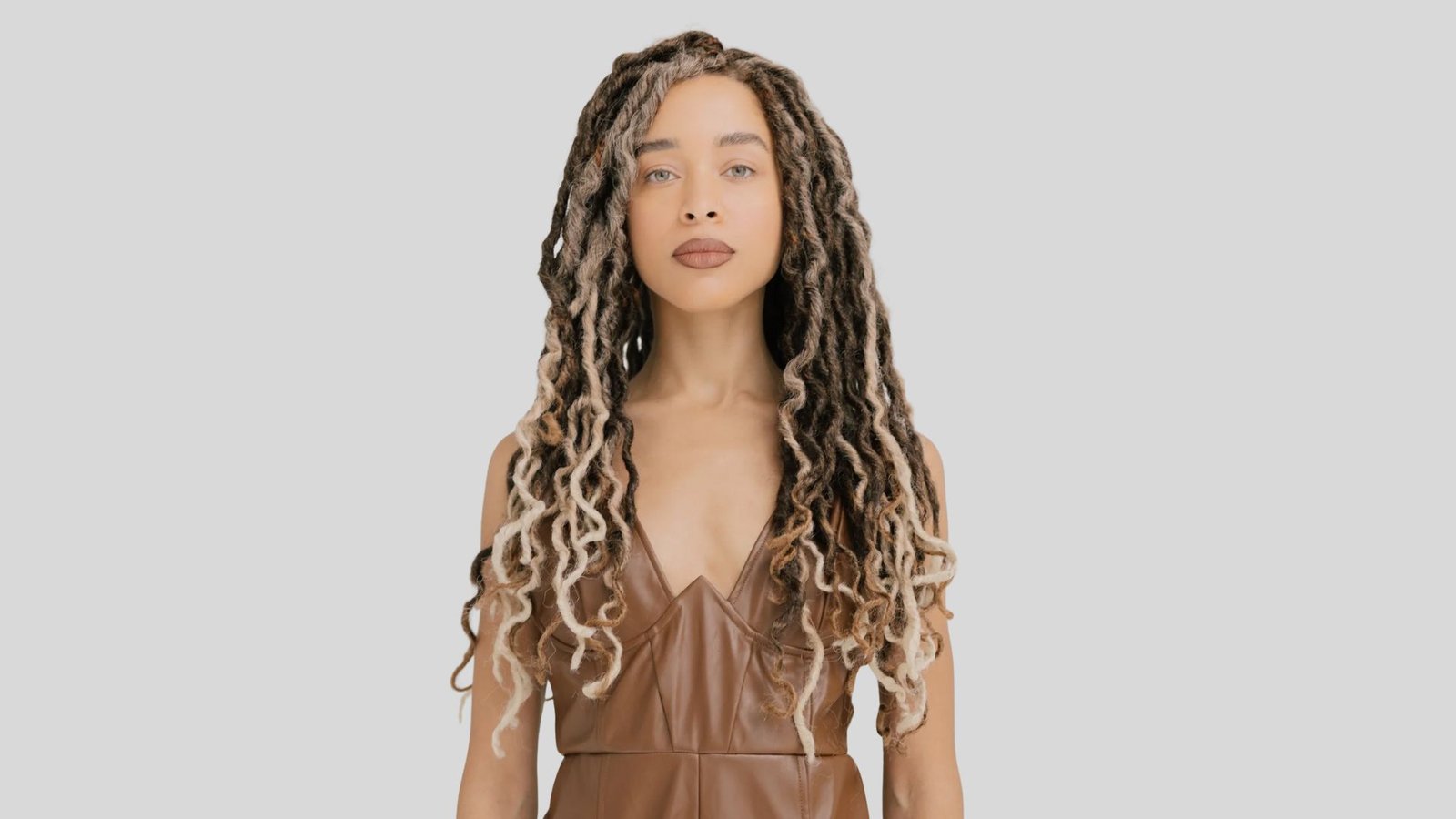
Goddess locs combine wrapped sections with loose, curly ends. The top portion looks like traditional locs, while the bottom flows freely with wavy or curly texture.
This creates a romantic, feminine style that’s incredibly popular.
- Moisturize regularly with lightweight oils and avoid heavy products
- Sleep with a satin bonnet to protect curls and refresh ends with water
- Last 4-6 weeks with proper care and gentle handling
These locs offer great versatility with structure at the roots and softness below. You get the defined look of locs combined with bouncy, flowing curls.
They’re ideal for special occasions or everyday elegance, depending on how you style them.
10. Florida Wicks

Florida Wicks are extremely large, thick locs ranging from 2-5 inches wide. They’re bold, dramatic, and impossible to miss. This style makes a serious statement that demands attention.
- Creation methods include towel rubbing, crochet interlocking, or natural sectioning.
- Fast formation time with a special, unmistakable appearance
- Heavy weight on the scalp with limited styling options and difficult washing
Pros include standing out from the crowd instantly. Cons include scalp strain from weight and the inability to style in many ways.
These aren’t for everyone, but they’re unforgettable when done right.
11. Crochet Locs
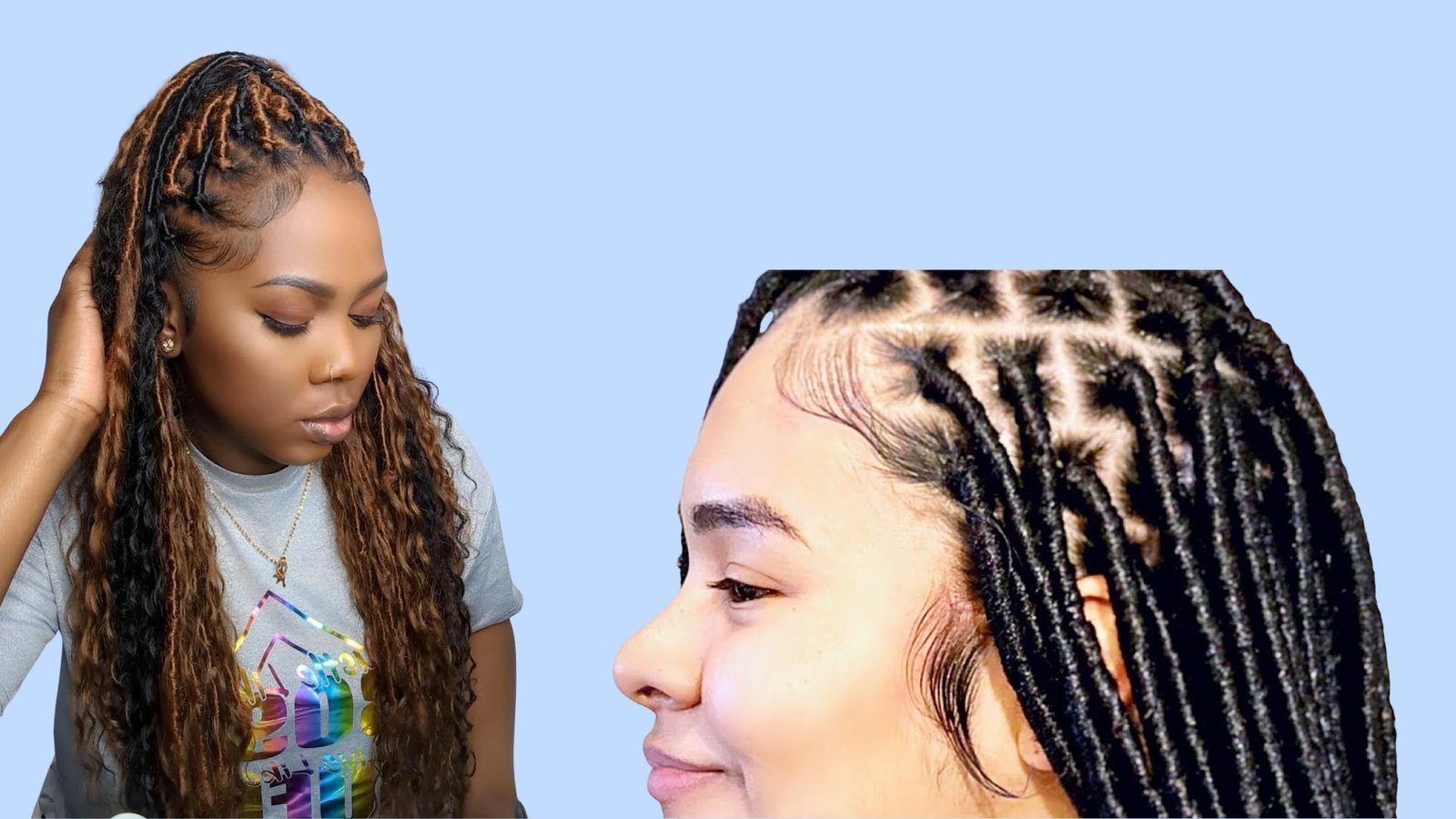
Crochet locs are pre-made synthetic locs attached to your natural hair with a crochet hook. Installation takes 2-4 hours, making them the fastest loc option available.
They’re completely temporary and fully protective.
- Choose from countless styles, lengths, colors, and textures
- Last 4-8 weeks, depending on maintenance and care
- Quick installation with zero commitment to permanent locs
The pre-made locs are threaded through cornrows in your natural hair. You can remove them anytime without affecting your natural hair structure.
Ideal for trying locs before committing to years of permanent growth and maintenance.
Tips for Maintaining and Styling Locs
Keeping your locs healthy requires consistent care and smart styling choices. I’m sharing the necessary maintenance tips that work for every loc type. The right routine makes all the difference.
- General care: Wash your locs regularly but avoid over-washing, which strips natural oils and causes dryness. Use lightweight oils and leave-in conditioners to maintain moisture. Protect your hair at night with satin or silk scarves and pillowcases to prevent frizz and breakage.
- Maintenance by type: Sisterlocks and microlocs need retightening every 4-6 weeks by a professional. Traditional locs require regular retwisting to keep roots neat. Freeform locs need minimal manipulation, just wash and condition. Faux, soft, butterfly, goddess, and crochet locs need moisturizing and proper extension care.
- Styling smart: Try protective styles like buns, updos, and braids to reduce daily manipulation. Experiment with temporary styles such as faux locs or crochet locs before committing to permanent locs. Avoid excessive heat on natural locs, as it causes permanent damage and weakens your hair structure over time.
Conclusion
You now understand the different types of locs and what makes each one different. From traditional locs to Sisterlocks, freeform to interlocks, you know which styles match your hair texture, lifestyle, and maintenance preferences. The confusion is gone.
You’re ready to choose your ideal loc style with confidence. No more wondering if you’re picking the wrong method or worrying you’ll regret your decision later. You’ve got the information you need to start your loc experience on the right foot.
Which type of locs are you going with? Tell me in the comments, I’d love to know what style speaks to you. If this guide helped you figure things out, share it with someone else who’s trying to find out their loc options. And read into our other articles for tips on starting and maintaining whatever loc style you choose.
Frequently Asked Questions
What are the different types of locs available?
The main types of locs include traditional locs, Sisterlocks, freeform locs, interlocks, microlocs, and two-strand twist locs. Each varies in size, installation method, and maintenance requirements. Traditional locs are most common, Sisterlocks are the smallest and most uniform, freeform develops naturally, and interlocks use a tool-based technique for durability.
Which type of locs requires the least maintenance?
Freeform locs require the least maintenance among different types of locs. You simply wash your hair and let it loc naturally without retightening or manipulation. Traditional locs also need minimal upkeep, just washing and occasional palm rolling. Sisterlocks and interlocks require regular professional retightening every 4-6 weeks for maintenance.
Can all hair types get different types of locs?
Yes, all hair textures can get different types of locs, from straight to kinky. However, certain methods work better for specific textures. Coarser, kinkier hair locs faster with any method. Straighter or finer hair does better with interlocking or Sisterlocks for secure holding. Consult a loctician about your texture.
How do I decide which type of locs is right for me?
Consider your lifestyle, maintenance commitment, and desired aesthetic when choosing different types of locs. Want minimal upkeep? Try freeform or traditional. Need versatility? Choose Sisterlocks or microlocs. Have limited time for appointments? Avoid methods requiring frequent professional retightening. Match the style to your daily routine and patience level.
What’s the difference between microlocs and Sisterlocks?
Microlocs are small locs installed using various methods without specific certification requirements. Sisterlocks are a patented system requiring certified consultants, using a precise grid pattern and specialized tool. Both are thin and versatile, but Sisterlocks follow strict standards while microlocs offer more flexibility in technique and sizing.