
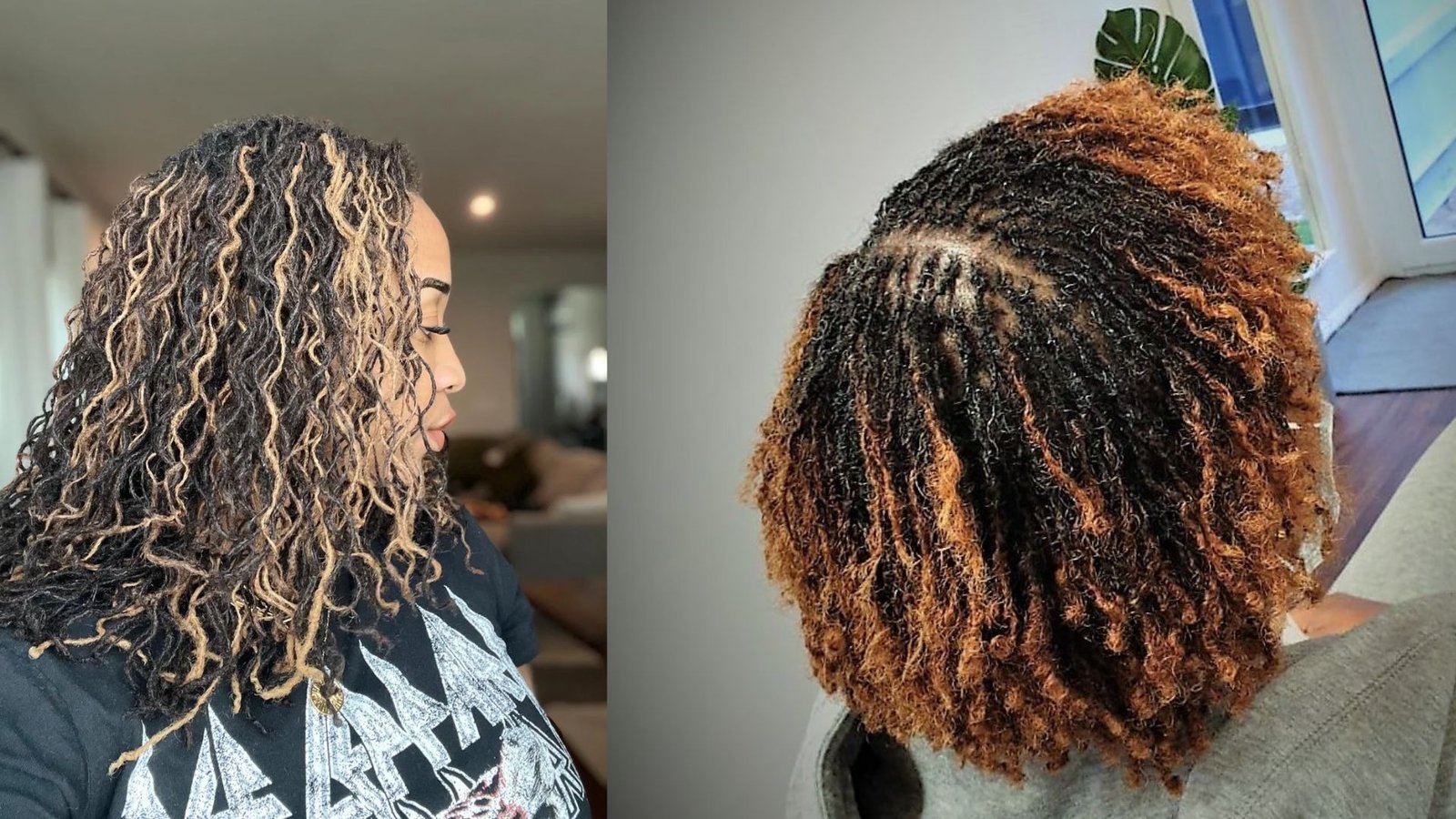







Sisterlocks are small, precise locks that give a natural hairstyle and versatility. They are different from traditional locs in size and maintenance. Many people wonder what they are and if they suit their hair.
I am a certified Sisterlocks consultant with years of experience installing and caring for them. In this guide, I explain what makes Sisterlocks unique. You will learn about installation, costs, and daily care.
I also share tips to keep your locks healthy and strong. This information comes from professional experience, not theory. By the end, you will understand what Sisterlocks are, how to care for them, and if they are the right choice for your hair journey.
What Are Sisterlocks?
Sisterlocks are tiny, precision-locked hairstyles that look completely different from regular dreadlocks.
They’re thinner, more versatile, and require professional installation. I’m going to explain everything you need to know about this specialized locking system.
Origin and History

Dr. JoAnne Cornwell created Sisterlocks in 1993. She wanted to give women of color a healthy, chemical-free alternative to relaxers and harsh styling methods. The technique was revolutionary at the time.
The installation method is trademarked and protected. Only certified consultants can officially install Sisterlocks using the specific interlocking tool and technique.
This isn’t something you learn from a YouTube video. The precision and consistency require professional training.
How Sisterlocks Differ from Traditional Dreadlocks?
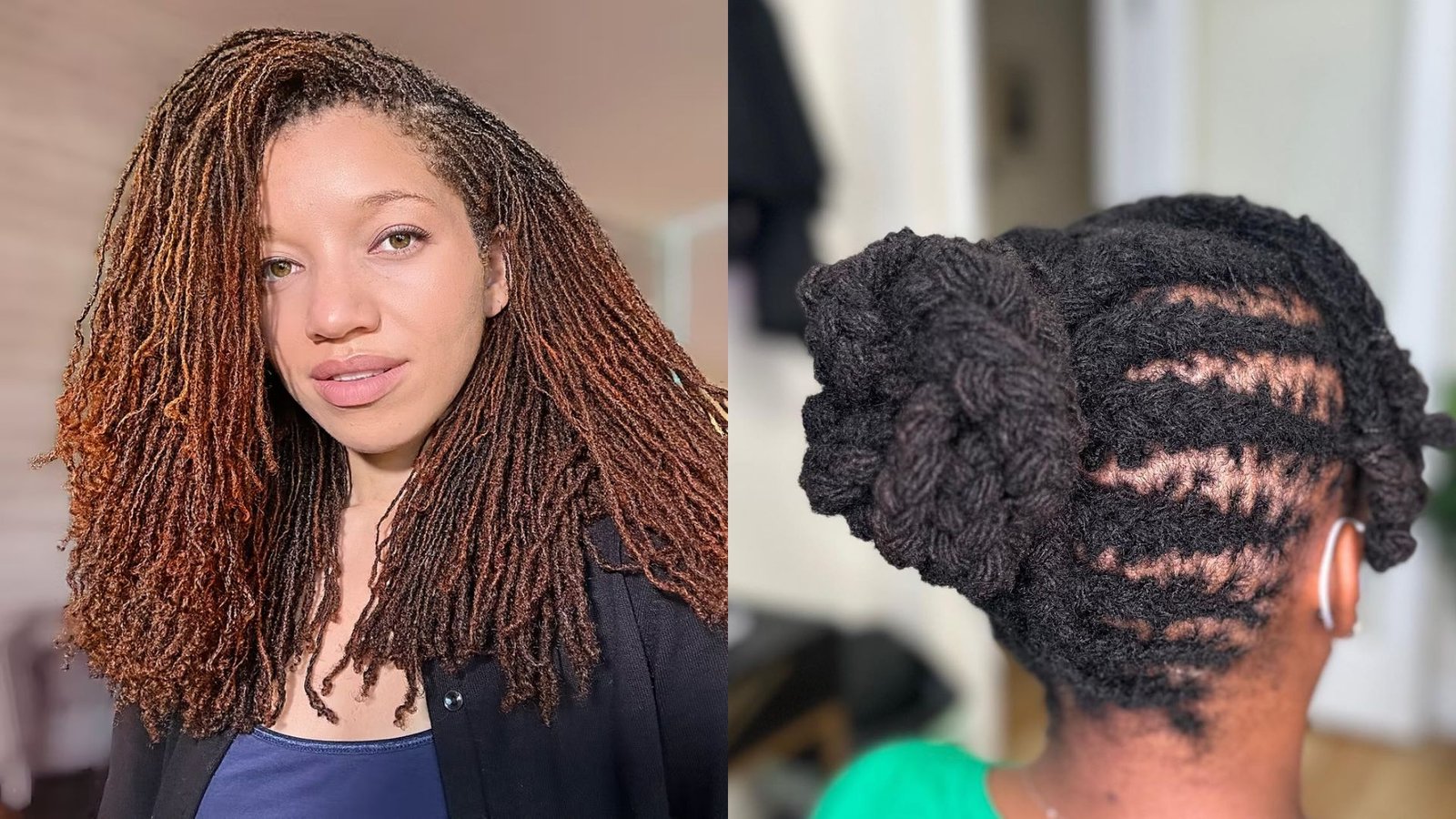
Traditional locs are much thicker than Sisterlocks. Regular dreadlocks can be as thick as your finger or even thicker. Sisterlocks are about the width of a pencil or smaller.
The installation methods are completely different:
- Traditional locs: Created by rolling, twisting, or free-forming your hair over time
- Sisterlocks: Installed with a special interlocking tool that creates precise, uniform locks
- Maintenance: Traditional locs can be DIY, as Sisterlocks require professional retightening
- Cost: Sisterlocks are significantly more expensive upfront and for ongoing care
You get more styling flexibility with Sisterlocks. They’re lighter and less bulky than traditional dreadlocks.
Who Can Get Sisterlocks?
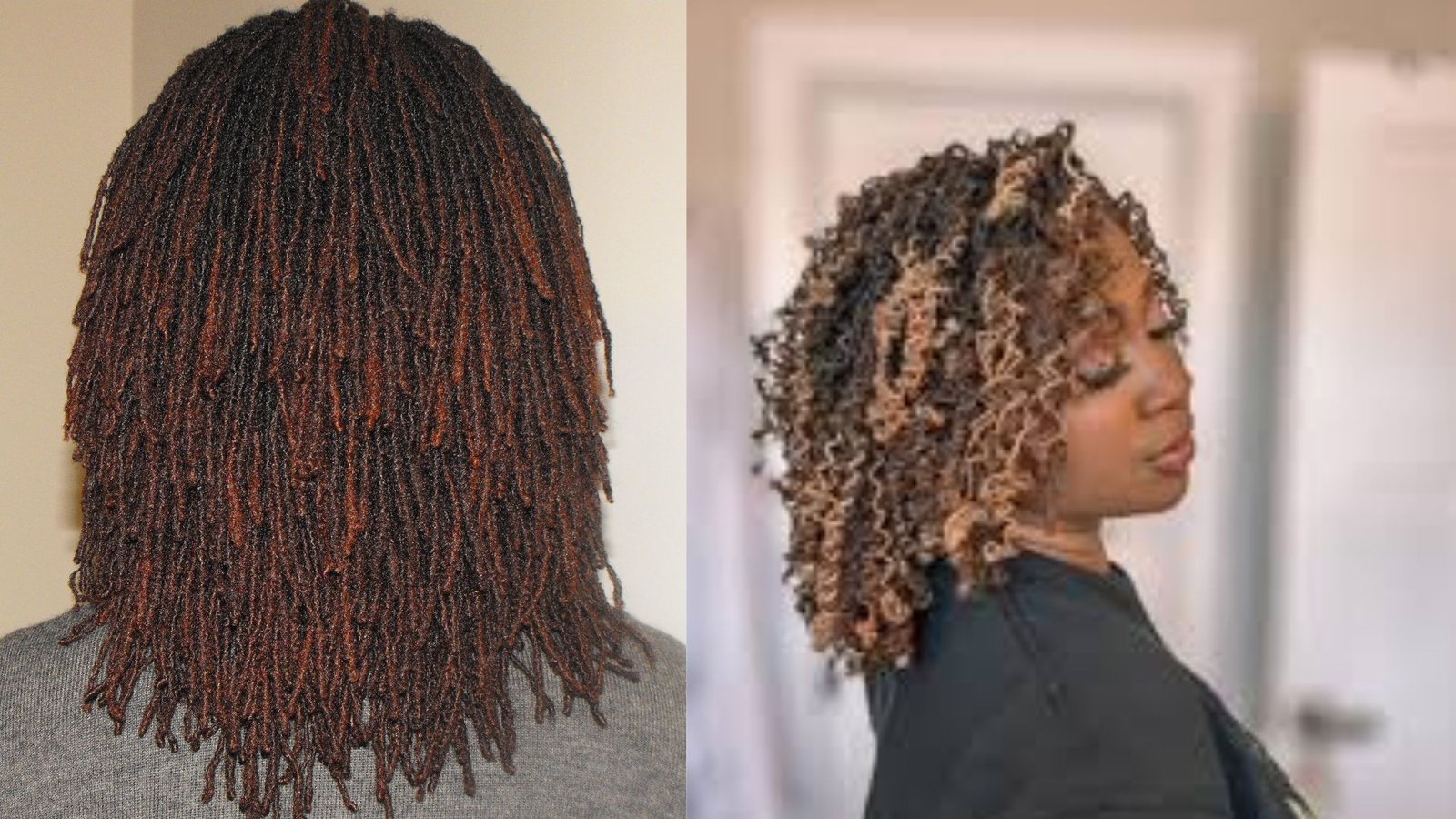
Sisterlocks work best on naturally curly or coiled hair. Fine or thin hair actually does great with this method because the small size doesn’t create heavy tension. Your hair doesn’t need to be thick.
Here’s what you need to consider:
- Relaxed hair: Wait until you have 1-2 inches of natural new growth first
- Damaged hair: Get your hair healthy before installation to avoid breakage
- Hair length: You need at least 1.5-3 inches of hair, depending on texture
- Age: Children and adults can get Sisterlocks, but kids need gentle handling
If your hair is severely damaged or chemically treated, talk to a consultant first. They’ll assess if your hair is ready.
Sisterlocks Installation Process
Getting Sisterlocks is a multi-step process that takes commitment and patience. I’m walking you through each phase so you know exactly what to expect. This isn’t a quick salon visit.
Consultation
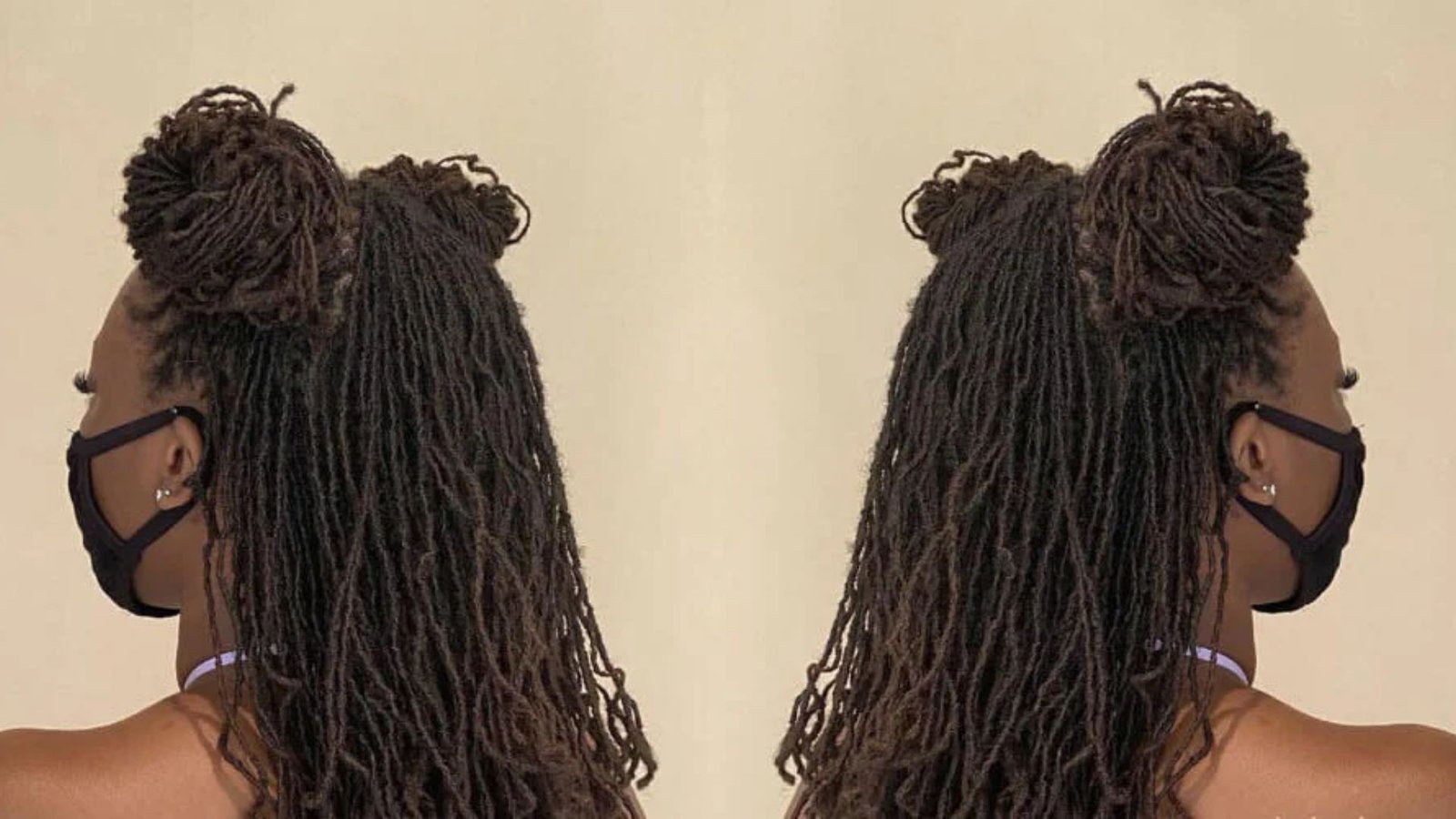
Your goals start with a certified Sisterlocks consultant. They’ll examine your hair texture, density, and condition. The consultant will test a small section to determine the optimal lock pattern for your specific hair type.
This is your chance to ask every question you have. Clarify installation cost, lock size, and maintenance schedules. Don’t leave the consultation confused about anything.
Installation Session

Prepare yourself for a marathon. The full installation takes 15-24 hours spread over multiple sessions. Most consultants break this into 2-4 appointments to prevent exhaustion.
Your consultant follows three main steps. First, they section your entire head into manageable areas. Second, they create precise rows and grids for lock placement.
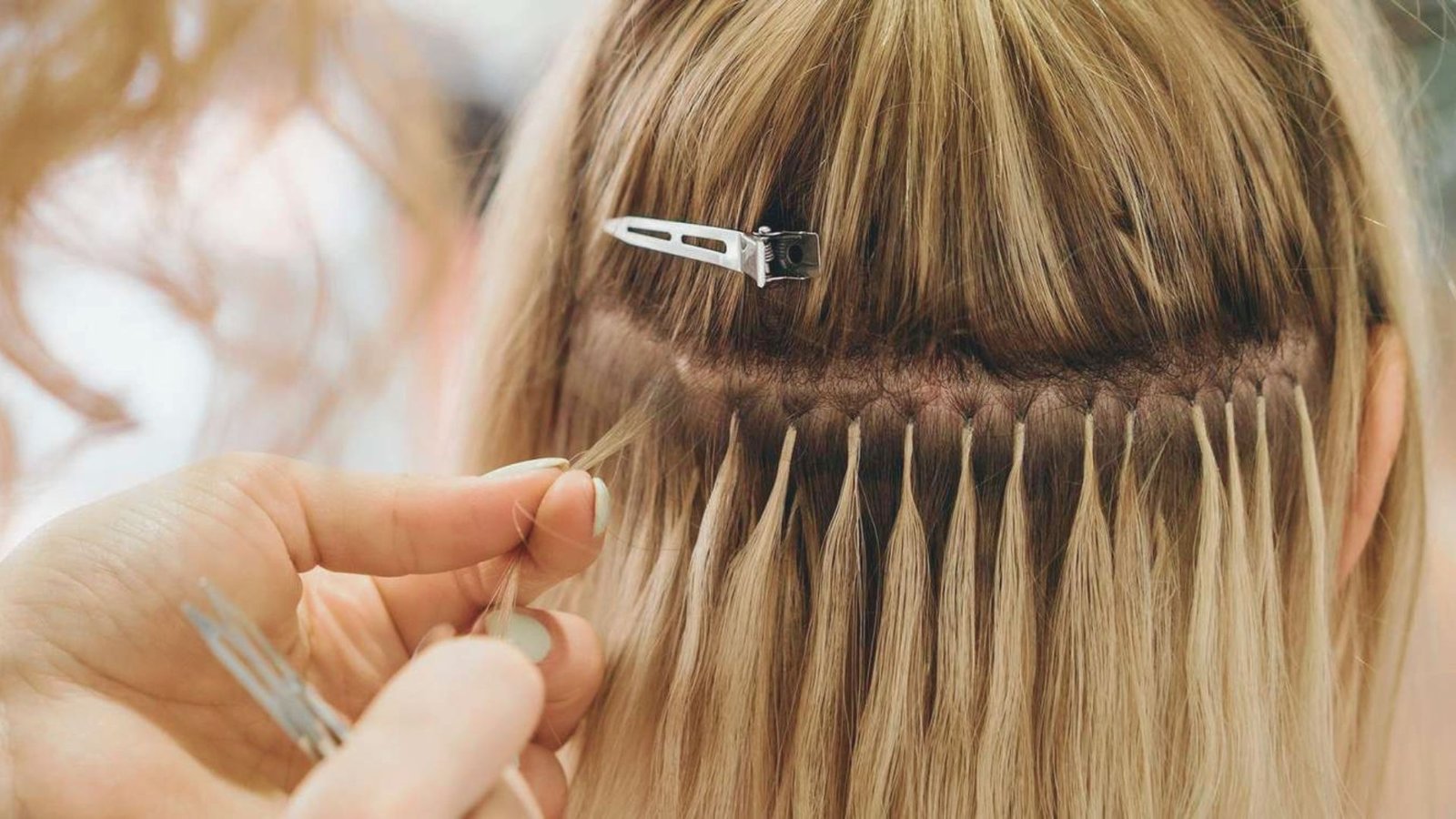
Third, they use the patented interlocking tool to create each lock from tip to root.
Follow-Up Appointments
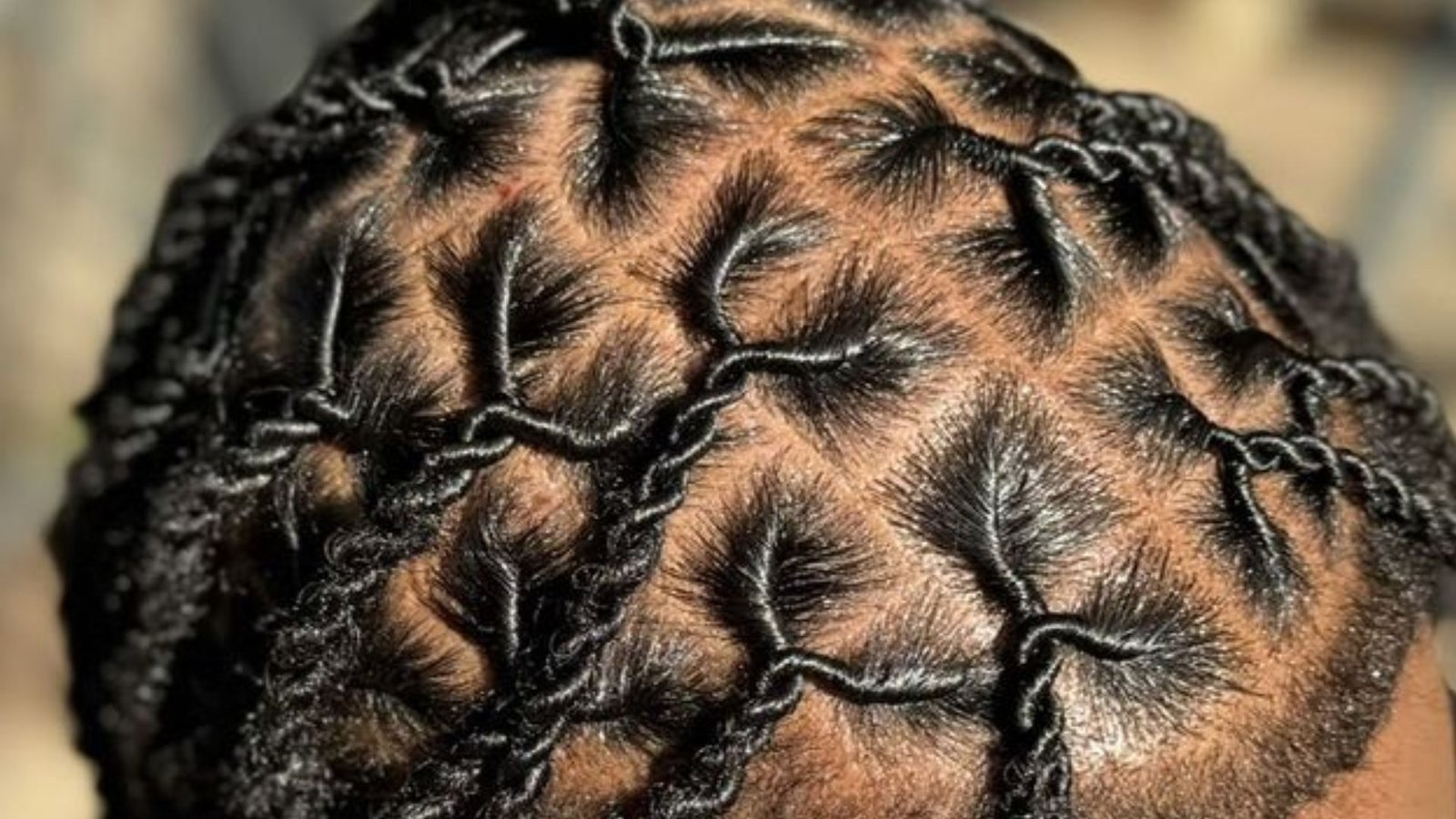
Your Sisterlocks need retightening every 4-6 weeks. This maintenance isn’t optional. Your consultant incorporates new growth into your existing locks during these sessions.
After the first 6 months, some consultants teach basic self-maintenance techniques. You’ll learn to handle minor touch-ups at home. But you’ll still need professional retightening regularly to keep your locks healthy.
Benefits & challenges of Sisterlocks
Sisterlocks offer specialized advantages but come with serious commitments. I’m laying out both sides so you can make an informed decision. Let’s be realistic about what you’re getting into.
| Benefits | Challenges |
| Low Product Usage: Low product usage with minimal scalp buildup. Less need for styling gels or heavy oils. | High cost: $500-$2,500 installation plus $150-$200 maintenance every 4-6 weeks. |
| Versatility: Versatile styling options, including updos, braids, curls, and highlights as locks mature. | Time commitment: 15-24 hours for installation and 2-4 hours monthly for upkeep. |
| Freedom and Convenience: low-maintenance after installation. Air-dries easily and is resilient to weather conditions. | Limited accessibility: requires certified consultants who may not be available locally. |
| Customization: Customized “designer locs” specific to your hair texture and personal style. | Long-term commitment: removal takes days of work or requires cutting your hair off. |
Sisterlocks Hair Care Tips
Sisterlocks need specific care to stay healthy and stylish. I’ve seen too many people treat them like regular braids. That’s a mistake.
- Wash regularly: Clean your locks every 1-2 weeks using consultant-recommended shampoo and conditioner. This prevents buildup without loosening your locks.
- Minimize heat: Prefer air-drying over heat styling to protect your delicate locks. Use low heat only after 6 months of maturation.
- Moisturize carefully: Use nourishing serums if your hair feels dry, but confirm with your consultant before applying products in the first 6 months.
- Protect at night: Use a silk or satin bonnet to reduce breakage and tangling while you sleep. Cotton destroys sisterlocks faster than anything.
- Follow professional guidance: Your stylist knows your hair best. Schedule retightening every 4-6 weeks and ask questions when unsure.
Longevity and Maintenance
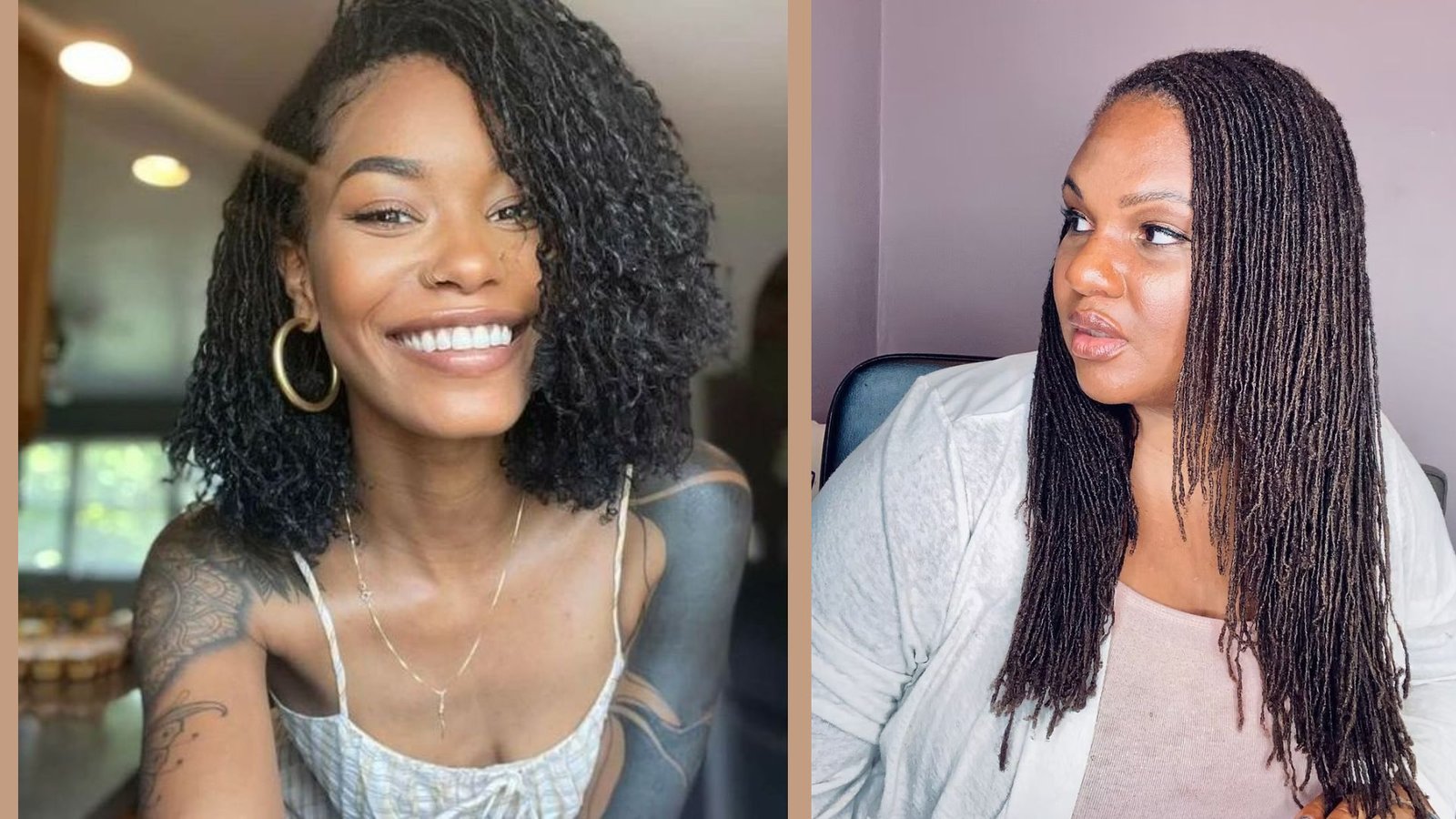
Sisterlocks are a long-term commitment. I want you to understand what that means before you start. They’re not like box braids that come out in weeks.
- Sisterlocks are permanent: They’re intended to last for years, but you can uninstall or cut them off if needed. Uninstalling without cutting takes hours or even days of careful work.
- Retighten regularly: Schedule maintenance every 4-6 weeks to keep your locks tight and healthy. Your sisterlocks can last years with proper care and consistent retightening.
- Prevent damage: Proper maintenance prevents breakage and keeps your hair strong. Over-retightening or under-retightening may cause hair weakening, so find a skilled loctician you trust.
Cost Breakdown
Sisterlocks require a serious financial investment. I’m breaking down the costs so you can budget properly. This isn’t a cheap hairstyle.
- Initial installation: Expect to pay $500-$2,500, depending on your hair length, density, and stylist experience. The consultation may be included or cost extra.
- Maintenance appointments: Budget $150-$200 every 4-6 weeks for retightening sessions. This adds up to $1,800-$2,400 per year in upkeep alone.
- Optional training: Some consultants offer home care training for an additional fee. This teaches you basic maintenance between appointments and can save money long-term.
Conclusion
You now have a complete answer to what Sisterlocks are and everything that comes with them. You understand the investment, the installation process, the benefits they offer, and the daily care they require. No more confusion about If they are right for you.
You can make an informed decision about starting your Sisterlocks goals. You know what to expect financially, time-wise, and maintenance-wise. If you move forward or choose a different loc style, you’re equipped with honest information.
Still have questions about Sisterlocks and your specific hair type? Drop them in the comments. I’m here to help. If this article cleared things up for you, share it with anyone considering Sisterlocks so they can go in with their eyes open. Browse our other loc articles for more guidance on your natural hair goals.
Frequently Asked Questions
What are Sisterlocks exactly?
Sisterlocks are small, uniform locs created using a precise interlocking technique and a specialized tool. They’re much thinner than traditional locs, typically pencil-sized or smaller. A certified consultant installs them in a specific grid pattern. They offer versatility similar to loose natural hair while providing the benefits of locs.
How much do Sisterlocks cost to install?
Sisterlocks installation typically costs $500-$2,000, depending on your hair length, density, and location. Shorter, thinner hair costs less than long, thick hair. Retightening appointments every 4-6 weeks $75-$200. The initial investment is high, but many find the versatility and low daily maintenance worth the price.
How long does Sisterlocks installation take?
Sisterlocks installation takes 12-36 hours, depending on hair length and thickness. Most consultants split this across 2-4 sessions over several days. Shoulder-length hair typically takes 16-24 hours. The process is lengthy because each tiny loc is individually installed using a precise technique for uniform results.
What’s the difference between Sisterlocks and traditional locs?
Sisterlocks are much smaller and more uniform than traditional locs, using a patented interlocking method. They offer more styling versatility and a refined look. Traditional locs are thicker, can start with various methods, and have a more organic appearance. Sisterlocks require certified consultants, as traditional locs don’t.
How do you maintain Sisterlocks?
Maintain Sisterlocks with retightening appointments every 4-6 weeks from a consultant or learn to self-retighten. Wash weekly with residue-free shampoo, avoiding heavy products. Sleep with a satin bonnet to prevent frizz. Daily maintenance is minimal, just finger styling. They require less daily work than loose natural hair.