




If you have coily hair, you know it has its own needs. Type 4 hair has tight coils that are full of personality and volume, but it also requires care to stay healthy and strong.
Not all coily hair is the same. If your coils are 4A, 4B, or 4C makes a difference in how you care for them. Understanding your specific type helps you give your hair exactly what it needs.
This guide shares practical ways to keep your coils moisturized, reduce breakage, and create a wash routine that works. Knowing your hair type is key to healthy coils that feel soft and look natural every day.
What Is Coily Hair Type?
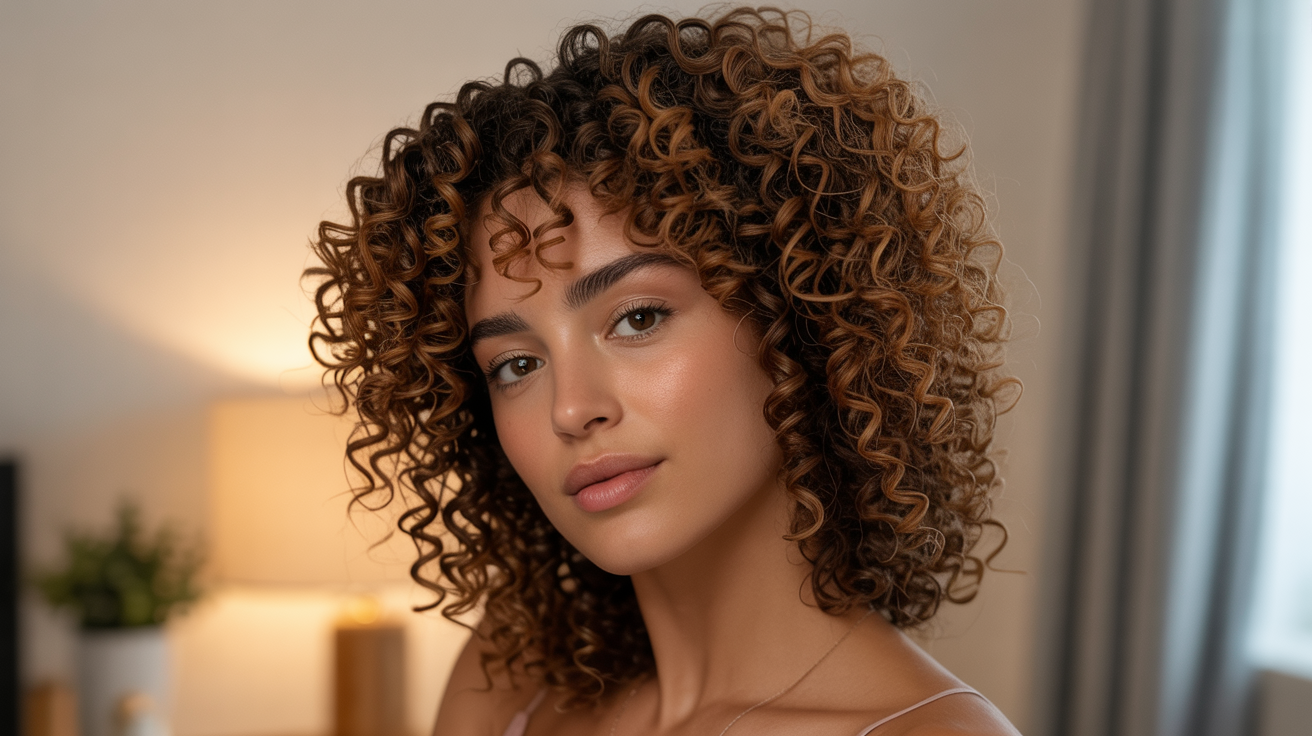
Coily hair is Type 4 in the hair typing system. It has tightly packed coils that create natural volume and a lively texture, giving your hair a full, noticeable look.
Unlike wavy or curly hair, coily hair forms tight Z-shaped or spiral patterns and feels soft and spongy to the touch. Its dense structure gives it bounce and a unique personality.
Porosity is important for coily hair. High porosity loses moisture quickly, low porosity holds it tightly, and medium porosity balances both. Knowing your porosity helps you choose the right products for healthy, hydrated coils.
The Three Types of Coily Hair
Not all coily hair is the same. Type 4 breaks down into three subtypes: 4A, 4B, and 4C. Each one needs slightly different care, and identifying yours makes everything easier.
Type 4A Hair

Type 4A hair has visible S-pattern coils about the size of a crochet needle or toothbrush. It is the softest and loosest coily texture, with less shrinkage than other coily types.
Your 4A coils grow downward and retain moisture better, making them easier to manage compared to 4B and 4C. The curls are densely packed but clearly defined.
This hair type is very fragile. Heat styling, chemical treatments, and rough handling can cause damage, so handle your coils gently and avoid harsh tools.
Type 4B Hair
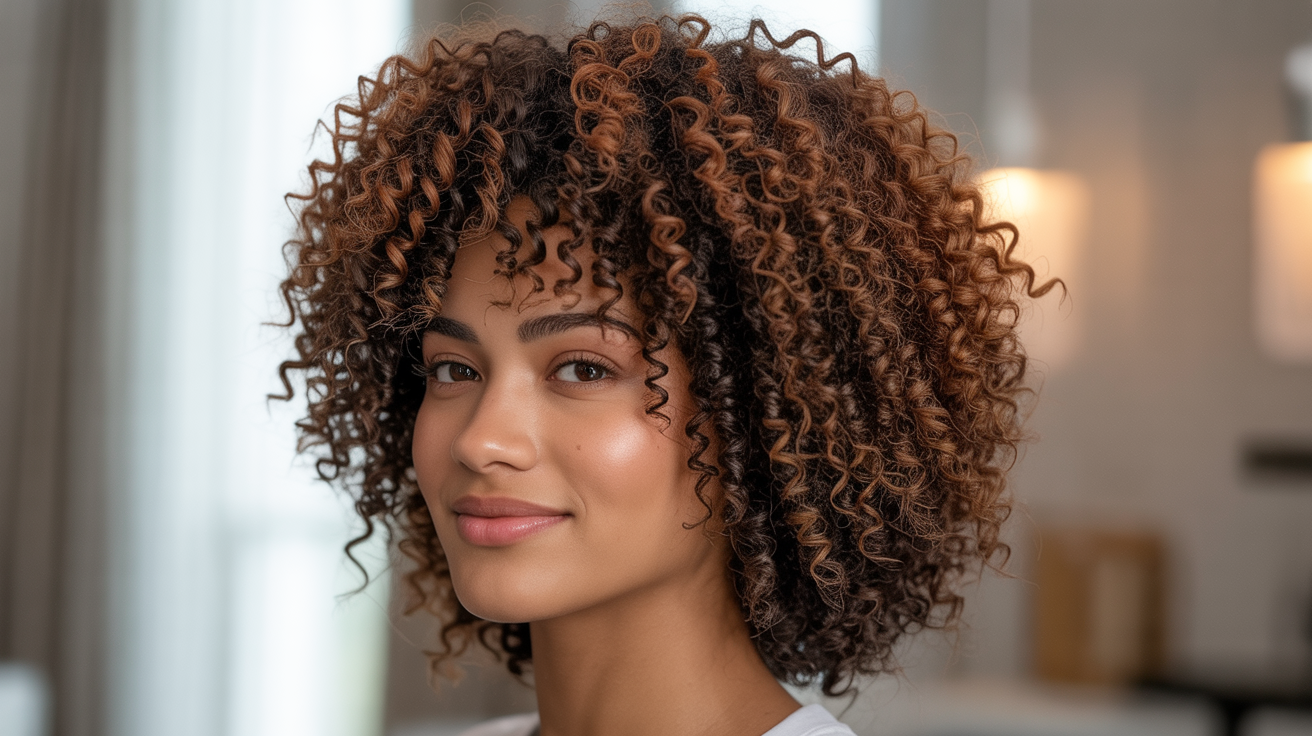
Type 4B introduces the zigzag. Instead of S-patterns, you’ve got sharp angles and Z-shapes running through your strands.
Your strands are very fine and fine. The sharp angles make it hard for your natural oils (sebum) to travel down the hair shaft. That’s why 4B hair gets dry and frizzy quickly if you’re not careful with moisture.
The good news? When your 4B coils are properly hydrated, they reflect light attractively and look absolutely impressive. Less manipulation is key here. The more you mess with it, the more likely you’ll damage those fine strands.
Type 4C Hair

Type 4C has the tightest curl pattern of all hair types. Your coils are so tight that you can’t see a defined pattern unless your hair is wet.
These coils are thicker and coarser than 4A and 4 B. The zigzag pattern is extremely tight, and here’s the wild part: 4C hair can shrink 70% or more as it dries. That means your actual length is hidden in those coils.
Type 4C is also the most fragile. Your ultra-tight coils interlace easily, forming knots that can lead to breakage. Natural sebum can’t travel down your hair shaft, so dryness is a constant battle. But with the right care, 4C hair is absolutely attractive.
How to Care for Coily Hair Type?
Coily hair needs a different approach than other textures. The biggest rule: protect your natural oils and keep moisture locked in. Everything else builds from there.
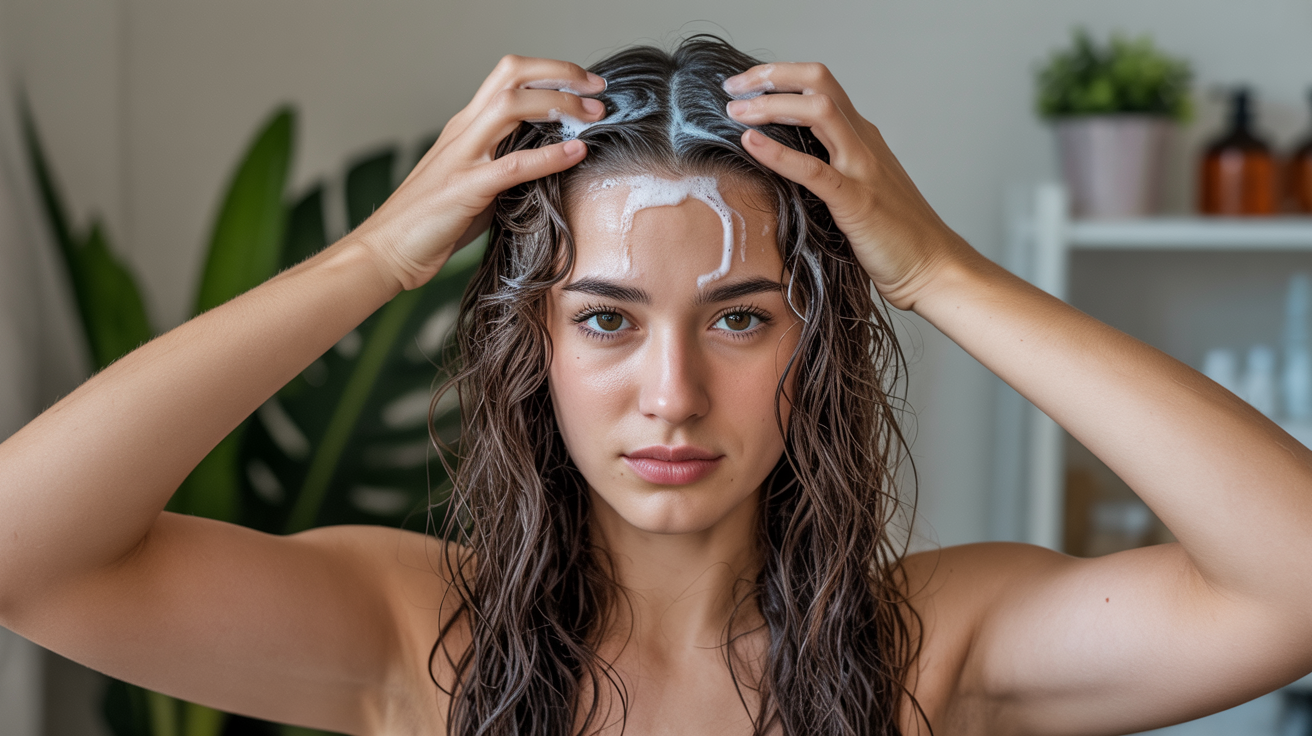
- Wash coily hair 1-2 times per week to preserve natural oils, using pre-shampoo treatments and occasional clarifying shampoo.
- Dry and detangle gently using air drying or a cool diffuser, fingers, or a wide-tooth comb to avoid breakage.
- Use the LOC method for moisture: apply leave-in conditioner, then oil, then cream to keep coils hydrated.
- Protect hair at night with a satin pillowcase, loose styles like the Pineapple method, and avoid tight bonnets or scarves.
Best Products for Coily Hair Type
Product selection can make or break your coily hair routine. The right ingredients work with your hair, while the wrong ones strip it dry.
Key Ingredients to Look For
Rich moisturizers are important for coily hair. Ingredients like cocoa butter deeply nourish and seal in moisture, while oat extract hydrates without helping control hair down. Leave-in conditioners should be a regular part of your routine.
Oil-in-cream formulas are great for intense moisture, combining the benefits of oils and creams. Hair masks are also valuable, filling the cuticle layer to manage frizz and add shine.
Ingredients to Avoid
Some ingredients sound harmless, but are terrible for coily hair. Sulfates strip your natural oils, leaving your coils dry and brittle.
Silicones might make your hair feel smooth temporarily, but they create buildup and prevent moisture from getting in. Over time, they dry out coily hair even more. Check your product labels and skip anything with these ingredients.
Styling Tips for Coily Hair
Styling coily hair is about protecting your hair while creating the look you want. Always start with a leave-in conditioner for a moisture base and apply products to soaking-wet hair for even distribution and easier detangling.
Keep your head upright and work in sections to cover every coil. Layer stylers for definition and hold, and maintain a protein-moisture balance to keep hair strong, flexible, and healthy.
Between-Wash Care and Refresh Methods
Your coils need attention between wash days. Refreshing your hair keeps it looking good and feeling moisturized all week long.
|
Focus Area |
Tips & Techniques |
|
Refreshing Coils |
Use a moisturizing spray to rehydrate your hair. Mix oil-in-cream with water for extra moisture and spritz generously. Smooth gel over sections if more hold is needed, but avoid raking to prevent frizz. |
|
Scalp Care |
Treat dryness and itchiness with soothing serums. Massage directly into the roots to stimulate blood flow and distribute the product for a healthy scalp. |
|
Sealing Moisture |
Protect your ends by applying oil or rich butter. This locks in moisture and prevents dryness, keeping your most vulnerable areas safe between washes. |
Common Challenges and Solutions for Coily Hair
Coily hair comes with specific challenges. But every challenge has a practical solution if you know what to do.
- Shrinkage is normal for coily hair, especially Type 4C, and shows healthy, elastic strands. Protective styles and moisturizers can help stretch your hair.
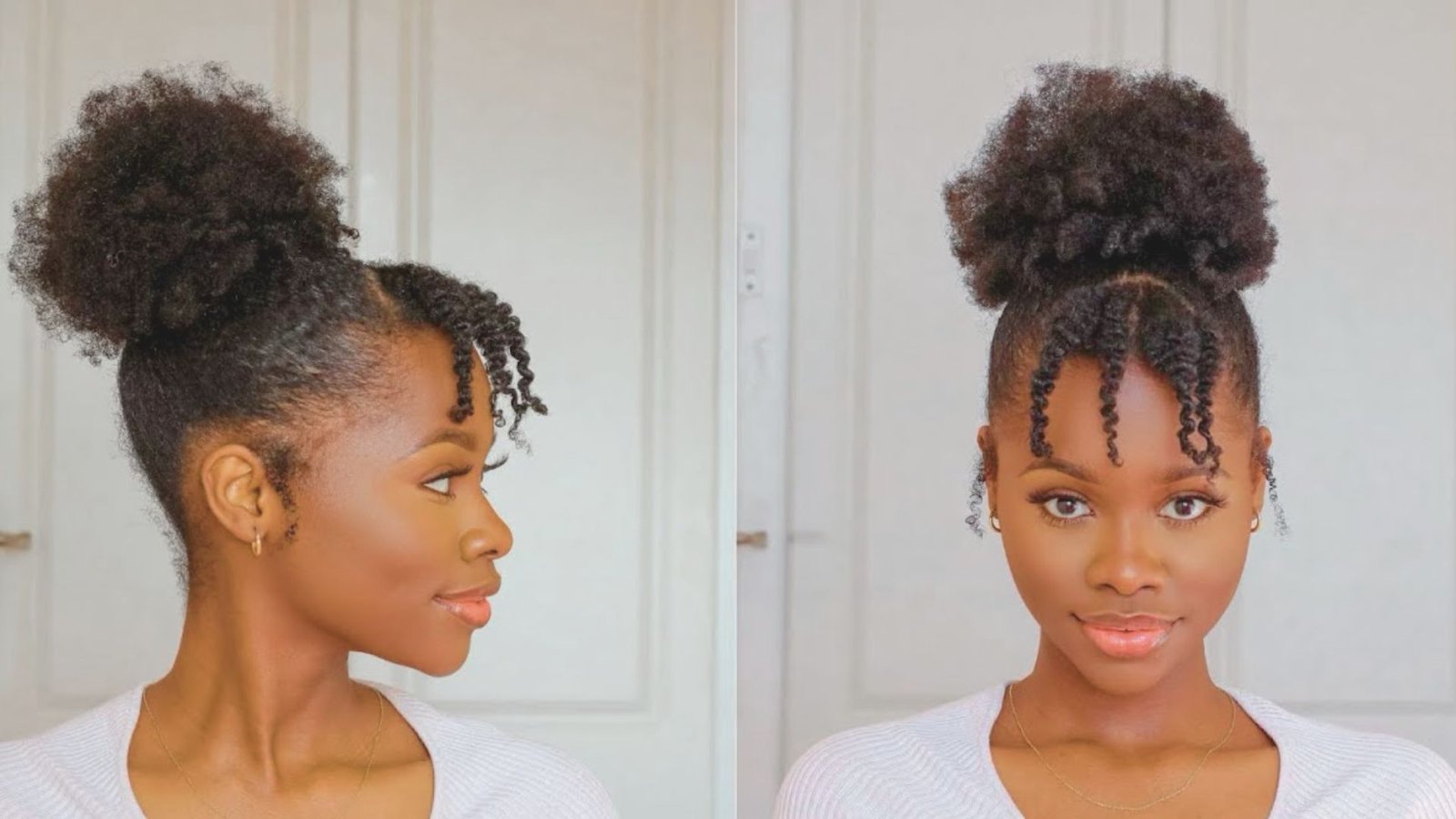
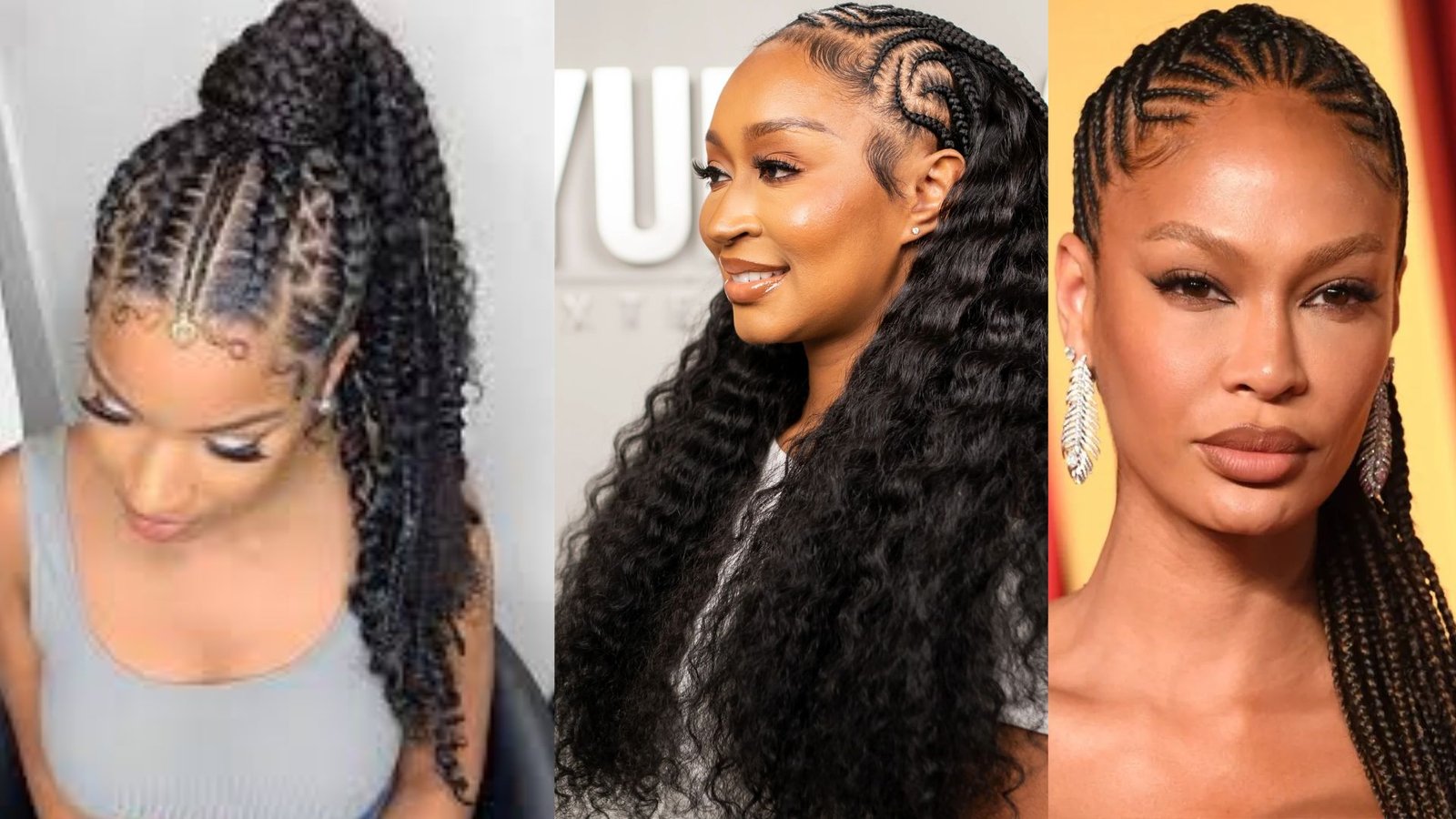
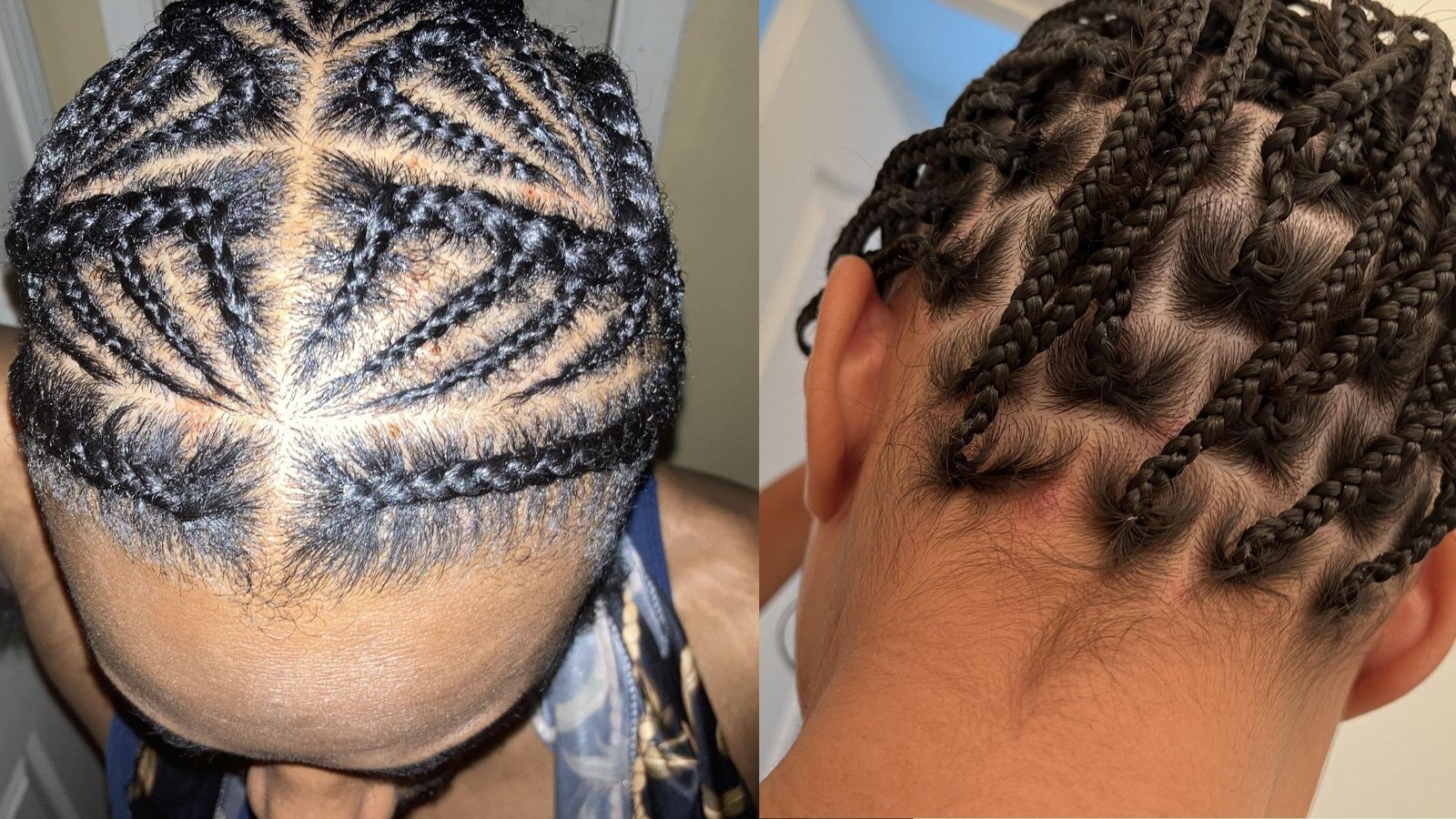
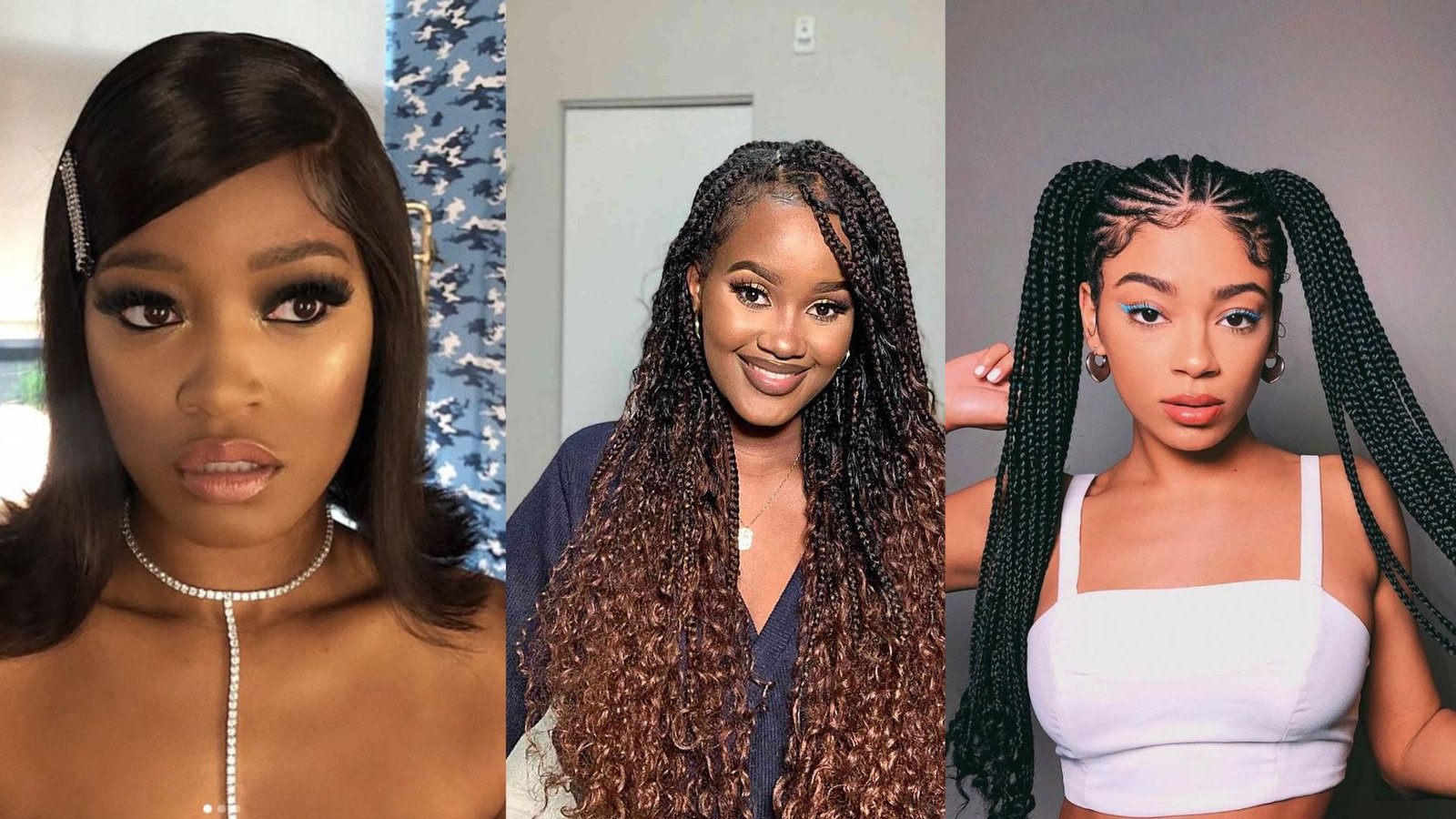
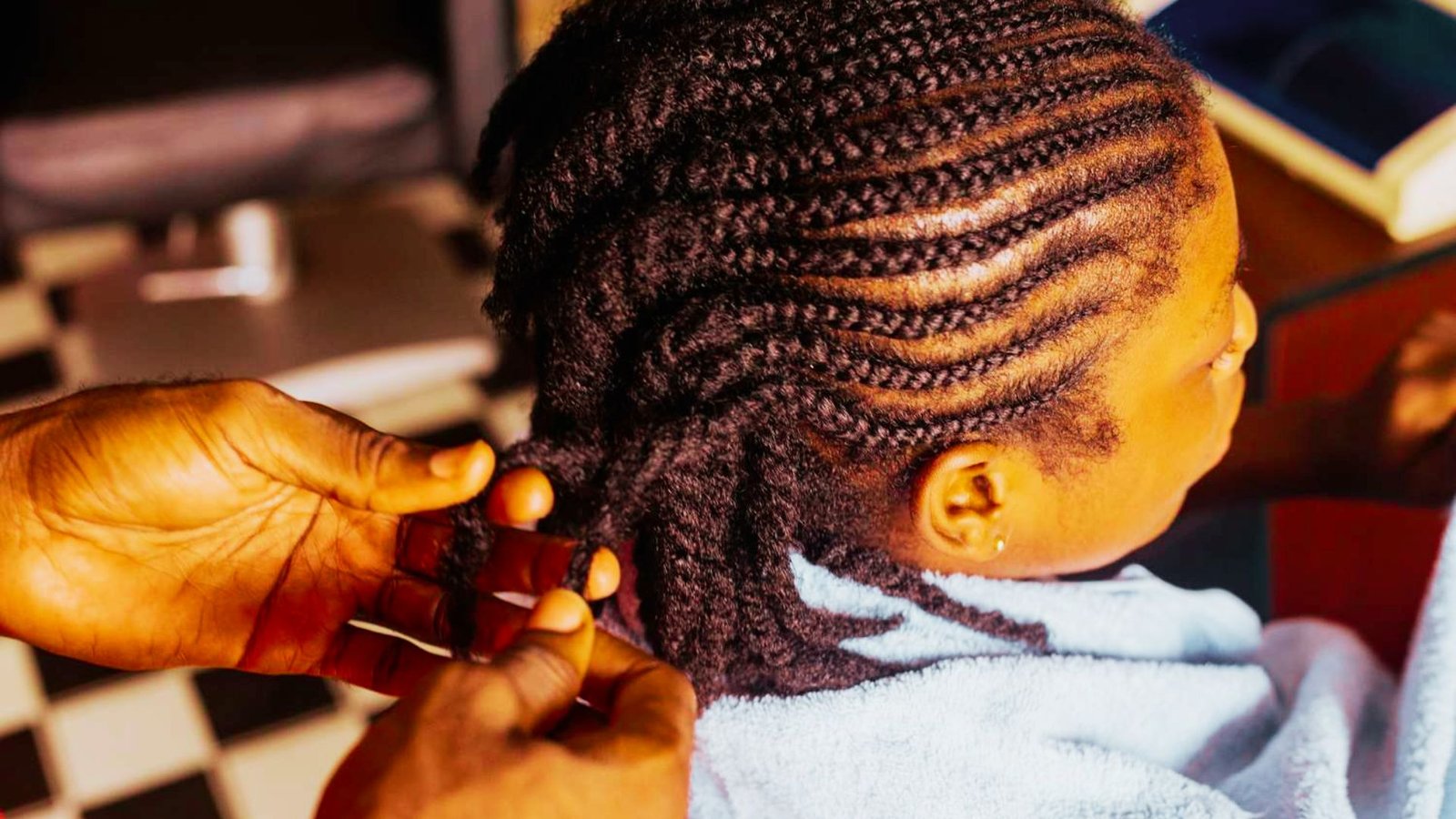
- Use braids, twists, buns, or other protective styles to maintain length and manage shrinkage without heat.
- Minimize breakage by reducing heat, chemical treatments, frequent manipulation, and handling knots gently, especially when hair is wet.
- Dryness leads to frizz, so deep conditioning on wash days and consistent use of the LOC method are important.
- Choose products based on your hair’s porosity: heavier for high porosity, lighter for low porosity, and always use a leave-in conditioner.
Conclusion
Getting to know your coily hair type is the first step toward healthy, happy curls. With gentle care, regular moisture, and styles that protect your hair, your coils can stay strong and full of life.
Healthy curls really come down to paying attention and being consistent with what your hair needs. The tips here can help you build a simple routine that actually works.
We would love to hear about your hair journey. Share your favorite coily hair care tips in the comments or read more guides to keep your curls looking their best. Your coils deserve love, and now you have the tools to give them just that.
Frequently Asked Questions
What is a coily hair type?
Coily hair is Type 4 hair with tightly packed coils or Z-shaped patterns starting at the scalp. It’s the most voluminous hair type, divided into 4A (S-pattern coils), 4B (zigzag pattern), and 4C (tightest coils). Coily hair is naturally dry and requires consistent moisture to stay healthy.
How often should I wash coily hair?
Wash coily hair only 1-2 times per week to preserve natural oils. Frequent washing strips moisture and causes breakage since coily hair is fragile. Use a clarifying shampoo every 4-5 washes to remove buildup, and consider deep conditioning on every wash day.
What’s the difference between 4A, 4B, and 4C hair?
4A has visible S-pattern coils and retains moisture well. 4B features a zigzag pattern with fine, fine strands. 4C has the tightest coils with 70%+ shrinkage, thicker strands, and no defined curl pattern. Each type requires specific care approaches.
How do I keep coily hair moisturized?
Use the LOC method: apply Leave-in conditioner, then Oil, then Cream to lock moisture. Deep condition regularly, avoid sulfates and silicones, and refresh between washes with moisturizing sprays. Sleep on satin pillowcases to prevent moisture loss overnight.
Why does coily hair shrink so much?
Coily hair shrinks because of its tight curl pattern, especially Type 4C, which shrinks 70% or more when drying. The ultra-tight coils compress length, making hair appear shorter than it actually is. Rich moisturizers can slightly weigh down coils to reduce shrinkage.