
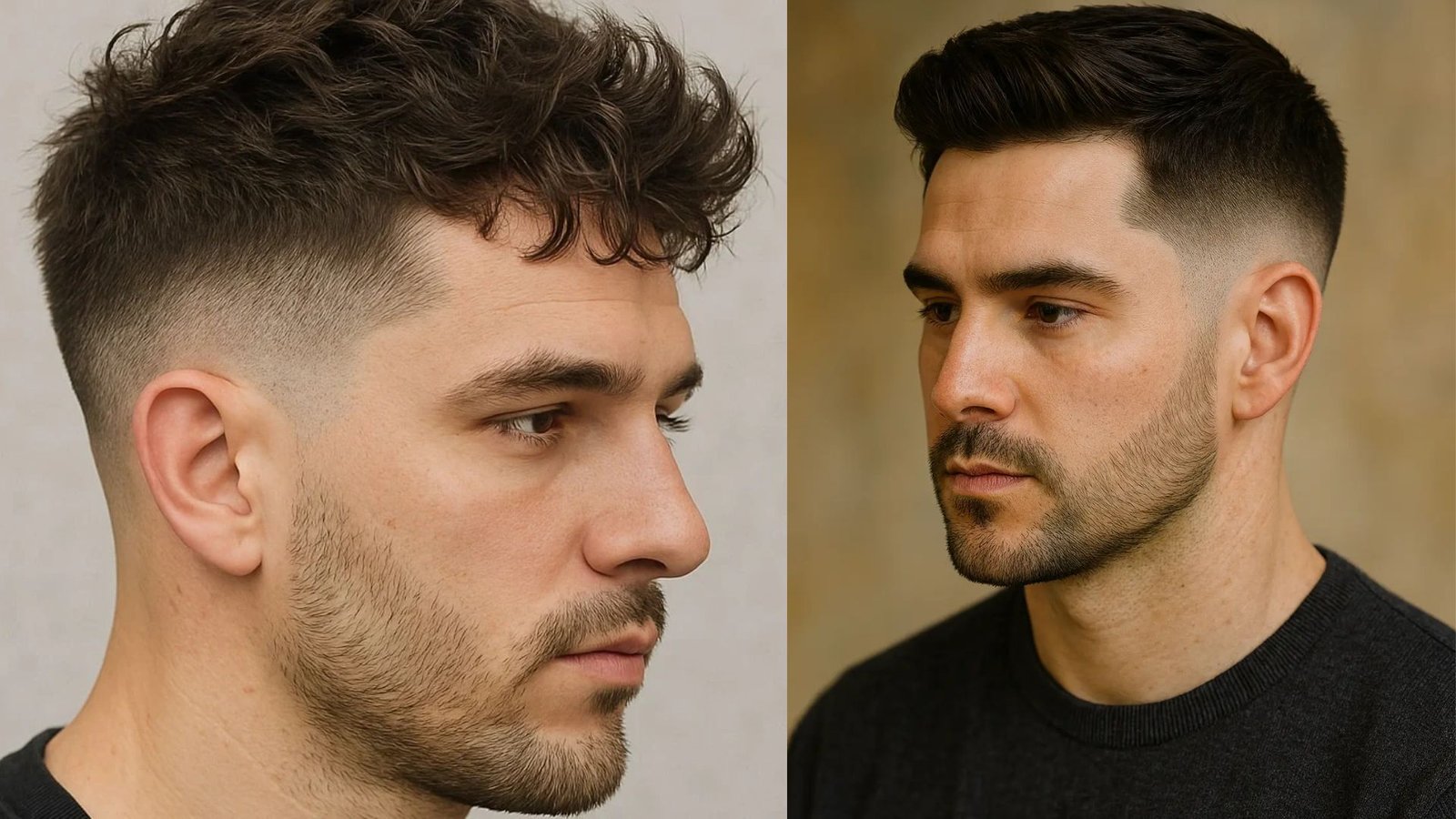




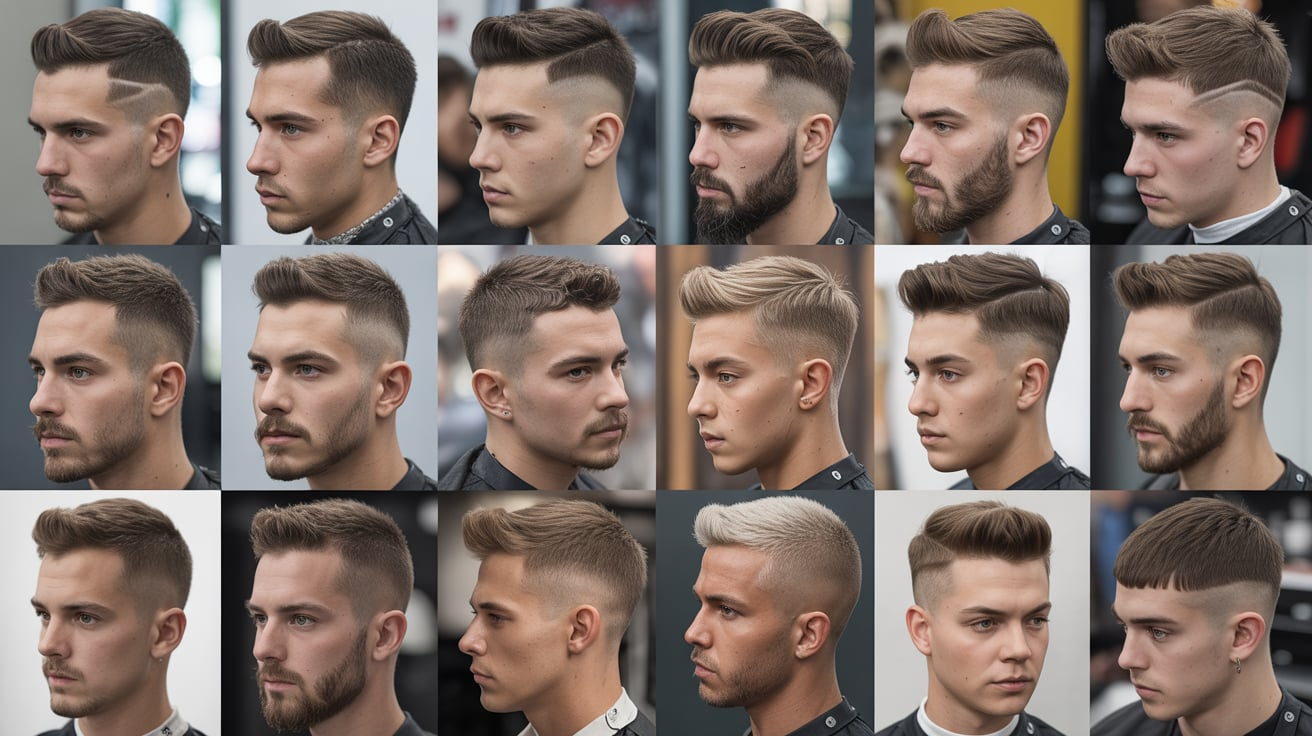
You’re staring at your barber, confused. Taper or fade? They sound the same, but they’re totally different. Pick the wrong one, and you’ll walk out looking nothing like you imagined.
This article breaks down both haircuts. You’ll learn what makes each style different, which face shapes they suit, and how to maintain them. We’ll show you real differences so you can point at the right image when you sit in that chair.
I’ve spent years helping guys figure out their best look, and I know how frustrating bad haircuts can be. You deserve honest information that actually helps.
That’s why we’re keeping this simple. By the end, you’ll know exactly which cut matches your style, hair type, and lifestyle. No more guessing games. Just clear answers that help you look your best.
Taper vs Fade: Understanding the Core Difference
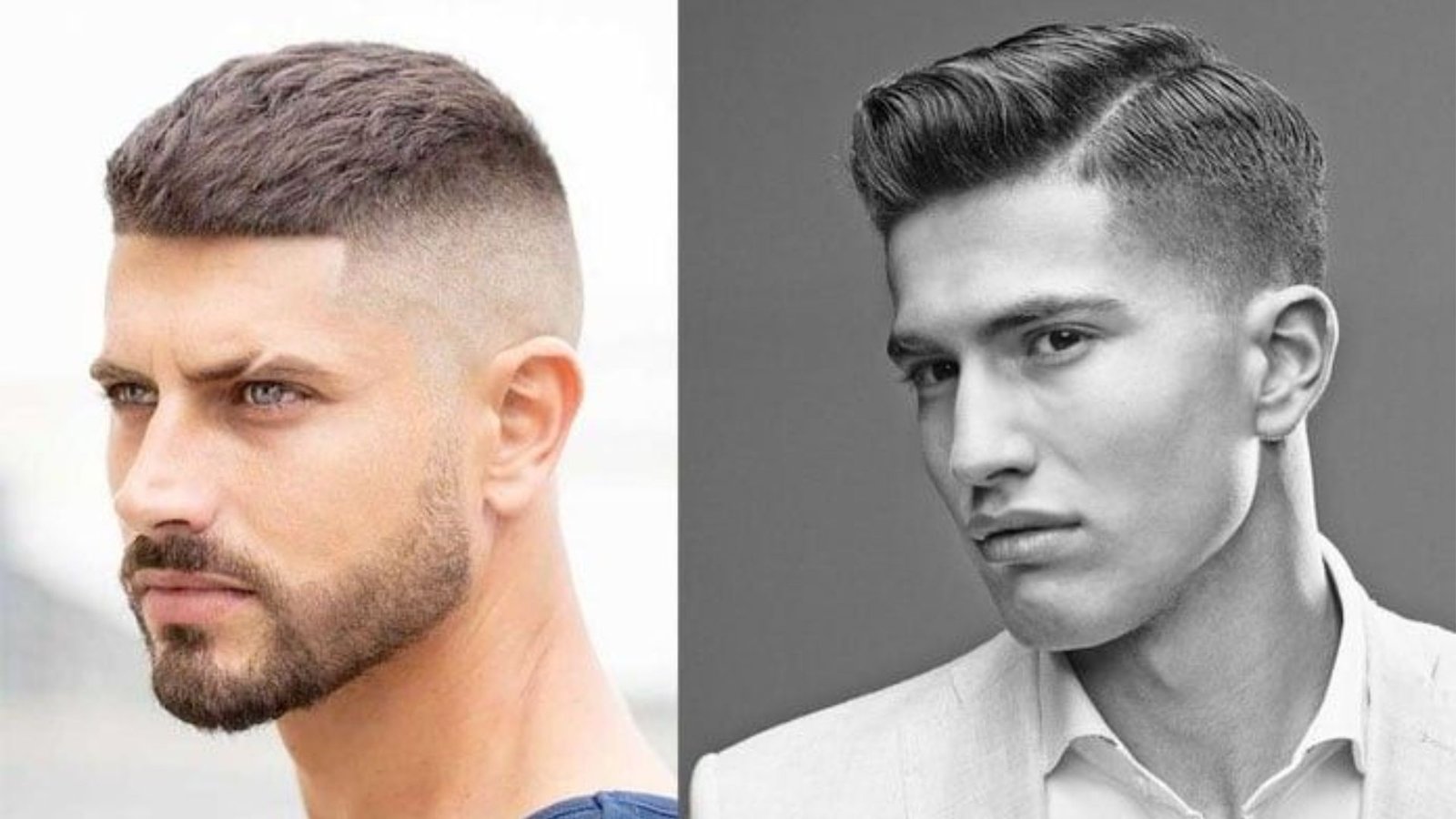
I’ll make this simple. Both tapers and fades blend your hair from long to short. But here’s what you need to know
- Taper haircuts: You get a gentle transition. Your barber slowly reduces hair length from top to bottom. It’s subtle. Natural-looking. The change happens over several inches, so there’s no harsh line between sections. Think of it like a hill, smooth all the way down.
- Fade cuts: Your hair goes from long to skin (or very short) quickly. The transition happens in a small area. It’s bold. Eye-catching. You’ll see a clear difference between the top and sides. This is a mountain cliff, not a hill.
- The main difference: Tapers take 2-3 inches to blend. Fades do it in less than an inch. That’s it. One whispers. One shouts. Choose based on how much contrast you want in your style.
What Is a Taper Haircut?
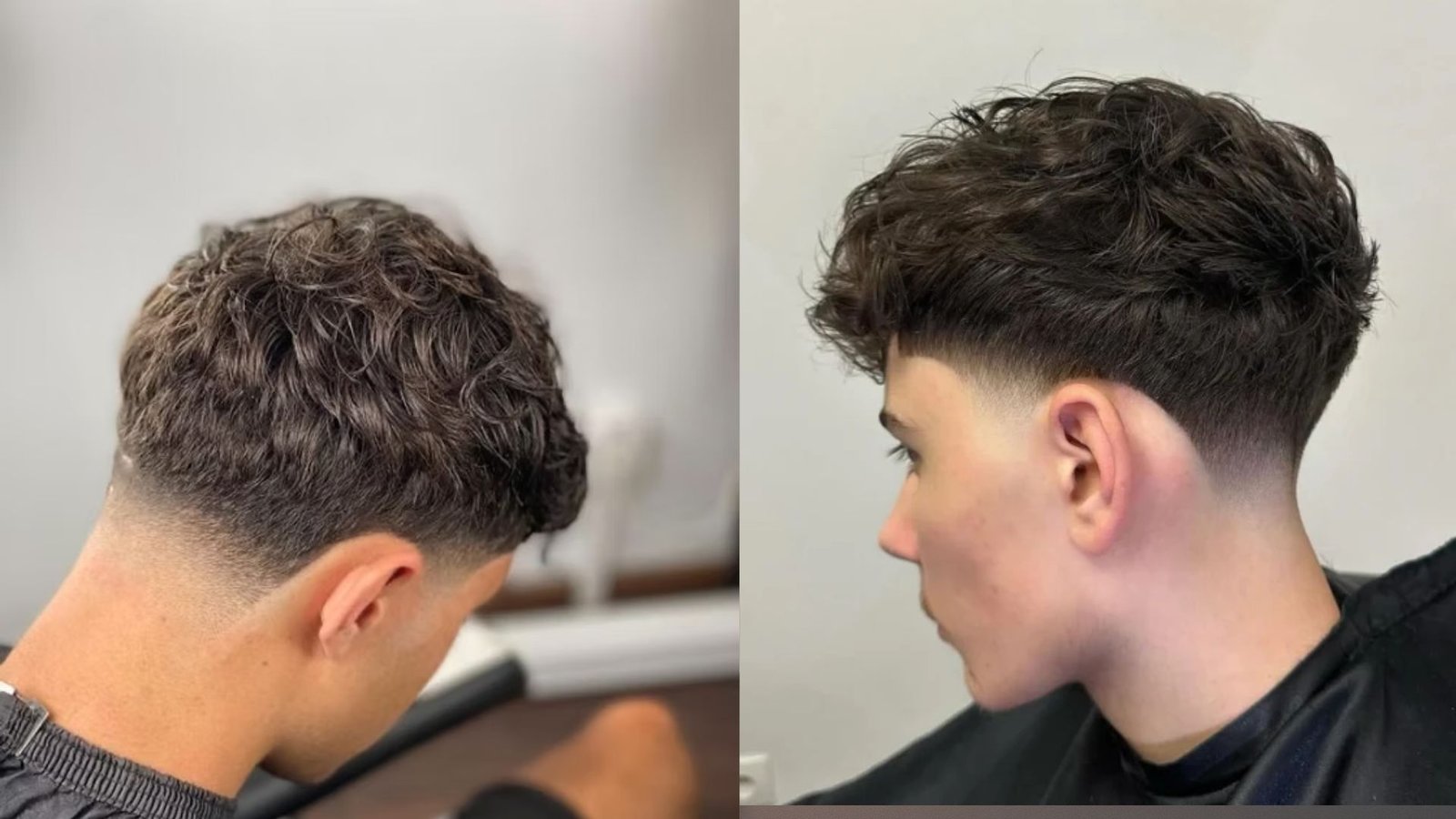
A taper haircut is a gradual blend from longer hair on top to shorter hair at the bottom. Your barber reduces the length slowly as they move down toward your neckline and ears. The key? Your hair stays visible the entire way down. It never disappears into the skin. This creates a clean, natural look that works anywhere.
Key Characteristics of a Taper
Tapers have a specific feel. They’re smooth, refined, and never jarring to look at.
- Smooth and even: The length changes gradually over 2-3 inches. No sudden jumps. Your eye travels from top to bottom without hitting any harsh lines. The transition feels natural.
- Defined edges: Your neckline and sideburns stay clean and shaped. They frame your face. The difference between your longest and shortest hair is subtle. Natural-looking and refined.
- Professional appearance: Office jobs love tapers. Formal events, too. They show you care about appearance while keeping things conservative. This haircut doesn’t scream for attention. It whispers quality instead.
Types of Taper Haircuts
Not all tapers look the same. Where the blend starts changes everything.
- Classic Taper: Almost everyone and most hair types. Your barber starts the taper around mid-head. The blend happens over a good stretch of hair. It’s the safe choice that never fails.
- Low Taper: Subtle style seekers. Everything stays tight to your head. The blend starts just above your ears. You’ll barely notice the transition unless you’re looking for it. Ideal when you want to change without making a statement.
- High Taper: More contrast lovers. This one begins near your temples, higher up on your head. You get more definition than a low taper. But it stays polished and professional. Still refined enough for business meetings.
- Skin Taper: Sharp looks without full fades. The edges blend very close to the skin, almost touching it. You see a hint of scalp at the very bottom. But hair remains visible for most of the blend.
- Tapered Neckline: Low-maintenance people. Your neckline follows your natural hairline and grows out gradually. No hard-blocked line. This means less upkeep between cuts. Your hair grows and still looks intentional for weeks.
What Is a Fade Haircut?
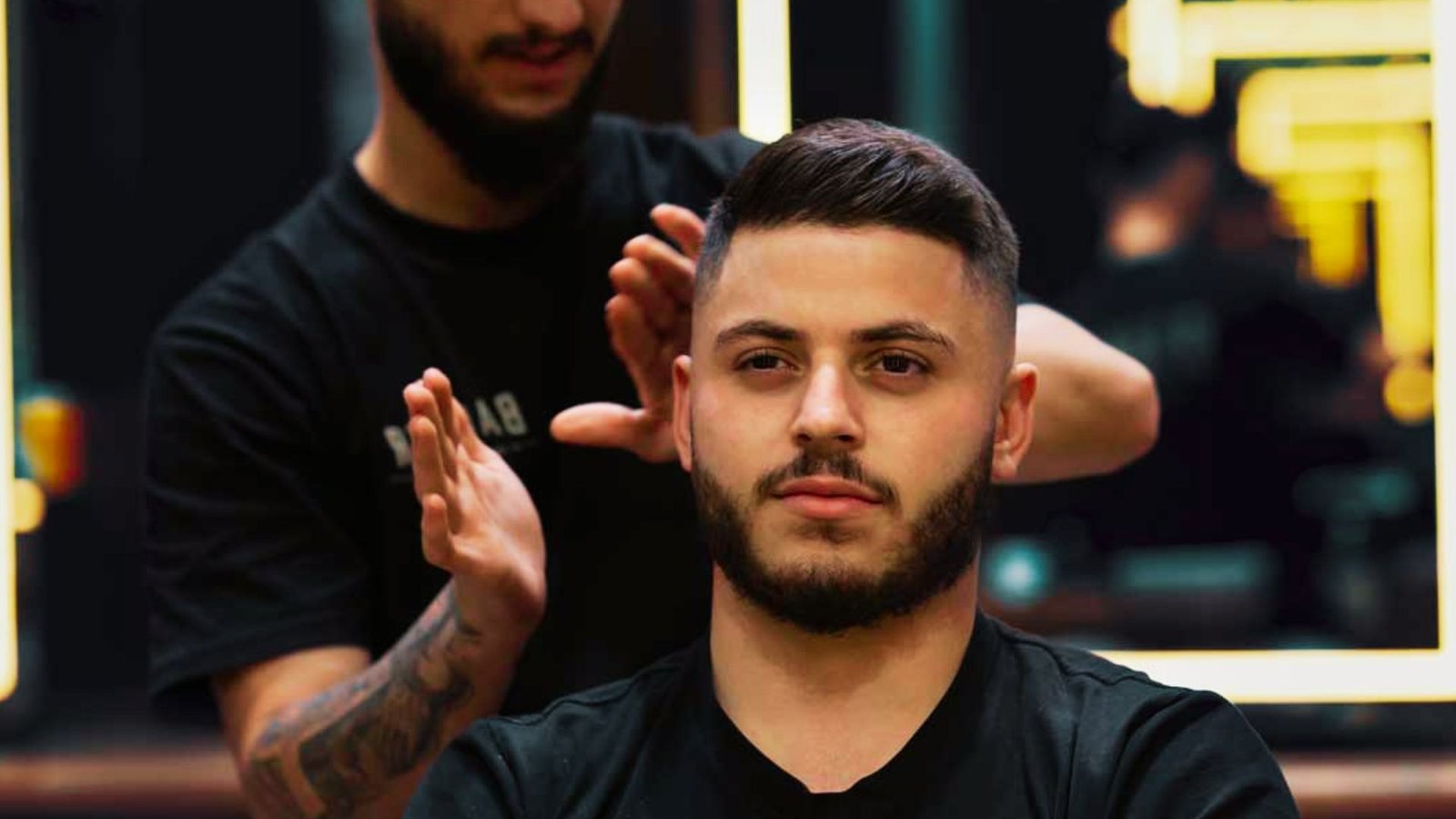
A fade haircut transitions from longer hair to shorter hair much faster than a taper. Your barber creates a dramatic change in length over a small area.
The hair often blends down to bare skin at the bottom. This creates a bold, modern look that turns heads. Fades make a statement.
Key Characteristics of a Fade
Fades have an unmistakable edge. They’re sharp, modern, and impossible to miss.
- High contrast: The difference between your longest and shortest hair is dramatic. The transition happens quickly, usually in less than an inch. Your eye sees a clear boundary between sections. No subtlety here.
- Bare skin finish: Hair may disappear entirely at the base. You’ll see scalp. That’s the point. Some fades go all the way down to skin level, creating an ultra-clean look.
- Higher placement: Fades typically climb higher on your head than tapers. They can start at your temples or even near your crown. The fade takes over more real estate. This amplifies the bold effect.
Types of Fade Haircuts
Fades come in many variations. The starting point and style create completely different looks.
- Low Fade: Starts just above the ears. Clean yet subtle for fade standards. The transition stays close to your hairline. You get the fade effect without going too aggressive. Works well for first-time fade wearers.
- Mid Fade: Begins around the temples at mid-head level. Balanced and versatile option. Not too conservative, not too bold. This is the Goldilocks of fades. Most barbers recommend starting here.
- High Fade: Starts near the crown of your head. Bold and dramatic style choice. Maximum contrast between top and sides. Your longer hair on top becomes the main focus. This fade demands attention.
- Skin or Bald Fade: Shaved completely down to bare skin at the bottom. Ultra-clean finish that shows off barber skill. No hair left at the base. Just smooth scalp. The sharpest look you can get.
- Drop Fade: The fade line curves lower at the back of your head. Follows the shape of your head naturally. Creates a different arc instead of a straight line around. Popular with modern styles and undercuts.
- Burst Fade: Creates a circular or semi-circular fade around your ears. The fade “bursts” out from behind your ear. Works great with mohawks and faux hawks. Adds artistic flair to your cut.
- Undercut Fade: Combines disconnected top with faded sides. Strong contrast between longer hair on top and faded sides. No gradual blend between the two sections. Creates the most dramatic separation possible.
What Is The Difference?
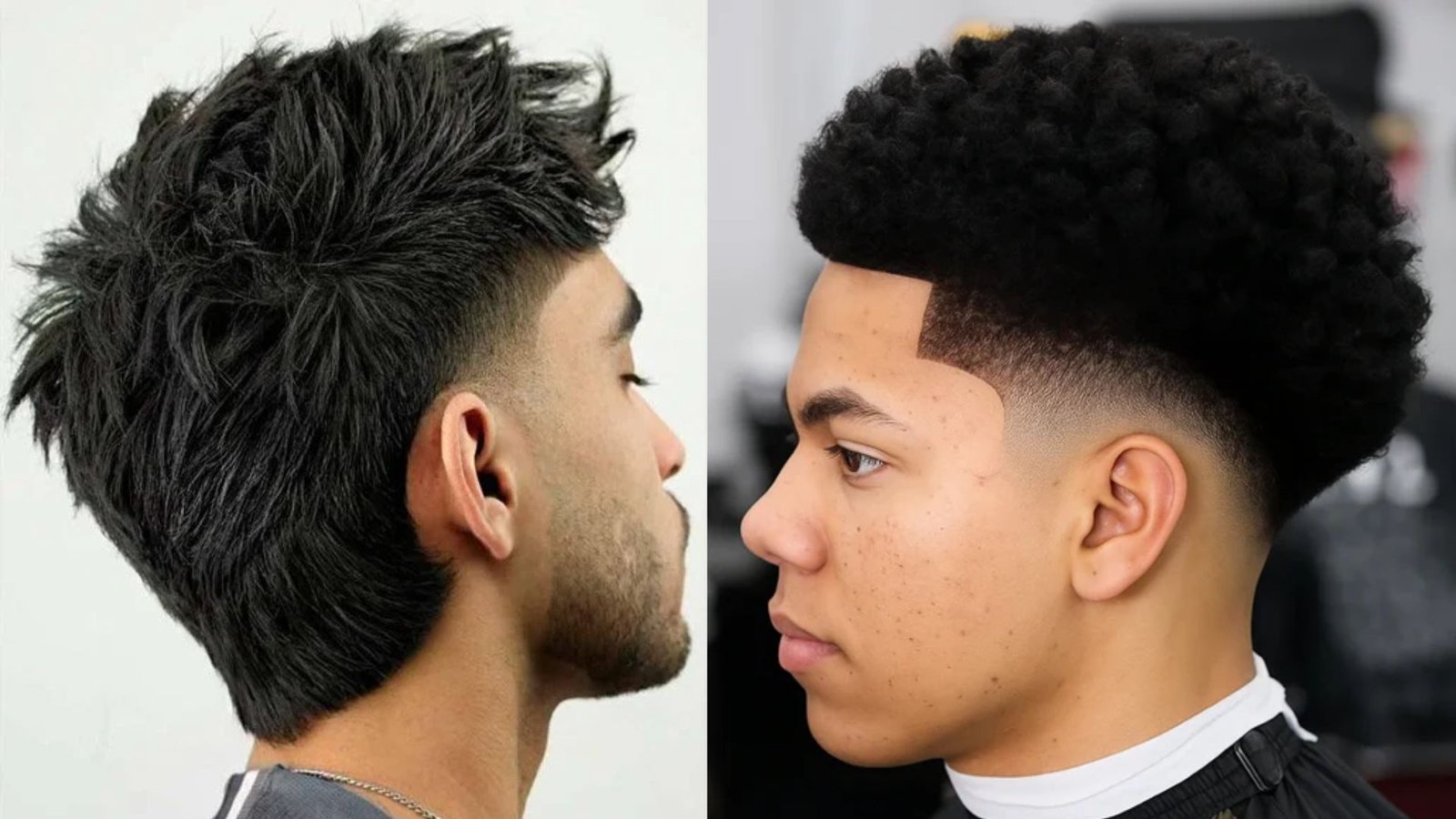
Here’s what you’ll actually see when you look in the mirror.
| Feature | Taper | Fade |
| Edge appearance |
Soft and blended edges Gradual transition, you barely notice |
Sharp, defined edges Clear line where lengths change |
| Neckline visibility |
Hair stays visible at the neckline You can see and feel hair all the way down |
Can reach bare skin The neckline may be completely shaved |
| Length difference |
Keeps hair visible all the way down You’ll still see hair at the bottom |
Goes down to bare skin That’s why they call them “skin fades” or “bald fades.” |
| Placement on the head |
Stays low around the neckline and sideburns Works in a smaller area |
Climbs higher up your head Can go halfway up or even higher Takes over more territory |
| Visual impact |
Refined and professional look Clean but conservative ideal for the office |
Bold and attention-grabbing Makes a statement Great for the weekend |
| Simple analogy |
Grows out softly like a sunset Gentle and natural |
Makes a statement like a lightning bolt Sharp and dramatic |
Face Shape and Hair Type Considerations
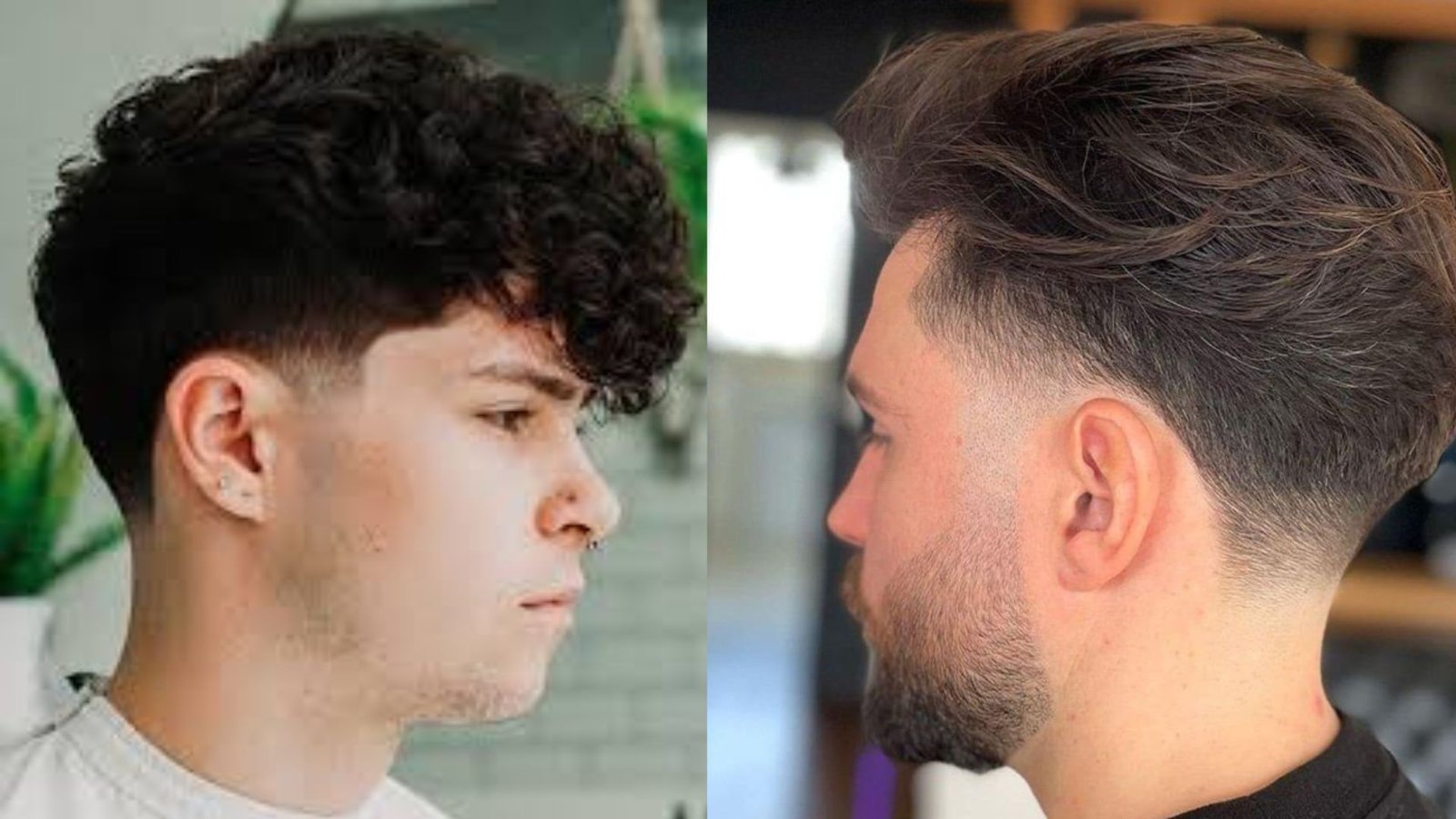
Your face shape matters more than you think. The right cut balances your features.
- Taper suits these faces: Oval faces look great with tapers. Round face, too. Square faces benefit from the gradual blend. The subtle transition doesn’t add extra sharpness. It keeps everything proportional and natural.
- Fade suits these faces: Round faces gain definition from fades. Diamond faces look balanced. Heart-shaped faces work well, too. The sharp contrast creates angles. It adds structure where you need it most.
- Hair type affects both: Thick hair holds tapers and fades equally well. Thin hair shows fades more dramatically. Curly hair needs skilled barbers for either style. Your texture changes how visible the blend becomes.
Which Haircut Suits You Best?
Here’s how to pick between the two. I’ll help you figure out which style matches your life.
- Taper works for: You need a professional look for work. Corporate jobs. Formal settings. It’s clean and low-maintenance. You won’t need the barber every week. Classic styles never go out of fashion.
- Fade works for: You want modern style. Something trendy and sharp. You like defined lines and attention-grabbing cuts. You don’t mind hitting the barber shop every 2-3 weeks to keep it fresh.
- The maintenance factor: Tapers last longer between cuts. Fades need constant upkeep. Ask yourself how often you will make time for the chair? Your schedule matters as much as your style preference.
Conclusion
Now you know the real difference between taper vs fade haircuts. Tapers blend gradually and keep more length. Fades go shorter and create sharper contrasts. Both look great, but they give you completely different vibes. You can walk into your next haircut with confidence.
No more confusion or disappointing results. You’ve got the knowledge to choose what fits your style, face shape, and maintenance preferences. Show your barber an image and use the right terms. You’ll get exactly what you want.
Next time you’re in the chair, try something new based on what you learned here. If this helped you figure things out, share it with a friend who’s stuck between styles. Got questions about your specific hair type? Drop a comment below and let’s talk about it.
Frequently Asked Questions
What’s the main difference between taper and fade?
A taper gradually shortens hair from top to bottom but keeps some length at the sides and back. A fade cuts hair much shorter, often down to the skin, creating a sharper contrast. Tapers are subtle, while fades are bold and dramatic.
Which lasts longer, taper or fade?
Tapers last longer between cuts, usually 3-4 weeks. Fades grow out faster and need touch-ups every 1-2 weeks to keep that sharp, clean look. If you want lower maintenance, go with a taper.
Is a taper or fade better for beginners?
Tapers are more forgiving for first-timers. They’re easier to maintain and grow out naturally if you don’t love the result. Fades require more upkeep and commitment, so start with a taper if you’re unsure.
Can you combine taper and fade together?
Yes. Many guys get a taper fade, which blends both techniques. The hair tapers gradually on top, then fades sharply near the bottom. It gives you the best of both worlds with versatile styling options.
Does a fade cost more than a taper?
Fades often cost slightly more because they require more precision and skill. The price difference is usually small, around $5-10. However, fades need more frequent visits, so maintenance costs add up over time.